Vines

Jasmine: What Every New Grower Gets Wrong Before the First Bloom

Tom Bridger

Tom Bridger

Tree & Shrub Specialist · Updated April 2026

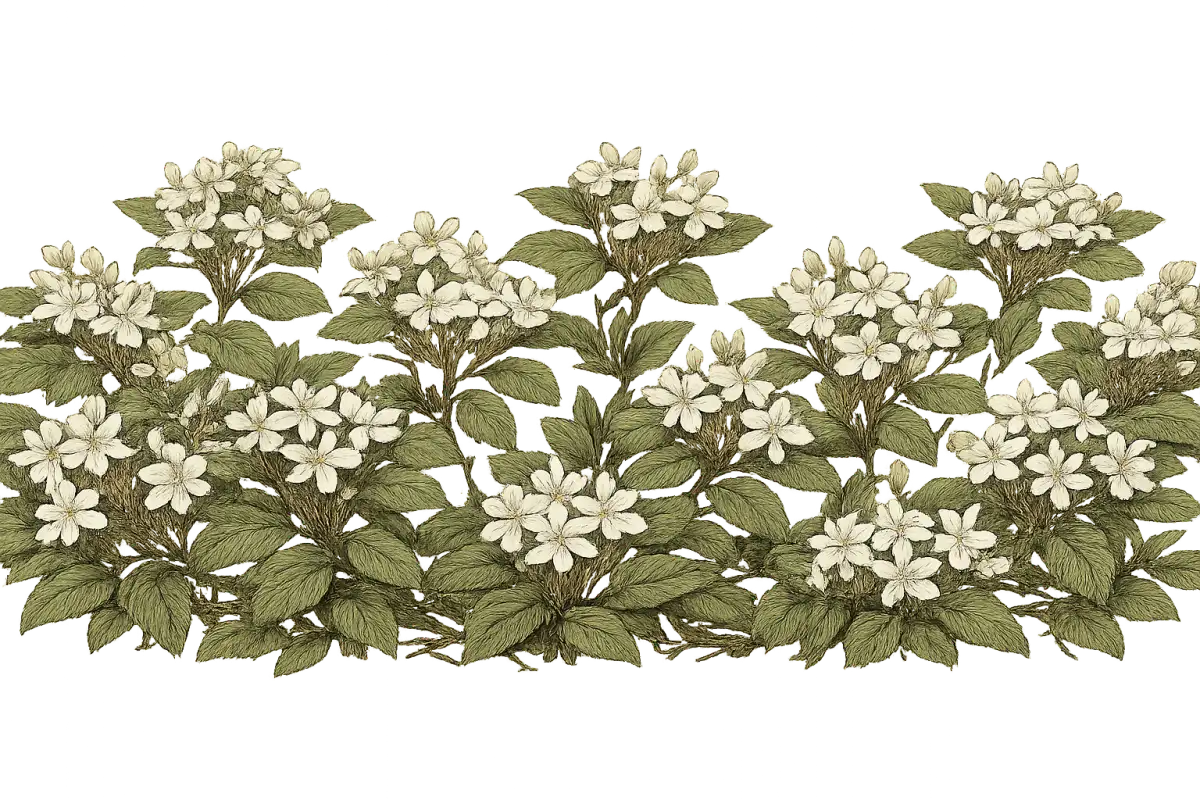
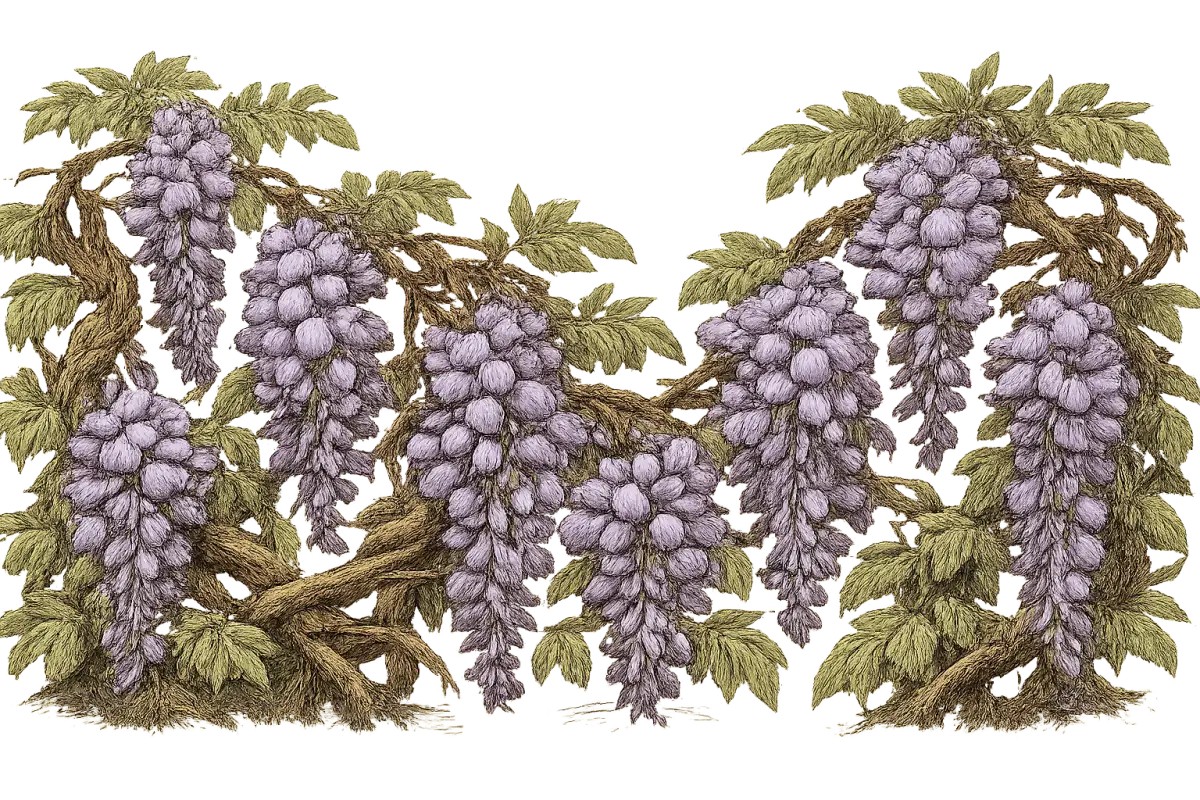
How to grow jasmine — vintage botanical illustration showing the plant in detail

Jasmine at a Glance

Sun

Sun

6+ hours direct sun

Soil pH

Soil pH

6.0-7.0

Water

Water

Water when top inch of soil is dry

Spacing

Spacing

4 ft

Height

Height

4-20 feet depending on species

Soil type

Soil

Well-drained loamy soil

Lifespan

Lifespan

perennial

Get your personalized growing data

Enter your zip code for frost dates, growing season, and soil type.

There is a particular kind of frustration that comes with jasmine. You buy the plant because of the fragrance -- that heavy, intoxicating scent you remember from a neighbor's garden or a vacation somewhere warm. You bring it home, give it a sunny spot, water it faithfully, and wait. The plant grows. It grows quite enthusiastically, actually -- lush and green and vigorous. But bloom? Nothing. Month after month, just foliage.

I have watched this pattern play out more times than I can count. And almost every time, the cause is the same thing: a cold period that never happened.

Jasmine is not a difficult plant. I want to be clear about that before we go any further. When its actual needs are met, it rewards you with some of the most extraordinary fragrance in the plant kingdom. J. sambac will perfume a patio from twenty feet away on a warm evening. J. officinale draped over an arbor in July is a genuinely extraordinary thing. But jasmine has a few specific requirements that most growers either do not know about or underestimate -- and those gaps cost people years of frustration.

This guide is built entirely from what we know works: species-specific data, zone-by-zone recommendations, and the hard-won understanding of what actually goes wrong. We will walk through which species belongs in your zone, how to plant and care for it correctly, and the mistakes that account for the vast majority of jasmine failures. By the end, you will understand not just what to do, but why -- and that understanding is what makes the difference between a plant that sulks and one that blooms.


Quick Answer: Jasmine Growing at a Glance

USDA Zones: 6 through 11 (species-dependent; see variety section)

Sun: Minimum 6 hours of direct sunlight daily; some afternoon shade tolerated in zones 9-11

Soil pH: 6.0-7.0 (slightly acidic to neutral); acceptable range 5.5-7.5

Soil drainage: Non-negotiable -- well-drained soil or containers with drainage holes; root rot is the #1 killer

Watering rule: Water when the top inch of soil is dry; moist but never soggy

Fertilizer: Balanced liquid fertilizer (10-10-10 or similar), monthly during growing season; avoid high-nitrogen formulas

Cold period (indoor jasmine): 6 weeks of 40-60°F nights in autumn -- required to trigger blooming

Support: Trellis, arbor, or pergola required for vining types (J. officinale, J. polyanthum); shrubby types (J. sambac, J. nudiflorum) need no support

Fragrance: J. sambac is the most intensely fragrant; J. nudiflorum has NO fragrance (a critical distinction)

Pruning rule: Always immediately after flowering; never before


The First Decision: Are You Even Buying Real Jasmine?

Before anything else -- before zones, before planting, before anything -- you need to confirm that the plant you are buying is actually jasmine.

This sounds like an odd place to start. But the garden industry has a jasmine problem: several popular, widely-sold plants carry the jasmine name and have absolutely nothing to do with the Jasminum genus. Getting this wrong means getting wrong-zone plants, wrong-care requirements, and in one case, actively toxic plants in your yard.

The two most common offenders are star jasmine and Confederate jasmine -- both of which are actually Trachelospermum jasminoides, from a completely different plant family. They are fragrant vines, and pleasant ones, but they are not jasmine. Their care requirements differ, their hardiness differs, and if you are using a placement tool or care guide built for jasmine, the advice will not apply. The other imposter worth knowing is Carolina jessamine (Gelsemium sempervirens) -- all parts of this plant are toxic, and it shares nothing with jasmine beyond a common name.

True jasmine is always in the genus Jasminum. Always check the botanical name on the plant tag before purchase. If it says Trachelospermum or Gelsemium, it is not jasmine. If it says Jasminum, you have the real thing.

With that settled, let us talk about which Jasminum species belongs where.


Best Jasmine Species by Zone

There are four true jasmine species that matter for US gardens, and they do not overlap as much as you might hope. The hardiness differences are significant, and choosing the wrong species for your zone is one of the most common and expensive mistakes I see.

What zone are you in?

Enter your zip code for frost dates, growing season, and soil type.

Cold Zones (6-7): Managing Expectations and Maximizing What You Have

Zone 6 is jasmine's cold boundary, and the plant that survives here is not the one most people are imagining when they buy jasmine. J. nudiflorum (winter jasmine) is the hardiest true jasmine -- it handles zone 6 reliably -- and it is a genuinely useful plant. Cheerful yellow flowers in late winter when nothing else is blooming, an arching habit that works beautifully cascading over retaining walls, and real cold toughness. But I want to be direct about something: it has absolutely no fragrance. None. The classic jasmine scent that draws most people to this genus is entirely absent from this species.

If you are in zone 6 and you want fragrant jasmine, you are growing it indoors. J. polyanthum and J. sambac both make excellent houseplants, and in this role they can provide everything you are looking for from jasmine. But managing that expectation before you plant -- rather than after a season of sniffing unscented yellow blooms -- saves real frustration.

Zone 7 is where fragrant outdoor jasmine becomes possible. J. officinale (poet's jasmine) is your primary choice here -- a deciduous vine reaching 15-20 feet with white, very fragrant flowers through summer and early fall. The critical caveat for zone 7 is winter protection. J. officinale may need its roots mulched heavily (4-6 inches) before the first hard freeze, covering with burlap or frost cloth during extreme cold events, and ideally a planting site against a south-facing wall for thermal mass. The plant will lose its leaves in fall and winter -- that is normal behavior, not a sign of distress. Do not prune back dead-looking stems in autumn; wait until spring and cut back only to where you see healthy green tissue.

Plant J. officinale against a sturdy support in zone 7. It will not survive the winter as a loose sprawler. A trellis on a south-facing fence or wall offers both support and the thermal protection this species needs at the edge of its range.

Moderate Zones (7-8): The Fragrant Vine Comes Into Its Own

Zone 8 is where jasmine growing opens up considerably. J. officinale is more reliably established here with less intensive winter protection, and J. polyanthum (pink jasmine) becomes a viable outdoor option as well. The milder zone 8 winters naturally provide the cool nights that J. polyanthum needs to trigger blooming -- one of the distinct advantages of growing it outdoors rather than as a houseplant.

J. polyanthum is a vigorous twining vine reaching 15-20 feet with beautiful pink flower buds that open to white and a very strong fragrance. Its bloom time -- late winter through spring -- fills a gap when J. officinale is not yet in flower, making the two an excellent pairing for season-long fragrance coverage if space allows.

One note of caution for zone 8 and warmer: J. polyanthum can be aggressive in mild climates. Monitor its spread and be prepared to prune it back firmly after flowering. A vine that seemed manageable in its second year can cover considerably more territory by its fourth or fifth.

For zone 7-8 growers who want to maximize fragrance, J. officinale on a substantial arbor or pergola near a patio or seating area is the classic approach. Jasmine scent intensifies in evening warmth -- a vine overhead or against a south-facing wall near where you actually spend summer evenings is worth more than one planted in the back corner of the yard where it blooms unseen.

Warm Zones (9-10): The Full Palette

Zones 9 and 10 are where jasmine truly thrives, and growers here have access to all four species. The real question in these zones is not which jasmine will survive -- it is which one is right for your goals.

For fragrance, J. sambac (Arabian jasmine) is the standout choice. This is the jasmine used to make jasmine tea and Hawaiian leis, and its scent is extraordinary -- more powerful and concentrated than any other jasmine species. It grows as an evergreen shrub rather than a vine, reaching 4-6 feet, which makes it ideal for patios, doorway plantings, and container culture. It blooms from spring through fall and near-continuously in frost-free areas. The shrubby habit means no trellis required, and the compact size makes it manageable in small gardens.

J. officinale becomes evergreen in zones 9-10 rather than deciduous, and it grows vigorously year-round. This is both its strength and a management consideration -- plan for regular pruning to keep it in bounds. Train it on arbors and pergolas for overhead fragrance near outdoor living areas. A mature J. officinale on a large arbor in zone 9 is a remarkable thing.

J. polyanthum is also viable outdoors here, though it can become genuinely aggressive in frost-free areas. If you plant it, give it boundaries you intend to enforce with annual pruning.

Tropical Zone (11): J. Sambac's Territory

In zone 11 -- southern Florida, Hawaii -- J. sambac blooms near-continuously and holds cultural significance in Hawaii specifically for lei-making. All four species are evergreen and vigorous here, but J. sambac is the natural first choice. If you are growing any vining jasmine in zone 11, plan to prune it back hard after each flowering cycle. Vigorous is an understatement at the warm end of the spectrum.

Quick Reference Table: Jasmine Species by Zone

Zone GroupSpeciesCommon NameFragrant?HabitKey Consideration
6J. nudiflorumWinter jasmineNoArching shrubOnly hardy option; no scent
7-8J. officinalePoet's jasmineYes, veryDeciduous vineNeeds winter protection in zone 7
8J. polyanthumPink jasmineYes, veryTwining vineOutdoors viable from zone 8; can be aggressive
9-10J. sambacArabian jasmineIntenselyEvergreen shrubFragrance champion; no trellis needed
9-11J. officinalePoet's jasmineYes, veryEvergreen vineVigorous; prune regularly
11J. sambacArabian jasmineIntenselyEvergreen shrubNear-continuous bloom; lei-making

Soil: The Drainage Requirement Is Non-Negotiable

I have read a lot of plant guides that describe soil requirements in politely optimistic terms. "Jasmine prefers well-drained soil." I want to be less polite: if your soil does not drain freely, your jasmine will die. Root rot from waterlogged soil is the single most common cause of jasmine death, and it kills plants that might otherwise have thrived for decades.

The test is simple. Dig a hole 12 inches deep, fill it with water, and time how long it drains. If water is still sitting after 4-6 hours, you have a drainage problem. At that point, you have three real options: raised beds, amended planting holes, or containers. Amending heavy clay with compost helps, but there is an important trap here -- do not simply fill the planting hole with pure compost surrounded by native clay. This creates a bathtub effect where water flows into the amended pocket and has nowhere to go. Raised beds or containers bypass the problem entirely and are my recommendation for gardens with serious clay issues.

Ideal soil profile: Loamy soil with a pH of 6.0-7.0, moderate organic matter (3-5%), and free drainage. Sandy soil works well for drainage but loses water and nutrients quickly -- amend with compost and plan on more frequent watering and feeding. Alkaline soils above pH 7.5 (common in the Desert Southwest and limestone regions) can cause interveinal chlorosis as iron becomes chemically unavailable. The fix is elemental sulfur to lower pH over time, chelated iron for quick symptom correction, and potentially container growing with an appropriate potting mix if native soil is severely alkaline.

For containers, use a mix of 60% quality peat or coir-based potting soil, 20-25% perlite, and 15-20% compost or aged bark fines. Never use garden soil in pots. Drainage holes are mandatory -- not optional, not improvable with a gravel layer at the bottom (that gravel layer myth actually raises the water table inside the pot). Empty saucers 30 minutes after watering. Never let jasmine sit in standing water.

Mulch deserves a specific mention here. A 2-3 inch layer of shredded bark, wood chips, or pine straw does substantial work: it slows evaporation, moderates soil temperature, suppresses weeds, and builds organic matter as it breaks down. In zones 7-8, increase that to 4-6 inches over the root zone before the first hard freeze -- this is part of your winter protection strategy for J. officinale. Keep mulch 2-3 inches away from the stem in all cases to prevent crown rot.


Planting Jasmine Right the First Time

When to Plant

The timing varies by zone, and getting it right sets the plant up for a strong establishment season.

In zones 7-8, plant in spring after the last frost date or in early fall. Fall planting gives roots a head start during mild winter temperatures before the stress of spring growth -- but leave enough weeks before hard frost for some root development to occur first.

In zones 9-11, plant in fall through early spring. You are avoiding the peak summer heat, which stresses newly planted jasmine before roots have a chance to establish. A fall-planted jasmine in zone 9 with a full cool season of root development is in a dramatically better position heading into its first summer than one planted in June.

The Planting Process

Step 1: Dig a hole twice the width of the root ball and the same depth. Jasmine should sit at the same level it was growing in the nursery container -- do not bury the crown.

Step 2: Amend heavy clay soils by mixing the removed soil up to 50% with compost. For alkaline soils, incorporate sulfur amendments according to soil test recommendations. In sandy soils, work 3-4 inches of compost into the surrounding soil.

Step 3: Set the plant, backfill with your amended mix, and water thoroughly to settle the soil and eliminate air pockets.

Step 4: Mulch immediately -- 2-3 inches of shredded bark or wood chips around the base, kept 2-3 inches away from the stem.

Step 5: For vining types, install the trellis or support structure at planting time. Not after the vine has sprawled. Not next spring. At planting. A jasmine vine without support will be on the ground within a season, tangled and difficult to rehabilitate.

Step 6: Water every 2-3 days for the first two to four weeks. Newly planted jasmine needs consistent moisture for root establishment -- do not let it dry out completely during this critical window.

Spacing

  • J. officinale (vine): 8-10 feet apart for coverage, or a single specimen on a dedicated support
  • J. sambac (shrub): 4-6 feet apart
  • J. nudiflorum (arching shrub): 4-5 feet apart for groundcover coverage


Watering: Moist Means Moist, Not Wet

The core watering principle for jasmine is simple to state and surprisingly easy to misread in practice: moist but never soggy. These are not the same thing, and the distinction between them is the difference between a thriving jasmine and one dying of root rot while sitting in wet soil.

The only reliable way to know when to water is the finger test. Insert your finger one inch into the soil. If it is damp, wait. If it is dry to one inch, water thoroughly and let excess drain away completely. If you find it dry two or more inches down, water immediately -- you have waited too long. A fixed watering schedule -- every three days, twice a week -- fails to account for pot size, soil type, temperature, humidity, and season. These variables change constantly. The finger test is always accurate.

For outdoor established plants, zones 7-8 need roughly 1-1.5 inches per week during spring and summer, with natural rainfall often sufficient in fall and winter. In zones 9-10, expect daily watering during extreme summer heat (100°F and above). For newly planted jasmine in any zone, water every 2-3 days for the first few weeks as roots establish, then gradually extend intervals.

Drip irrigation is the best approach for outdoor jasmine. It delivers water directly to the root zone without wetting foliage, reducing the risk of powdery mildew and leaf spot. Overhead sprinklers are the least preferred option; if they are what you have, water in the morning so foliage dries before evening.

The Humidity Problem for Indoor Growers

Indoor jasmine has a watering challenge that outdoor jasmine does not: heated indoor air in winter can drop to 15-25% relative humidity. Jasmine evolved in subtropical and tropical climates where humidity is far higher. The result is crispy leaf edges, flower bud drop, and -- critically -- ideal conditions for spider mites, which thrive in exactly this kind of hot, dry air.

The target for indoor jasmine is 40-60% relative humidity. A small cool-mist humidifier near the plant is the most effective solution. Pebble trays (pot sitting above, not in, water in a pebble-filled tray) work reasonably well. Daily misting provides a temporary boost. Grouping tropical plants together helps through collective transpiration. Whatever method you choose, take humidity seriously -- it is a bigger factor in indoor jasmine health than most growers realize.


The Cold Period: Why Indoor Jasmine Won't Bloom Without It

This is the section that will solve the problem for the most people, so I want to give it the space it deserves.

If you have an indoor jasmine -- almost certainly J. polyanthum or J. sambac -- and it grows vigorously but has never flowered, stop wondering what fertilizer you are missing or whether the window is bright enough. In nearly every case, the answer is this: the plant has never experienced the cold period it requires to set flower buds.

Both J. polyanthum and J. sambac need 6 weeks of cool nights (40-60°F) in autumn to switch from vegetative growth to flower production. Without this cold trigger, the plant's biology simply never initiates bloom. It will grow. It will look healthy. It will produce abundant green foliage. But it will never flower.

Here is how to provide the cold period correctly:

In early-to-mid autumn (September through October), move the plant to an unheated garage, enclosed porch, cool basement, or any space where night temperatures reliably drop to 40-60°F. Continue providing bright light during this period -- the plant still needs sun. Reduce watering (allow the top 1-2 inches of soil to dry between waterings rather than the usual 1 inch), but do not let the soil go completely dry. Stop fertilizing entirely.

After approximately 6 weeks, look for small round buds forming at stem tips. Once you see those buds, the cold treatment has worked. Move the plant back to its bright warm indoor location, resume normal watering and fertilizing, and expect blooms in late winter to early spring -- February through March for most growers.

One important balance: during the cold period, the combination of cool temperatures and wet soil creates ideal root rot conditions. Err toward slightly drier soil during this window, but never completely dry. This is a moment where attentive, thoughtful watering matters more than usual.

What zone are you in?

Enter your zip code for frost dates, growing season, and soil type.


Pruning: One Rule That Covers Almost Everything

Jasmine pruning intimidates people, but it should not. There is essentially one principle that handles 90% of the decisions: prune immediately after flowering ends. Never before. Always after.

The reason this matters is that different jasmine species bloom on different wood -- some on this season's new growth, some on last year's wood -- and pruning at the wrong time removes either the active flowering shoots or the buds that were set months ago. Prune at the right time and you simply cannot go wrong.

By Species

J. officinale blooms on current-season growth. Prune after the summer or early fall bloom finishes -- August through October depending on your zone. This gives the plant the maximum growing window to produce new stems that will carry next year's flowers. Pruning in spring removes the very growth that would have bloomed.

J. sambac also blooms on new growth, but it is a repeat-bloomer through warm months rather than a single flush. Light ongoing pruning is tolerated throughout the season. A heavier pruning after the main flowering flush (late summer) gives the plant time to push new growth before the next bloom cycle.

J. polyanthum is the species where pruning mistakes are most costly, because it blooms on the previous year's wood after being triggered by the autumn cold period. Prune right after the spring bloom finishes -- April or May. Never prune in fall or winter, when the buds you spent six weeks cold-treating are already formed and waiting. Prune at the wrong time and you remove an entire bloom season.

J. nudiflorum also blooms on previous year's wood, in late winter before leaves emerge. Prune immediately after flowering finishes in March or April. Prune before bloom and you remove all the buds. Prune right after and you give the plant a full growing season to produce the stems that carry next year's flowers.

What to Remove

Regardless of species, post-bloom pruning follows the same sequence:

1. Remove dead, damaged, or diseased wood -- cut back to healthy green tissue

2. Thin crossing and tangled branches to improve air circulation

3. Cut back overly long shoots by up to one-third to control size and encourage bushier growth -- always cut just above an outward-facing leaf node

4. Remove weak, spindly interior growth that will not produce quality flowers

For indoor jasmine, cut back the entire plant by one-third to one-half after bloom. Remove spent flower clusters and any yellowed or weak stems. Then, through summer, pinch growing tips when new shoots have 3-4 pairs of leaves -- each pinched tip produces two or more new shoots, building a fuller plant that carries more flowers next season.

Neglected Plants

If you have inherited or allowed an overgrown, tangled jasmine, do not despair. Cut it back hard to 2-3 feet from the ground immediately after flowering. It will look terrible for several weeks and may skip a bloom cycle. By the following year, it will push vigorous new growth from the base and return to full bloom. A more conservative approach is to remove one-third of the oldest, woodiest stems at ground level each year for three years -- this gradually renews the plant without the full shock of a single hard cutback.

Always sterilize pruning tools between plants -- a wipe with rubbing alcohol or a 10% bleach solution is sufficient. Cut at a 45-degree angle just above an outward-facing bud. These small habits matter for preventing disease spread on any woody plant.


Pests and Diseases: What to Watch and When to Act

Good air circulation prevents more jasmine pest and disease problems than any spray. Before reaching for any treatment, ask whether the growing environment is providing adequate airflow, appropriate humidity, and proper drainage. Most problems begin with a cultural issue.

Spider Mites (The #1 Indoor Pest)

Spider mites are the dominant pest problem for indoor jasmine in winter, and the reason is straightforward: heated indoor air creates ideal mite habitat -- warm, dry, still. Mites are nearly invisible to the naked eye, but you will see fine webbing on leaf undersides and between stems before the population is too far advanced. Leaves develop a stippled, dusty appearance. Hold a white sheet of paper under a leaf and tap sharply; mites appear as moving specks.

First response is a strong blast of water, focusing on leaf undersides. This physically removes mites and eggs. Repeat every 3-4 days for two weeks. For more serious infestations, insecticidal soap applied thoroughly to all leaf surfaces (especially undersides) on a 5-7 day repeat schedule, or neem oil for its residual repellent effect. If mites are unresponsive to both, use a miticide specifically labeled for mites -- standard insecticides do not kill mites and may actually worsen the infestation by eliminating natural predators.

Prevention: maintain humidity above 40% (mites hate humidity), isolate new plants for two weeks before introducing them to existing jasmine, and inspect regularly. Catching a mite infestation when there is light stippling but no webbing is dramatically easier than dealing with a full colony.

Mealybugs

White, cottony masses in leaf axils and at stem bases. Sticky honeydew residue followed by black sooty mold. For small infestations, dab individual mealybugs with a cotton swab soaked in rubbing alcohol. Insecticidal soap or neem oil for broader infestations, with repeat applications every 7 days for 3-4 weeks -- mealybug eggs are protected by a waxy coating that makes single applications ineffective. Persistent or heavy infestations may require a systemic insecticide (imidacloprid as a soil drench) to reach mealybugs that topical sprays cannot access.

Aphids and Whitefly

Aphids cluster on new growth and flower buds, causing distorted leaves and honeydew deposits. A strong water blast knocks them off; insecticidal soap handles the rest. Outdoors, resist the urge to reach for broad-spectrum insecticides -- ladybugs, lacewings, and parasitic wasps are highly effective aphid predators and worth protecting.

Whiteflies explode in a white cloud when disturbed and are particularly problematic in Gulf Coast and Florida gardens where they never fully die off in winter. Yellow sticky traps for monitoring and partial control; insecticidal soap and neem oil for active treatment. Multiple applications are needed because eggs are spray-resistant.

Root Rot (The #1 Disease)

Root rot is almost always a cultural problem, not a pathogen. Overwatering or poor drainage creates conditions where roots suffocate and decay. The insidious part: the symptom is wilting -- which most gardeners interpret as a need for more water, accelerating the death spiral.

If your jasmine is wilting despite wet soil, stop watering immediately. Unpot the plant and inspect the roots. Brown, mushy, foul-smelling roots confirm root rot. Trim away all dead root tissue with sterile scissors, let roots air-dry for several hours, and repot in fresh well-draining mix with improved drainage. Water sparingly until the plant shows recovery.

Powdery Mildew

White, powdery coating on leaves and sometimes flower buds. Favored by warm days, cool nights, and poor air circulation. Improving airflow alone resolves mild cases. Neem oil applied every 7-14 days works as both preventive and curative. A potassium bicarbonate spray (1 tablespoon per gallon of water plus a few drops of liquid soap) is also effective. Water at the soil level, not overhead -- wet foliage is a primary mildew trigger.


The Ten Mistakes That Cost People the Most

I have organized these by the frequency with which they actually cause failure. Fix the first one and you eliminate the most common problem in jasmine growing.

Mistake 1: Skipping the cold period for indoor jasmine. Covered extensively above, but it bears repeating in plain terms: a healthy, well-cared-for indoor jasmine that produces only foliage and never flowers almost certainly has not had 6 weeks of 40-60°F nights in autumn. This is not a difficult fix -- it just requires doing it intentionally, every year.

Mistake 2: Buying a non-jasmine imposter. Star jasmine and Confederate jasmine are Trachelospermum jasminoides -- not jasmine. Carolina jessamine is toxic. Check the Latin name on the tag before purchasing.

Mistake 3: Expecting fragrance from winter jasmine. J. nudiflorum is beautiful and genuinely useful as a late-winter color plant. It is completely odorless. If you plant it expecting the jasmine fragrance you know, you will be disappointed. Know what you are buying.

Mistake 4: Overwatering. The most common path to root rot. Water when the top inch of soil is dry. Never on a fixed schedule. Never let the pot sit in standing water. Pots without drainage holes are not acceptable for jasmine.

Mistake 5: Insufficient light. Jasmine needs a minimum of 6 hours of direct sun. Indoors, that means the strongest south or west-facing window available, supplemented by a grow light if needed. Leggy, sparse growth reaching toward a light source is the diagnostic sign here.

Mistake 6: Wrong species for your zone. J. sambac planted outdoors in zone 7 will not survive the winter. J. officinale in zone 6 is similarly doomed. Match the species to your hardiness zone. If your preferred species is not hardy in your zone, grow it in a container that can be moved inside for winter.

Mistake 7: Pruning at the wrong time. The rule is simple -- prune immediately after flowering. Pruning before bloom removes either active flowering shoots (J. officinale, J. sambac) or buds already set (J. polyanthum, J. nudiflorum). The "prune it back in early spring" instinct that works for many shrubs does not work for jasmine.

Mistake 8: No support for vining types. J. officinale and J. polyanthum reach 15-20 feet. Without a trellis, arbor, or support structure, they sprawl, tangle, and smother neighboring plants. Install the support at planting, not after the vine has already committed to a direction.

Mistake 9: Placing indoor jasmine near heat sources. Heating vents and radiators blast hot, dry air -- the ideal environment for spider mites and the worst environment for jasmine. Crispy leaf edges and an immediate mite infestation are the result. Move the plant away from any heat source, and if the only bright window is near a vent, redirect or close the vent.

Mistake 10: Planting jasmine where you cannot enjoy the fragrance. This is a softer mistake than the others, but jasmine's primary gift is its evening scent -- which intensifies dramatically in evening warmth, from dusk through the night hours. A jasmine planted in the back of the property where you never sit in the evening is a missed opportunity. Plant it near the patio, below bedroom windows, by doorways, or on an arbor over a seating area. The fragrance is the point.

What zone are you in?

Enter your zip code for frost dates, growing season, and soil type.


Fertilizing: Balanced and Seasonal, Not Heavy

Jasmine is not a heavy feeder, but it does need consistent nutrition during its growing season. The approach is straightforward: a balanced liquid fertilizer (10-10-10 or similar) applied monthly from spring through fall. In winter, reduce to every 6-8 weeks for plants in active growth, or stop entirely for plants in their cold treatment period.

One specific guidance to follow: avoid high-nitrogen fertilizers. High nitrogen promotes abundant, lush foliage at the direct expense of flowers -- the opposite of what you want. A balanced formulation keeps the plant vigorous without pushing it into purely vegetative growth.

Container plants need more frequent attention than in-ground jasmine, because nutrients leach out with every watering. If you are growing in containers, stick to the monthly schedule through the full growing season. For sandy in-ground soils with similar leaching tendencies, half-strength fertilizer applied twice as often is more effective than full-strength monthly.

Do not fertilize during the cold treatment period for indoor jasmine -- the plant is in a semi-dormant state and does not need it. Resume fertilizing when flower buds appear and the plant moves back to warm conditions.


Companion Planting: Building a Fragrance Garden

Jasmine scent intensifies in evening warmth, which means the plants surrounding it matter both practically and experientially. When designing around jasmine, combine with other plants that perform at the same time of day for a layered aromatic experience.

Evening-scented companions that pair well with jasmine: gardenia (complementary white-flower fragrance), tuberose (powerful evening scent), night-blooming stock (sweet and spicy), moonflower (large white blooms opening at dusk), and nicotiana. These plants activate as evening approaches, creating a fragrance garden that performs precisely when jasmine is at its best.

For structural companions, acid-tolerant plants that share jasmine's pH preference (6.0-7.0) work well -- but jasmine is more pH-flexible than, say, blueberries, so companion choices are primarily about aesthetic and functional design rather than strict chemistry.

The placement principle matters more than specific companion choices: put your fragrance garden where you actually spend summer evenings. A patio corner with jasmine overhead on a pergola, tuberose in pots at seating level, and gardenia nearby creates an evening experience that is genuinely extraordinary. The same plants scattered around the yard because they fit the space produce a fraction of the enjoyment.


Frequently Asked Questions

Can I Grow Jasmine in Zone 6?

Yes, but with significant constraints. The only true jasmine hardy to zone 6 is J. nudiflorum (winter jasmine), which produces cheerful yellow flowers in late winter and early spring. It is an arching shrub useful for groundcover, bank stabilization, and cascading over walls -- but it is not fragrant. If you want the classic jasmine scent in zone 6, grow J. polyanthum or J. sambac indoors as houseplants. They require a 6-week cold period (40-60°F nights) in autumn to bloom, but both can be extremely rewarding as indoor plants in any zone.

Why Does My Jasmine Grow Well but Never Flower Indoors?

Almost certainly because it has not received its required cold period. J. polyanthum and J. sambac need 6 weeks of cool nights (40-60°F) in autumn to set flower buds. A plant kept in the same warm indoor conditions year-round will grow indefinitely without ever blooming. Move it to an unheated garage, porch, or cool room in September or October. Continue providing bright light. Reduce watering, stop fertilizing. After 6 weeks, once small round buds appear at stem tips, move back to warm conditions and resume normal care. Blooms should follow in late winter to early spring.

What Is the Difference Between Star Jasmine and Real Jasmine?

Star jasmine (Trachelospermum jasminoides) is not a true jasmine -- it belongs to a completely different plant family and shares no genus with real jasmine (Jasminum). It is a fragrant vine and a pleasant plant in its own right, but it has different care requirements, different hardiness characteristics, and if you use jasmine-specific guidance for it, the advice will not fully apply. True jasmine is always in the genus Jasminum. Always check the botanical name on the plant tag before purchasing.

How Do I Choose Between J. officinale and J. sambac?

The deciding factors are your zone and your growth habit preference. In zones 7-8, J. officinale is your main fragrant outdoor option -- it is a deciduous vine that handles these zones reliably. In zones 9-11, both are viable, but J. sambac is the fragrance champion and its shrubby habit (4-6 feet, no trellis needed) makes it more manageable in smaller gardens and containers. If you want to cover a large trellis or arbor, J. officinale. If you want a patio container or doorway plant with the most intense possible scent, J. sambac.

How Do I Deal with Jasmine Spider Mites?

Spider mites on indoor jasmine are almost always a humidity problem. Heated indoor air drops to conditions that are ideal for mites. The first step is increasing humidity around the plant -- daily misting, a pebble tray, or a humidifier. For active infestations, blast the plant with water (focusing on leaf undersides) every 3-4 days for two weeks. Follow with insecticidal soap applied to all surfaces on a 5-7 day repeat schedule. Neem oil provides residual repellent effect. If mites persist, use a miticide specifically labeled for mites -- general insecticides do not kill mites. Isolate affected plants from other houseplants during treatment.

When Should I Repot My Container Jasmine?

Repot every 2-3 years or when roots begin circling the bottom of the pot. Move up one pot size -- 2 inches larger in diameter. The best timing is spring, just as new growth begins. Refresh the soil mix at each repotting even if keeping the same pot size: a 60% potting soil, 20-25% perlite, 15-20% compost mix maintains the drainage and nutrition balance that container jasmine needs. After repotting, water thoroughly and hold off on fertilizing for 4-6 weeks to let roots settle into the new mix.


The Bottom Line

Jasmine is not a forgiving plant for people who grow it by guesswork, but it is extremely rewarding for people who understand what it actually needs. Match the species to your zone. Give it a sunny site and well-drained soil. If you are growing indoors, give it the cold period it requires to bloom. Prune immediately after flowering, and never before. Keep the soil moist but never wet.

Do those things and jasmine will give you something that very few plants can: a genuine sensory experience. The scent of J. sambac on a warm evening near a patio is not a subtle pleasure. It is the kind of thing that stops visitors mid-conversation and makes them ask what that smell is. J. officinale covering an arbor in July, the air heavy with white flowers, is one of the more quietly spectacular things a garden can produce.

It takes a little patience and a little knowledge to get there. But the gap between a jasmine that sulks and one that blooms is smaller than most people think -- and almost always bridgeable with the right information applied at the right time.

Research for this guide was drawn from extension service guidance and cultivar data sources including the University of Florida IFAS, NC State Extension, University of Maryland Extension, and regional horticultural records from zone-specific growing programs across the US.

Where Jasmine Grows Best

Jasmine thrives in USDA Zones 8, 9, 10. Explore each zone's complete guide for growing tips, companion plants, and seasonal advice.

Also possible in: Zone 7 (challenging but possible with the right conditions).

Not sure of your zone? Look it up by zip code →