 Where to Plant



Overview
Zone 7 is where the gardening conversation shifts. With mild winters (lows of 0 to 10°F) and a 230-day growing season, you can grow more variety here than almost anywhere — both temperate and many marginally hardy southern plants. The challenge changes from 'will it survive winter?' to 'will it tolerate summer?'
Zone 7 gardens can look like either northern or southern landscapes depending on plant choice. You can grow peonies and crepe myrtles in the same yard. Figs are no longer marginal — they're reliable. This is the zone where your plant options explode, but it's also where summer heat and humidity start to limit certain cool-loving favorites.
Where Zone 7 Is
Zone 7 covers a wide swath of the country: the mid-Atlantic coast (much of Virginia, Maryland, Delaware, southern New Jersey), central Tennessee and Kentucky, parts of Arkansas and Oklahoma, much of California's interior valleys, and significant portions of the Pacific Northwest (Portland, Seattle area).
Climate & Challenges
Zone 7 winters are mild — average minimums between 0 and 10°F. The 230 frost-free days allow you to grow essentially any warm-season crop to full maturity. Spring arrives in March, fall frosts hold off until November. In many parts of Zone 7, the winter doesn't end gardening entirely; cool-season crops can grow through much of the winter with minimal protection.
Summers in Zone 7 vary enormously by location. Eastern Zone 7 (mid-Atlantic, southern Appalachians) is humid with highs in the 90s and significant disease pressure. Western Zone 7 (California valleys, interior Pacific Northwest) is often drier but can be extremely hot. Both support excellent gardens but with completely different plant palettes and care requirements.
Main challenges: Summer heat is the primary challenge. Cool-loving plants like rhododendrons, hostas, peas, lettuce, and broccoli need afternoon shade or they'll struggle in late July and August. Heat-tolerant varieties matter more than zone-appropriate ones. The other consideration is water — Zone 7 humidity varies from very humid (east) to arid (interior California), and 'Zone 7' alone doesn't tell you which kind of gardening you're doing.
Best Plants for Zone 7
Below you'll find the best plants for Zone 7organized by category. Each plant is rated on a 5-dot scale: 5 means it thrives here, 4 means it grows well, 3 means it's possible but challenging. Click any plant to see the full growing guide with zone-specific tips.
Best Vegetables for Zone 7
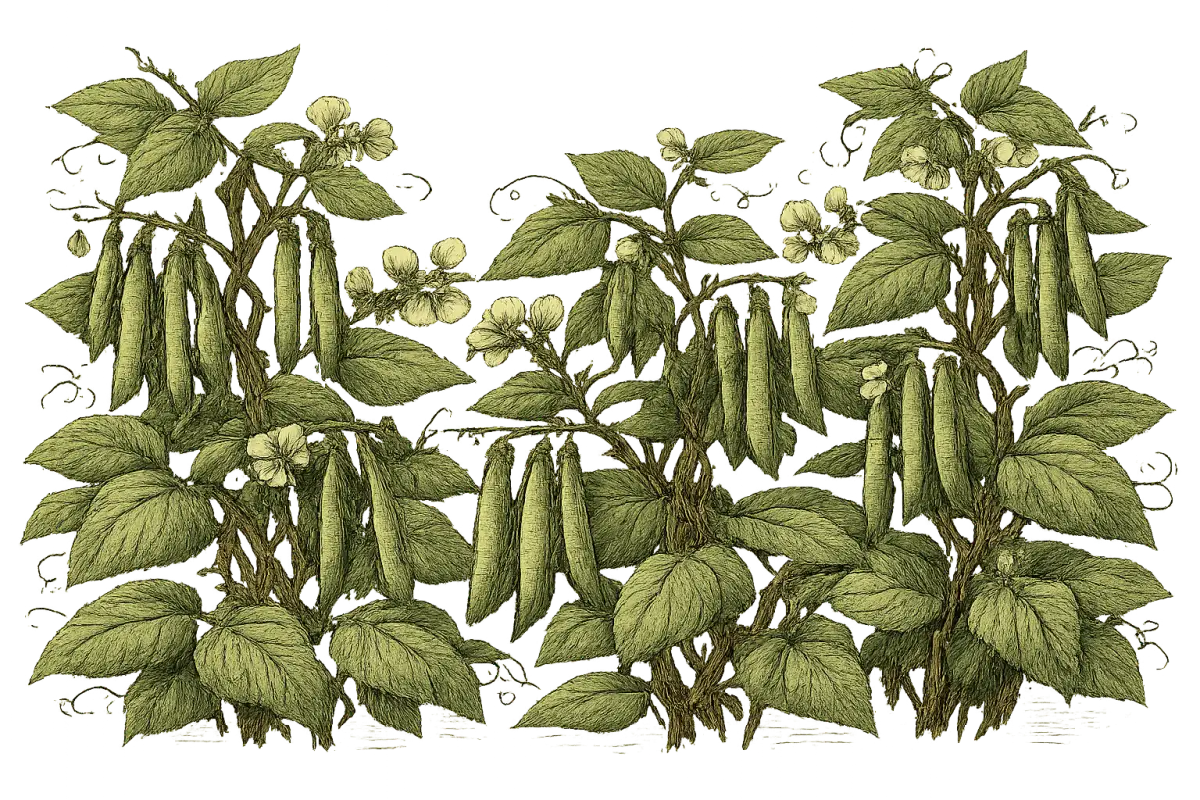
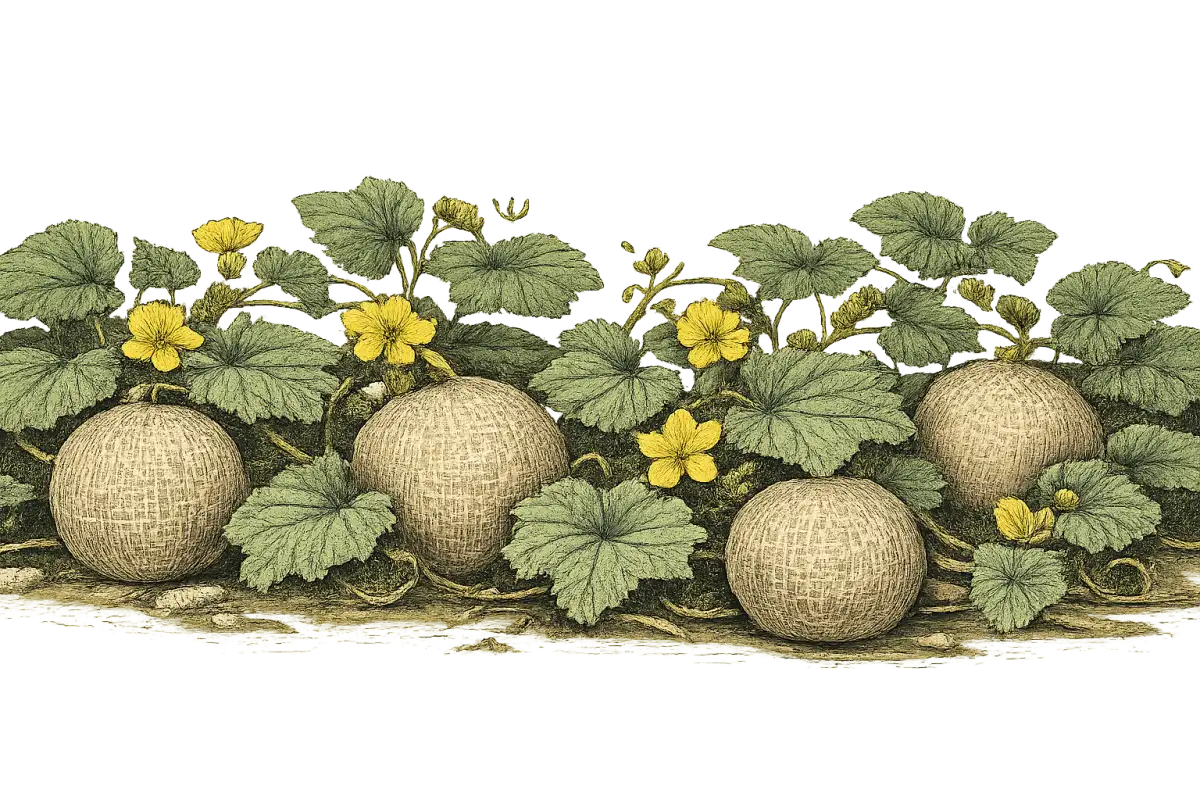
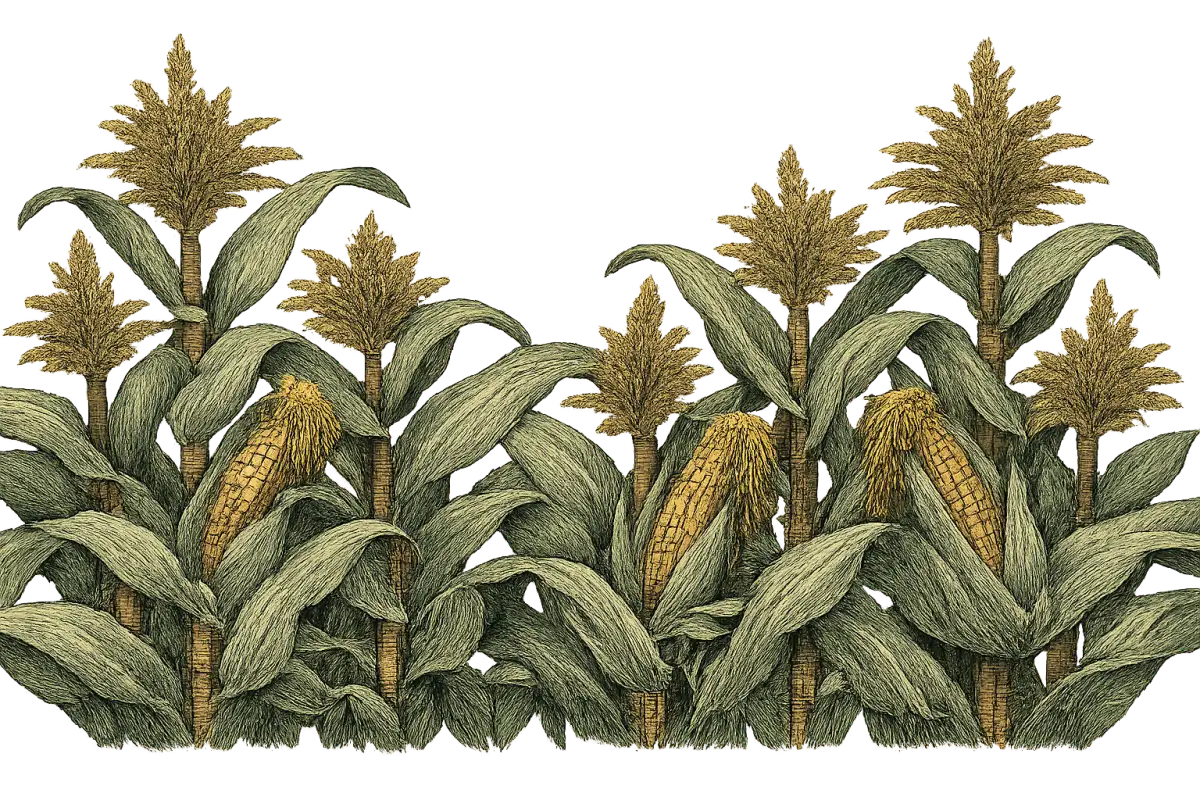
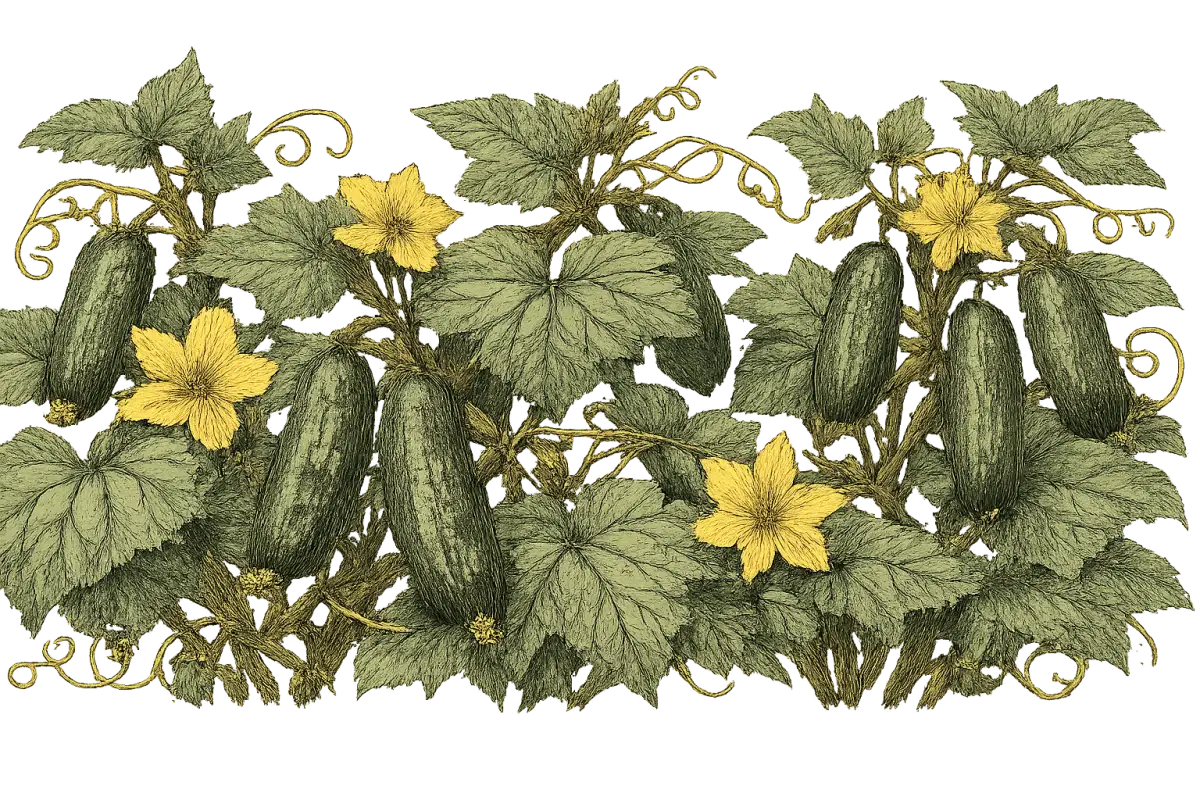
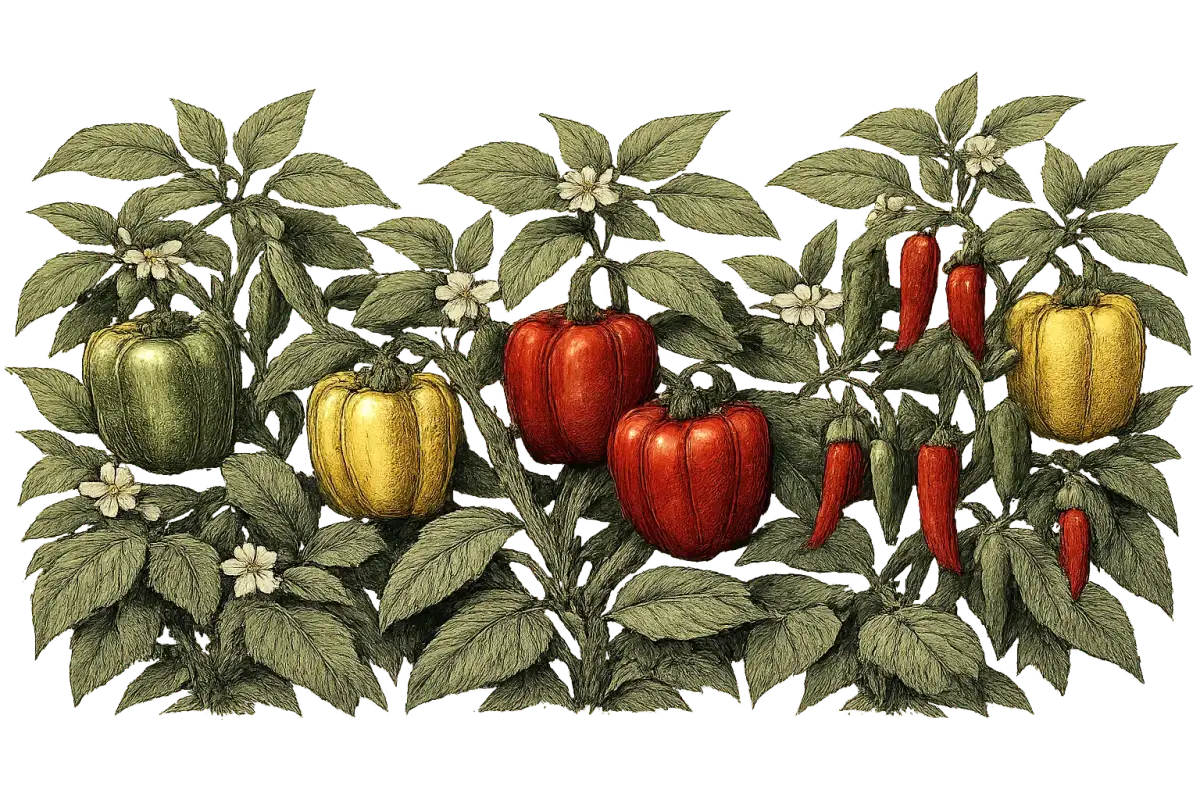
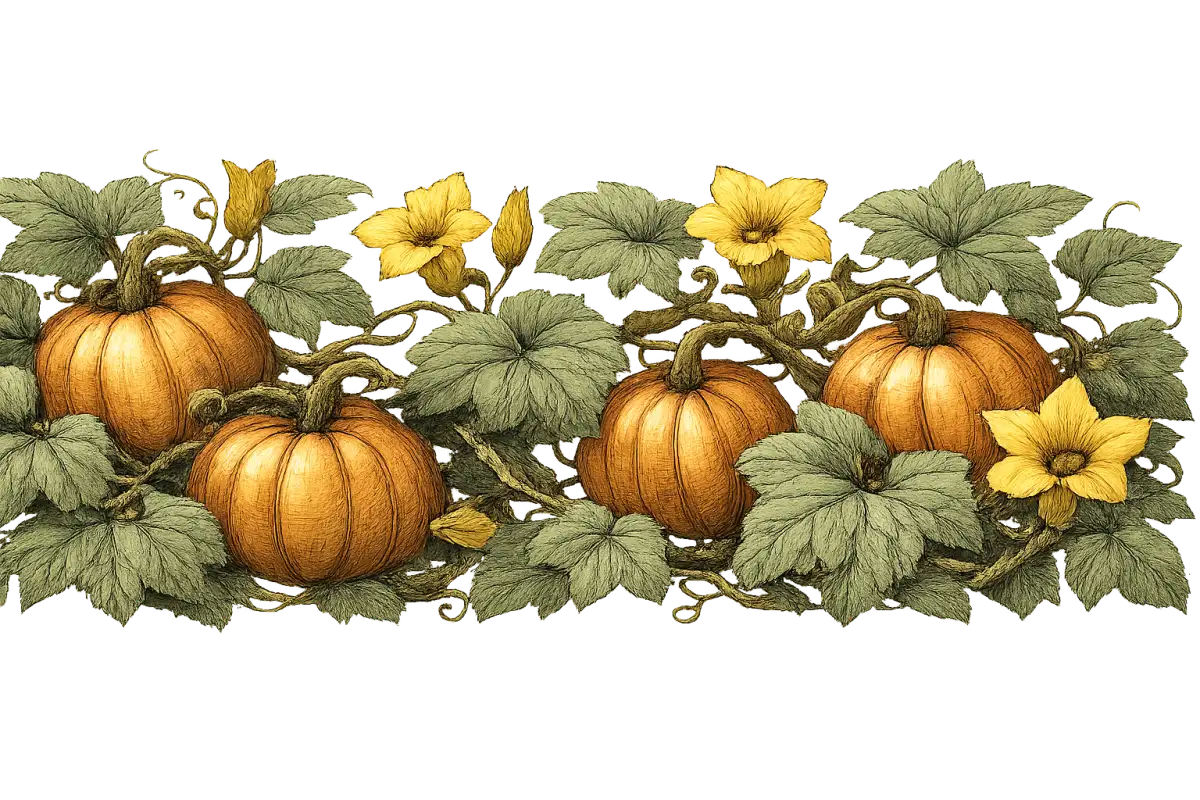
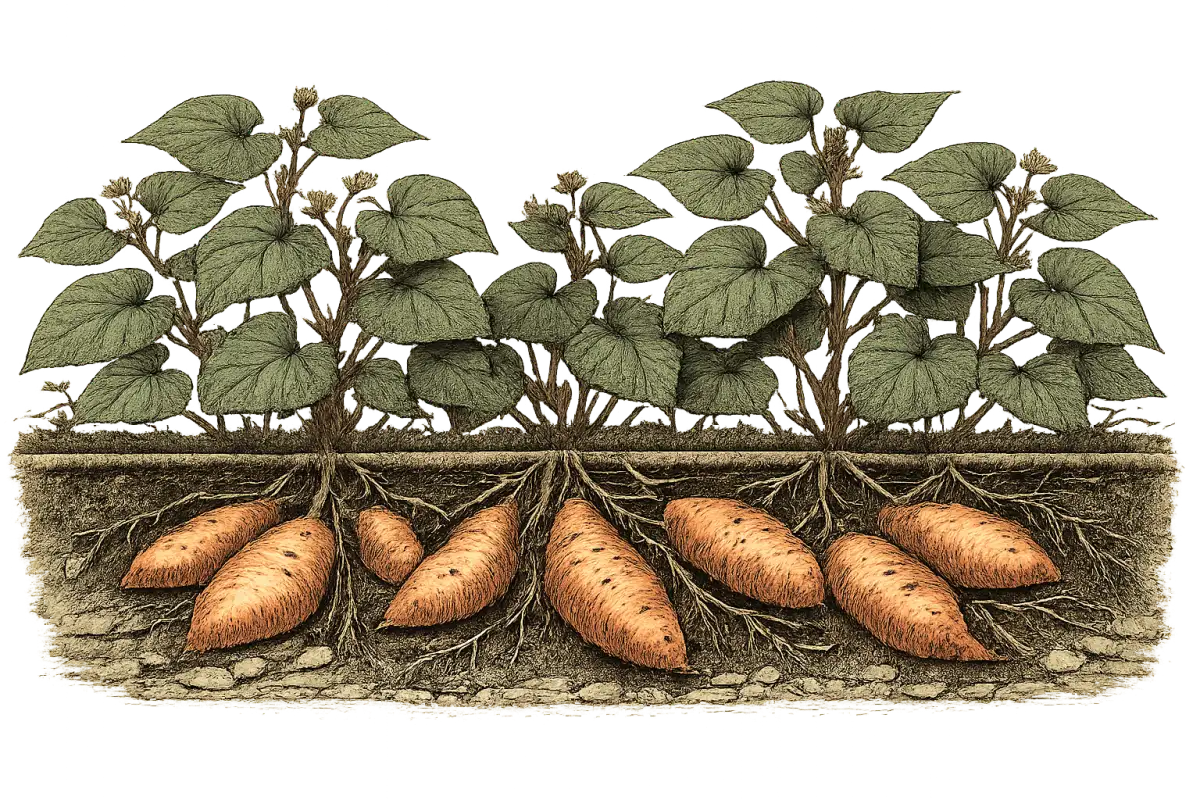
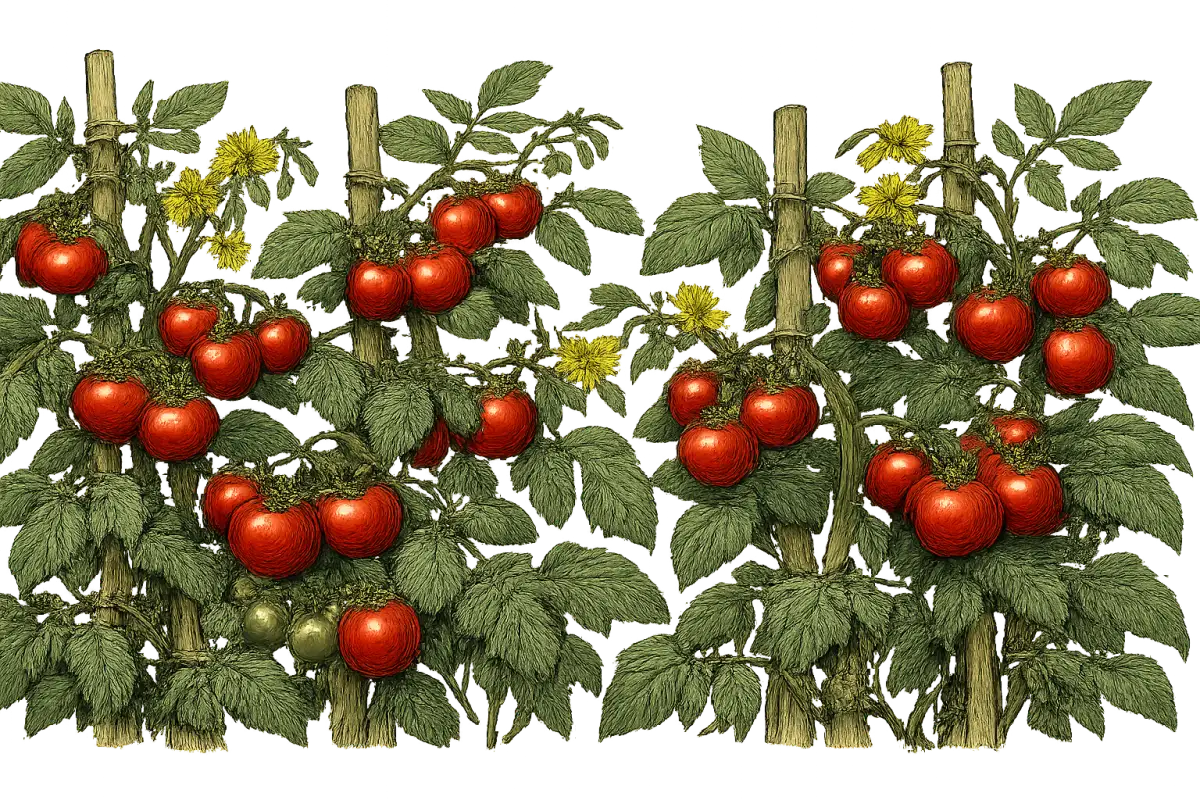
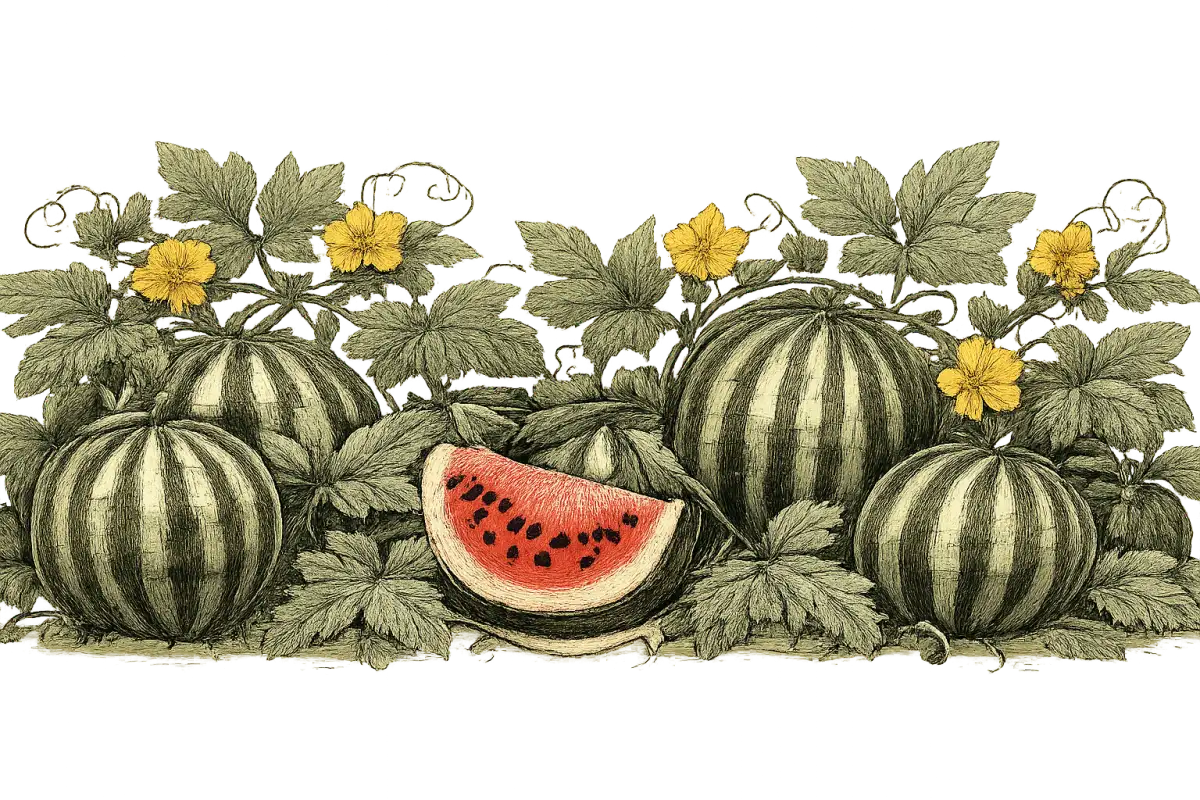
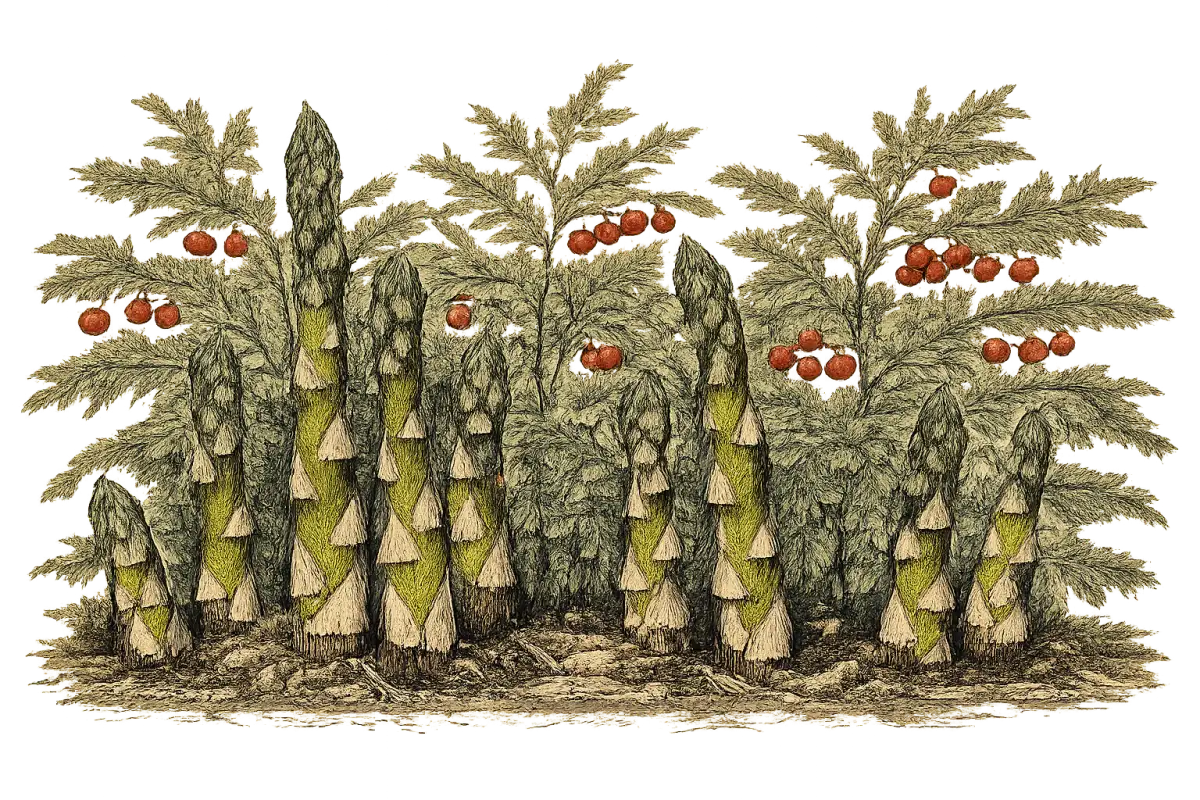
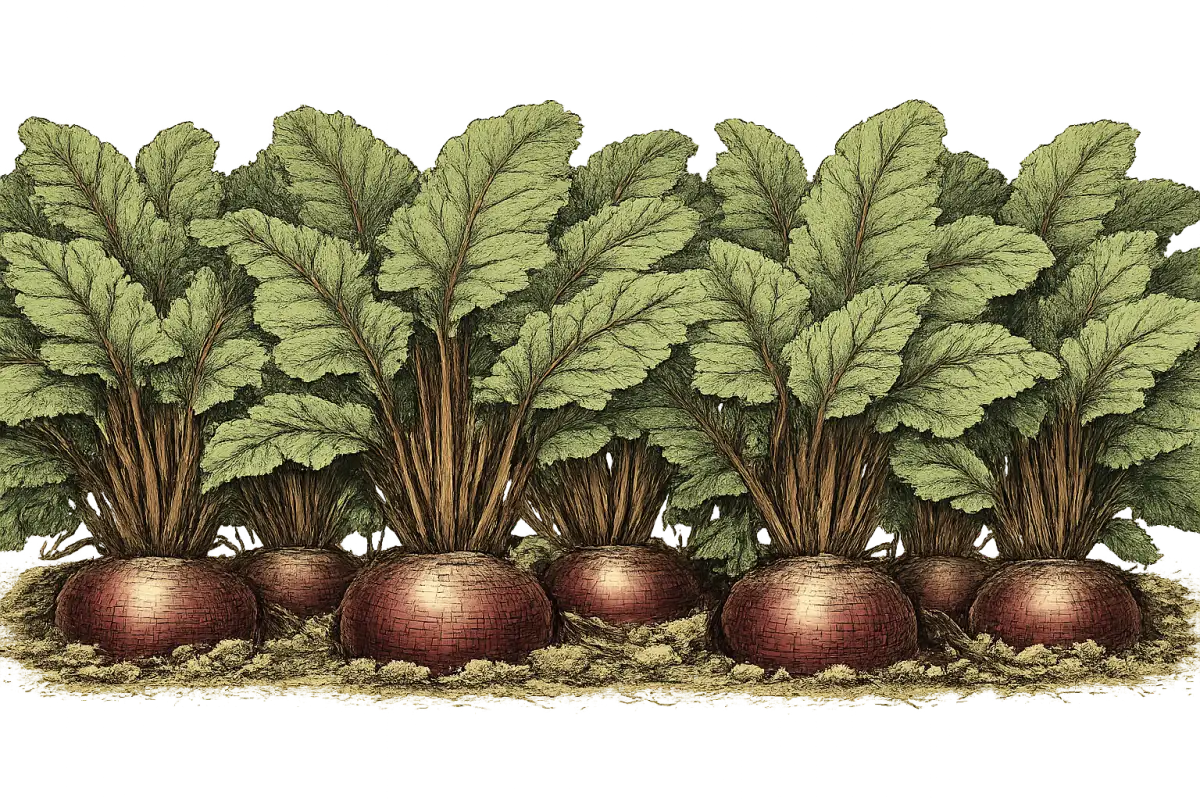
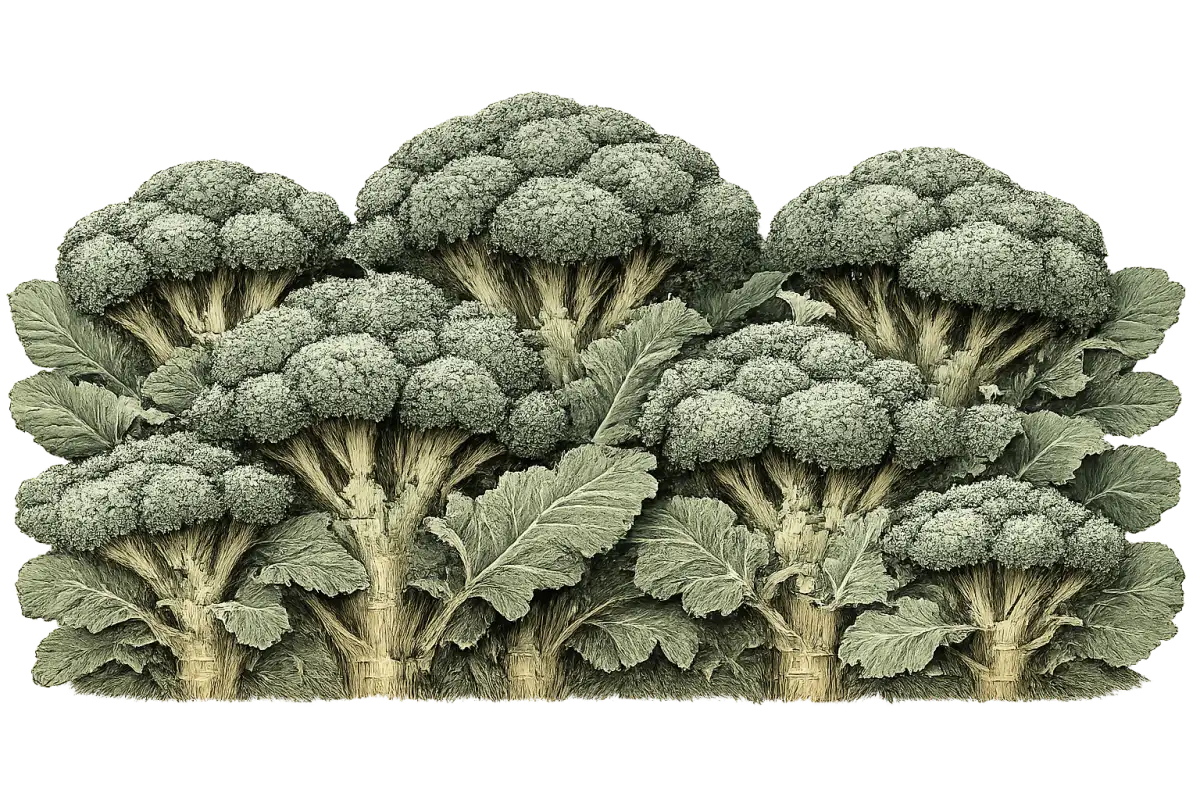
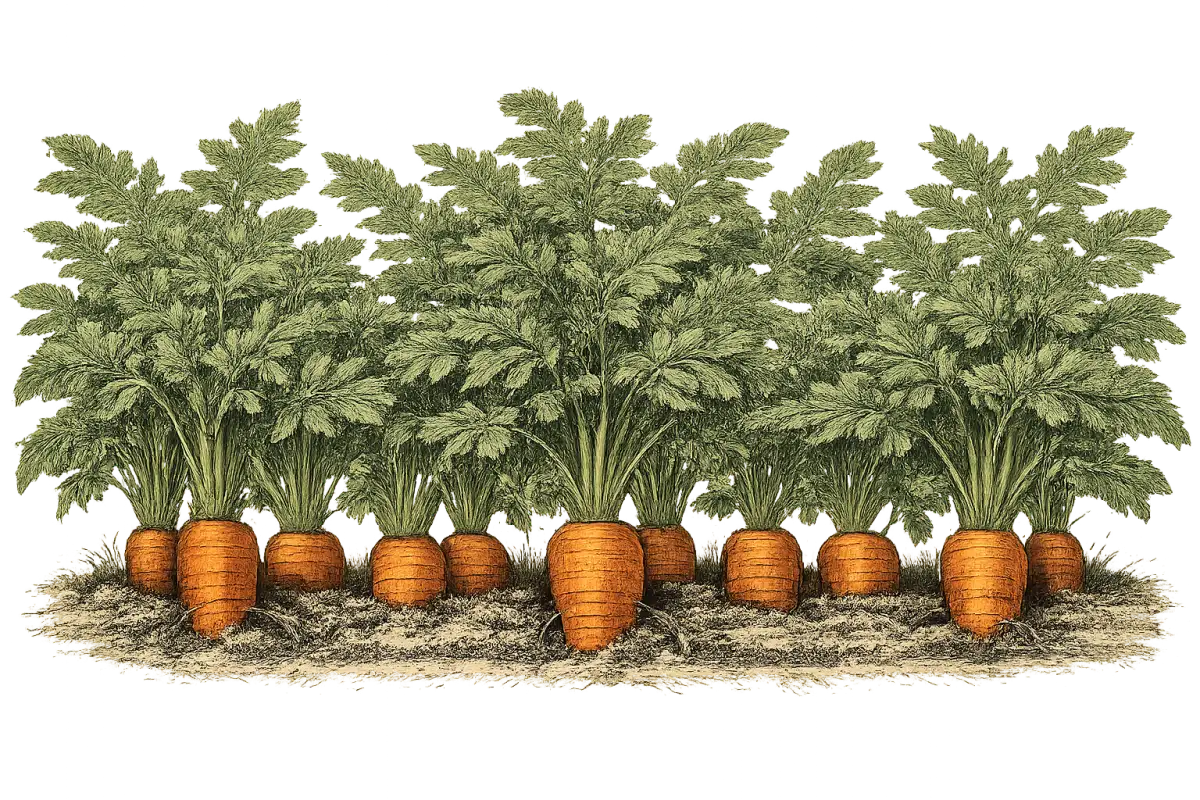
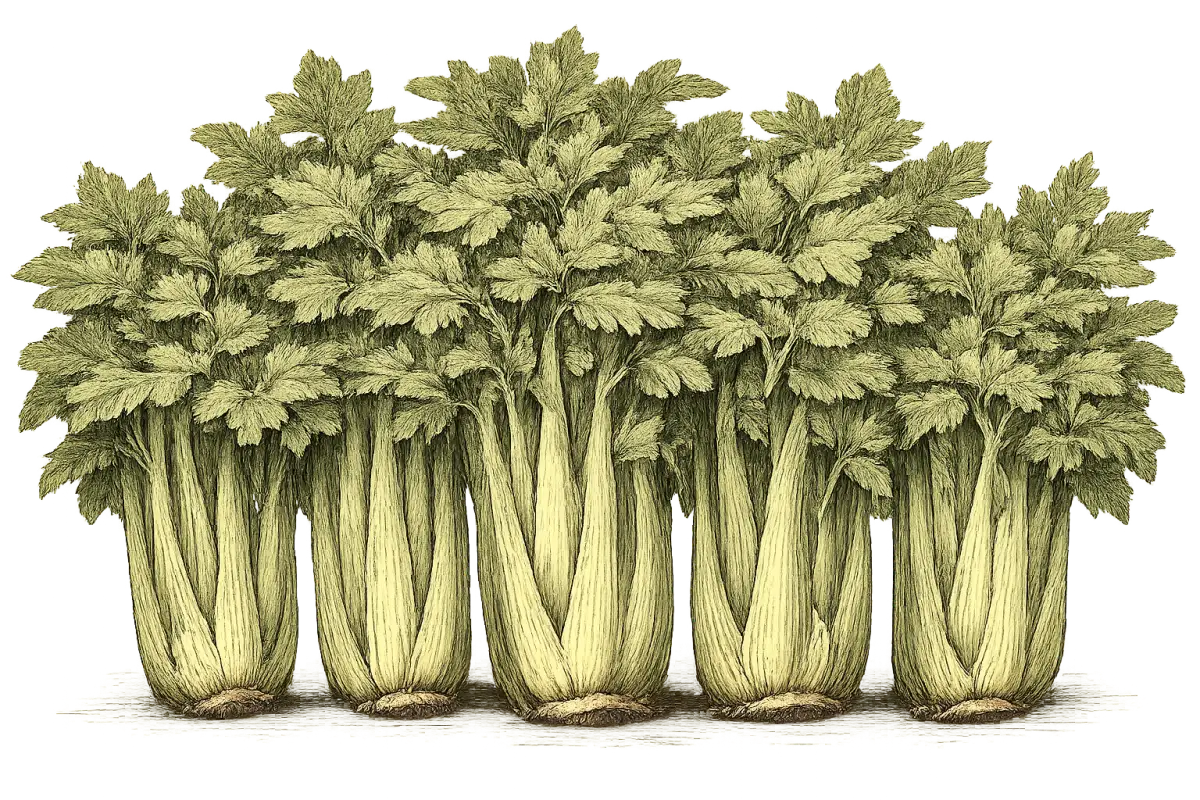
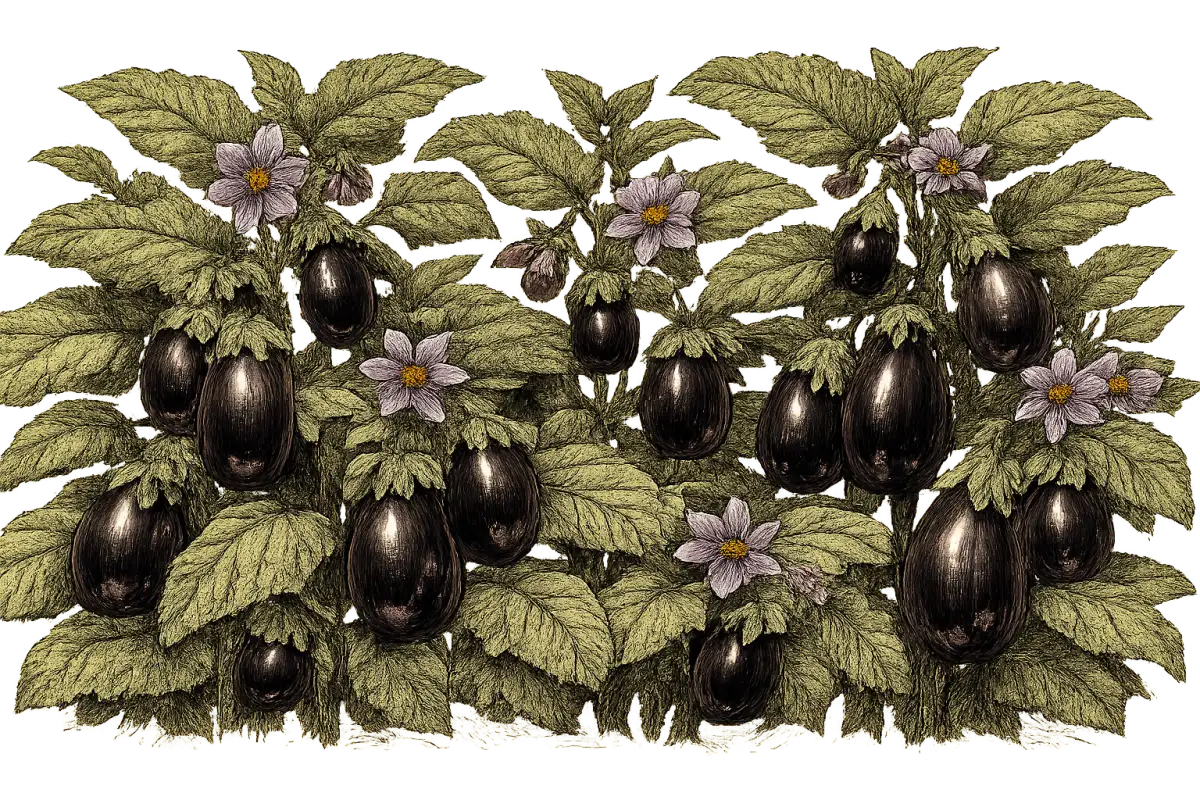
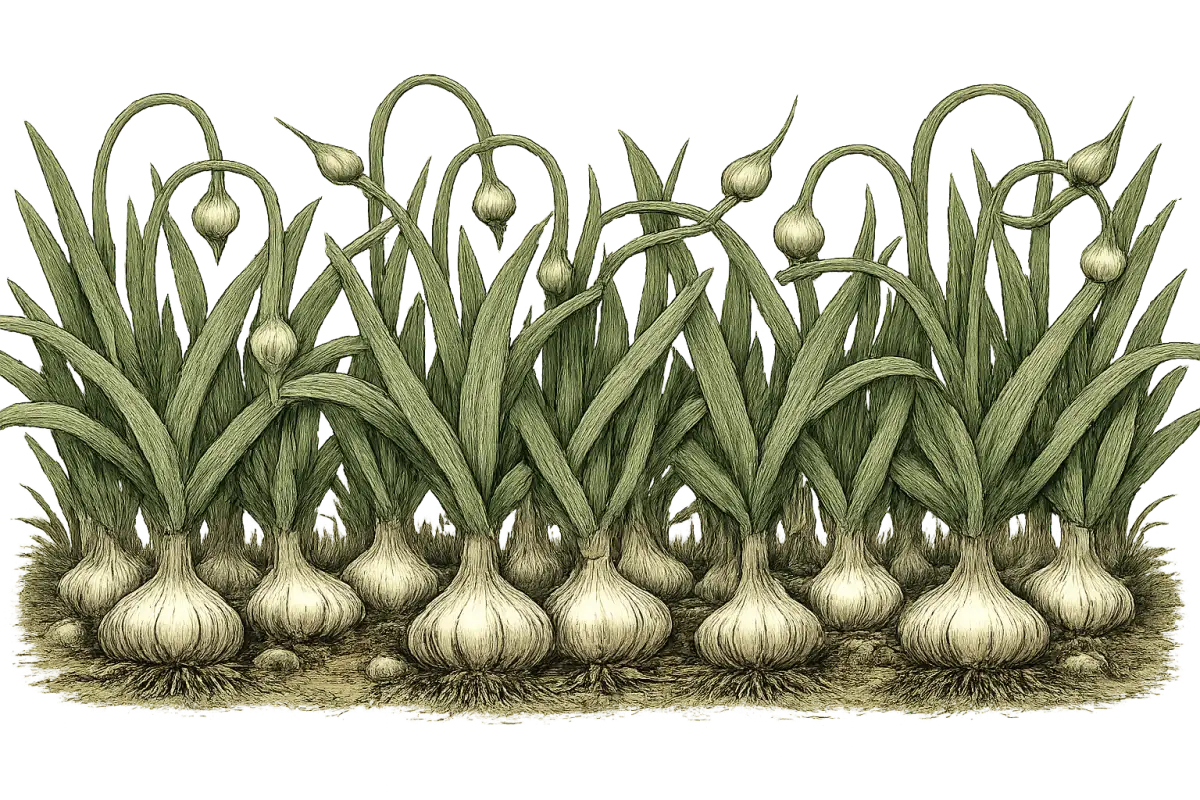
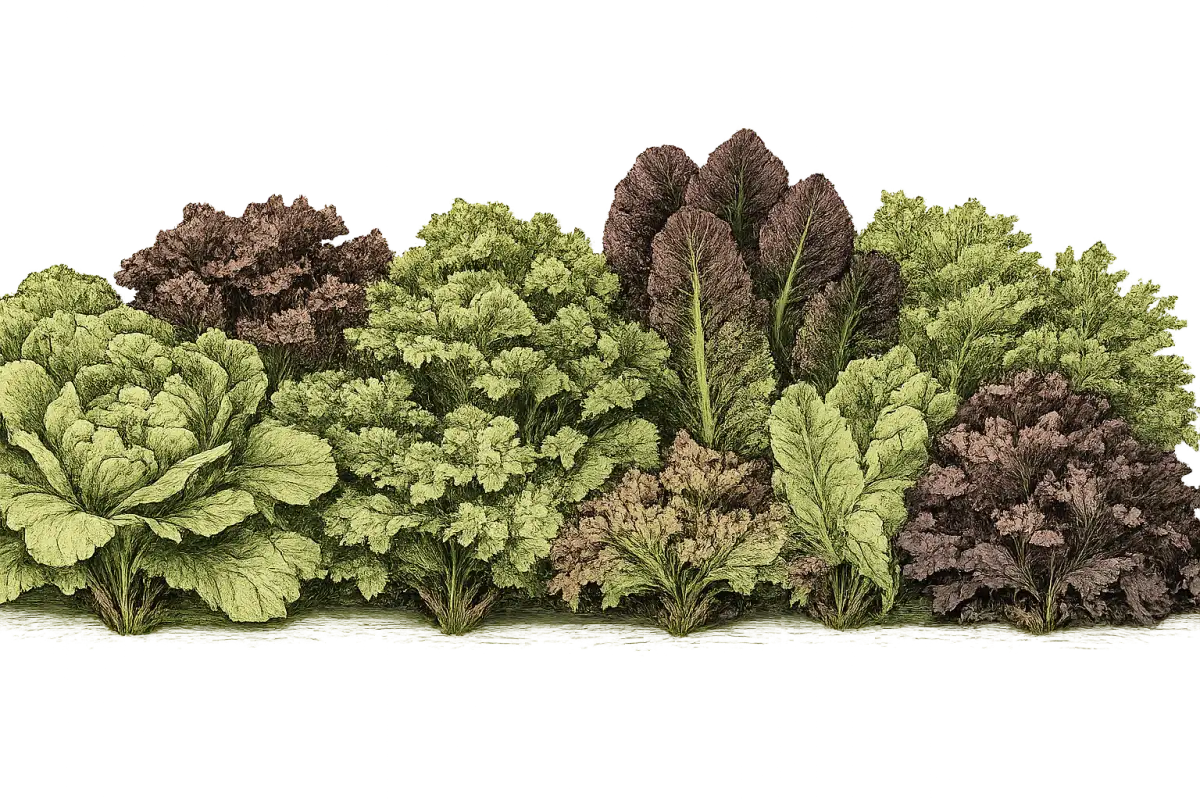
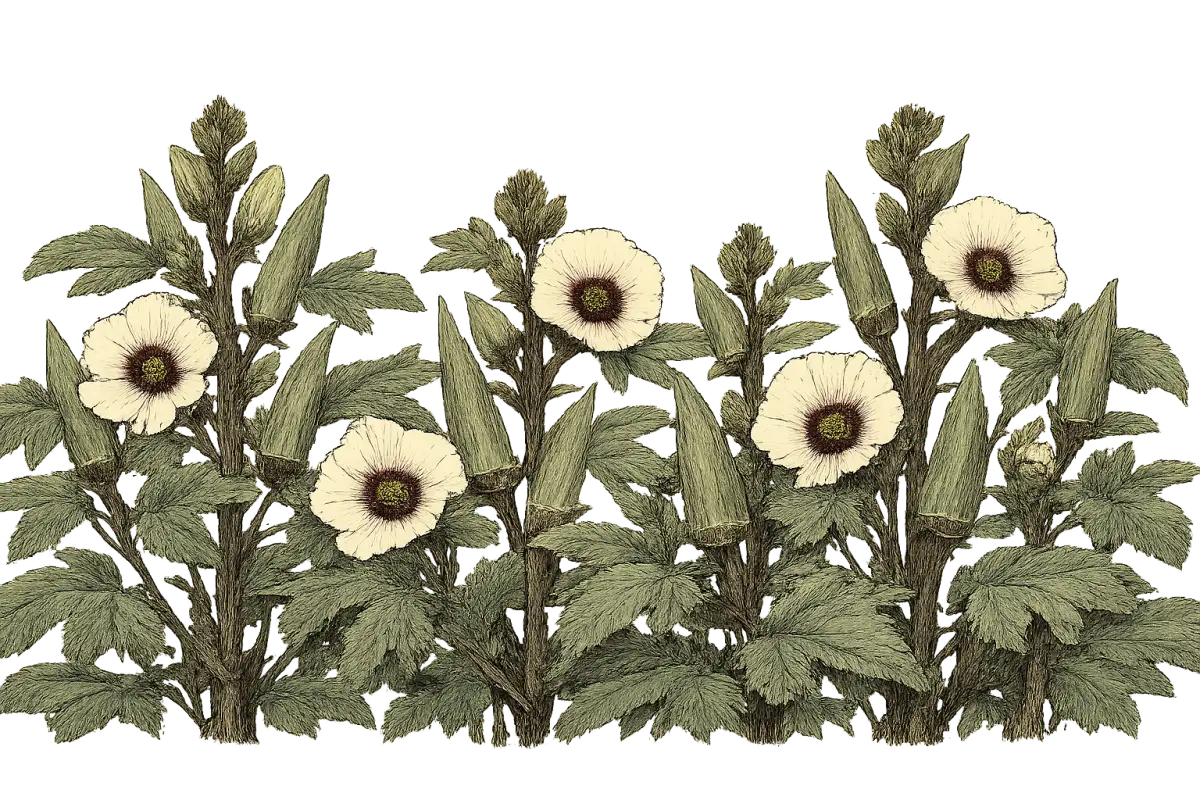
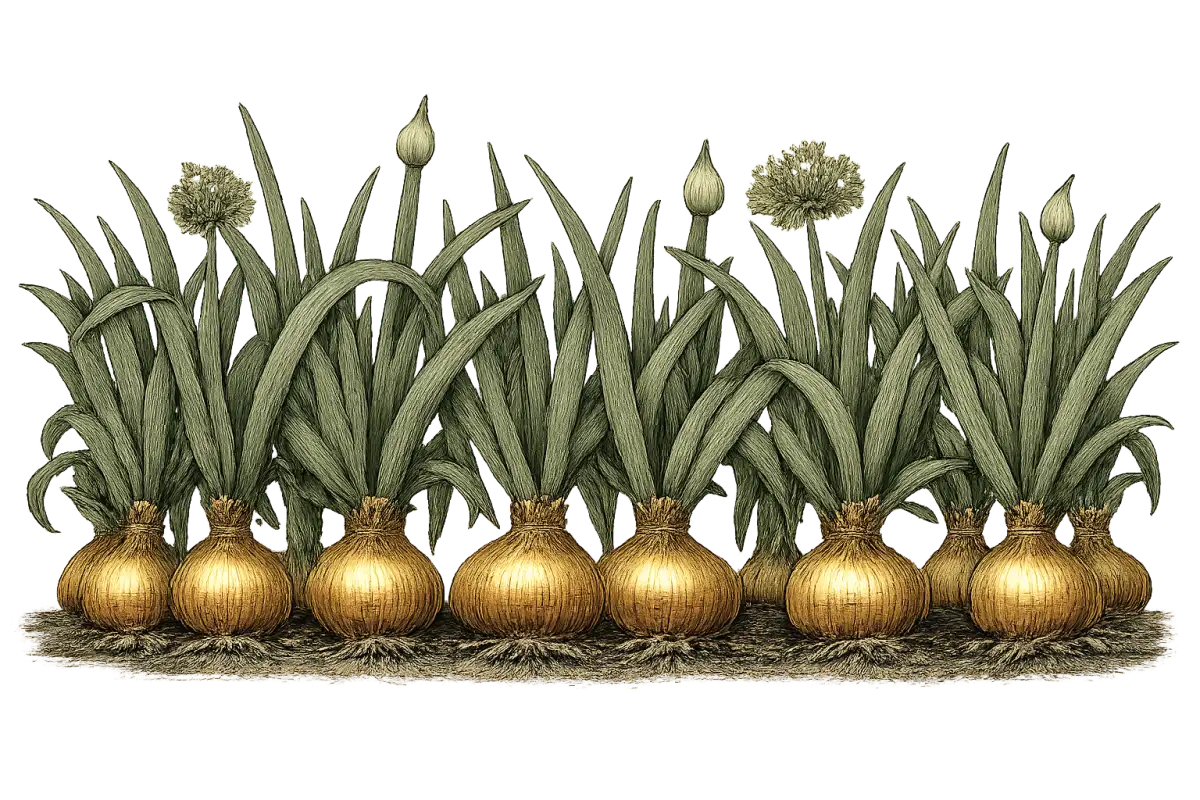
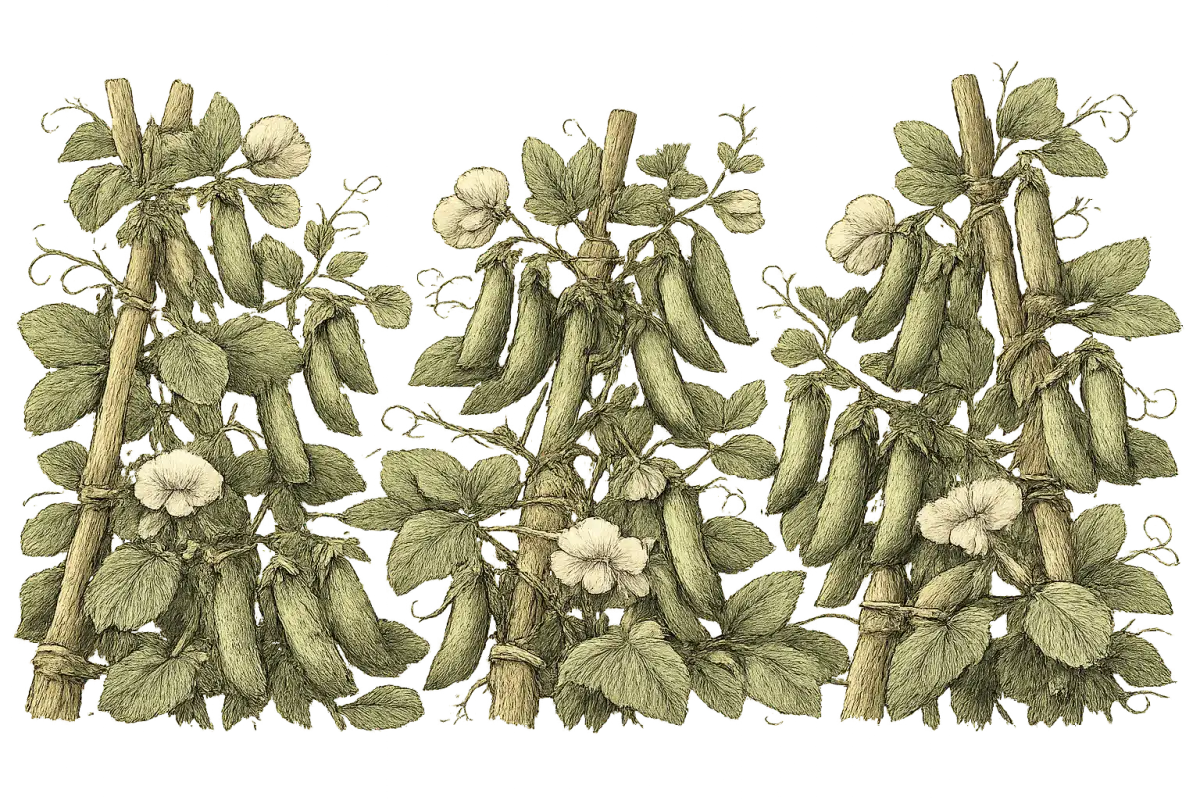
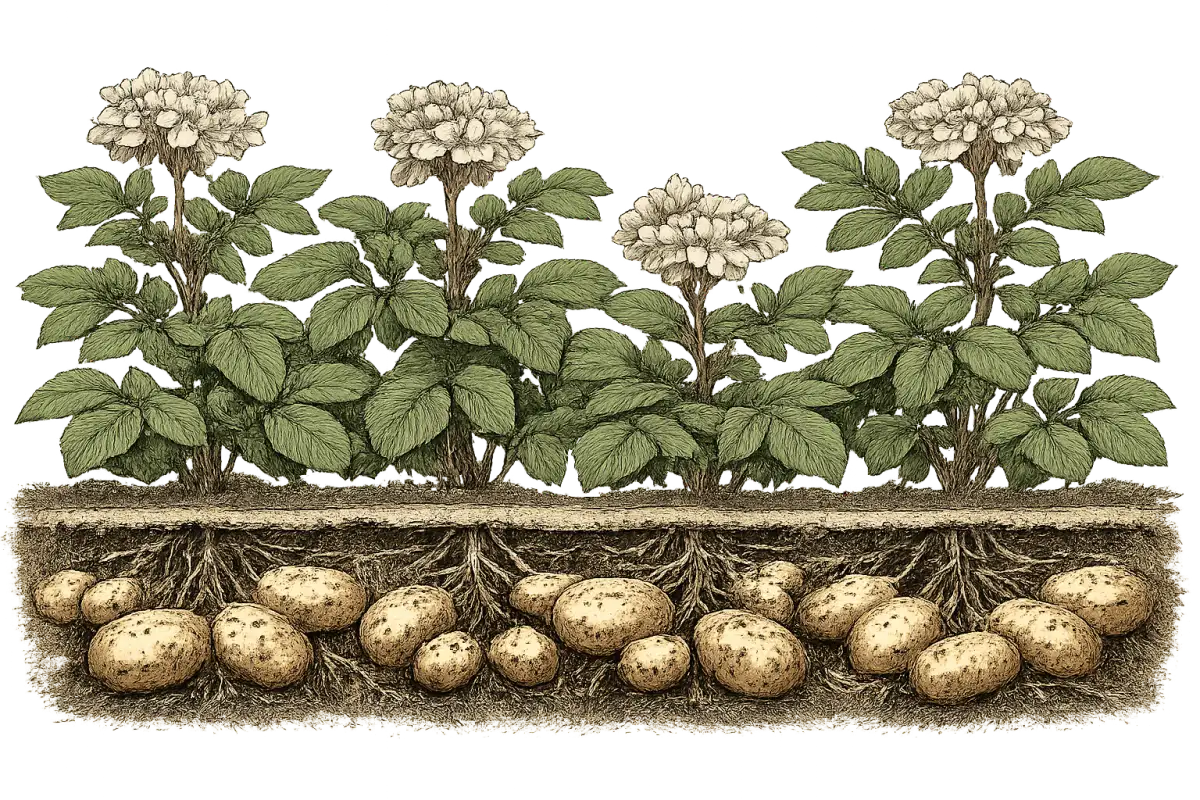
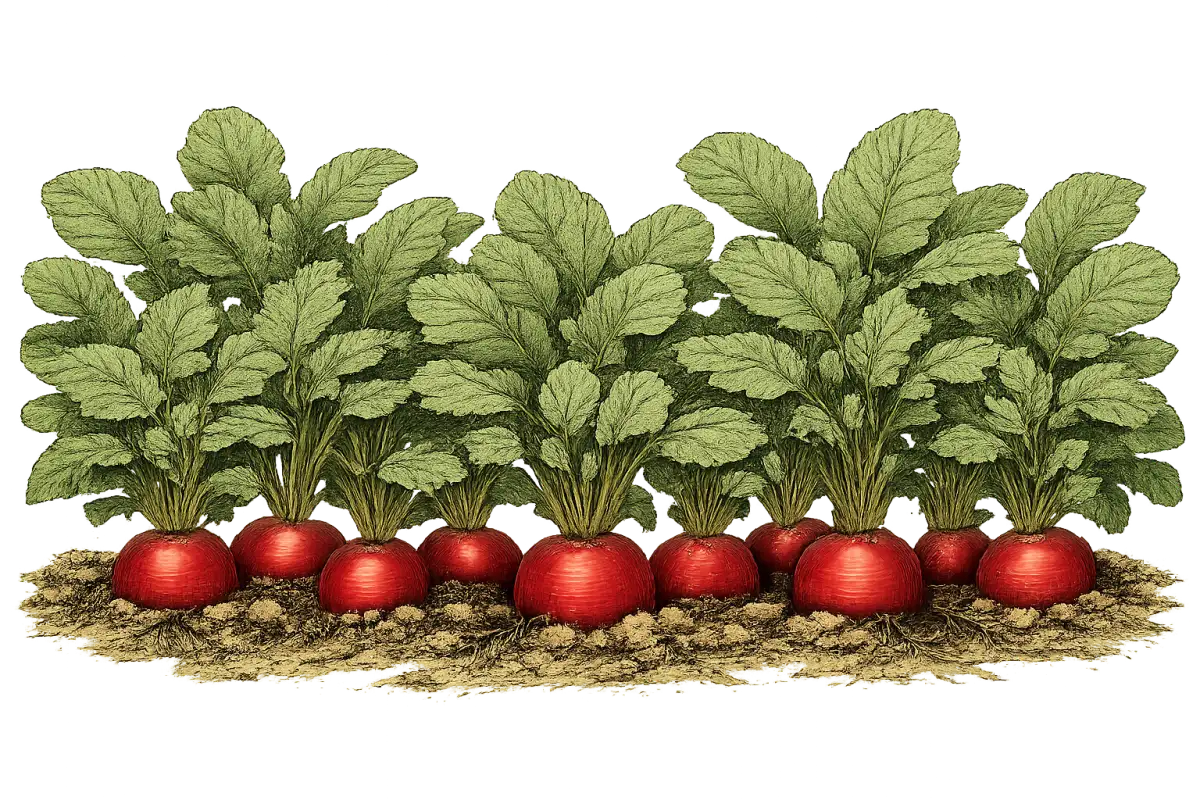
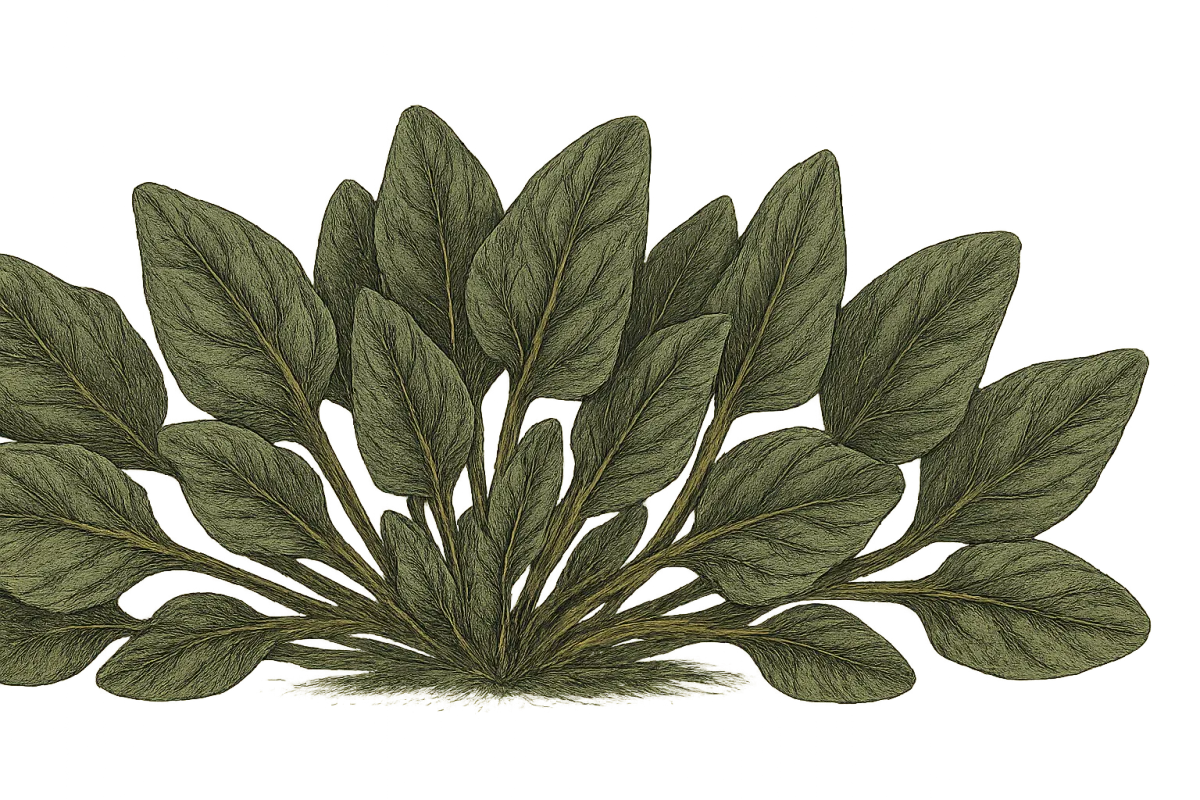
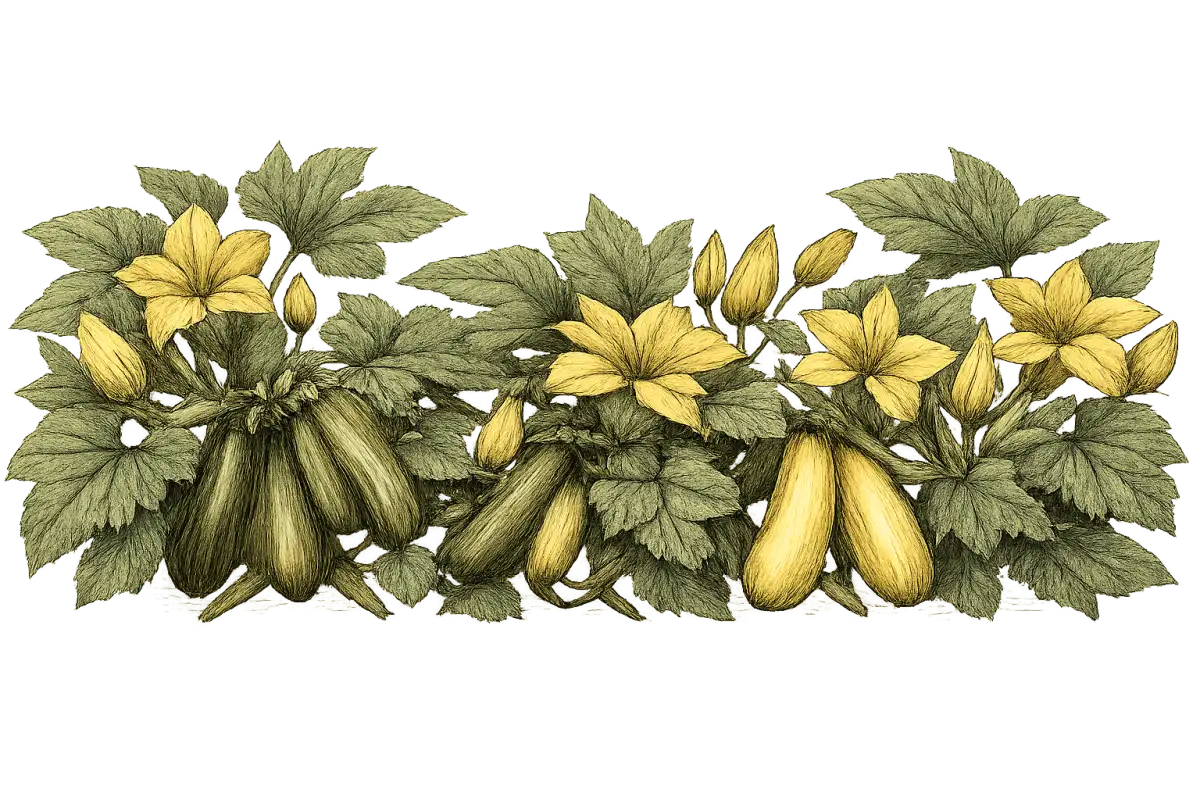
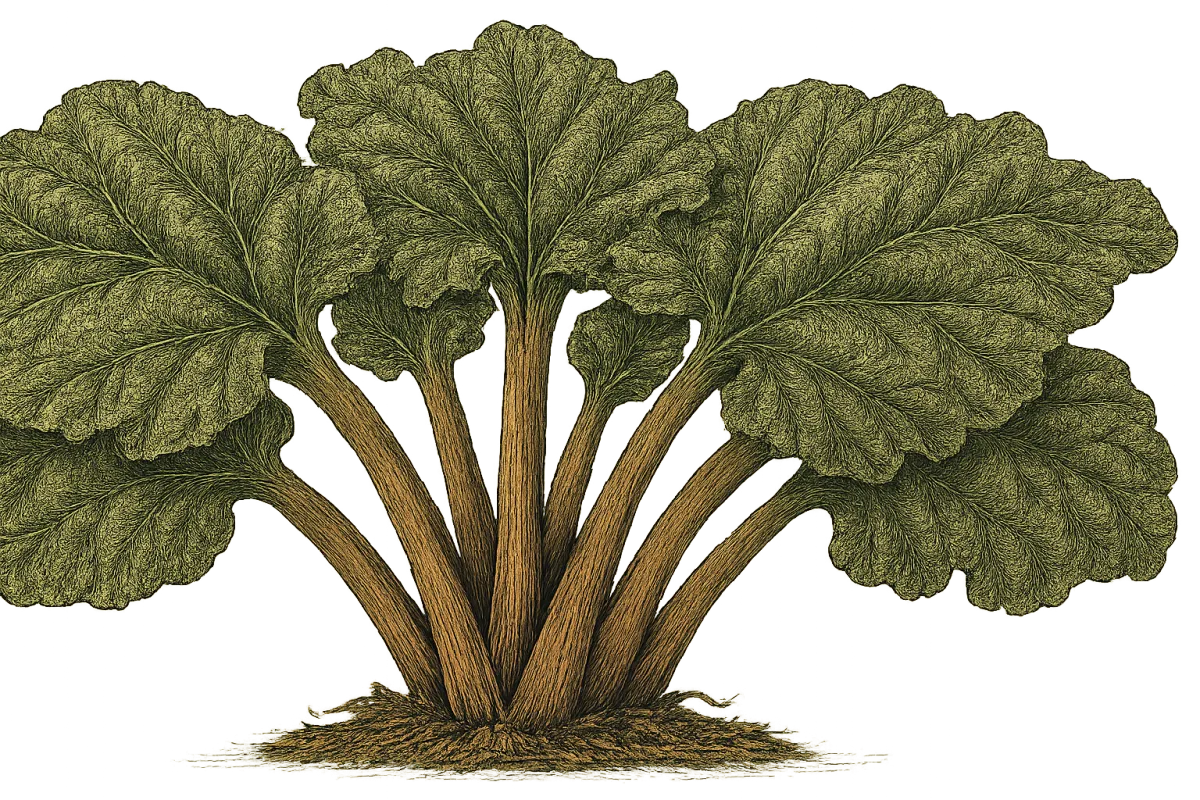
Zone 7 has a long enough season to grow essentially any vegetable. Tomatoes, peppers, okra, eggplant, sweet potatoes, and southern staples like black-eyed peas all thrive. The challenge is cool-season crops — peas, lettuce, broccoli, cabbage, and spinach bolt quickly in the hot summer. Time them for early spring (plant by February-March in 7b) and fall (plant in August-September). Many Zone 7 gardeners grow cool-season crops through much of the winter with minimal protection.
Worth trying (rating 3 — possible but challenging):
Best Fruits for Zone 7
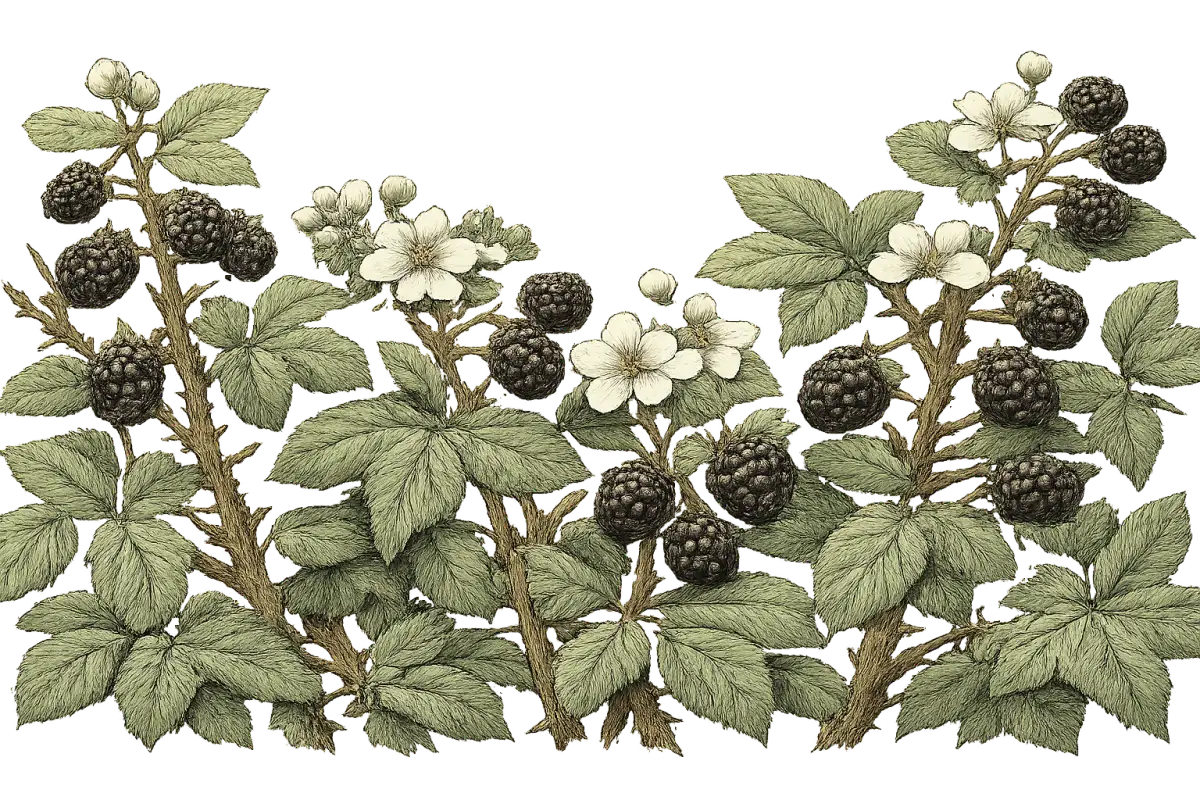
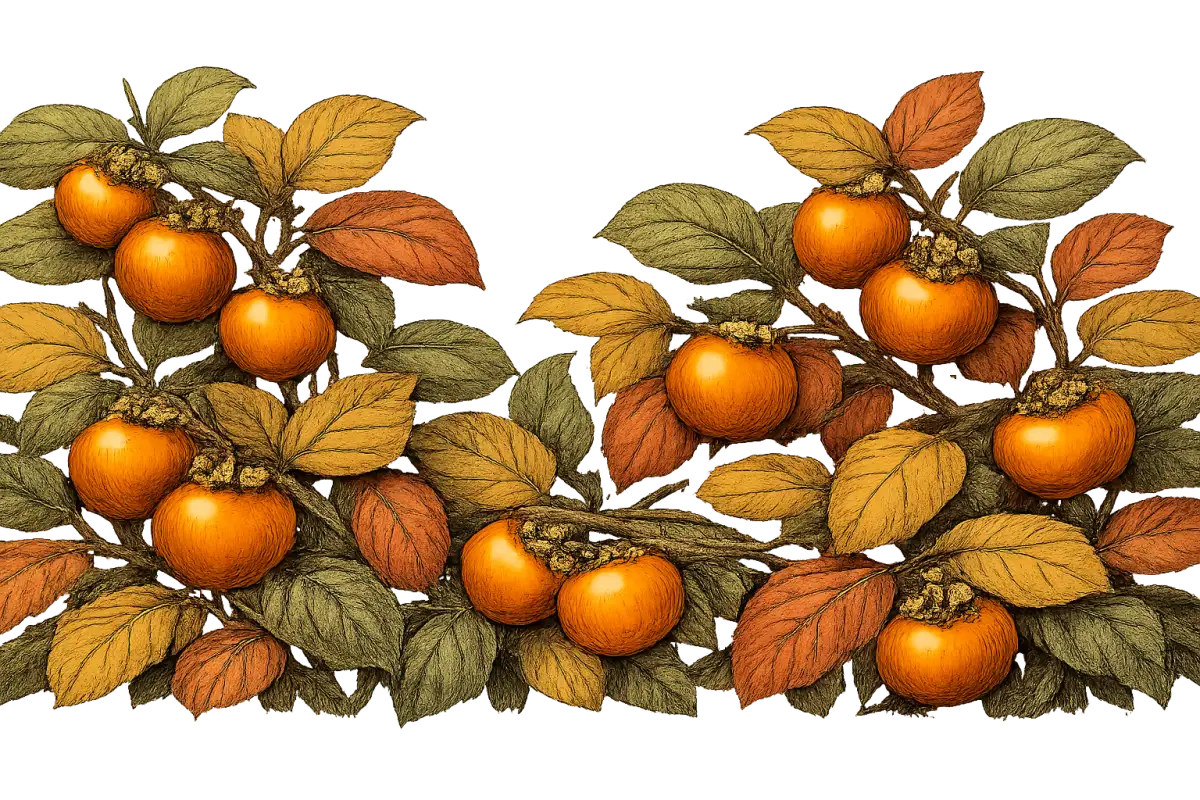
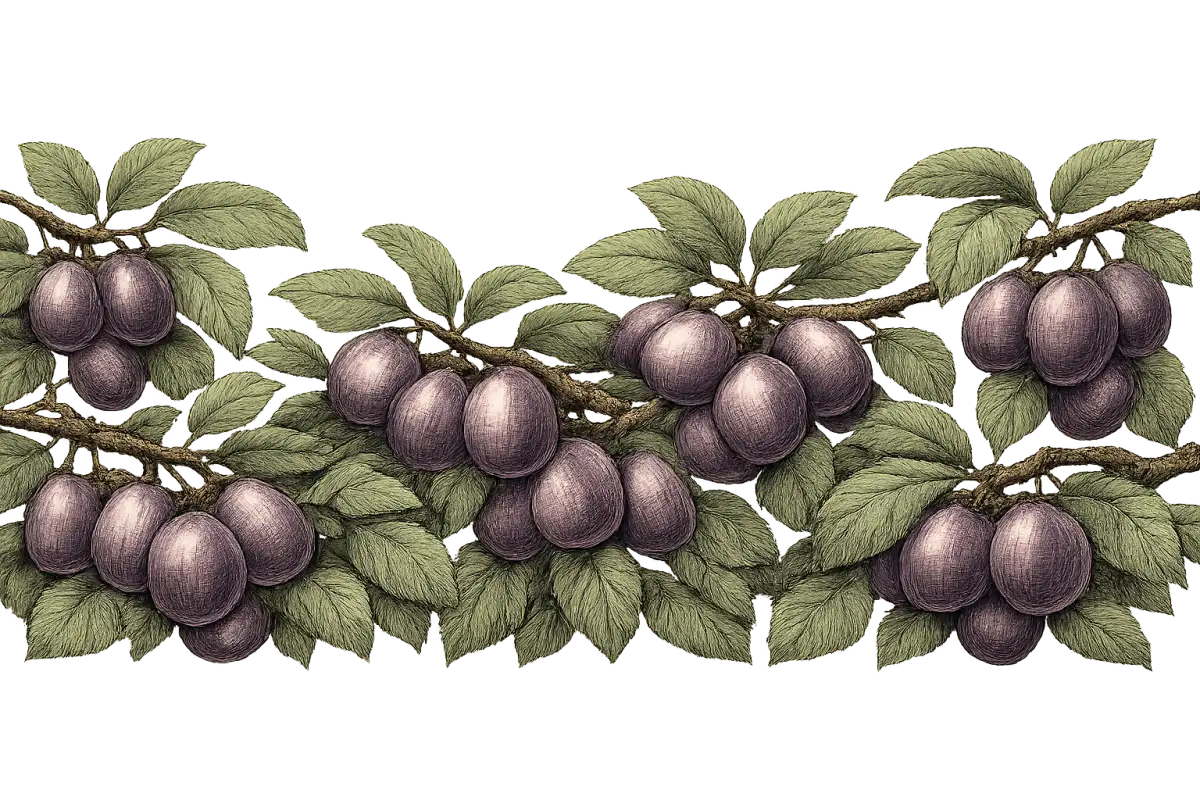
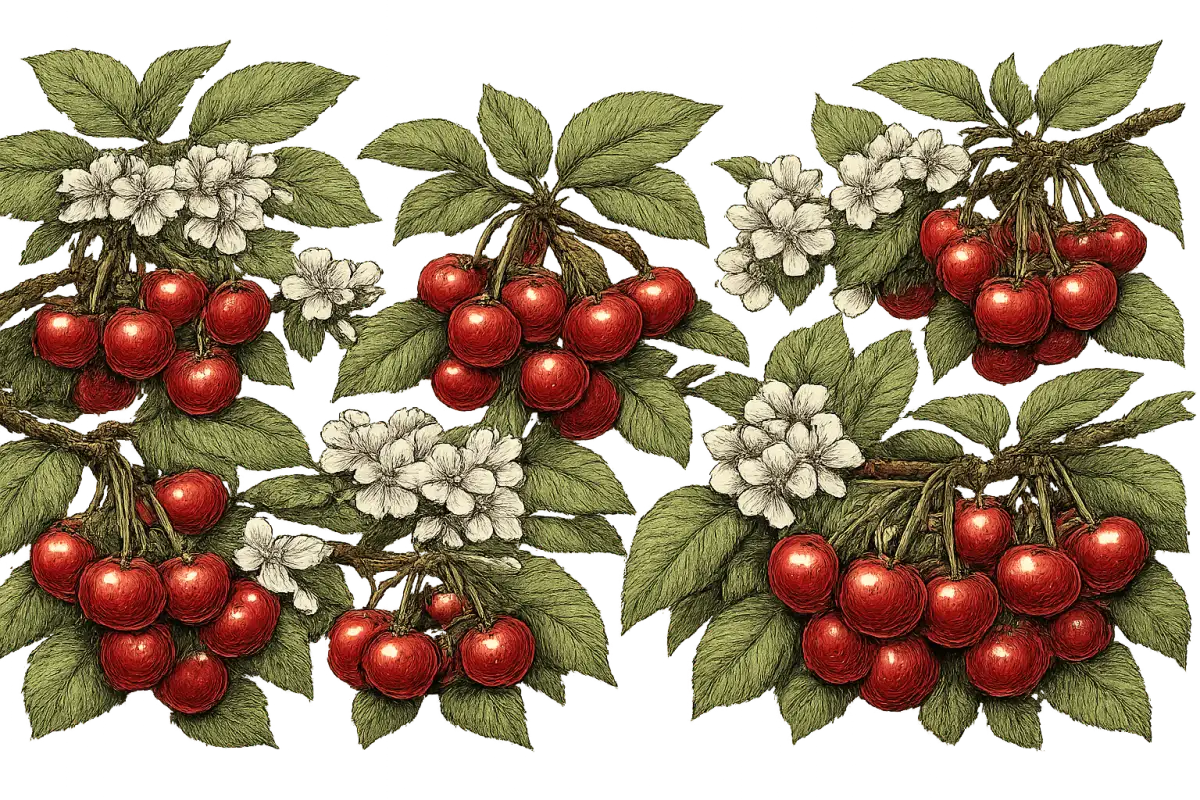
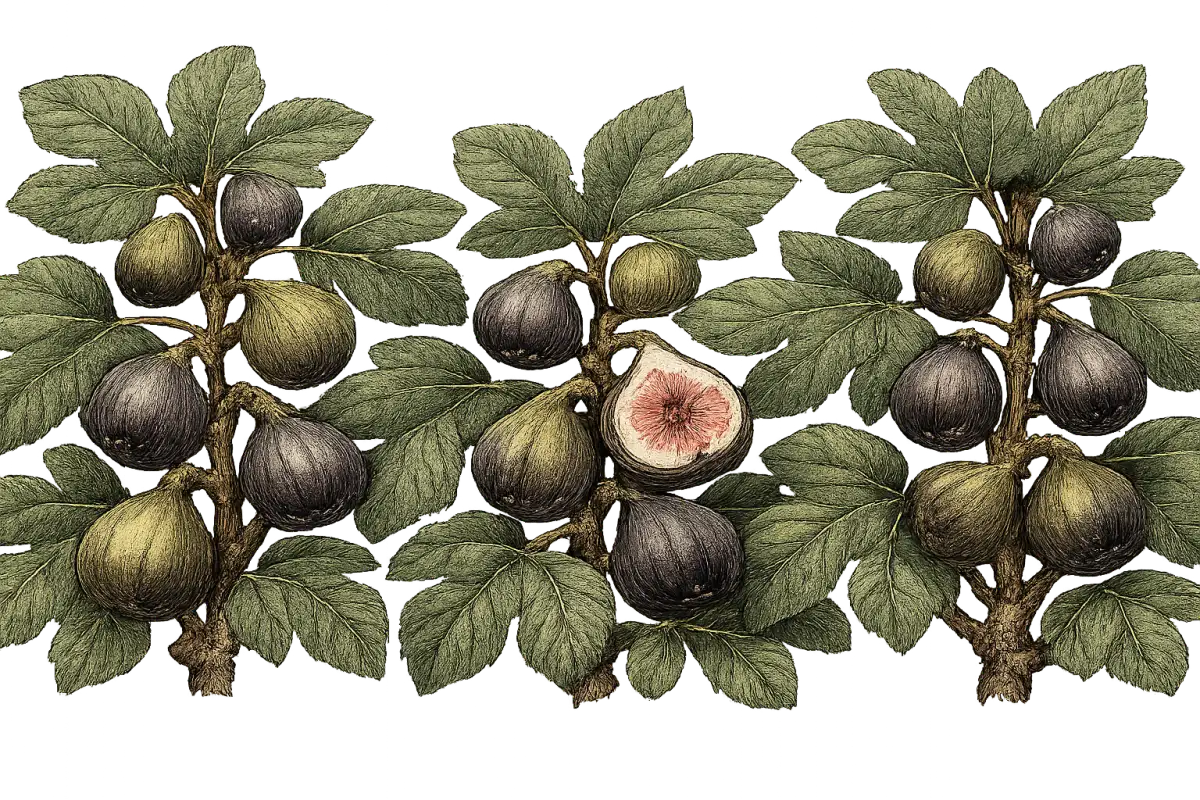
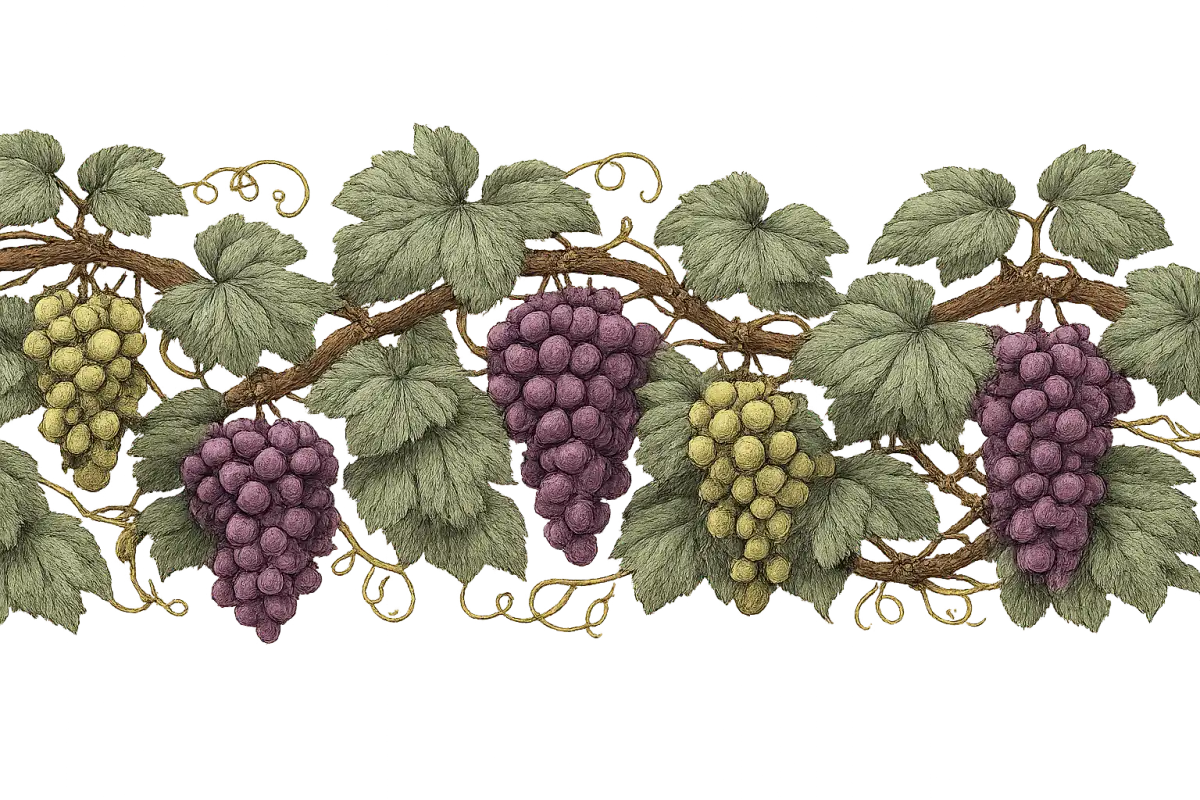
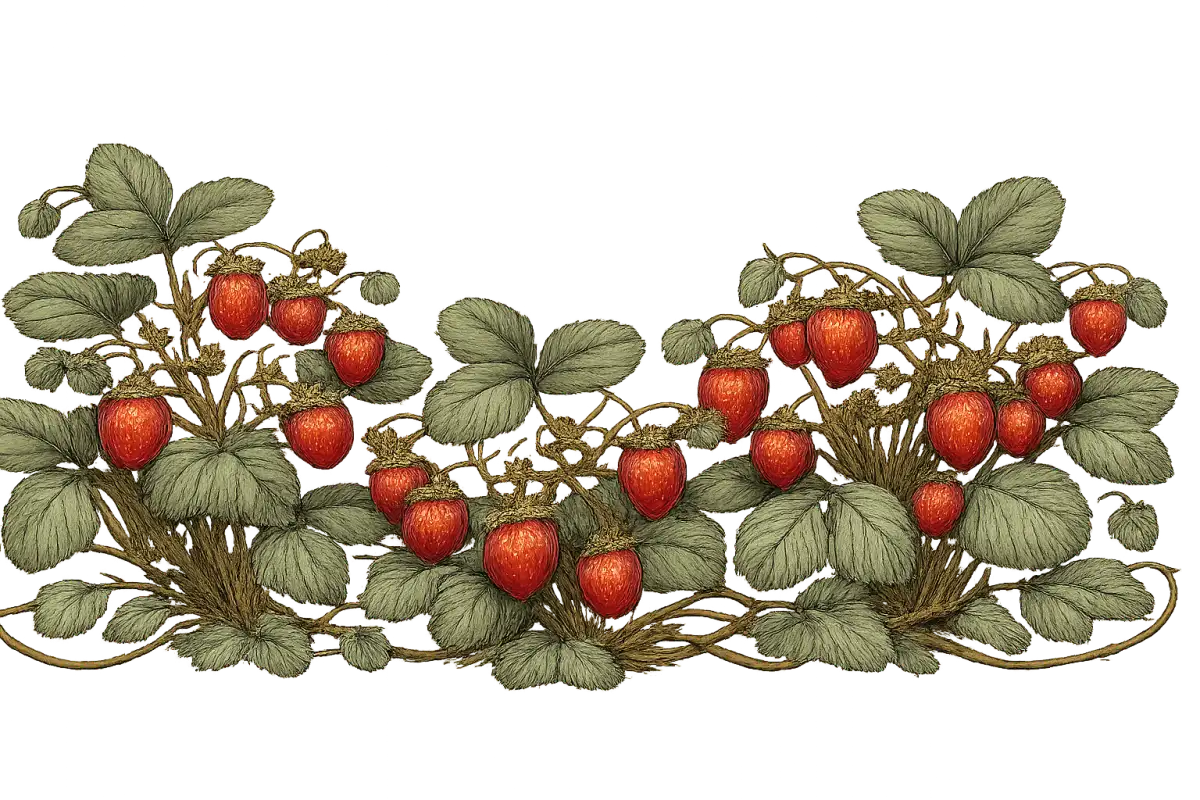
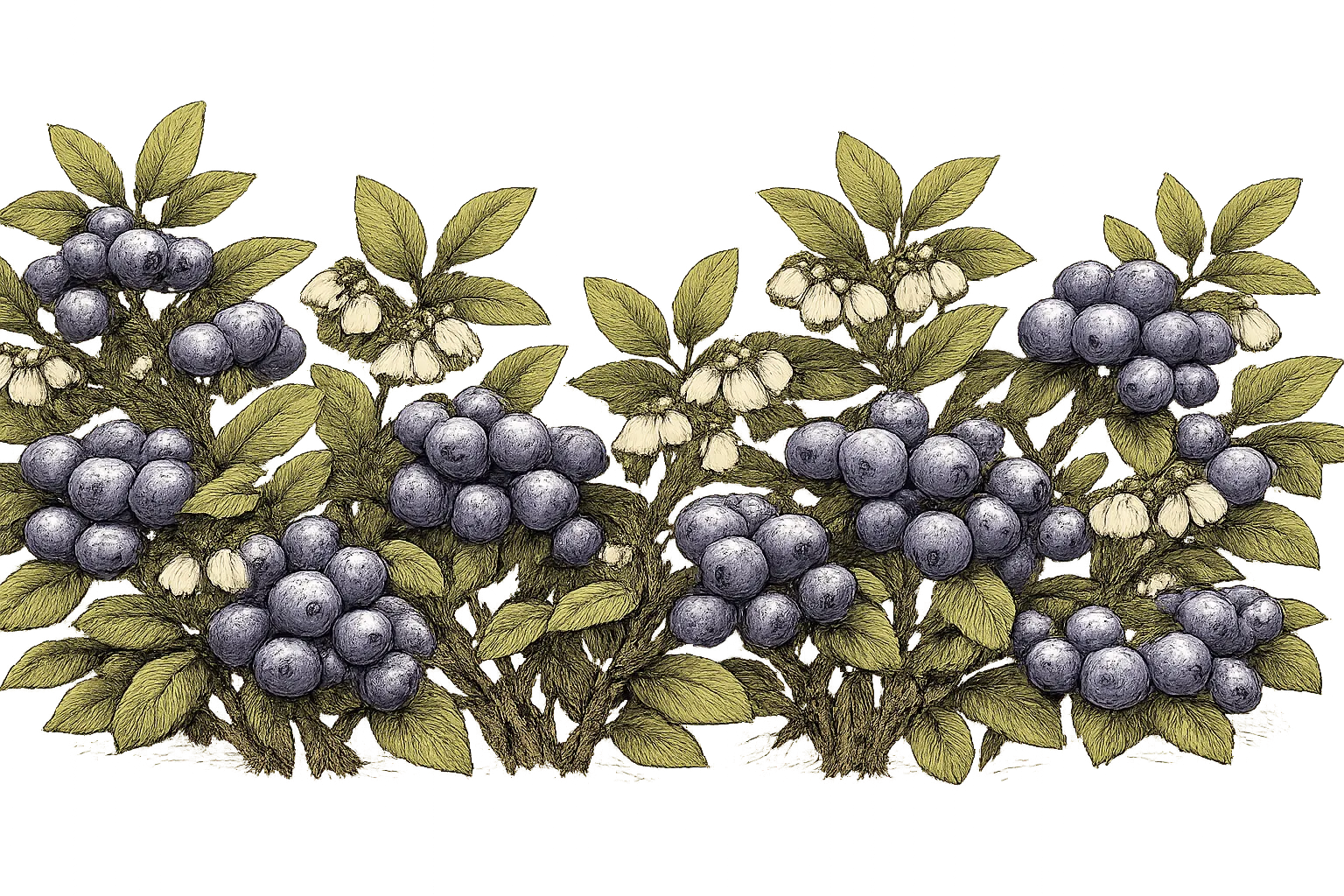
Zone 7 is excellent fruit country. Apples, pears, peaches, plums, and cherries all work. Figs become reliable without protection — most varieties produce heavy crops here. Grapes thrive. Blueberries work well with acidic soil. Muscadines (a southern grape species) become viable. Pomegranates and certain persimmons become reliable in 7b. What starts to struggle: apples that need significant winter chill (choose low-chill varieties), and some cold-requiring fruits like certain blueberry varieties.

Worth trying (rating 3 — possible but challenging):
Best Herbs for Zone 7
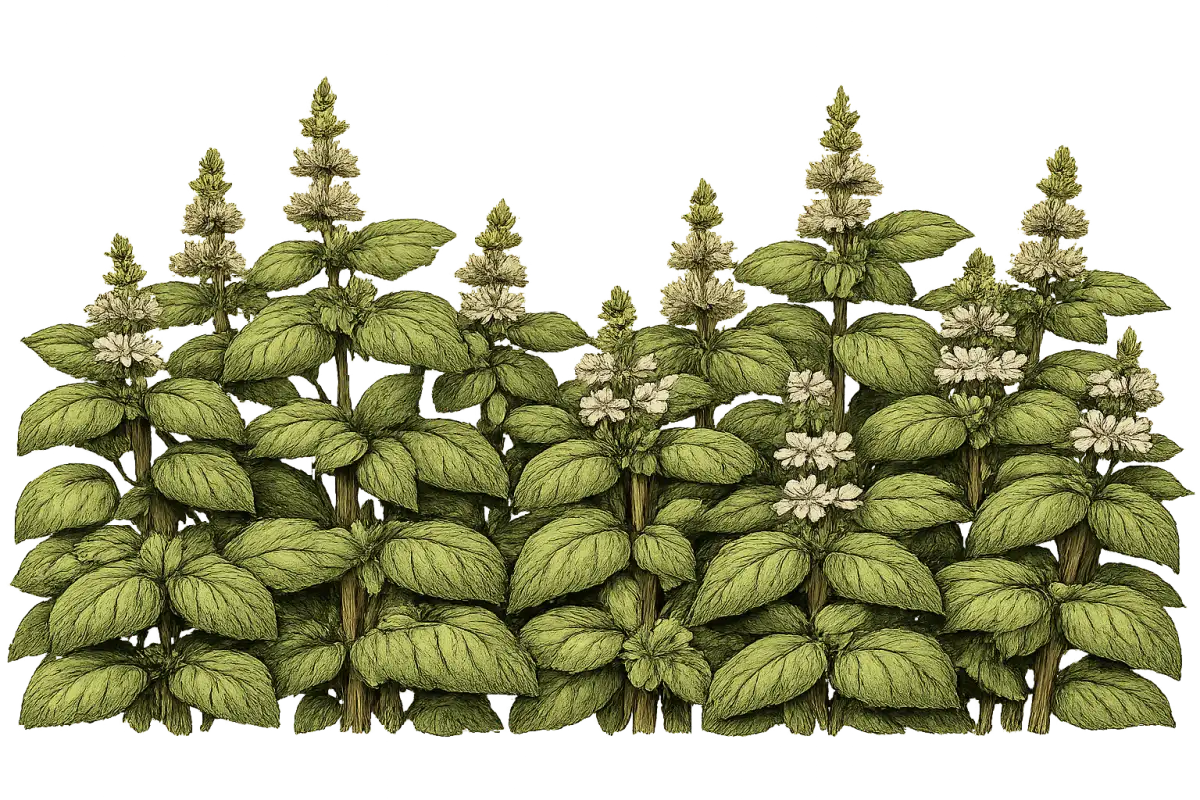
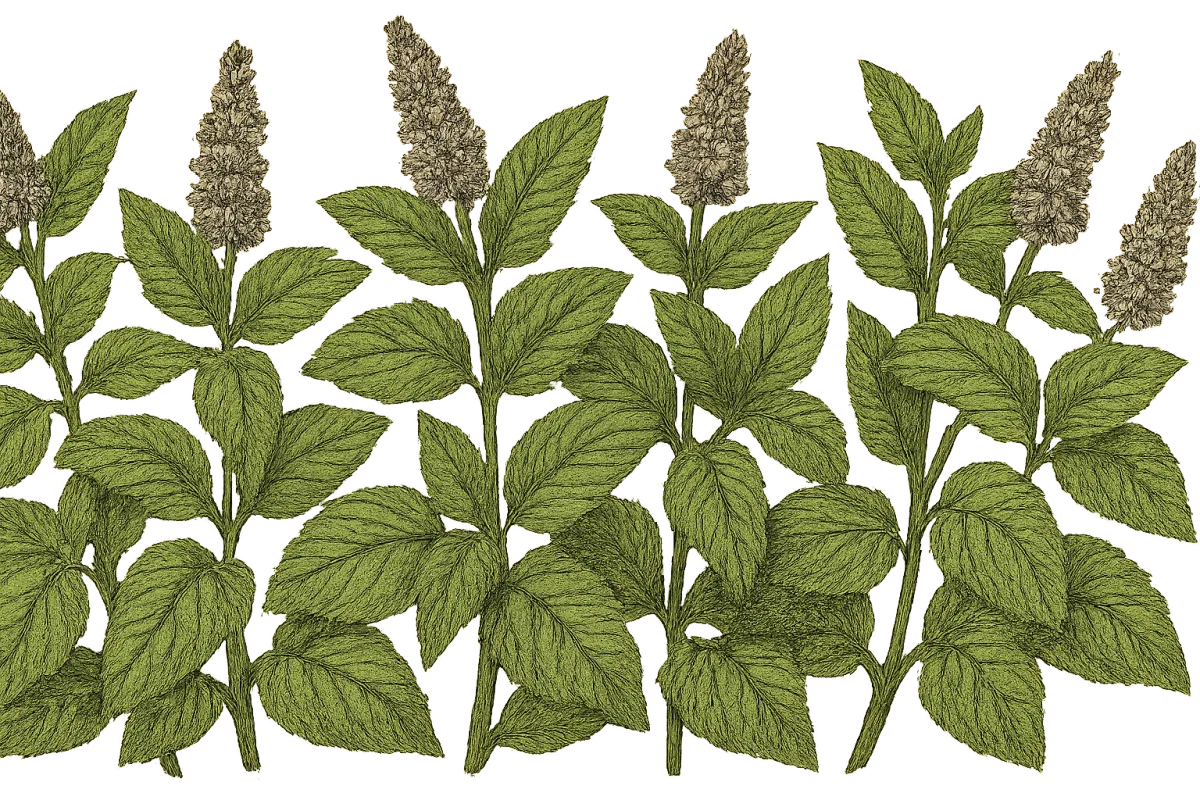
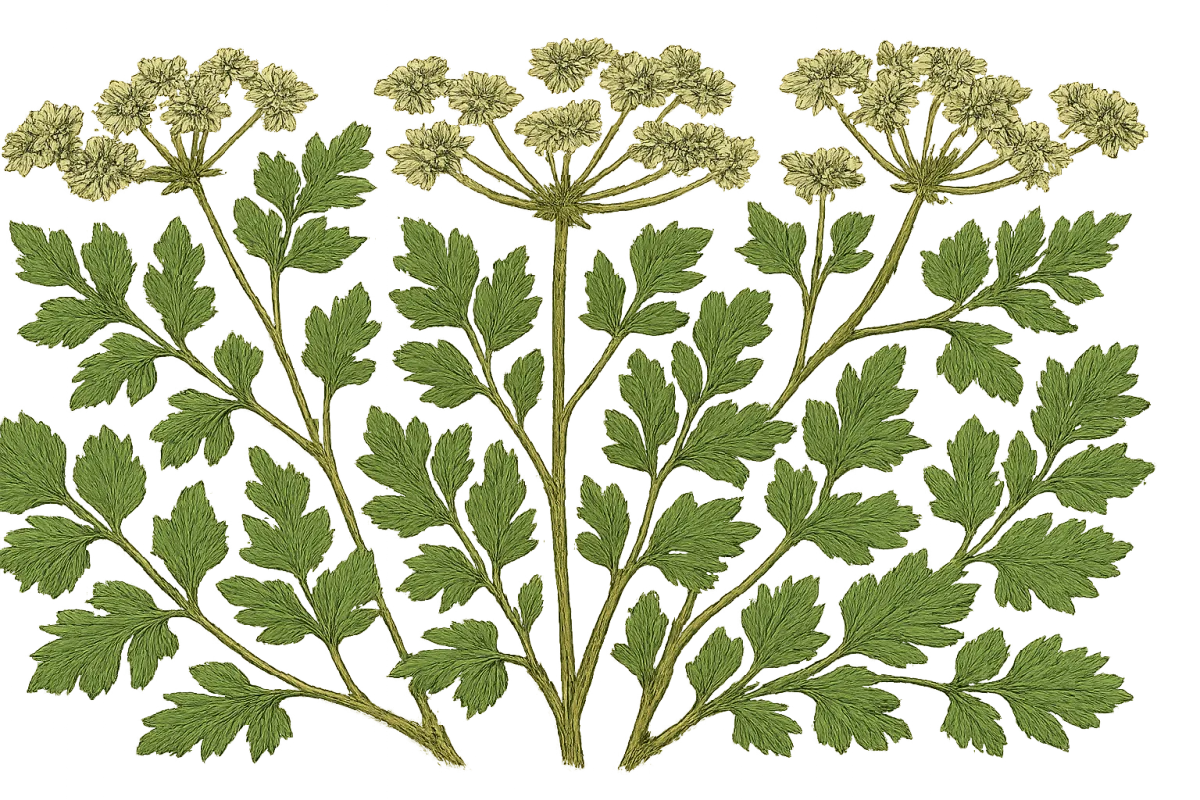
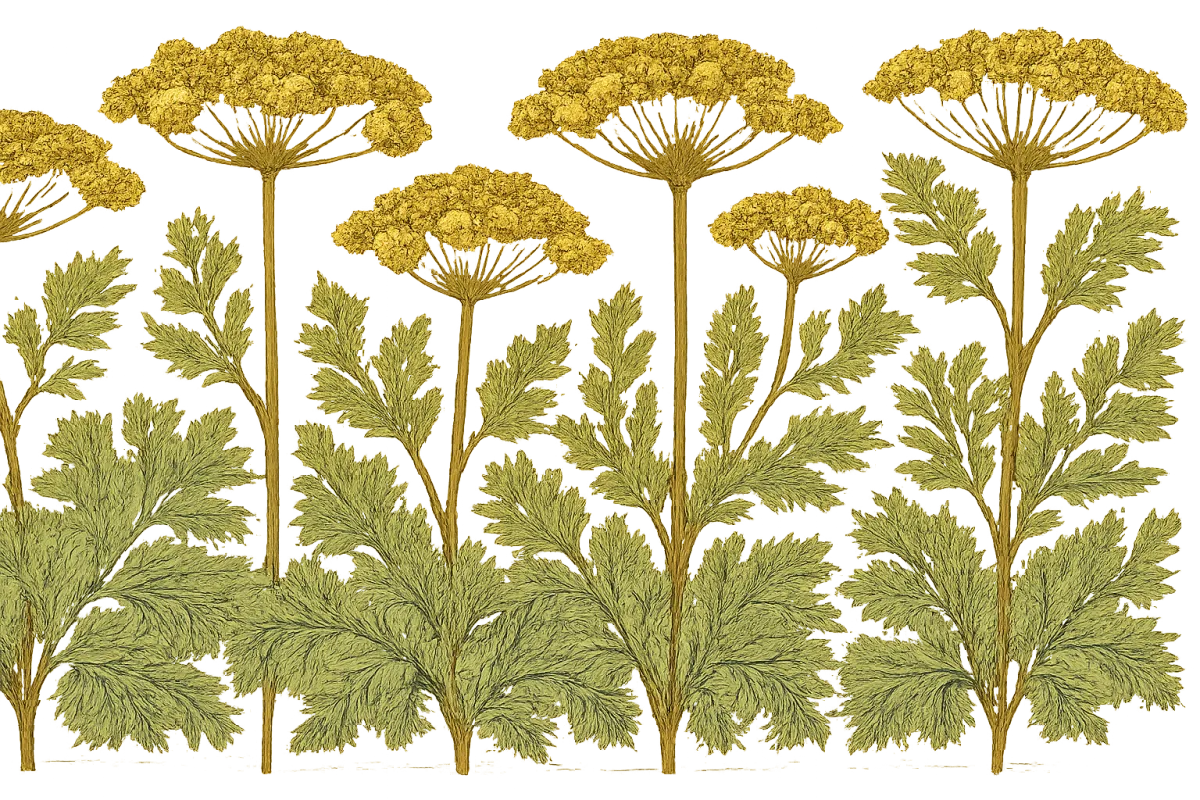
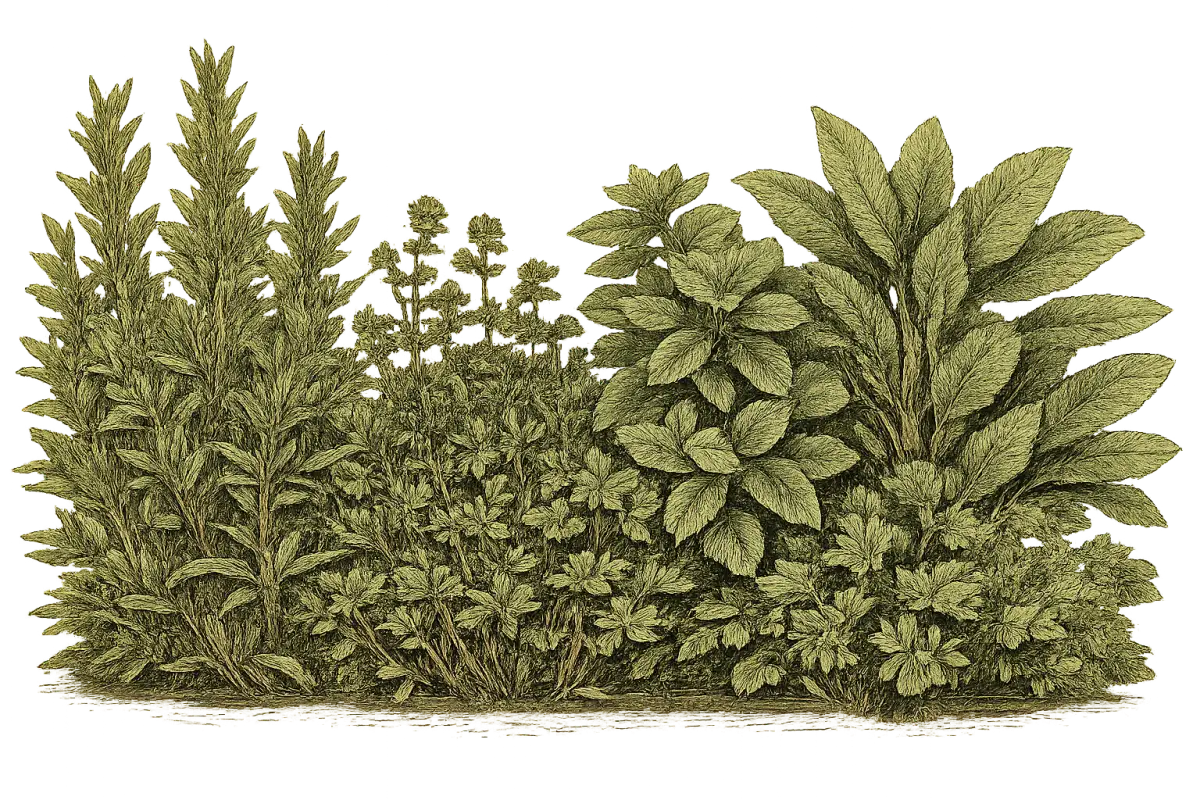
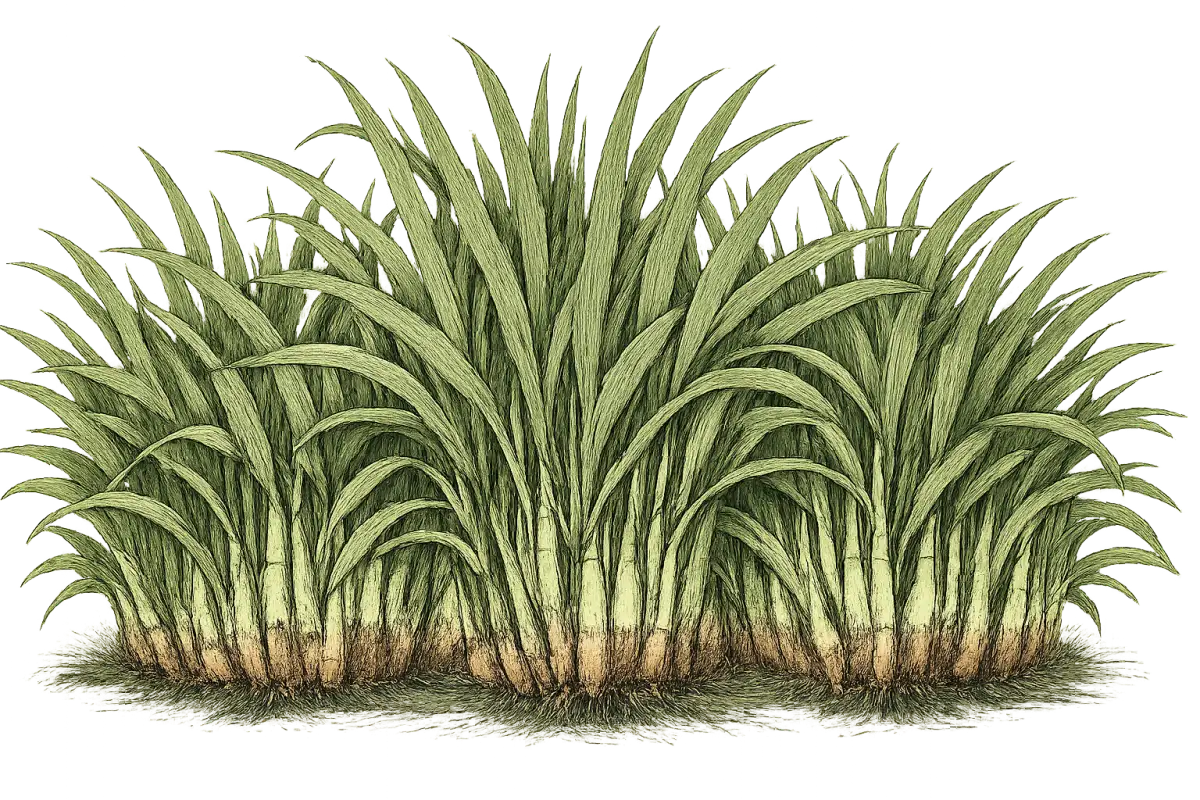
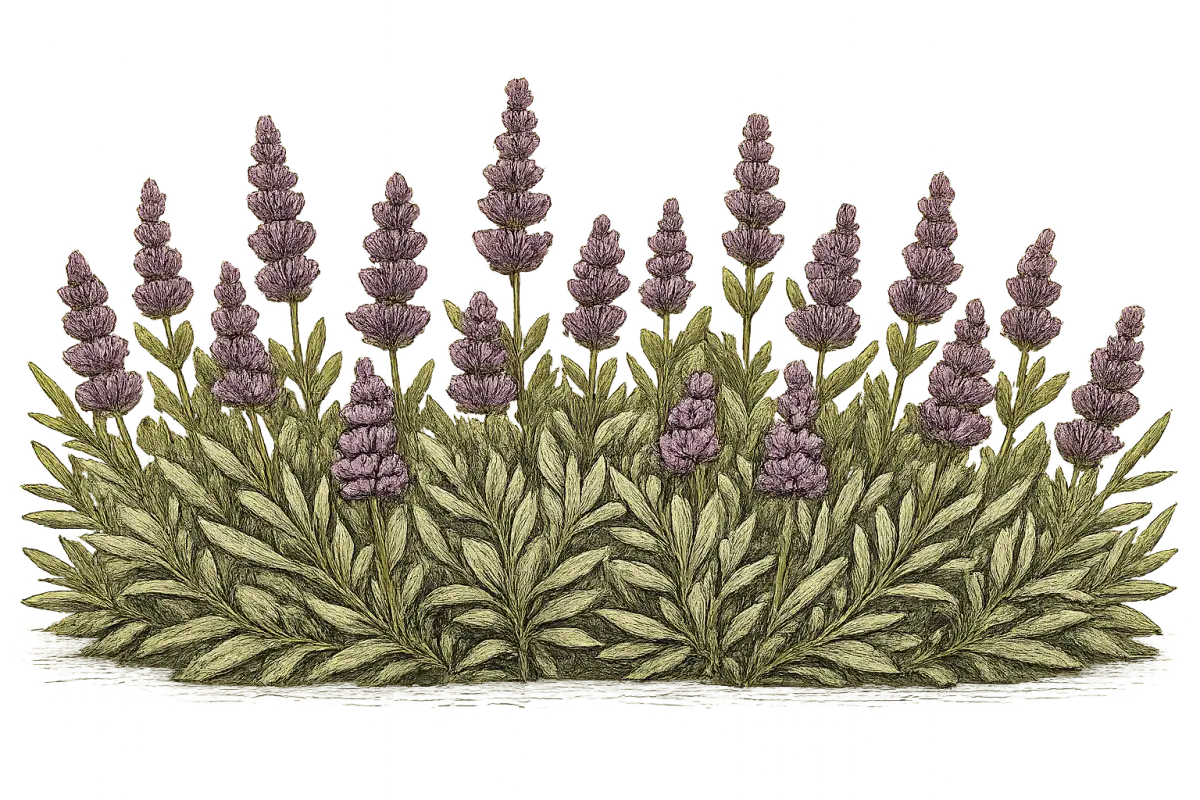
All Mediterranean perennial herbs — rosemary, thyme, oregano, sage, lavender — thrive in Zone 7. These plants actually prefer the climate here more than in cooler zones. Annual herbs work all summer, though cilantro bolts quickly in heat (grow in cooler seasons). Basil thrives. Bay laurel can survive as a perennial in 7b with some protection. Tender herbs like lemongrass work as warm-season annuals that might overwinter in protected spots.
Worth trying (rating 3 — possible but challenging):
Best Flowers for Zone 7
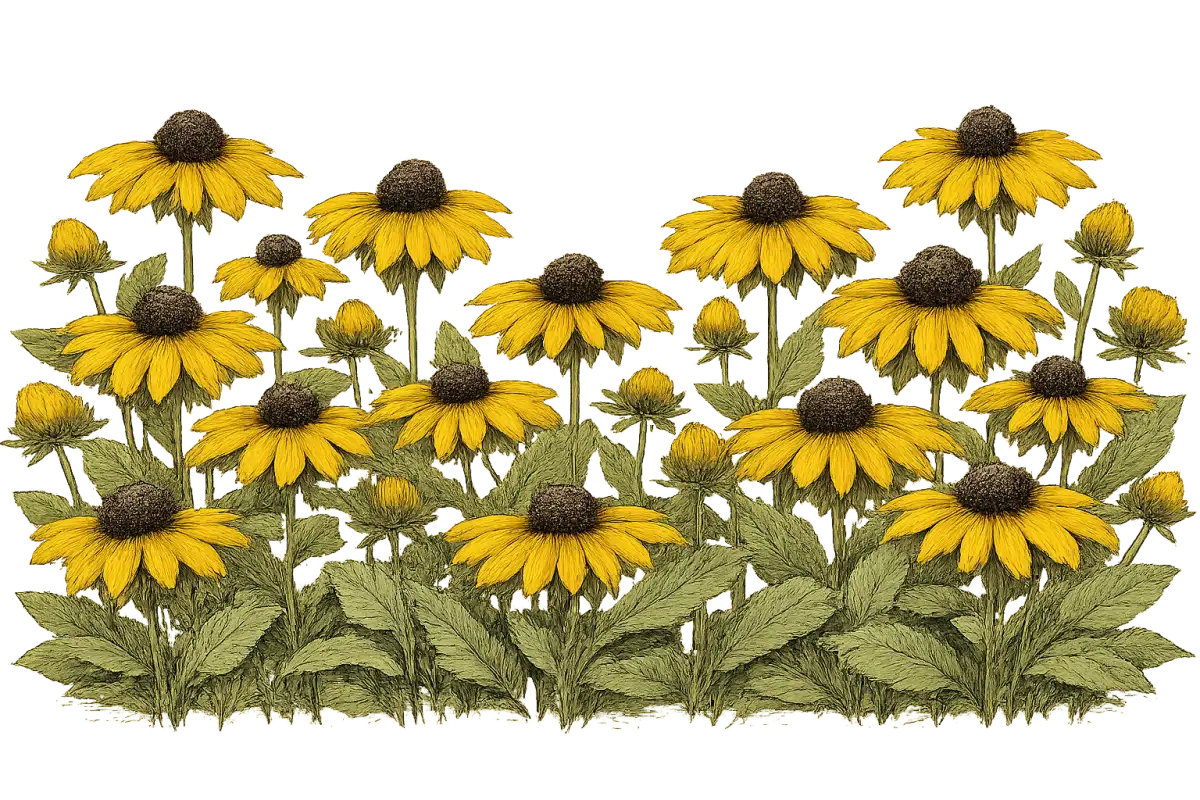
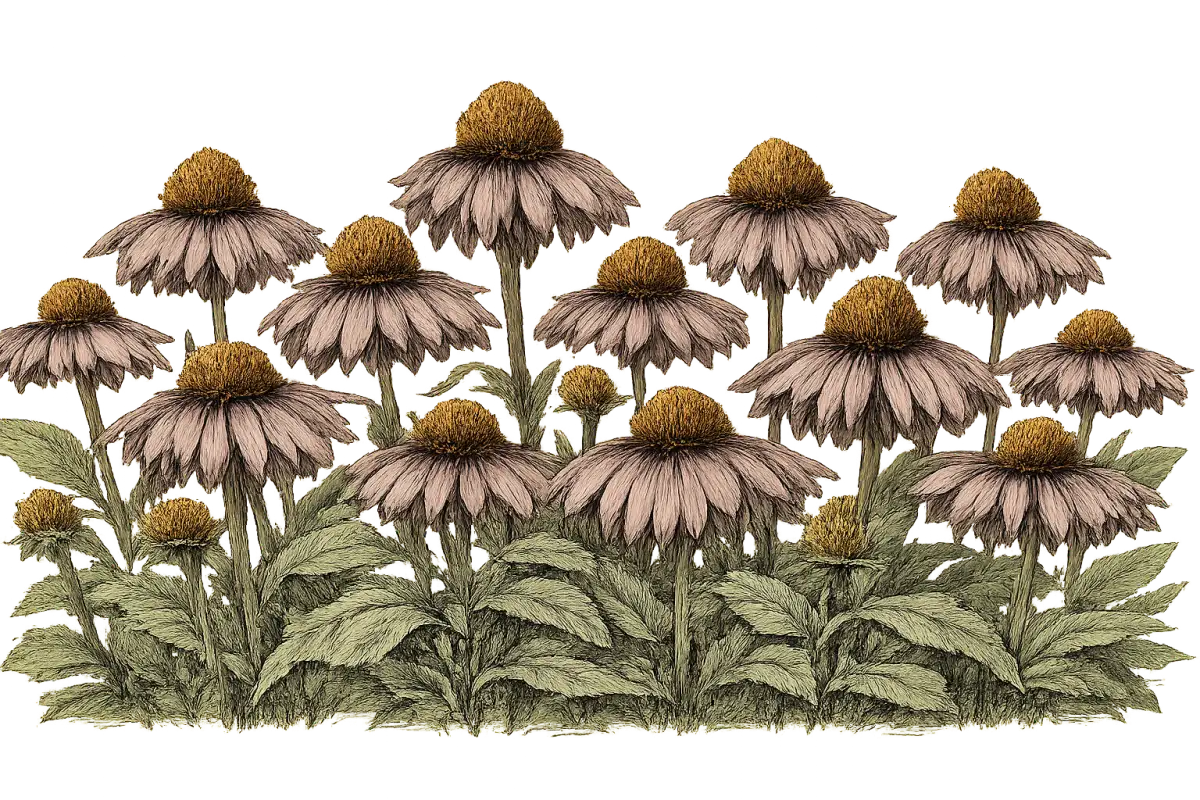
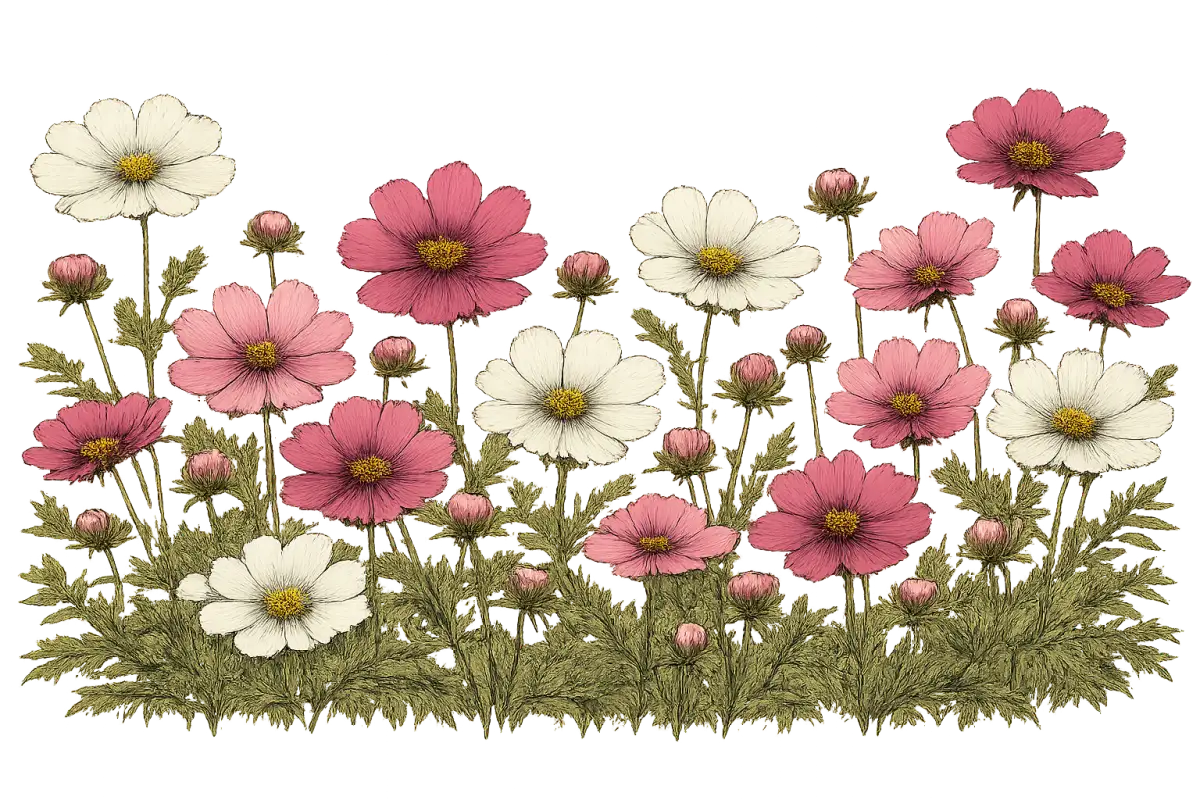
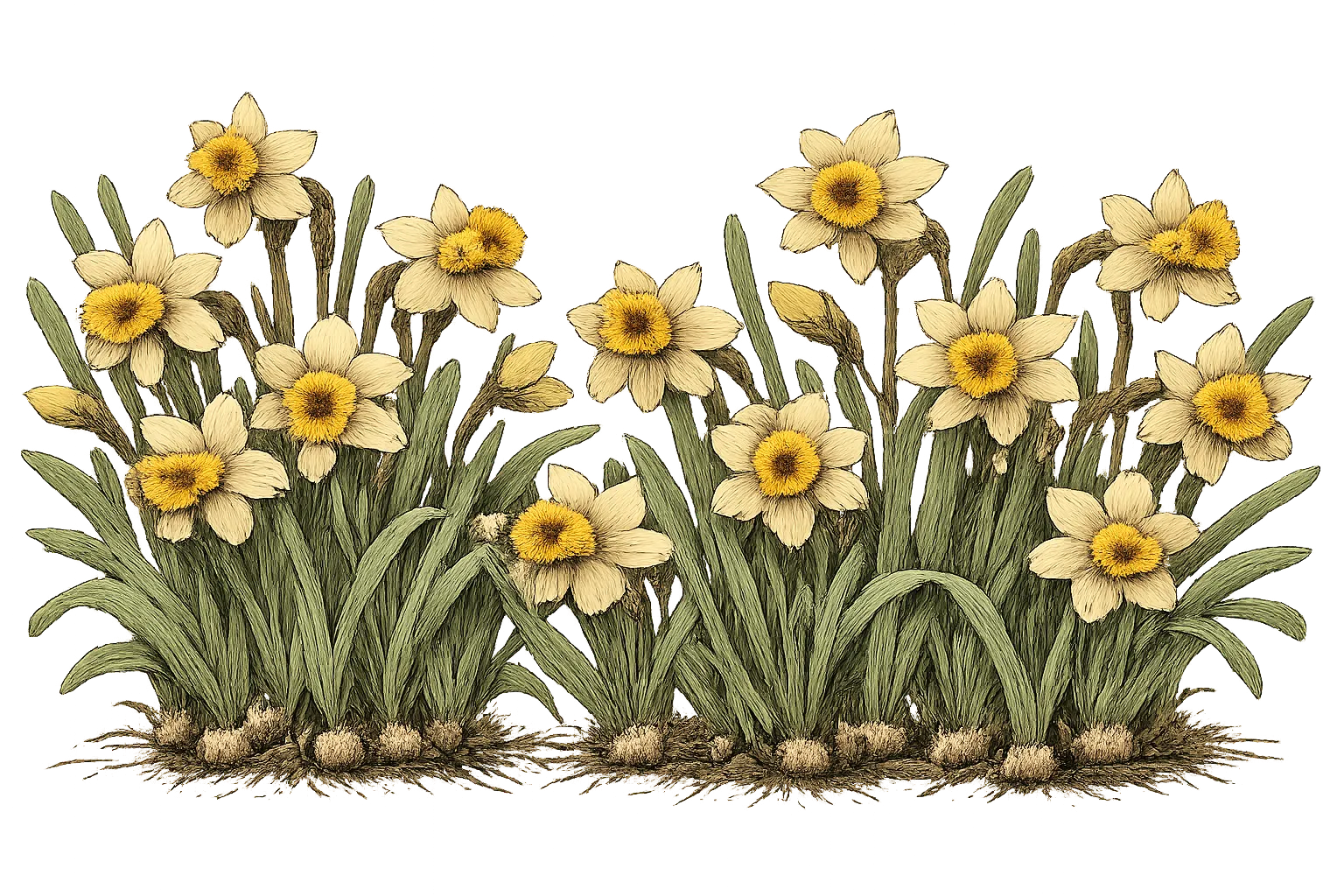
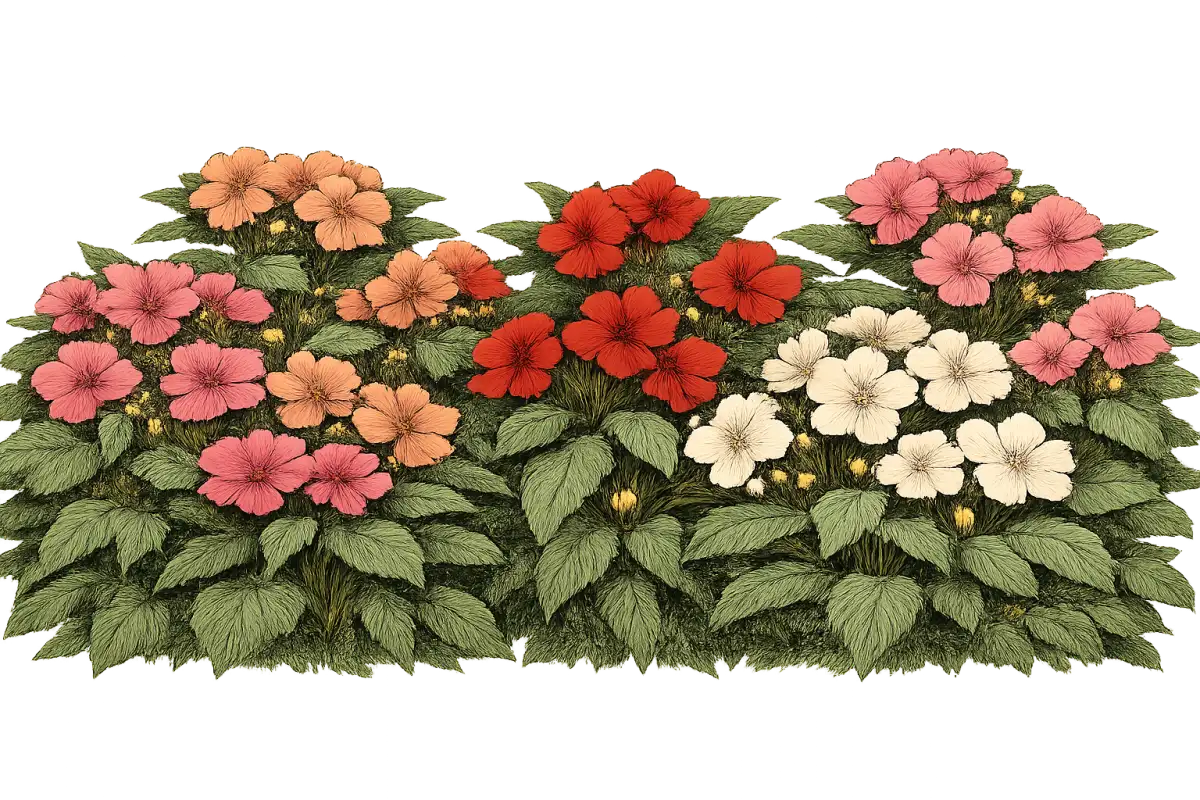
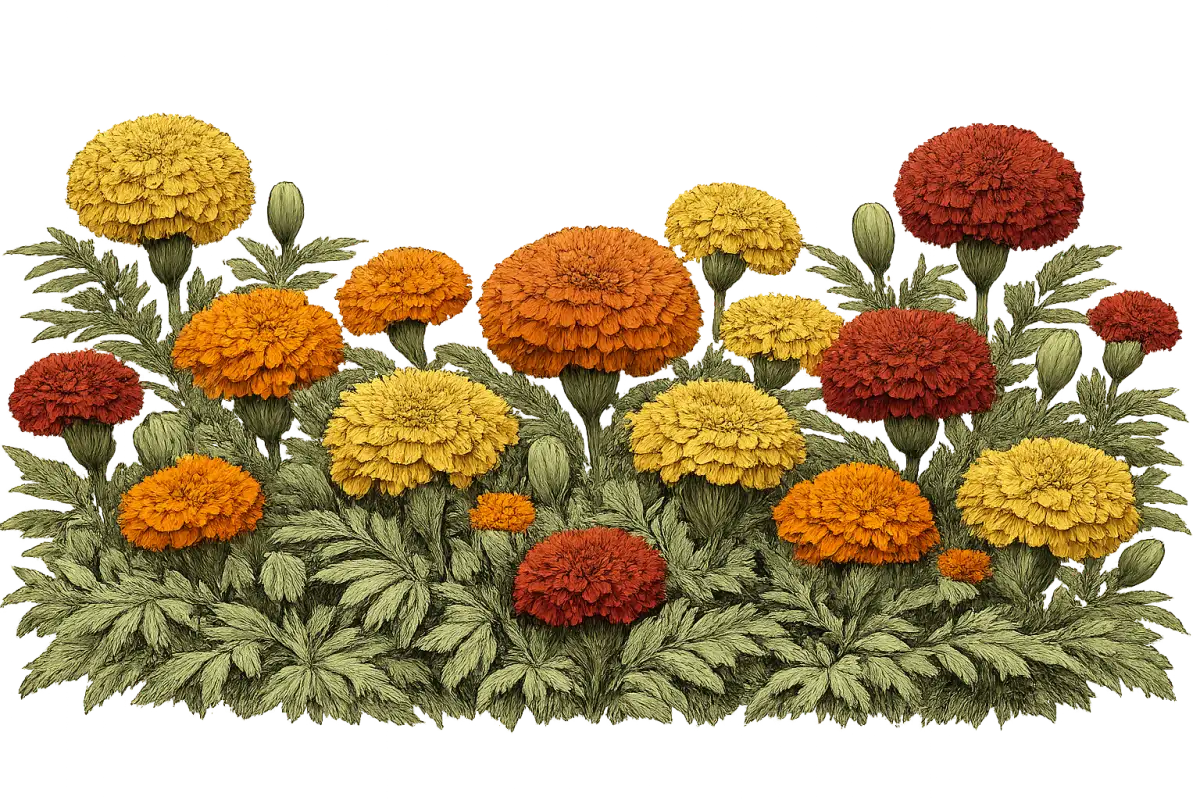
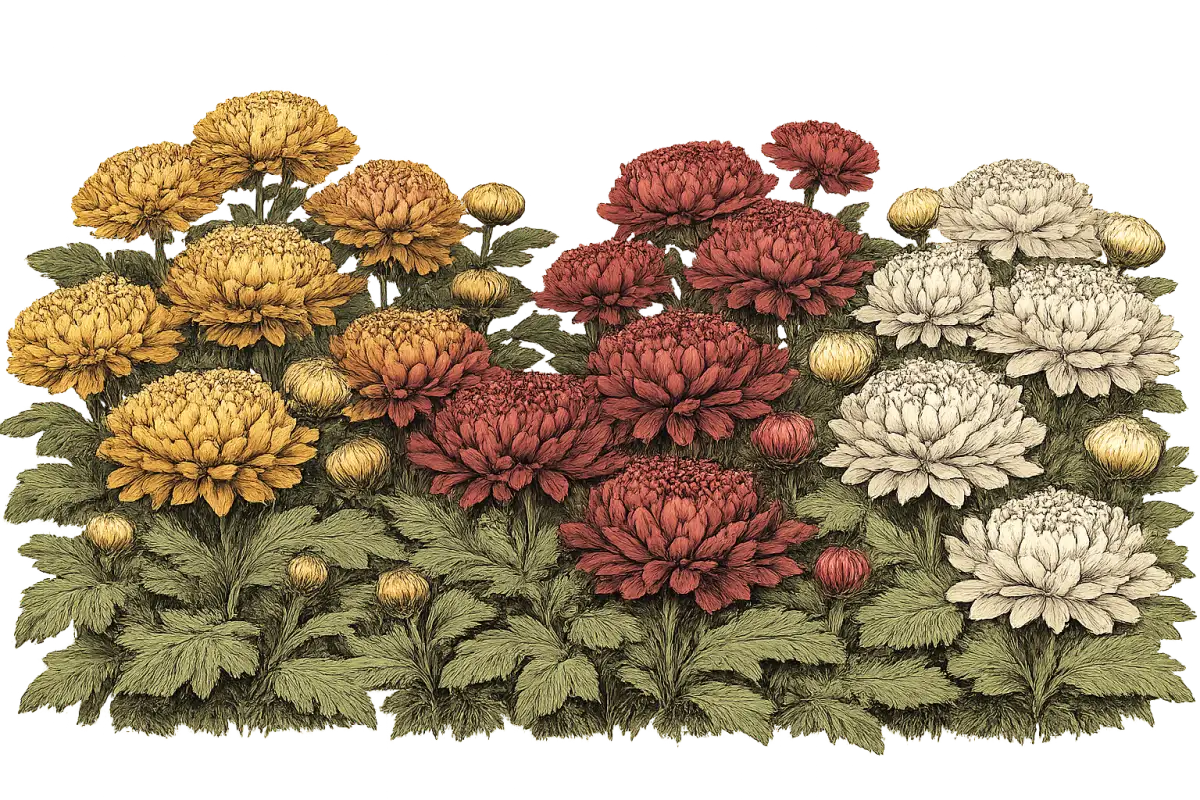
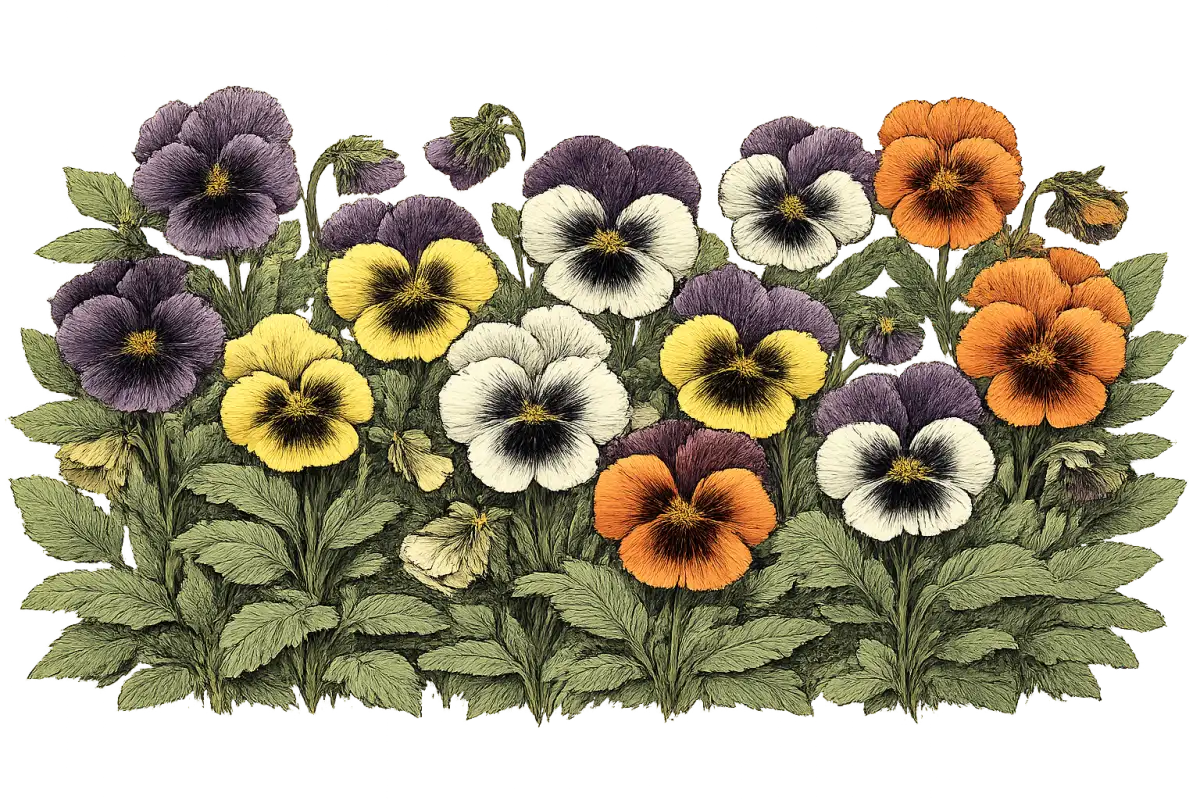
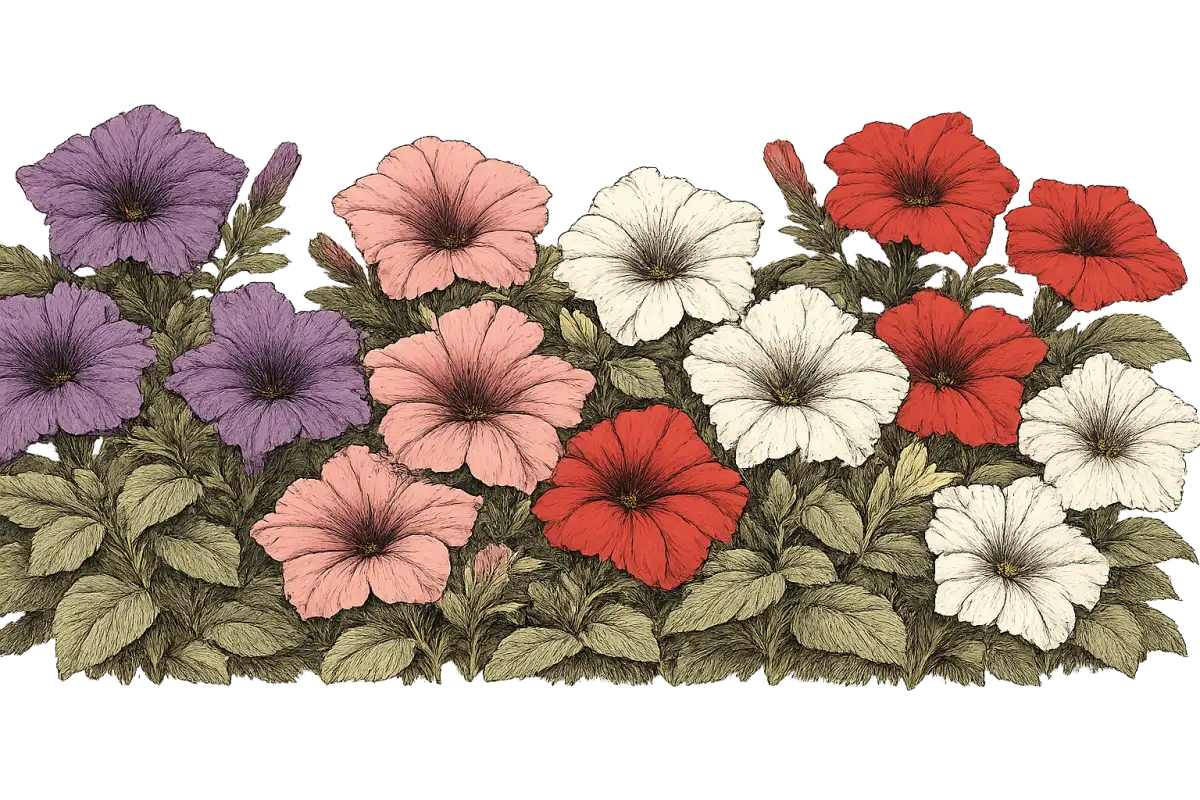
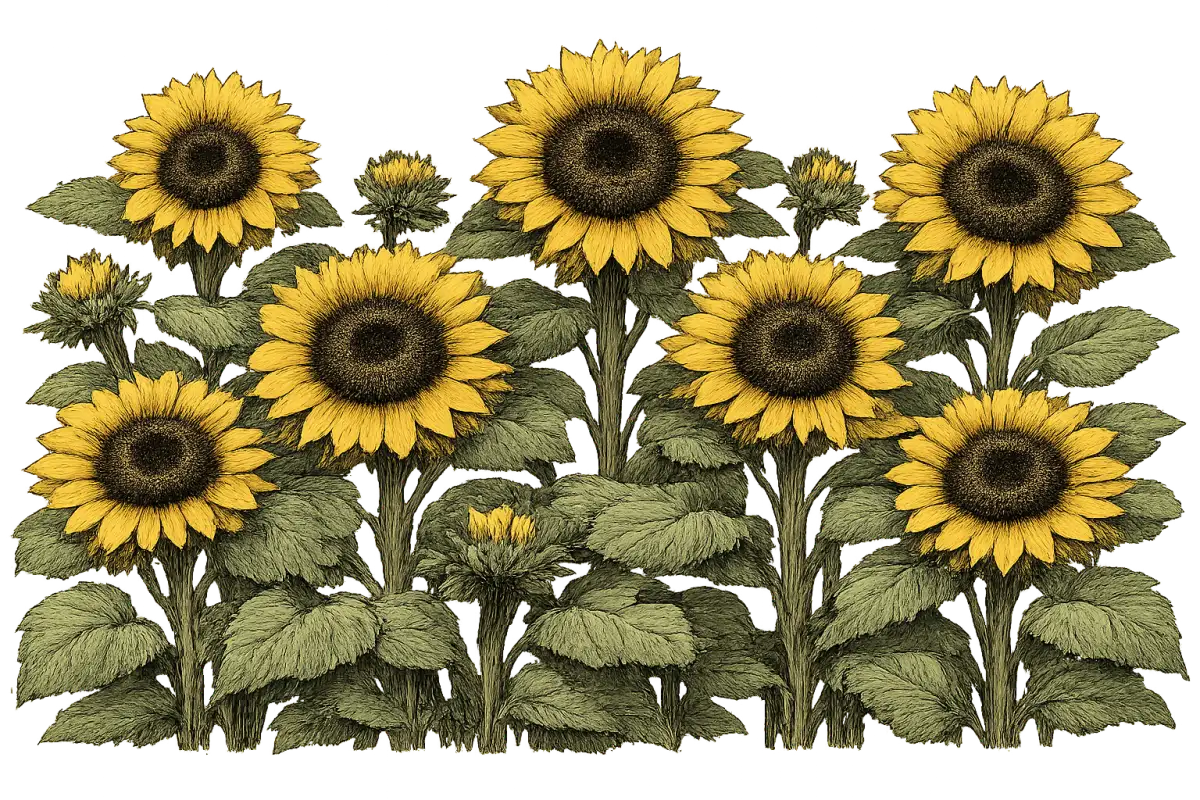
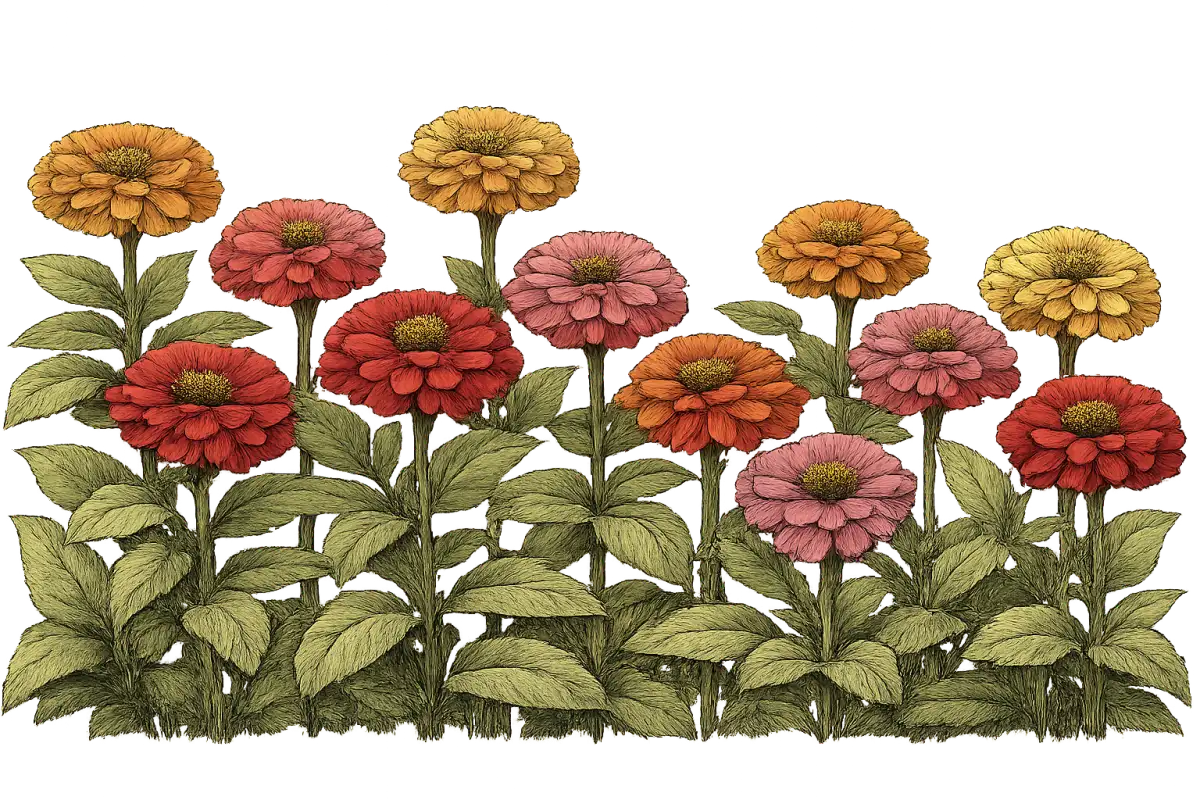
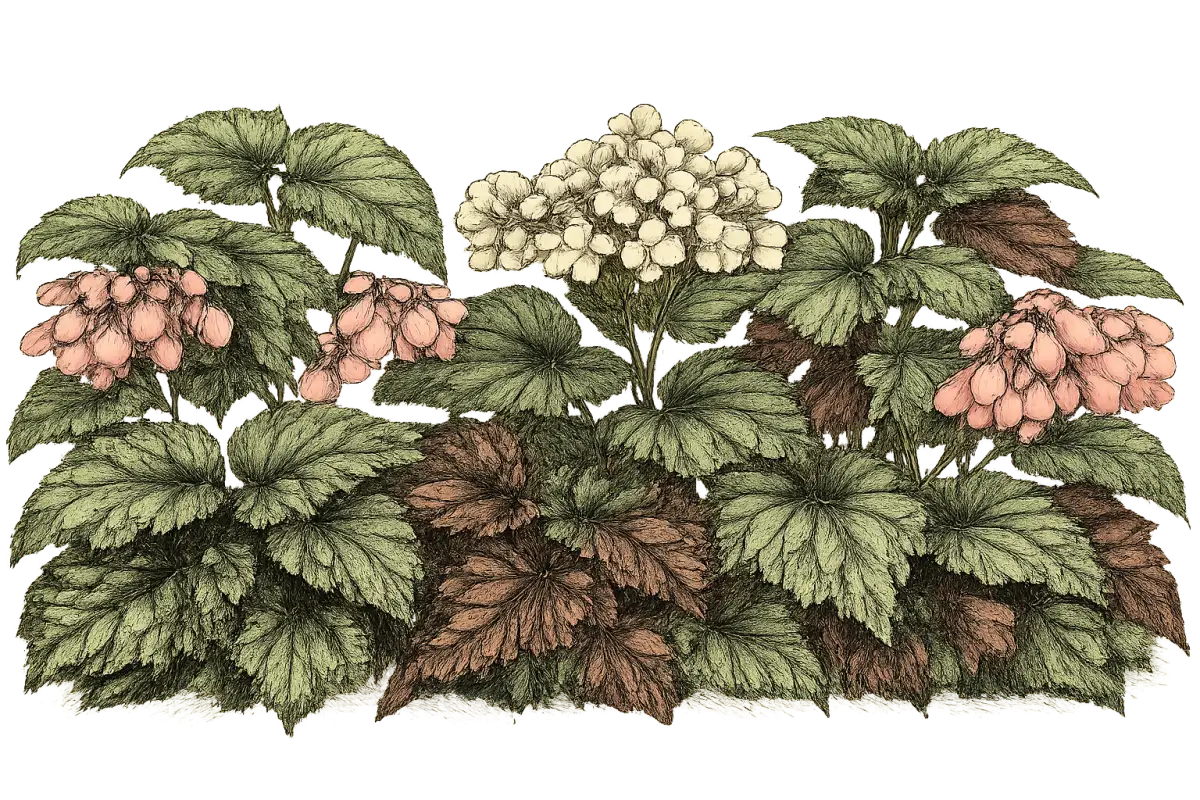
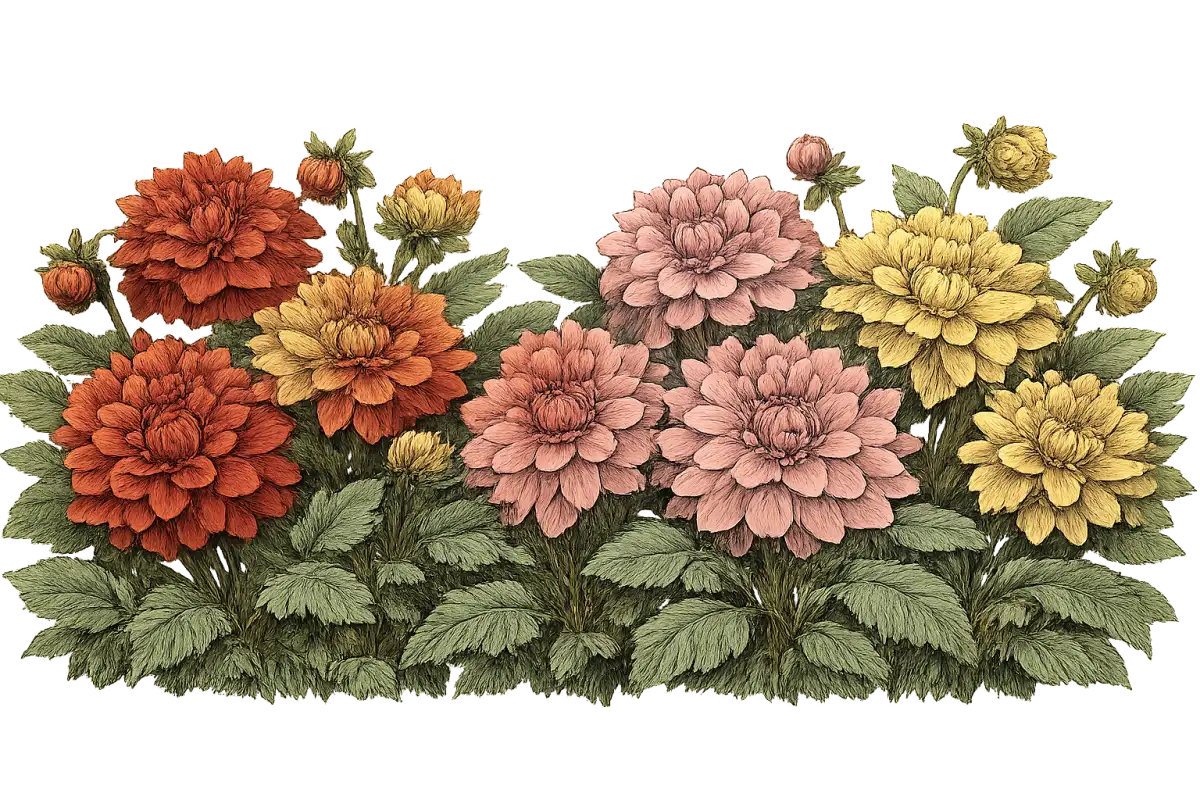
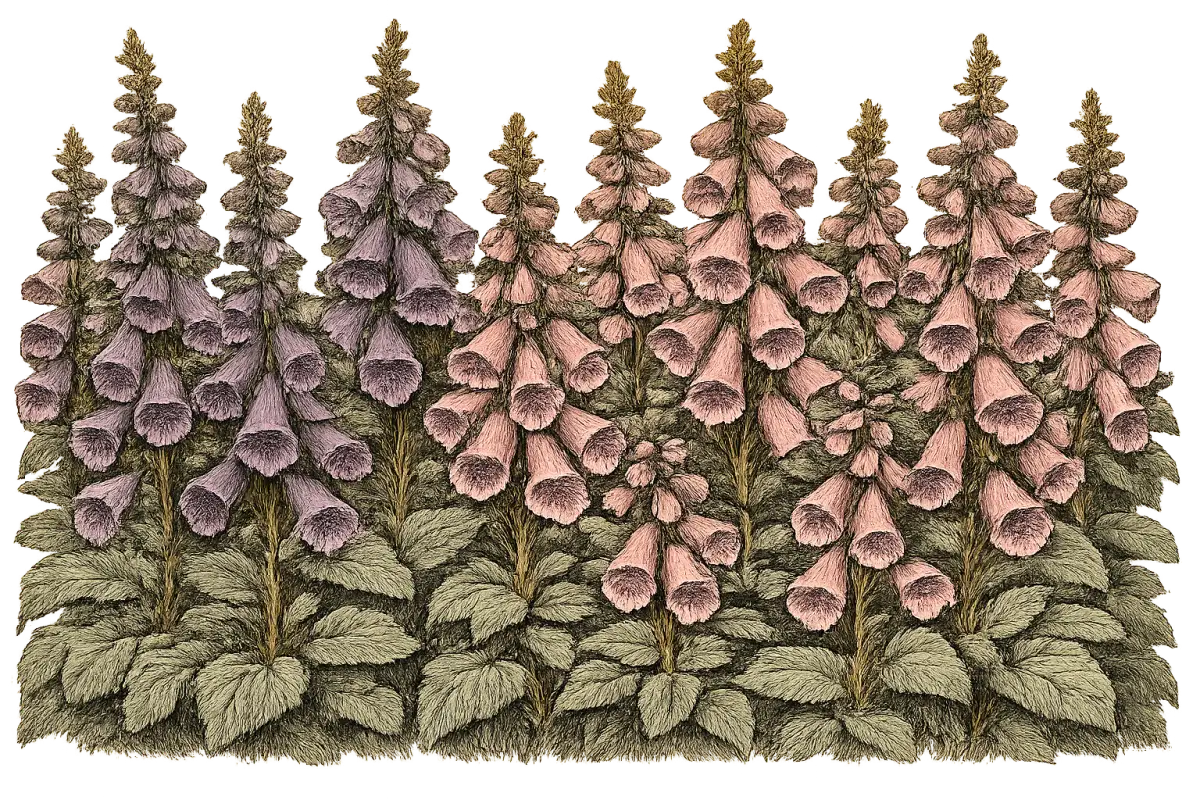
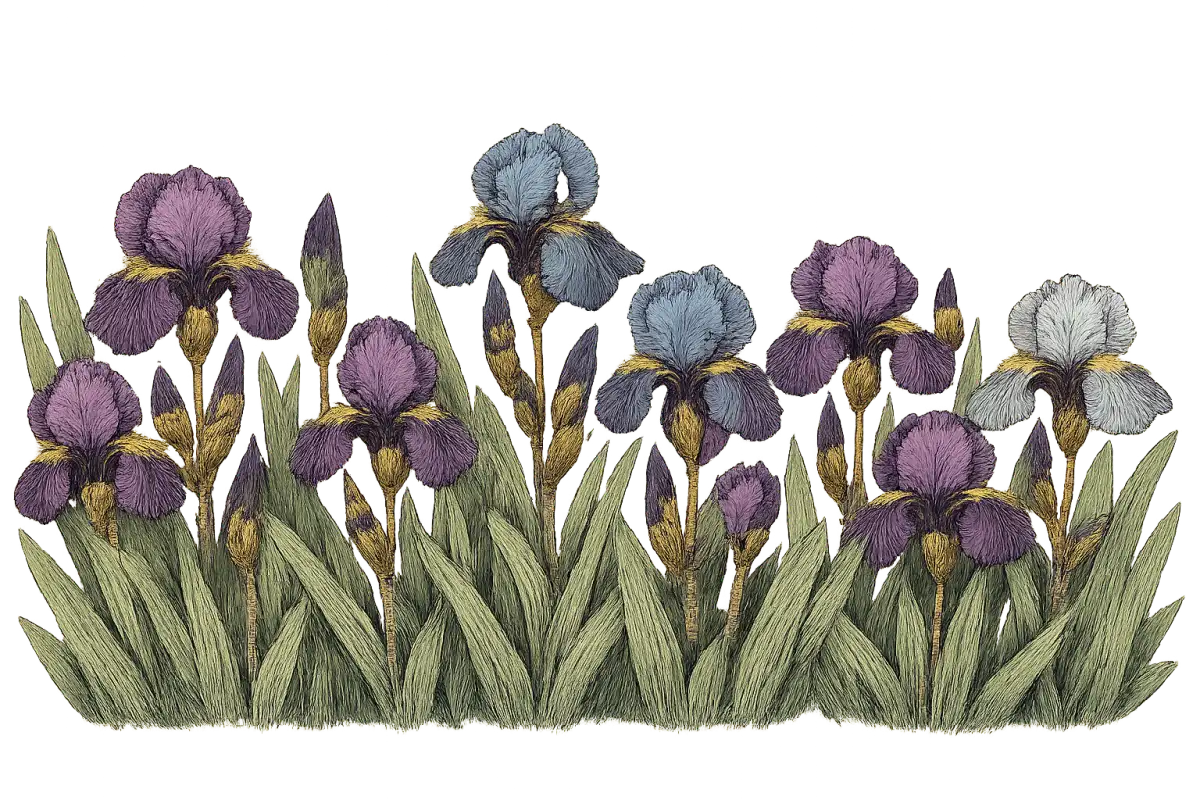
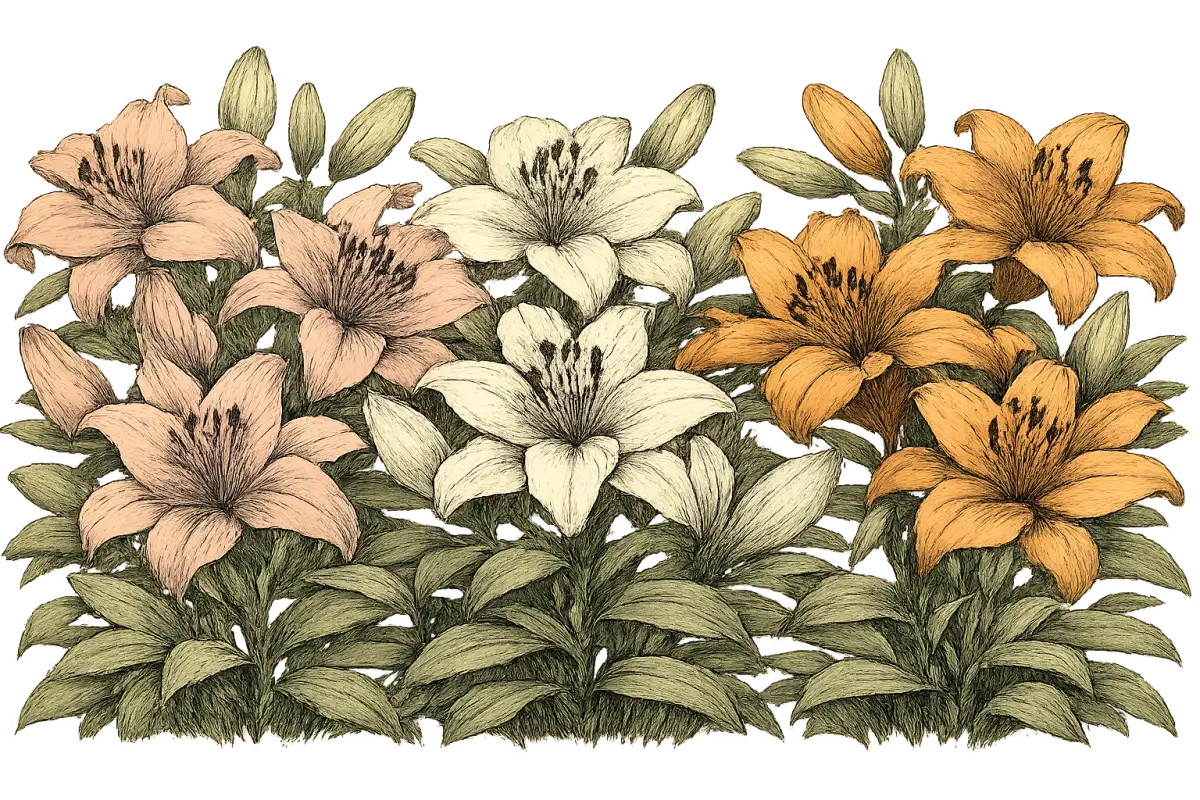
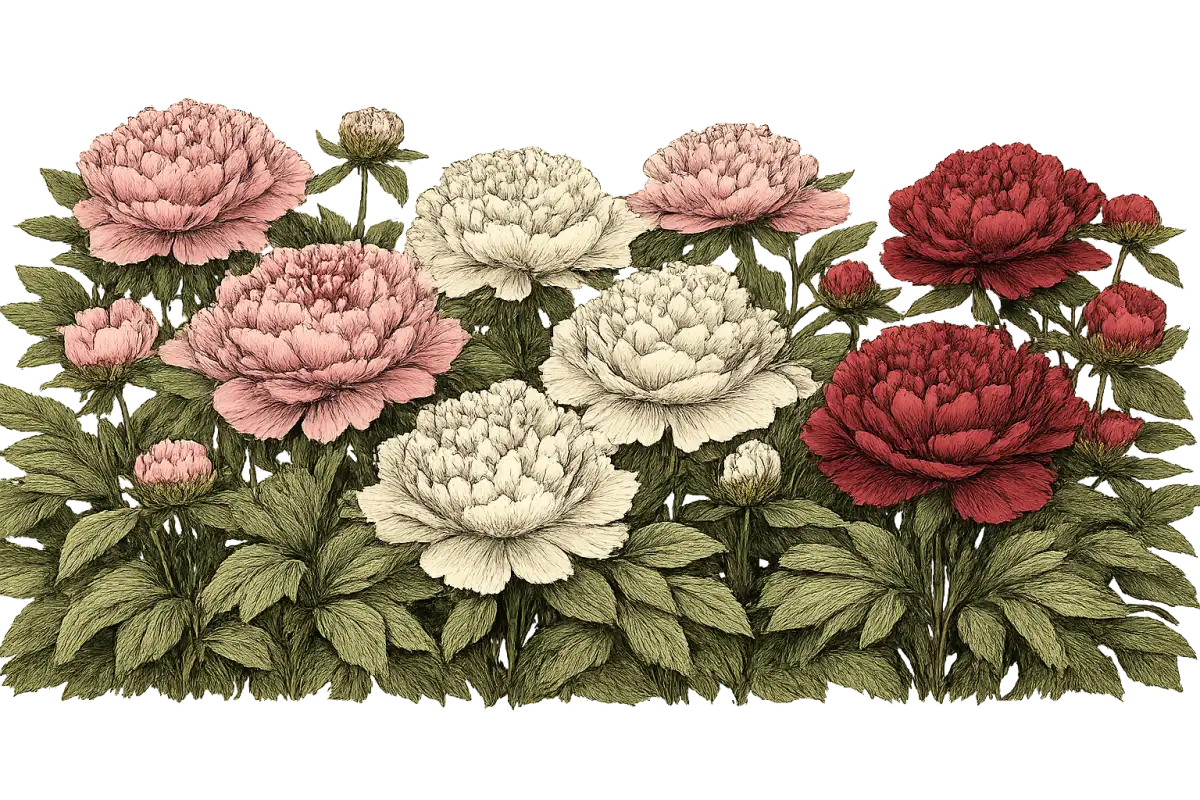
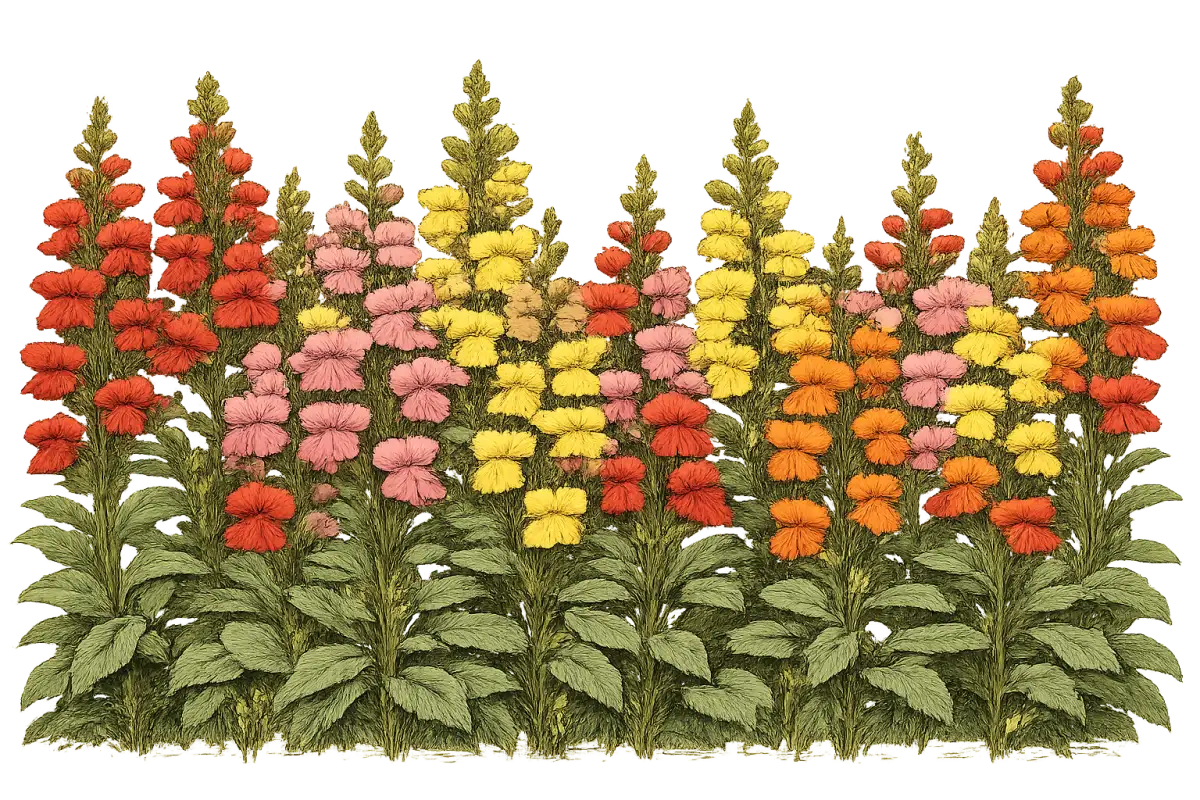
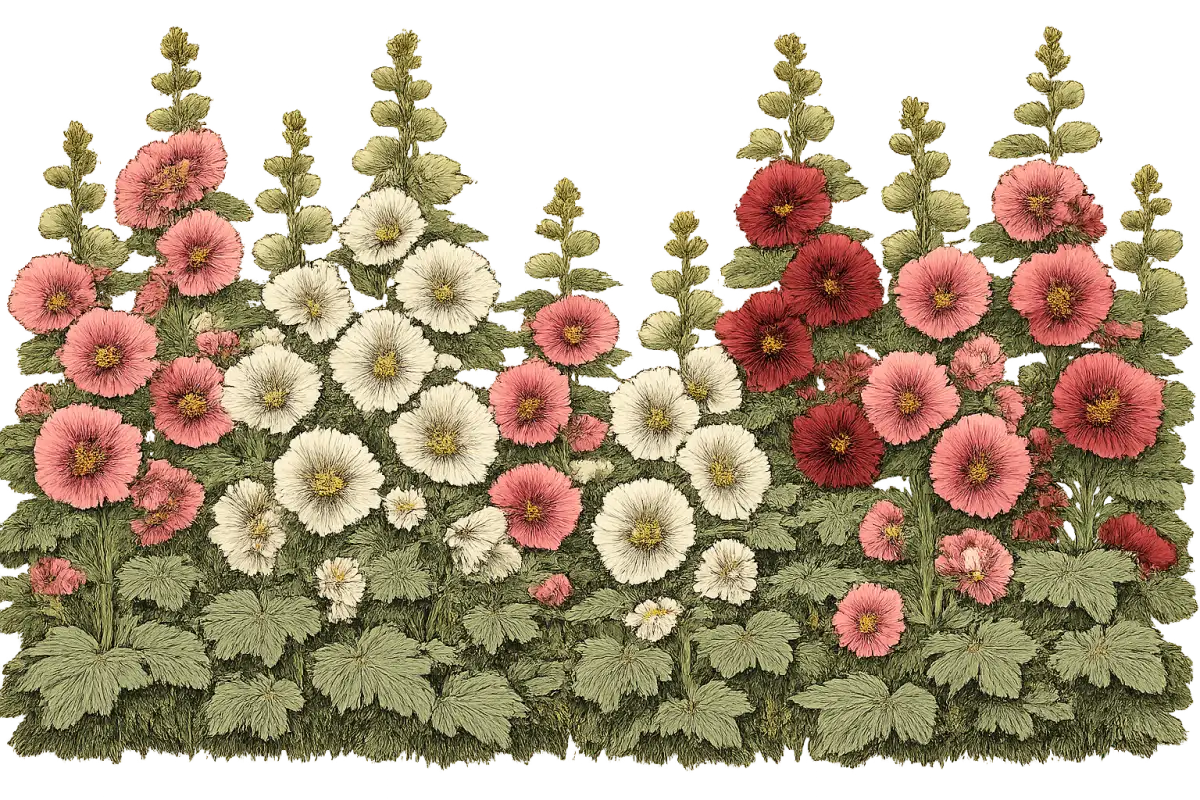
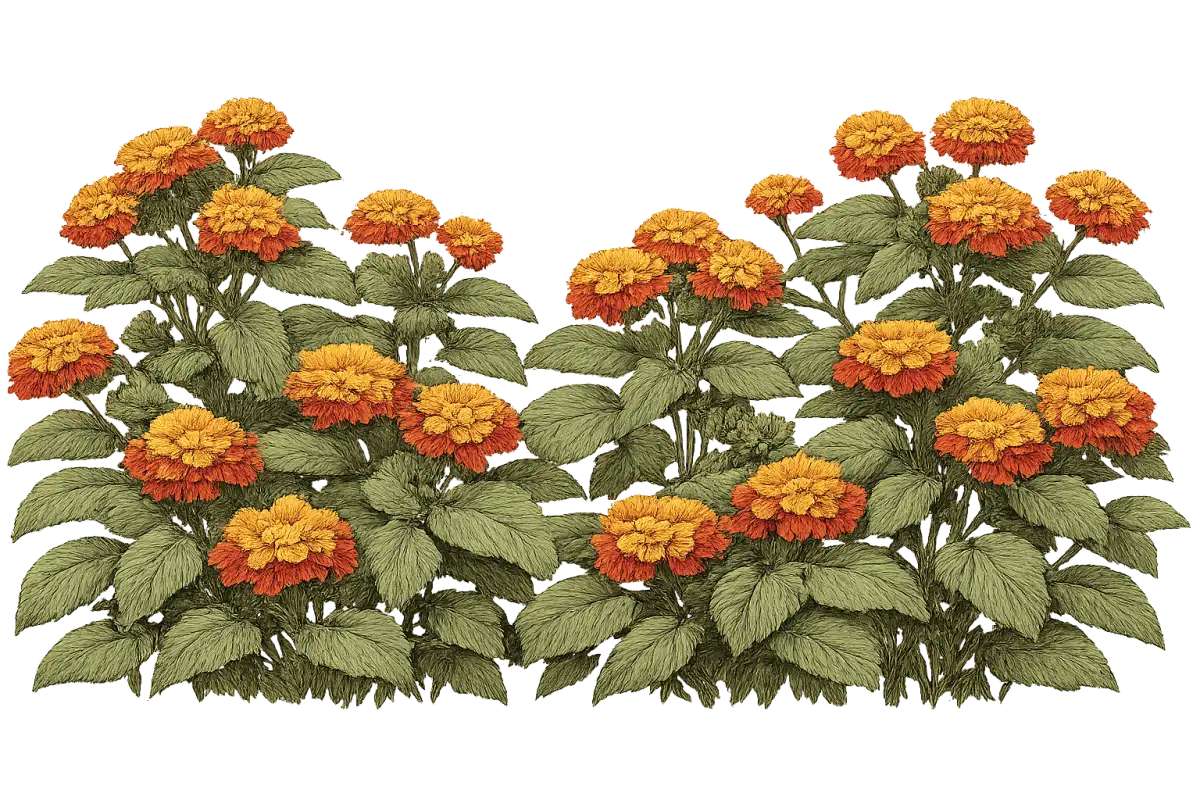
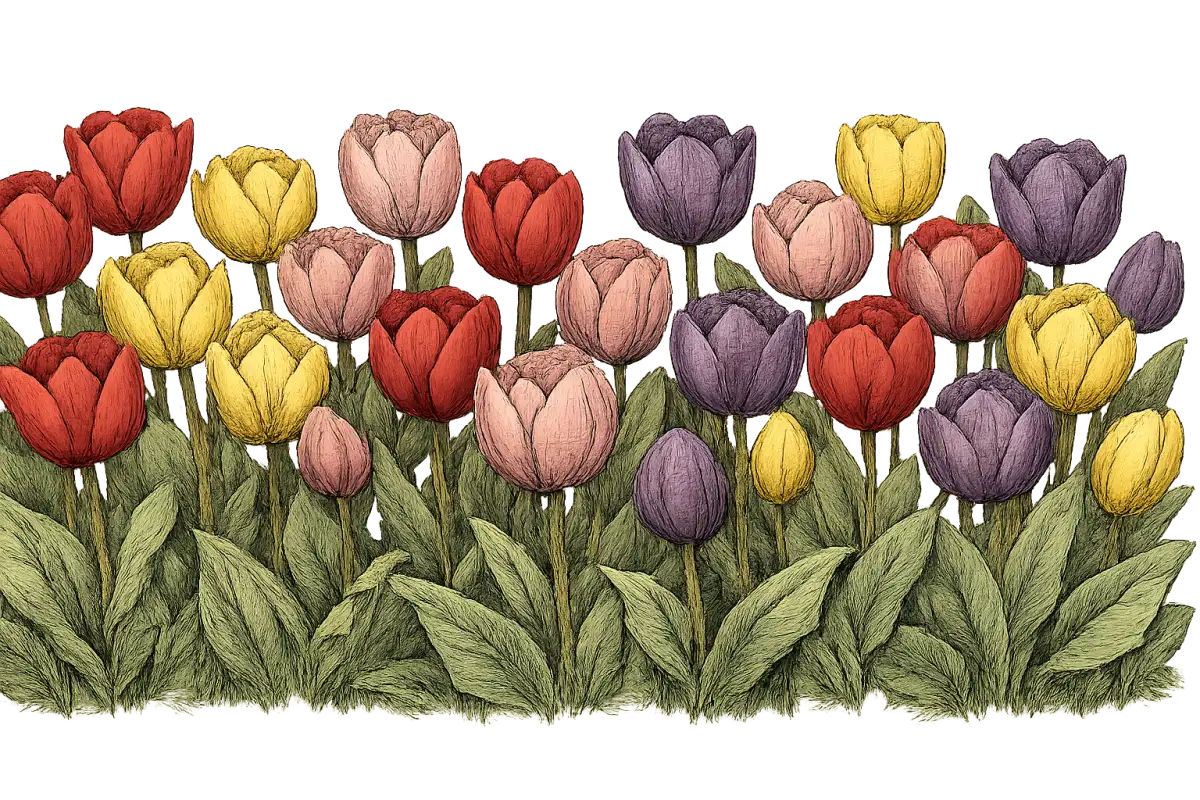
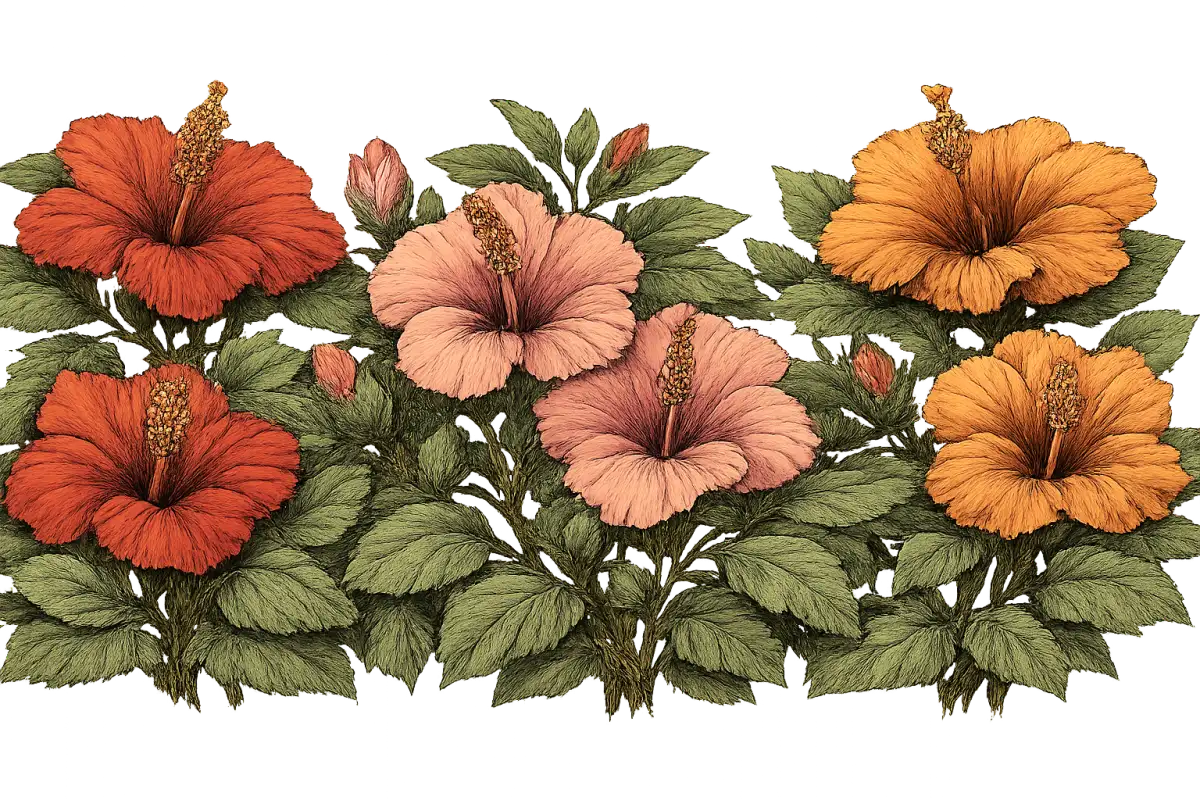
Zone 7 has an enormous flower palette. Traditional cool-climate perennials (peonies, hostas, delphiniums) still work here, though they benefit from afternoon shade. Warm-climate favorites like crepe myrtles, hardy hibiscus, and many salvias thrive. Spring bulbs work, though tulips need pre-chilling in warmer parts of Zone 7 to bloom well. Annual flowers have a very long season — plant multiple rounds for continuous bloom from spring through fall.
Worth trying (rating 3 — possible but challenging):
Best Shrubs for Zone 7
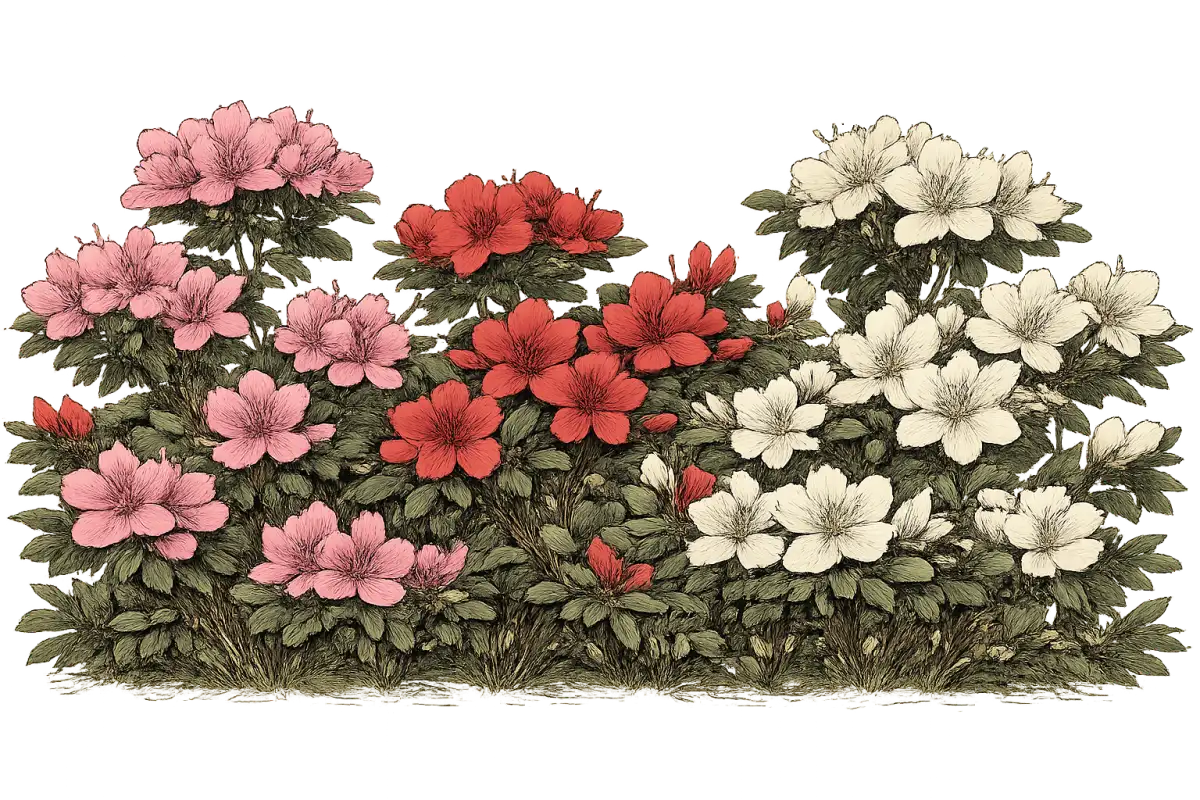
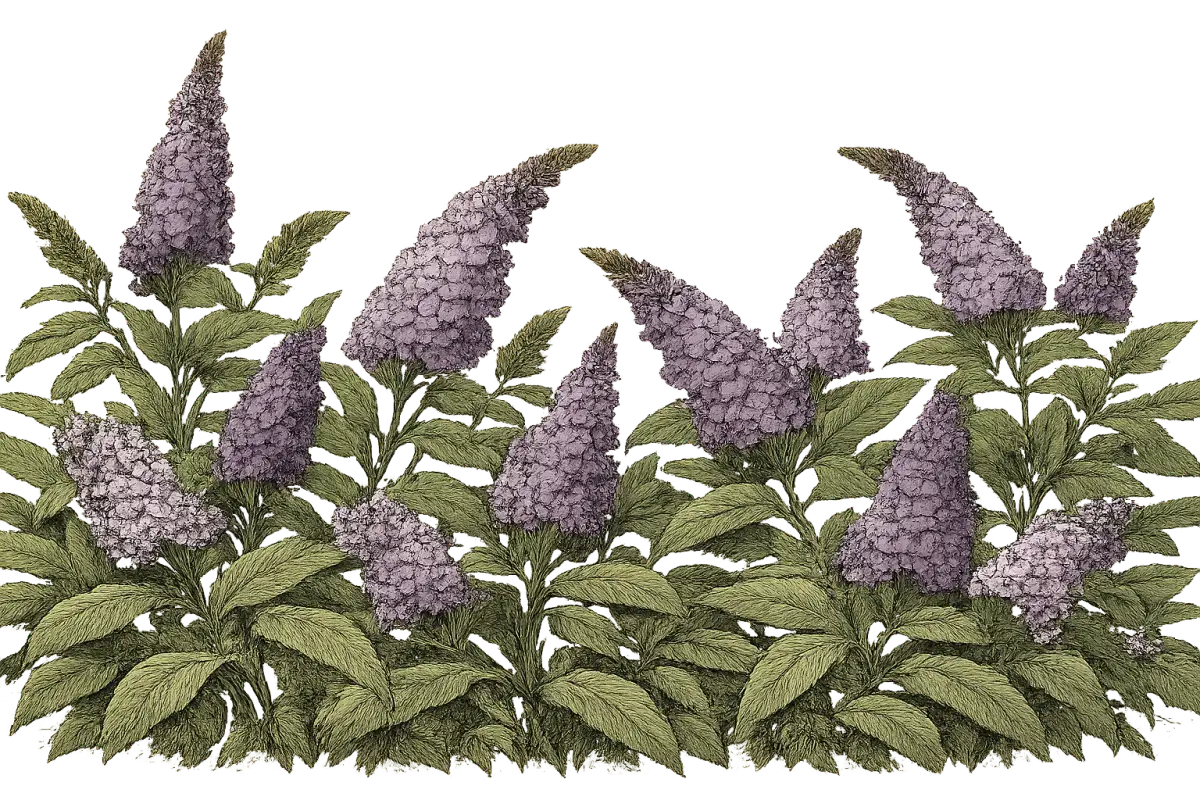
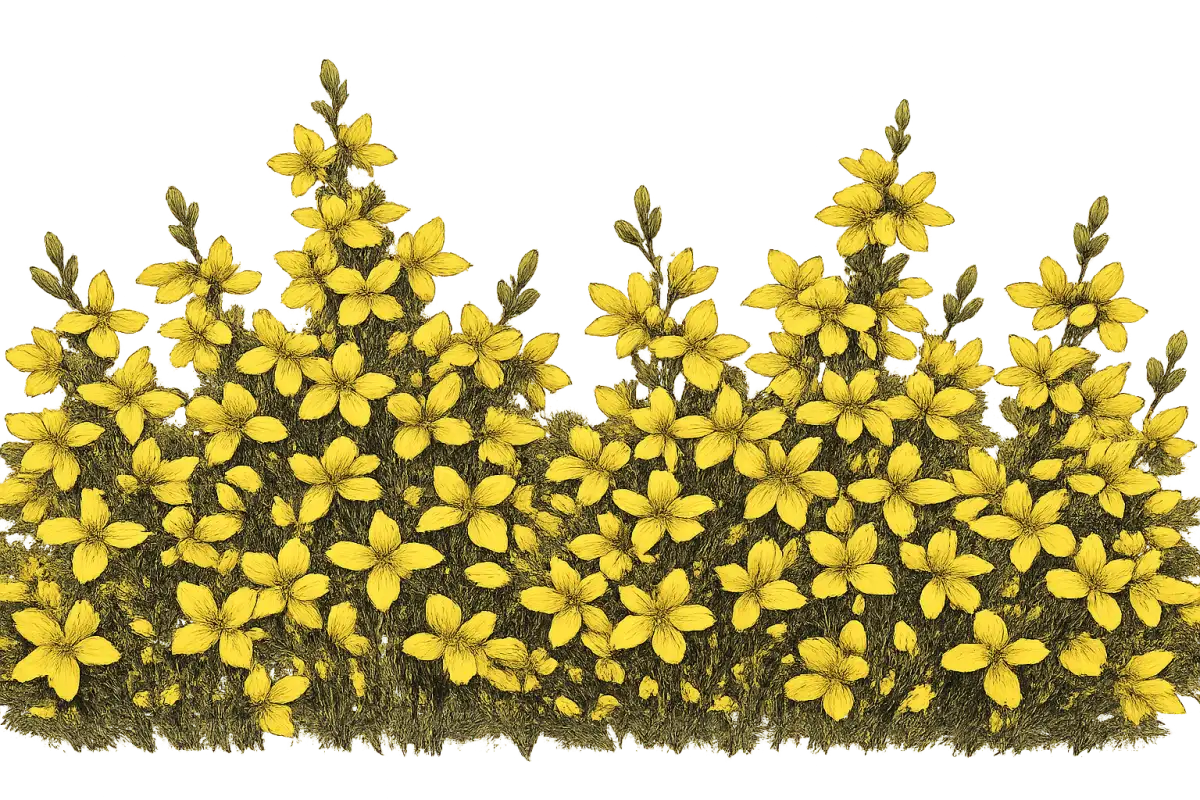
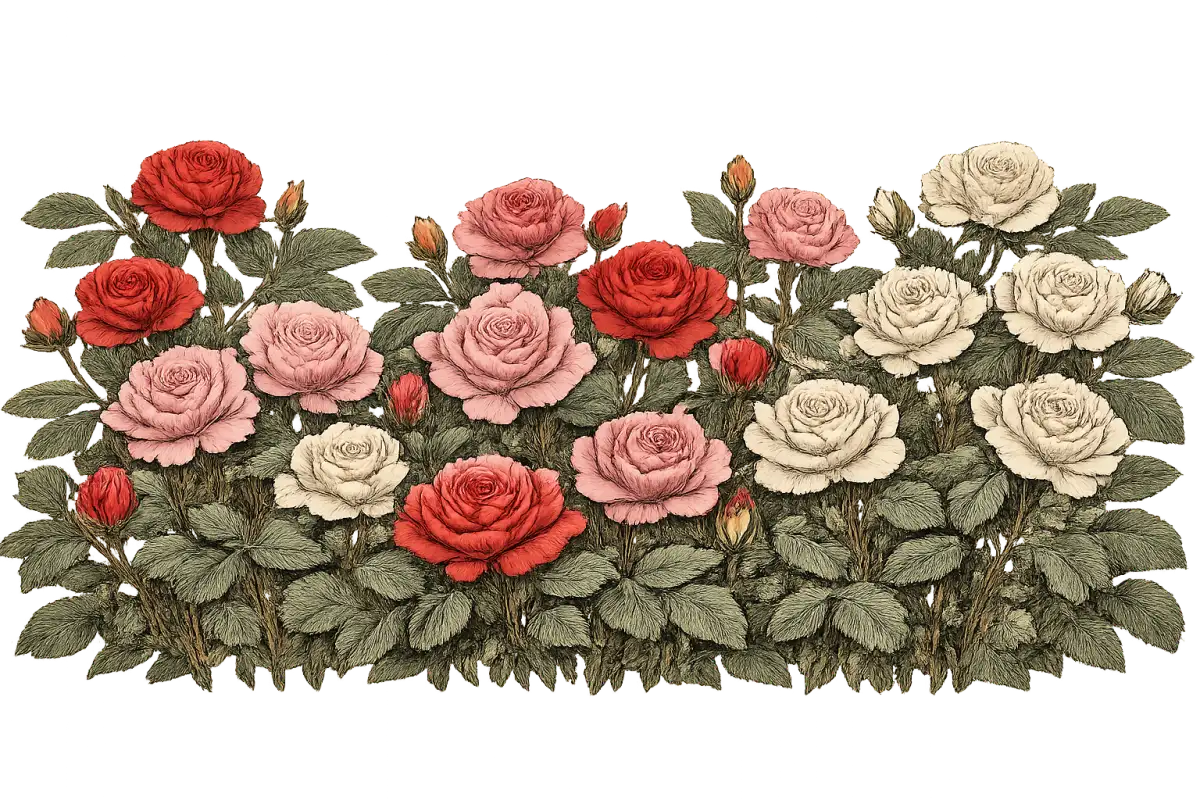
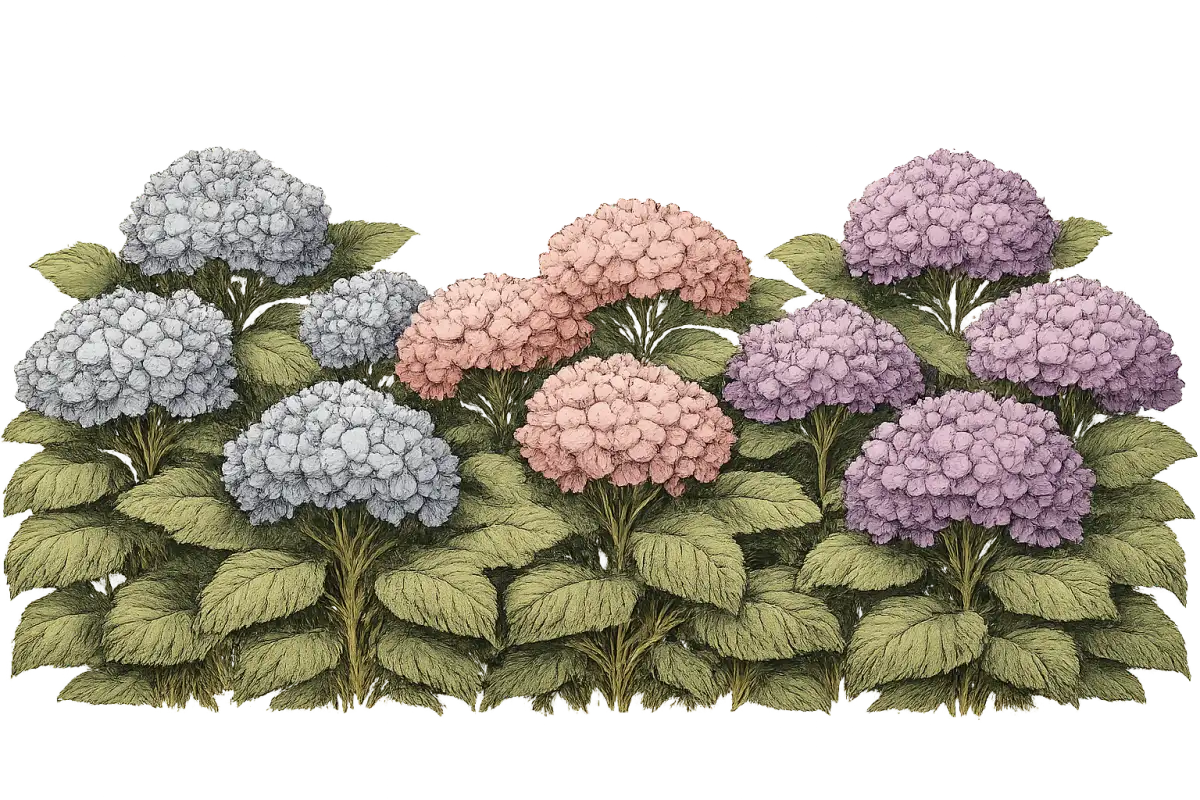
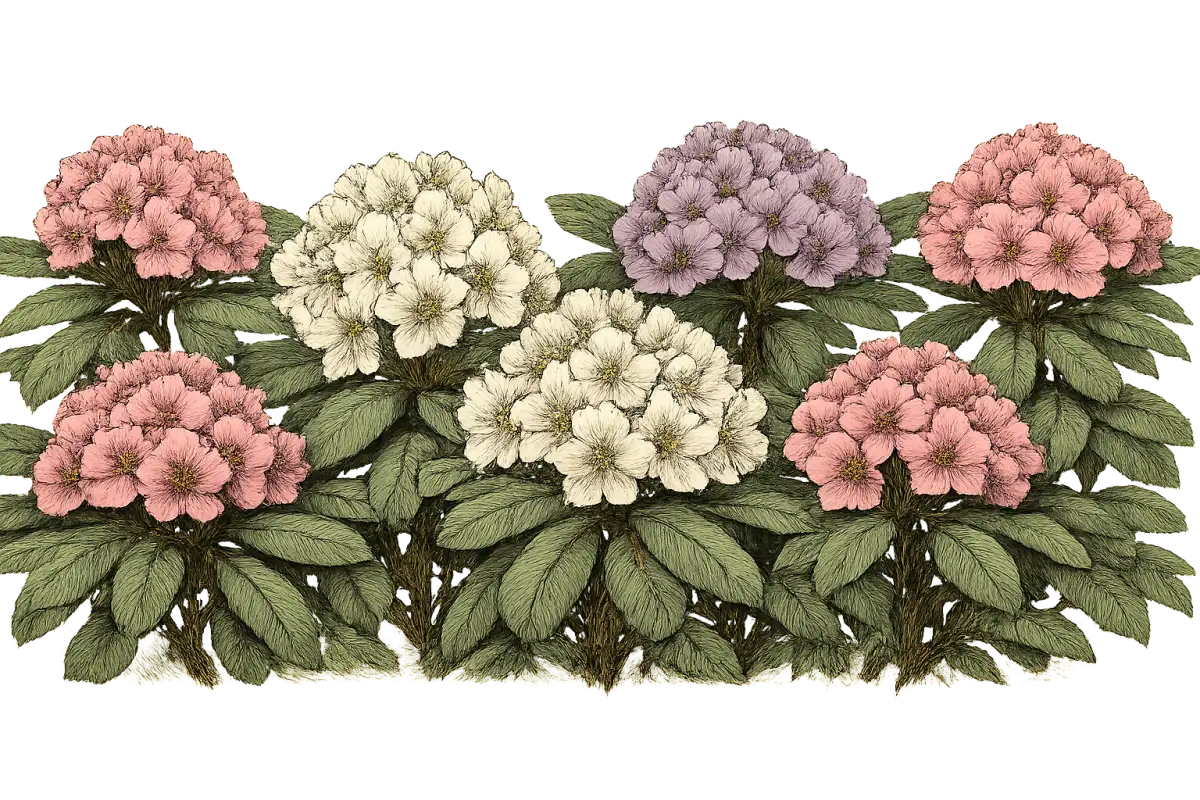
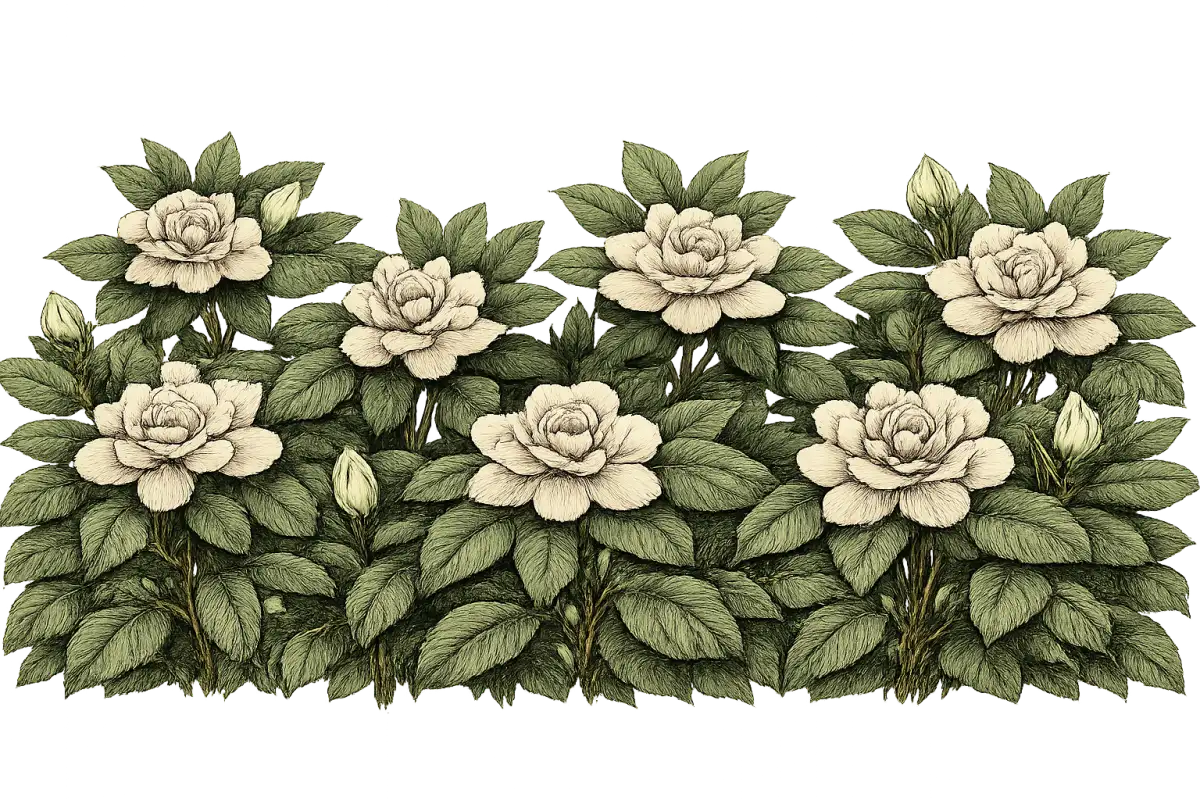
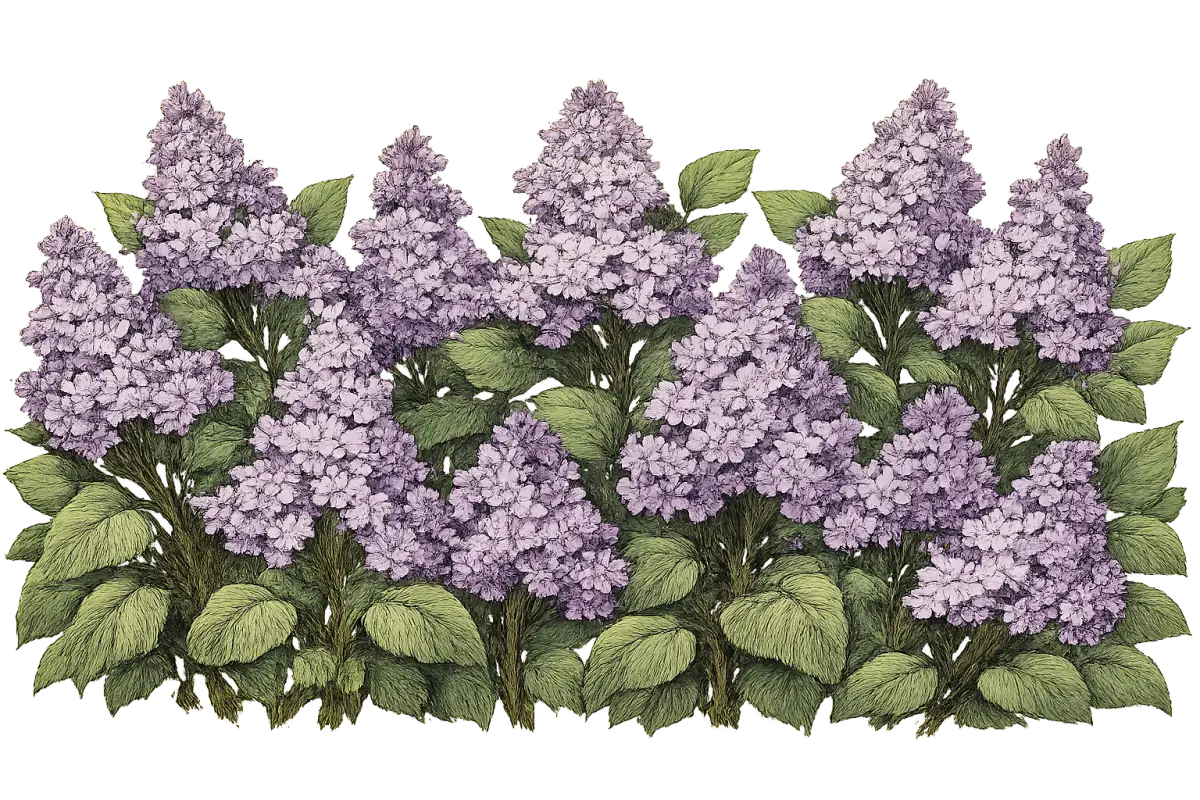
Zone 7 is prime shrub territory. Crepe myrtles bloom for 100+ days in the summer heat. Hydrangeas work, though some types need afternoon shade. Gardenias thrive. Camellias are reliable — this is where they really come into their own as landscape plants. Azaleas and rhododendrons work in acidic soil with shade. Roses of all types flourish. Even some tropical-looking shrubs become possible.
Worth trying (rating 3 — possible but challenging):
Best Perennials for Zone 7
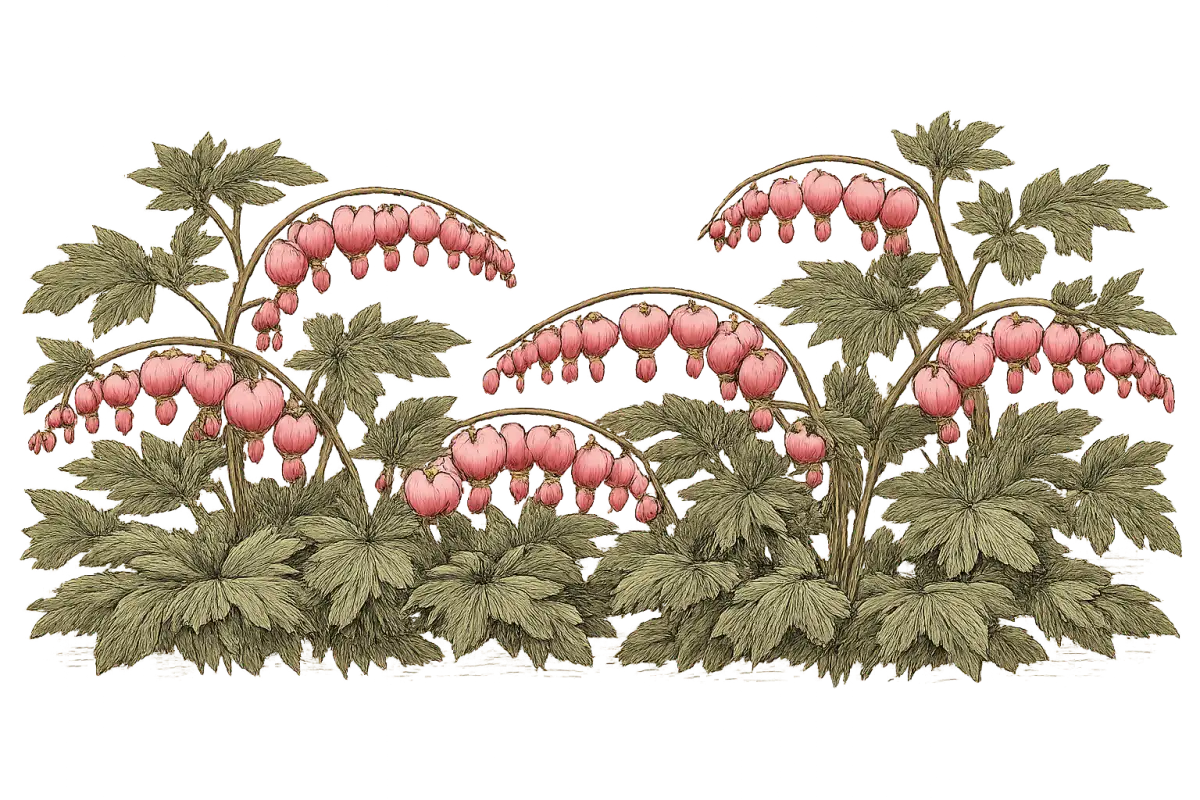
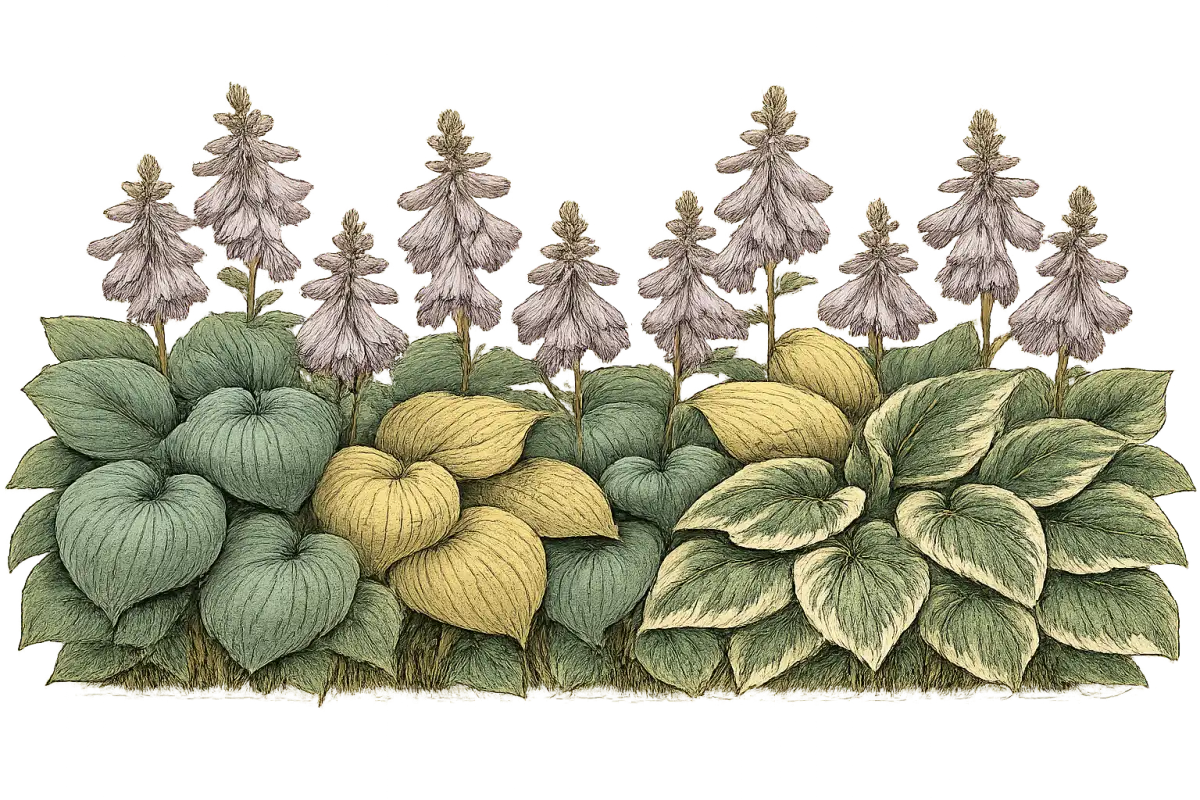
Both cool-climate and warm-climate perennials work in Zone 7. Cold-loving plants like peonies, bleeding hearts, and hostas need afternoon shade to handle the summer heat. Heat-loving plants like Russian sage, coreopsis, coneflower, and salvias thrive. Lavender grows excellently in well-drained sites. Many tender perennials (certain salvias, gaura, agapanthus) become realistic.
Worth trying (rating 3 — possible but challenging):
Best Vines for Zone 7
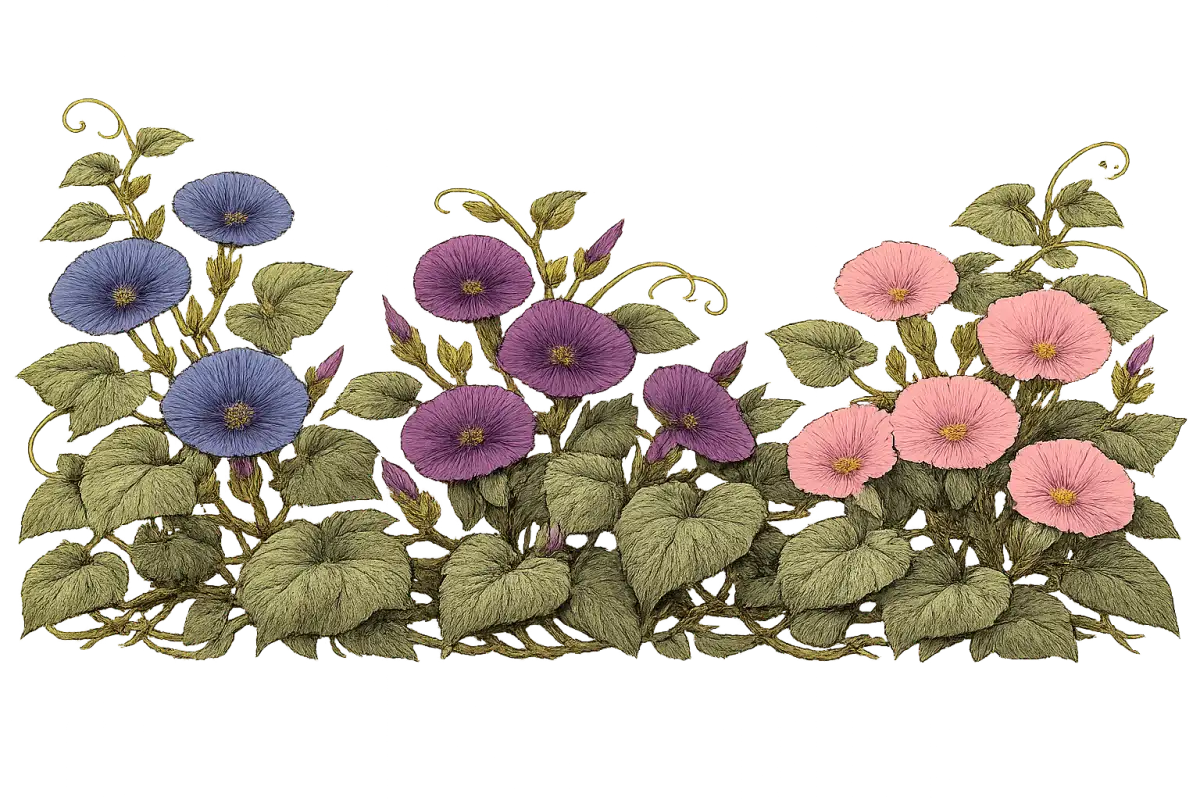
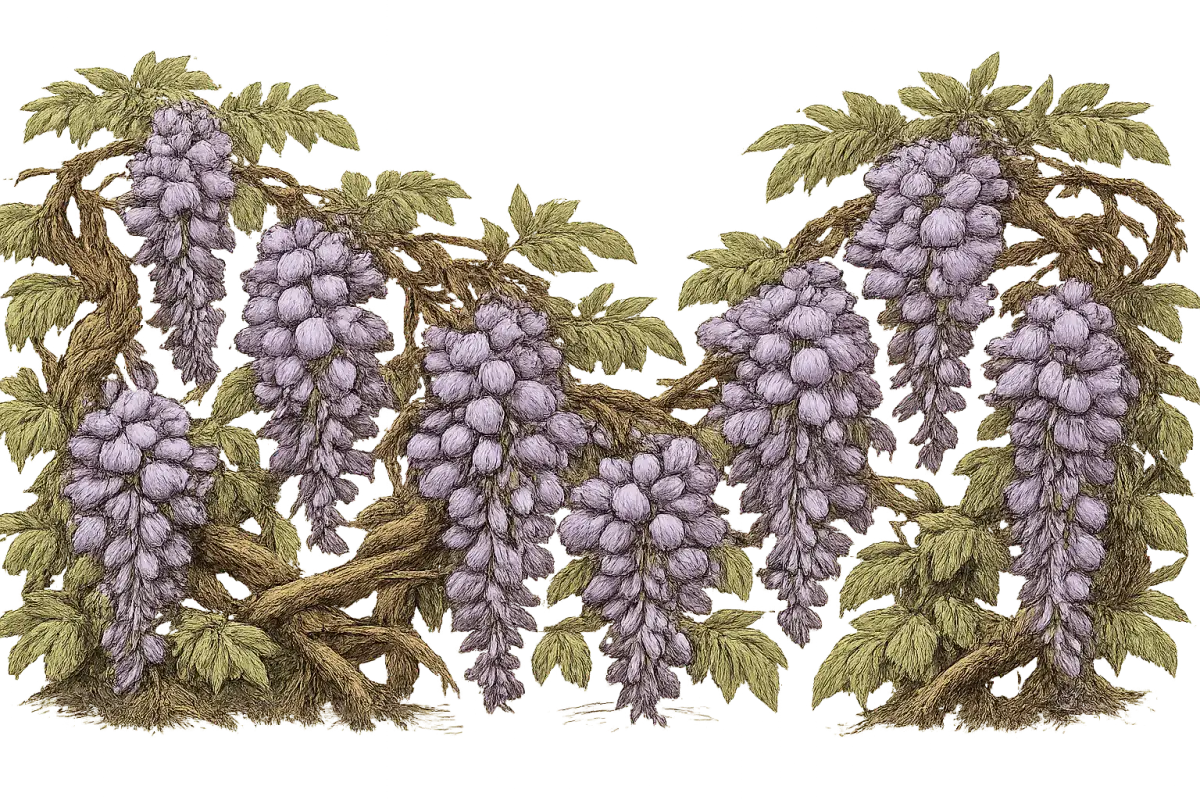
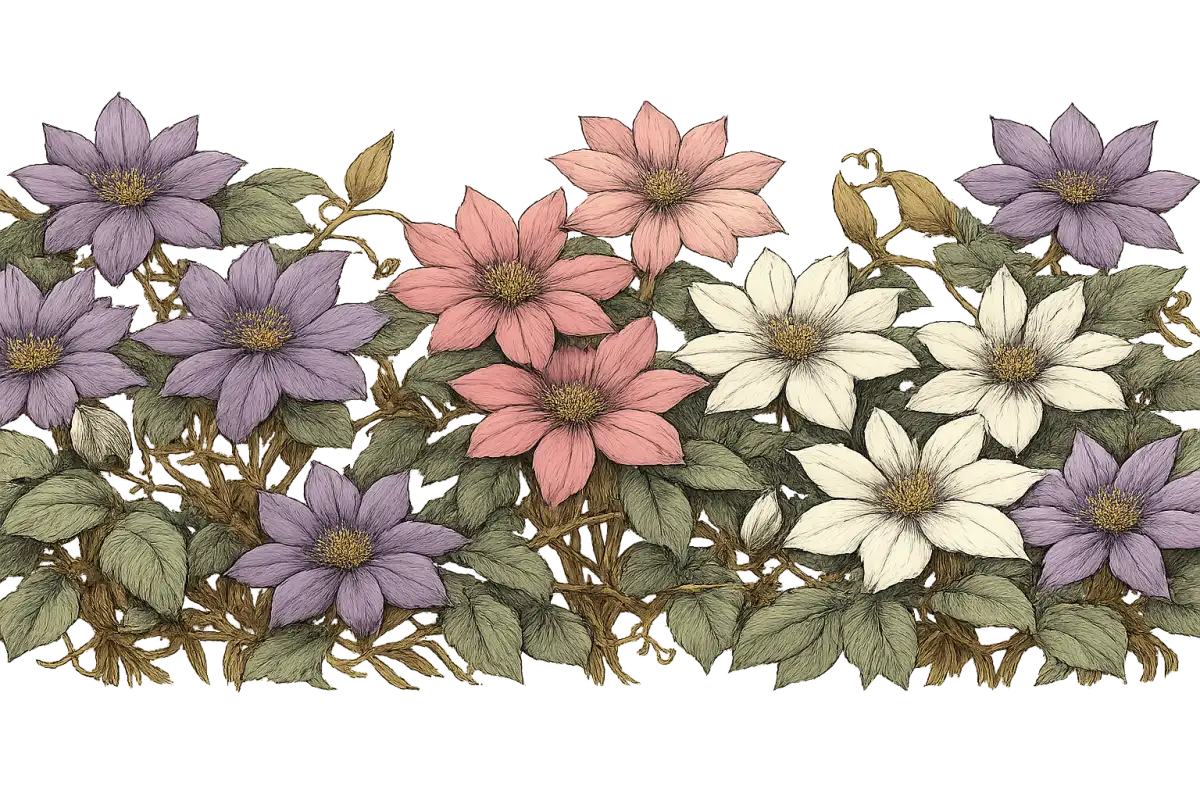
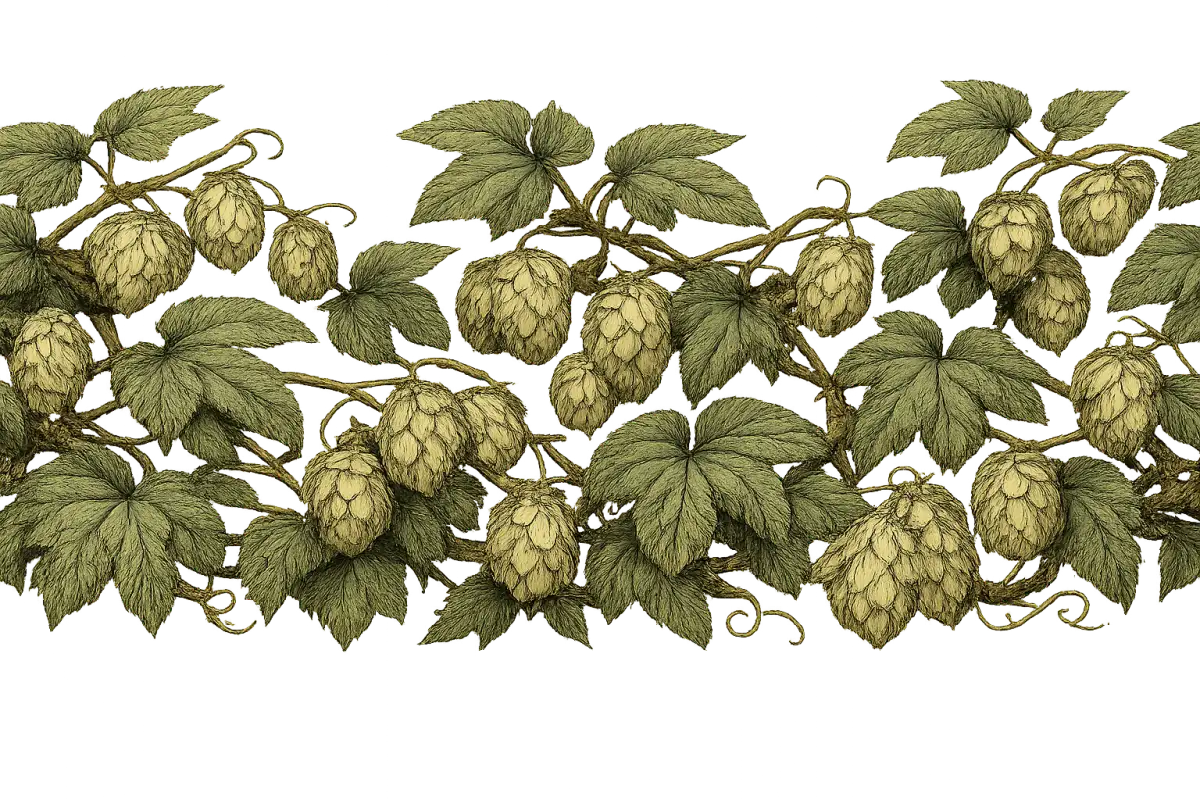
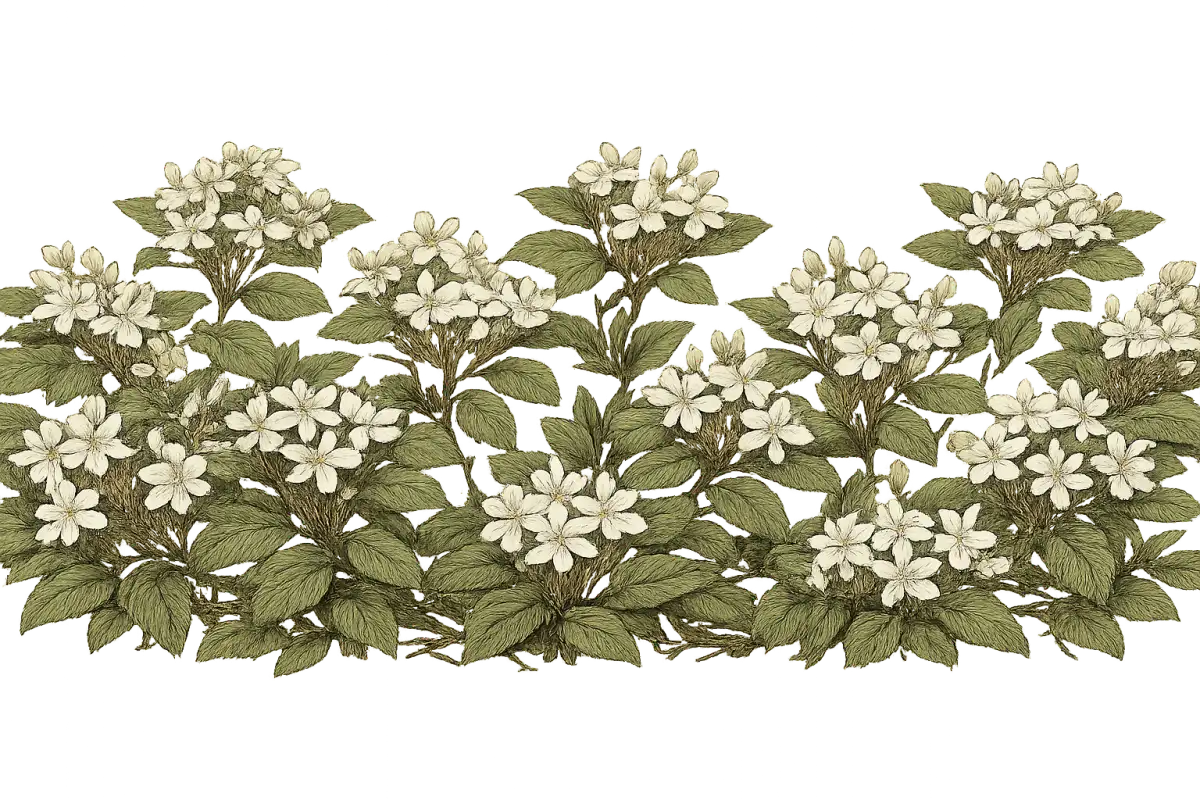
Wisteria is spectacular in Zone 7 — it blooms profusely and grows vigorously. Clematis thrives. Grape vines produce well. Muscadines become reliable. Passion vines work outdoors. Climbing hydrangea, trumpet vine, and honeysuckle all thrive. Jasmine starts to work in 7b with some protection.
Worth trying (rating 3 — possible but challenging):
Best Trees for Zone 7
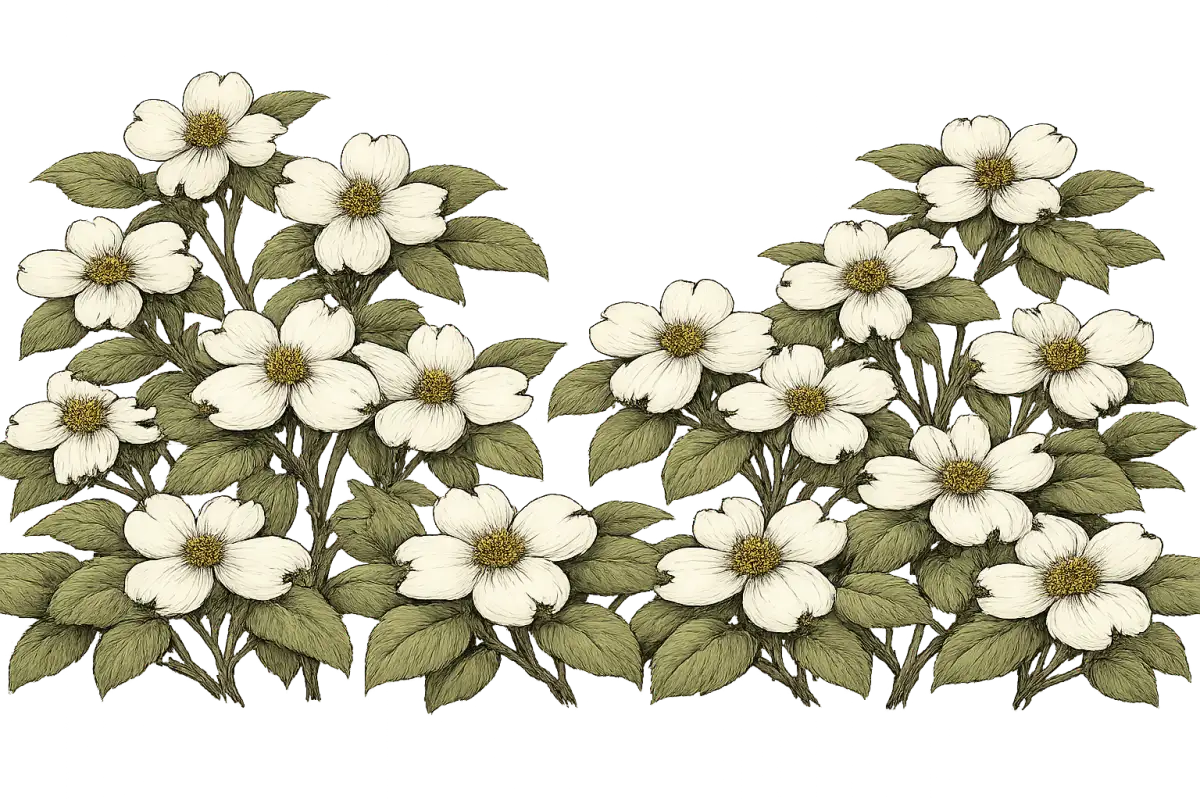
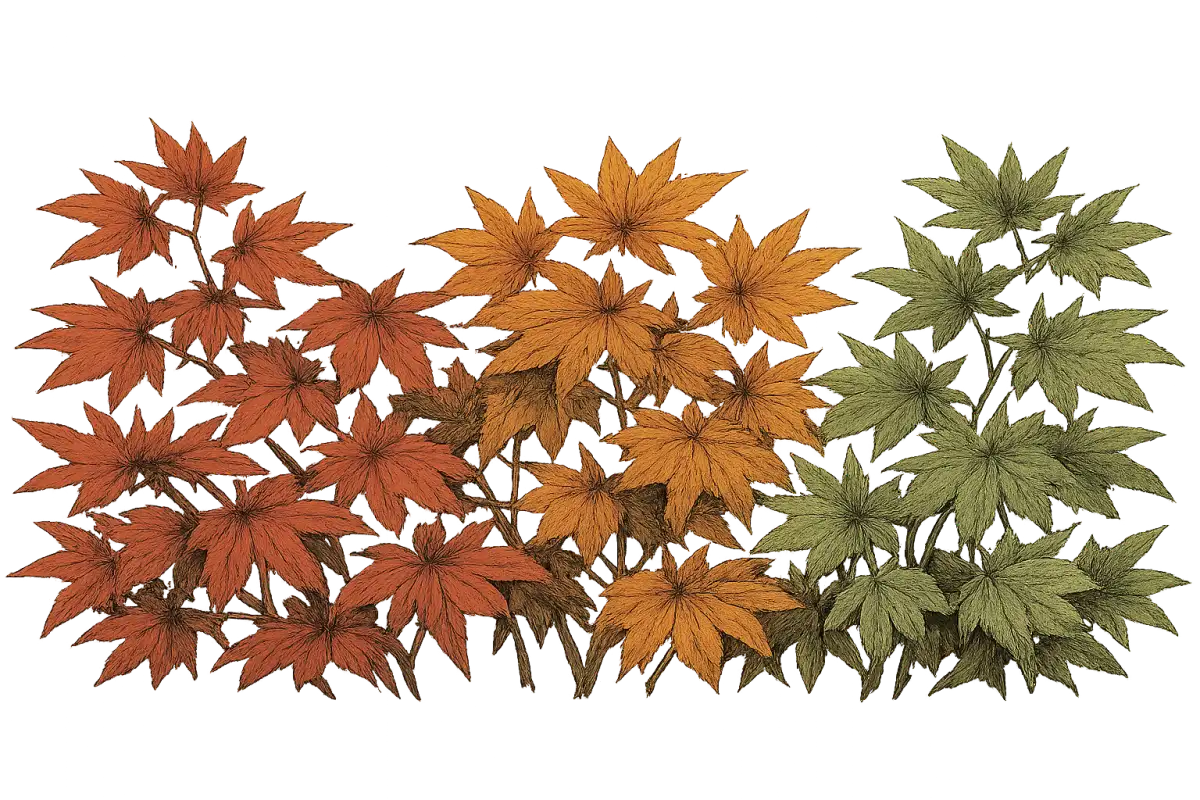
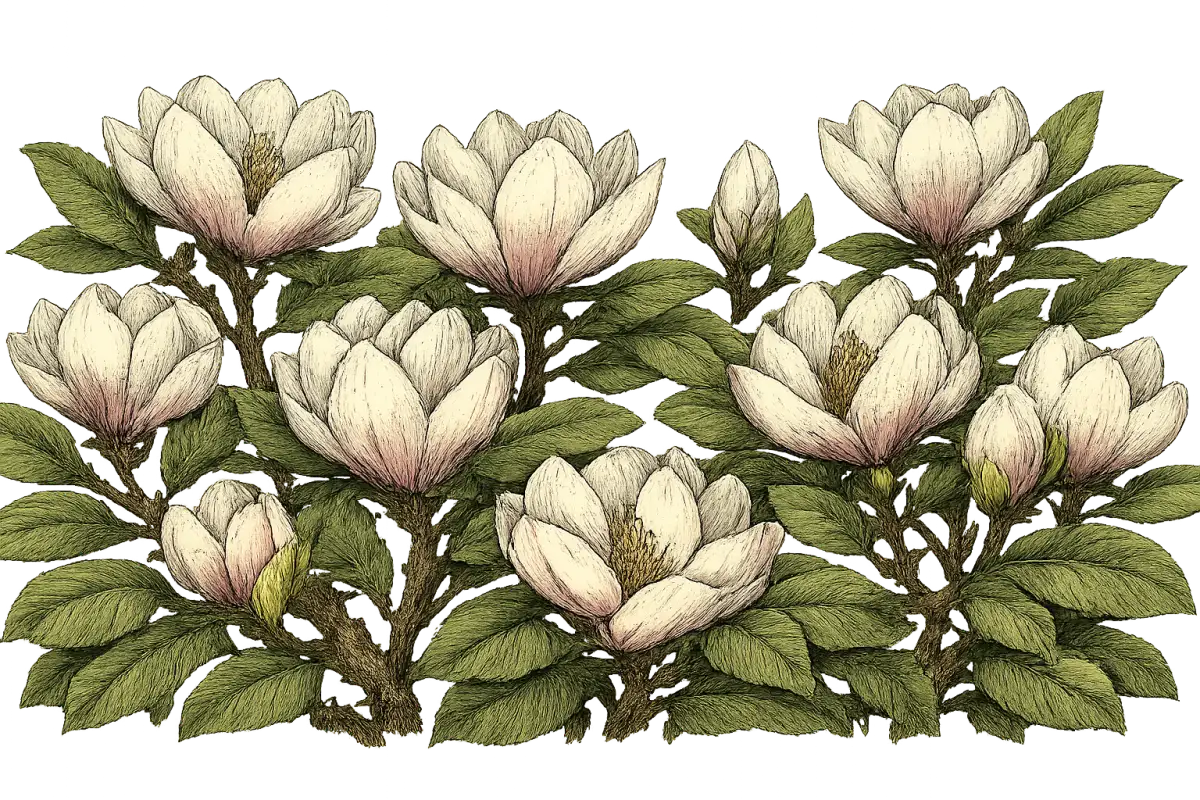
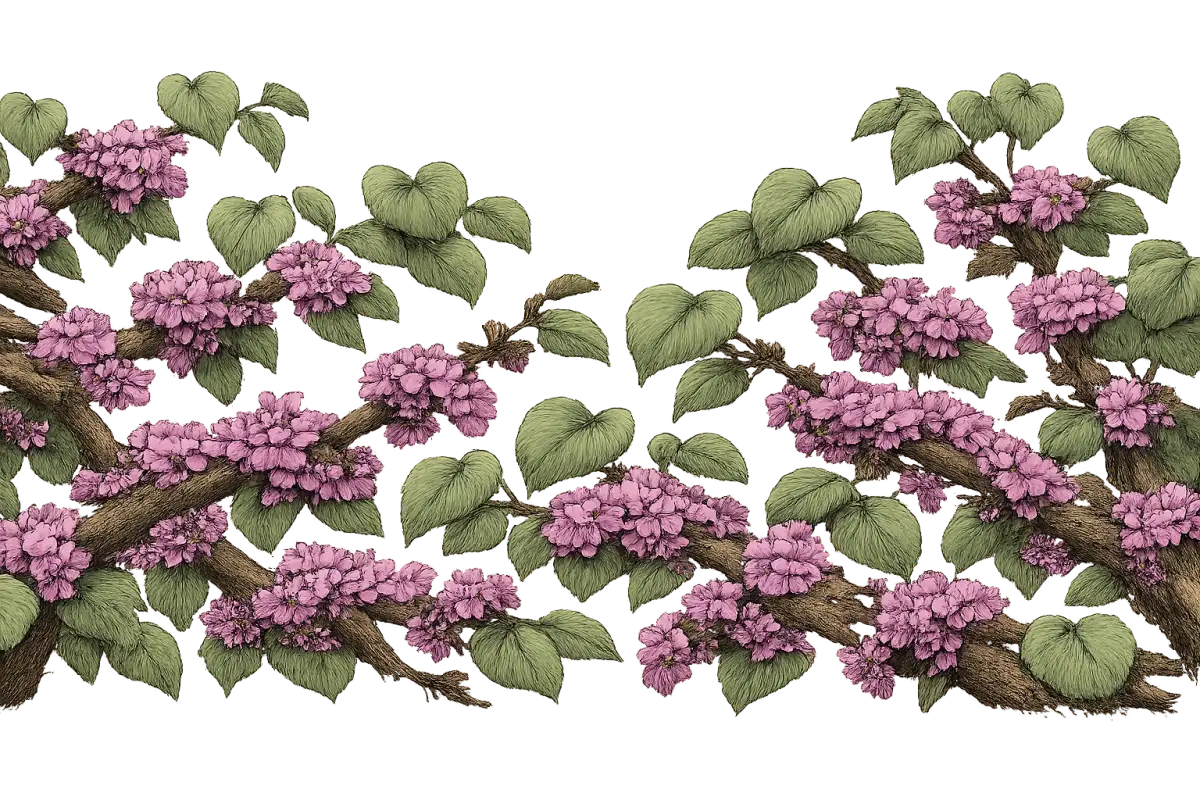
Zone 7 opens up southern trees. Southern magnolias thrive and become landscape statements. Crepe myrtle trees are reliable. Dogwoods bloom beautifully. Japanese maples are bulletproof. Live oaks become possible in 7b. Fruit trees like peaches and figs produce heavily. Palms are marginal — only the hardiest varieties like windmill palm (Trachycarpus fortunei) survive in protected sites in 7b.
Worth trying (rating 3 — possible but challenging):
Season Tips for Zone 7
Zone 7's main seasonal adjustment is summer heat management. Time cool-season crops for spring (February-April) and fall (September-November), and give them afternoon shade during the transition months. Use mulch heavily to moderate soil temperature.
Take advantage of the long fall growing season. Many Zone 7 gardeners get their best cool-season harvests in October-November when the heat breaks but frost is still weeks away. Plant fall crops in late July to early August for peak harvest.
Microclimates in Zone 7
In Zone 7, microclimates matter most for two reasons: pushing into subtropical territory (growing Zone 8 plants in warm microclimates) and creating cool refuges for heat-sensitive plants. A shady north-facing bed can host rhododendrons and hostas that would struggle in sunny exposures. Urban heat islands can run a half-zone warmer and enable certain tropical-looking plants. The specific combination of sun, shade, water, and shelter in your yard determines what actually works, not just the zone rating.
Common Mistakes Zone 7 Gardeners Make
1. Planting cool-season crops in summer
Peas, lettuce, spinach, and broccoli planted in May will bolt by June. Time them for February-April plantings (spring crop) and August-September plantings (fall crop). Trying to grow them through summer is fighting the climate.
2. Ignoring the need for afternoon shade
Many classic northern plants (hostas, rhododendrons, hydrangeas, even some roses) need afternoon shade in Zone 7's hot summers. Morning sun with afternoon shade is the default 'sun exposure' for heat-sensitive plants here.
3. Not accounting for humidity disease pressure
Eastern Zone 7 summers are humid and warm — perfect fungal disease weather. Plant tomatoes with good air circulation, choose disease-resistant varieties, and don't water overhead in the evening.
4. Assuming 'Zone 7' means the same thing in Virginia and California
Humid Zone 7 and dry Zone 7 are dramatically different gardening climates. Disease pressure, watering needs, soil types, and successful plant varieties all differ. Follow regional advice, not just zone advice.
Zone 7 FAQ
Can I grow rhododendrons in Zone 7?
Yes, with afternoon shade and acidic soil. Traditional large-leaf rhododendrons can struggle with summer heat if planted in full sun. Choose a site with morning sun and afternoon shade, amend the soil to be acidic (pH 4.5-5.5), and mulch heavily to keep roots cool. Heat-tolerant varieties exist and work better in the hotter parts of Zone 7.
Do I need to protect figs for winter in Zone 7?
Generally no. Most fig varieties survive Zone 7 winters without protection, especially in 7b. In 7a during exceptional cold snaps, you might see some dieback, but plants typically regrow from the roots. Varieties like 'Brown Turkey', 'Celeste', and 'Chicago Hardy' are particularly reliable.
When is the last frost in Zone 7?
Average last frost in Zone 7 ranges from early April (7a) to late March (7b). However, unexpected late frosts happen — keep row covers handy through April for tender transplants. Fall first frost typically holds off until late October or November.
Can I grow palms in Zone 7?
Only the hardiest varieties, and only in protected sites. Windmill palm (Trachycarpus fortunei) is the most reliable choice — it can survive Zone 7b winters in sheltered locations. Needle palm (Rhapidophyllum hystrix) is even hardier. Other palms are generally not realistic for outdoor planting.