Flowers

Snapdragons: The Cool-Season Flower That Rewards Every Garden (If You Plant Them at the Right Time)

Margaret Chen

Margaret Chen

Flower & Ornamental Specialist · Updated April 2026

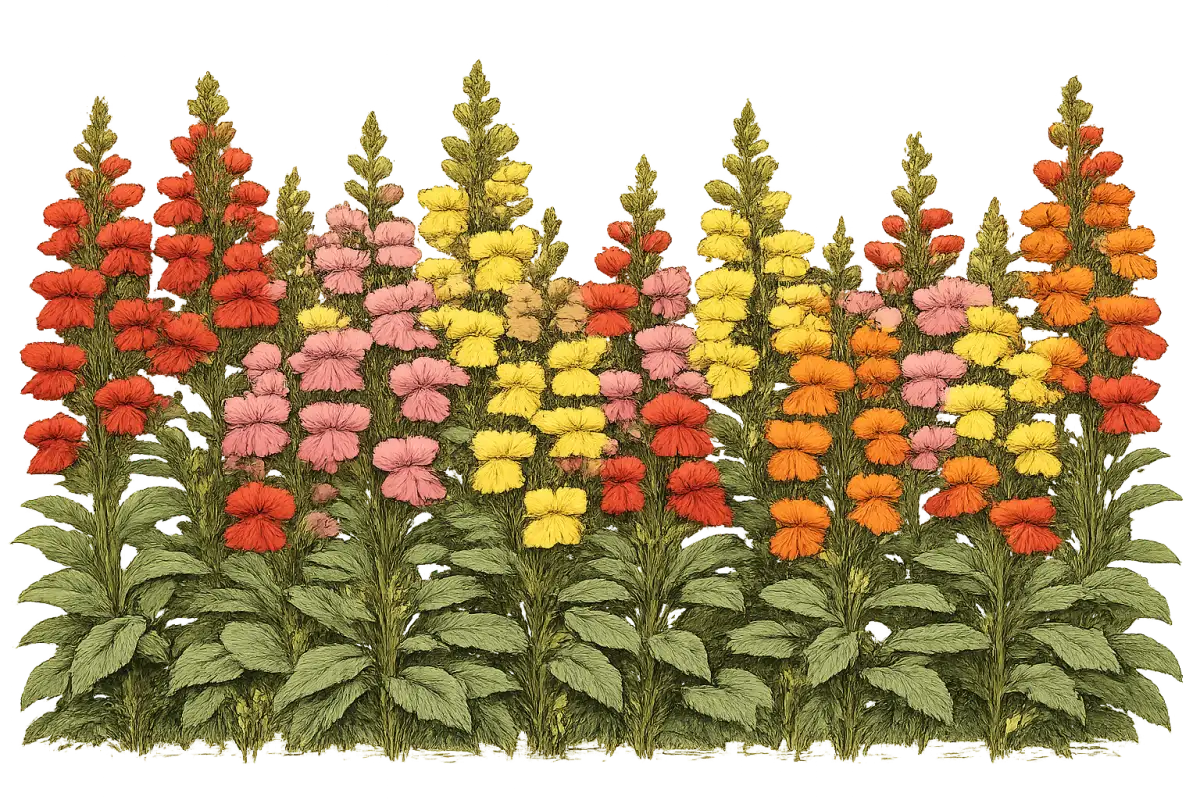
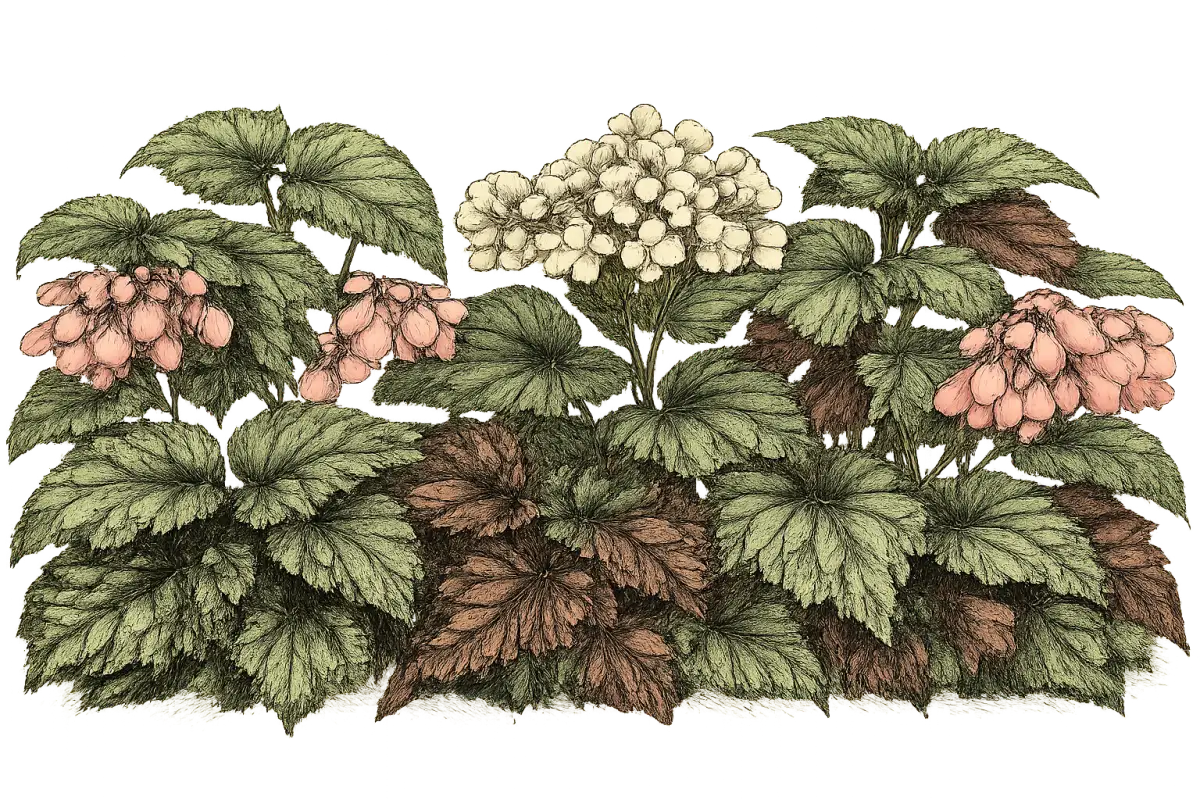
How to grow snapdragons — vintage botanical illustration showing the plant in detail

Snapdragons at a Glance

Sun

Sun

6+ hours full sun

Soil pH

Soil pH

6.2-7.0

Water

Water

1 inch per week

Spacing

Spacing

6-18 depending on variety"

Height

Height

6-36 inches depending on variety

Soil type

Soil

Well-drained loamy or sandy loam soil amended with compost

Lifespan

Lifespan

Cool-season annual in most zones

Get your personalized growing data

Enter your zip code for frost dates, growing season, and soil type.

There is a specific kind of garden heartbreak that snapdragons produce. You plant them in May, full of optimism. By late June they are blooming beautifully. By August they have gone limp and sullen, and by September — if you haven't already pulled them out in frustration — they quietly come back to life and bloom harder than ever.

Most gardeners experience the August collapse and conclude they did something wrong. They fertilize frantically. They water more. They fuss. Or they simply give up, yank the plants, and replace them with something else.

What they are missing is the single most important thing to understand about snapdragons: they are cool-season plants. That summer pause is not failure. It is biology. Snapdragons thrive between 40 and 70 degrees Fahrenheit and stall above 80. Once you internalize that one fact, every other decision — when to plant, where to put them, which varieties to choose, how to water — falls into place.

The payoff for getting it right is genuinely beautiful. Snapdragons bring vertical structure to a garden that few other flowers match. They come in virtually every color except true blue: deep burgundy, coral, peachy apricot, clean white, butter yellow, bright magenta, soft lavender, and dozens of bicolor combinations. They are among the most architecturally satisfying flowers in the border, and as cut flowers they last 7 to 10 days in a vase. Grow the tall varieties well and you will never need to buy florist snapdragons again.

This guide covers everything: timing by zone, the varieties worth growing, how to water without triggering the rust disease that devastates so many plantings, the soil conditions that keep roots healthy, and the care decisions that separate a spectacular display from a mediocre one.


Quick Answer: Snapdragons Growing at a Glance

USDA Zones: 2 through 10 (timing varies significantly by zone)

Sun: 6+ hours of direct sun; afternoon shade in zones 8-10 extends bloom

Soil pH: 6.2-7.0 (slightly acidic to neutral)

Watering: 1 inch per week; always at the base — never overhead

Bloom temperature: Thrives at 40-70F; pauses above 80F

Frost tolerance: Established plants survive light frost to 28F

Seed to bloom: 8-12 weeks

Pinching: Pinch garden plants at 4-6 true leaves; do NOT pinch cut-flower plants

Primary bloom: Spring (March-June), then again in fall after heat breaks

Overwintering: Zones 7-10 can overwinter; zones 2-6 treat as annual

Container use: Excellent; dwarf and trailing varieties especially


The Cool-Season Window (and Why Timing Is Everything)

Before we talk about varieties or soil or watering, we need to talk about timing — because no other factor determines success or failure as reliably as getting your plants in the ground during the right window.

Snapdragons evolved in Mediterranean climates. They are built for cool, moist springs and dry summers. In US garden terms, that means they want to be growing and blooming during the weeks when most gardeners think it is still too cold to plant flowers. And in warm zones, they want to be in the ground in fall, doing their best work while summer annuals are finished and the frost is coming for everything else.

The temperature range that matters: 40 to 70 degrees Fahrenheit. Below 40, growth slows. Above 80, it stops. A light frost — down to 28F on established plants — does not kill snapdragons. It simply pauses them temporarily. This frost tolerance is one of their most useful traits: you can plant transplants two to three weeks earlier than tender annuals like impatiens or marigolds, capturing the full length of the cool-season window.

The summer heat pause, when it comes, is genuinely alarming if you do not know to expect it. Plants that were lush and blooming in June look sparse, tired, and browning by mid-July. This is not disease. It is not a watering problem. It is a cool-season plant doing exactly what cool-season plants do when summer arrives. The correct response is to leave them alone, water consistently, and wait. When September temperatures drop back below 80, the plants resume. The fall rebloom is often as spectacular as the spring show — sometimes more so, because the plants have established larger root systems over the summer.

In warm zones (8 through 10), the calendar flips entirely. Snapdragons become a cool-season winter flower, the way pansies do. Plant them in September or October for bloom from late fall through spring. They will rest during the hottest summer months and revive as temperatures cool in fall. In frost-free parts of zones 9 and 10, snapdragons can bloom nearly year-round, pausing only in the heat of summer.

Understanding this rhythm — cool growth, hot pause, cool rebloom — is the foundation everything else builds on.


Best Snapdragon Varieties by Zone

Snapdragons divide neatly into three height categories, each suited to different purposes. Tall varieties (30 to 48 inches) are the cut-flower workhorses and the bold back-of-border performers. Medium varieties (15 to 30 inches) are the garden all-rounders, versatile enough for borders, mixed beds, and cutting gardens. Dwarf varieties (6 to 15 inches) are the container and edging specialists — compact, bushy, and effortlessly charming in window boxes and mixed pots.

Flower form matters too, especially if you are thinking about pollinators. The traditional "dragon mouth" flower — the one that snaps open when you squeeze it — requires strong pollinators like bumblebees to access the nectar. Honeybees and butterflies cannot force them open. Open-face and butterfly varieties like Madame Butterfly and Twinny solve this by offering unrestricted access to all pollinators.

What zone are you in?

Enter your zip code for frost dates, growing season, and soil type.

Cold Zones (2-4): Short Windows, Strong Returns

Upper Midwest, northern Plains, northern New England

In zones 2 through 4, snapdragons are strictly annual — they will not survive winter and there is no point trying. What they will do is deliver strong, saturated color during the cool spring window before the heat arrives, and again in fall if you have started a second crop.

The strategy here is all about the calendar. Start seeds indoors 8 to 10 weeks before your last frost date. This is not optional in short-season zones — it is how you capture the full cool-season window before summer heat ends it. Transplant after last frost, knowing your seedlings can handle a light freeze down to 28F once hardened off.

Rocket series is the dependable tall choice for this zone group — 30 to 36 inches, available in an enormous color range, reliable stems for cutting. For the garden border, Sonnet at 15 to 30 inches is the most versatile mid-height pick, and for edging and containers, Floral Showers at 6 to 8 inches blooms early and stays tidy.

Self-sowing is possible even in cold zones. Let a few plants set seed in late summer, leave the stalks standing through winter, and seeds will cold-stratify naturally and germinate the following spring. The seedlings are often surprisingly vigorous — and colors may differ pleasingly from the parent plants.

Moderate Zones (5-6): The Longest Bloom Season

Northeast, Midwest, Mountain West, Chicago, Denver

Zone 5 and 6 growers have the widest bloom window of any zone group. The spring and fall cool seasons are long, self-sowing is highly reliable, and the variety palette opens up considerably.

This is where the showier tall varieties earn their place. Madame Butterfly brings something genuinely different to the garden and vase: double, azalea-like flowers with an open-face form that removes the traditional snap entirely. The effect is lush and slightly tropical — not what you expect from a cool-season annual. Opus blooms early and builds strong stems, making it a good choice when you want cut flowers on the earliest possible schedule. And Candy Showers, the only trailing snapdragon, transforms hanging baskets in a way that no other variety can approach.

For succession planting — which is genuinely worth doing for cut flowers — start a new round of seeds every two to three weeks to keep the harvest window open. In zone 6, fall-planted snapdragons may surprise you by overwintering in a sheltered spot with light mulch.

Pinch seedlings for the garden (more on this below). Do not pinch if you are growing for cut flowers. The decision at the 4-to-6-true-leaf stage shapes the entire plant's future.

Mild and Transitional Zones (7-8): Where the Season Flips

Mid-Atlantic, upper Southeast, Pacific Northwest, Virginia, coastal Carolinas

Zone 7 and 8 is where snapdragon behavior changes character. These plants can now overwinter, at least in protected spots with a little mulch over the crown. They can be treated as short-lived perennials rather than strict annuals — cut them back to 6 inches in late fall, mulch lightly, and watch for new growth from the base in spring. Second-year plants bloom earlier than seed-started plants, though they are often somewhat less vigorous. The best display comes from keeping overwintered plants and adding fresh transplants alongside them.

The challenge in these zones is summer heat, not winter cold. Afternoon shade becomes a meaningful tool here — a spot with morning sun and afternoon protection keeps the temperature below 80F longer into the season, extending bloom noticeably. This is not a compromise; morning sun with afternoon shade is simply the right site for snapdragons in zones 7 and 8.

For variety, this is where Chantilly and Animation earn attention. Chantilly produces open-face flowers in airy, bicolor combinations that are particularly beautiful in the vase. Animation is an open-face double — fuller than a standard snapdragon but more informal than Madame Butterfly. The Twinny series, with its double butterfly-type flowers at 8 to 12 inches, is a superb container pick that handles the part-shade conditions of a protected patio gracefully.

One critical note for these zones: humidity levels make rust disease (Puccinia antirrhini) significantly more persistent here than in drier regions. Choose rust-resistant varieties whenever possible, and never water overhead. The disease section below covers this in full.

Warm Zones (9-10): Fall Is the New Spring

Deep South, Desert Southwest, Southern California, Gulf Coast, Florida

Here, the entire calendar inverts. Snapdragons are a cool-season winter flower in zones 9 and 10, planted in September or October for bloom that runs from late fall through spring. In frost-free areas, they can bloom nearly year-round — just expect a rest period during the peak summer heat.

The mistake zone 9 and 10 gardeners make most often is treating snapdragons like summer annuals and planting in spring. By the time a spring-planted snapdragon in Phoenix or Miami establishes itself, summer has arrived and the plant is already shutting down. Plant in fall. Let them do their work during the season they were made for.

Rocket is as reliable here as anywhere — plant it in October and you will be cutting stems through February and March. Montego at 8 to 10 inches makes an excellent container pick for year-round growing in frost-free areas, and Candy Showers brings trailing color to hanging baskets through the winter months when hanging baskets in colder zones are empty.

In desert zones, afternoon shade is not optional — it is mandatory. Morning sun with afternoon protection is the configuration that keeps snapdragons alive and blooming through the warmest parts of the cool season. Mulch heavily (2 to 3 inches) to manage soil temperature and water retention in these dry climates.

Self-sowing and perennial behavior are most reliable in zones 9 and 10. In frost-free gardens, snapdragons naturalize readily, seeding themselves into cracks and corners with an enthusiasm that is entirely welcome.

Quick Reference Table: Top Picks by Zone Group

Zone GroupTop 3 VarietiesTypeWhy
2-4Rocket, Sonnet, Floral ShowersTall / Medium / DwarfReliable bloom across all heights; short-season proven
5-6Madame Butterfly, Opus, Candy ShowersTall / TrailingLonger season unlocks showier varieties; succession planting
7-8Chantilly, Animation, TwinnyTall / ContainerHeat management varieties; rust-resistant picks for humid zones
9-10Rocket, Montego, Candy ShowersTall / Container / TrailingFall-planted winter bloomers; container flexibility

Planting, Pinching, and the Decisions That Define Your Display

Starting from Seed

Snapdragons are straightforward from seed, with one exception: their seeds require light to germinate and must not be covered. This is the single most common seed-starting mistake and the reason so many gardeners conclude that snapdragons are "hard to grow from seed." They are not hard. They just need light.

Surface sow onto moist, fine seed-starting mix. Press seeds gently onto the surface so they make contact with the medium, but do not bury them. Mist lightly to maintain moisture. Maintain 65 to 75F. Germination typically occurs in 10 to 14 days. Once seedlings emerge, give them strong light immediately — leggy seedlings stretched toward a weak light source will never fully recover.

Start seeds indoors 8 to 10 weeks before your last frost date. Transplant seedlings outdoors after last frost, hardened off over 7 to 10 days. In zones 9 and 10, start seeds in late summer for fall planting.

Transplanting and Spacing

Plant transplants at the same depth they were growing in their nursery containers. Spacing depends on variety and purpose:

  • Tall varieties grown for cut flowers: 4 to 6 inches in rows 12 to 18 inches apart if using the single-stem (unpinched) method
  • Tall and medium varieties for garden display: 10 to 12 inches apart
  • Medium varieties: 8 to 12 inches apart
  • Dwarf varieties: 6 to 8 inches apart

In humid climates — the Southeast, Pacific Northwest, and much of the Midwest — err toward the wider end of every spacing range. Tight spacing creates the stagnant, humid microclimate where rust disease and downy mildew thrive.

The Pinching Decision

This is one of the most consequential care decisions you will make, and it needs to happen when seedlings have 4 to 6 true leaves.

If you are growing snapdragons for garden display, pinch the growing tip above a leaf node. Each pinch produces two branches. Done once or twice, it can triple the eventual bloom count, creating the full, multi-spiked plants you see in well-maintained borders. Without pinching, garden plants grow as single tall stems that look sparse and may flop.

If you are growing snapdragons for cut flowers, do the opposite: leave the plant entirely alone. The single-stem, unpinched method produces one long, strong stem per plant — the premium-quality cut flower with maximum stem length. This is how commercial growers produce the snapdragons you find at the florist. Grow them at tighter spacing (4 by 4 inches) to compensate for the narrower habit.

Decide your purpose before your plants outgrow the window. There is no catching up once the moment passes.


Soil: Drainage First, Everything Else Second

Snapdragons have moderate, forgiving fertility requirements. Their soil pH range — 6.2 to 7.0, slightly acidic to neutral — aligns comfortably with most garden soils across the US without dramatic amendment. In the Northeast and Pacific Northwest, where native soils tend toward the acidic end, a light application of agricultural lime may be needed. In the alkaline Mountain West and Desert Southwest, soils are typically within range; only adjust if pH exceeds 7.5.

What snapdragons are not forgiving about is drainage. Root rot caused by Pythium and Rhizoctonia fungi is a primary killer, and by the time visible symptoms appear — wilting despite wet soil, collapse at the soil line, brown mushy roots — the plant is rarely recoverable. Well-drained soil is not a preference; it is the foundation that makes every other care decision meaningful.

Prepare beds by working 2 to 3 inches of compost into the top 6 to 8 inches of soil. Rich, loamy soil amended with compost provides the moderate fertility snapdragons prefer without tipping into the excess nitrogen that causes problems (more on that below). If your native soil is heavy clay, build raised beds filled with a mix of quality topsoil, compost, and a small percentage of perlite or coarse sand for drainage. Do not add sand directly to clay — the combination creates a concrete-like material that is worse than clay alone.

For containers, use a quality well-draining potting mix with drainage holes — no exceptions. Do not place gravel in the bottom of pots; this creates a perched water table that makes drainage worse, not better.

Calcium matters more than most gardeners realize, particularly for cut-flower production. Calcium deficiency produces weak, floppy stems that cannot support heavy flower spikes. Lime amendments used to adjust acidic soil naturally supply calcium; in already-neutral soils, a targeted calcium supplement may be worth adding.

Fertilize at planting with a balanced formula (10-10-10) or a high-phosphorus blend (10-20-10) that emphasizes flower production. Feed monthly during the bloom season. For containers, fertilize every 2 to 3 weeks with balanced liquid fertilizer — containers leach nutrients faster than ground beds. And resist the temptation to push growth with high-nitrogen fertilizers. Excess nitrogen produces tall, leggy, soft growth with lush green foliage and dramatically fewer flowers. If your snapdragons look beautiful but are not blooming, nitrogen excess is the first thing to investigate.


Watering: The Rule That Prevents the Disease That Ruins Everything

The watering guide for snapdragons is simpler than for most flowers, with one rule that overrides every other consideration: never water overhead.

Overhead watering is the primary driver of rust disease (Puccinia antirrhini), the most destructive snapdragon pathogen. Water droplets on leaf surfaces create the humid microclimate that rust spores need to germinate. Rain splash from overhead watering carries soil-borne spores from the ground onto lower leaves, initiating new infections. The same wet conditions encourage downy mildew and Botrytis (gray mold). Everything about overhead watering, for snapdragons, is wrong.

Water at the soil line. Soaker hoses are the simplest solution for garden beds; drip irrigation is the most precise, with emitters placed 3 to 4 inches from plant stems. If your irrigation system cannot be redesigned around an automated overhead sprinkler, water in the early morning so foliage dries quickly as the sun rises. But redesigning irrigation to avoid overhead watering is always the better long-term investment.

Target moisture: approximately 1 inch of water per week. Snapdragons are neither drought-tolerant nor water-loving — consistent, moderate moisture is the goal. Water deeply each time rather than with light, frequent sprinkles. Deep watering encourages roots to grow downward; shallow watering keeps them at the surface where they are most vulnerable to heat and dry spells.

The most dangerous watering mistake with snapdragons is overwatering in poorly draining soil. This triggers root rot, and the symptoms — wilting, yellowing lower leaves, collapse at the soil line — look deceptively like drought stress. The gardener sees wilting and adds more water. The death spiral accelerates. If your snapdragon is wilting, check the soil before reaching for the hose. If the soil is already moist, the problem is root rot, not drought, and more water will make it worse.

During the summer heat pause, reduce watering slightly — plants are not actively growing and need less. Do not let them dry out completely, but do not maintain the same frequency as during peak bloom. When fall temperatures cool and growth resumes, return to the standard schedule.

For containers, water when the top inch of potting mix feels dry to the touch. Container plants dry faster than ground-planted ones, especially in terra cotta pots, windy spots, or hot weather. Small containers in summer heat may need water daily. Empty saucers 30 minutes after watering — standing water in saucers saturates the root zone from below and invites root rot.

A 2 to 3 inch layer of organic mulch — shredded bark, straw, or compost — works in concert with your watering practice. Mulch retains moisture between waterings, reduces how often you need to water, prevents rain splash that spreads rust spores, and moderates soil temperature during heat waves. Leave a 1 to 2 inch gap between the mulch and the stem base to prevent crown rot. This one addition addresses moisture, disease prevention, and temperature management simultaneously.
What zone are you in?

Enter your zip code for frost dates, growing season, and soil type.


Rust, Mildew, and the Pests That Target Snapdragons

Rust: The Disease You Need to Know

Rust (Puccinia antirrhini) deserves its own section because it is in a different category from every other snapdragon disease. It can defoliate and kill plants. It spreads exponentially — a few pustules today become hundreds next week, each one releasing thousands of spores carried by wind and water to neighboring plants. And it strikes during the same cool, humid conditions that snapdragons love, making it a persistent companion to the best growing seasons.

Identification is straightforward: small brown or dark brown bumps (pustules) on leaf undersides, with corresponding pale yellow spots on the upper surface. Stems can also be affected. When pustules burst, they release a powdery, rust-colored mass of spores.

Prevention is the only effective strategy. Once a plant is heavily infected, fungicides are largely ineffective and removal is often the more practical choice. Prevention centers on five practices: choose rust-resistant varieties (the Rocket series has some rust tolerance; newer varieties are being bred with improved resistance), water at the base and never overhead, space plants properly so air circulates freely between them, mulch to prevent rain splash, and remove infected material immediately at the first sign of pustules.

"Immediately" is not an exaggeration. Remove and destroy affected leaves the moment you notice them. Do not compost infected material — rust spores survive the composting process. If more than 30% of a plant is infected, remove the entire plant to protect everything around it. Inspect your snapdragons weekly during spring and fall when conditions favor rust.

Preventive fungicide applications — chlorothalonil or mancozeb for conventional growers, neem oil or sulfur for organic approaches — make sense when you have a history of rust in your garden, when extended wet weather is forecast during peak bloom, or when you are growing cut flowers where appearance is critical. The key word is preventive: these products protect healthy tissue but cannot cure infected tissue. Apply before you see symptoms, not after.

At season's end, remove and destroy all plant debris. Rust spores overwinter on dead plant material. Rotate your snapdragon planting location annually.

Other Diseases Worth Knowing

Downy mildew appears as yellow patches on upper leaf surfaces with gray or purplish fuzz on the undersides. It thrives in cool, wet weather and responds to the same cultural controls as rust: base watering, proper spacing, immediate removal of affected leaves.

Powdery mildew produces the familiar white powdery coating on leaf surfaces. Less common in snapdragons than rust, but it occurs. Unlike downy mildew, it does not require wet leaf surfaces — it spreads in humid air. Improve airflow and treat with sulfur-based or potassium bicarbonate fungicide.

Botrytis (gray mold) colonizes spent flowers and dying tissue before spreading to healthy plant parts. The fix is simple: deadhead consistently. Remove spent flower spikes before they become the entry point for infection.

Root rot (Pythium and Rhizoctonia) is caused by overwatering combined with poor drainage. The hallmark symptom is wilting in wet soil. There is no treatment once it takes hold — remove affected plants, improve drainage, and do not replant snapdragons in the same spot immediately.

Pests

Aphids cluster on buds, shoot tips, and new growth, leaving sticky honeydew residue. Start with a strong blast from the hose — aphids knocked off rarely climb back. Repeat every two to three days. Escalate to insecticidal soap if needed, applied directly on aphids so it makes contact.

Spider mites become problematic during the summer heat pause when plants are already stressed. Look for stippled leaves and fine webbing. Increase humidity around plants, blast leaf undersides with water, and use a specific miticide for severe infestations — standard insecticides do not affect mites.

Thrips hide inside flowers, causing streaked, silvery, distorted blooms. This matters most to cut-flower growers where appearance is paramount. Spinosad, an organic insecticide derived from soil bacteria, is highly effective against thrips.


The Mistakes That Cost Gardeners Their Best Blooms

Planting at the Wrong Time

This is the most consequential mistake, and it is completely avoidable. In zones 2 through 6, waiting for warm, "safe" weather before planting means missing the cool spring window that snapdragons need. In zones 9 and 10, planting in spring like a summer annual means the plants are already struggling when summer arrives. Time your planting to the cool season for your zone, and your snapdragons will reward you accordingly.

Covering Seeds When Sowing

Snapdragon seeds require light to germinate and must not be buried. Even a quarter inch of soil blocks the light signal that triggers germination. Surface sow, press gently for soil contact, and mist to keep moist. Germination in 10 to 14 days at 65 to 75F. If you have had poor germination rates from snapdragon seed, this is almost certainly why.

Panicking During the Heat Pause

The summer collapse is not death. Leave the plants alone. Water consistently. Do not fertilize. Wait for fall. Gardeners who pull their plants in August and replace them with fall annuals lose the entire second bloom season — which is often magnificent.

Overfeeding with Nitrogen

High-nitrogen fertilizers produce tall, floppy, lush plants with beautiful green foliage and very few flowers. A high-phosphorus formula (10-20-10) or a balanced one (10-10-10) is the right choice. If your snapdragons are all foliage and no bloom, reduce nitrogen immediately and switch to a phosphorus-forward formula.

Forgetting to Deadhead

When snapdragons set seed, they redirect energy from flower production to seed maturation. Bloom slows or stops. Remove spent flower spikes by cutting just above a leaf node. This encourages side branching and new flower spikes, extending the display through spring and into summer. The exception: if you want self-sown seedlings next year, stop deadheading in late summer and allow seed pods to form, dry, and split open naturally.

Ignoring Rust Until It Has Spread

A few brown pustules today become a defoliated plant within weeks. Inspect weekly during cool, humid weather. Act at the first sign of infection — remove affected leaves immediately, bag them, and do not compost. Prevention through variety selection, base watering, and proper spacing is always more effective than any treatment.


Cut Flowers and Container Growing: Two Ways to Use Snapdragons Beyond the Border

Growing Snapdragons for the Vase

If you grow snapdragons specifically for cutting, the approach differs from garden growing in several important ways. The goal is a single long, strong stem — not a bushy plant with multiple shorter spikes. Do not pinch. Plant at tight spacing, 4 by 4 inches, in rows. The single-stem method is exactly how commercial growers produce the snapdragons sold at florists, and it works equally well in the home garden.

Harvest when the lower third of the flower spike has opened and the top buds are still closed. Cut with long stems at a node, ideally in the early morning when stems are fully hydrated. Strip lower leaves below the water line and place immediately in cool water.

Expect 7 to 10 or more days of vase life with proper care: change water every two to three days, add floral preservative, and keep the arrangement away from direct sun and heat. One quirk to know: snapdragons are phototropic — their stems bend toward light. Keep the vase in even, diffuse light or rotate it regularly to prevent curving stems.

The best tall cut-flower varieties are Rocket (the reliable standard, many colors), Madame Butterfly (double azalea-like blooms, extraordinary in arrangements), Opus (early blooming, strong stems), Chantilly (open-face, airy, beautiful bicolor options), and Animation (open-face doubles with a lush, informal quality).

Container Growing

Dwarf and medium snapdragons are excellent container plants with enough personality to anchor a spring pot planting on their own. For mixed containers, use them as the upright "thriller" element paired with trailing lobelia or alyssum as spillers and something mounding as a filler.

The best container varieties are Floral Showers (6 to 8 inches, early blooming, impeccably tidy), Montego (8 to 10 inches, bushy habit with excellent color range), Snapshot (8 to 10 inches, reliable and widely available), Twinny (8 to 12 inches, double butterfly flowers with a different texture), and Candy Showers (trailing habit, the only trailing snapdragon, transformative in hanging baskets).

Container snapdragons need watering when the top inch of potting mix feels dry — more frequently than ground-planted ones, especially in warm weather. Fertilize every two to three weeks with balanced liquid fertilizer. One of the most elegant uses of container snapdragons in zones 7 through 10: move pots to shade when summer heat arrives, then move them back into sun in September when temperatures drop and the fall rebloom begins.

What zone are you in?

Enter your zip code for frost dates, growing season, and soil type.


Frequently Asked Questions

Do snapdragons come back every year?

In zones 2 through 6, treat them as cool-season annuals — they will not survive winter. In zones 7 through 10, snapdragons can overwinter and return. Cut plants back to 6 inches in late fall, mulch the crown lightly, and new growth emerges from the base in spring. Second-year plants bloom earlier than seed-started transplants, though they are often somewhat less vigorous. In zones 9 and 10, snapdragons can bloom nearly year-round and naturalize readily, reseeding themselves freely. In any zone, self-sown seedlings are a real possibility if you stop deadheading in late summer and allow seed pods to develop and split.

Why did my snapdragons stop blooming in summer?

Almost certainly the heat pause. Snapdragons stall above 80F — this is normal cool-season plant behavior, not a problem you caused. Do not pull them. Water consistently, skip fertilizer, and wait for September. When temperatures drop back below 80, the plants resume blooming, often vigorously. If you are in zones 8 through 10, planting in a spot with afternoon shade can delay the onset of the heat pause significantly.

Why didn't my snapdragon seeds germinate?

Ninety-nine times out of a hundred: you covered them. Snapdragon seeds require light to germinate. Surface sow — press seeds onto moist seed-starting mix so they make contact with the surface, but do not bury them. Mist gently to maintain moisture. Maintain 65 to 75F. Germination occurs in 10 to 14 days. This is also why seeds should not be covered with even a thin layer of vermiculite.

What is wrong with my snapdragon leaves? (Brown pustules)

That is rust disease (Puccinia antirrhini). Remove affected leaves immediately, bag them, and do not compost. Switch to base watering only if you have been watering overhead. Assess spacing — if plants are crowded, improved air circulation is the next priority. Apply preventive fungicide to surrounding healthy plants. If more than 30% of a plant is infected, remove the entire plant to protect its neighbors. Inspect weekly going forward; rust spreads exponentially.

Should I pinch my snapdragons?

It depends on what you want. For the bushy, multi-spiked display that fills a border, yes — pinch the growing tip when seedlings have 4 to 6 true leaves. Each pinch produces two branches and ultimately multiplies bloom count. For cut flowers with long, premium-quality stems, no — the single-stem, unpinched method is the commercial standard and produces superior stem length. Decide before your plants reach the pinching window; there is no correcting this choice later.

Can I grow snapdragons in containers?

Absolutely, and dwarf varieties are among the best container flowers available for spring. Use a well-draining potting mix, ensure the container has drainage holes, and water when the top inch of potting mix feels dry. Fertilize every 2 to 3 weeks with balanced liquid fertilizer — containers leach nutrients faster than ground beds. Candy Showers is the only trailing snapdragon and is genuinely beautiful in hanging baskets. Floral Showers and Montego are excellent for standard pots and window boxes.


The Bottom Line

Snapdragons are not difficult. They are specific. Give them cool weather, a well-drained spot, base watering only, and the right timing for your zone, and they will reward you with one of the most structurally beautiful and color-saturated spring displays available to the home gardener.

The plants that struggled in your garden before probably failed for one of three reasons: they were planted too late into warm weather, they were watered overhead and succumbed to rust, or they were pulled during the summer heat pause before they had a chance to rebloom in fall. Fix any one of those three things and your results will improve. Fix all three and you will wonder why you ever grew anything else in spring.

Choose your varieties with intention — tall for the vase or the back of the border, dwarf for containers and edging, medium for everything in between. Pinch garden plants; leave cut-flower plants alone. Deadhead consistently until late summer. If you are in zones 7 through 10, plant in fall and let snapdragons do what they were made to do: bloom through the cool season while everything else waits for summer.

Start a few seeds indoors this winter. Get your transplants in the ground while there is still a chill in the morning air. The color they bring — coral fading to apricot, white with a yellow throat, deep burgundy alongside pale lavender — is worth every bit of the timing it requires.

Research for this guide draws on extension service resources and published growing guides covering snapdragon culture across US growing zones.

Where Snapdragons Grows Best

Snapdragons thrives in USDA Zones 4, 5, 6, 7. Explore each zone's complete guide for growing tips, companion plants, and seasonal advice.

Also possible in: Zone 3, Zone 8, Zone 9 (challenging but possible with the right conditions).

Not sure of your zone? Look it up by zip code →