 Where to Plant



Overview
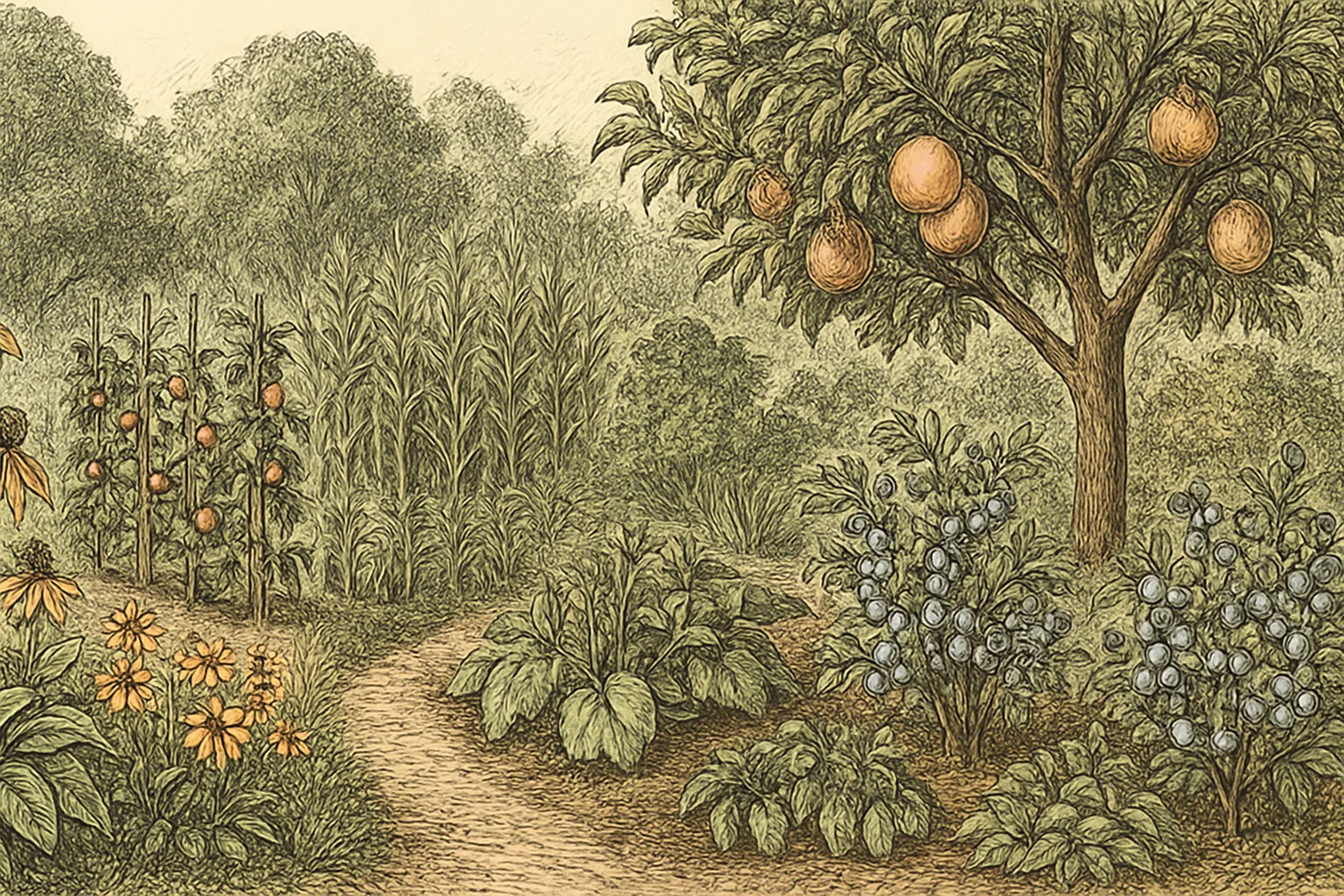
Zone 5 is one of the most versatile gardening zones in North America. With 170 frost-free days and reliable winter chill, it's the sweet spot for both food and ornamental gardening — wide enough to grow most temperate plants, cold enough to provide the dormancy that fruit trees and many perennials need to thrive.
If there's a 'default' gardening zone that most advice is written for, it's Zone 5 or 6. Almost any vegetable in a seed catalog works here. Almost any perennial sold at garden centers is hardy. This is gardener-friendly territory.
Where Zone 5 Is
Zone 5 covers the lower Great Lakes region (much of Michigan, Illinois, Indiana, Ohio), central and southern New England, most of Iowa, the central plains, southern Wyoming and Idaho, and parts of the Pacific Northwest interior.
Climate & Challenges
Zone 5 winters are cold but not extreme. Average minimums of -20 to -10°F are normal. The growing season runs about 170 days, which is enough for all standard vegetables plus most warm-season crops that need a longer window. Spring typically arrives in April and fall frosts usually hold off until mid-October.
Summers are warm but rarely punishing. Temperatures in the 80s are typical with occasional heatwaves in the 90s. Humidity varies widely across Zone 5 — the upper Midwest and Northeast are humid, while the Mountain West is dry. That humidity difference matters more for pest and disease pressure than the hardiness rating itself.
Main challenges: Zone 5's main challenge is polar vortex events that briefly drop temperatures below the zone average and can damage marginally hardy plants. The secondary challenge is occasional summer heat waves that stress cool-loving plants. Beyond that, Zone 5 is forgiving — if you can't grow it here, the problem is usually soil, sun exposure, or site conditions rather than the zone itself.
Best Plants for Zone 5
Below you'll find the best plants for Zone 5organized by category. Each plant is rated on a 5-dot scale: 5 means it thrives here, 4 means it grows well, 3 means it's possible but challenging. Click any plant to see the full growing guide with zone-specific tips.
Best Vegetables for Zone 5
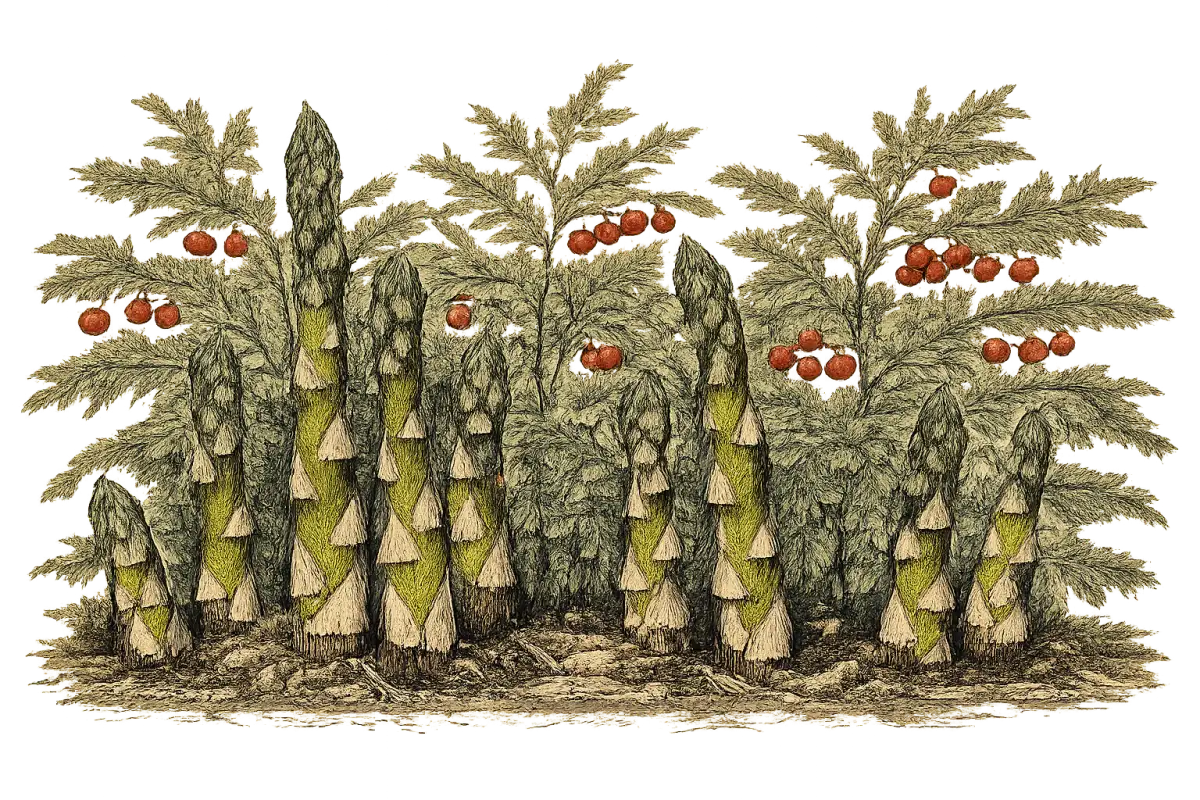
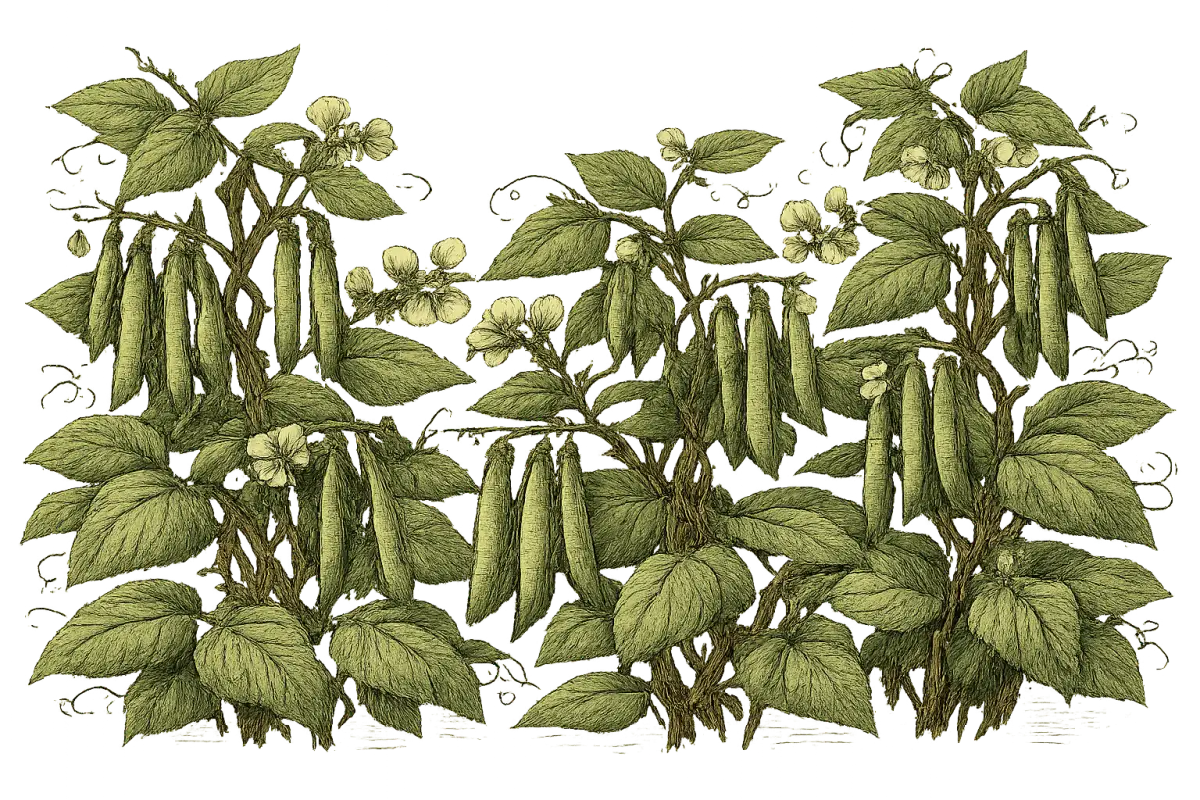
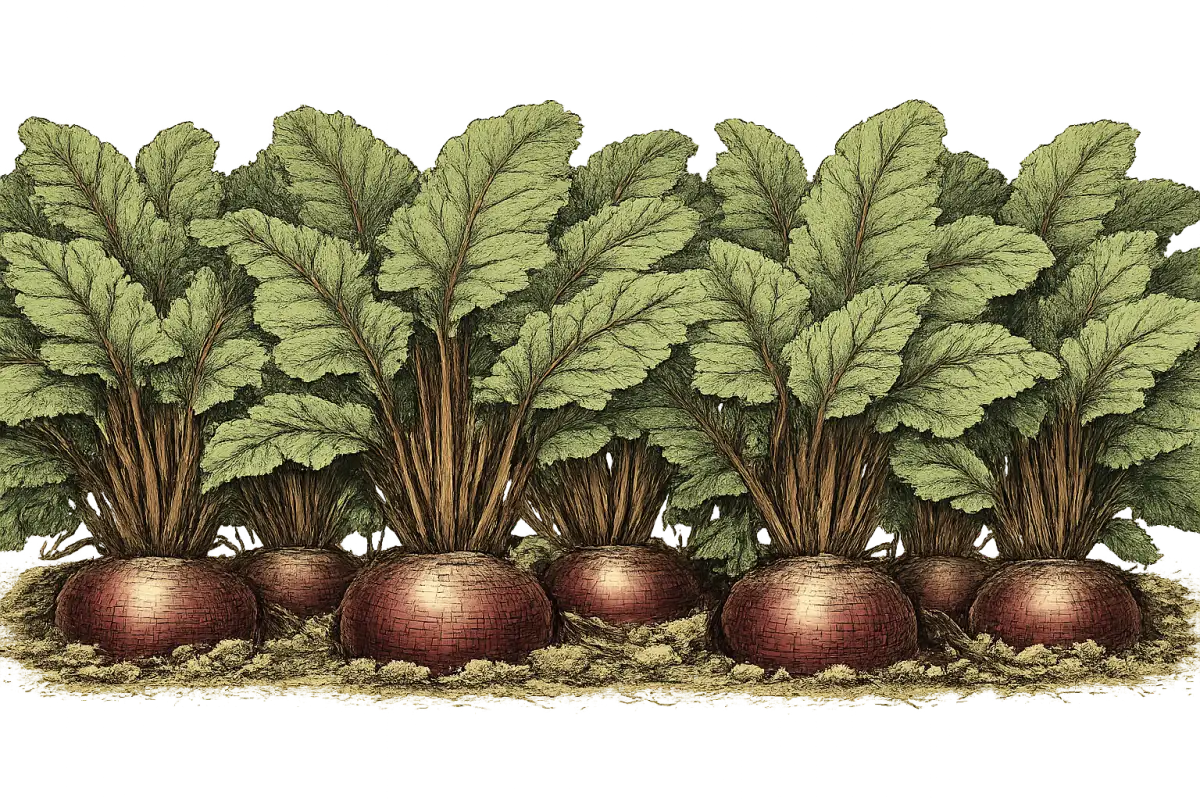
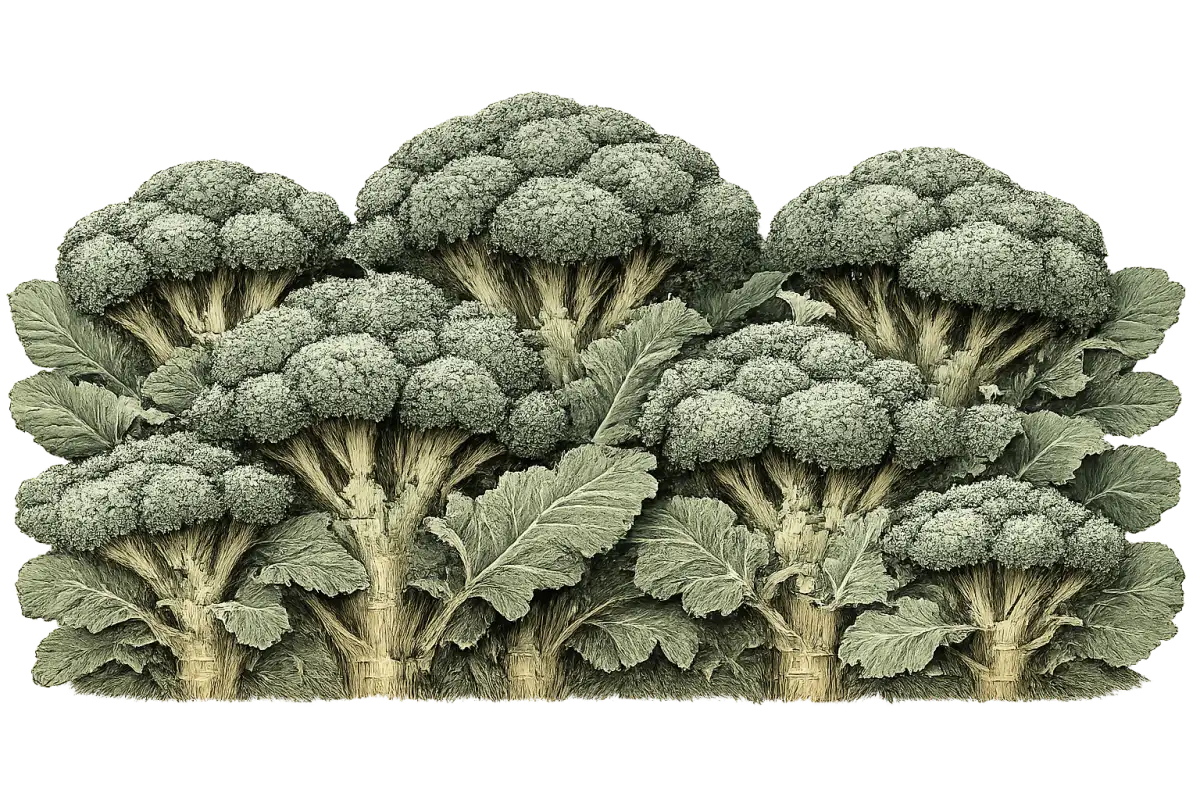
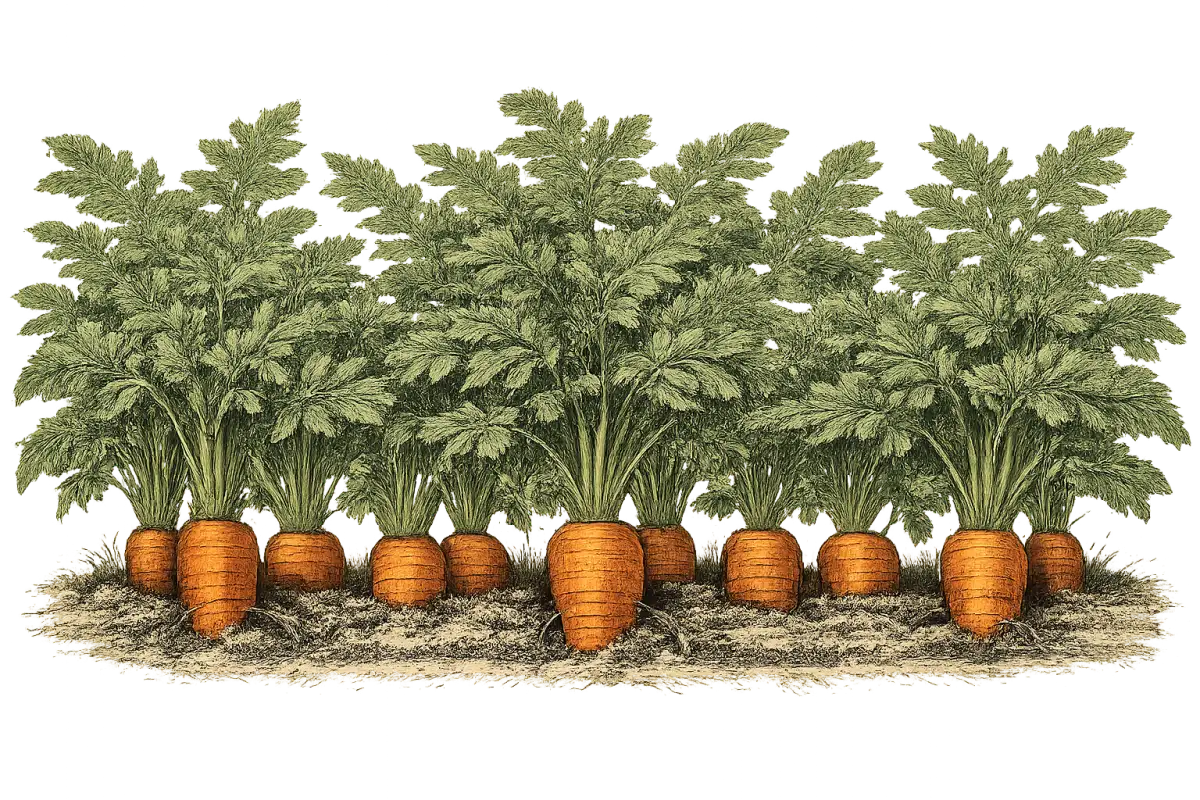
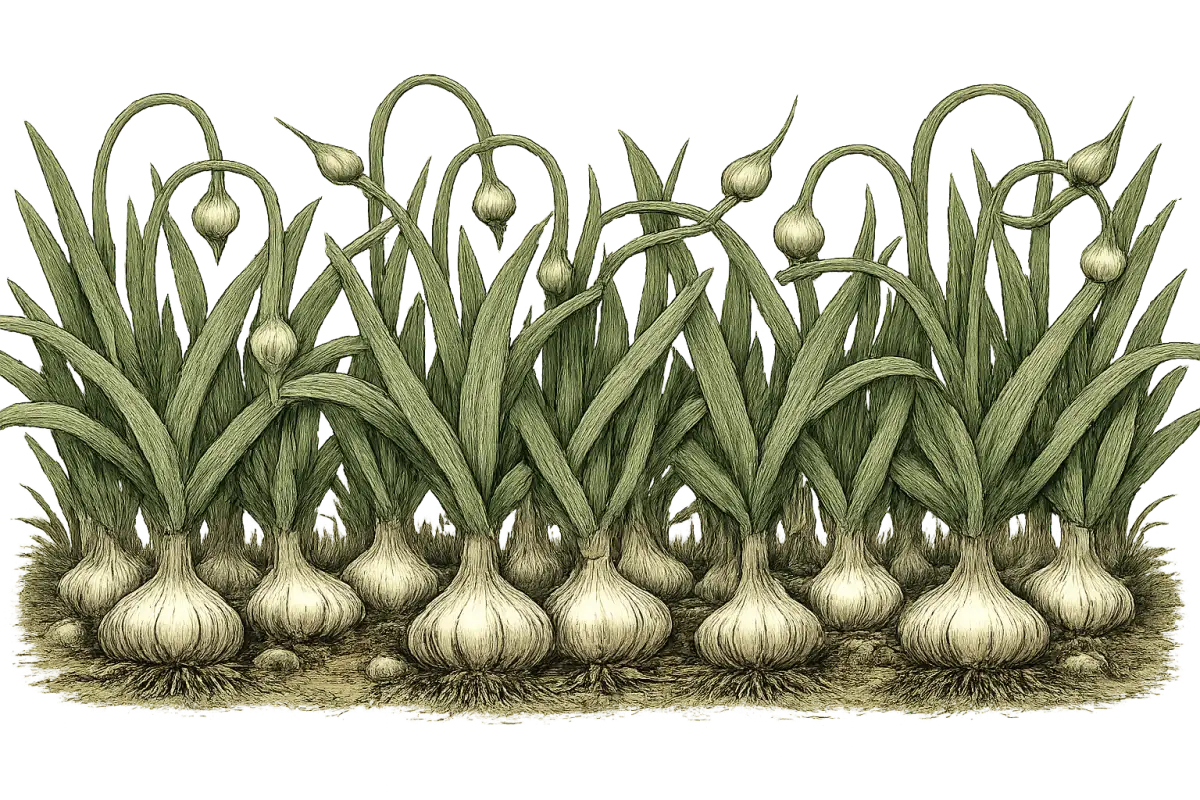
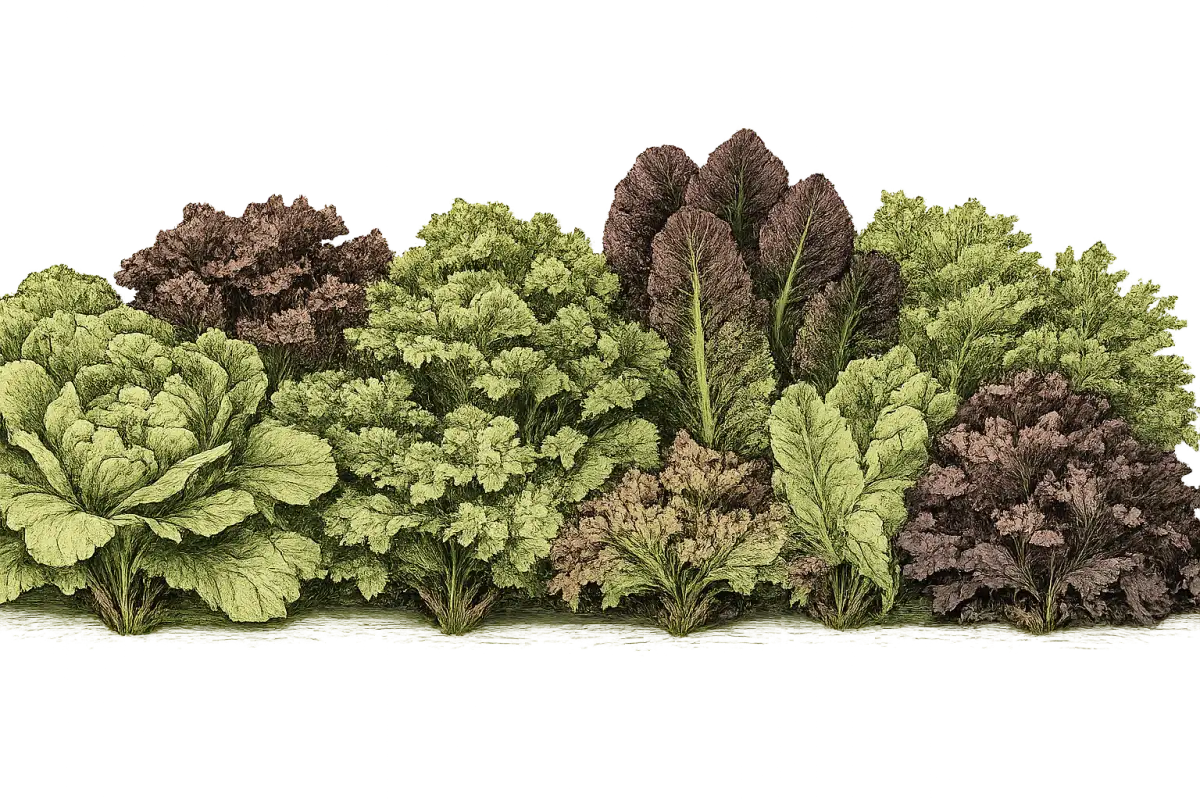
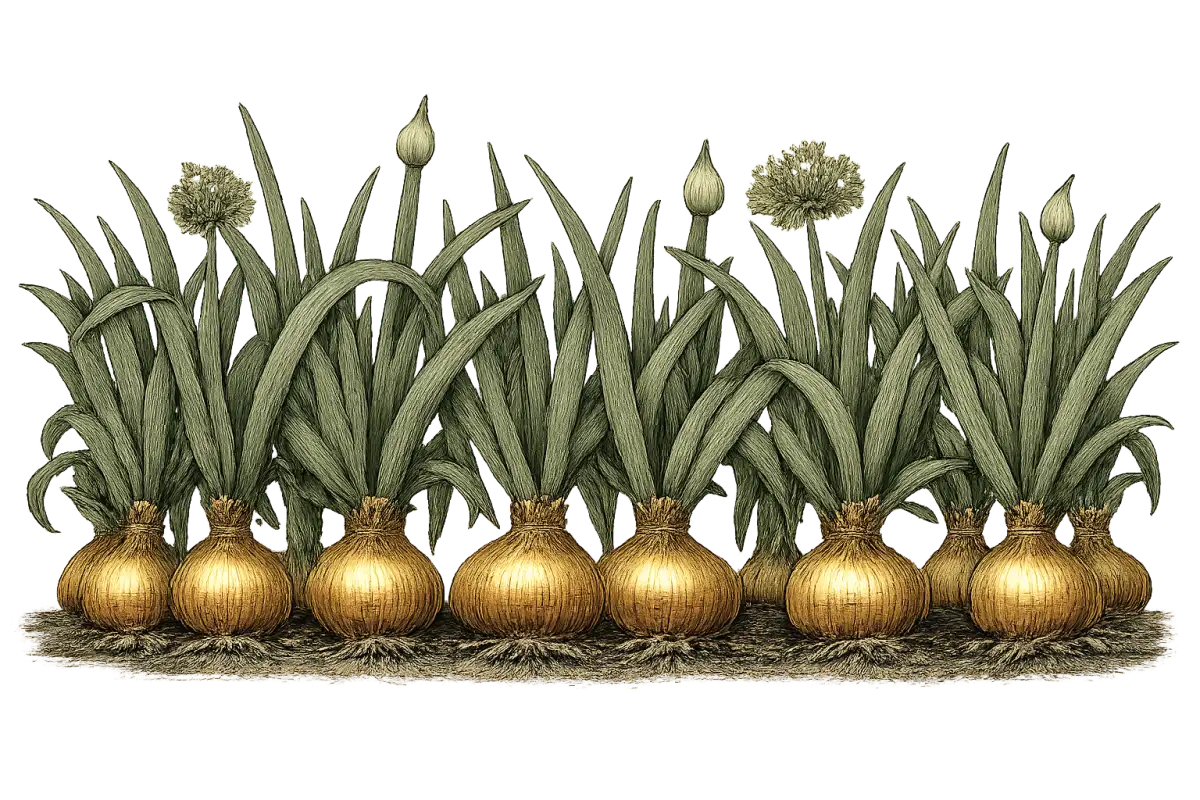
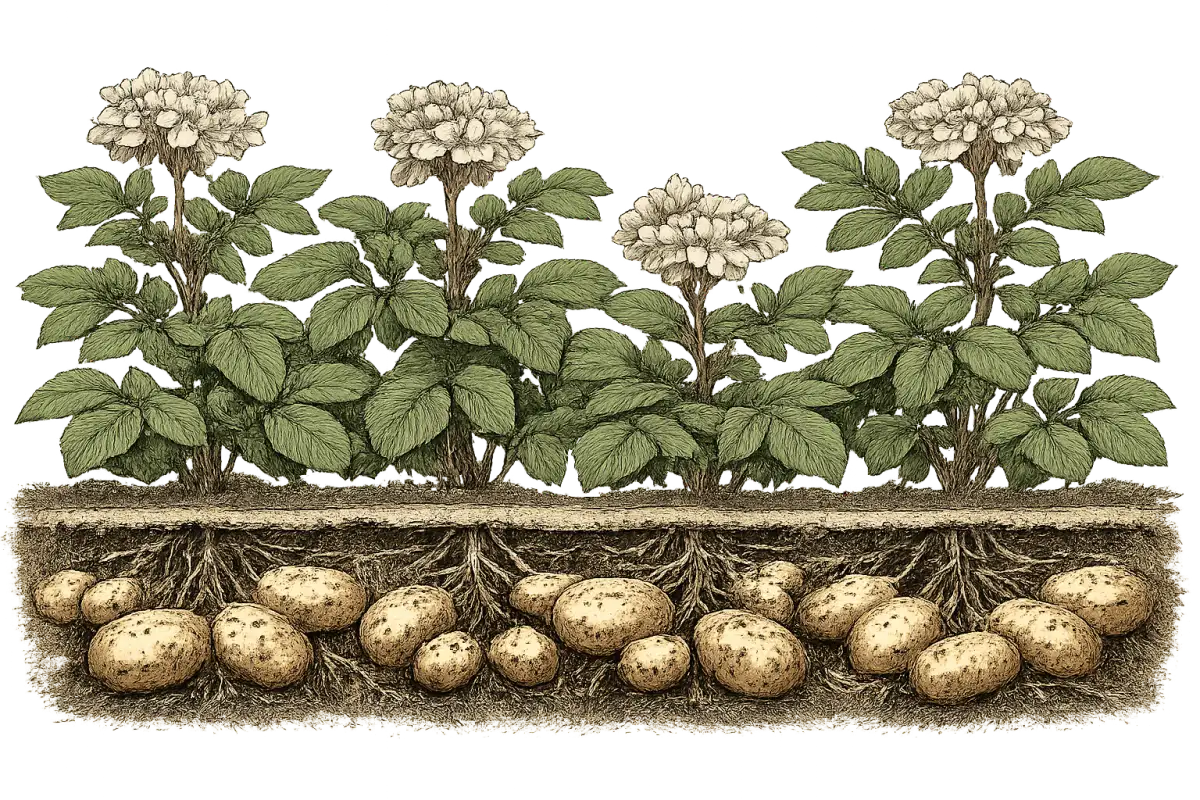
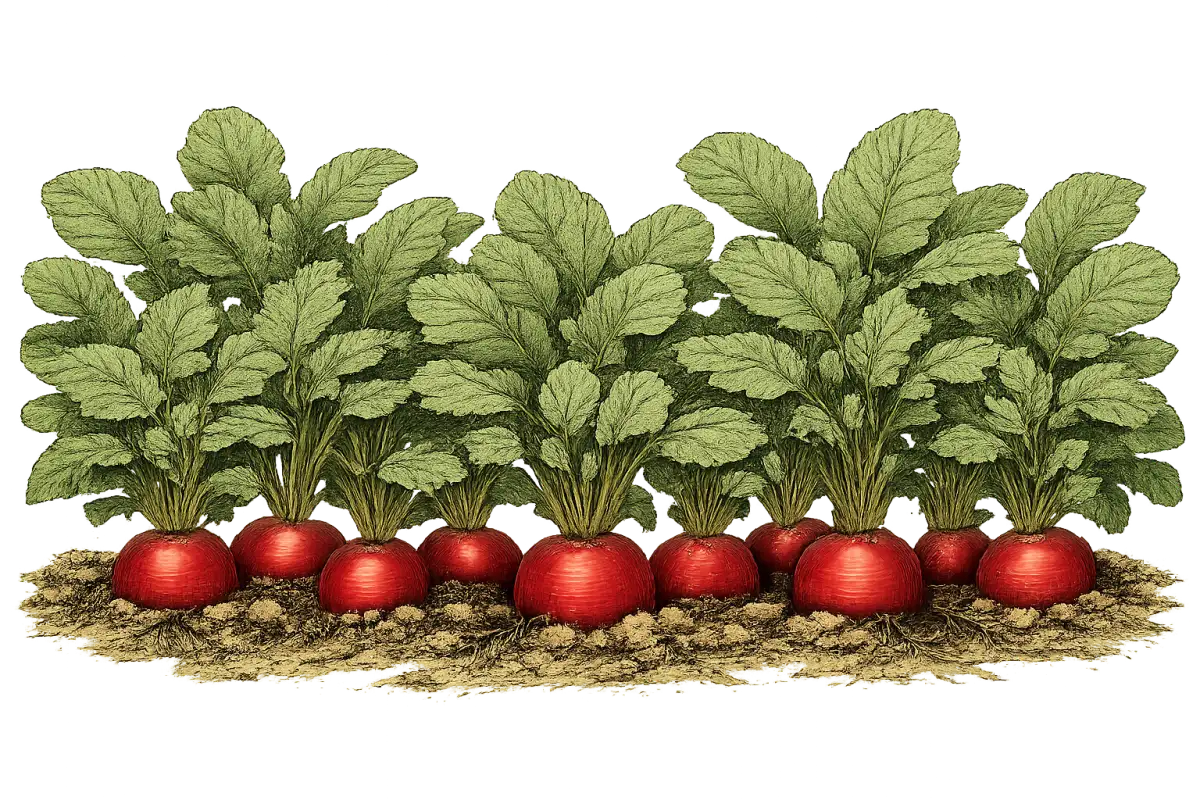
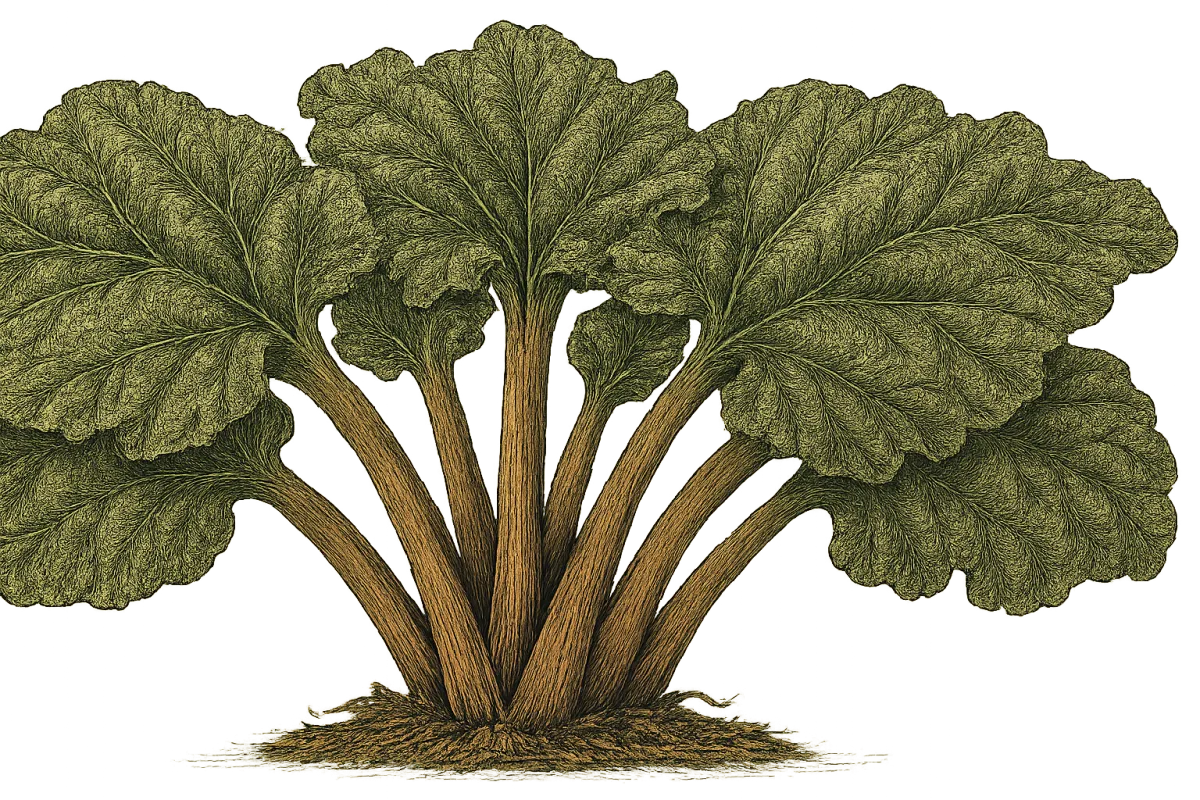
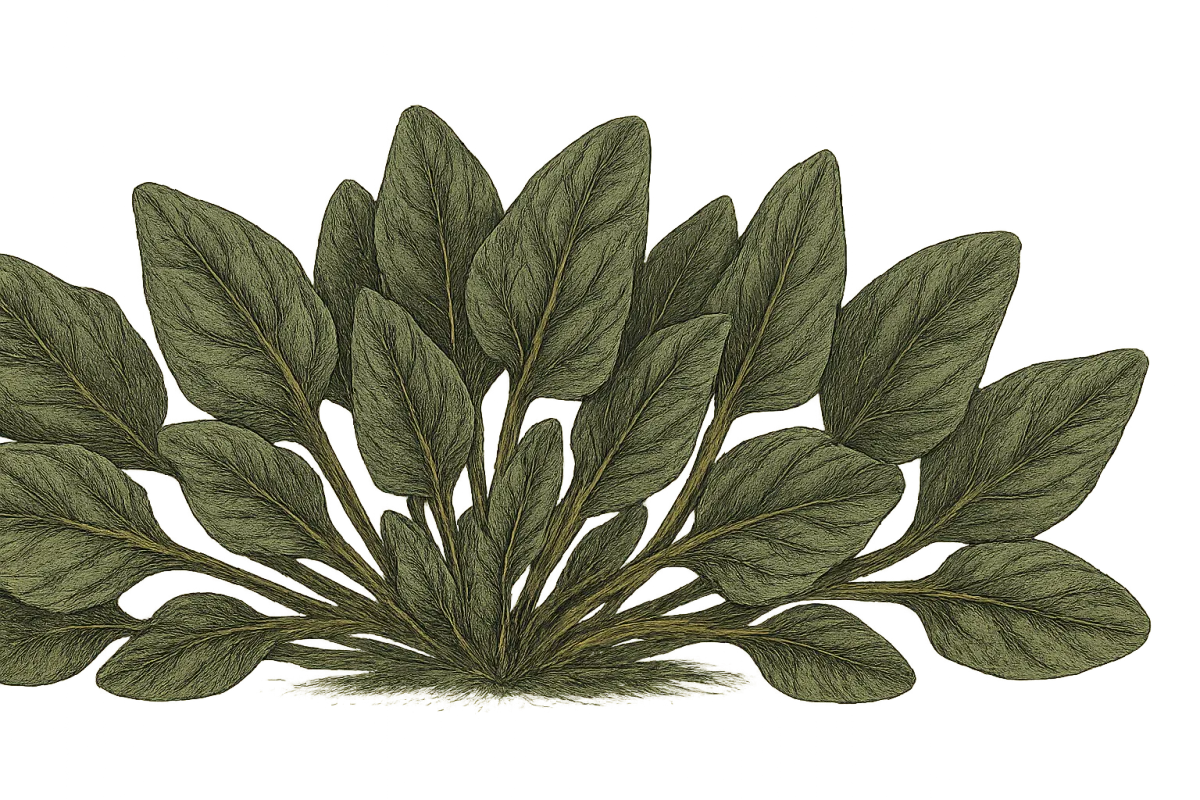
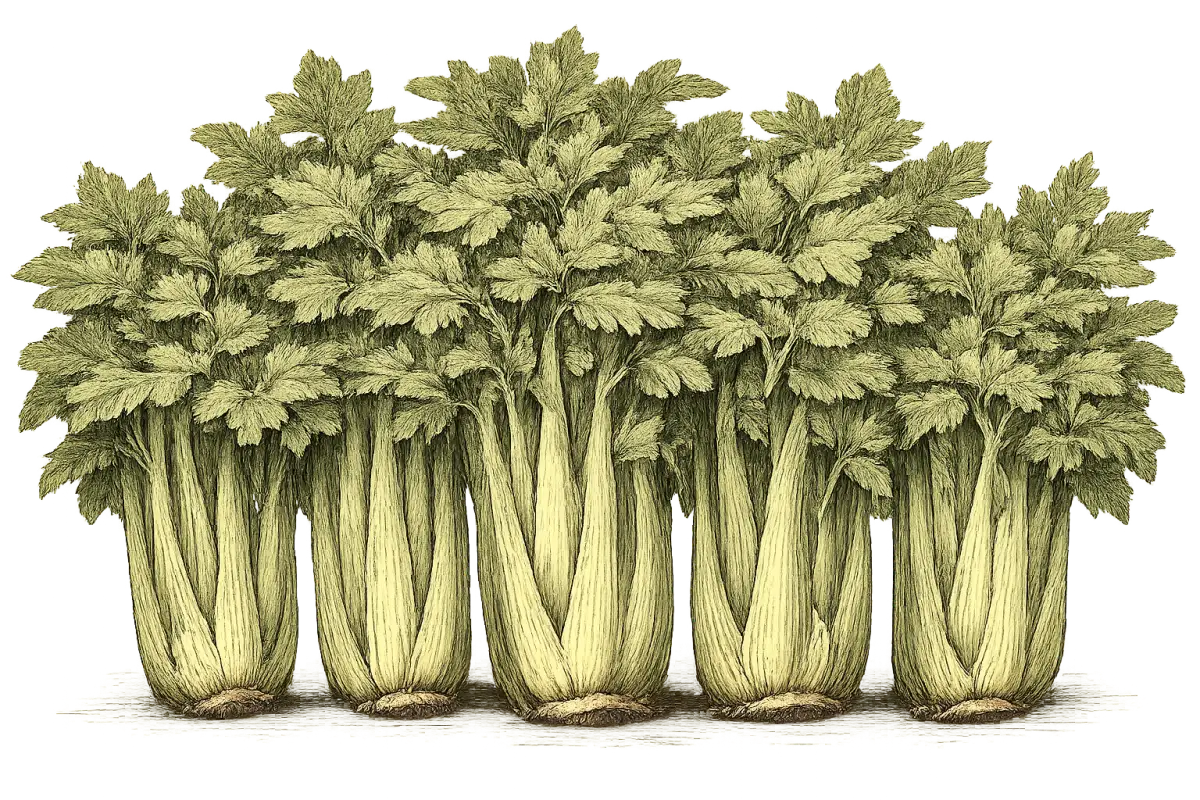
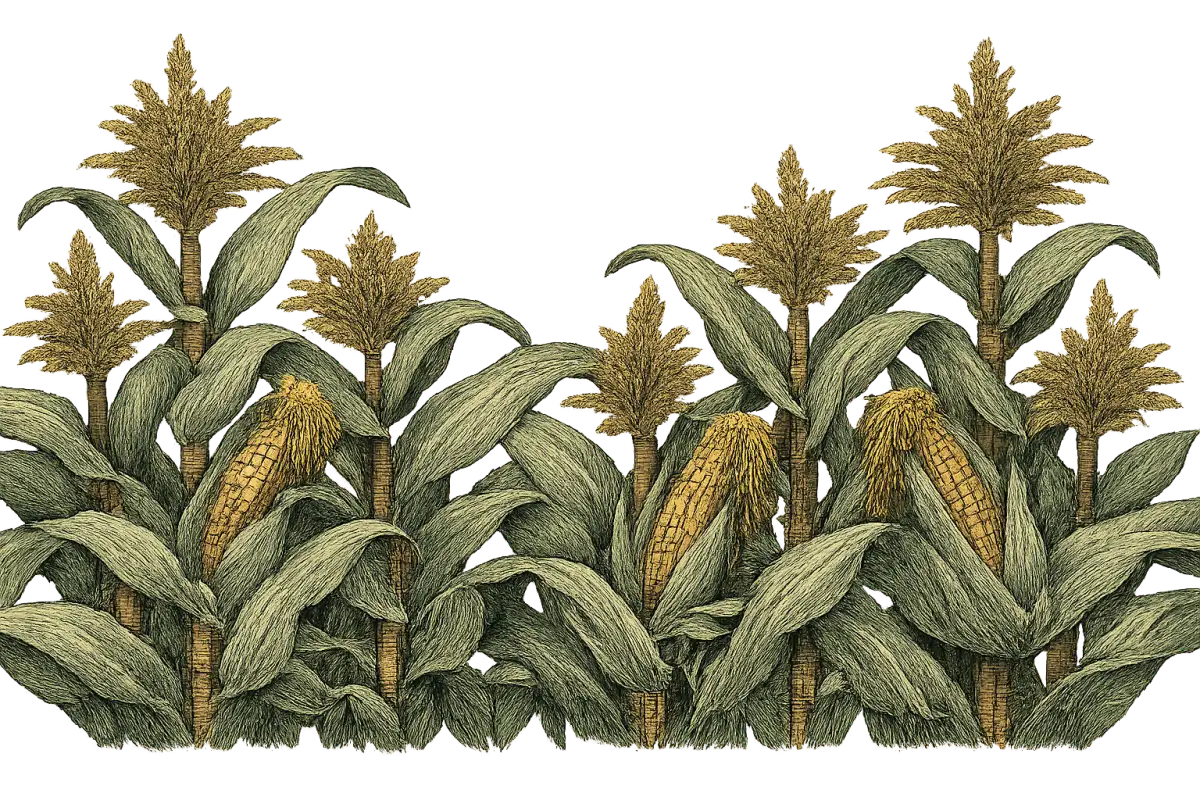
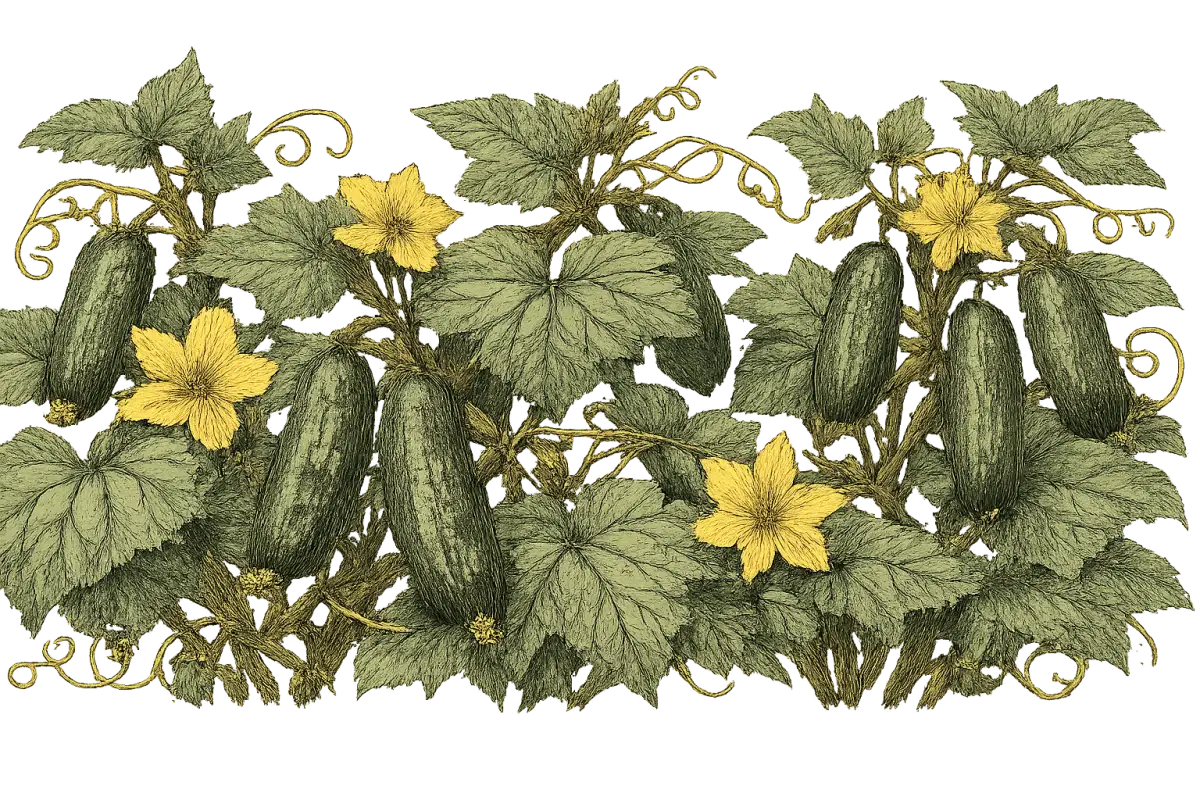
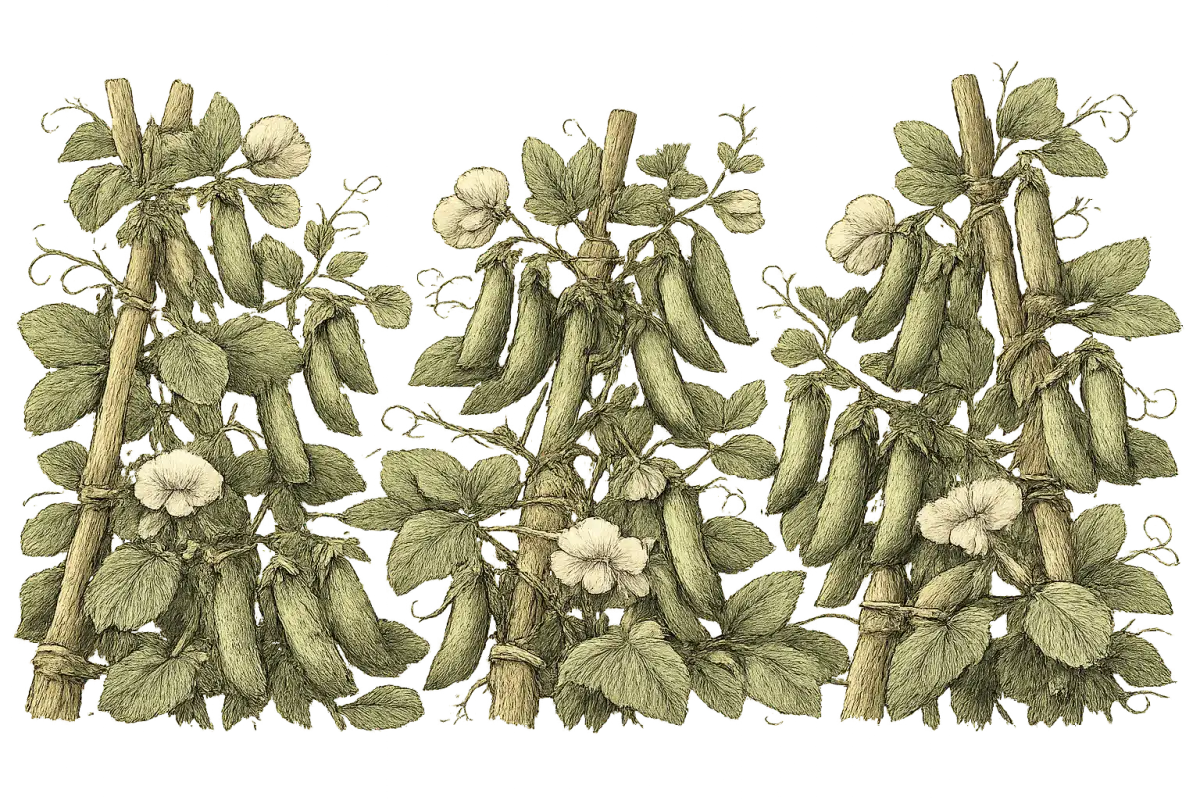
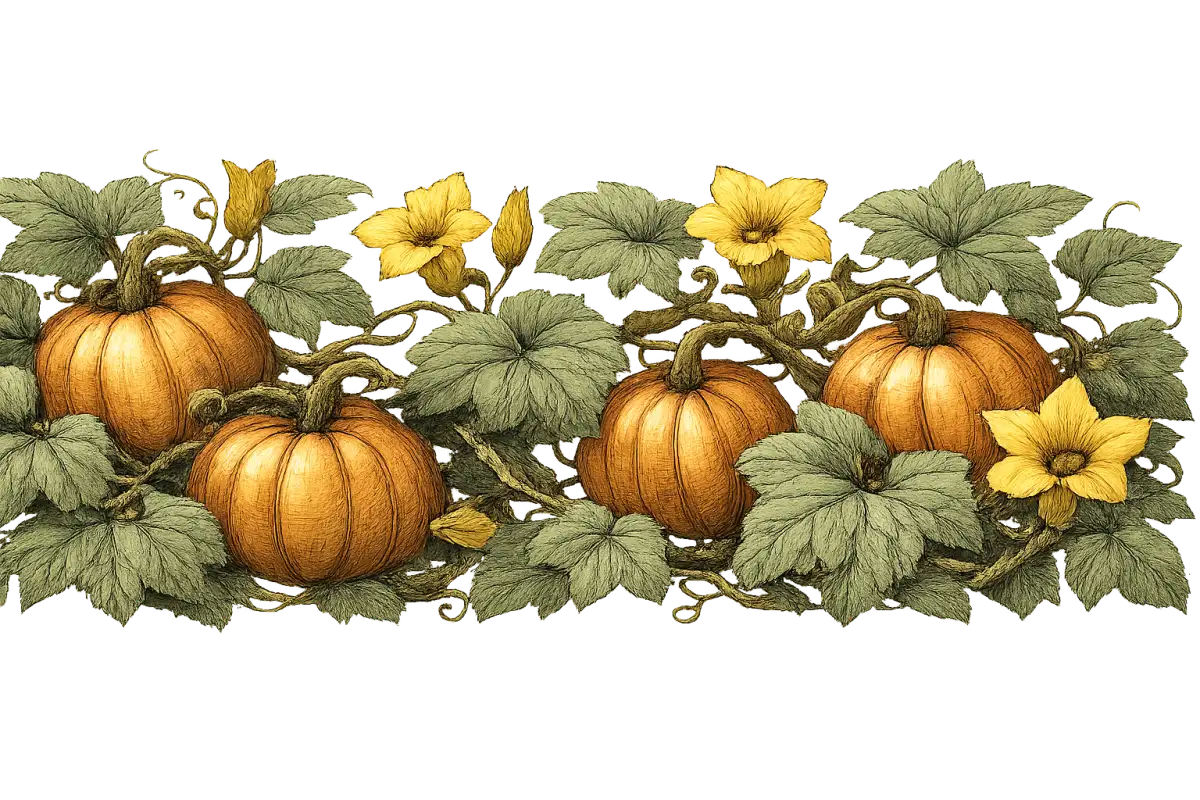
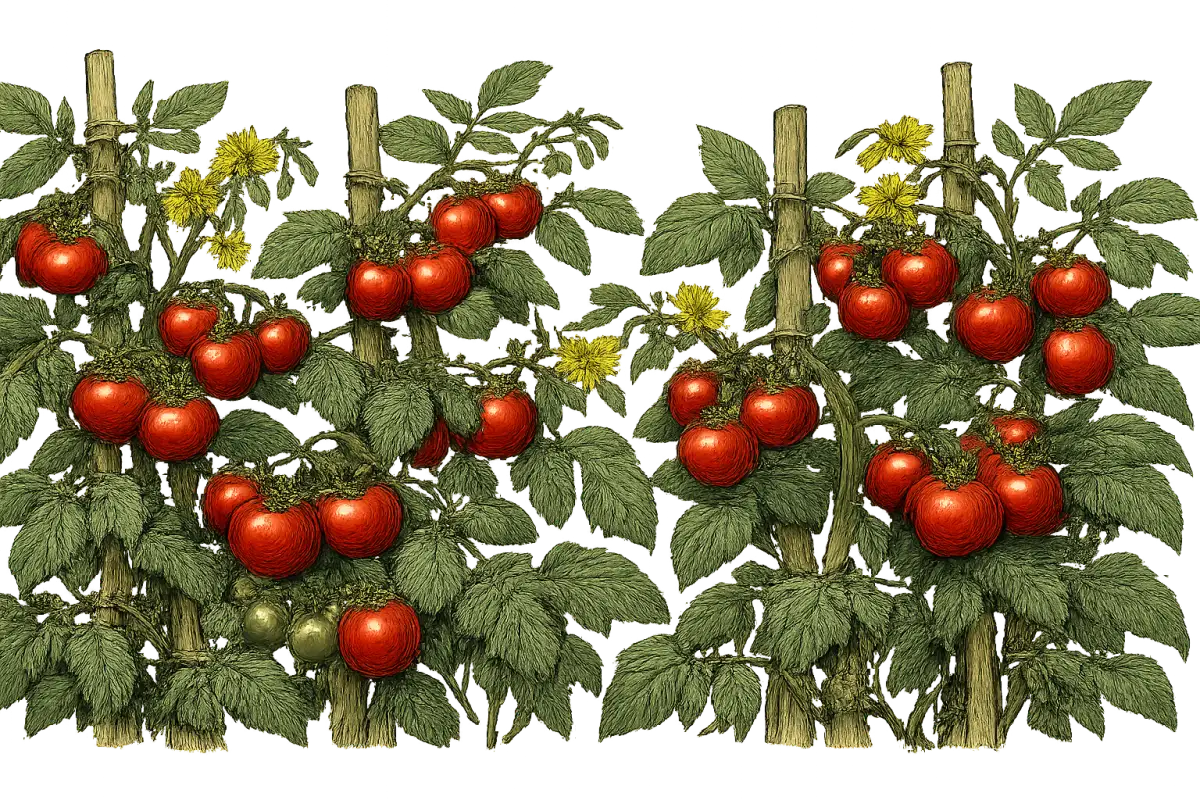
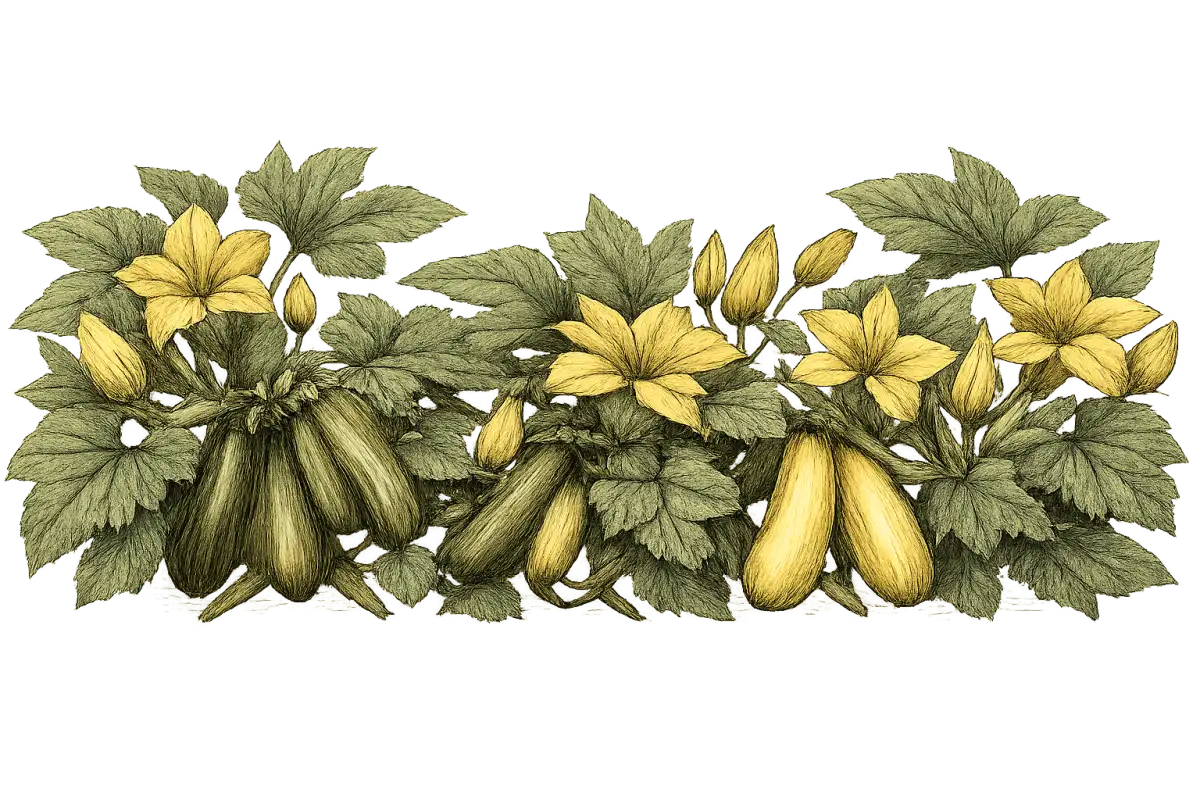
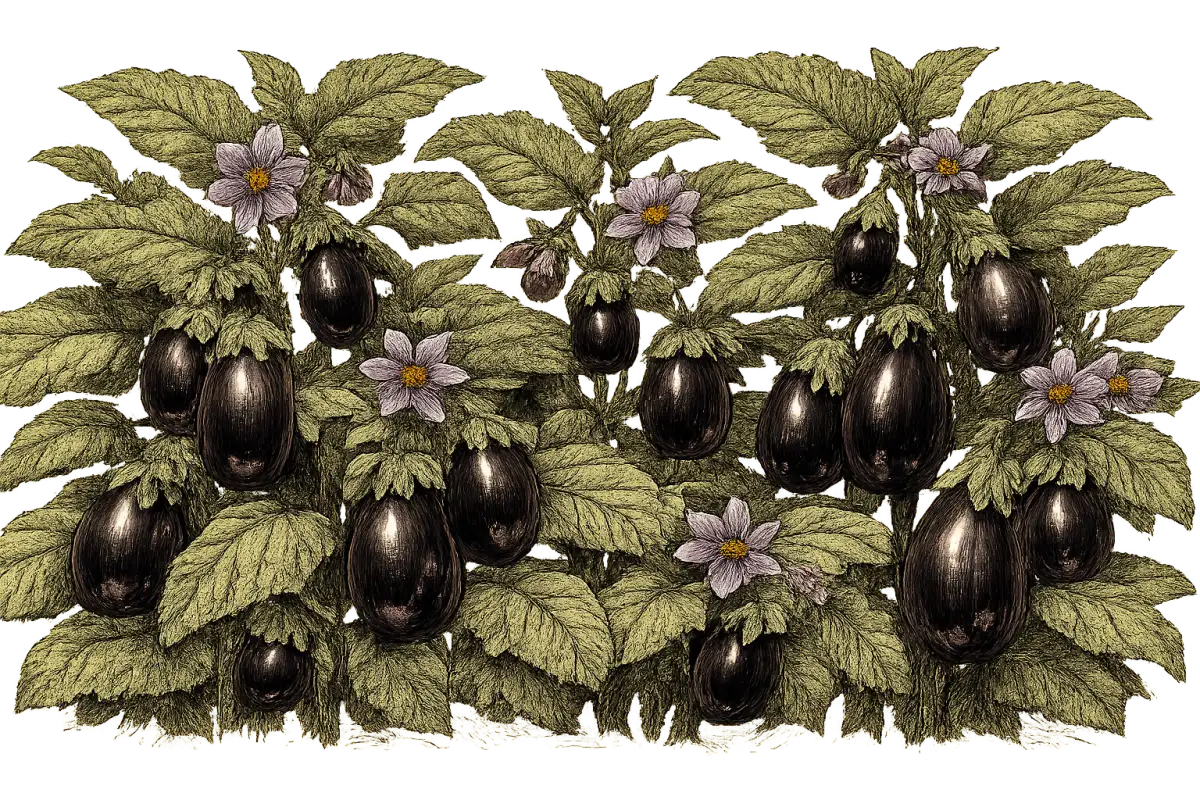
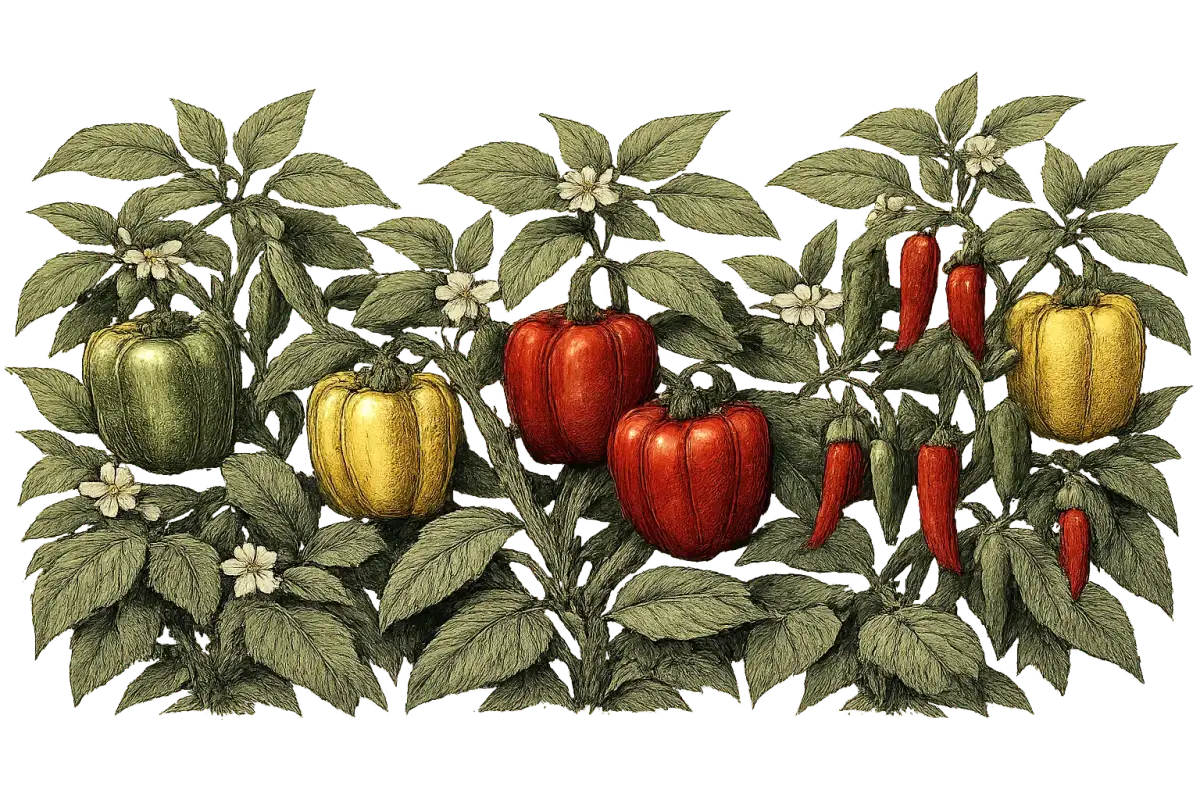
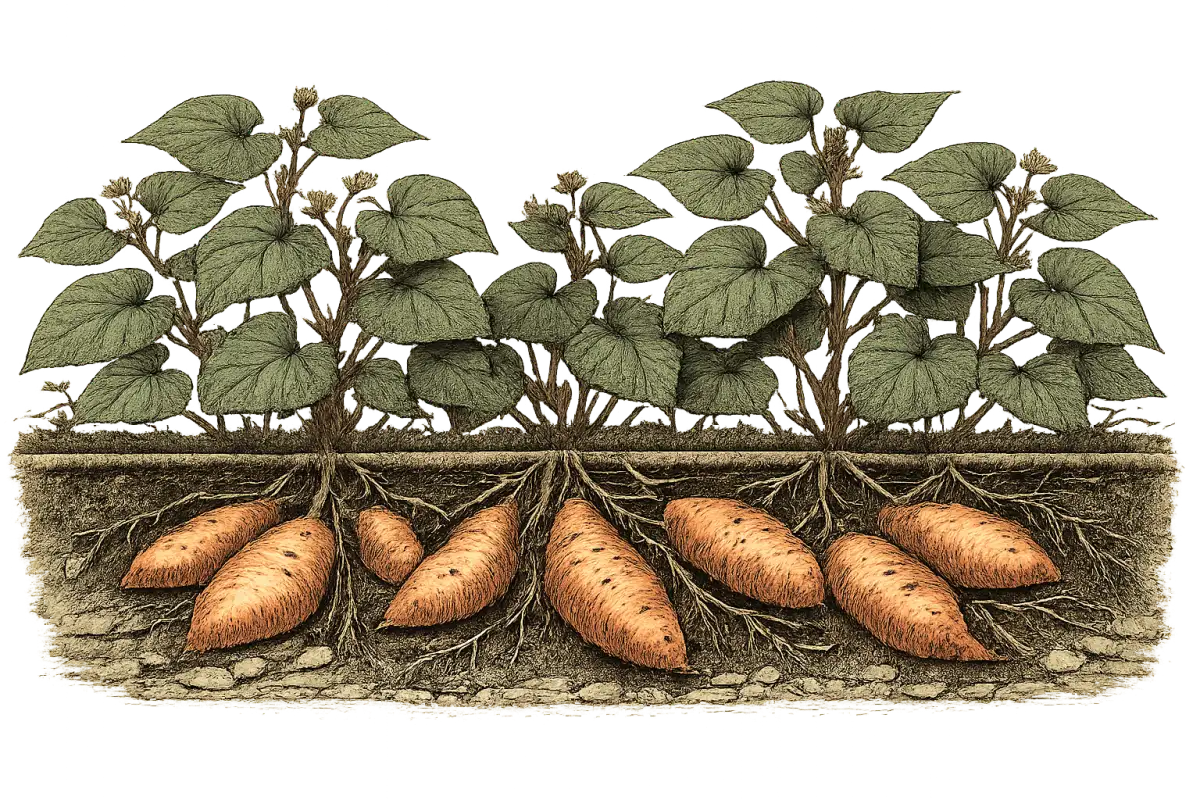
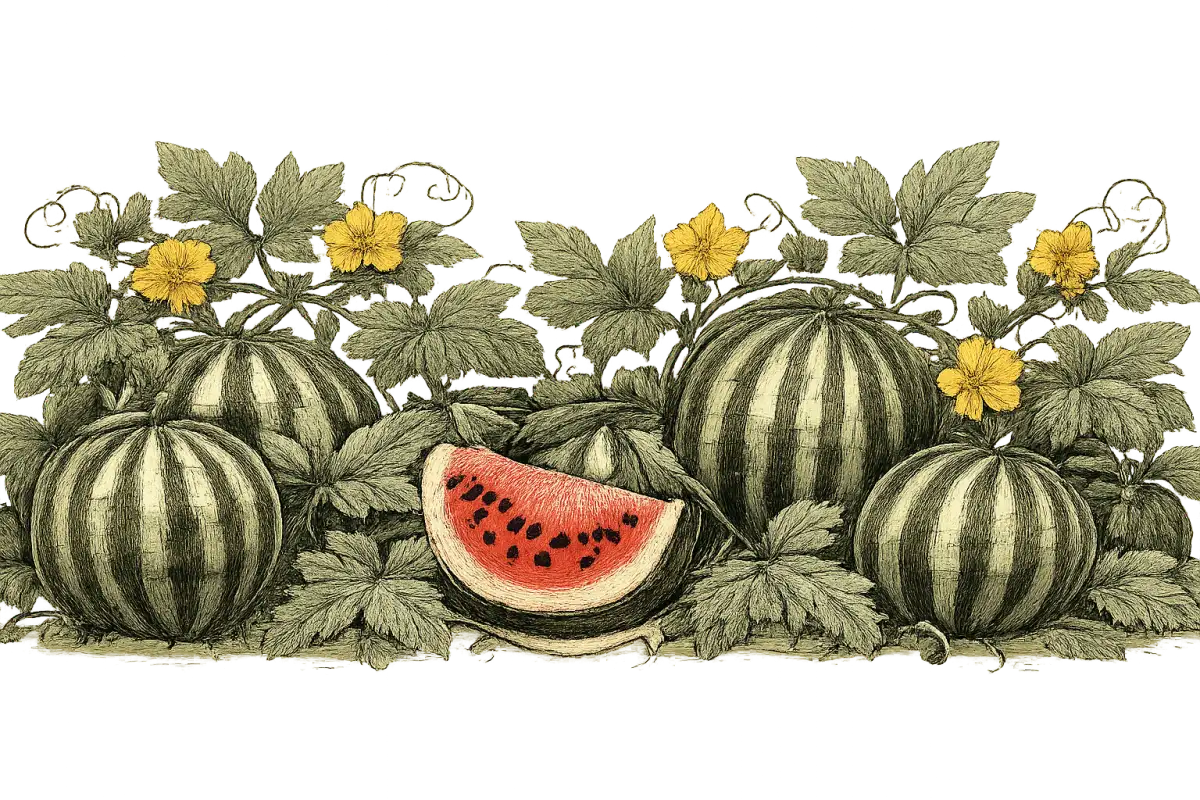
Almost any vegetable in a typical seed catalog produces well in Zone 5. Tomatoes, peppers, eggplant, and melons have enough season to ripen if you start them indoors. Asparagus thrives here — this is actually the sweet spot for asparagus production, which struggles in warmer zones. Root crops, brassicas, alliums, legumes, and greens all grow without difficulty. Warm-season crops benefit from black plastic mulch to warm the soil in spring.
Worth trying (rating 3 — possible but challenging):

Best Fruits for Zone 5
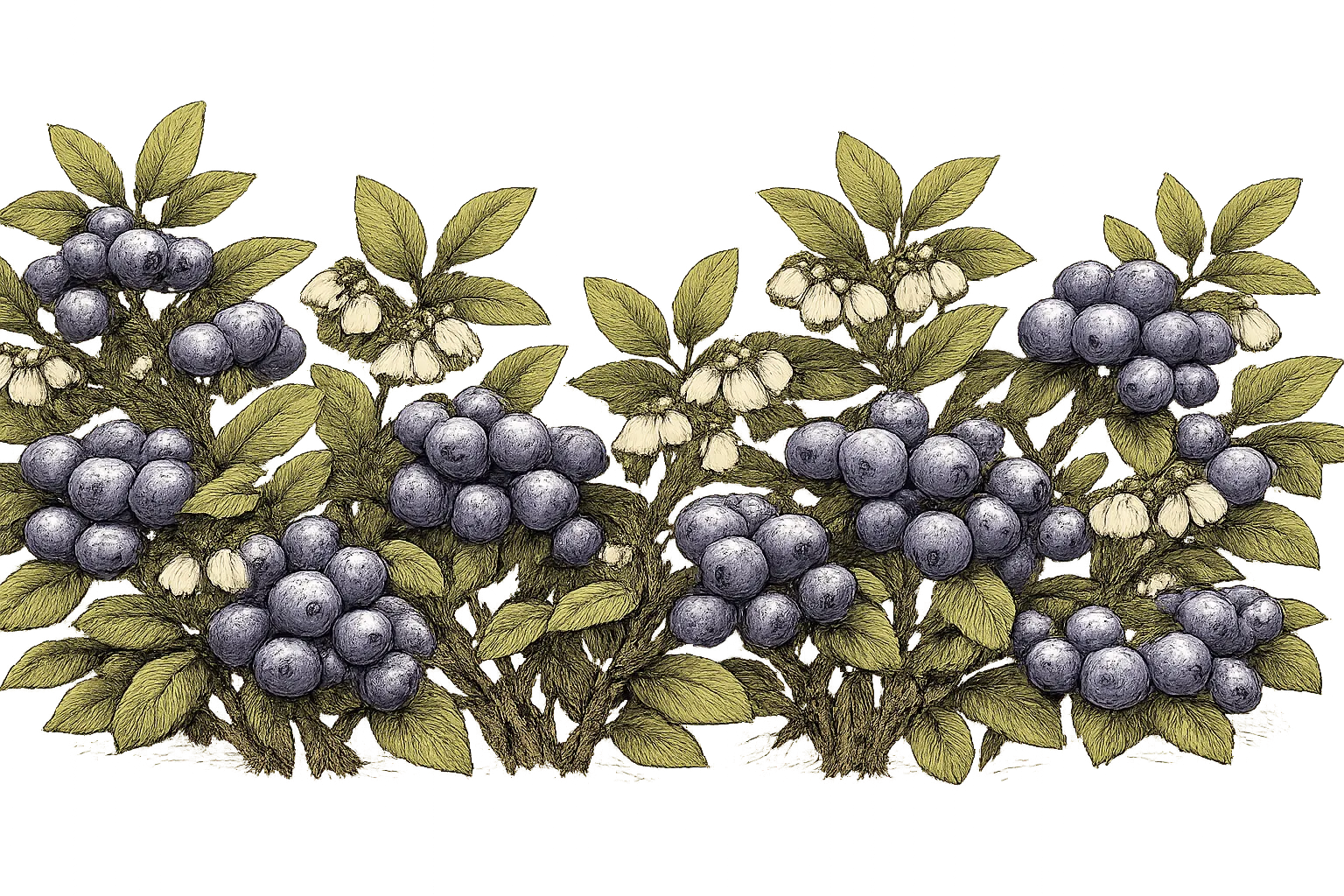
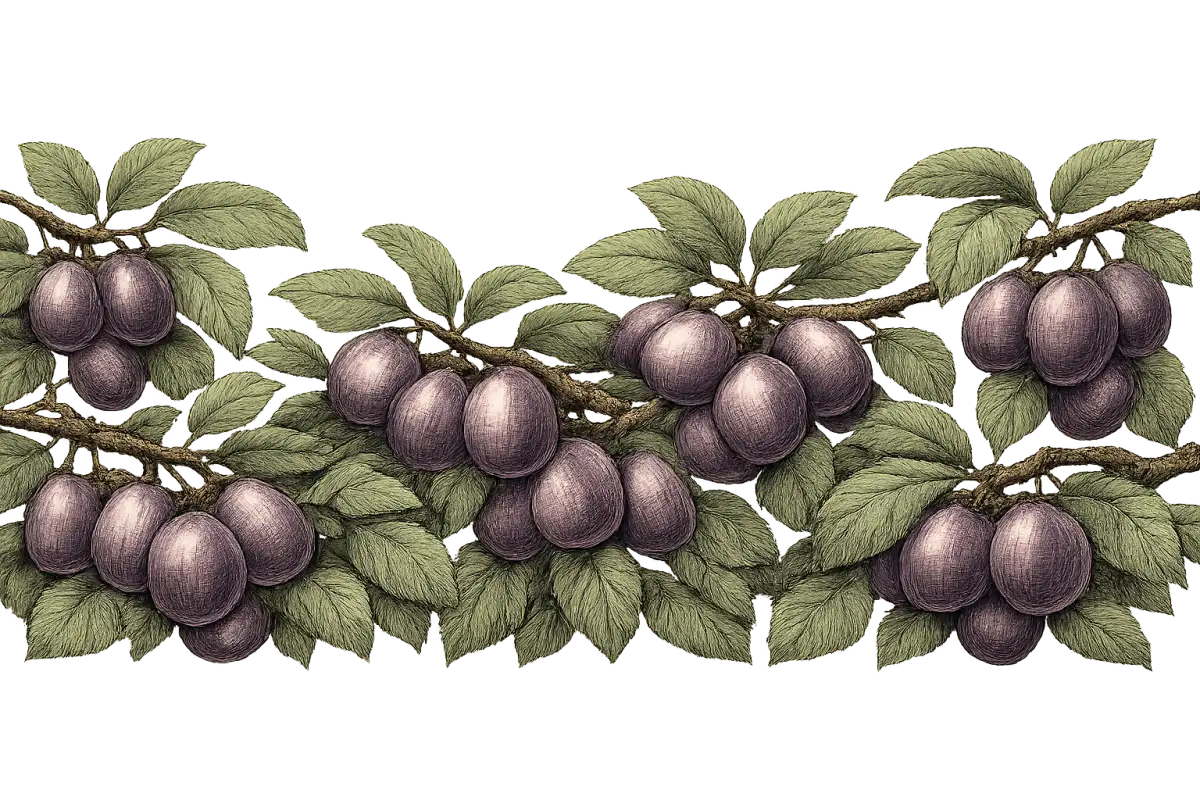
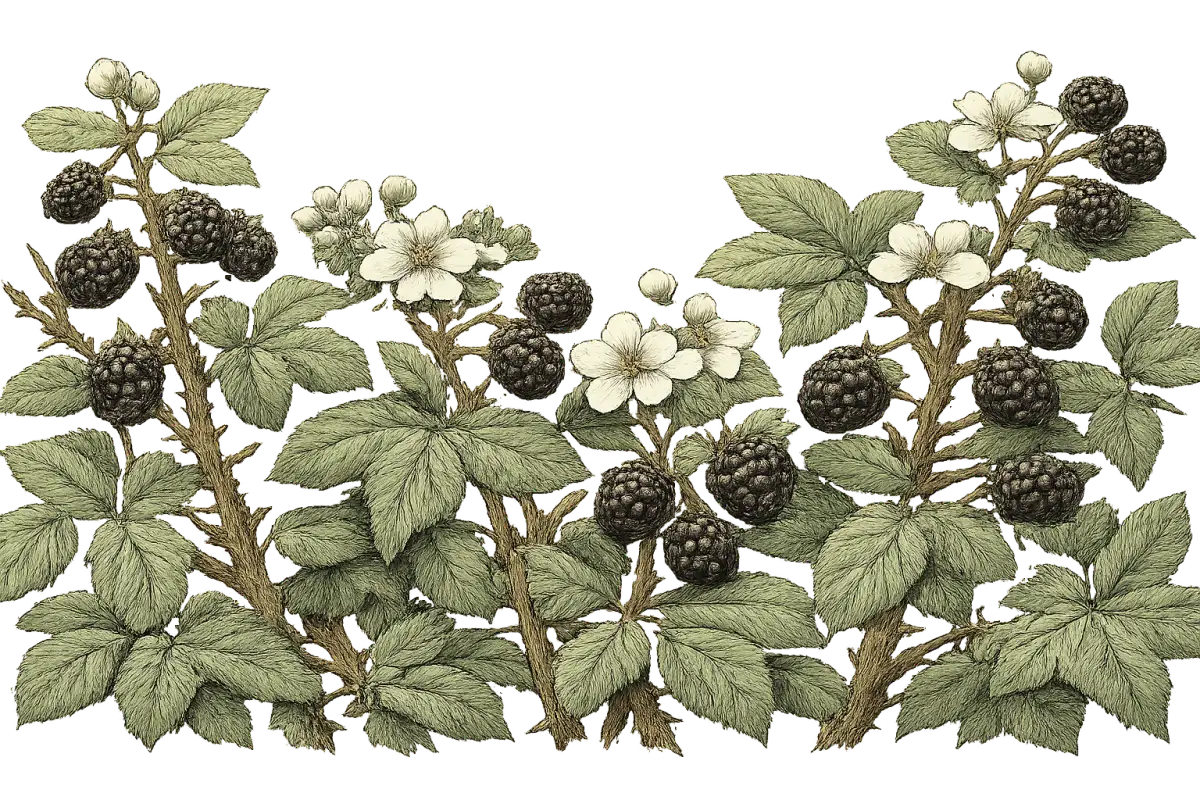
Most temperate fruits work in Zone 5. Apples, pears, sour cherries, and plums are reliable. Peaches and apricots work in protected sites — they're marginal in 5a, reliable in 5b with good siting. Blueberries excel with acidic soil prep. Raspberries, blackberries, strawberries, and grape varieties bred for cold climates all produce well. Stone fruits generally need south-facing exposure to avoid losing flower buds to late-spring frosts.




Worth trying (rating 3 — possible but challenging):
Best Herbs for Zone 5
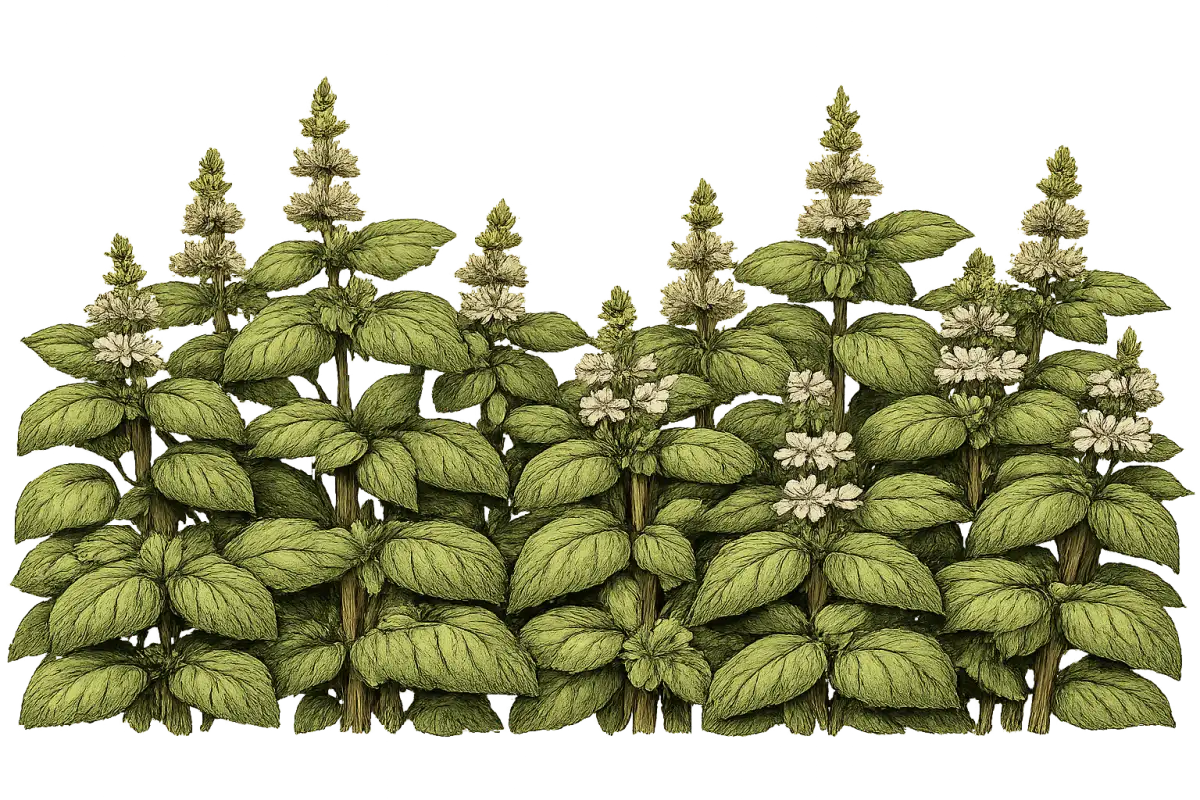
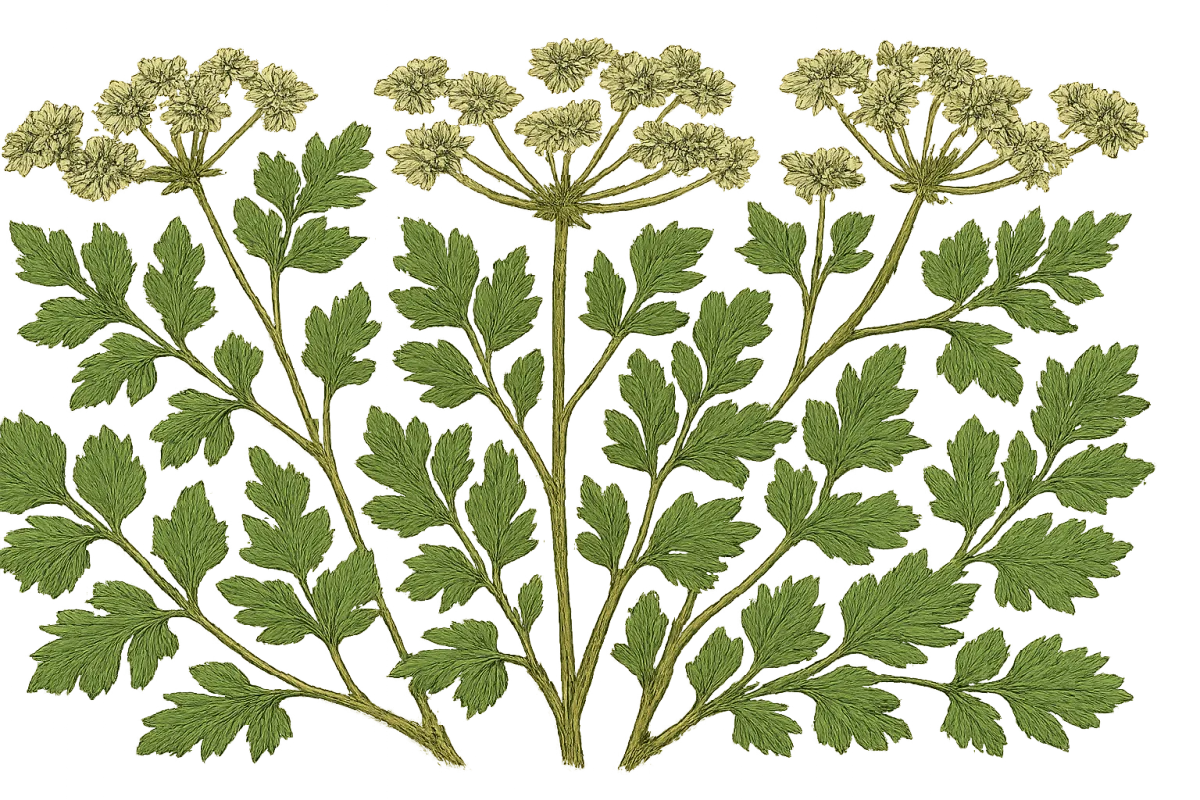
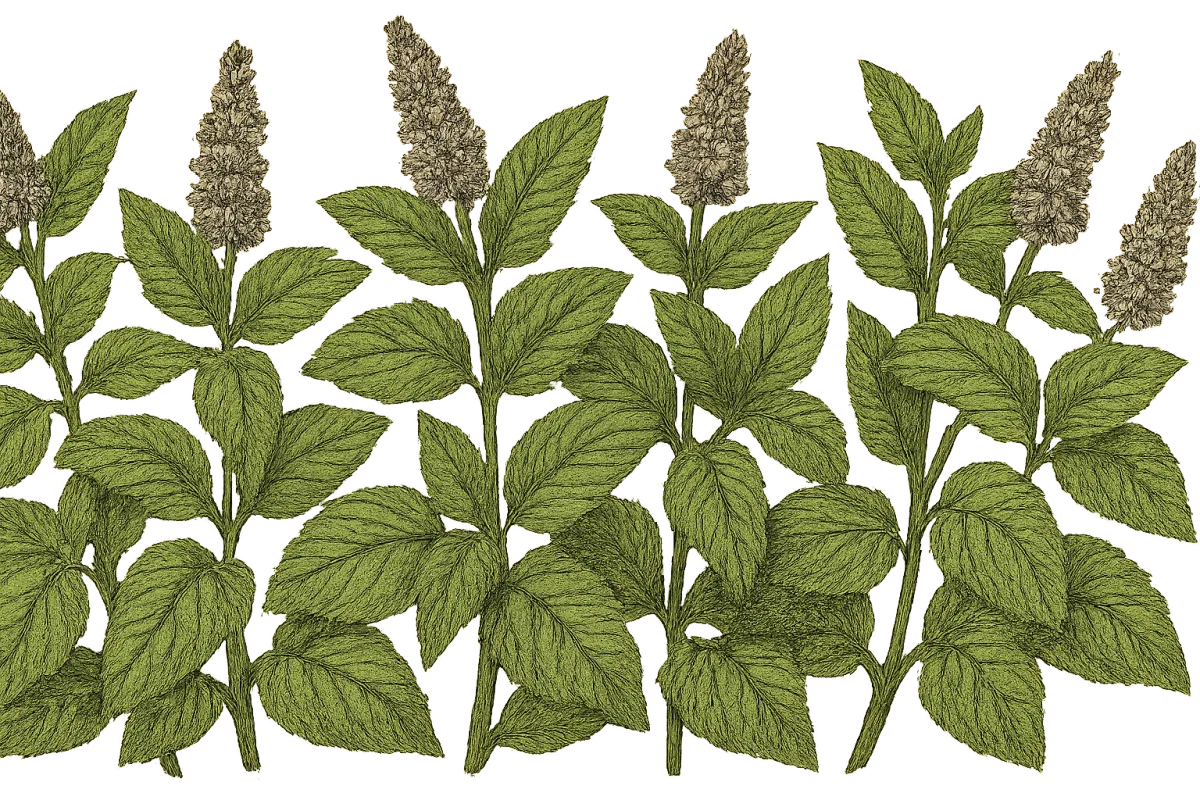
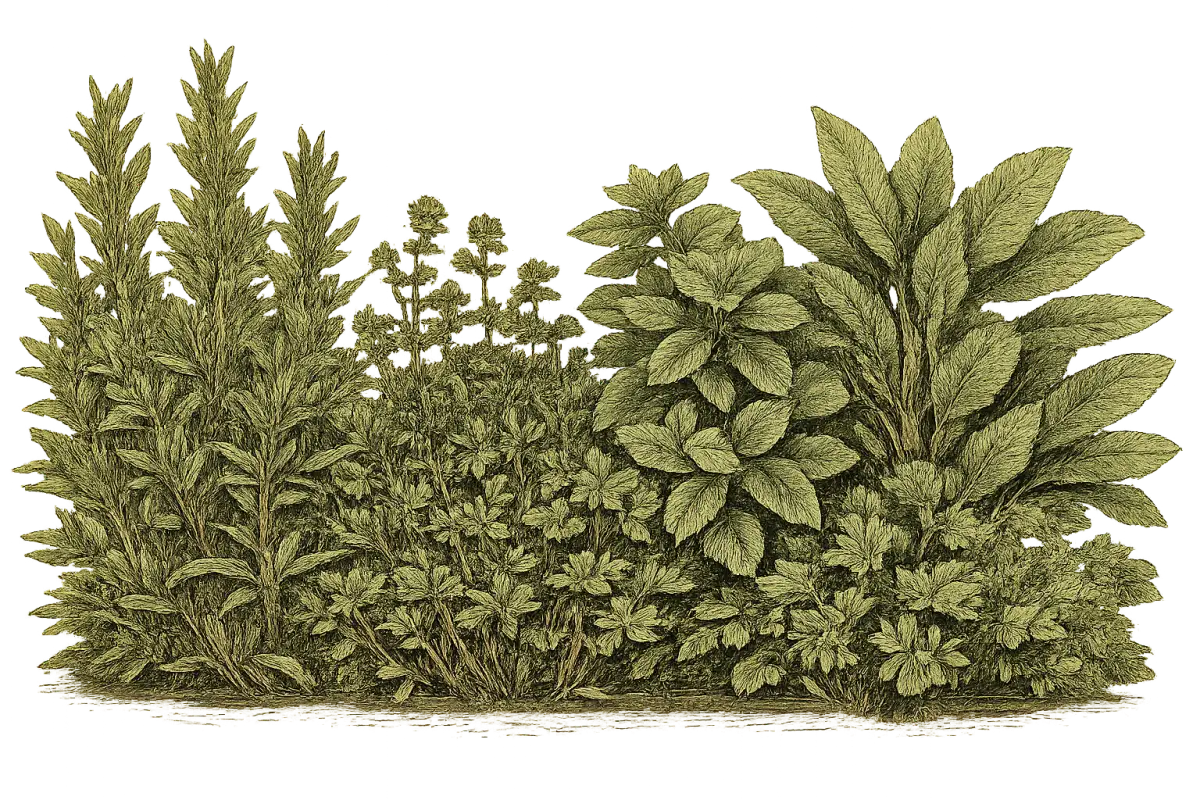
The standard herb playbook works without modification. Annual herbs (basil, cilantro, parsley, dill) grow well through the summer. Chives, mint, and lemon balm are reliably perennial. Mediterranean herbs (rosemary, thyme, oregano, sage, lavender) can survive Zone 5 winters in well-drained sites, though rosemary and lavender are more reliable in 5b than 5a. Many Zone 5 gardeners keep rosemary in pots that move indoors.
Worth trying (rating 3 — possible but challenging):
Best Flowers for Zone 5
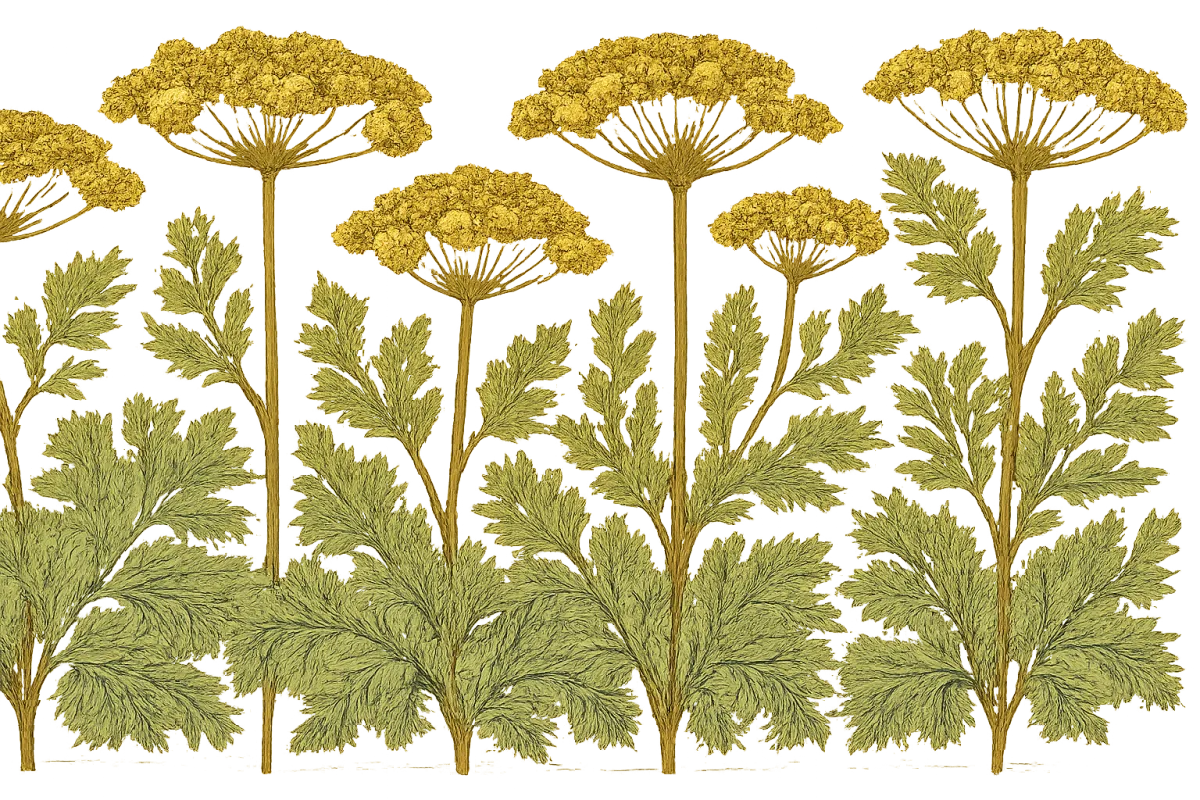
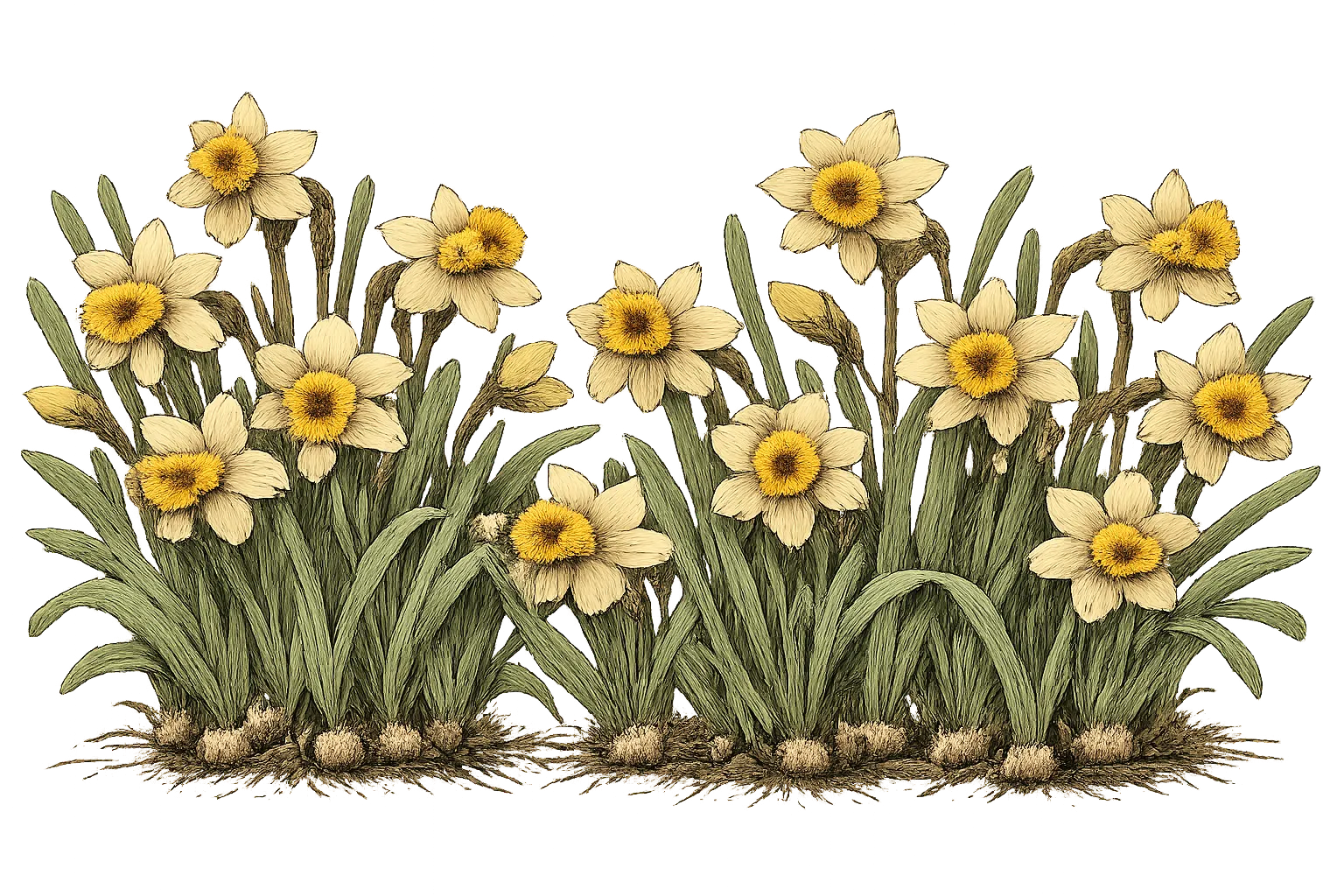
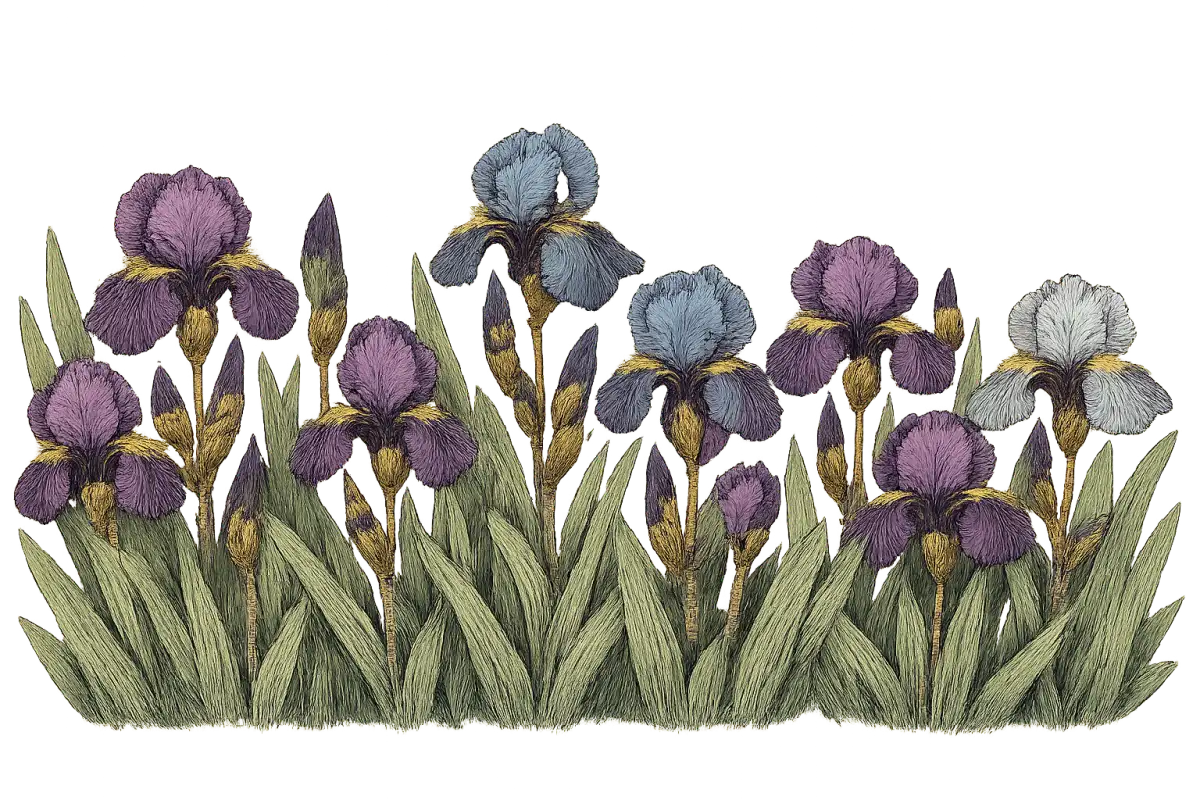
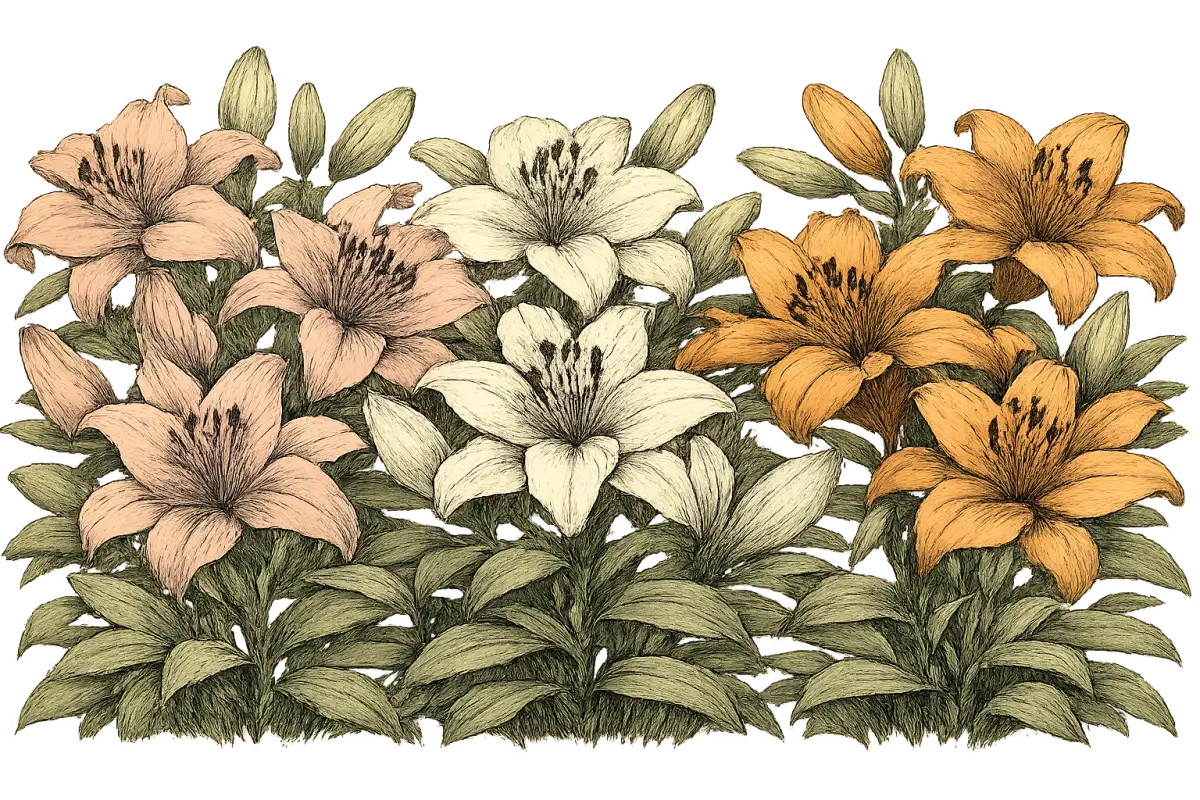
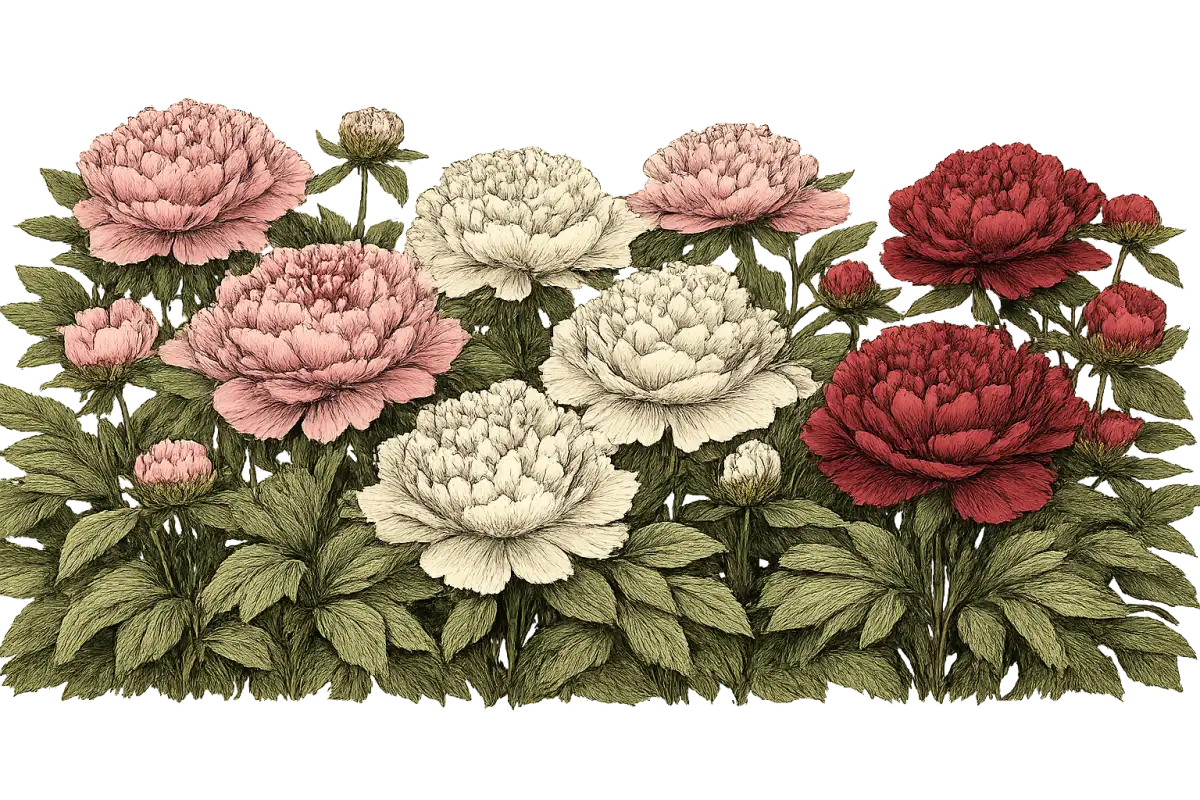
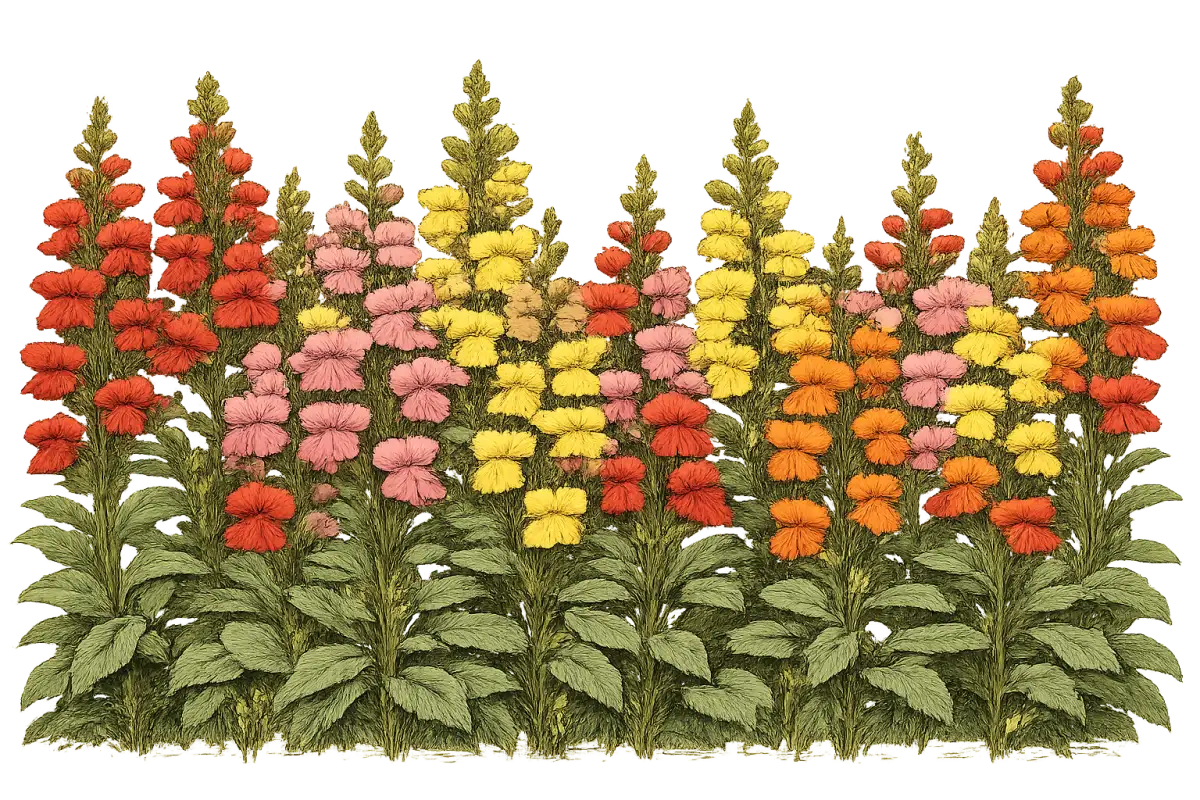
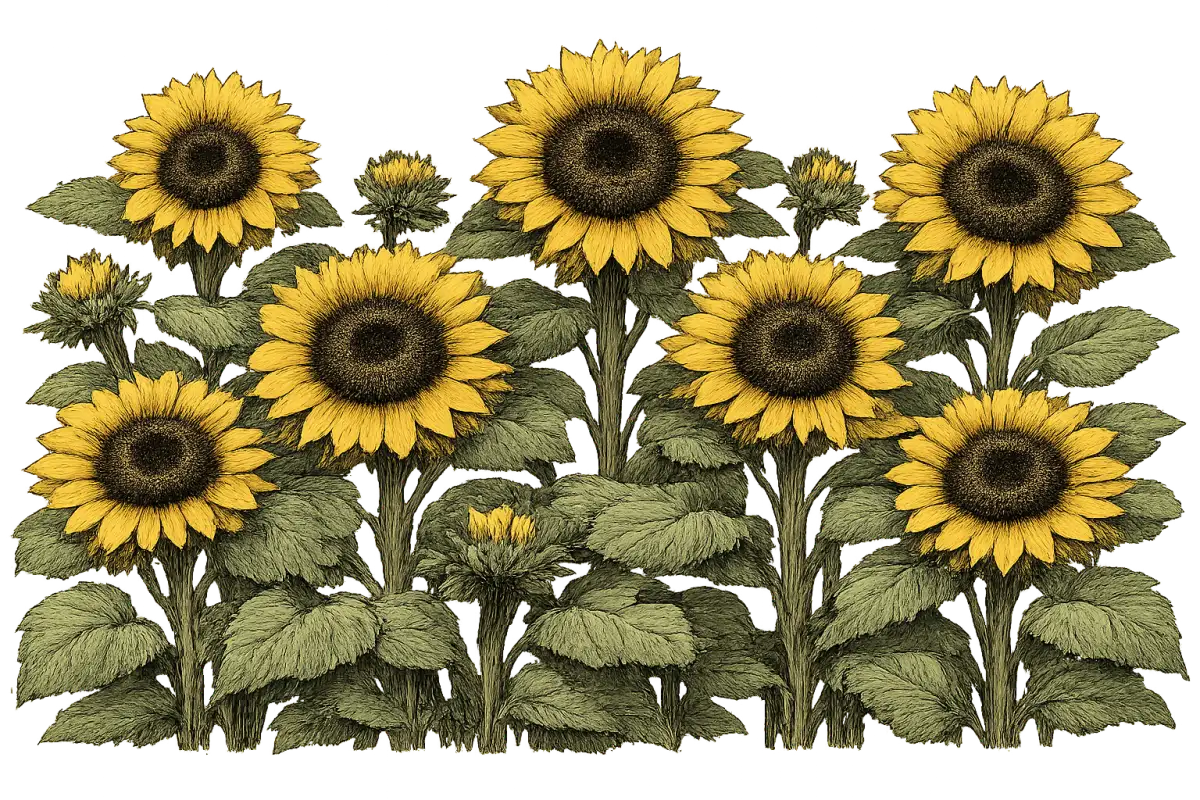
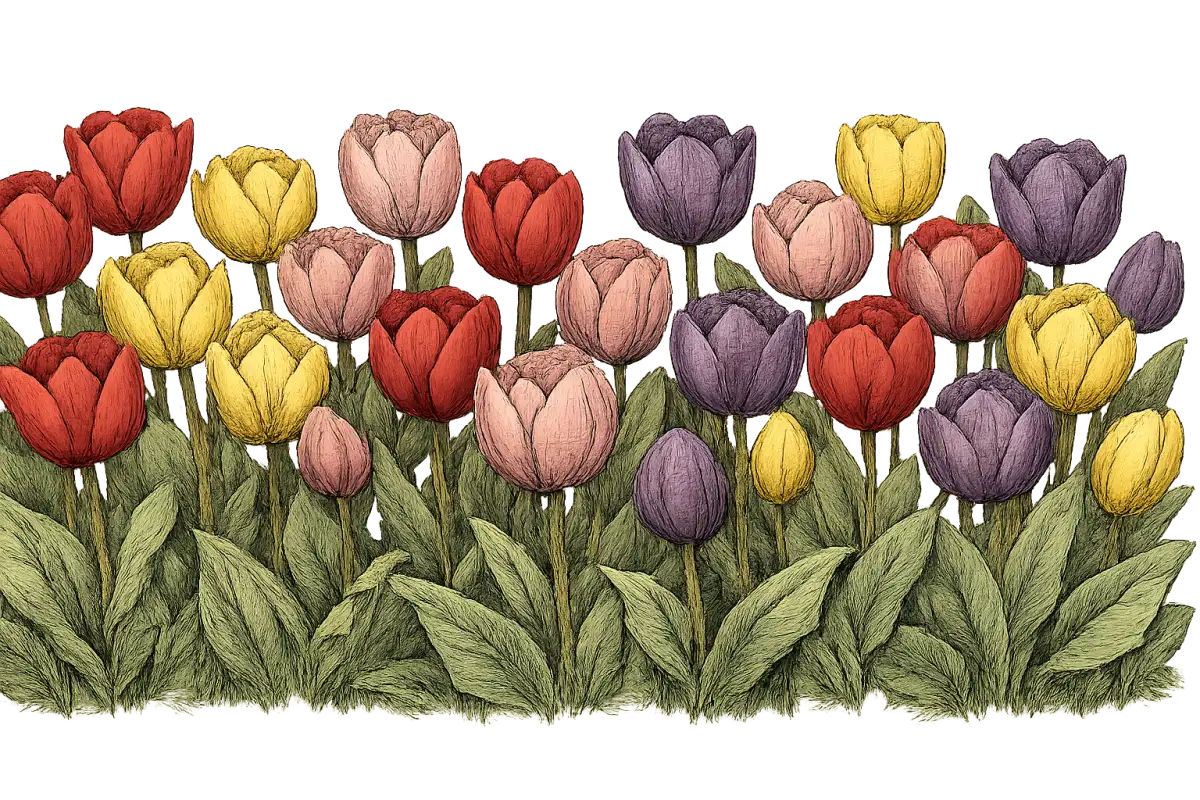
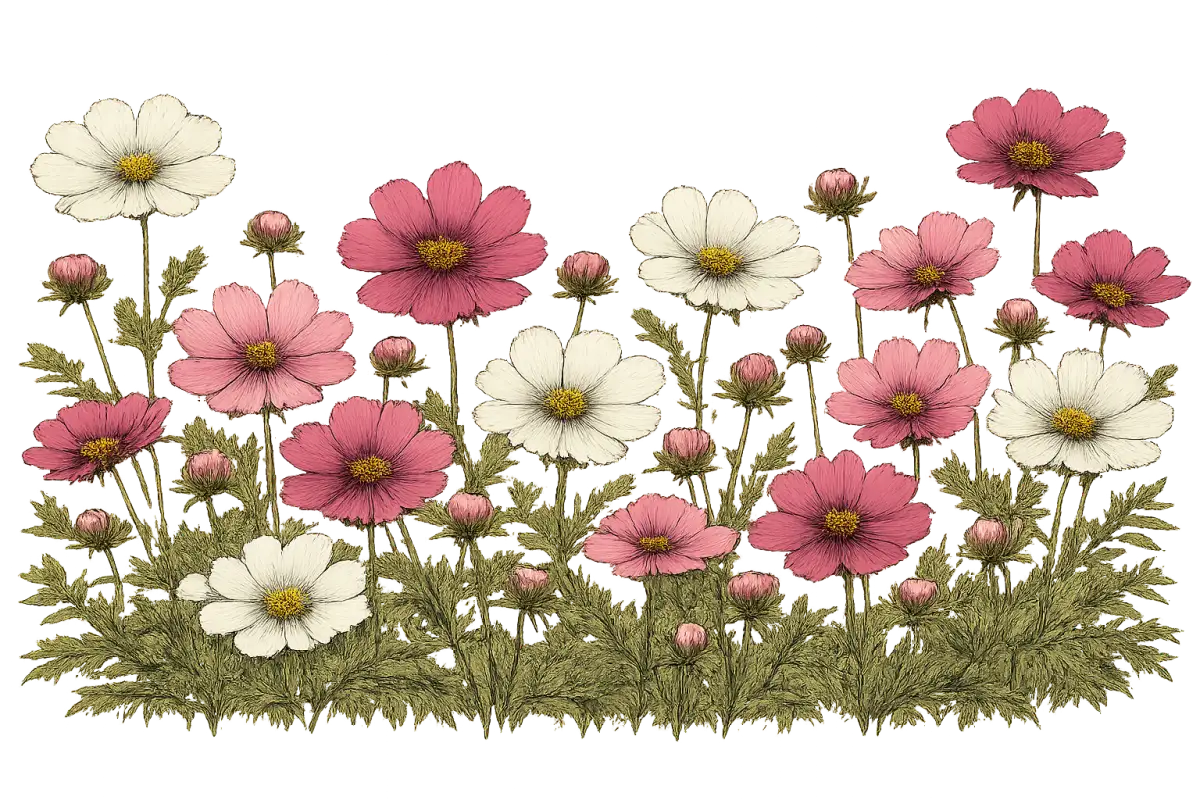
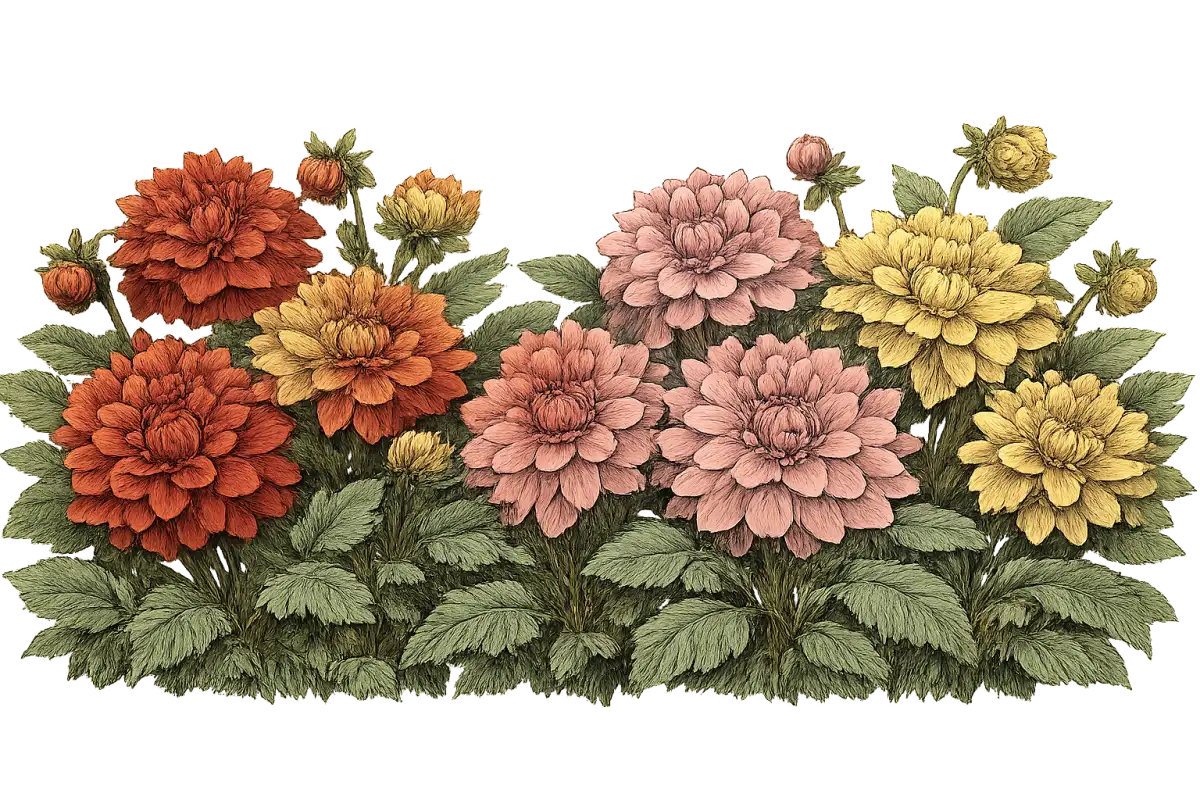
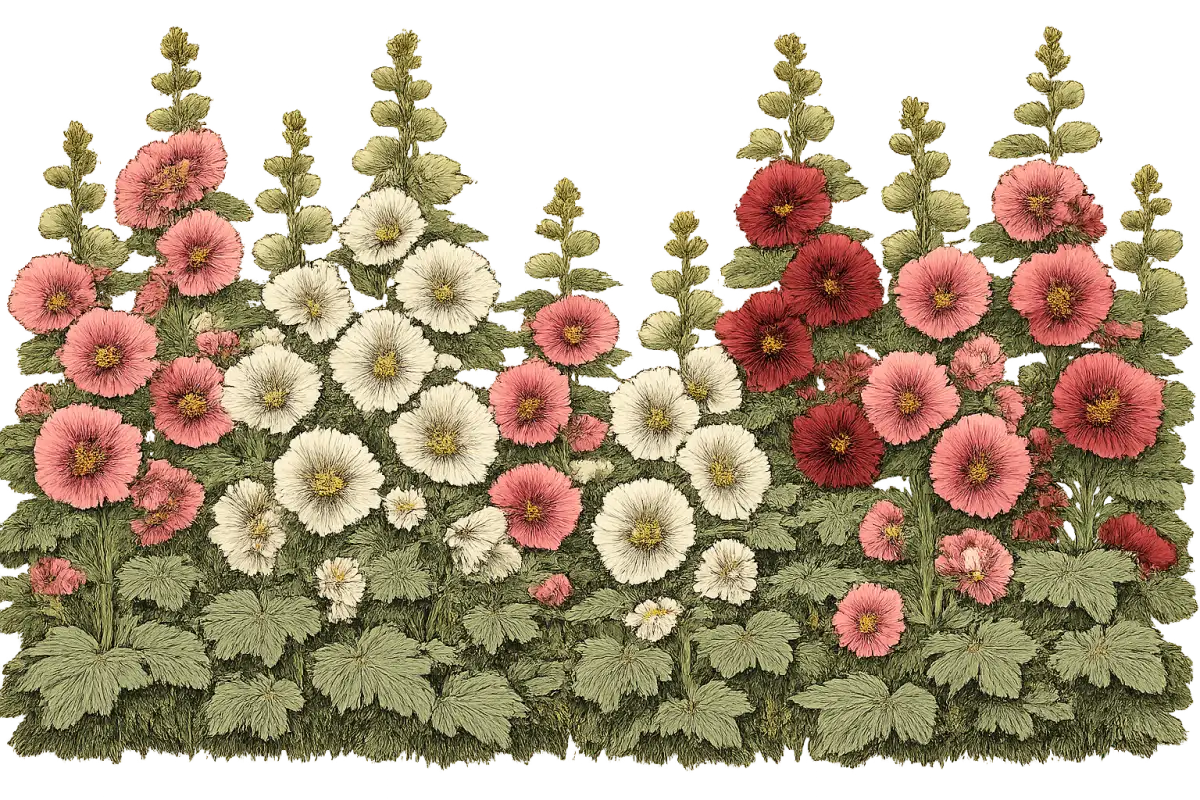
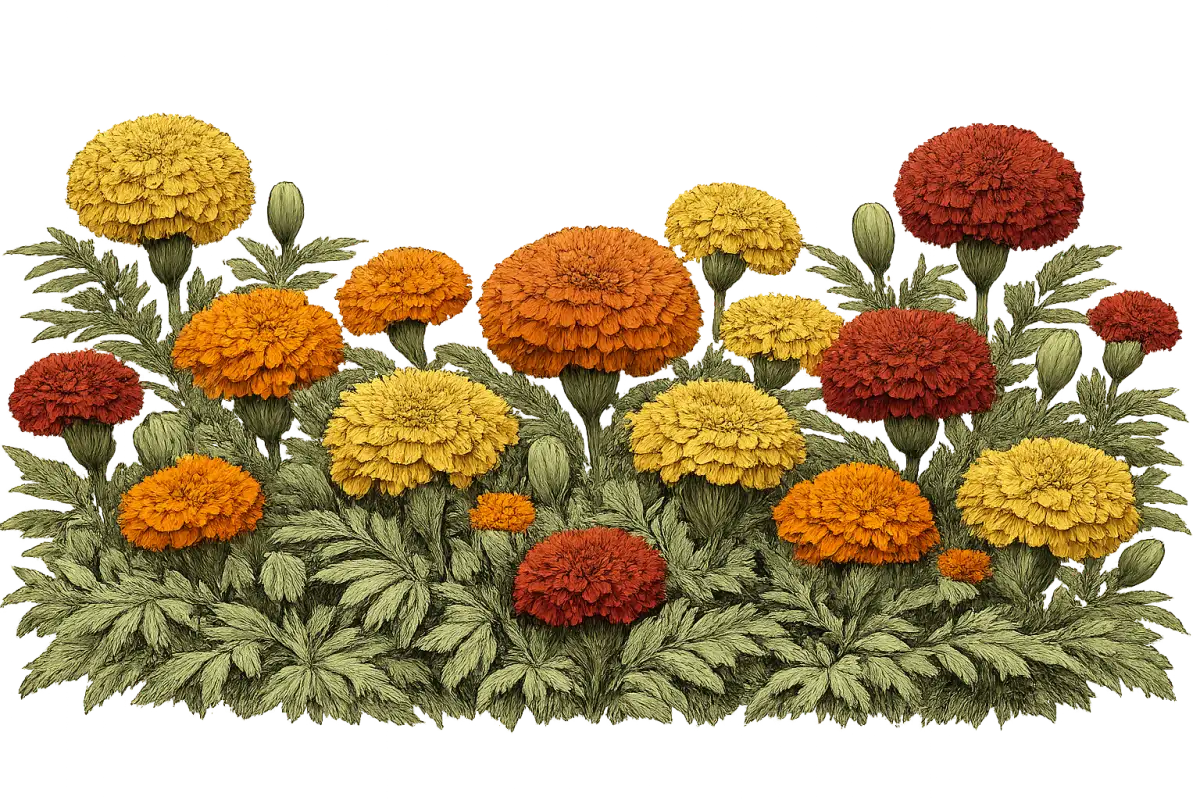
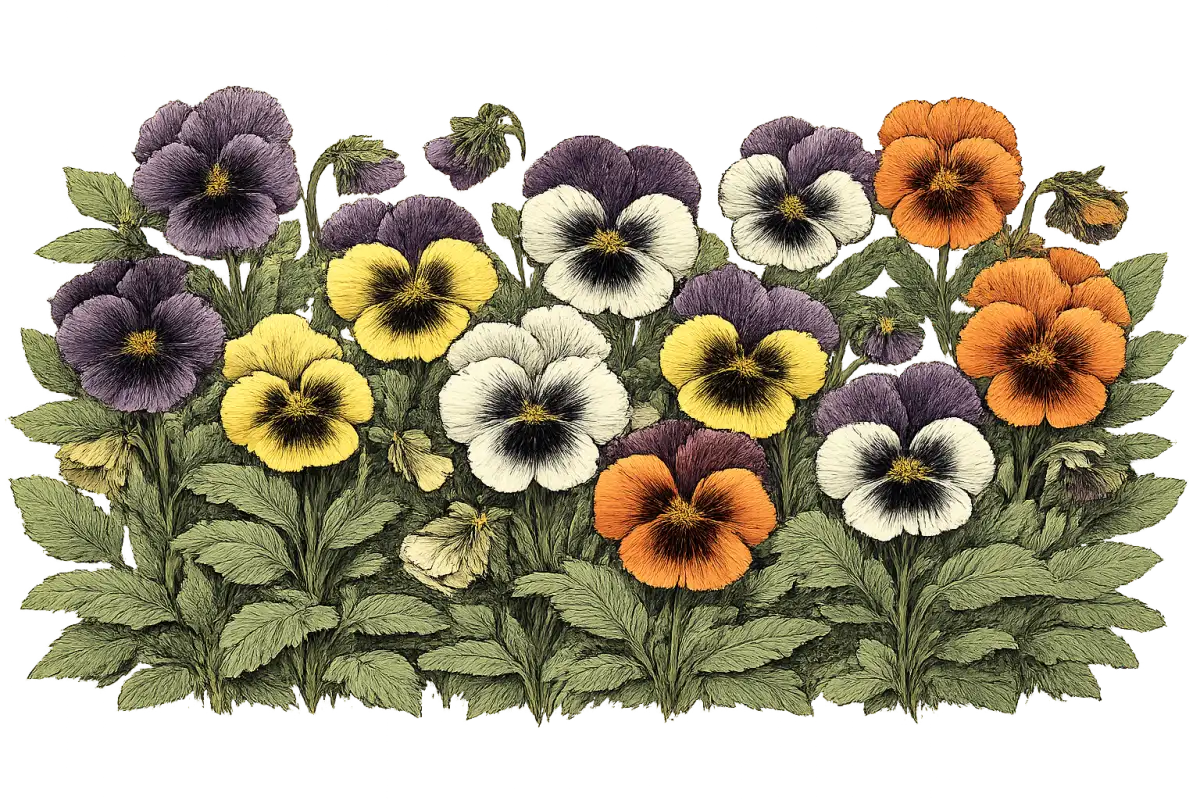
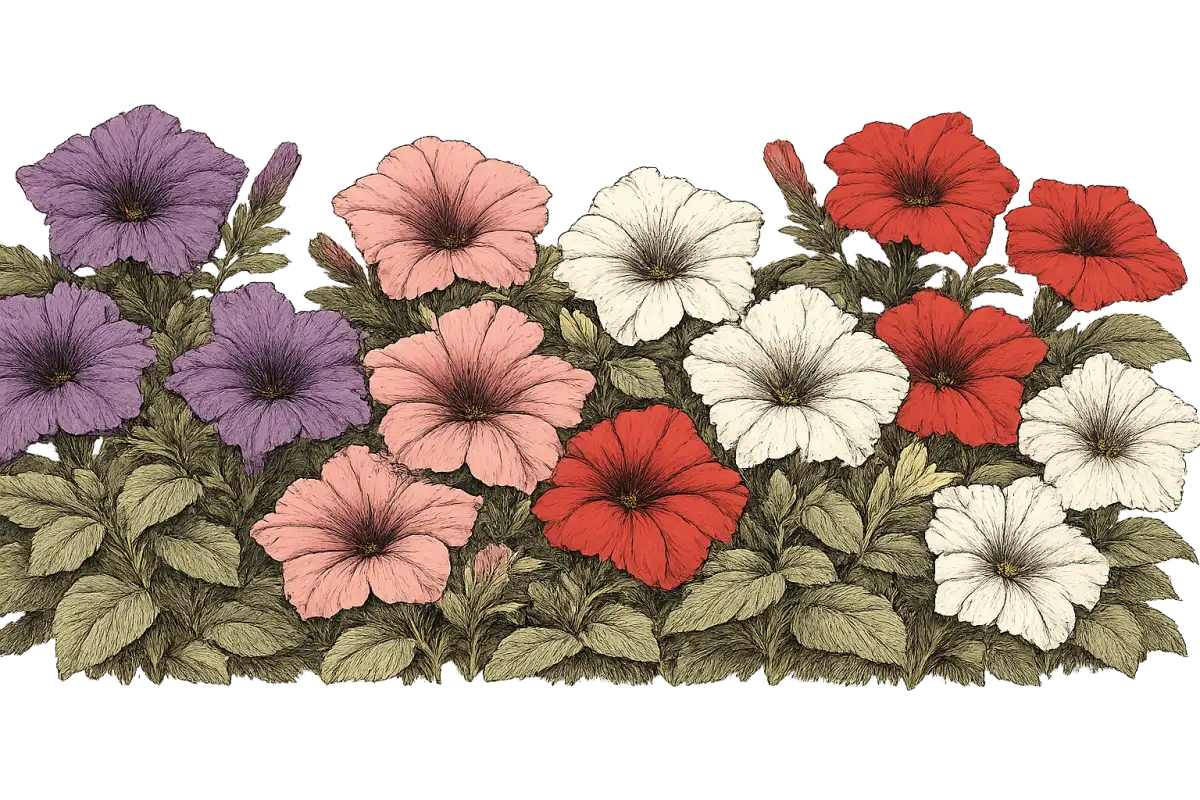
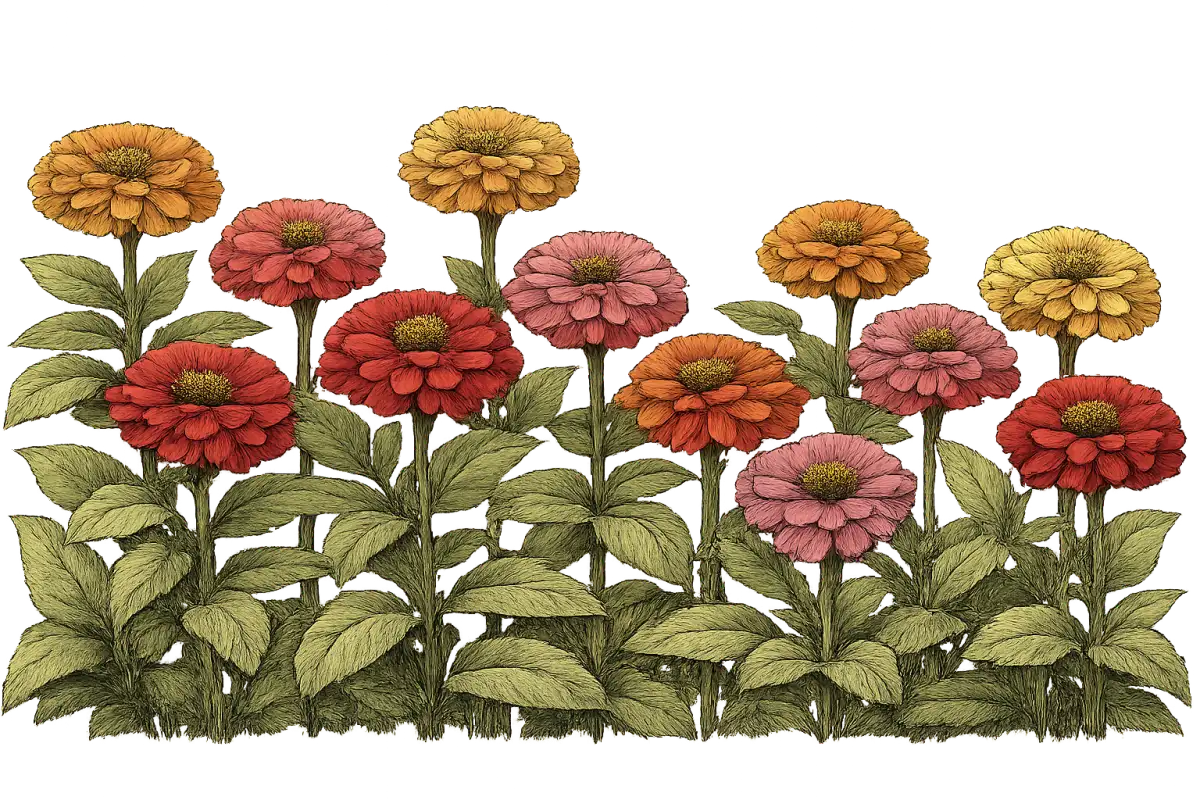
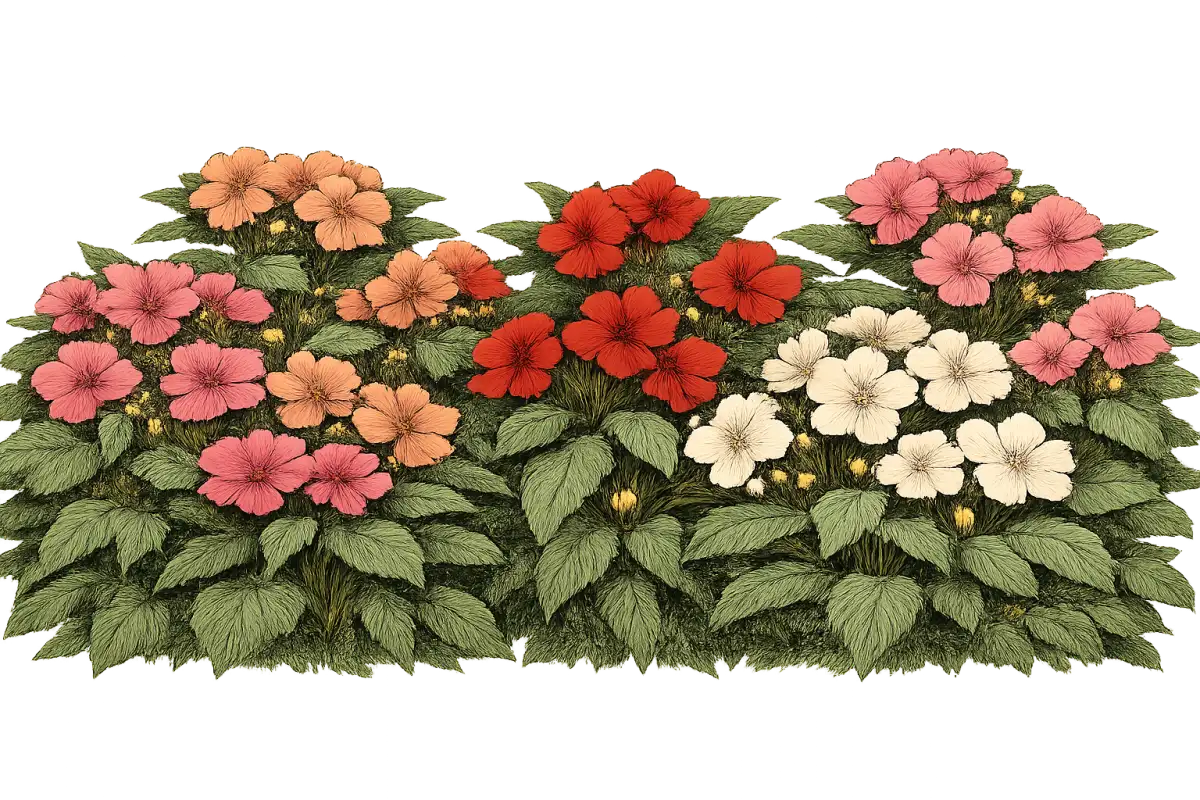
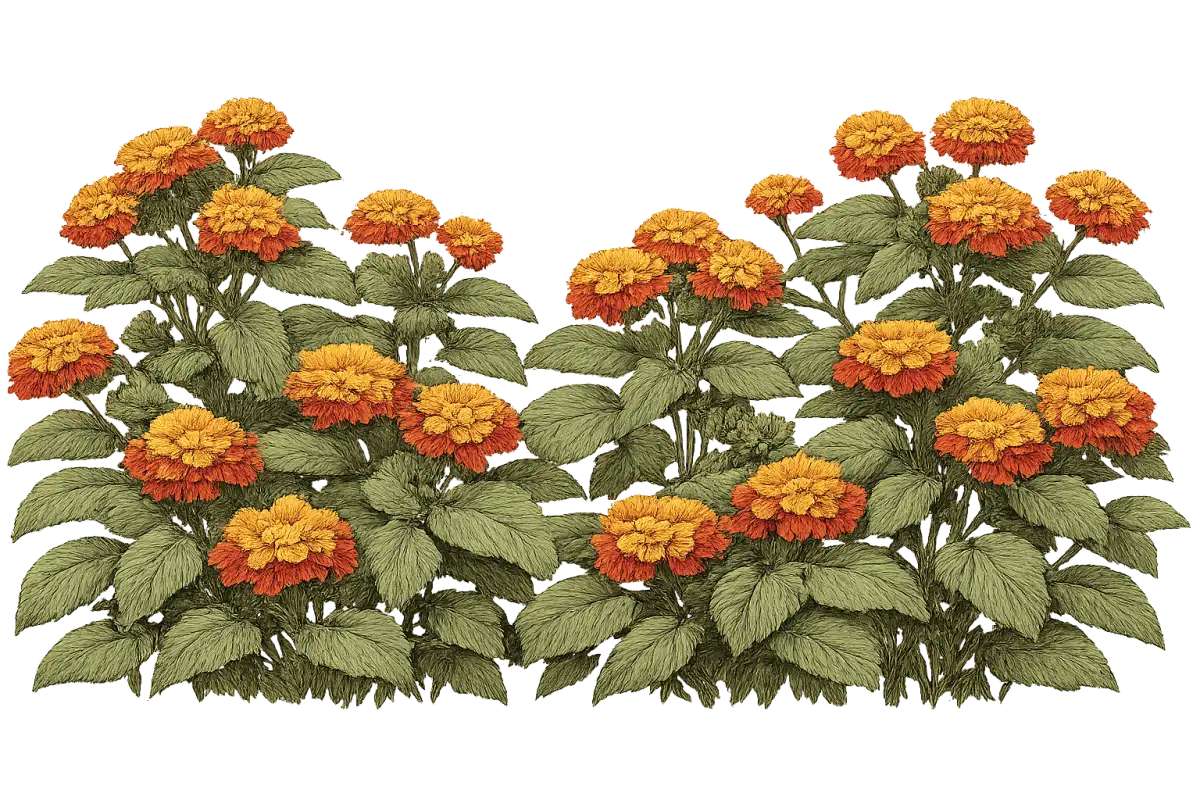
Nearly every cold-hardy annual and perennial works in Zone 5. Peonies, iris, daylilies, hostas, bleeding hearts, and classic cottage garden perennials are bulletproof. Spring bulbs (tulips, daffodils, crocus, alliums) are reliable and spectacular. The standard annual lineup (marigolds, petunias, zinnias, cosmos, sunflowers) performs without issue. Tender tropical plants need to come indoors for winter.




Worth trying (rating 3 — possible but challenging):
Best Shrubs for Zone 5
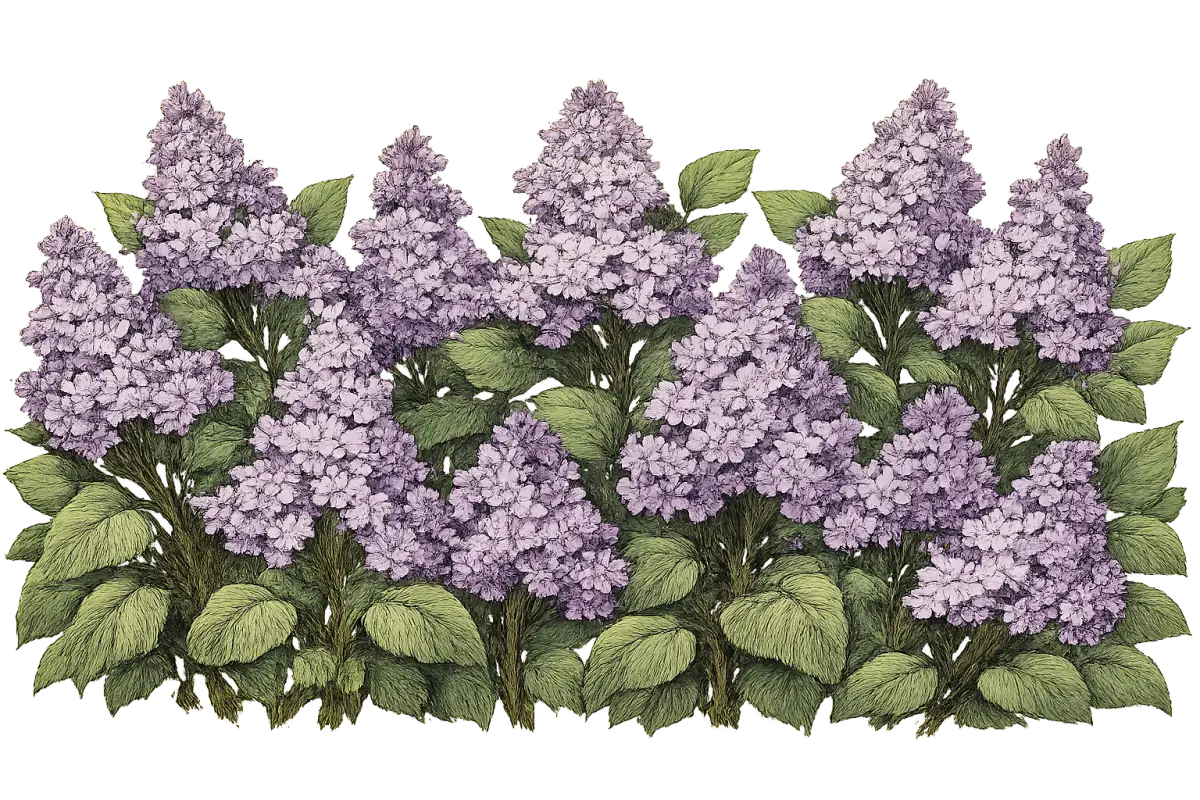
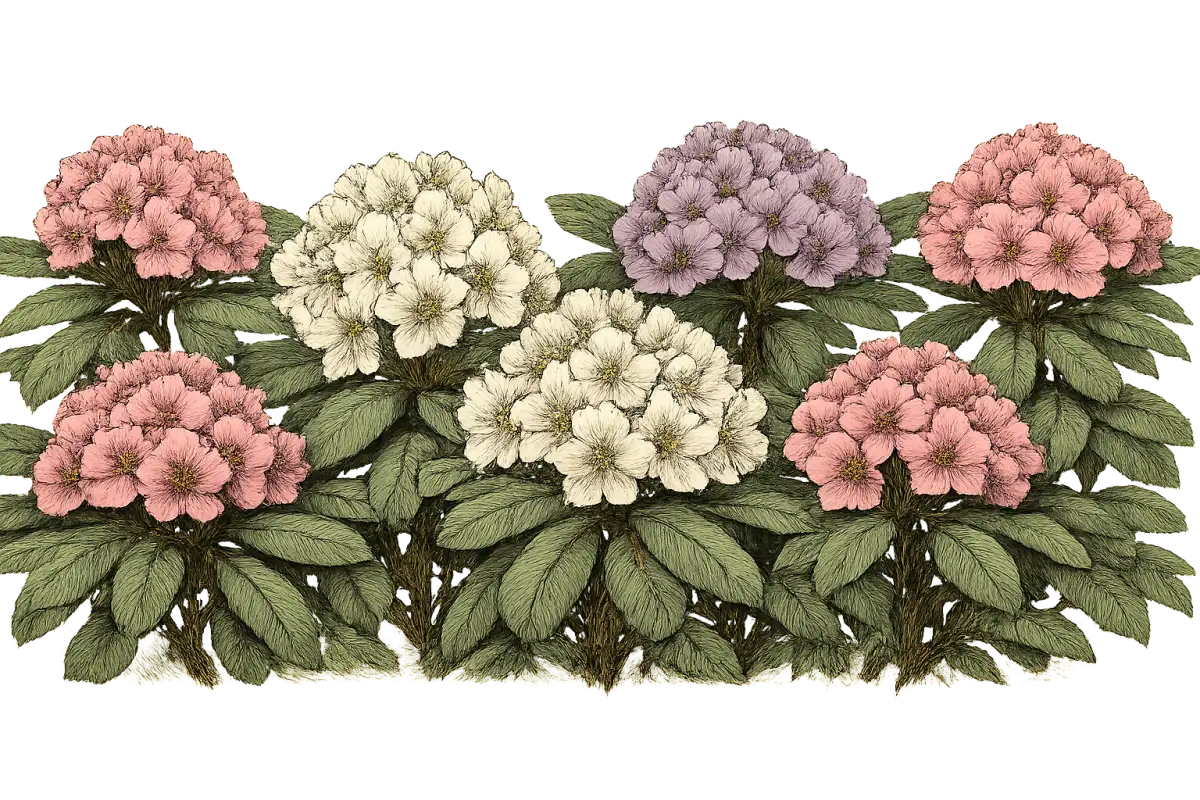
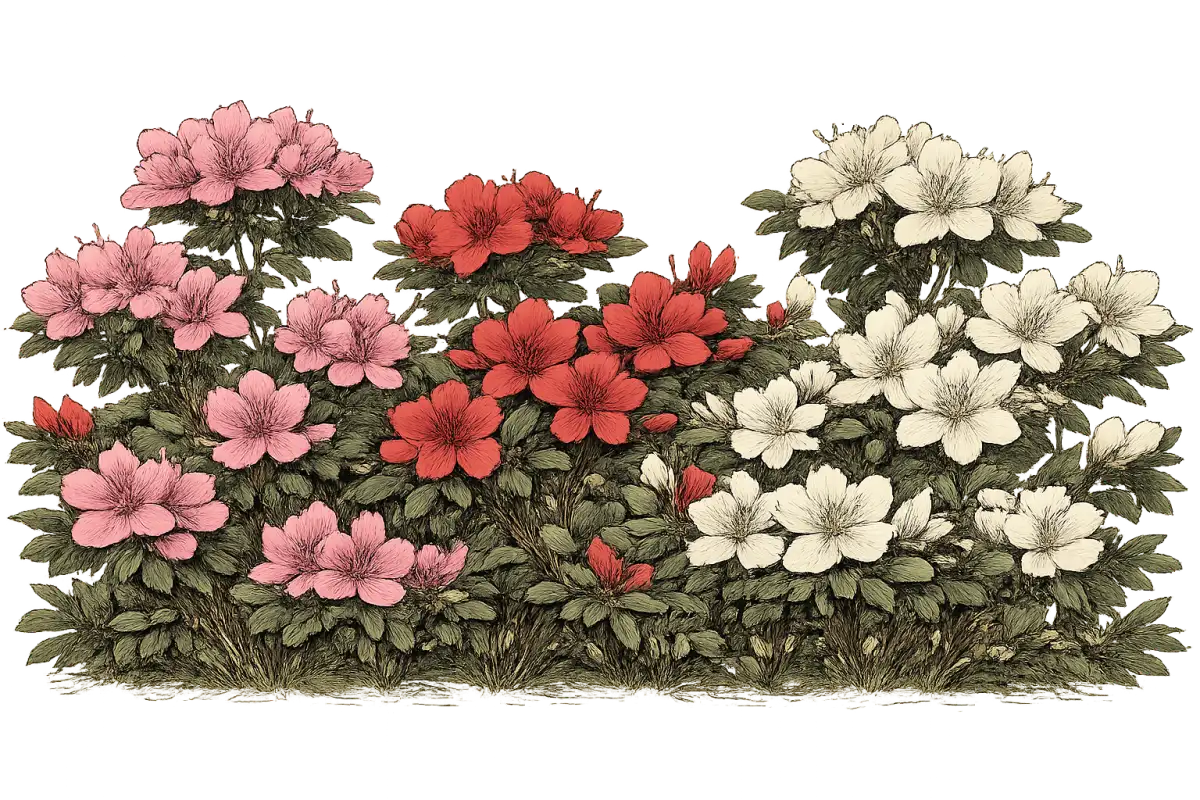
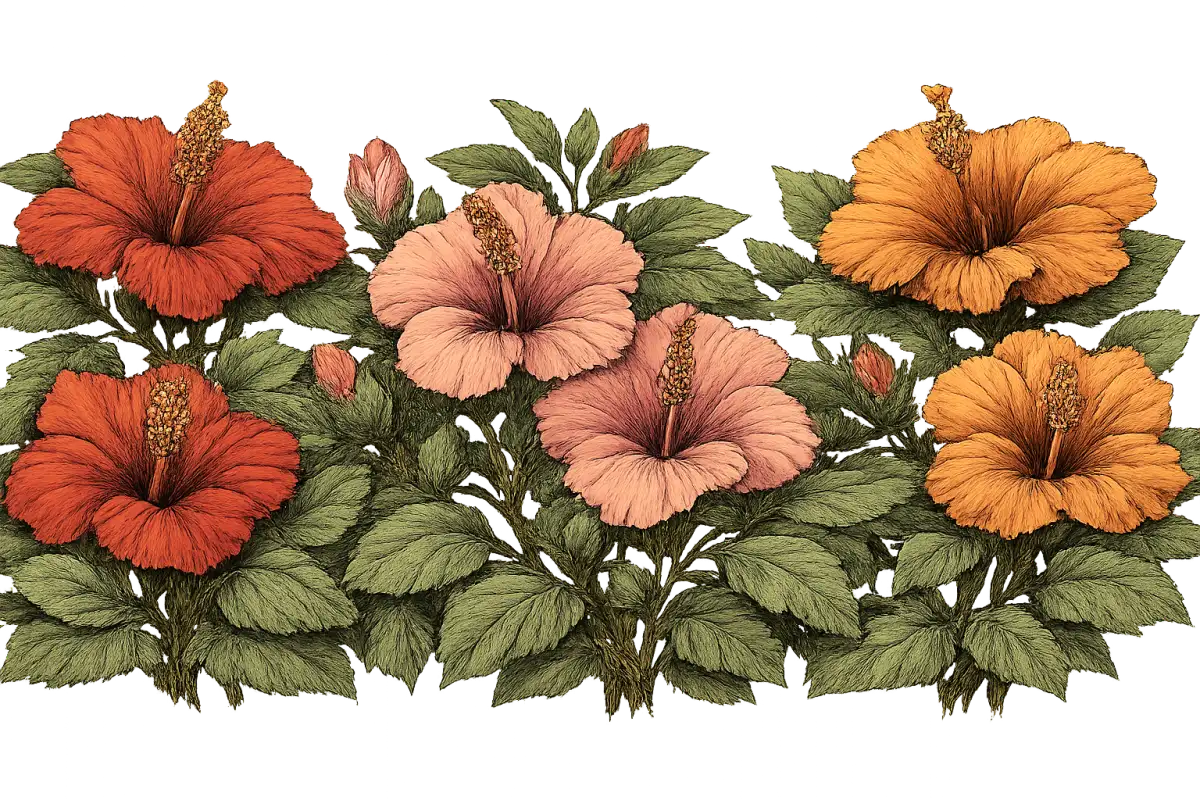
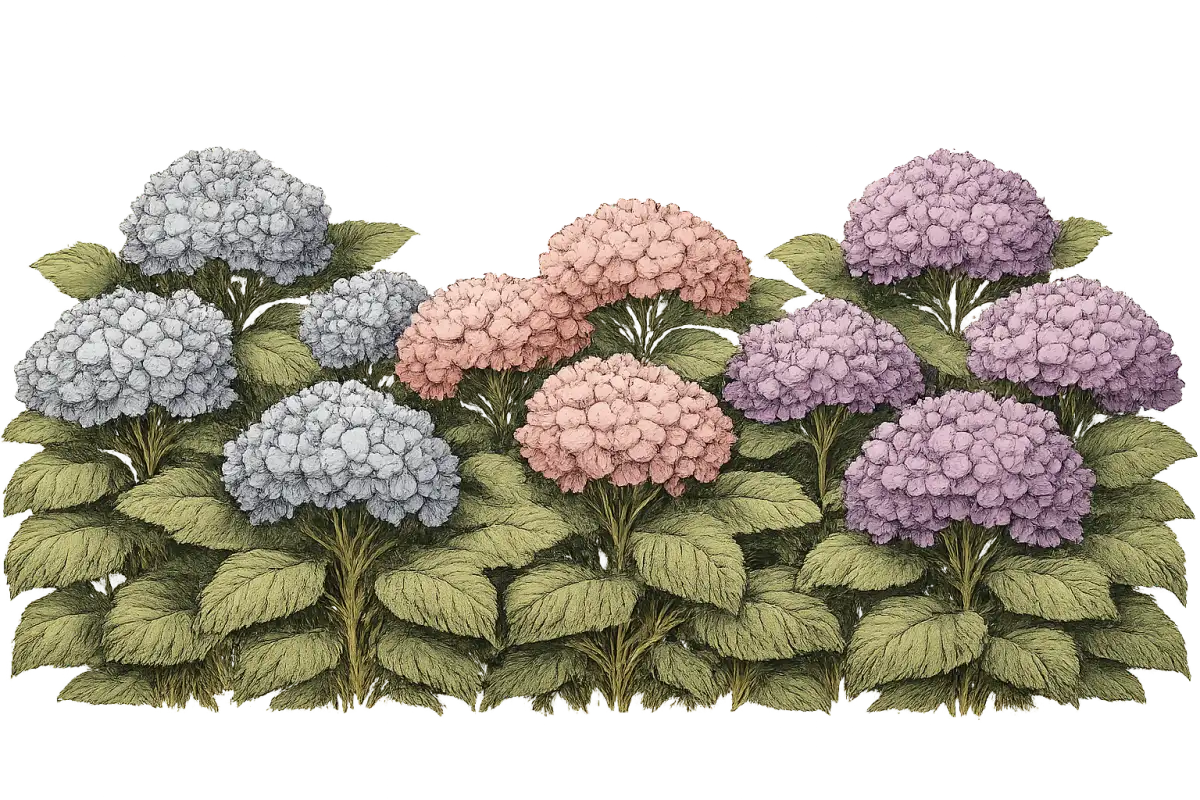
Most hardy shrubs work in Zone 5. Hydrangeas (all the common types — paniculata, arborescens, and most macrophylla varieties) are reliable. Lilacs bloom heavily. Roses work, including many hybrid teas that would struggle in colder zones. Butterfly bush, viburnum, forsythia, and mock orange are all reliable. Rhododendrons and azaleas work in protected acidic sites.


Worth trying (rating 3 — possible but challenging):
Best Perennials for Zone 5
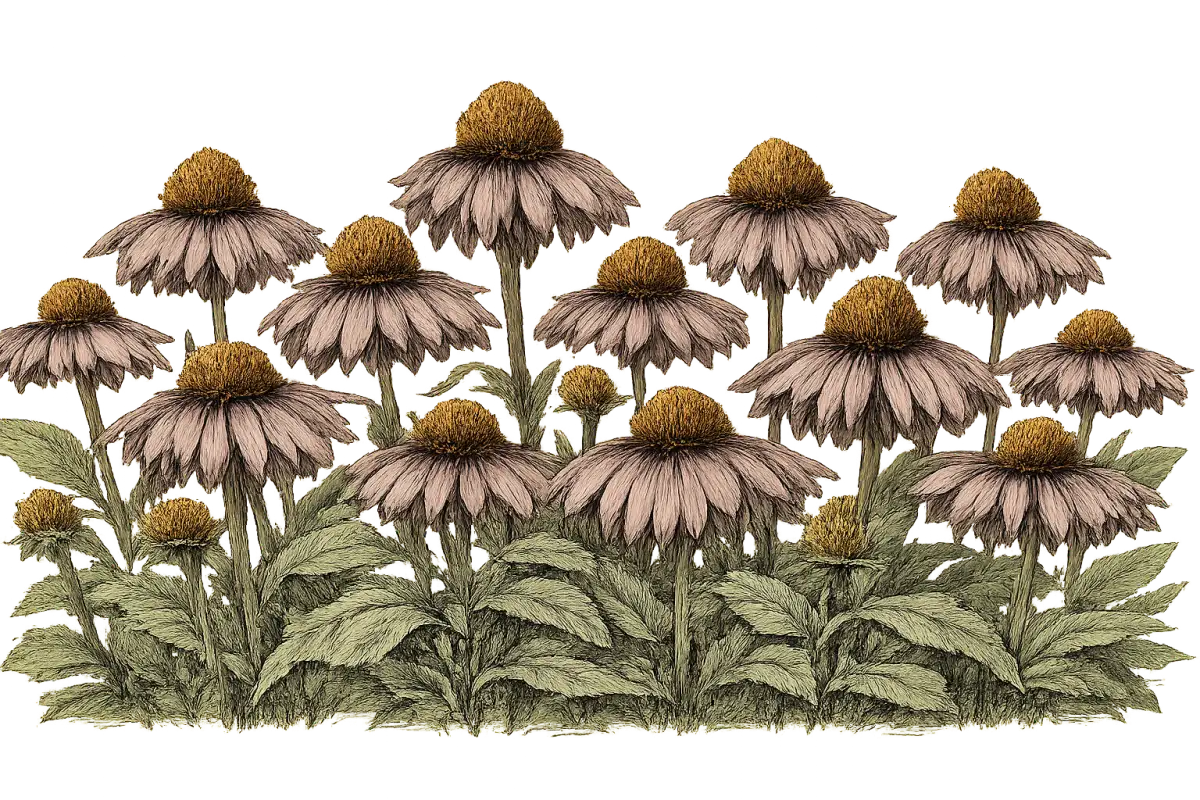
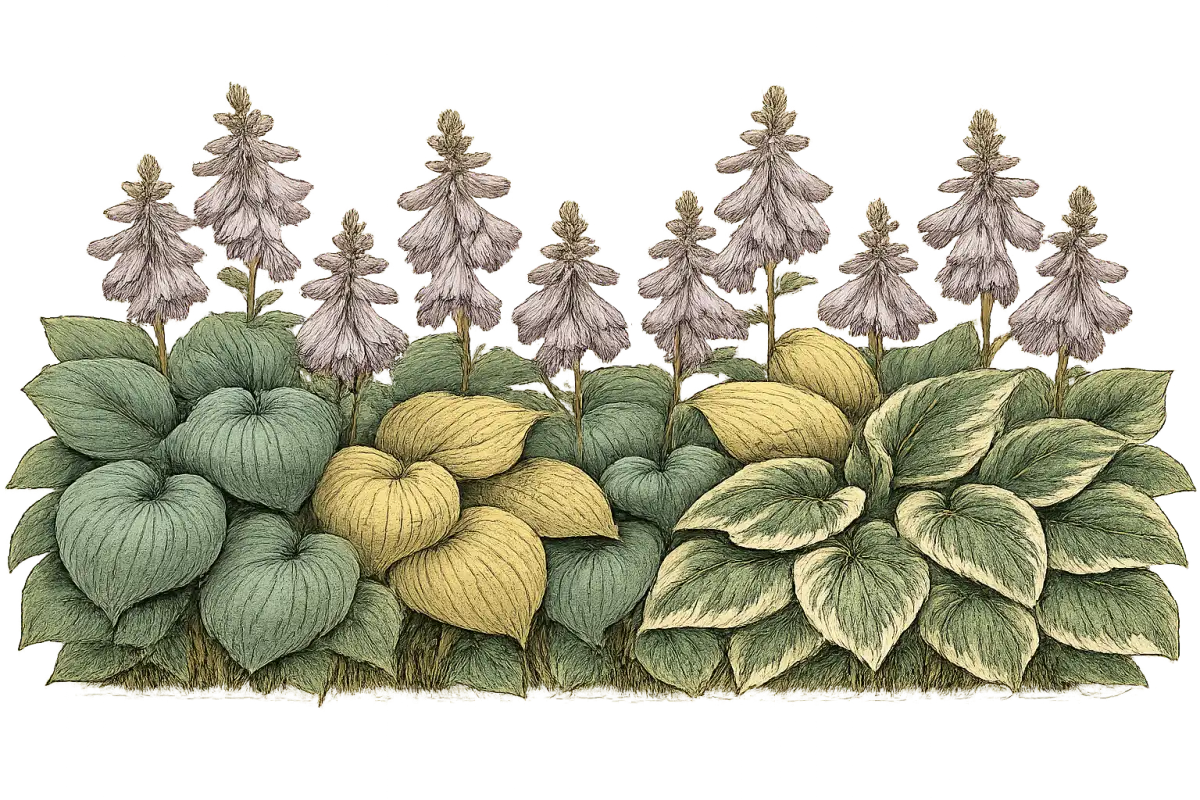
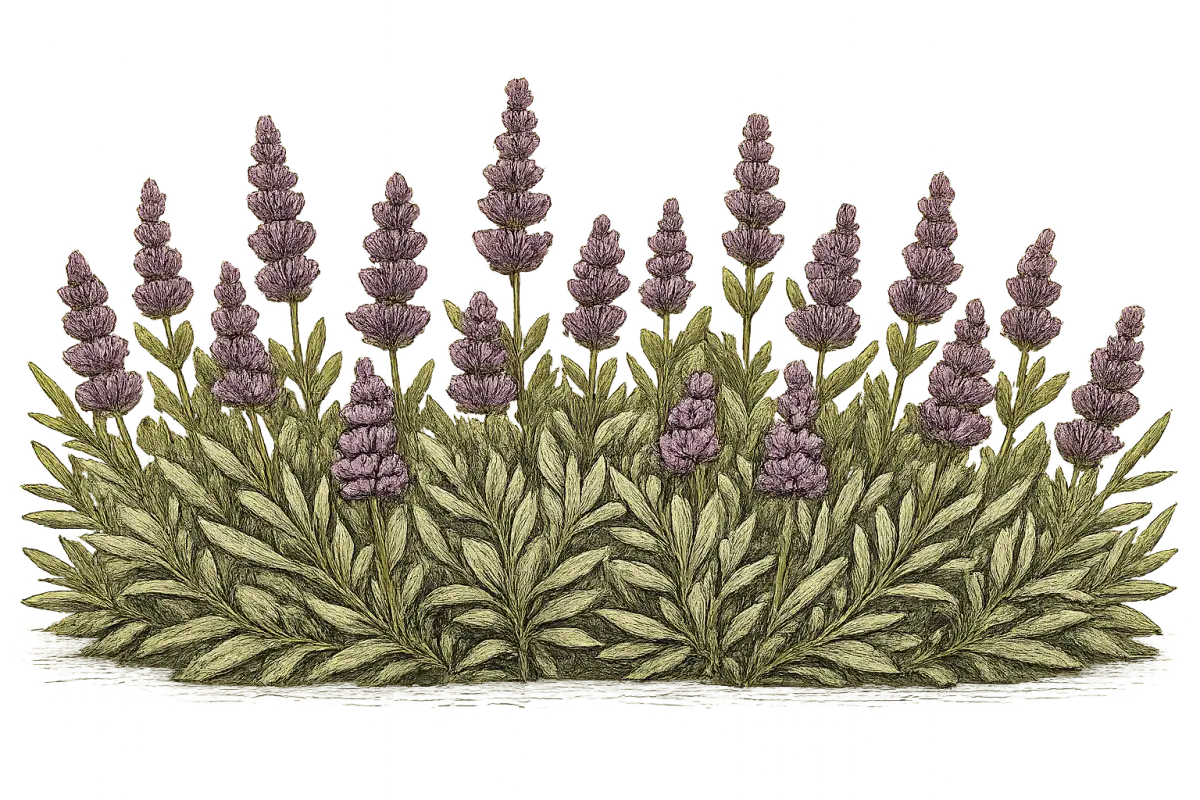
Zone 5 is prime perennial territory. Peonies and hostas are essentially bulletproof. Lavender works in well-drained sites. Russian sage, coneflowers, black-eyed Susans, and most traditional cottage garden perennials thrive. Ornamental grasses do well. Many marginally hardy perennials (some salvias, gauras, certain heucheras) work in 5b but are unreliable in 5a.

Best Vines for Zone 5
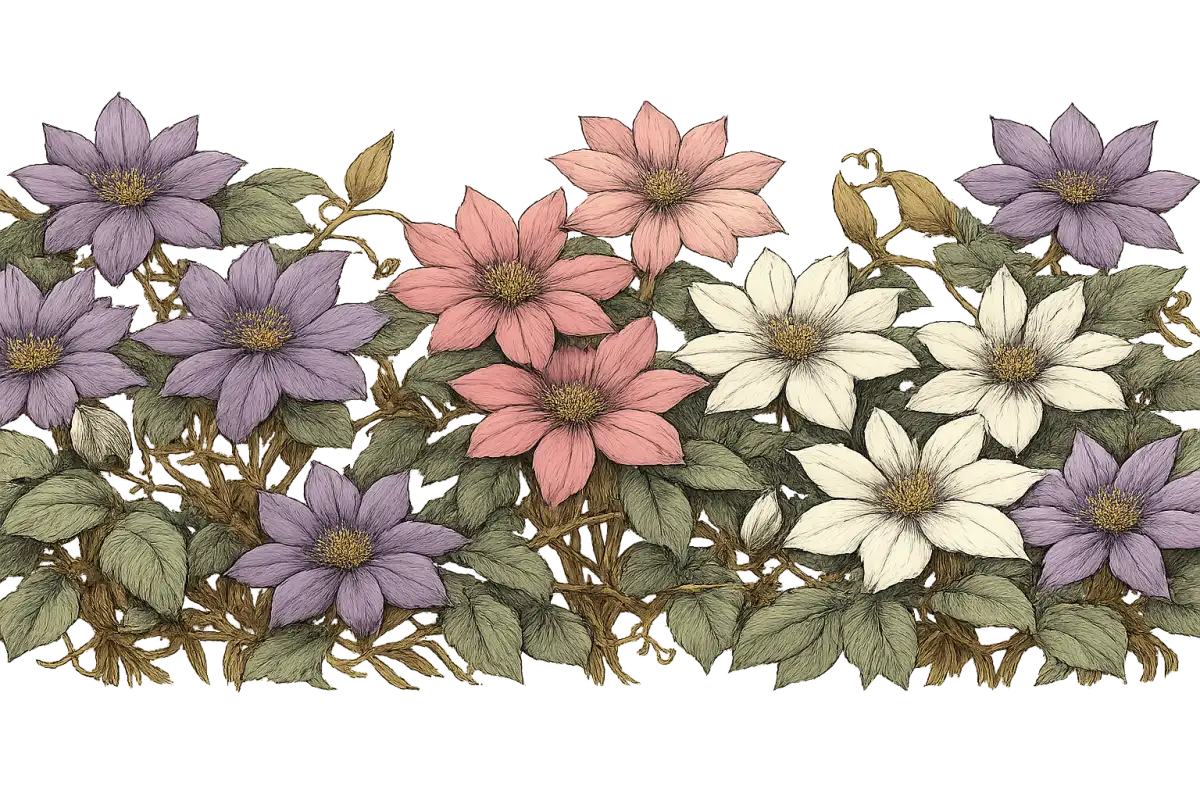
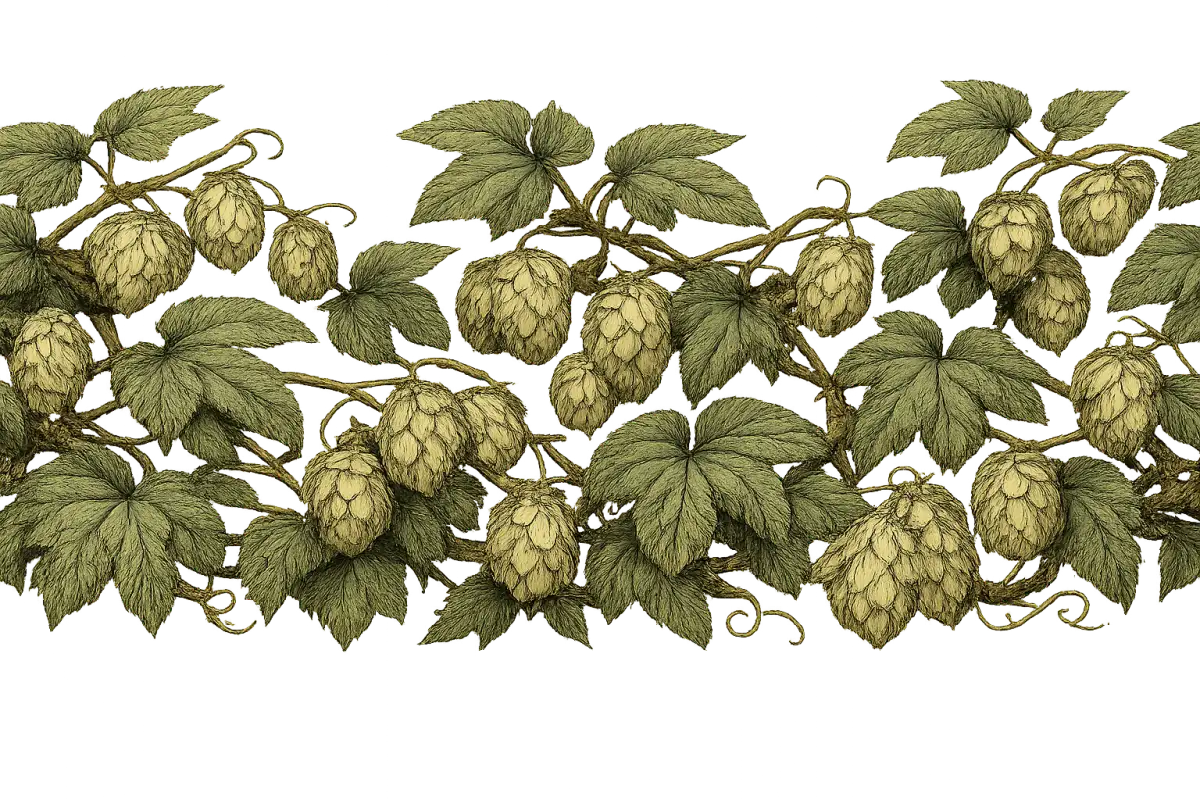
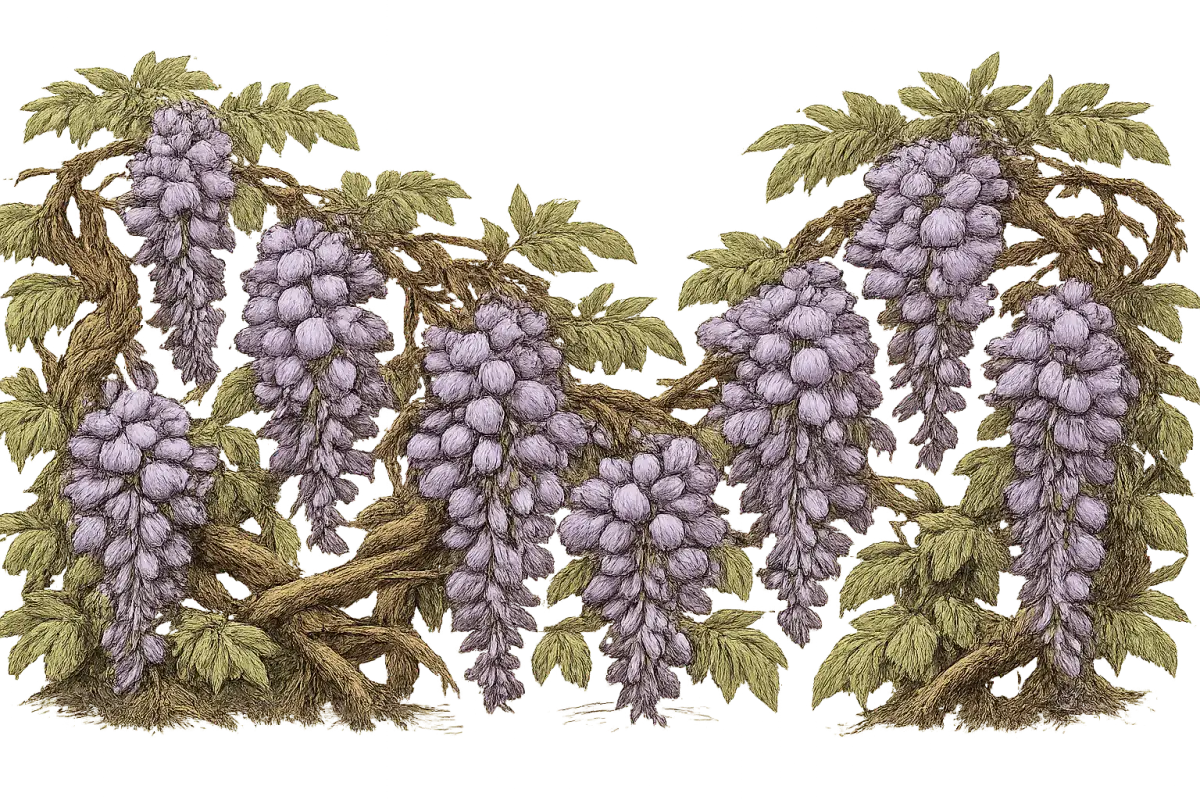
Hardy clematis varieties thrive in Zone 5. Climbing hydrangea is reliable. Wisteria can flower here, though American varieties are more reliable than Asian ones in 5a. Grapes work well. Hops grows vigorously. Honeysuckle, trumpet vine, and Virginia creeper are all productive.

Best Trees for Zone 5
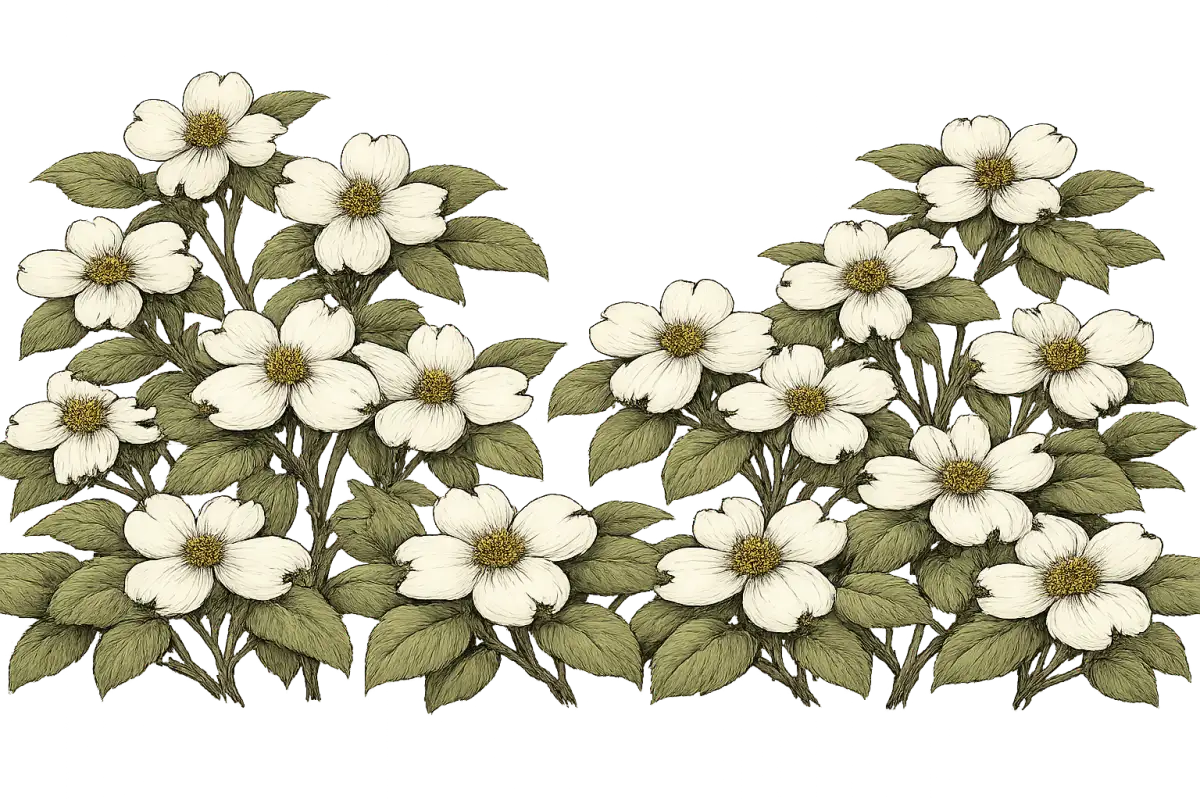
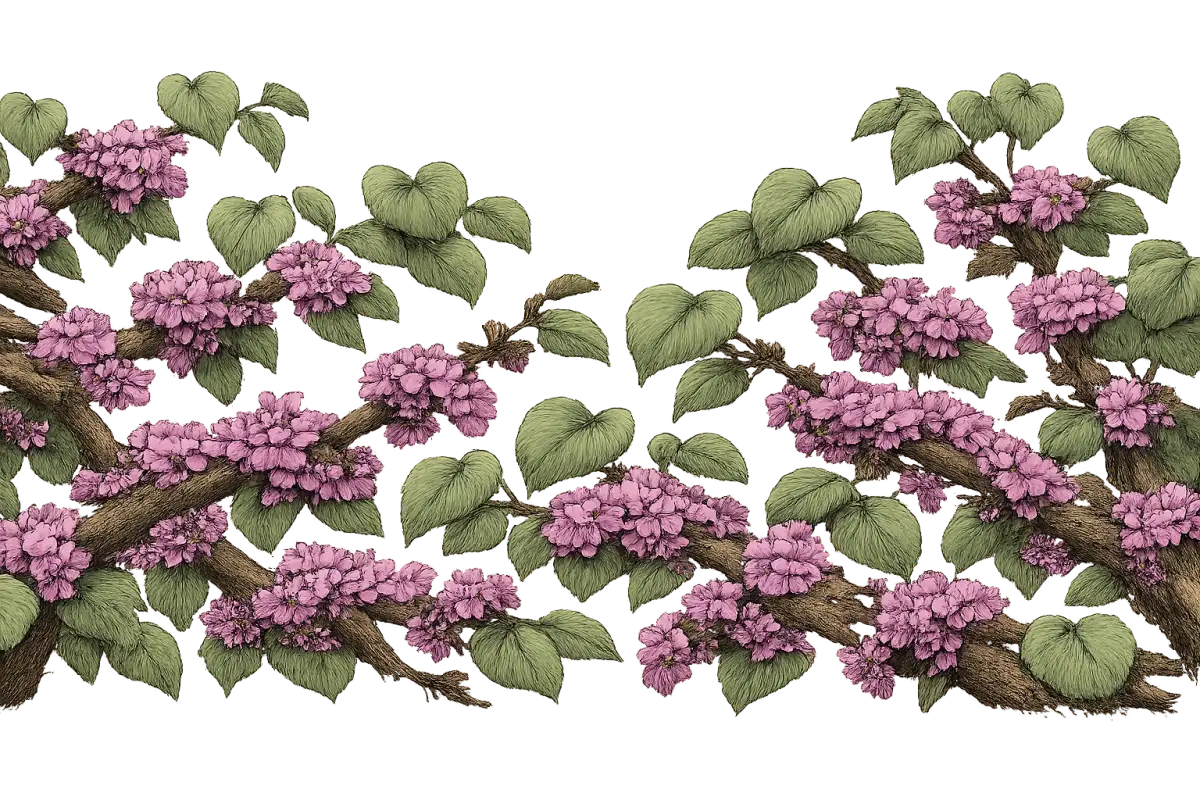
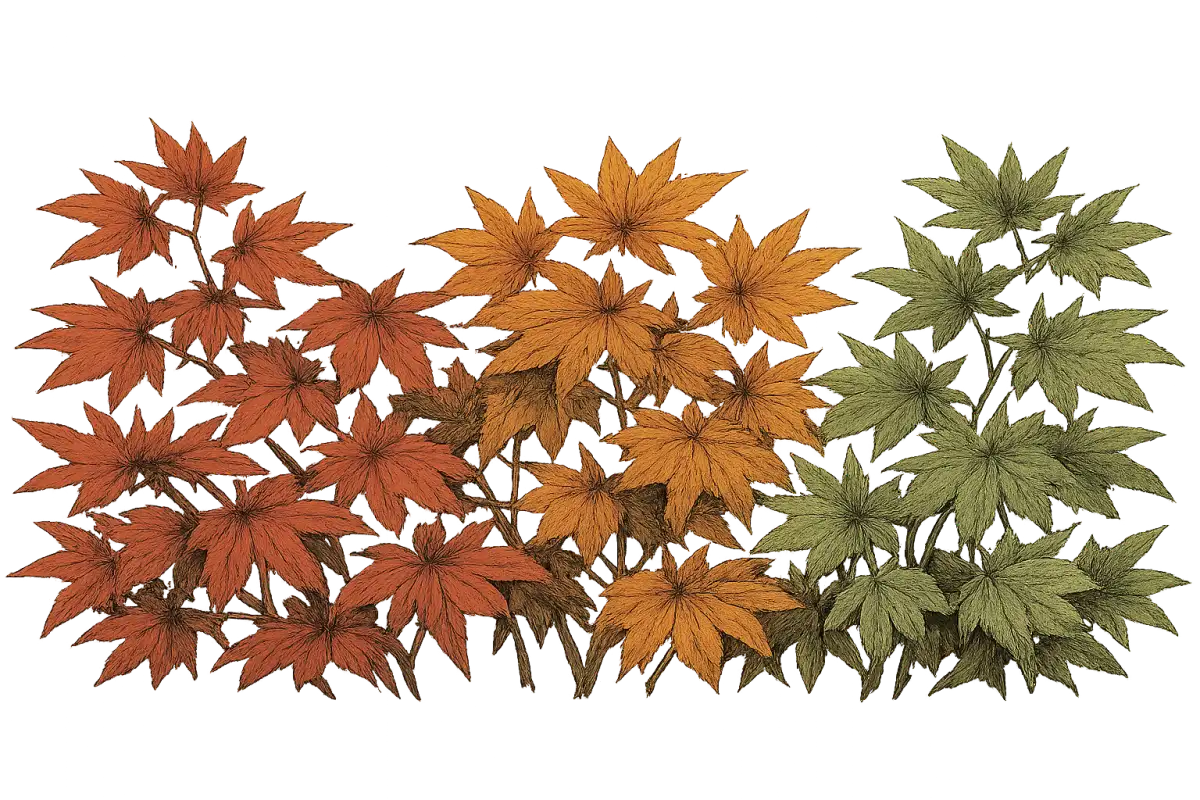
Traditional ornamental and shade trees thrive in Zone 5. Maples (sugar, red, Japanese in 5b), oaks, birches, beeches, and most flowering trees (dogwood, magnolia in 5b, flowering crabapple, serviceberry) all work. Japanese maples are reliable in 5b with some protection, marginal in 5a. Fruit trees do well across the board.
Worth trying (rating 3 — possible but challenging):
Season Tips for Zone 5
Start warm-season crops indoors 6-8 weeks before your last frost. Zone 5's growing season is long enough that you can get away with shorter indoor starts than Zone 3 or 4, but an early start still gives you a better harvest.
Use your full season. Direct-sow cool-season crops (peas, spinach, lettuce, radishes) in April for spring harvest, then replant in August for fall harvest. Many Zone 5 gardeners get two crops of cool-season vegetables per year by timing around summer heat.
Microclimates in Zone 5
In Zone 5, microclimates are useful for pushing the boundaries of what's possible. A warm microclimate (south-facing wall, protected courtyard) can let you grow Zone 6 plants reliably. Cold microclimates (low spots with cold air drainage) can effectively be Zone 4 — which matters for frost timing but also affects perennial survival. For high-value marginal plants like figs, peaches, or certain Japanese maples, choose the site first, then the plant.
Common Mistakes Zone 5 Gardeners Make
1. Assuming 'Zone 5' means the same thing across the country
Humid Zone 5 (upper Midwest, Northeast) and dry Zone 5 (Mountain West) are very different gardening climates. Disease pressure, watering needs, and soil amendments differ dramatically even though the cold rating is identical.
2. Skipping soil prep for blueberries
Blueberries need acidic soil (pH 4.5-5.5) to thrive. Zone 5 soils are often too alkaline. Without proper soil amendment, blueberries will survive but underperform for years before dying.
3. Planting stone fruit trees in exposed sites
Peaches, apricots, and sweet cherries lose flower buds to late-spring frosts. Plant them on the north side of a building (delays blooming) or in a protected site away from frost pockets.
4. Ignoring soil drainage for Mediterranean perennials
Lavender, rosemary, and Russian sage can survive Zone 5 winters in well-drained soil but rot in heavy clay. The issue isn't cold — it's wet feet during freeze-thaw cycles. Amend the soil or choose a different plant.
Zone 5 FAQ
Can I grow peaches in Zone 5?
Yes, in the right site. Hardy varieties like 'Reliance', 'Contender', and 'Madison' can survive Zone 5 winters, especially in 5b. Plant on the north side of a building to delay bloom (protecting flowers from late frost), or in a protected site with good air drainage. 5a peaches are possible but less reliable.
Do I need to protect roses for winter in Zone 5?
Depends on the type. Hybrid teas and grandifloras generally need some protection (hilling up with mulch over the base). Shrub roses, Knock Out roses, and Canadian-bred roses typically don't need protection. Check the variety's rating before buying.
When is the last frost in Zone 5?
Average last frost is typically mid-April to mid-May depending on where in Zone 5 you are. The Mountain West tends to have later last frosts than the humid east at the same zone. Check your local extension office for your specific area's average and keep row covers handy for 2-3 weeks past that date.
Can I grow figs in Zone 5?
Marginal. Cold-hardy varieties like 'Chicago Hardy' can survive in protected sites, often dying back to the ground in winter and regrowing from the roots. You'll get fruit in 5b with a long season, less reliably in 5a. Many Zone 5 fig growers keep them in pots that move to an unheated garage for winter.