 Where to Plant



Overview
Zone 6 is the gardening sweet spot for much of the United States. With 200 frost-free days and moderate winter lows (-10 to 0°F), this zone supports almost everything sold at the average garden center — and most plants don't even need special protection. If you're in Zone 6, the challenge shifts from 'will it survive?' to 'what do I want to grow?'
The variety available is enormous, and most standard gardening advice applies without modification. Zone 6 is where you can confidently try marginally hardy plants, grow warm-season crops to full maturity, and still get the winter chill that fruit trees and cold-requiring perennials need to thrive.
Where Zone 6 Is
Zone 6 covers the mid-Atlantic states (much of Pennsylvania, New Jersey, Delaware, Virginia, West Virginia), the central plains (Kansas, Missouri), much of the Ohio Valley, Tennessee and Kentucky uplands, and significant portions of the Pacific Northwest. It's one of the most populous zones in the country.
Climate & Challenges
Zone 6 winters are cold enough to provide reliable dormancy but not cold enough to threaten most garden plants. Average minimums of -10 to 0°F are normal. Spring arrives in March-April with a 200-day frost-free window that runs through late October in many areas. This is enough time to grow even slow-maturing warm-season crops like watermelons and long-season tomatoes.
Summers are warm and often humid in eastern Zone 6 (mid-Atlantic, Ohio Valley) with temperatures frequently in the 80s and 90s. Western Zone 6 (Pacific Northwest, interior mountain areas) tends to be drier with more moderate summer temperatures. Both profiles support excellent gardens but with different disease and pest pressures.
Main challenges: Zone 6's challenges are subtle. Summer heat in late July and August can stress cool-loving plants, and humid areas face significant fungal disease pressure. Overconfidence is another common issue — Zone 6 gardeners sometimes plant Zone 7 or warmer plants without taking basic microclimate considerations into account, then lose them in a cold winter.
Best Plants for Zone 6
Below you'll find the best plants for Zone 6organized by category. Each plant is rated on a 5-dot scale: 5 means it thrives here, 4 means it grows well, 3 means it's possible but challenging. Click any plant to see the full growing guide with zone-specific tips.
Best Vegetables for Zone 6
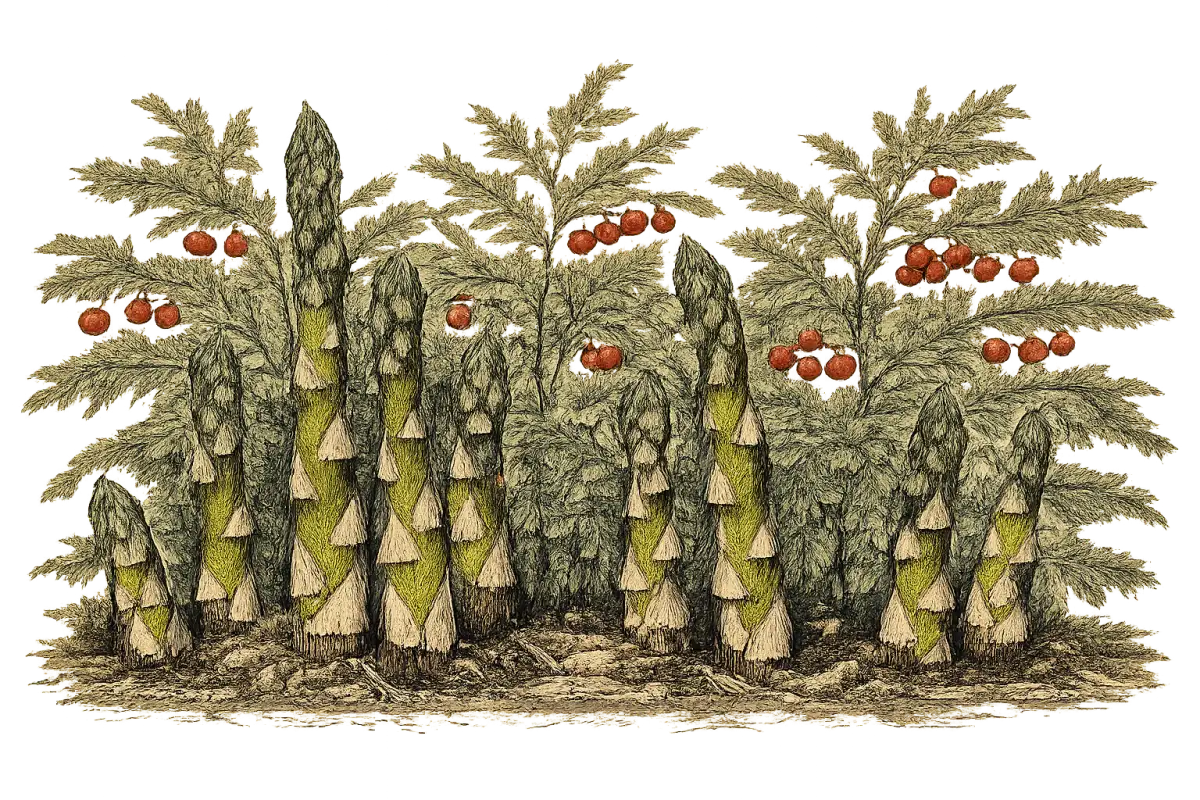
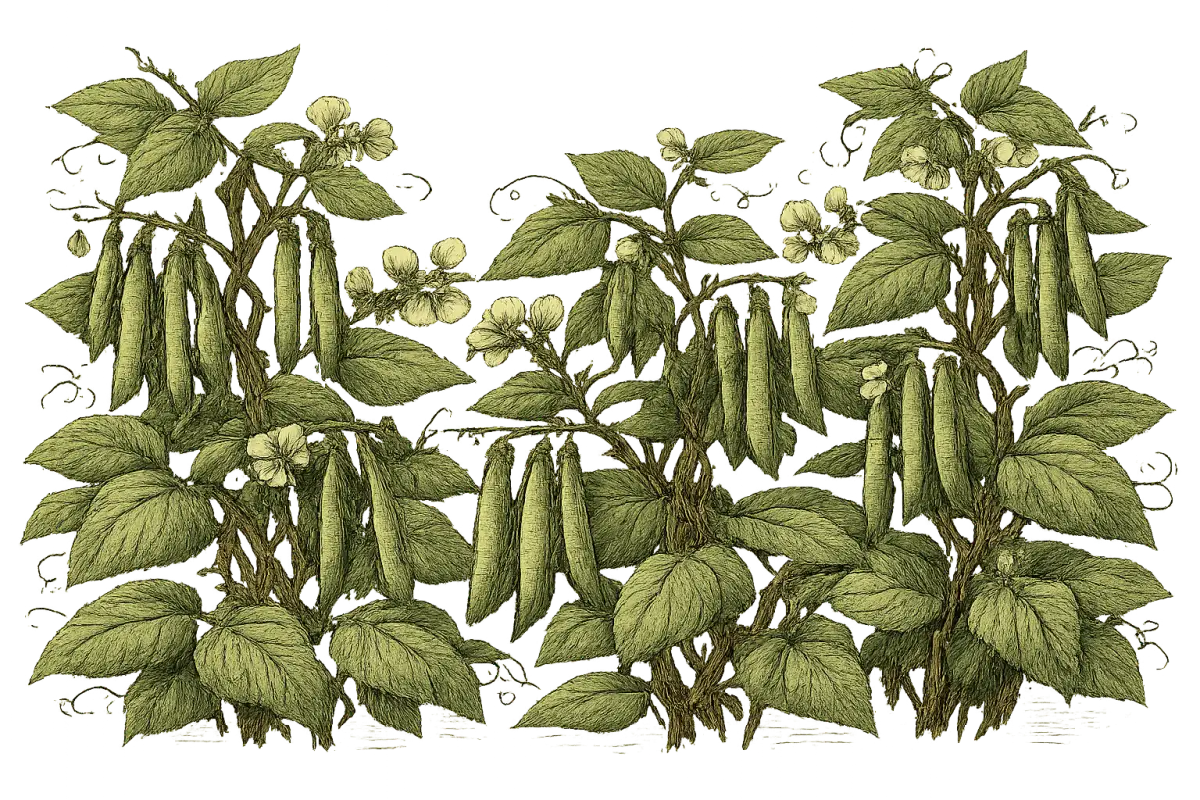
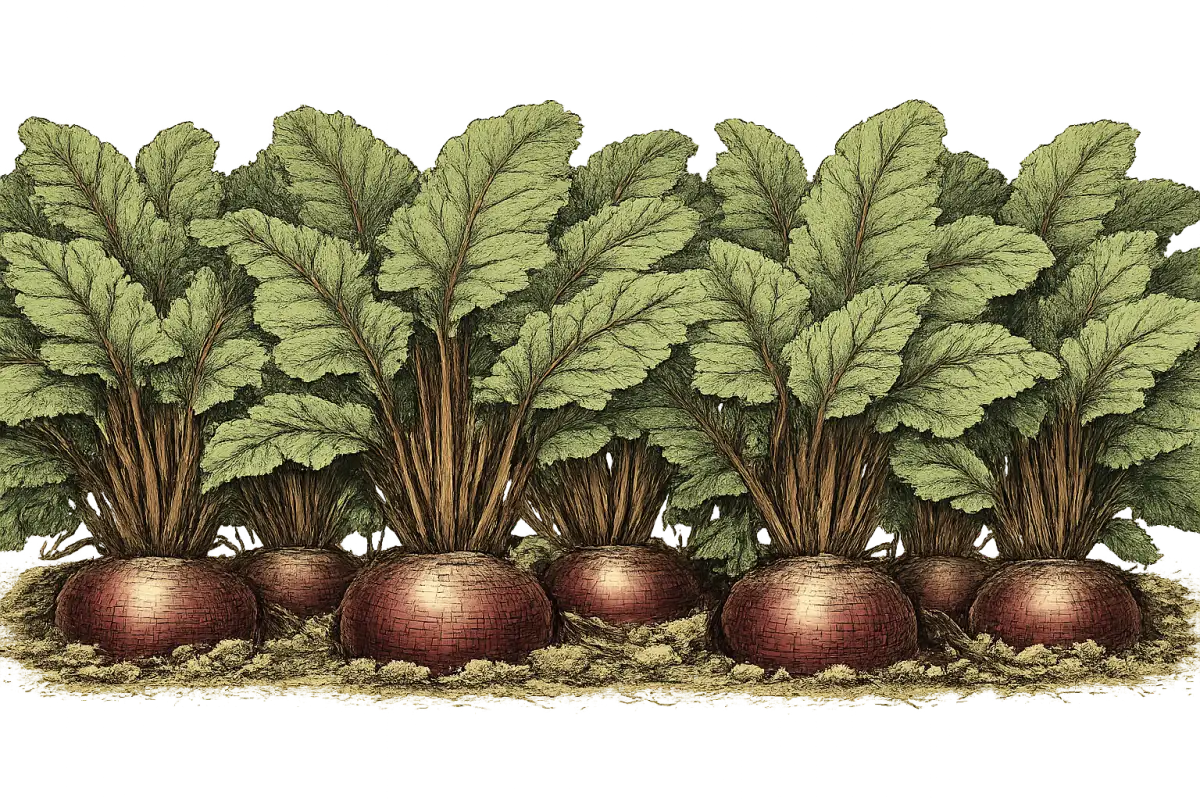
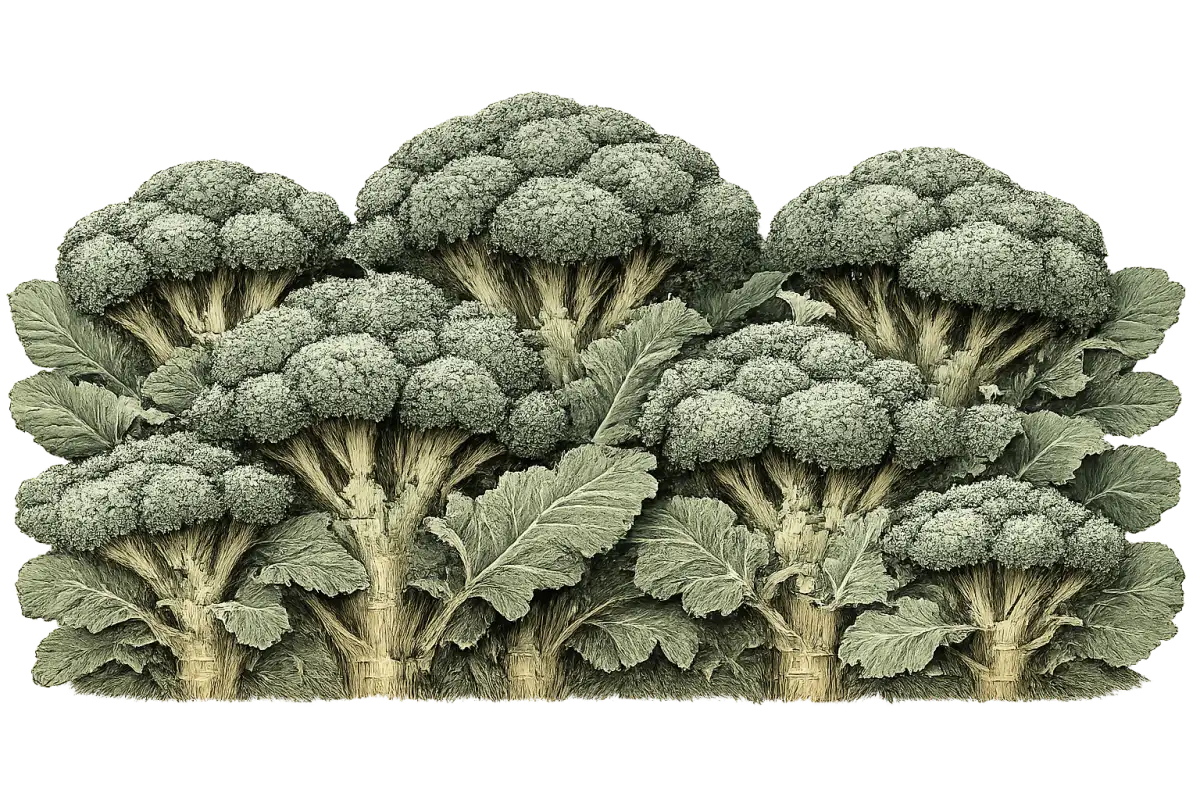
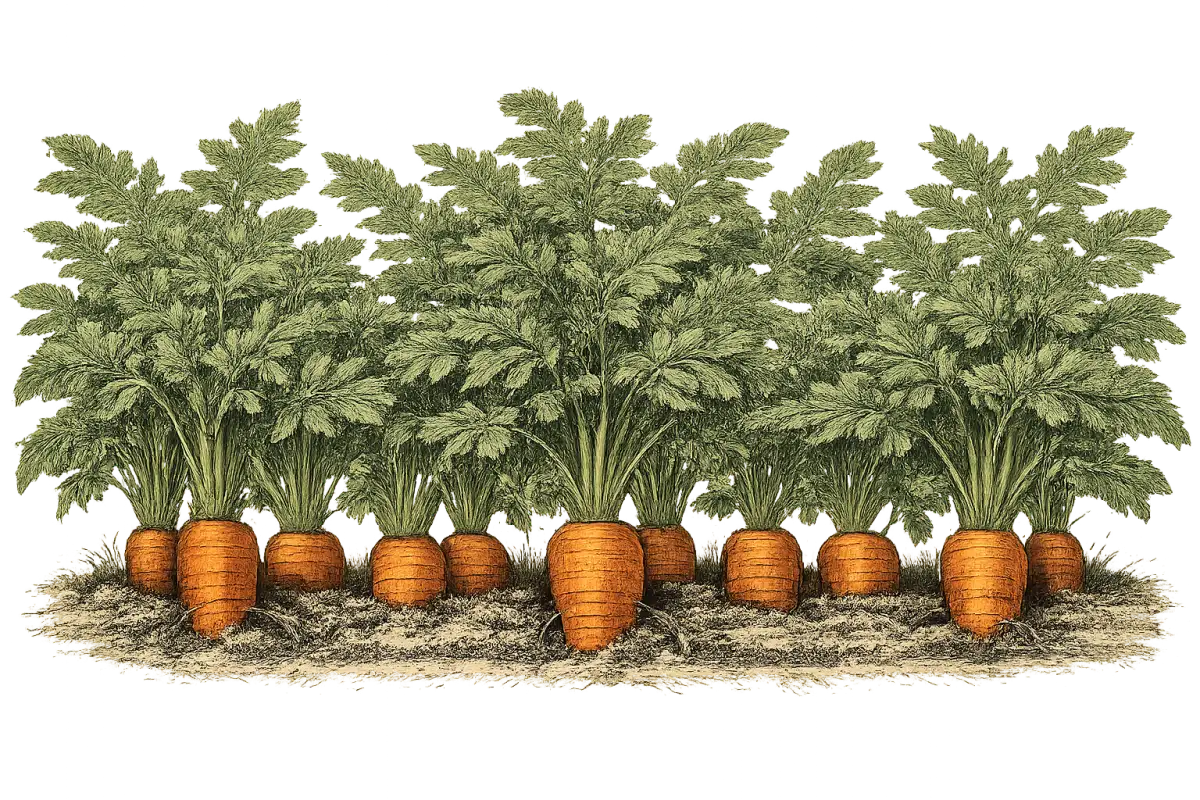
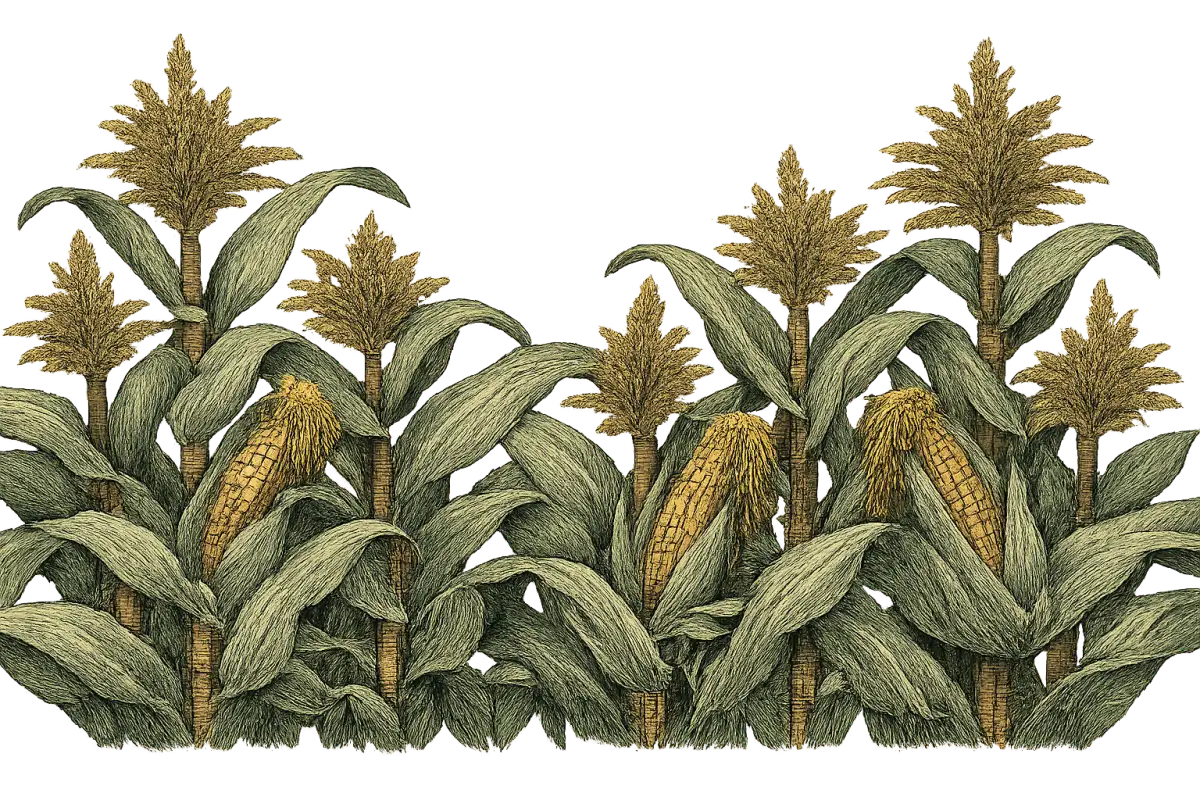
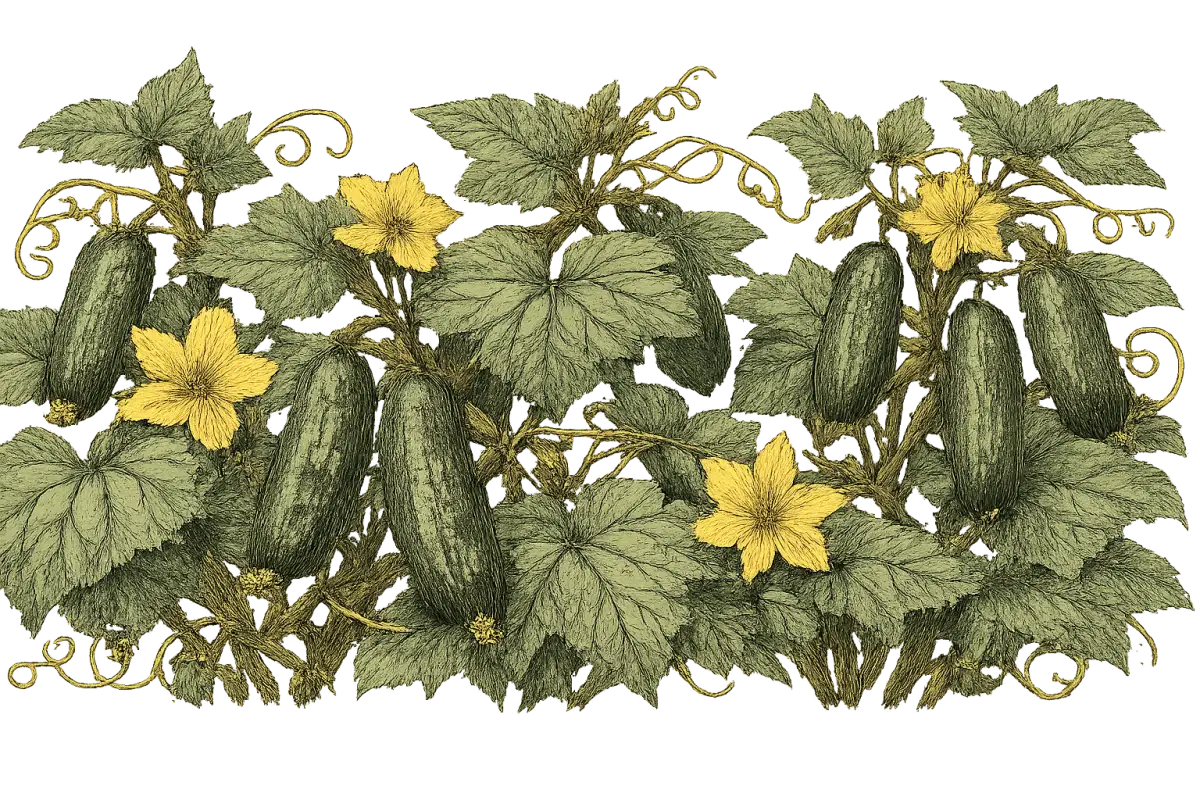
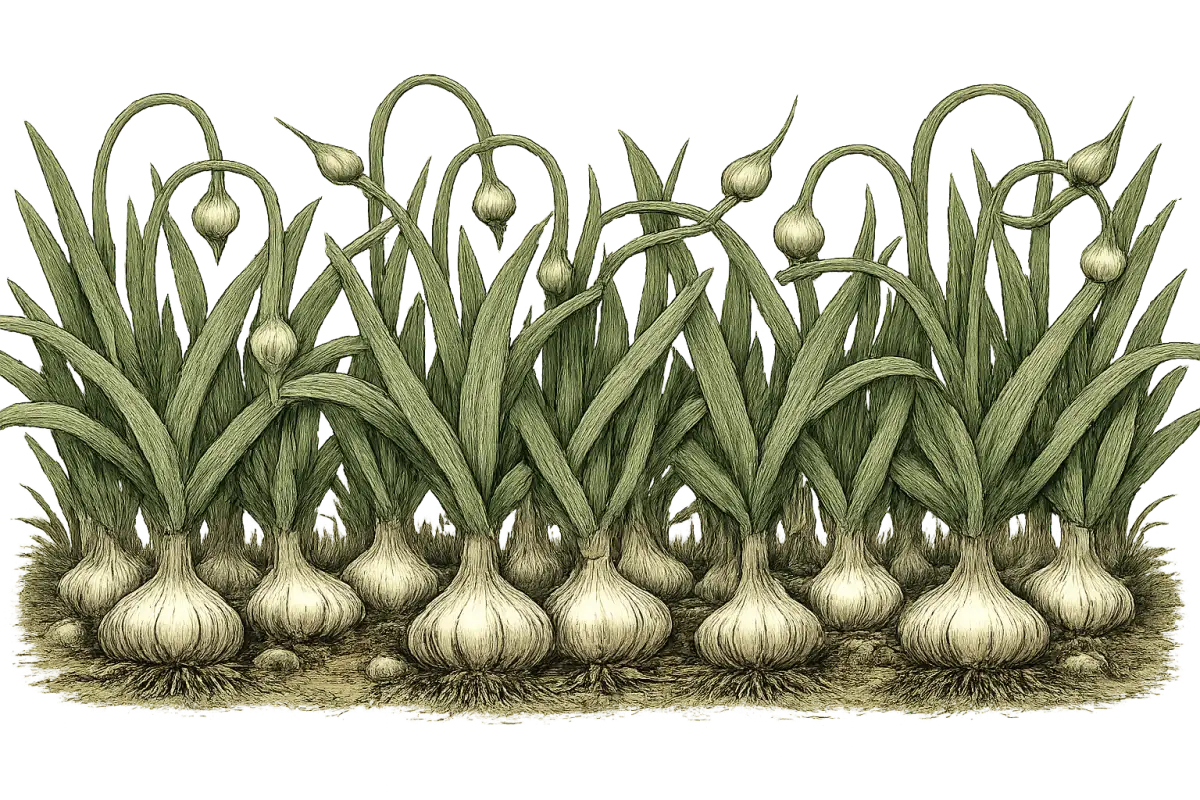
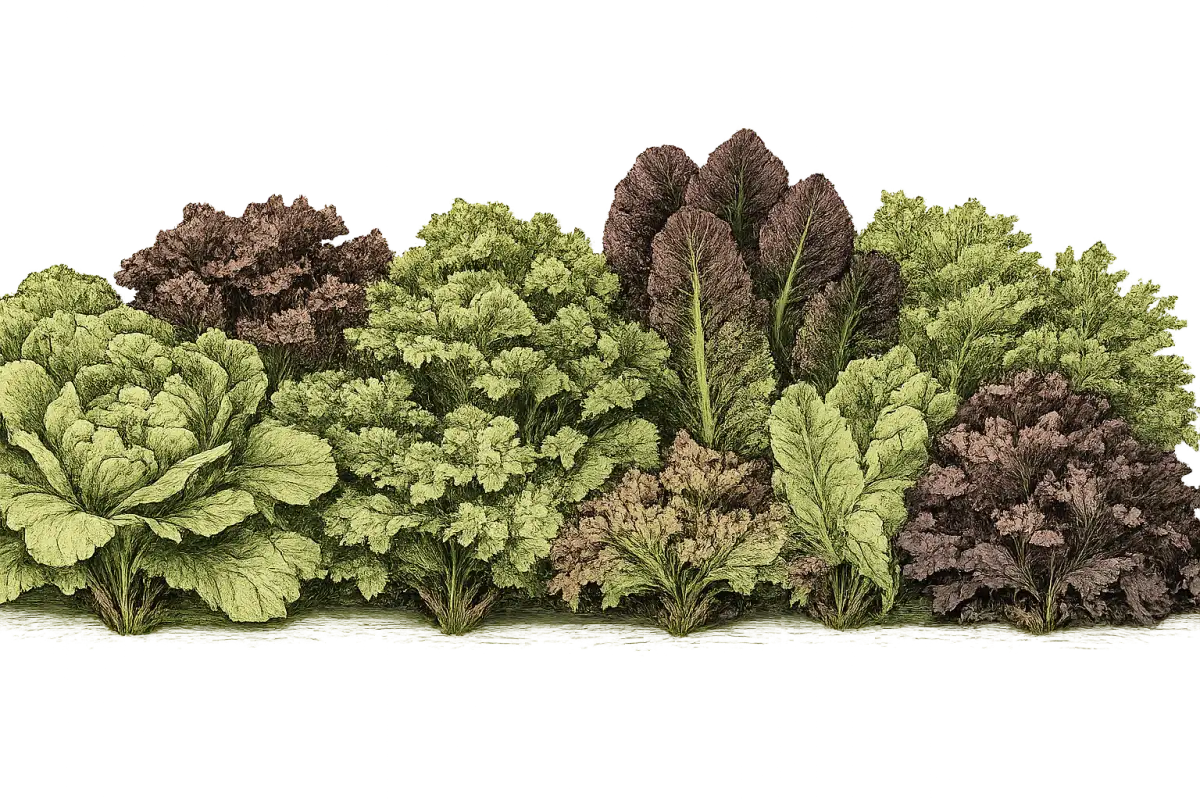
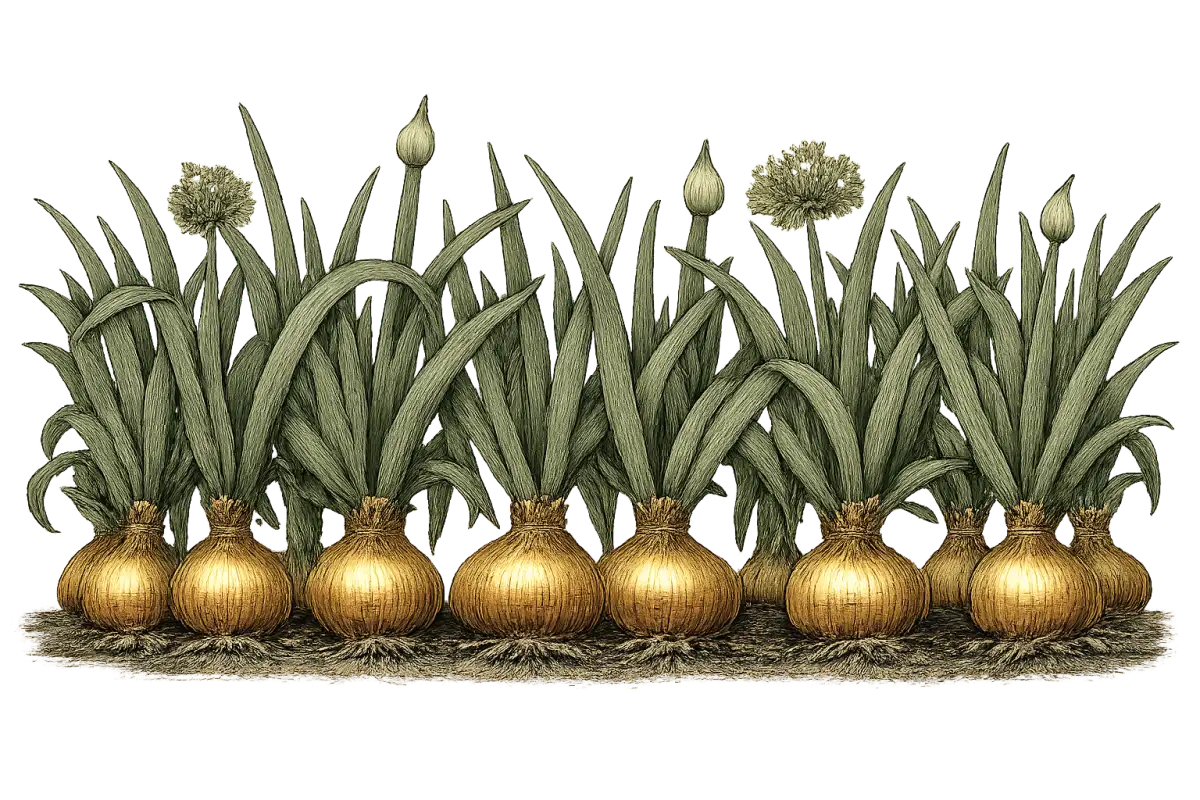
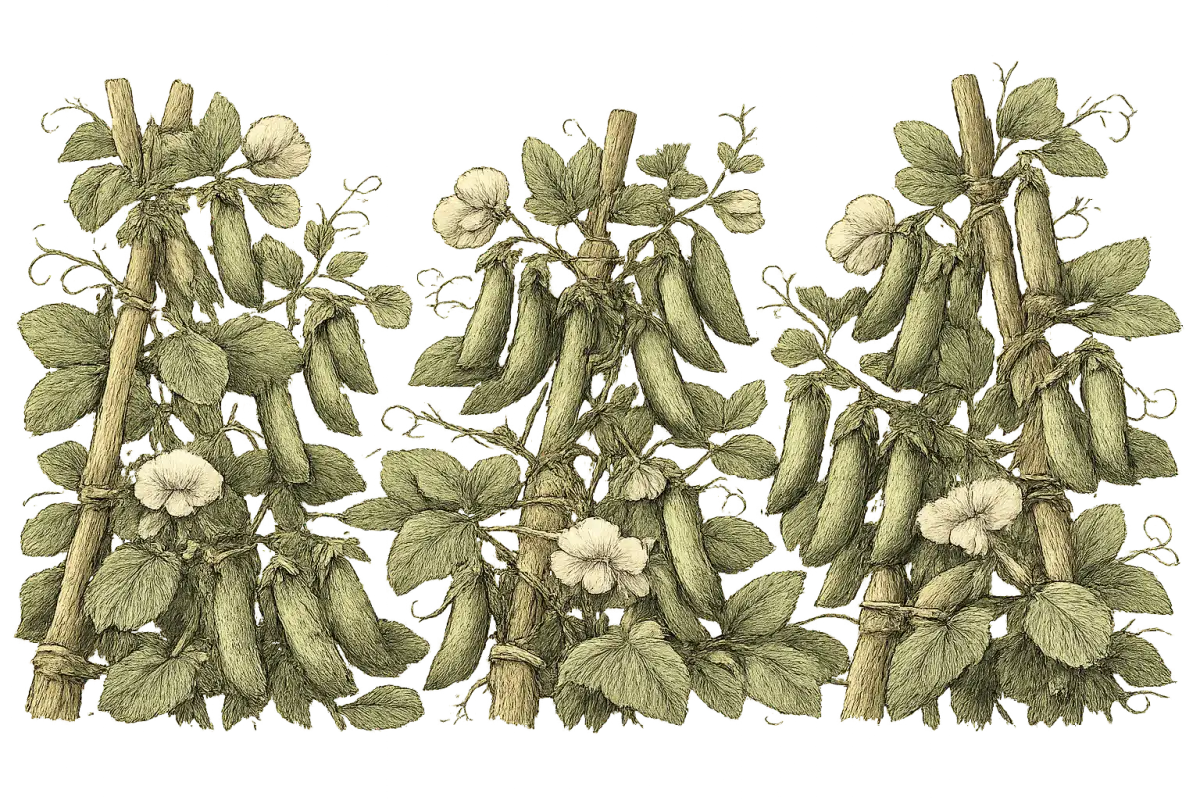
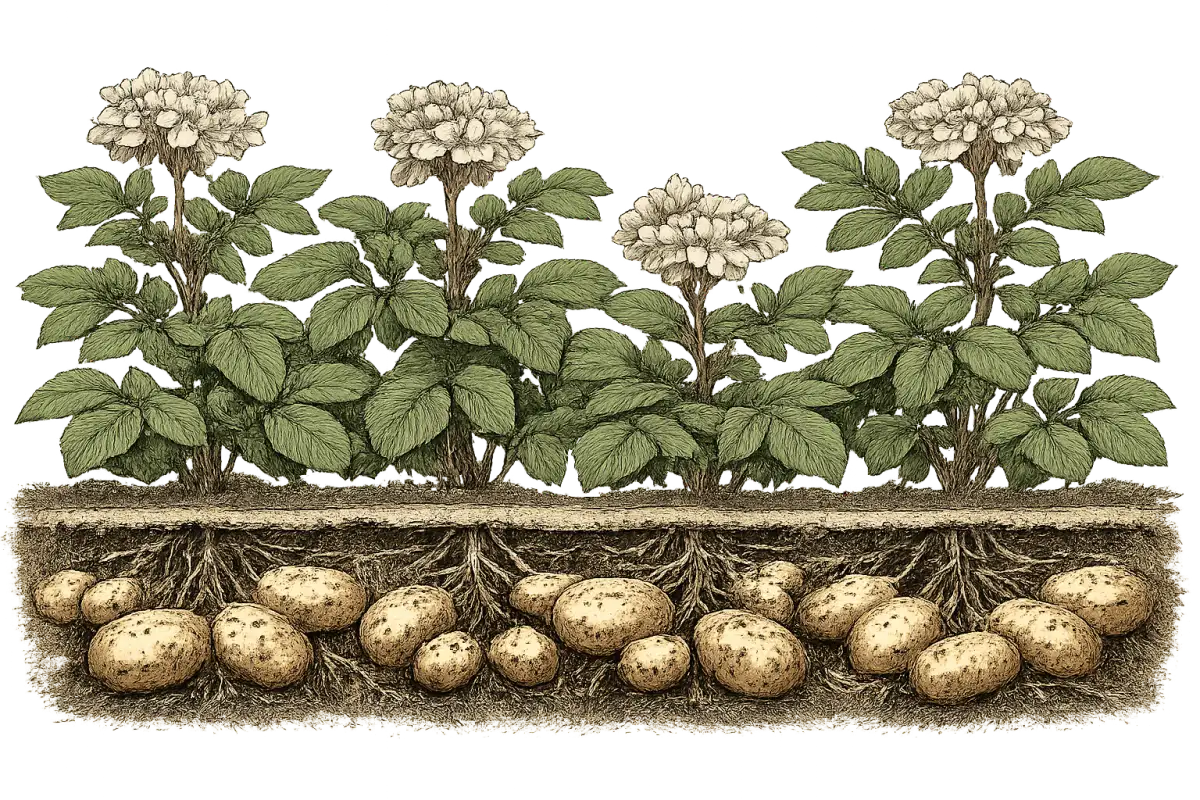
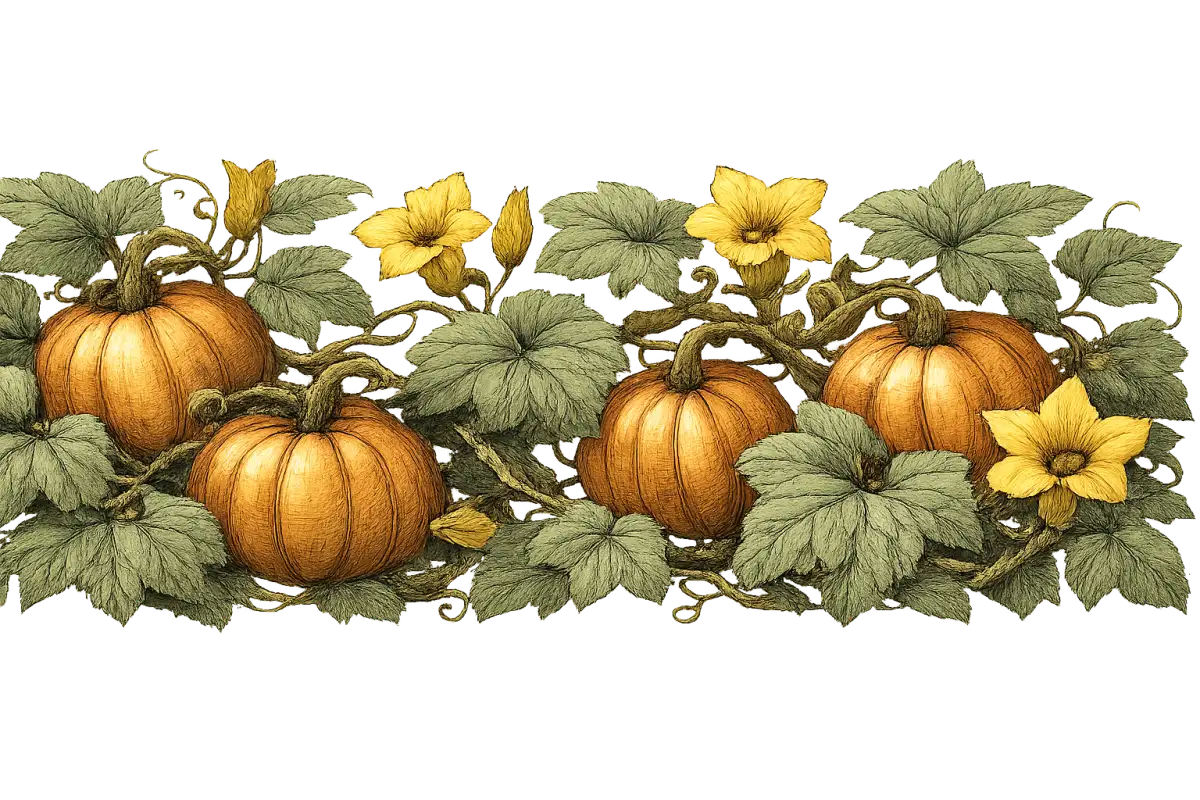
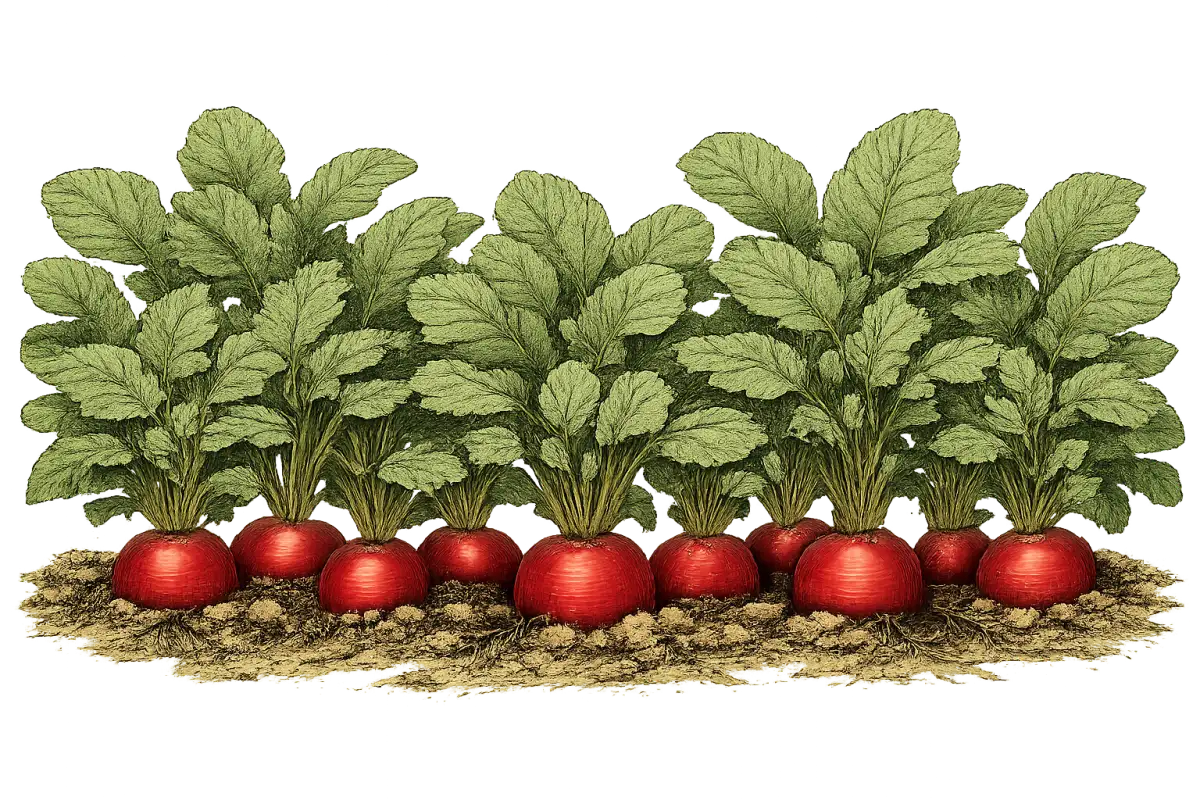
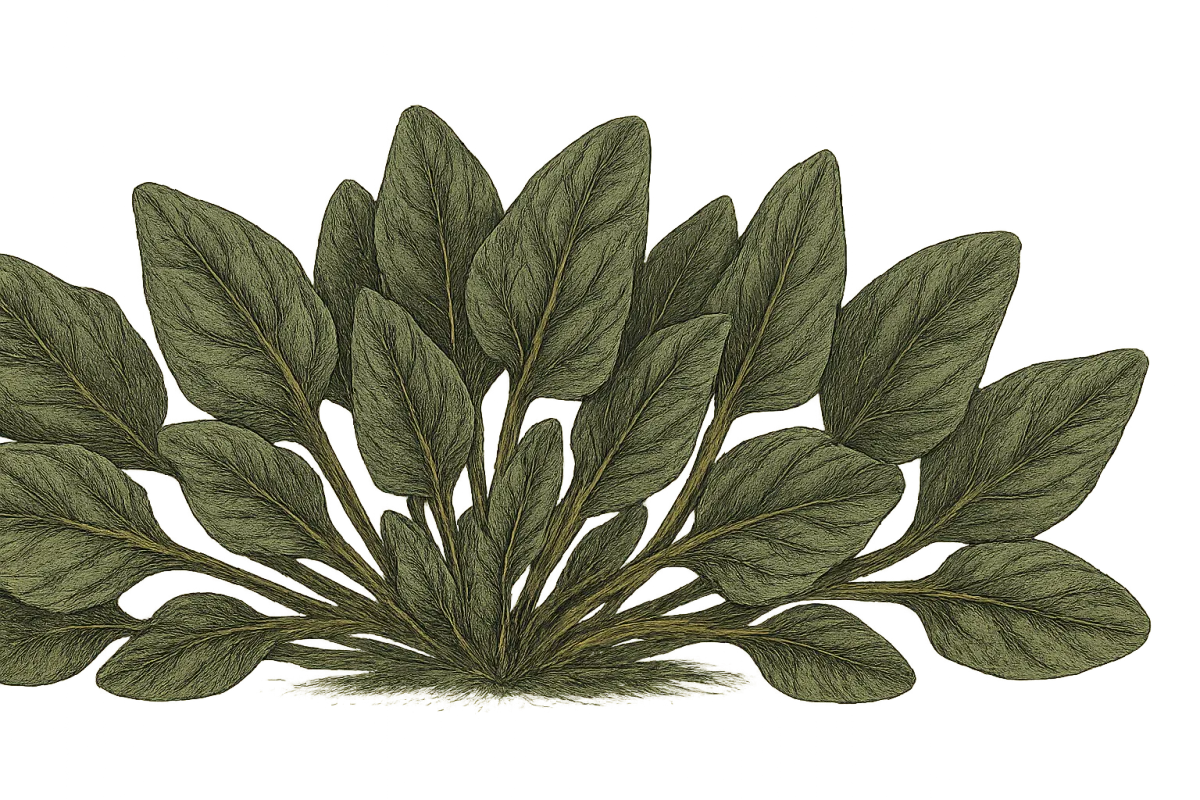
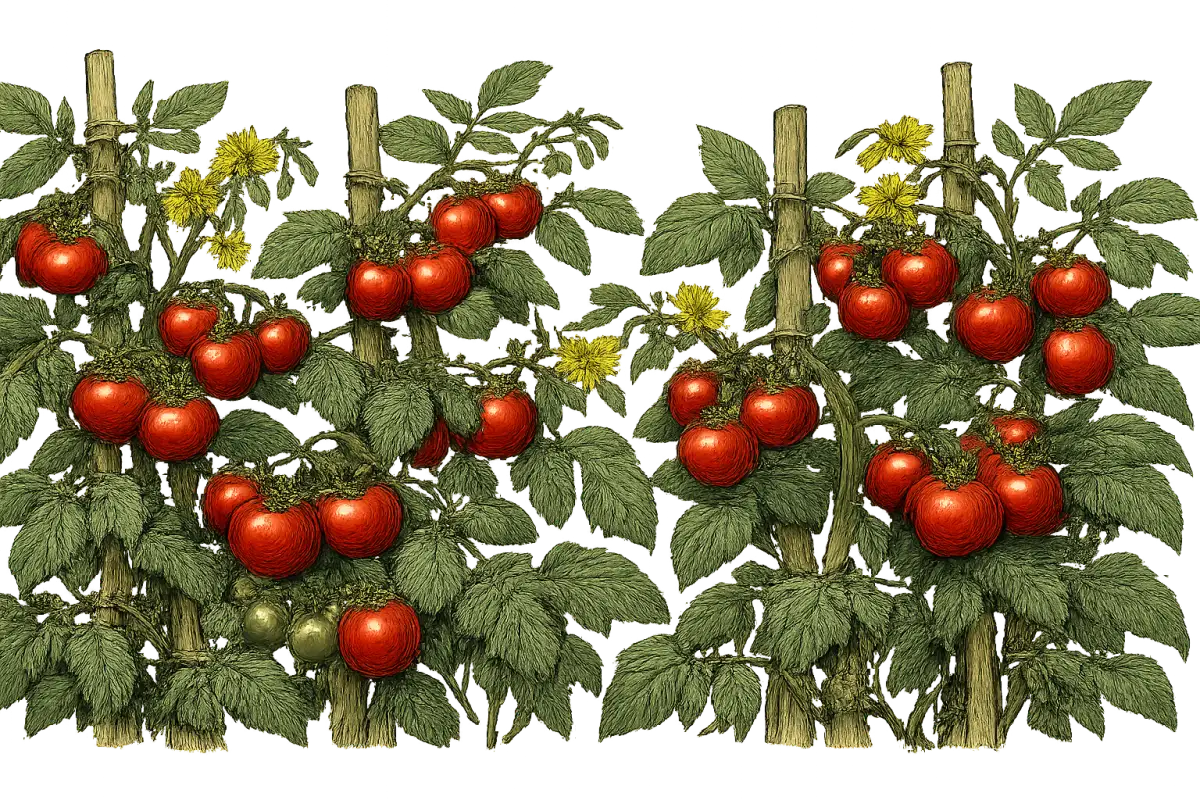
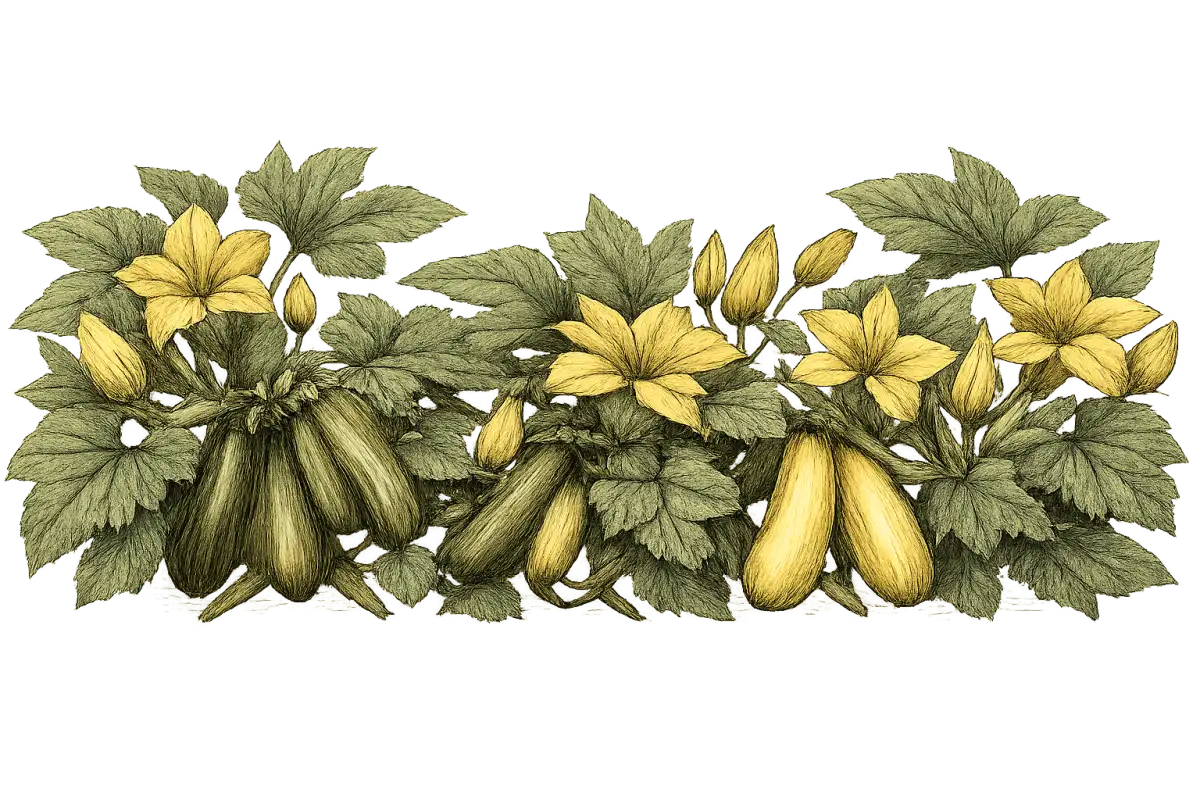
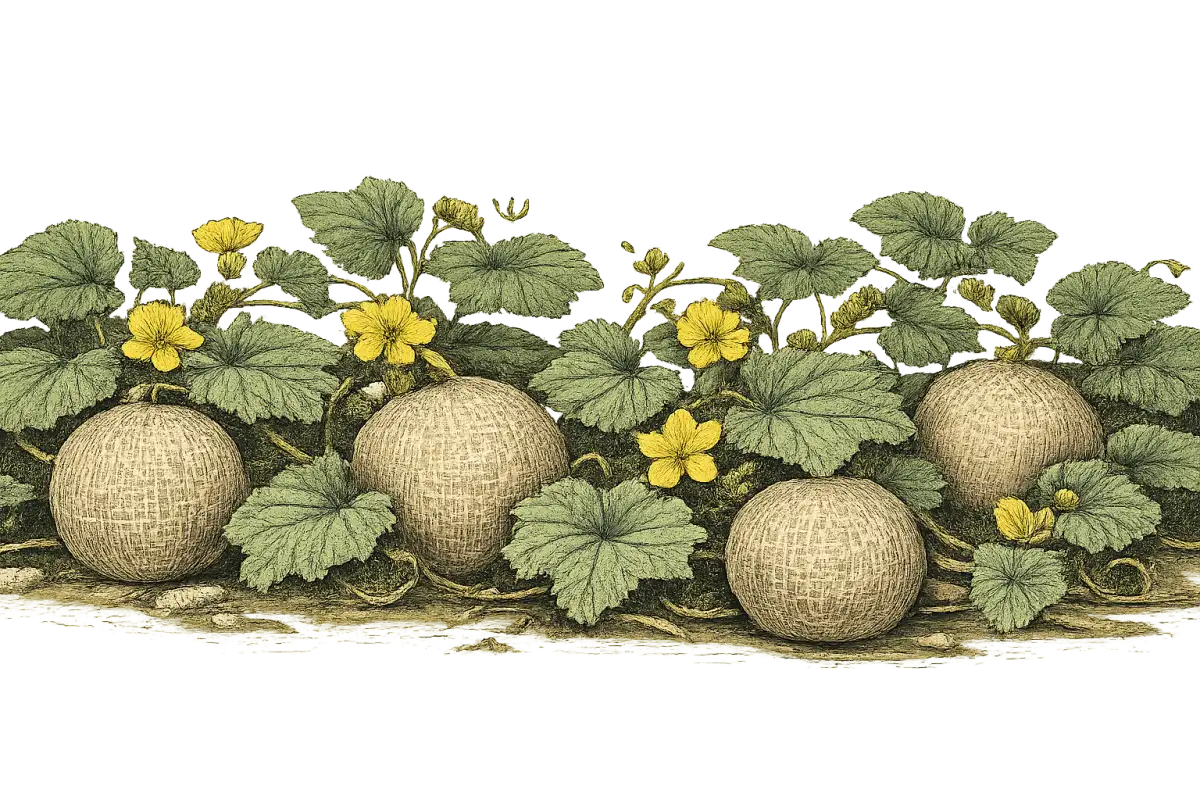
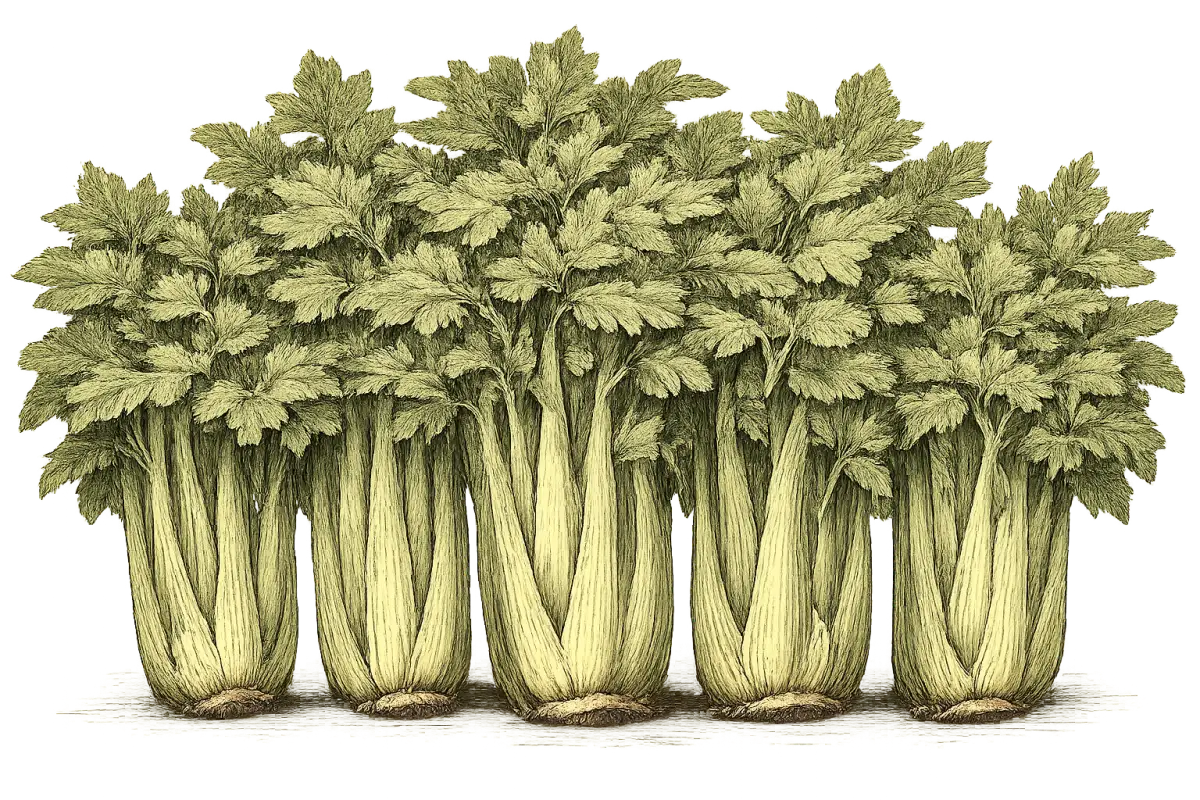
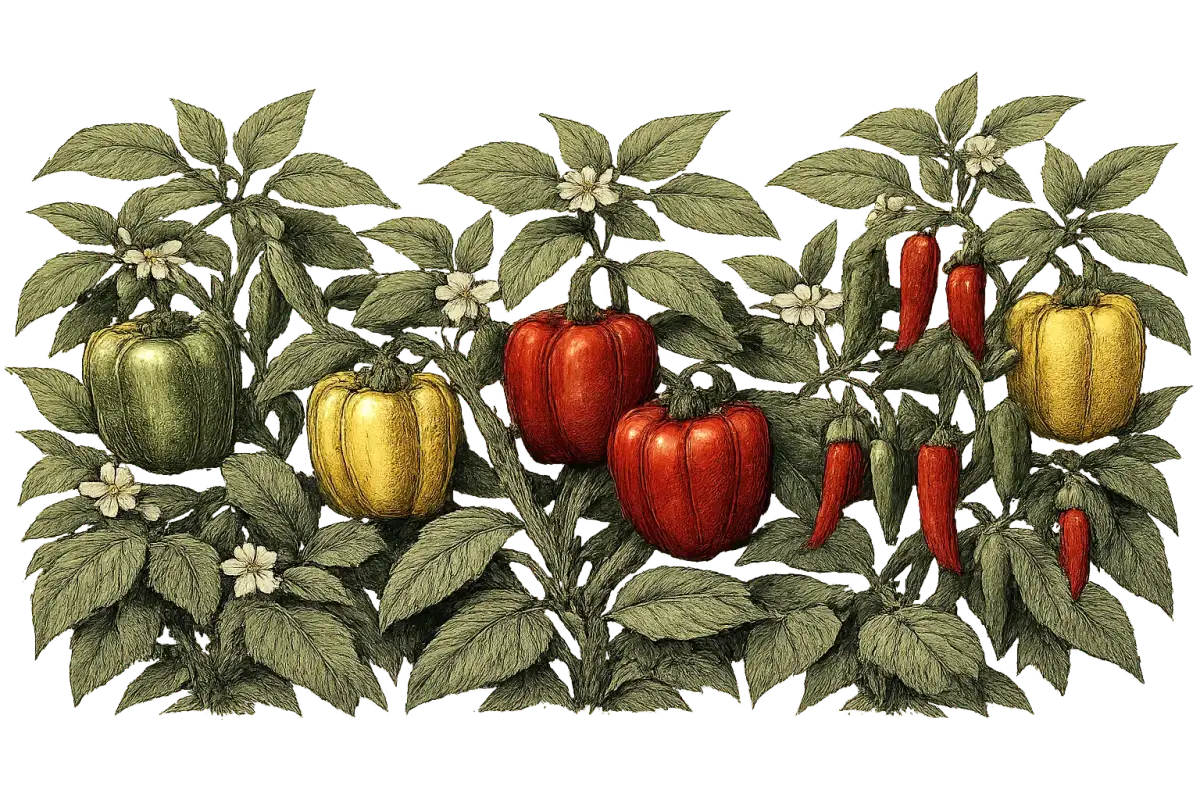
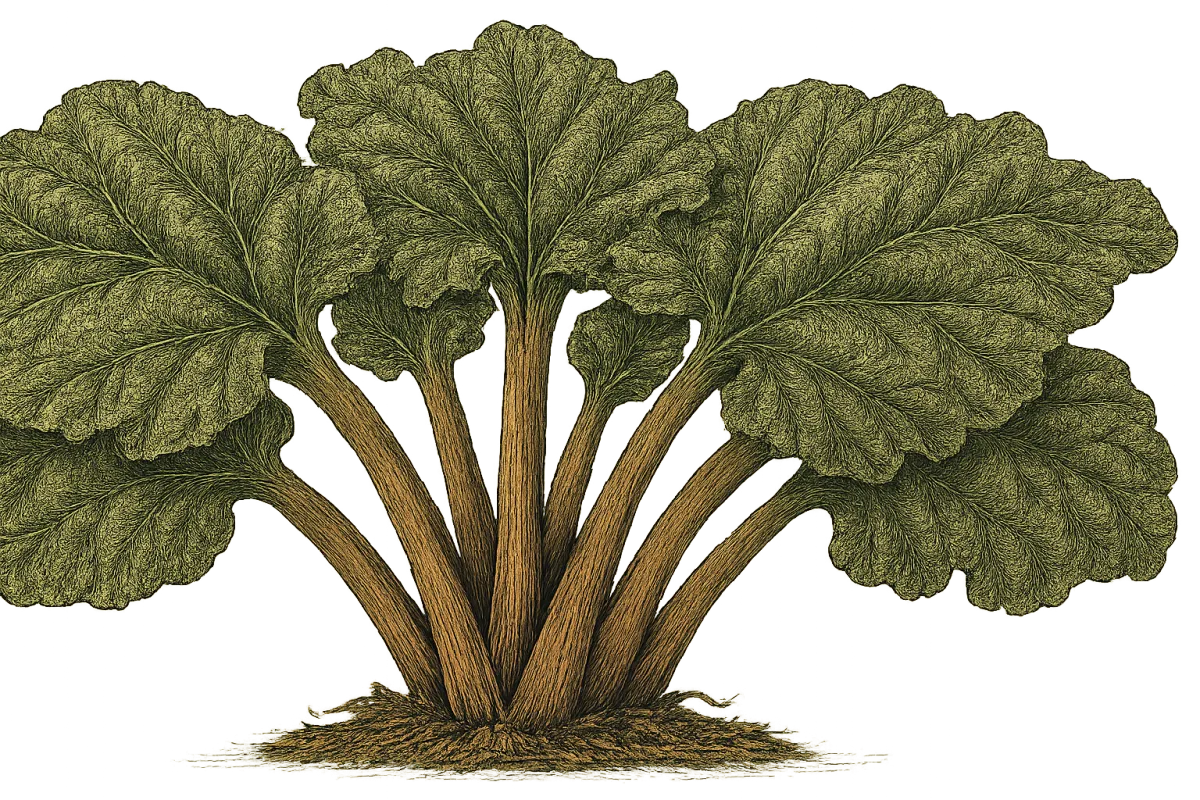
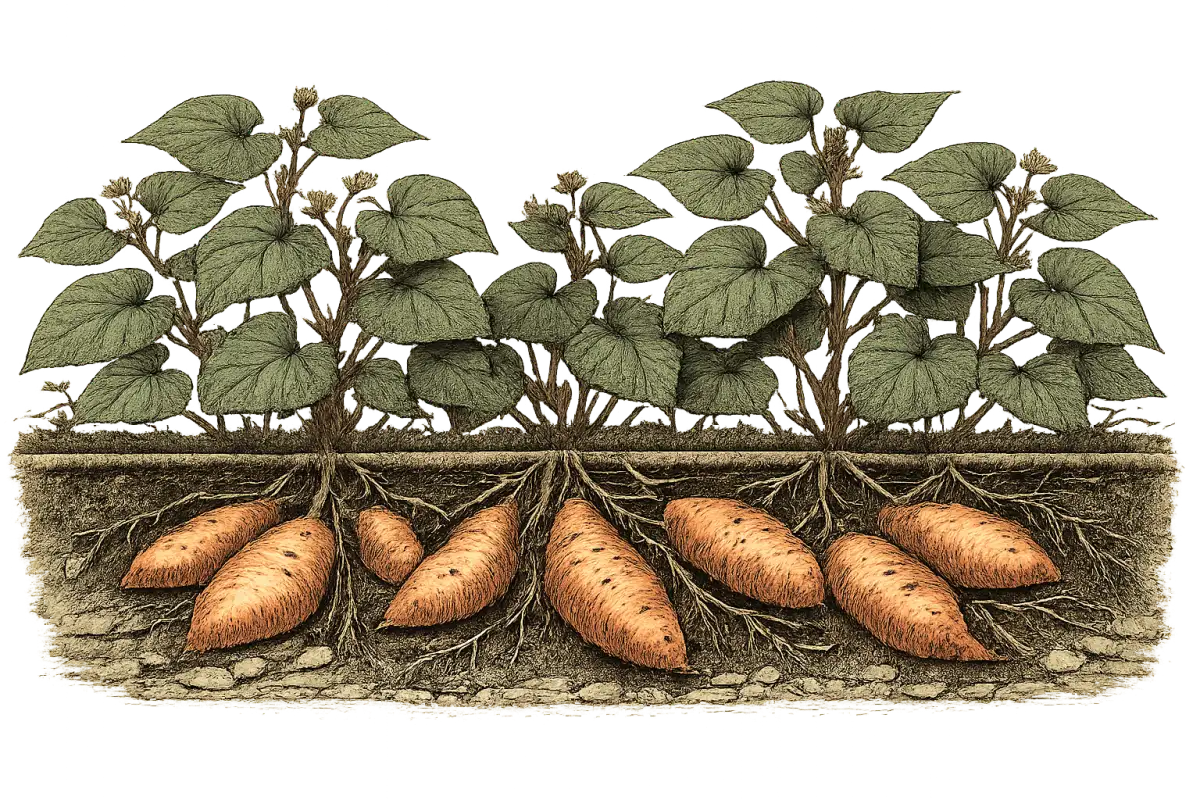
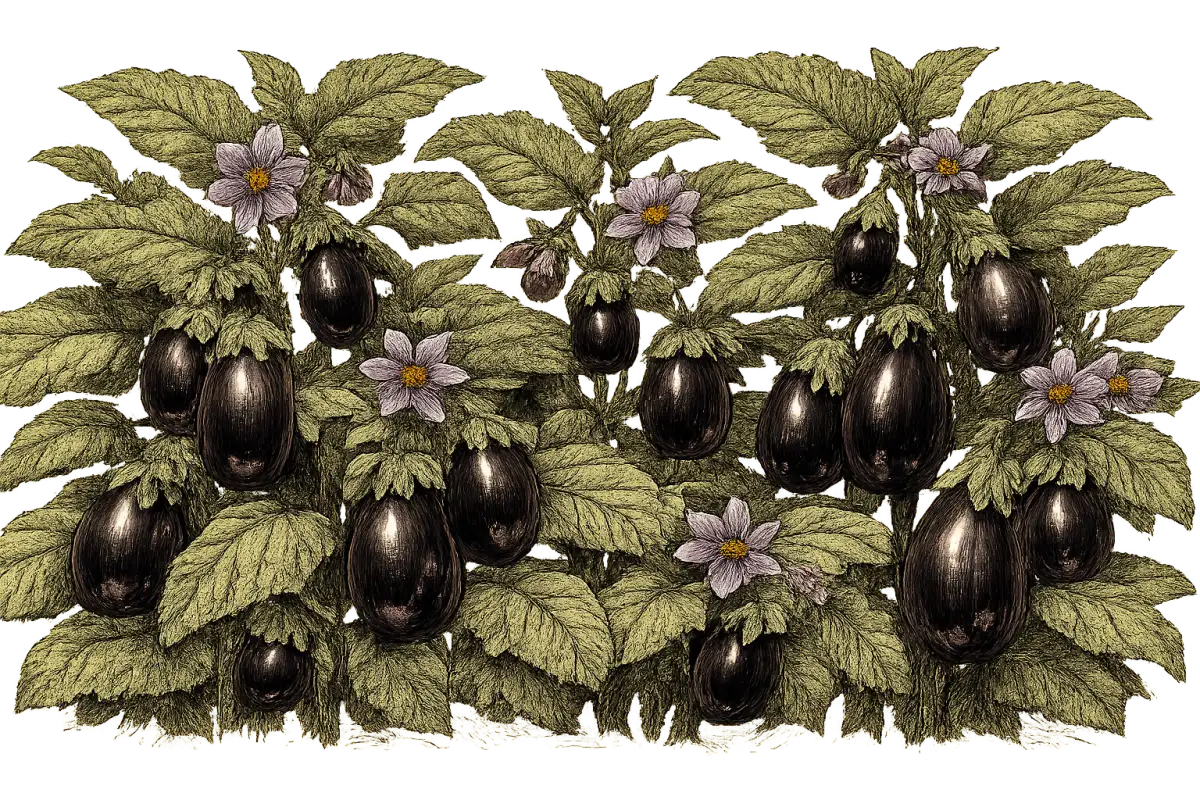
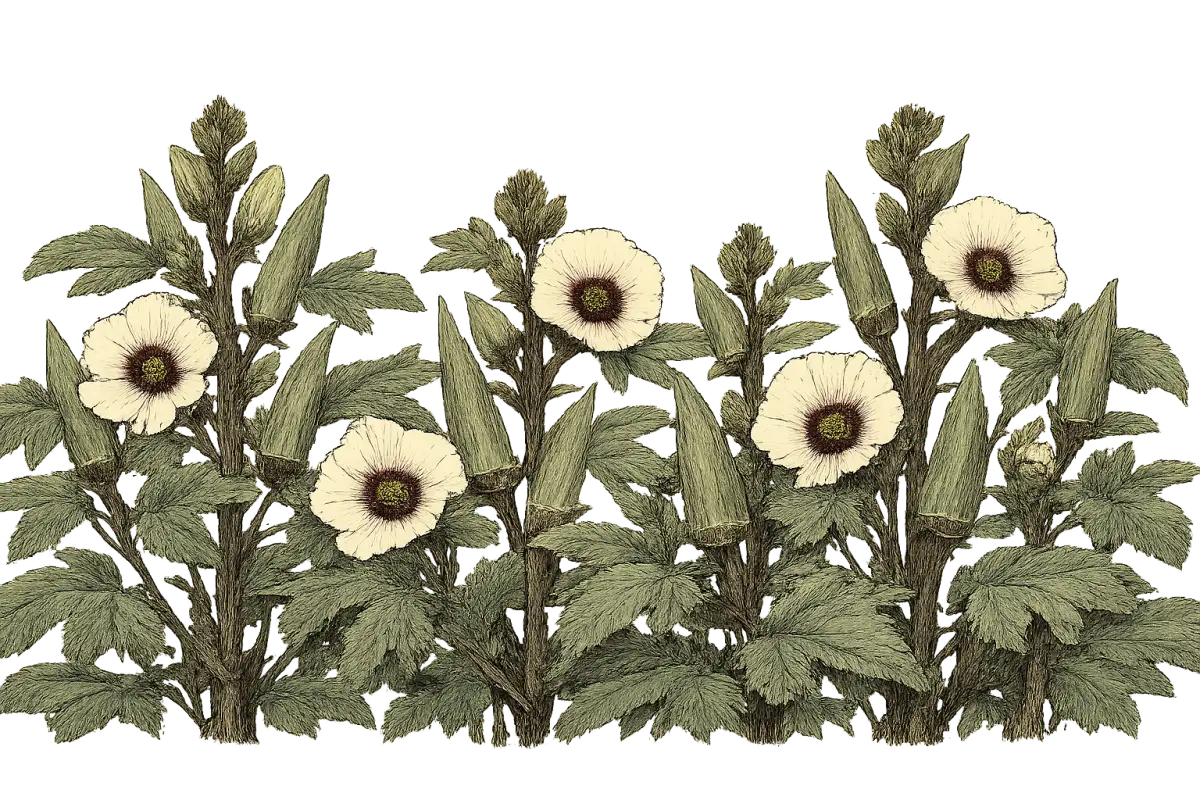
Zone 6 is vegetable paradise. Every common vegetable works here with enough season to produce fully. Tomatoes and peppers thrive, with a long harvest window. Warm-season crops like melons, okra, sweet potatoes, and winter squash all have enough time to mature. Cool-season crops work as both spring and fall harvests — you can time plantings to avoid the peak summer heat that would bolt them.
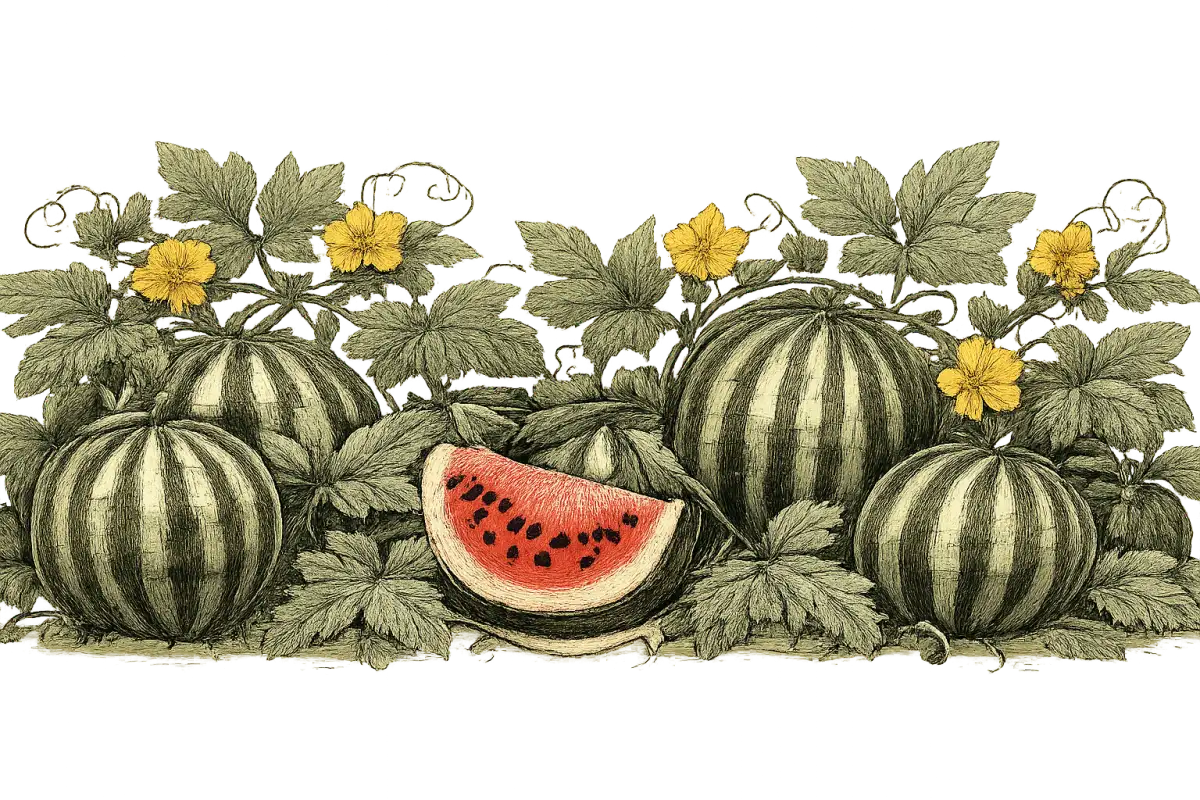
Worth trying (rating 3 — possible but challenging):
Best Fruits for Zone 6
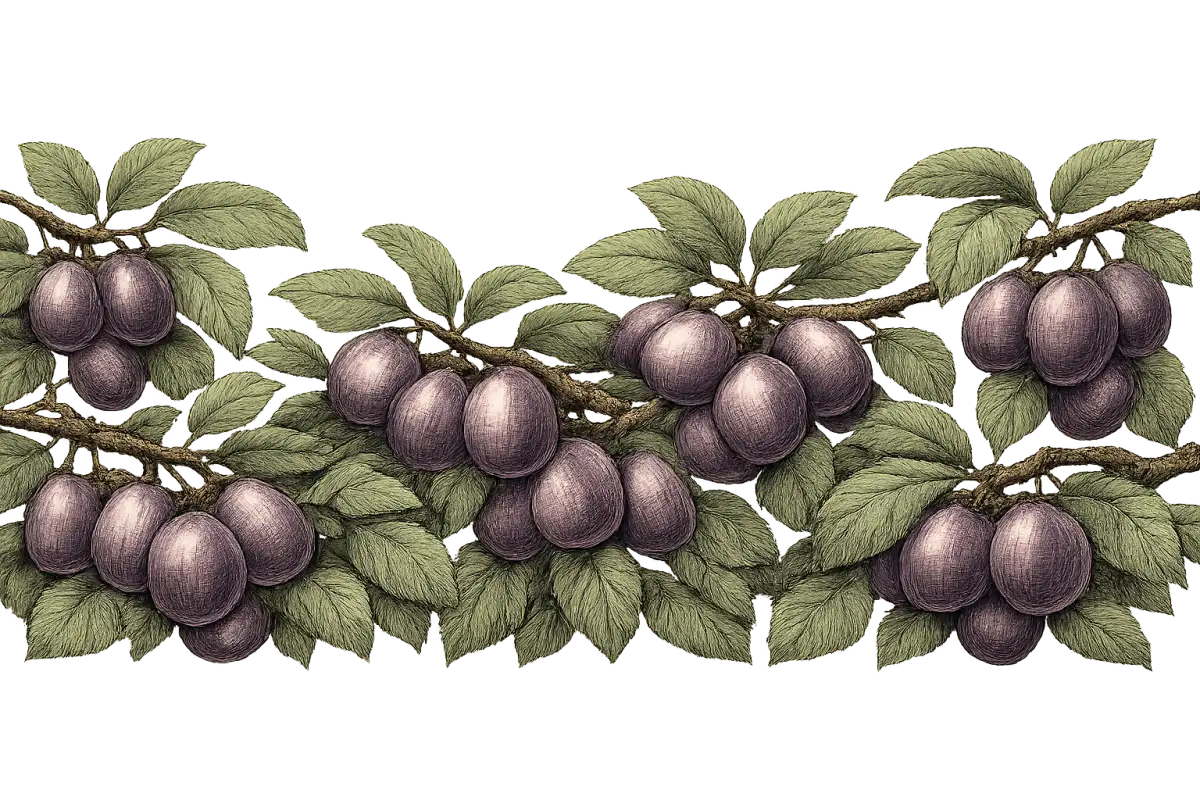
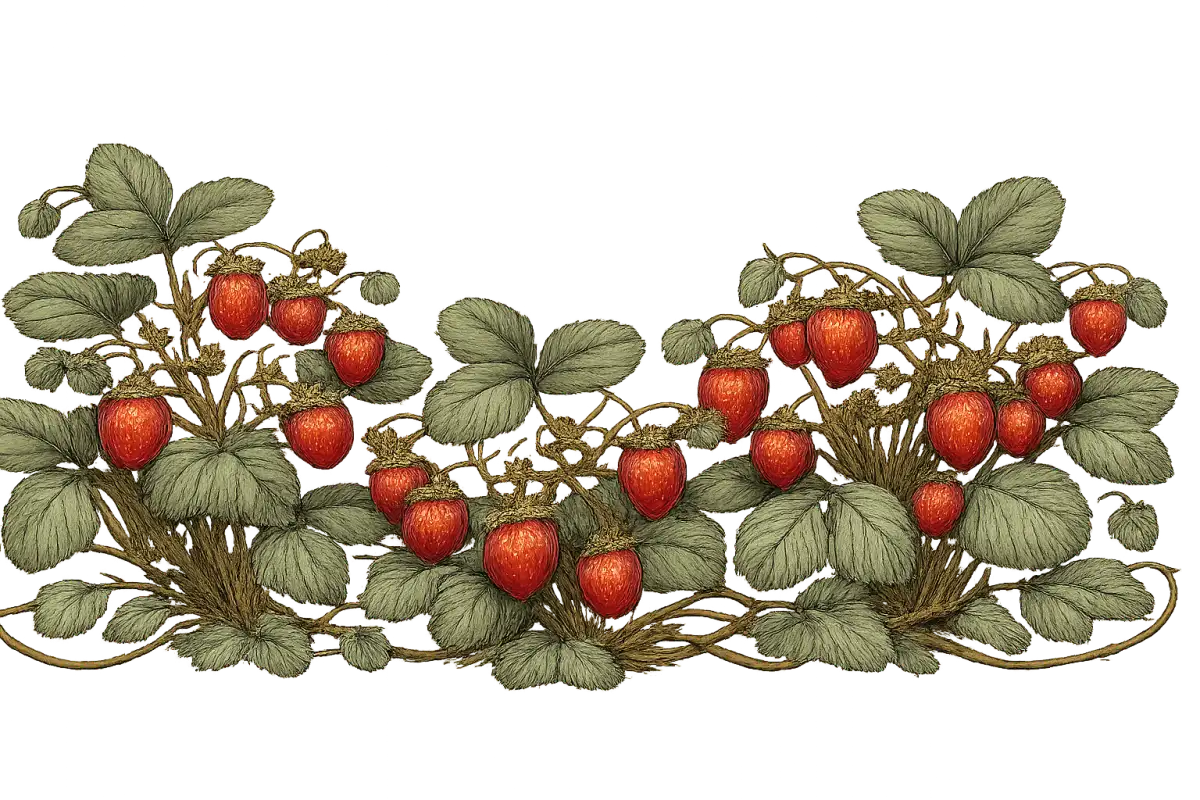
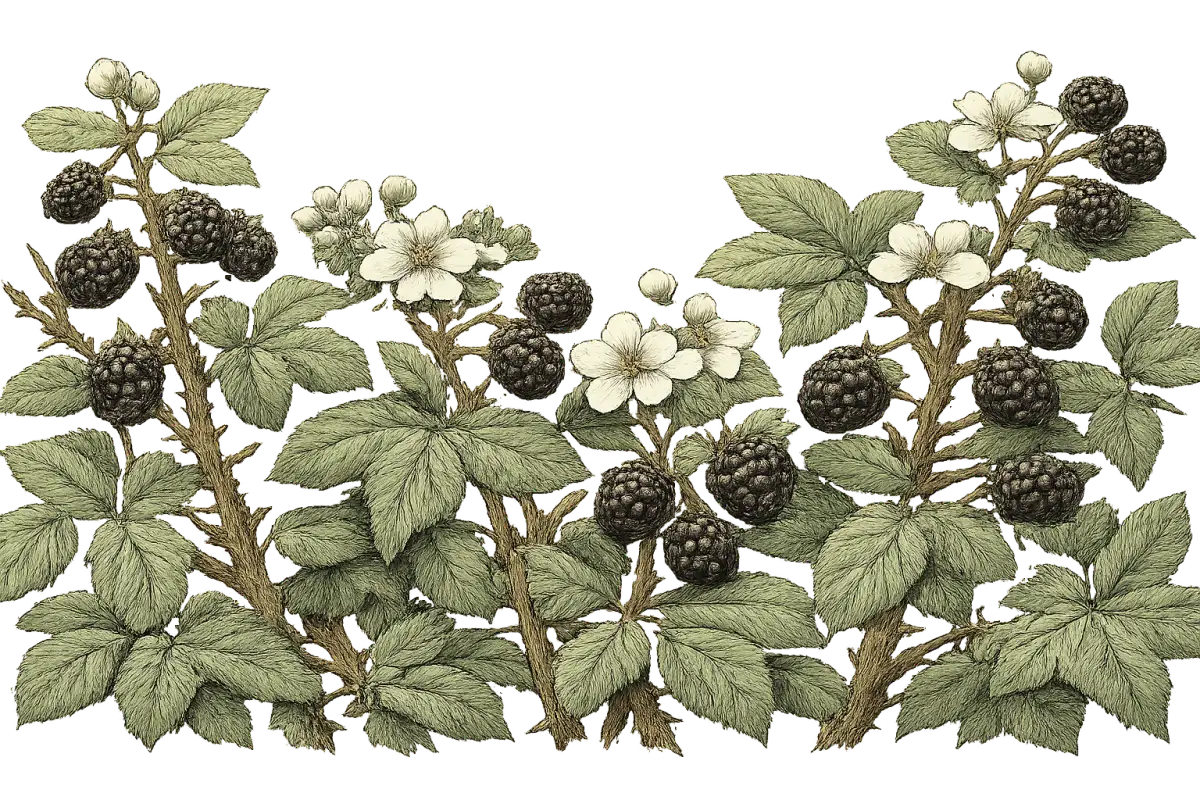
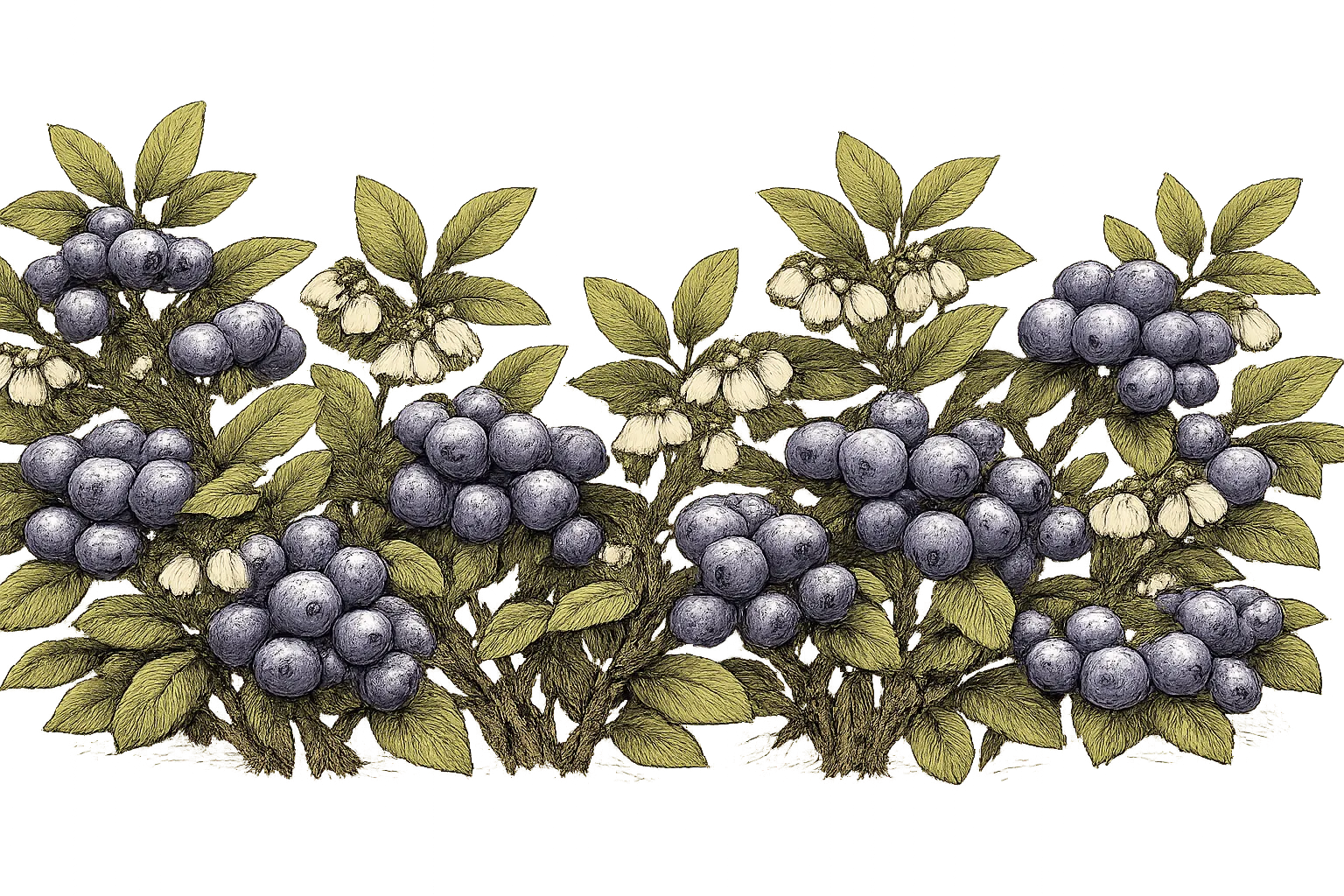
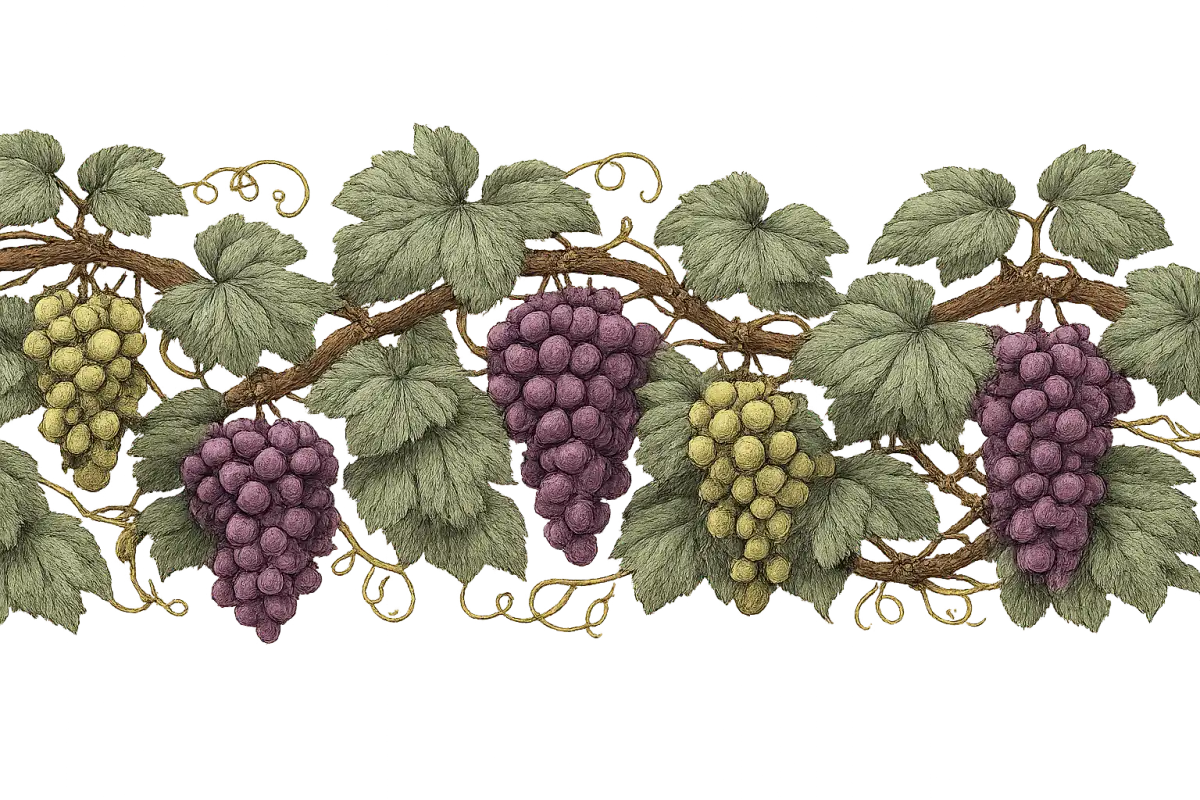
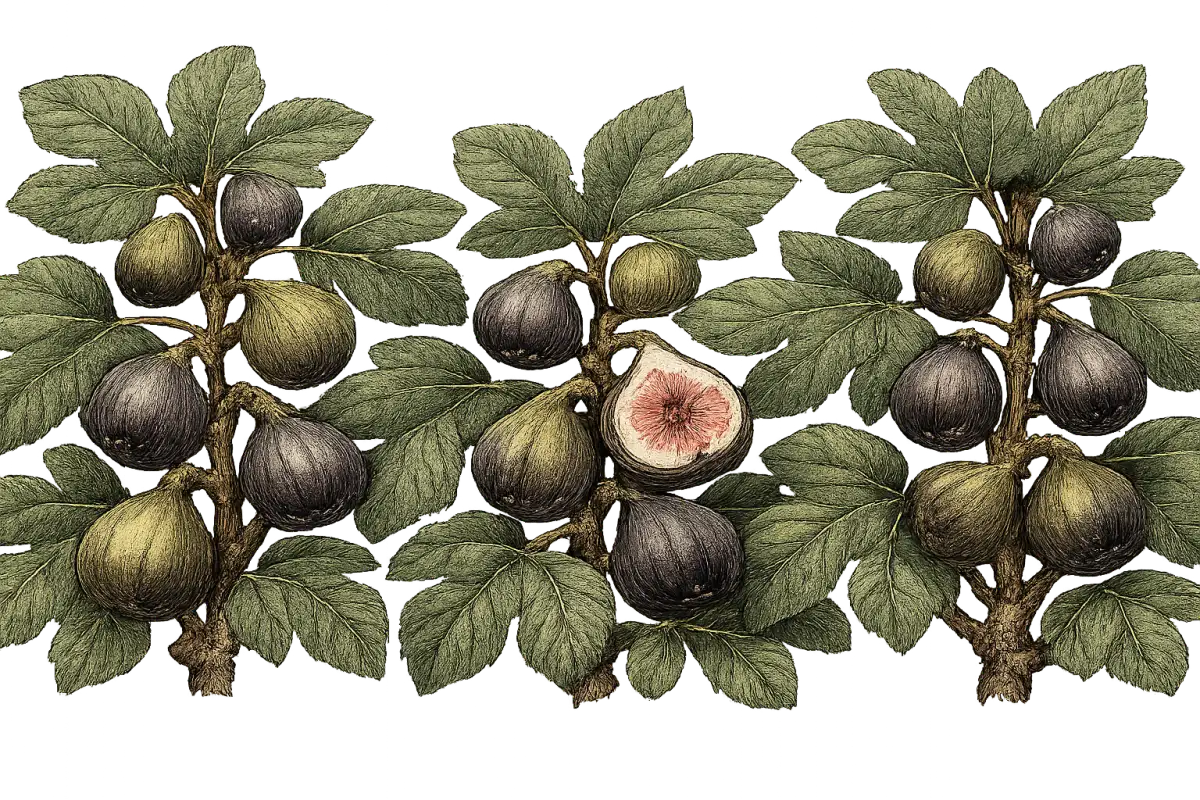
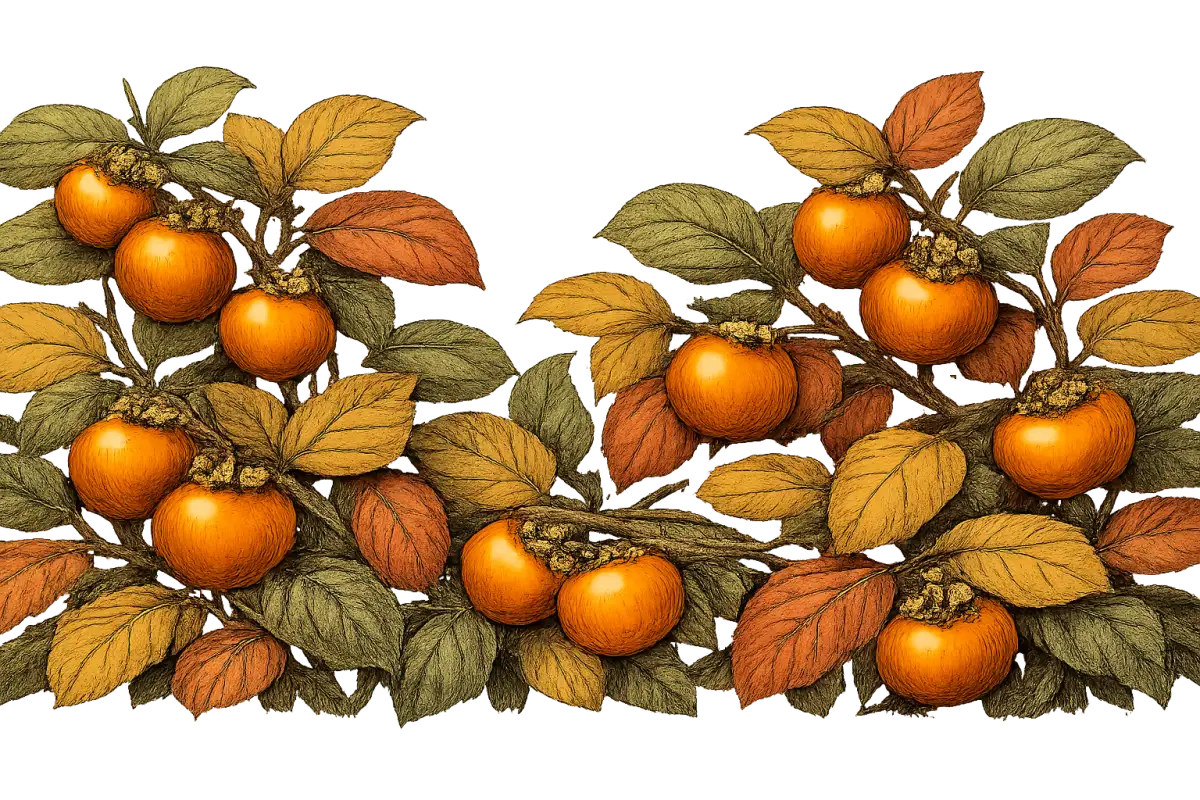
Most traditional temperate fruits work excellently in Zone 6. Apples, pears, peaches, plums, and sour cherries are all reliable. Sweet cherries work in 6b with careful site selection. Blueberries, raspberries, blackberries, strawberries, and grapes all produce well. Many marginally hardy fruits become realistic: hardy figs often survive winters without protection in 6b, and certain pomegranates and persimmons work in protected sites.
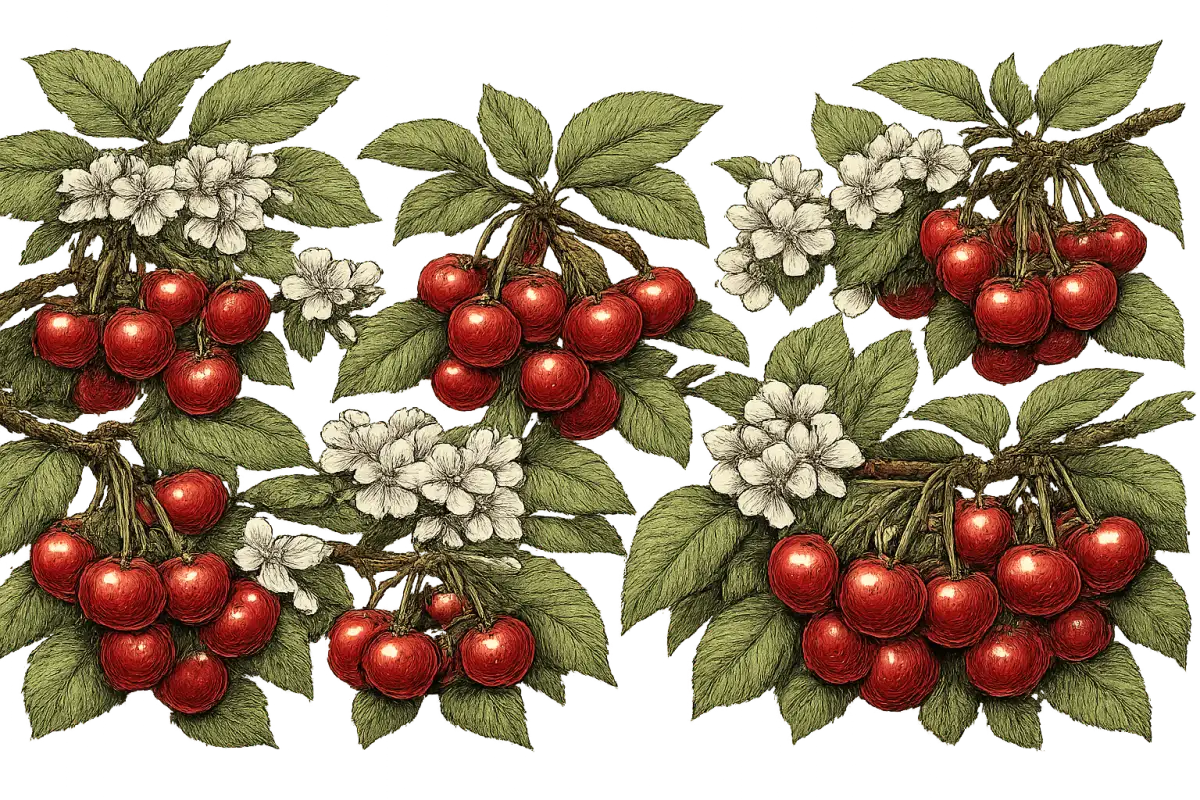

Worth trying (rating 3 — possible but challenging):
Best Herbs for Zone 6
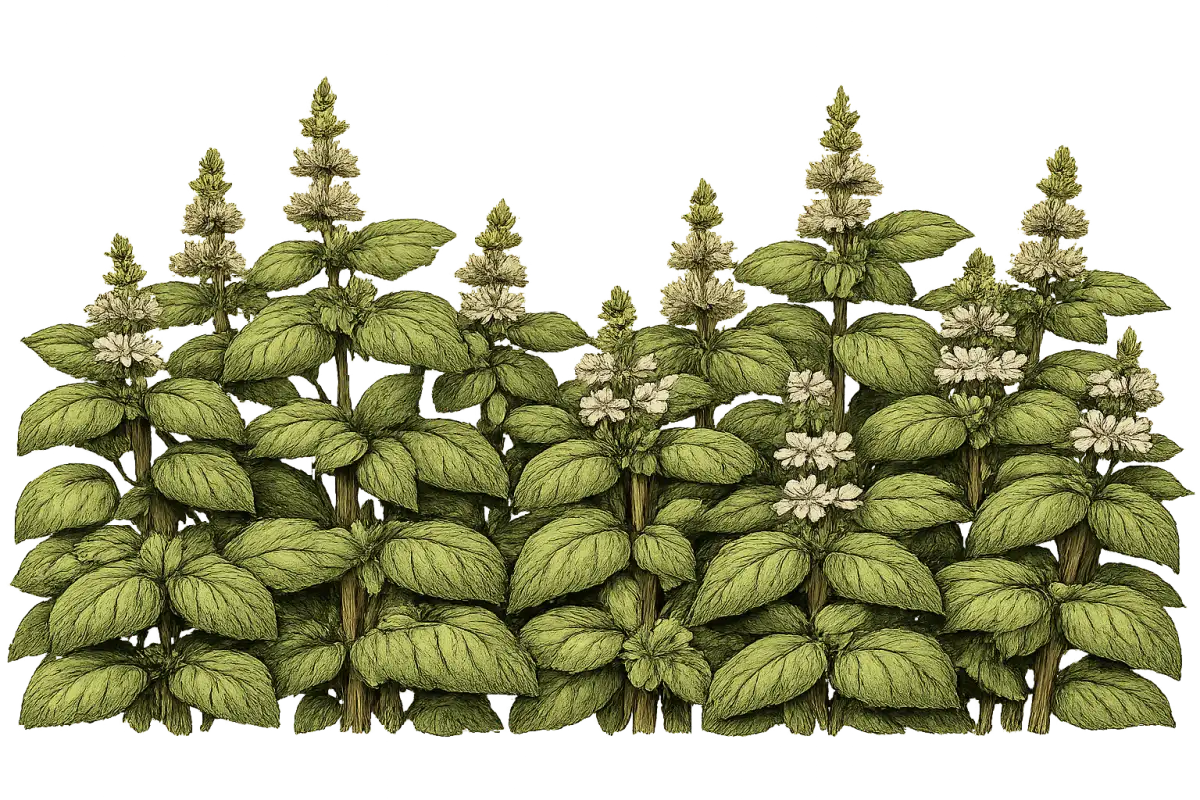
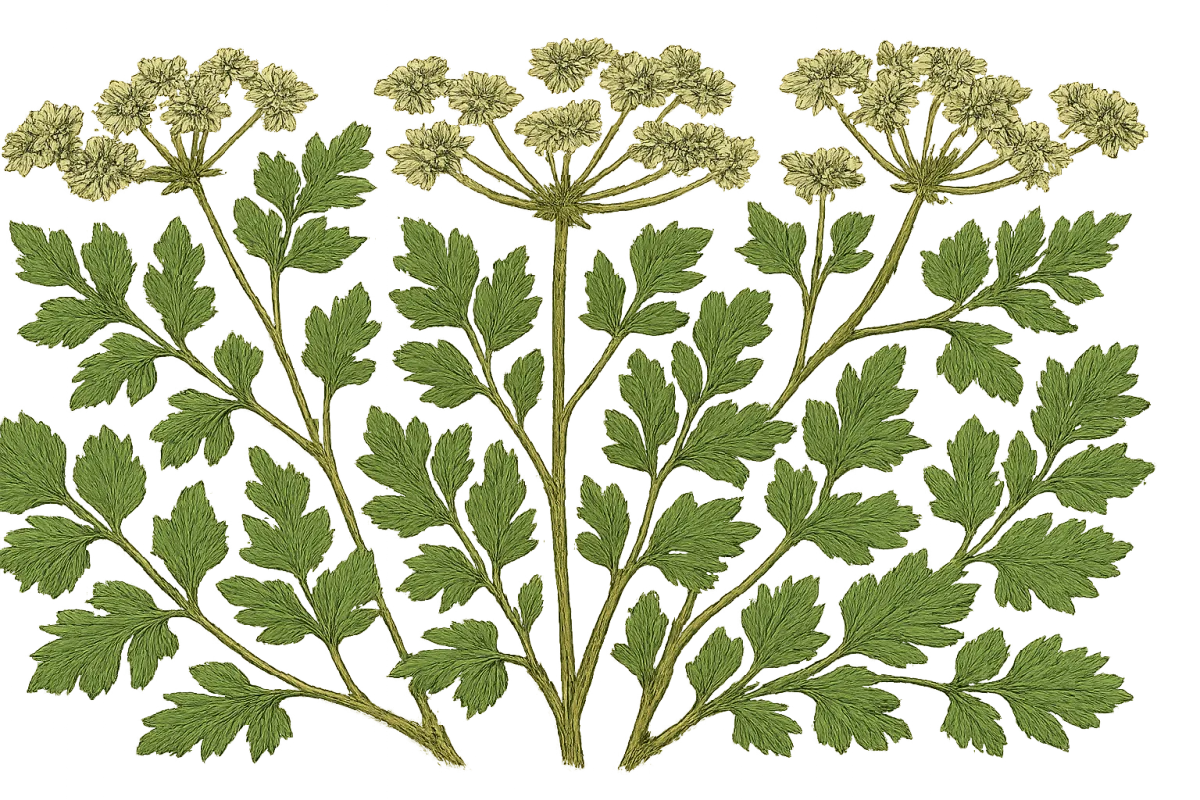
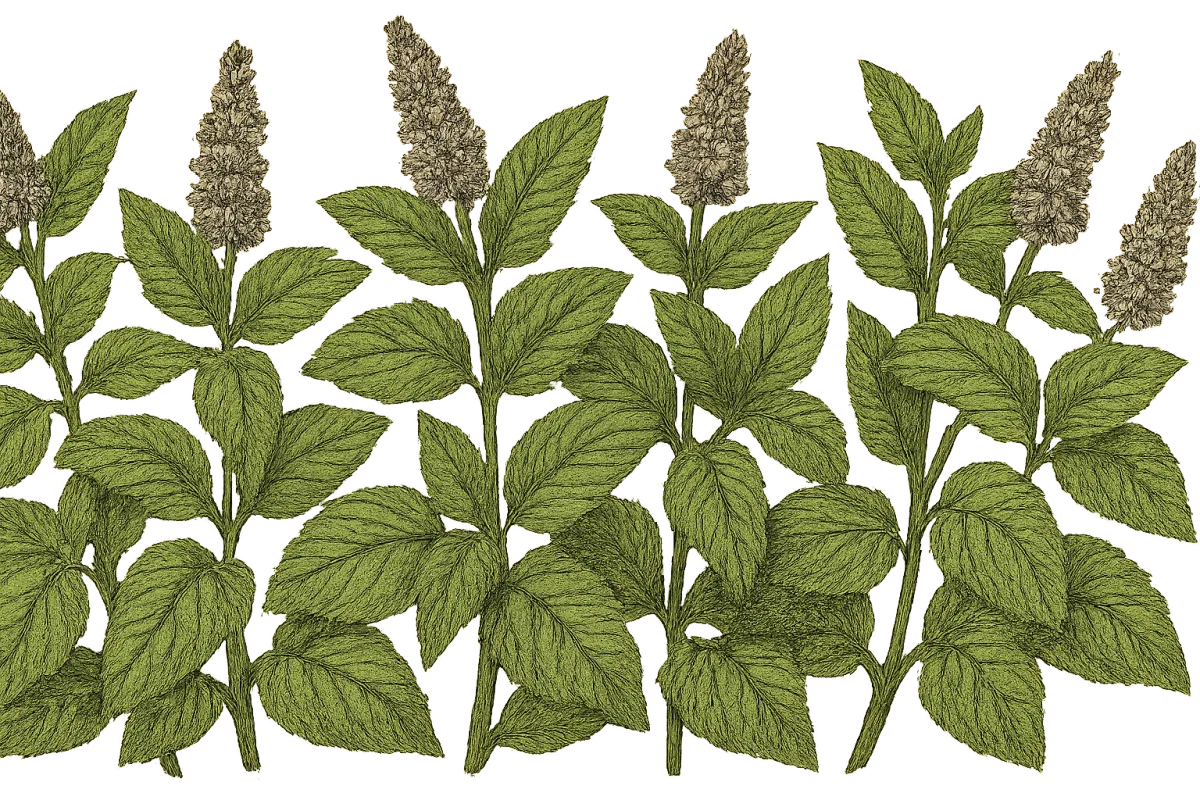
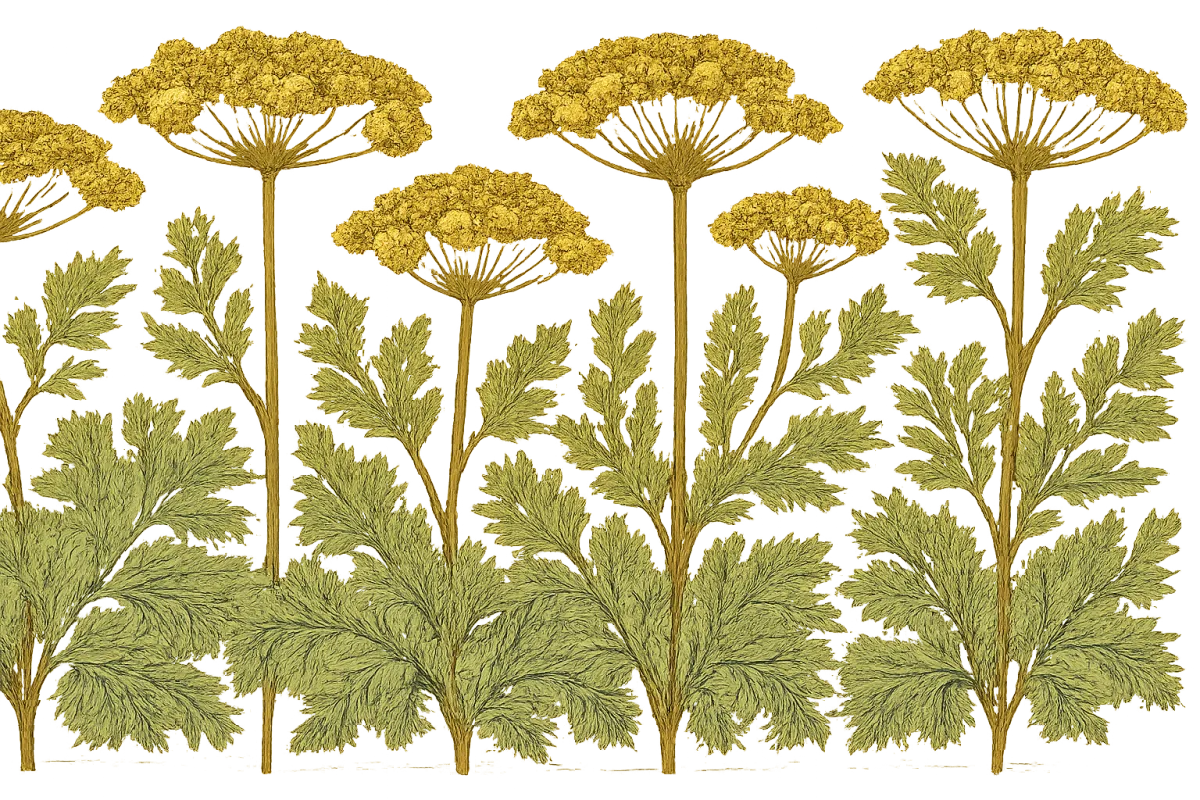
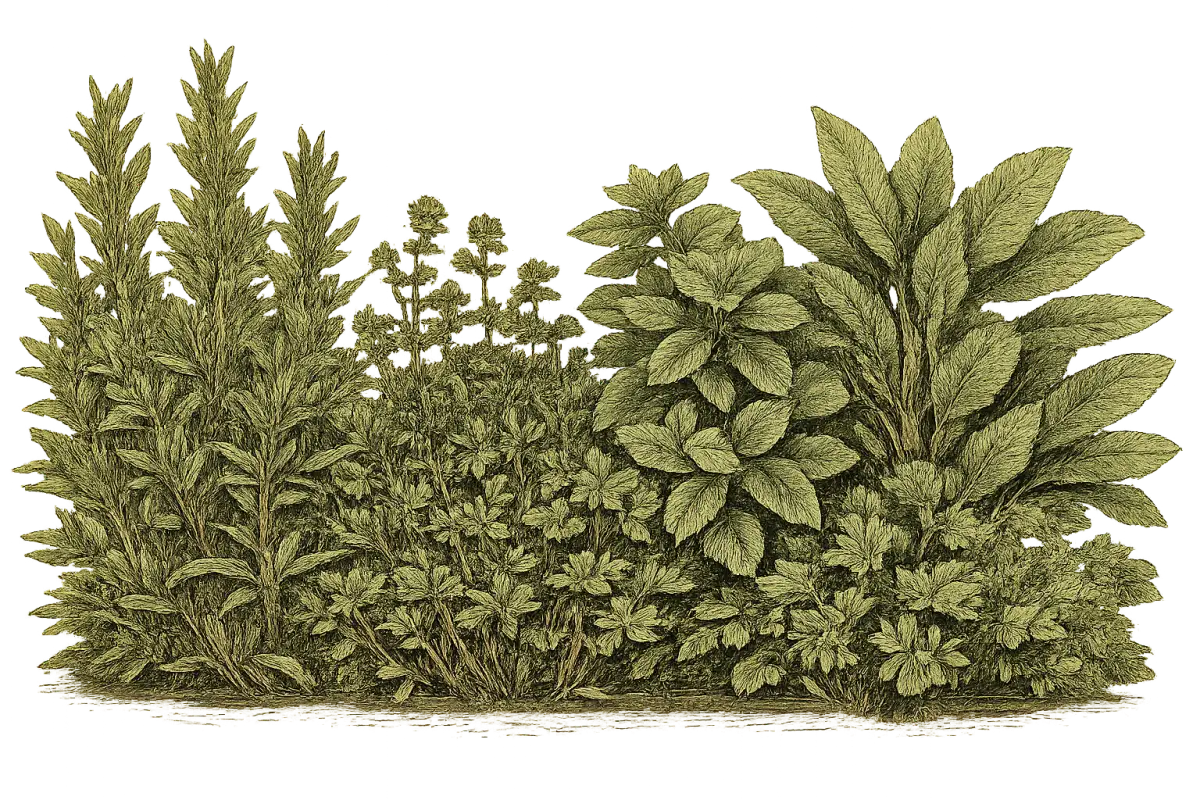
Nearly every culinary herb works in Zone 6. Mediterranean perennial herbs (rosemary, thyme, oregano, sage, lavender) are reliably perennial in most sites. Tender perennials like lemongrass and bay laurel can survive in protected spots or need to come indoors. Annual herbs (basil, cilantro, parsley, dill) grow through the long summer. The only herbs that struggle are heat-sensitive ones like cilantro, which bolts quickly in midsummer heat — grow it in spring and fall.
Best Flowers for Zone 6
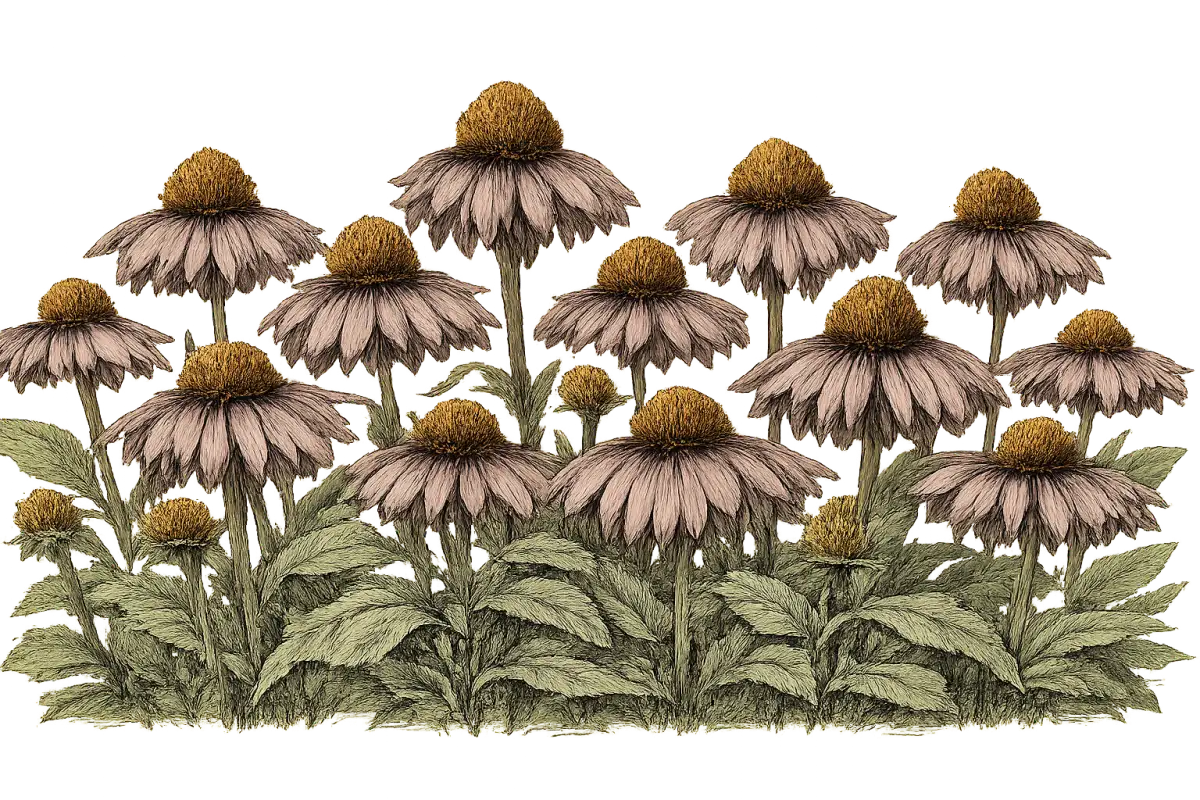
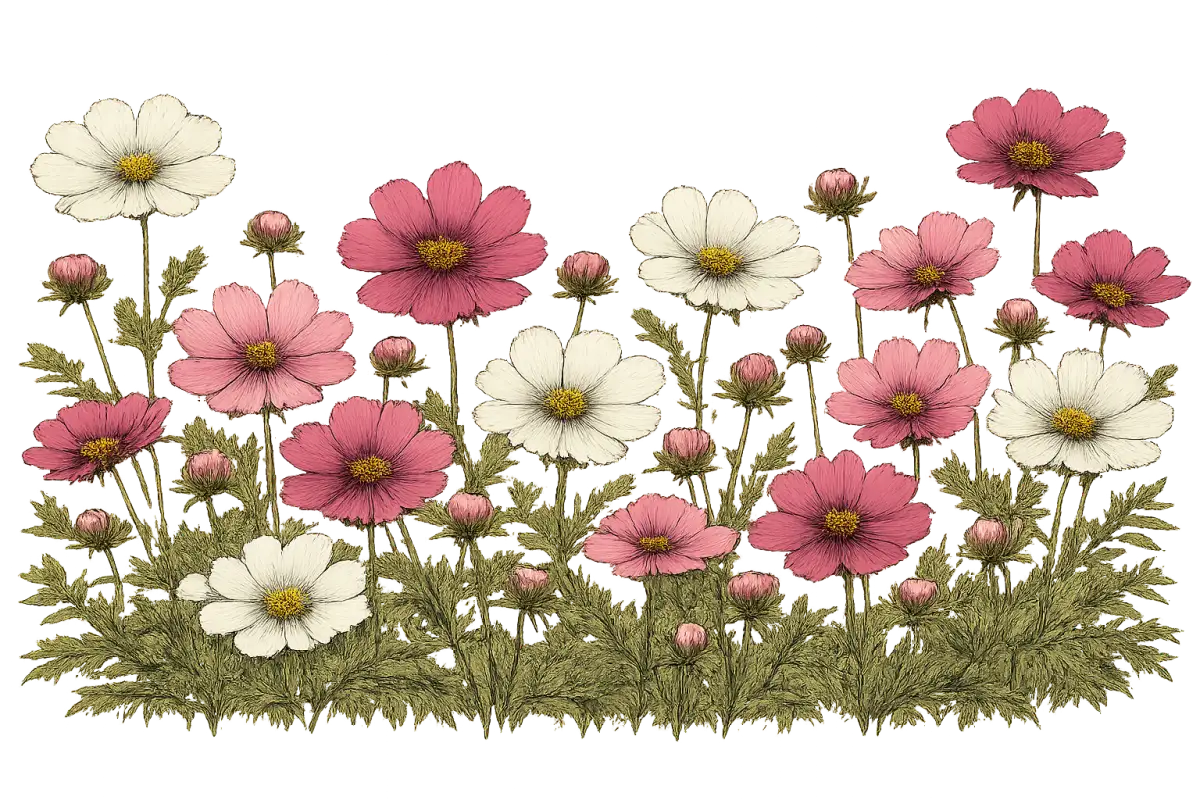
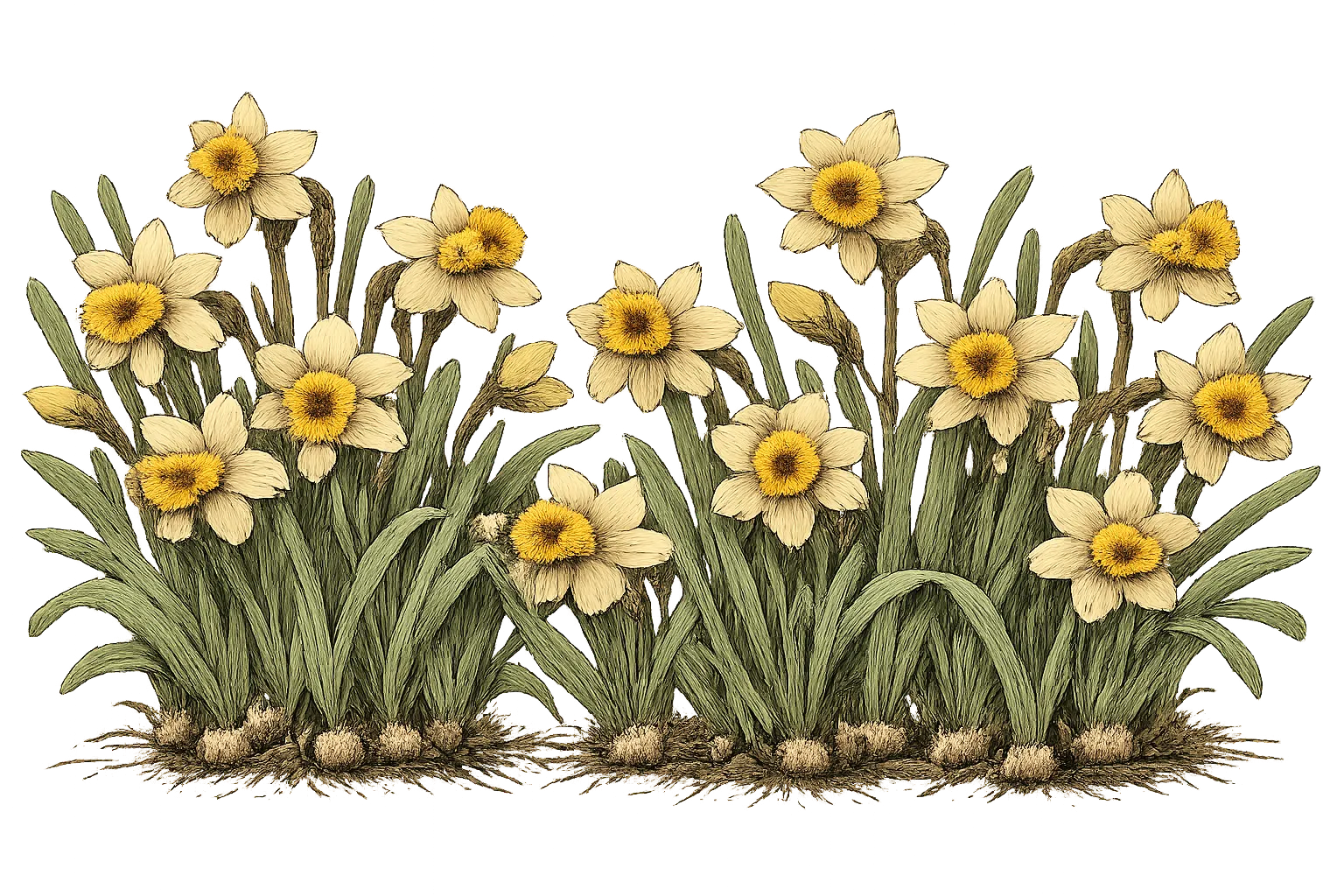
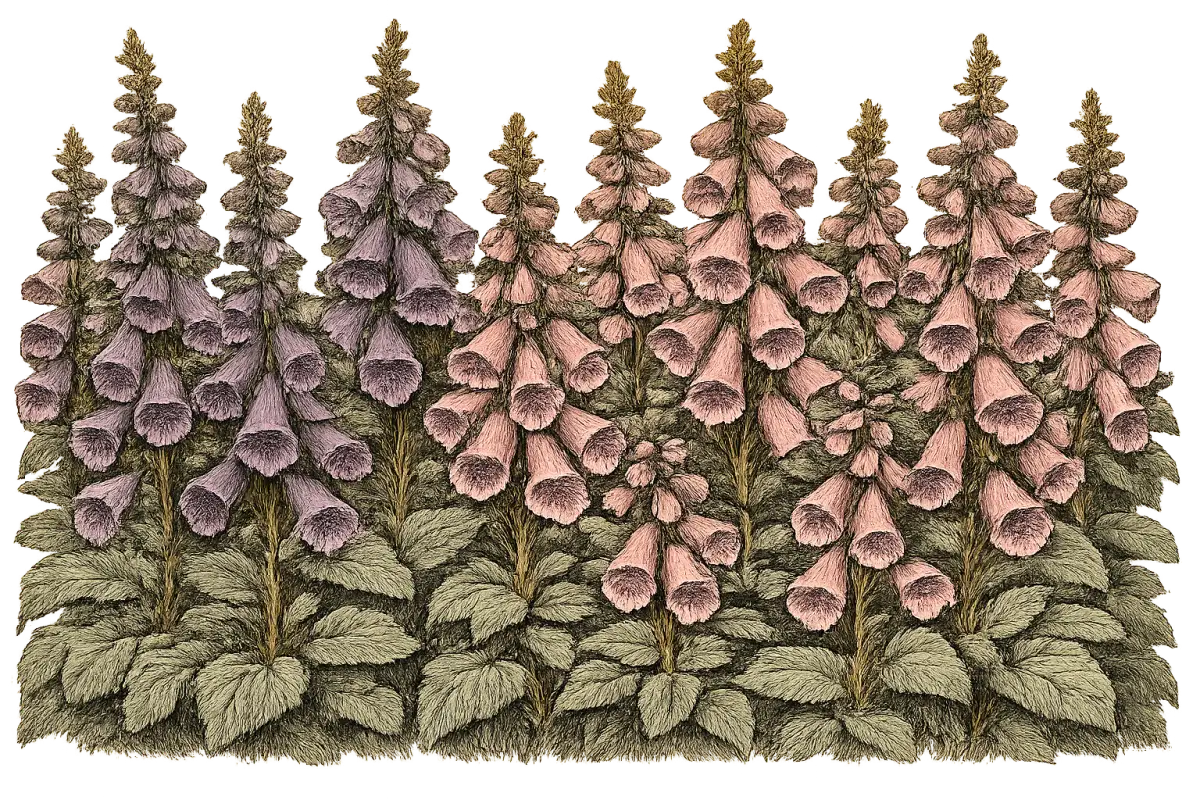
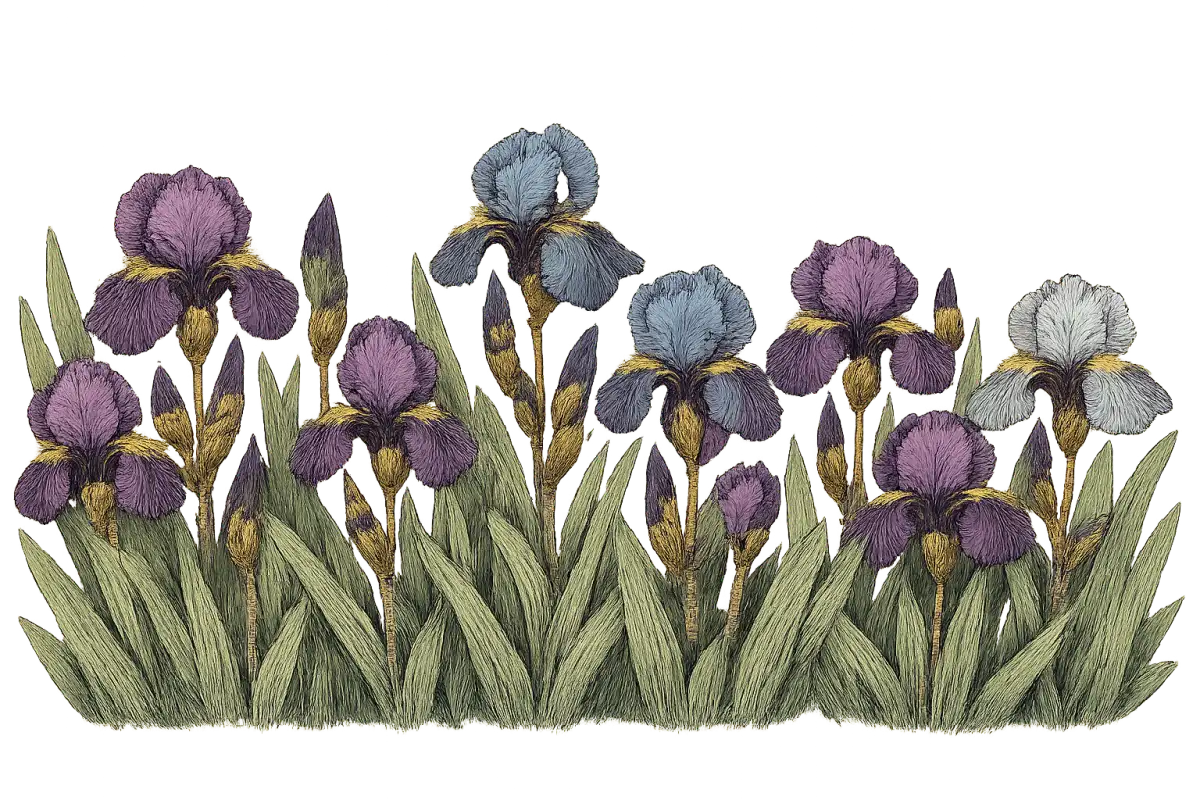
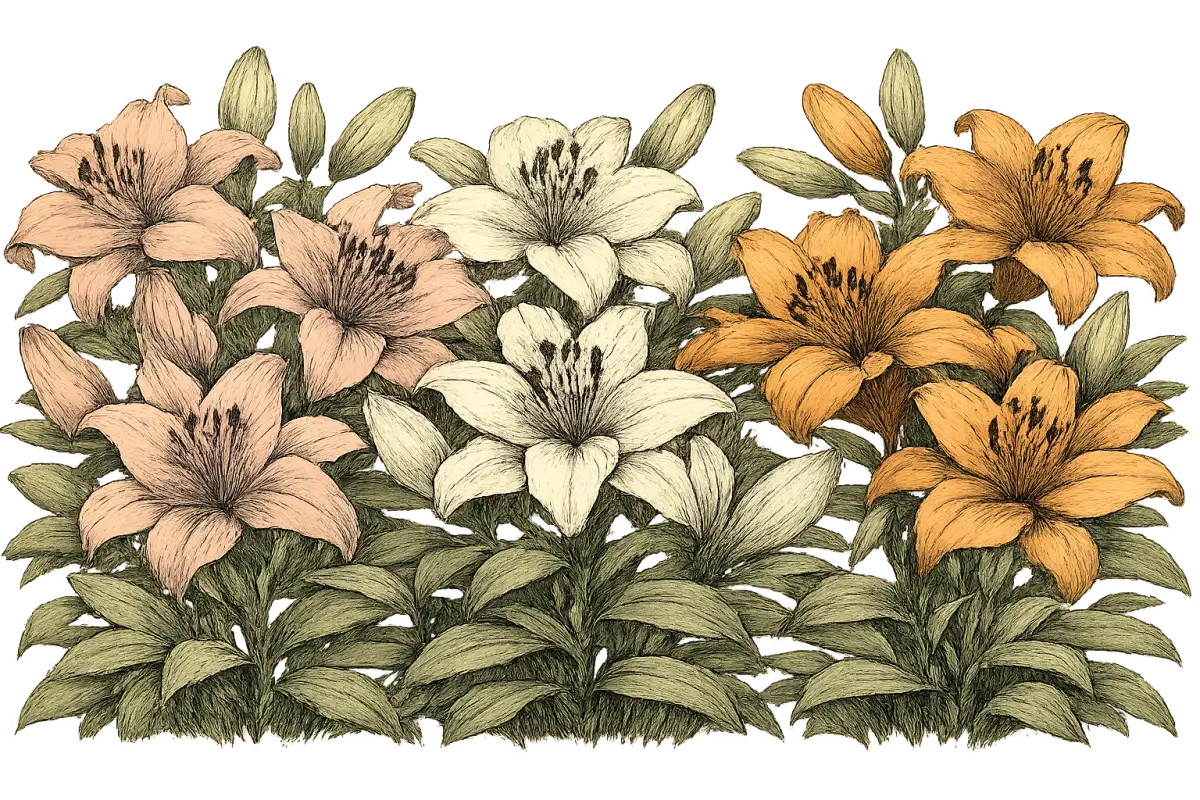
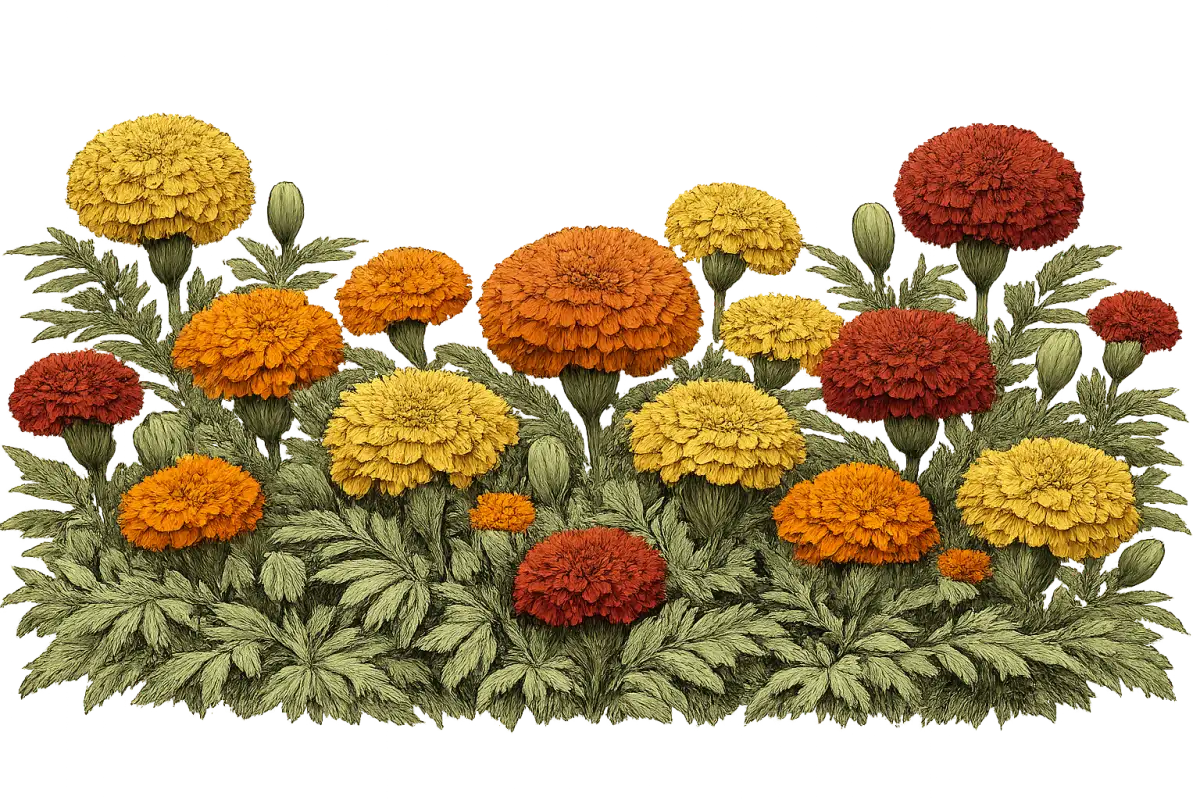
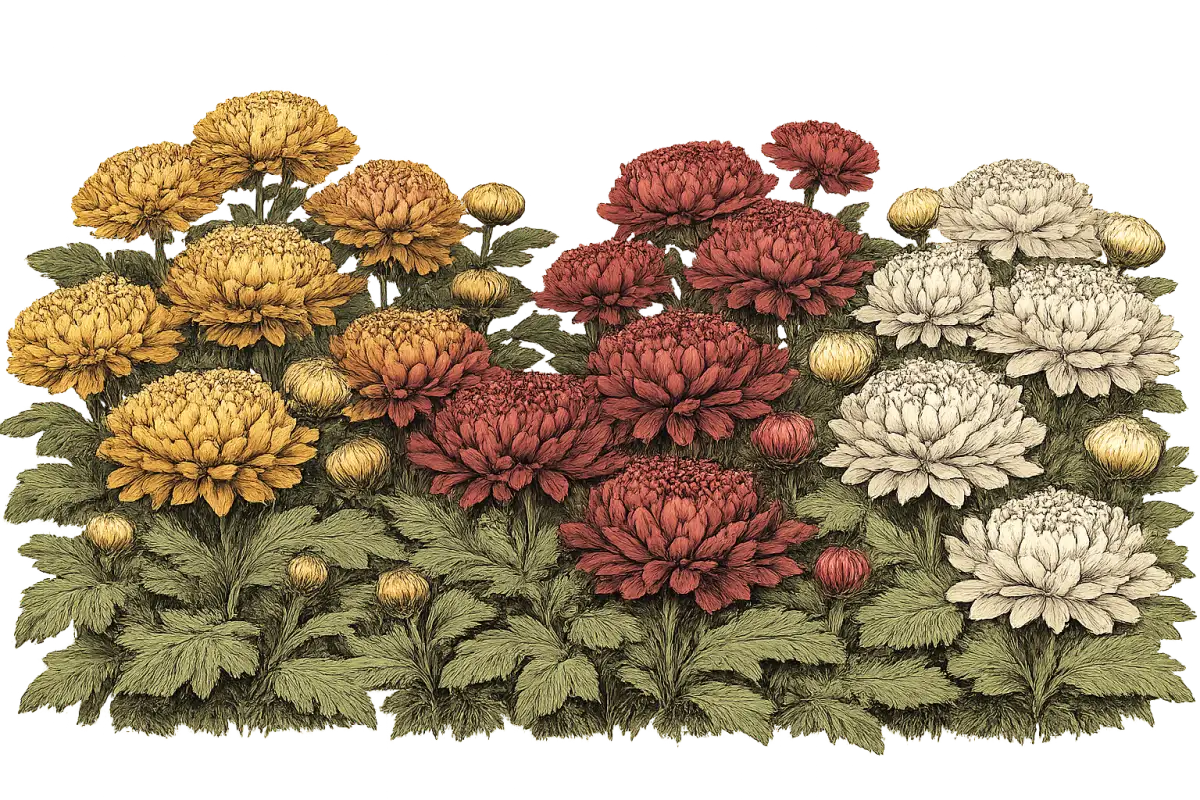
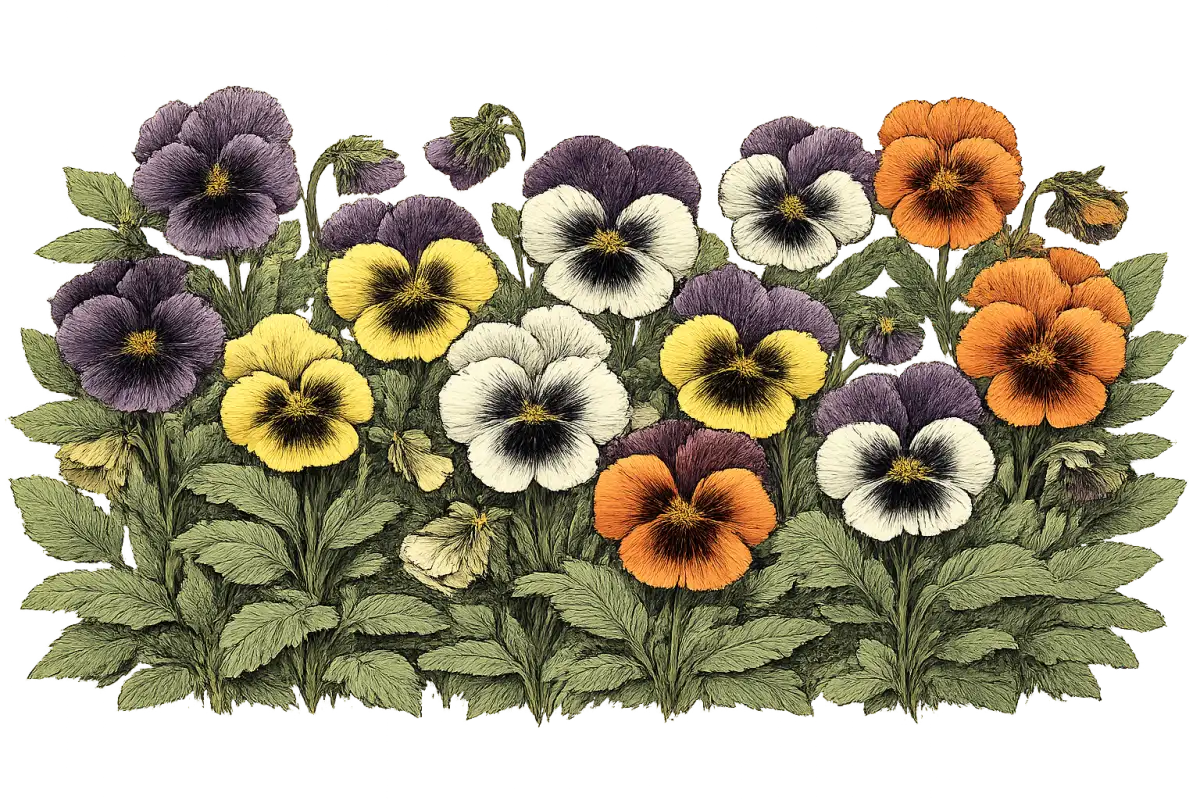
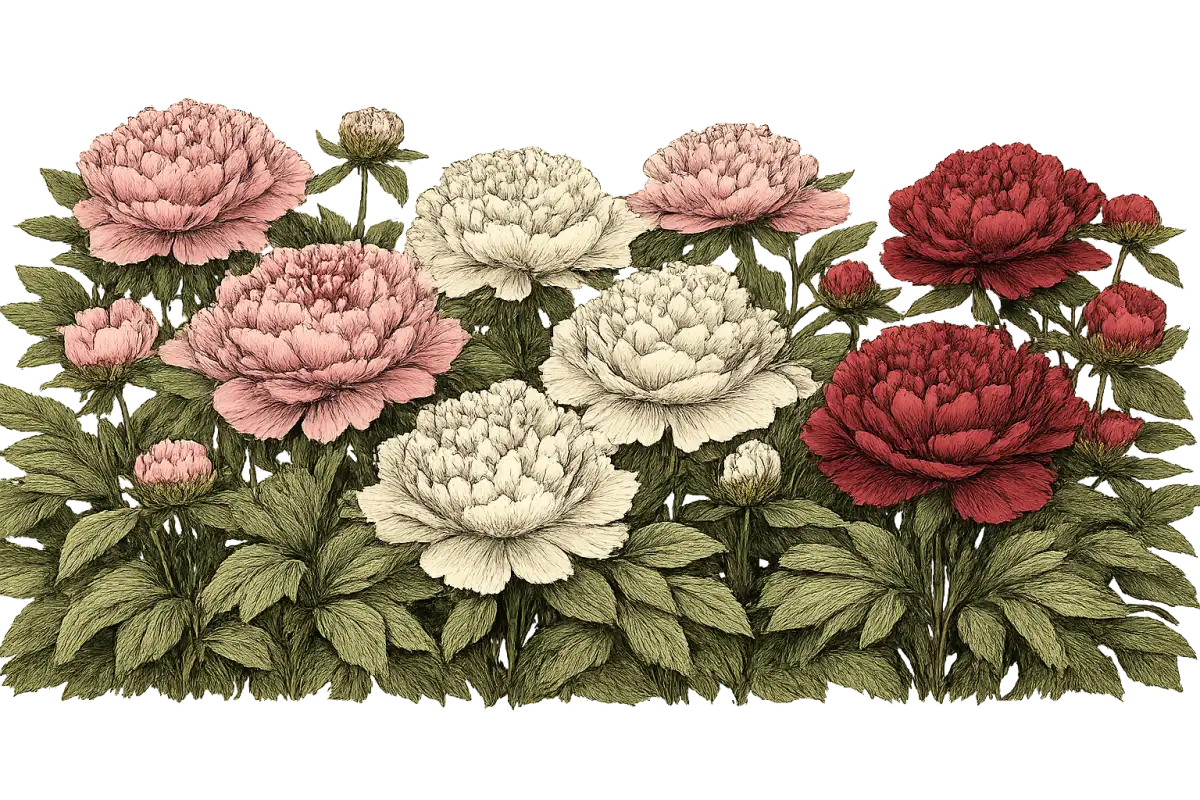
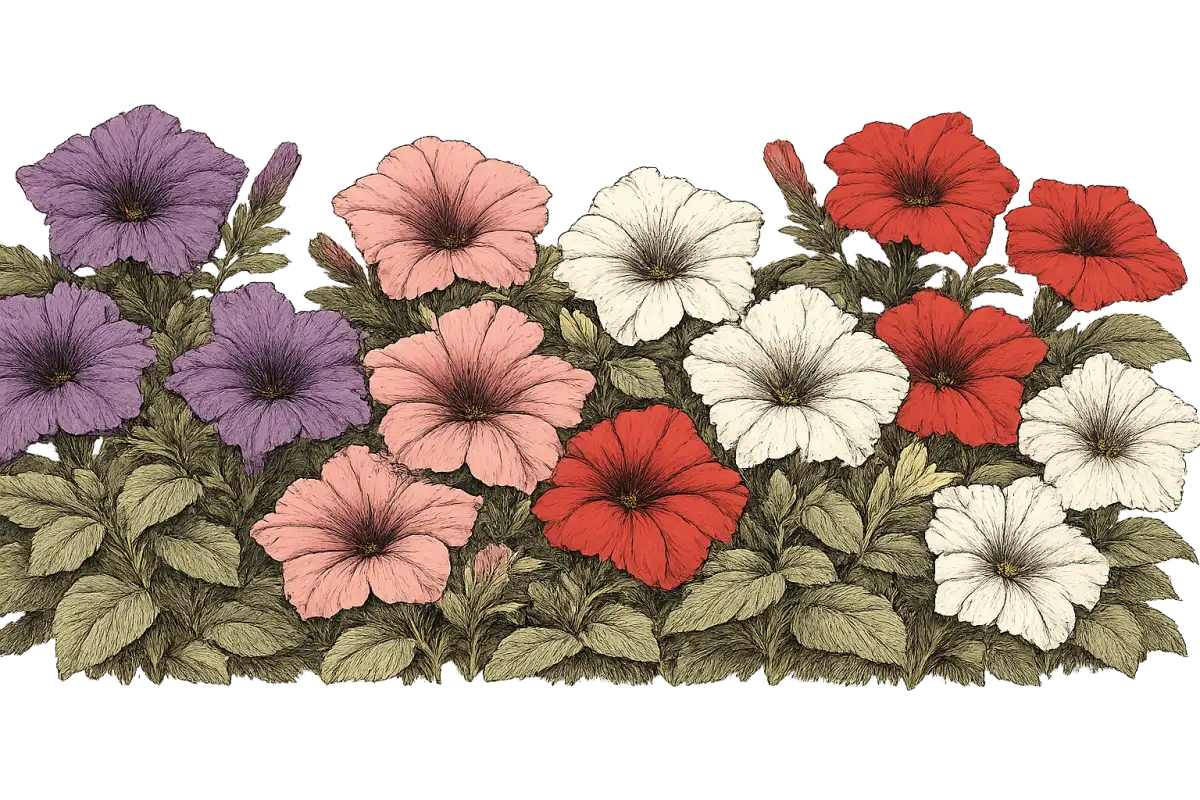
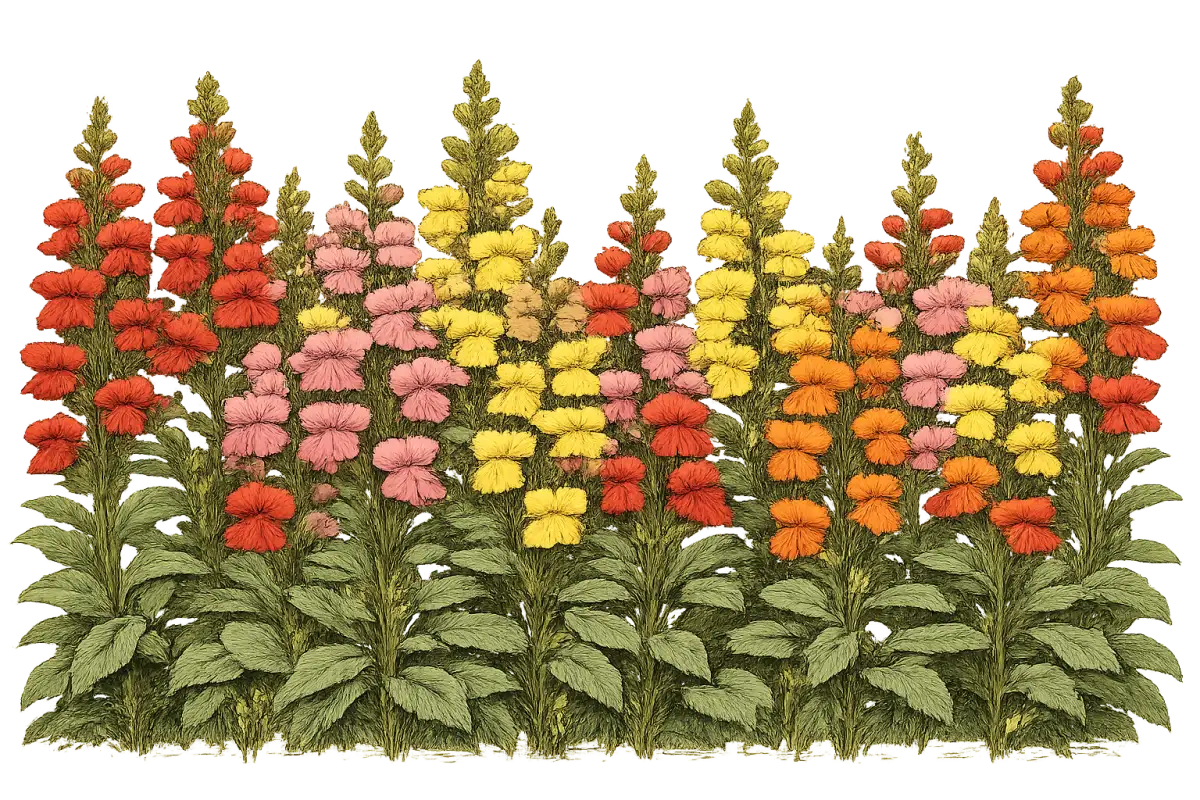
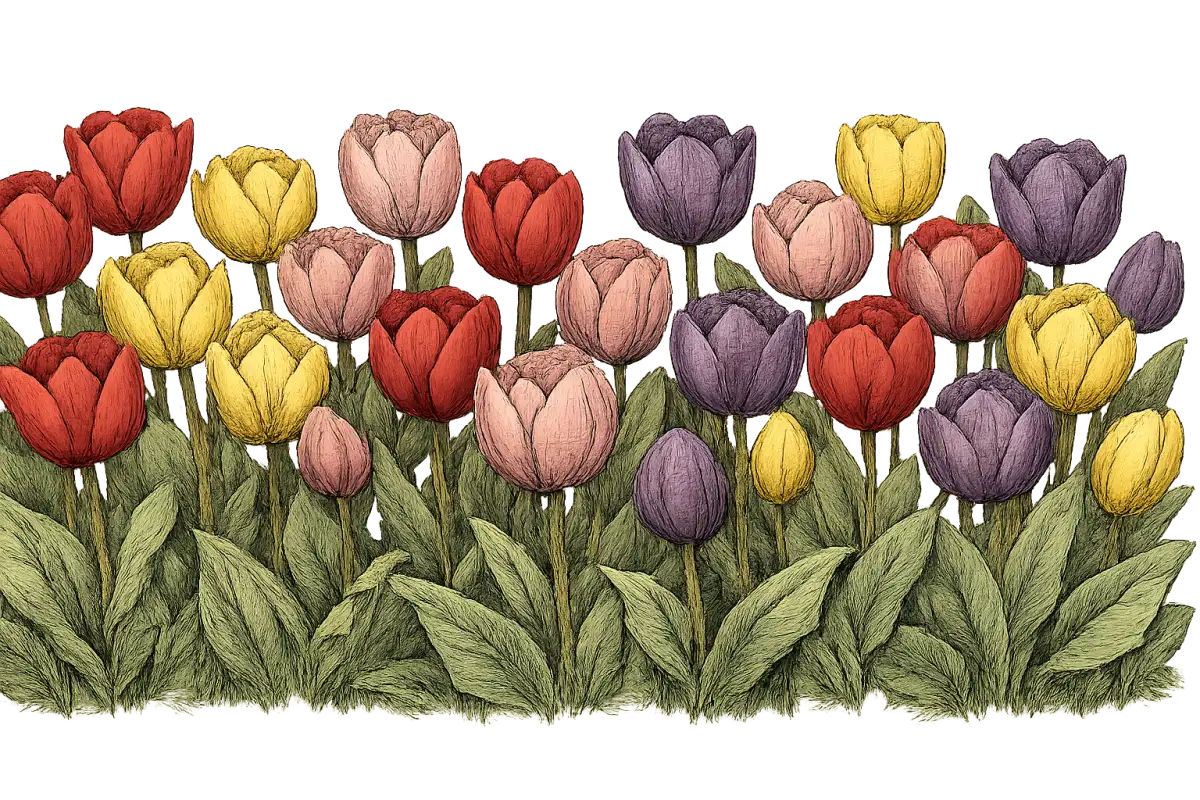
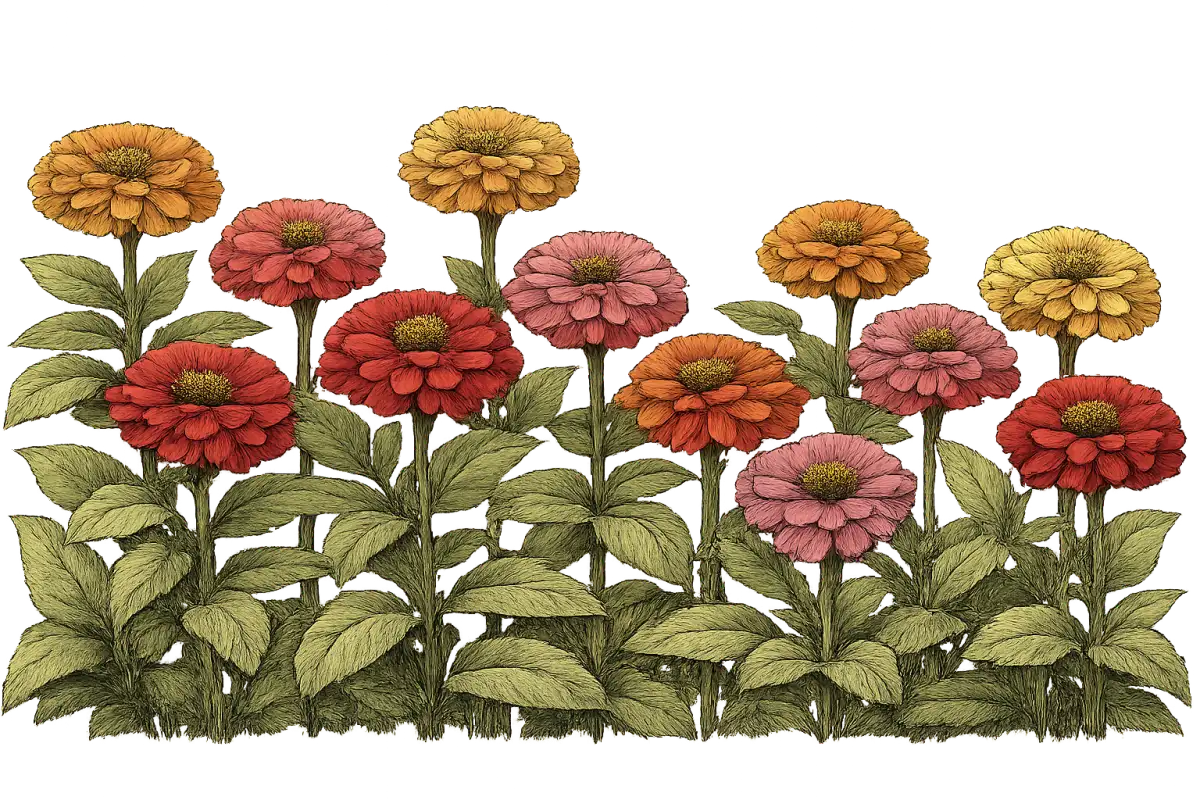
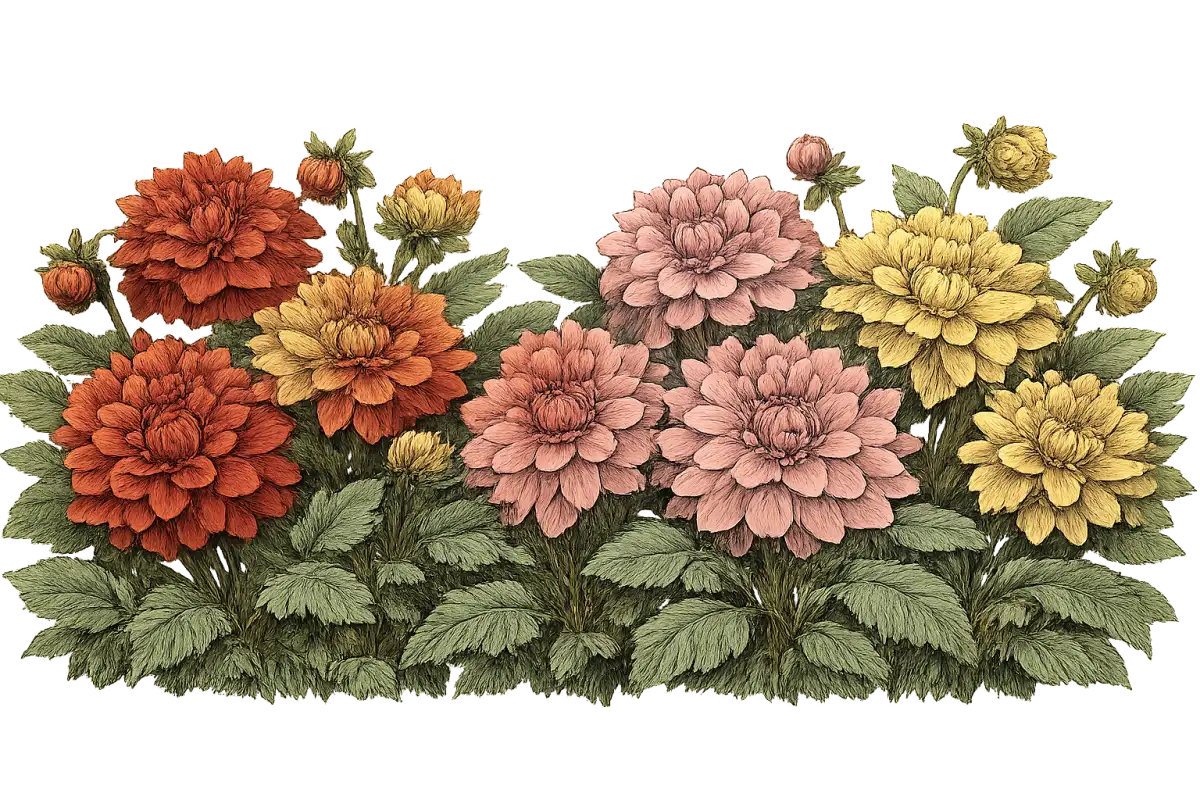
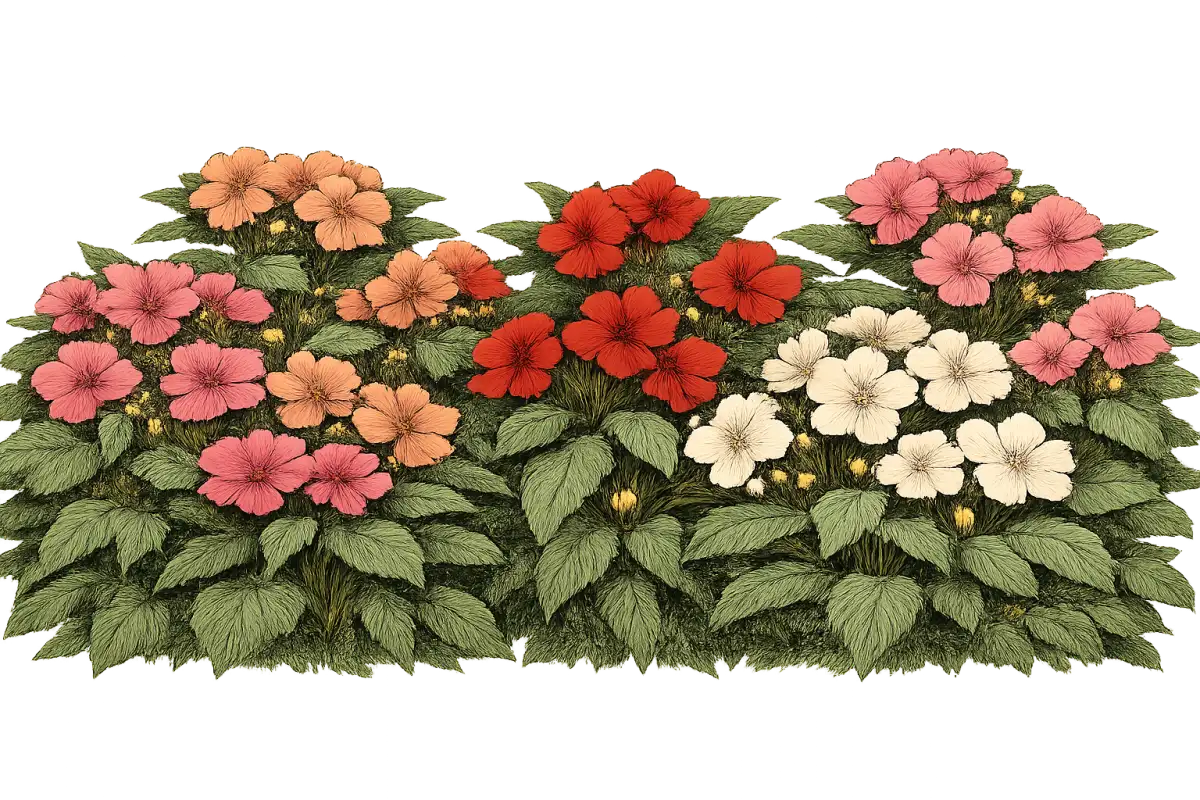
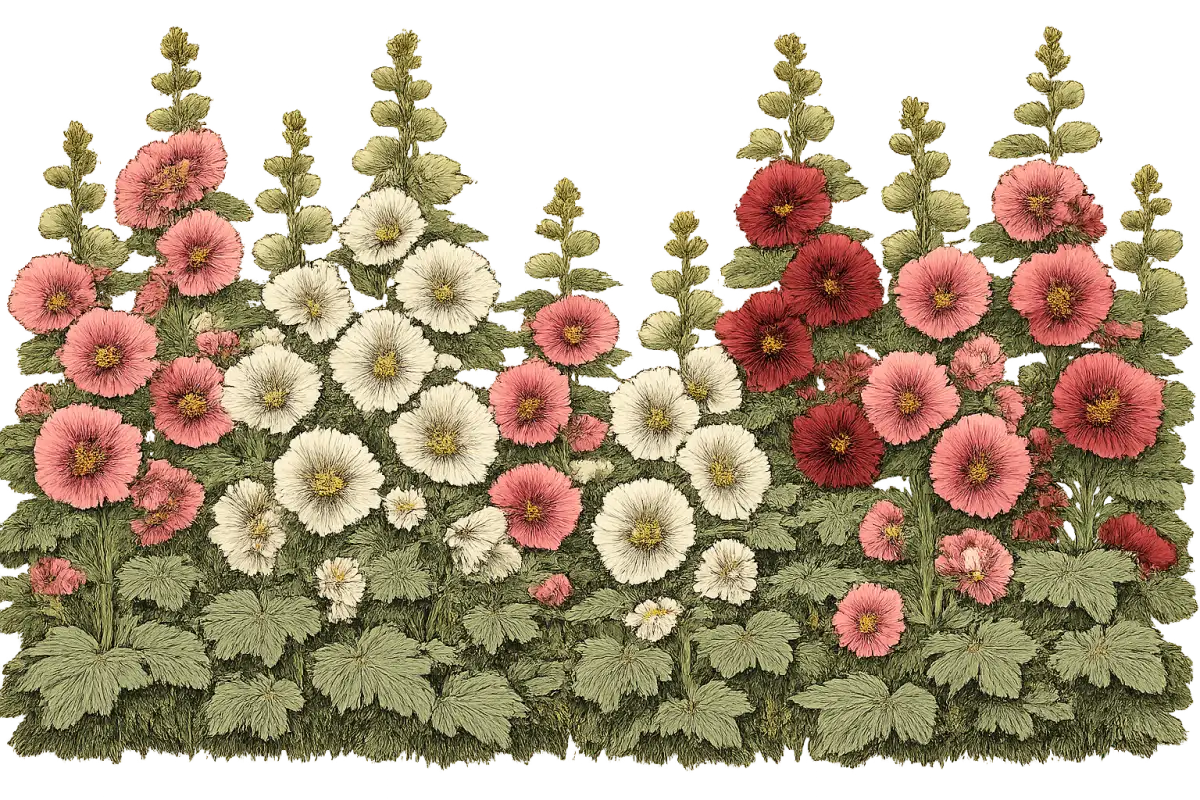
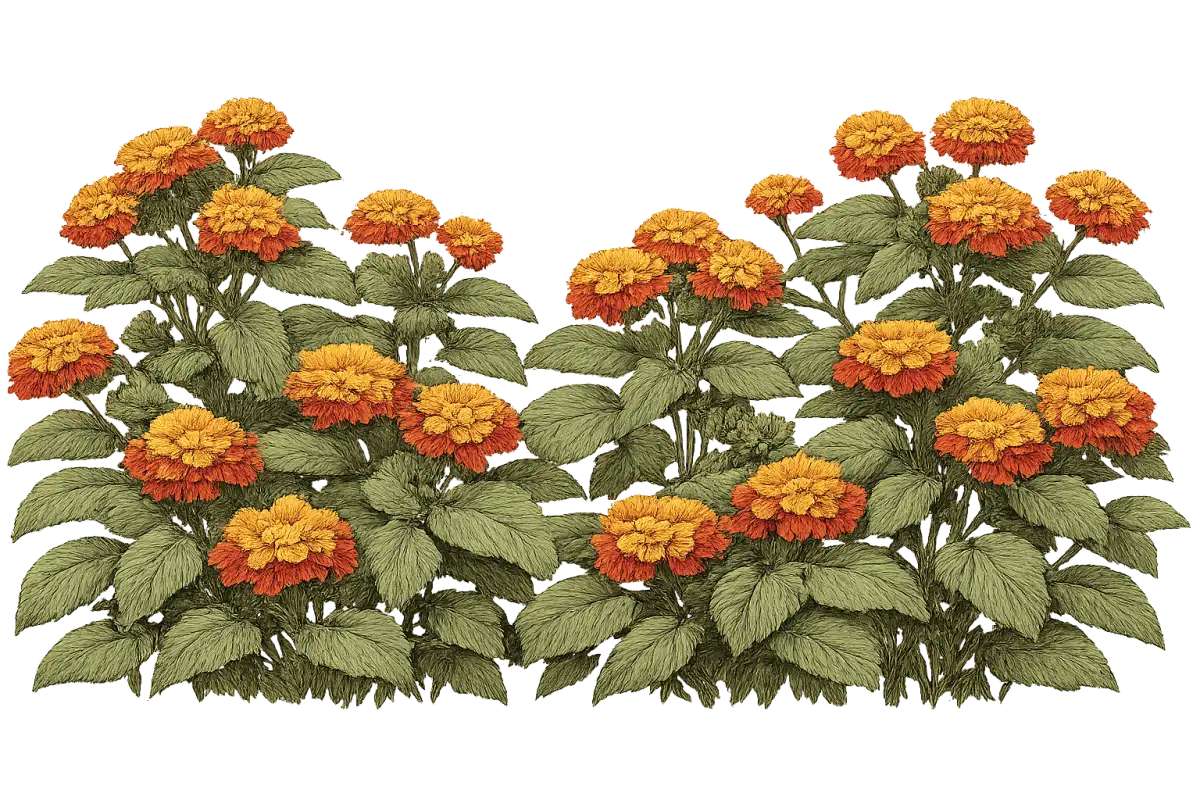
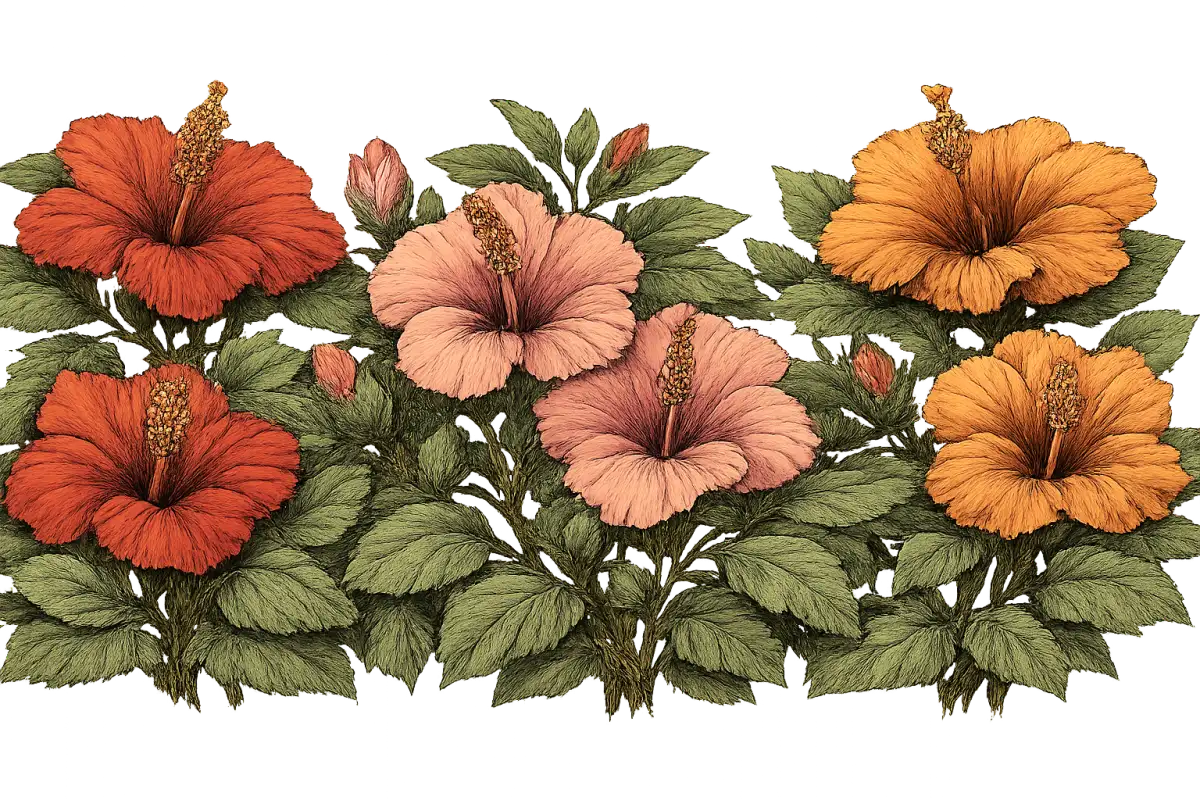
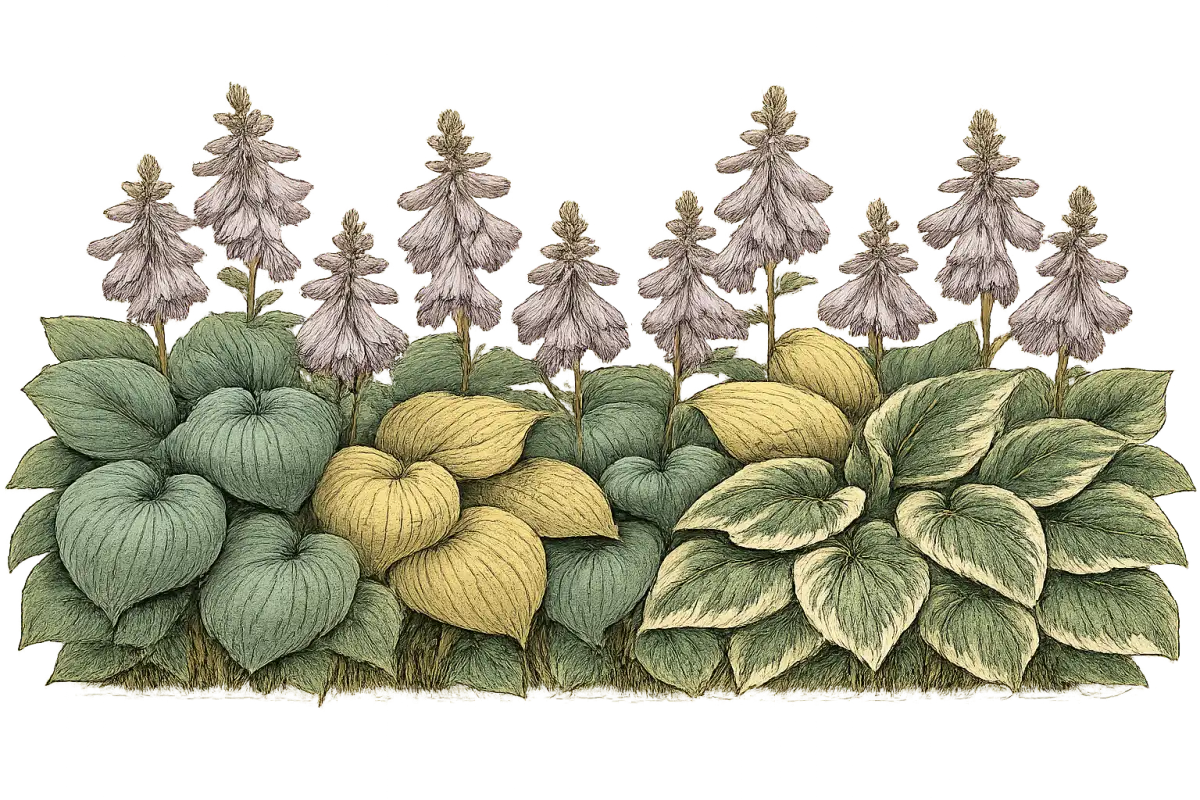
Almost every flower sold at a garden center works in Zone 6. Peonies, hostas, daylilies, iris, roses, and classic perennials are all reliable. Spring bulbs are spectacular. Annual flowers have a long season. Even many tropical-looking plants like cannas and dahlias work as summer plantings (though their tubers need to come up for winter storage). Marginally hardy plants like hardy hibiscus, crepe myrtle, and certain gardenias work in protected sites.


Worth trying (rating 3 — possible but challenging):
Best Shrubs for Zone 6
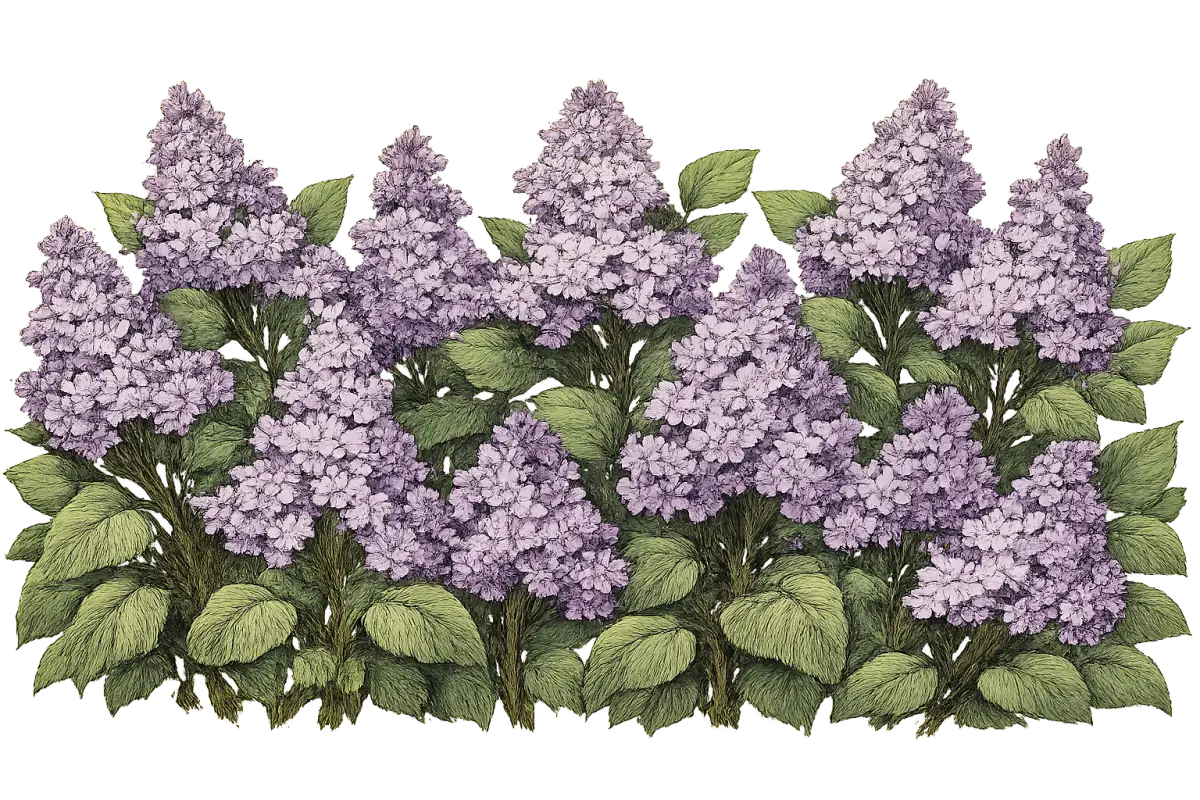
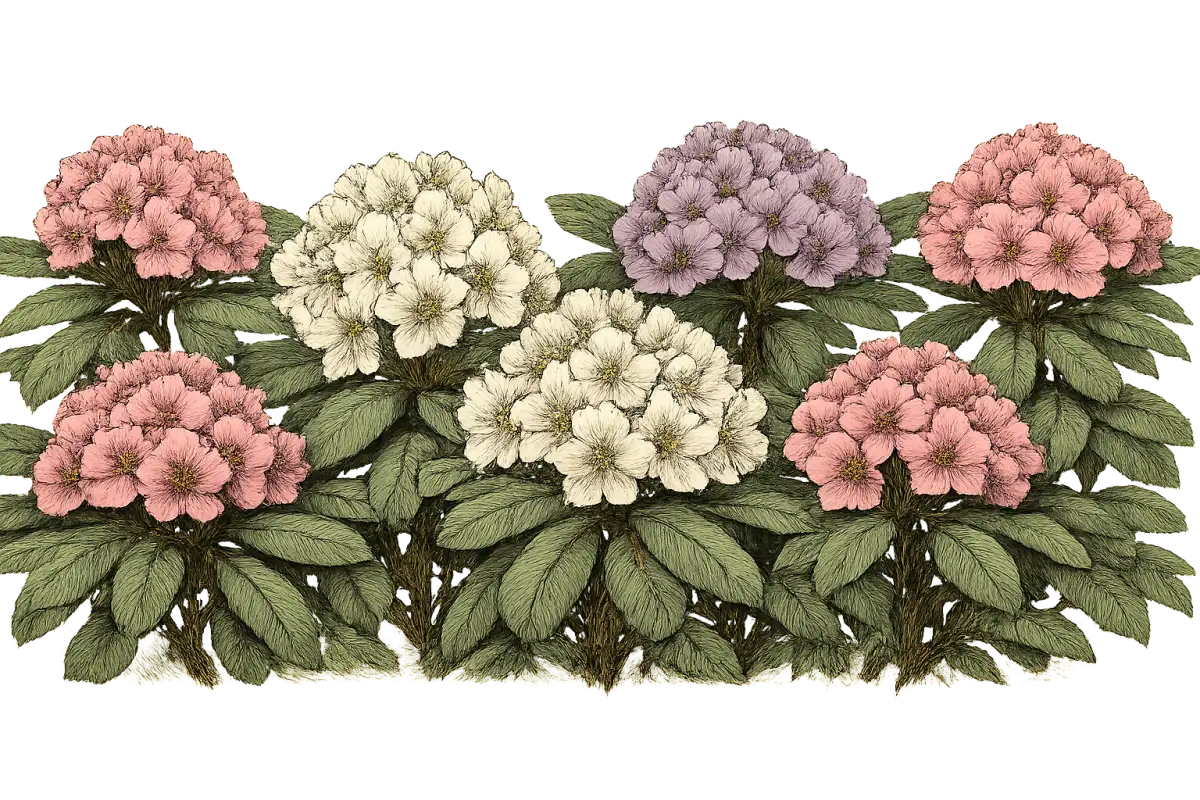
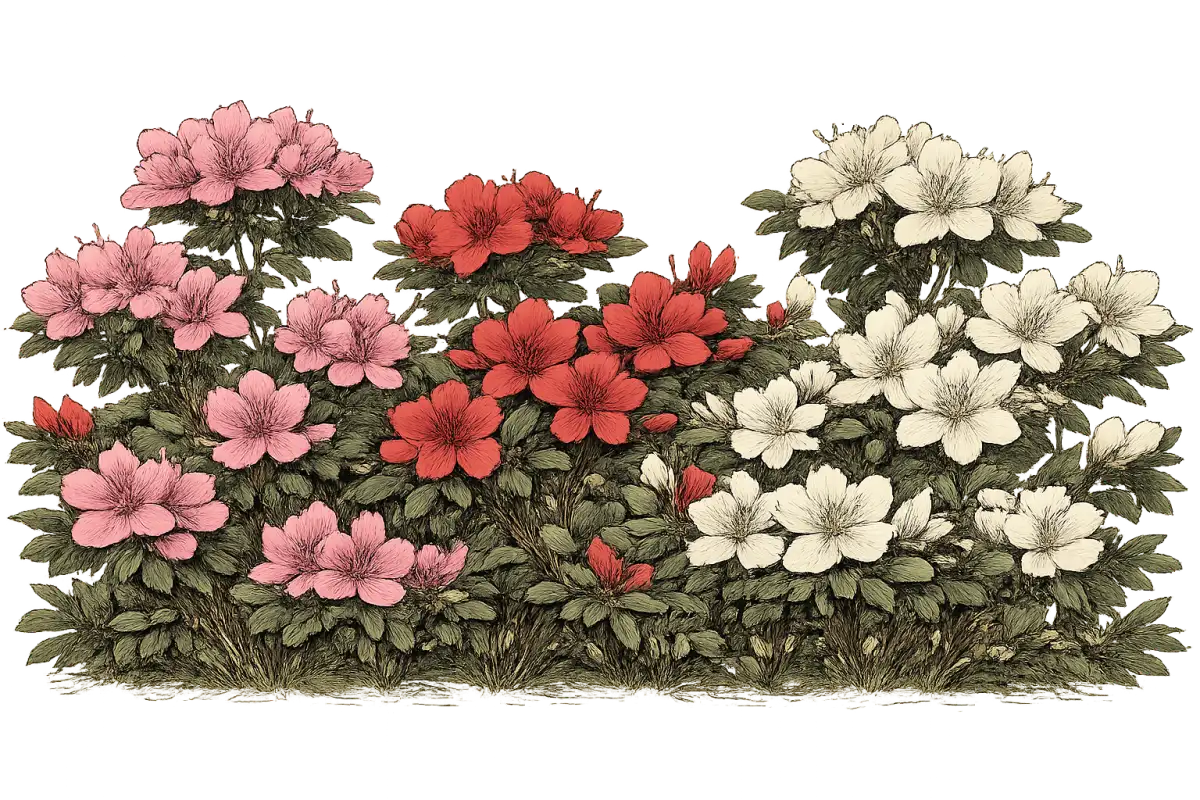
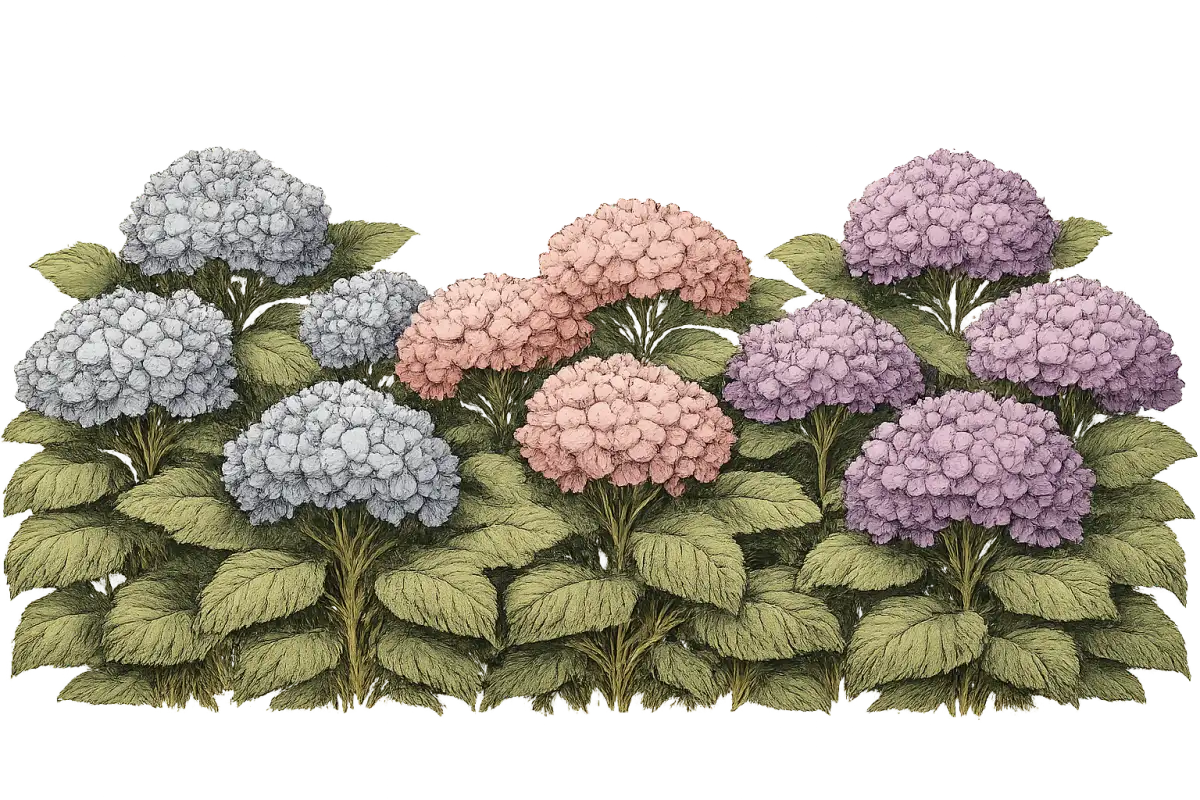
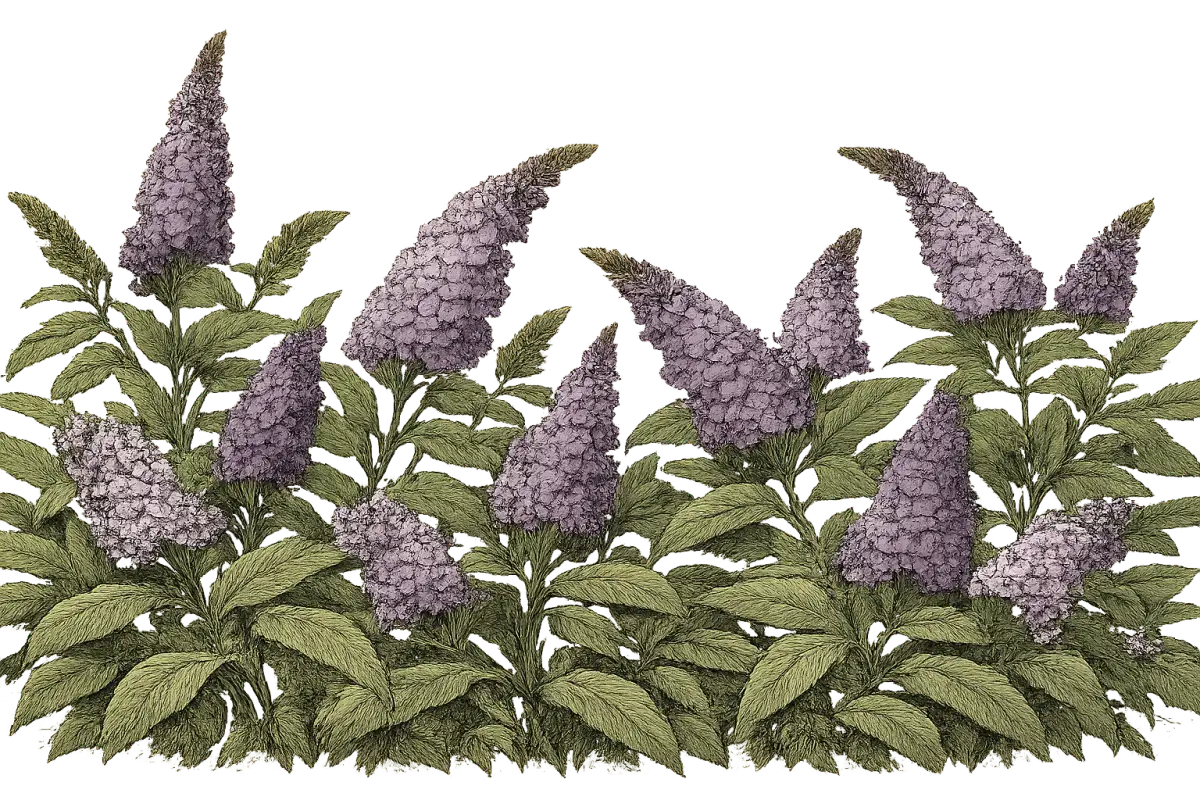
Every common shrub works in Zone 6. Hydrangeas of all types (paniculata, arborescens, macrophylla, quercifolia) are reliable. Roses of all types work, including hybrid teas without winter protection in most sites. Azaleas and rhododendrons do well with acidic soil. Crepe myrtles start to work reliably in Zone 6b — this is where the southern landscape look becomes possible. Gardenias and camellias work in protected sites, especially in 6b.


Worth trying (rating 3 — possible but challenging):
Best Perennials for Zone 6
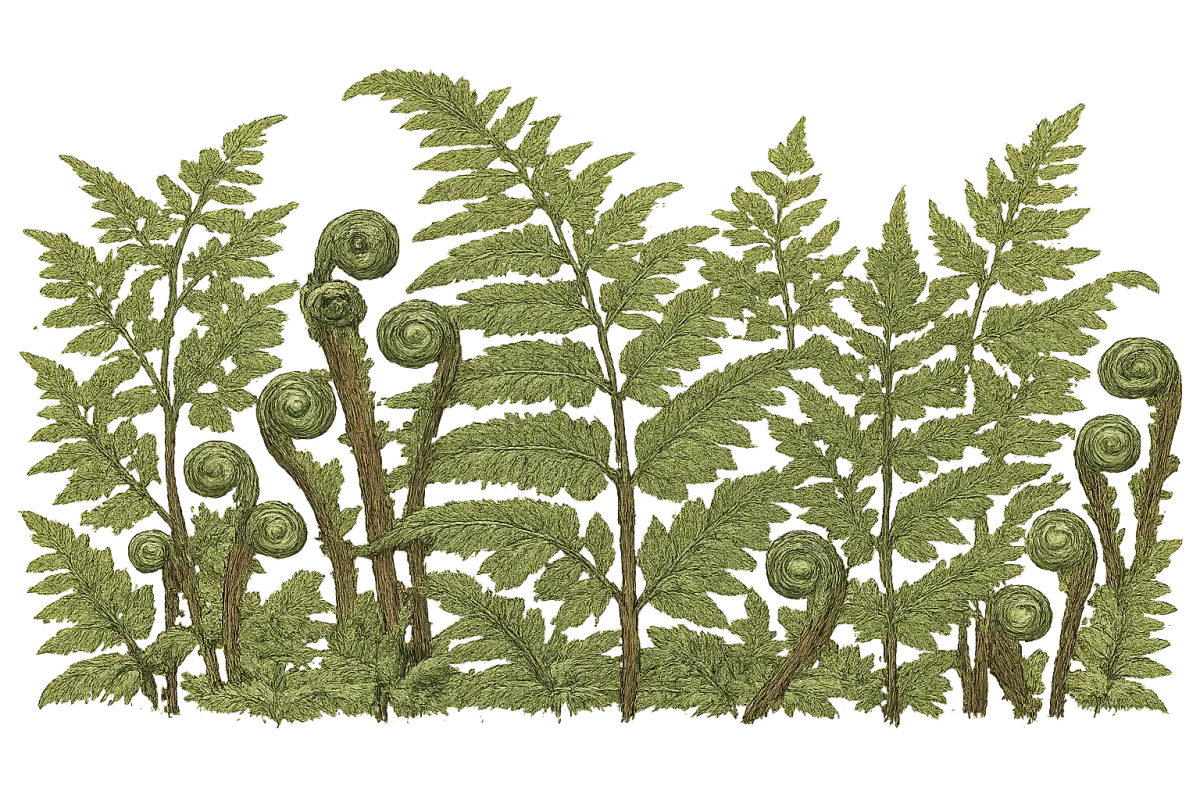
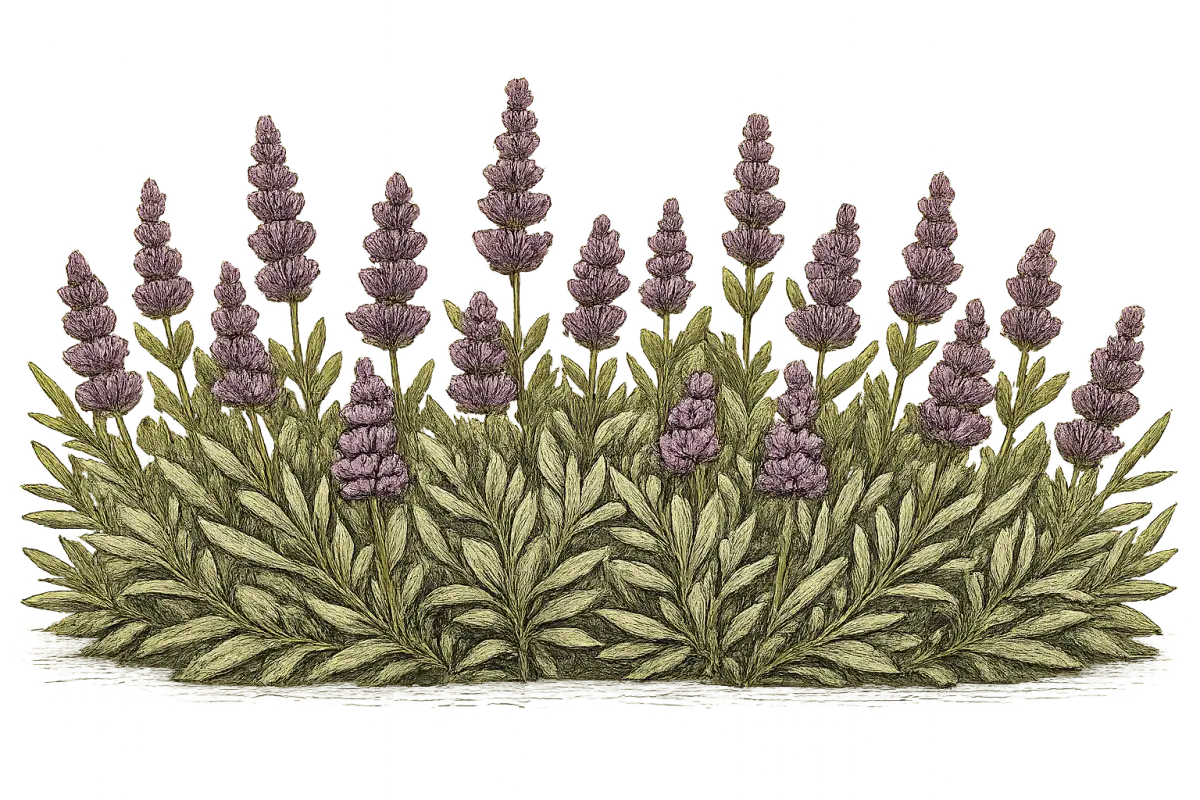
Zone 6 is prime perennial territory with almost no limitations. Cold-hardy perennials thrive, and many marginally hardy ones work too. Lavender, Russian sage, salvias, and ornamental grasses all do well. The tropical look of hardy bananas (Musa basjoo), elephant ears (from stored tubers), and hardy hibiscus is achievable. Japanese forest grass, heucheras, and astilbes all perform well in shade.
Best Vines for Zone 6
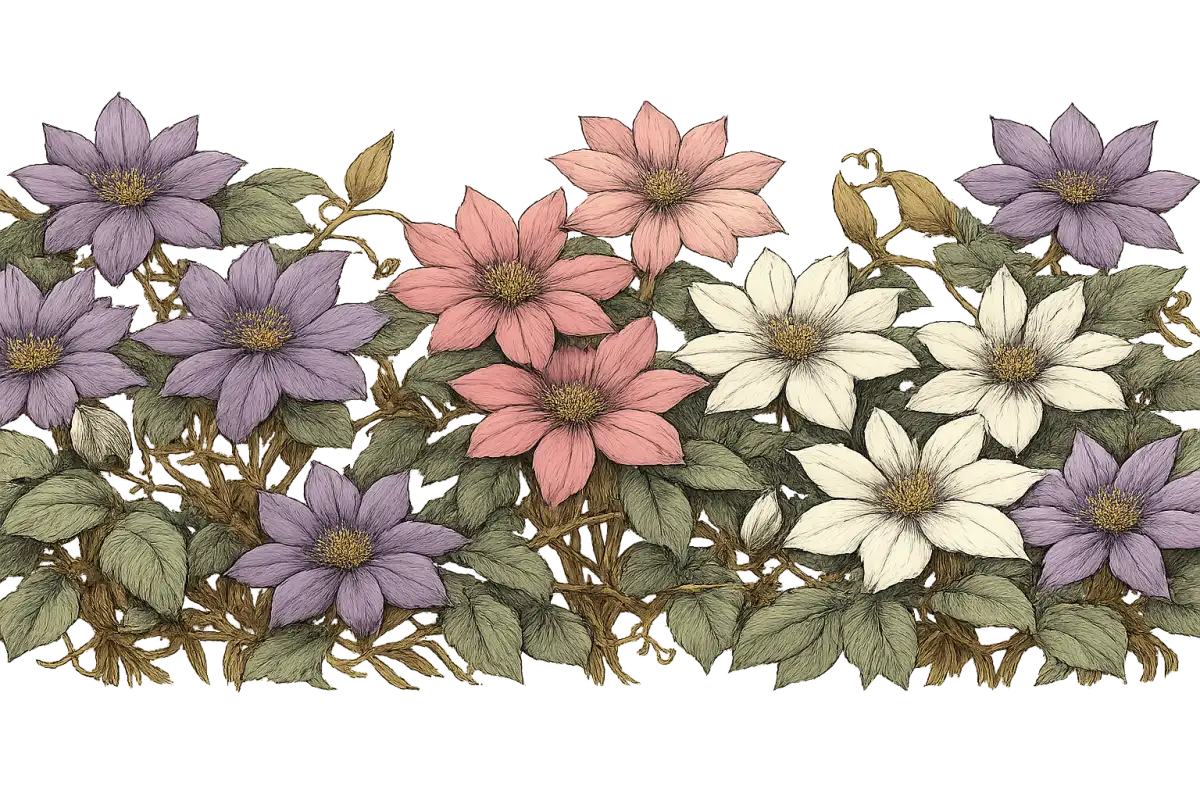
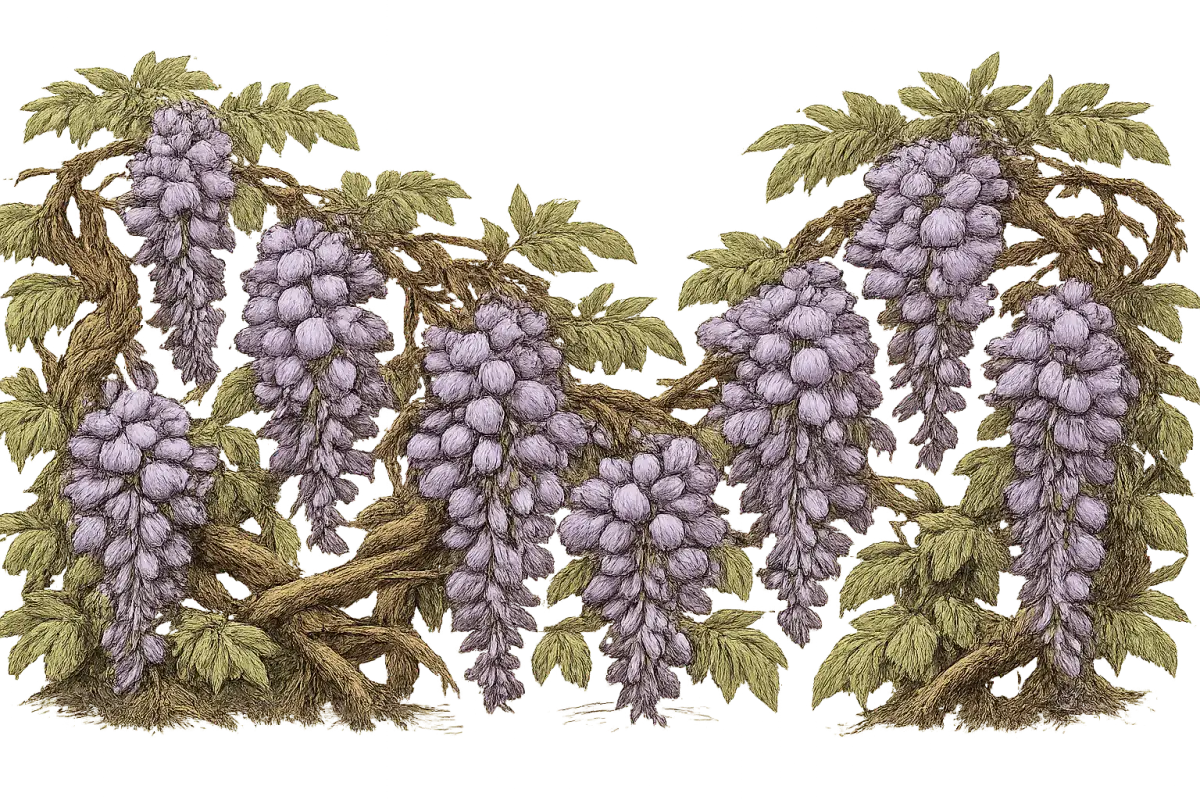
Wisteria flowers reliably in Zone 6 — this is where it really comes into its own. Clematis of all types, climbing hydrangea, grape vines, and kiwi vines all work well. Trumpet vine thrives. Hardy passion vines work in protected sites. Boston ivy and Virginia creeper grow vigorously.

Best Trees for Zone 6
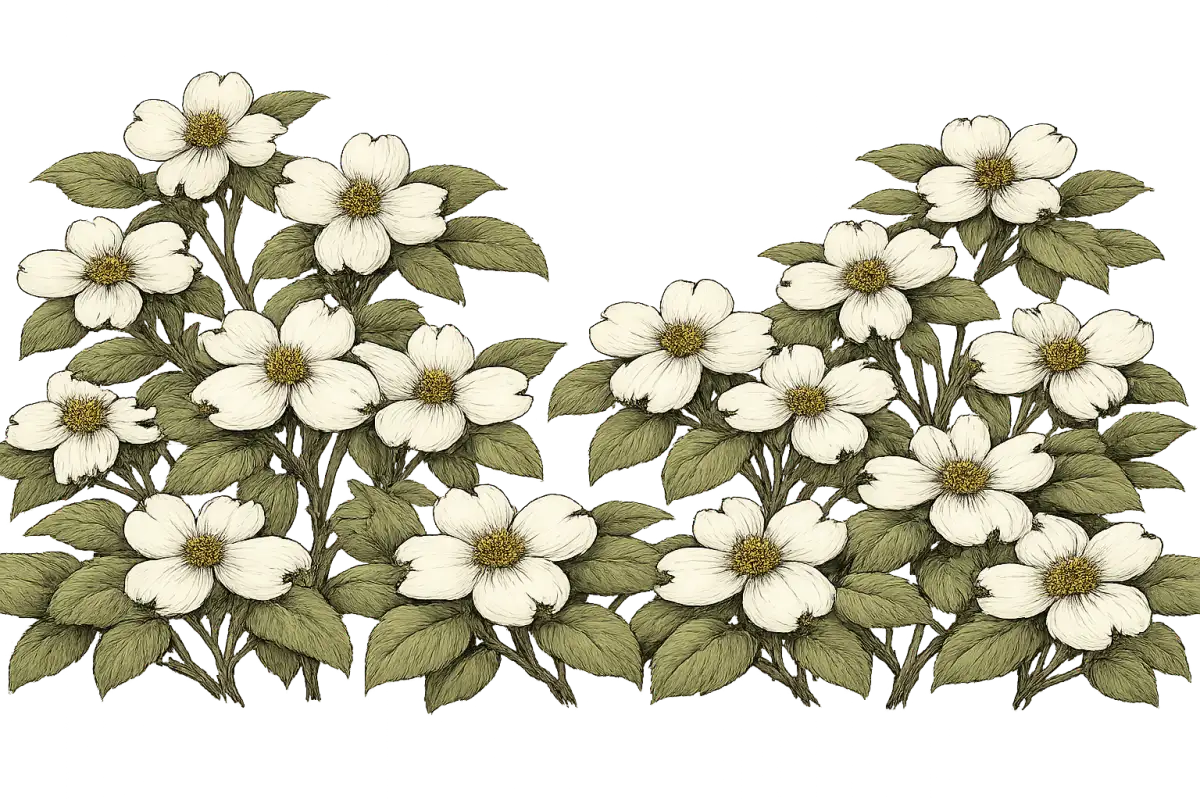
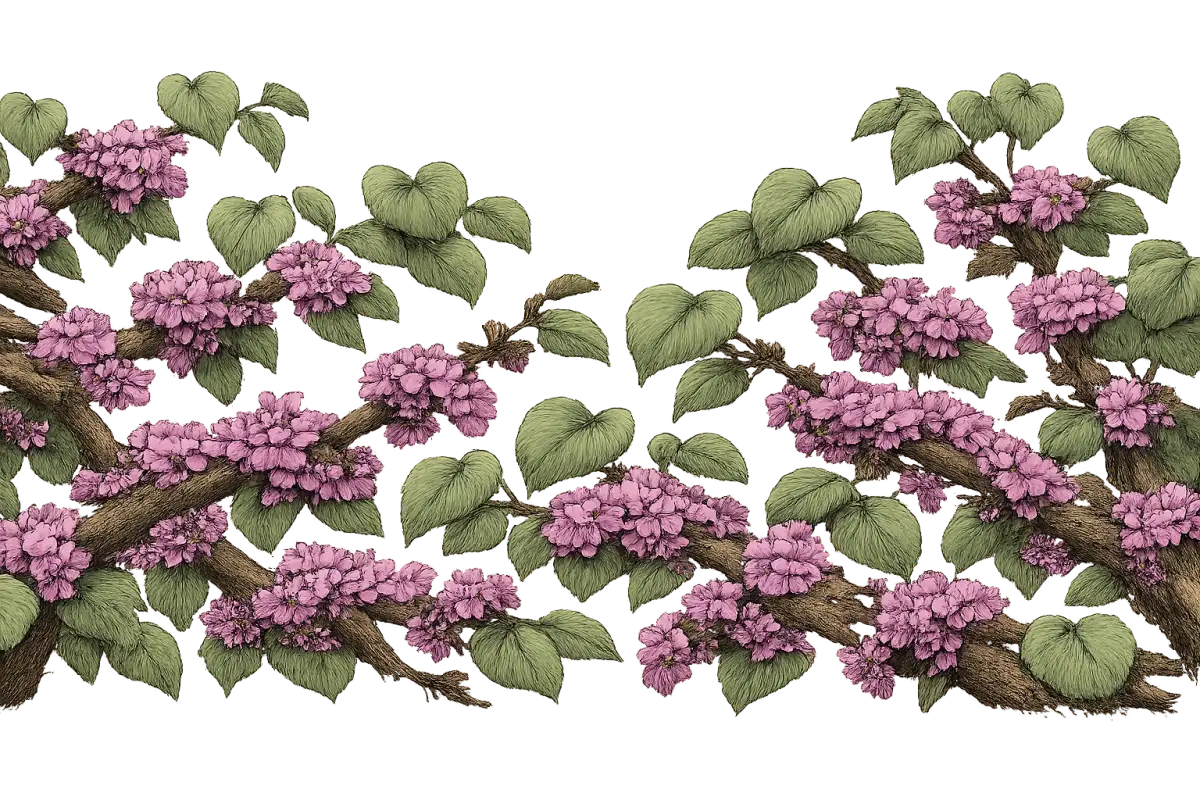
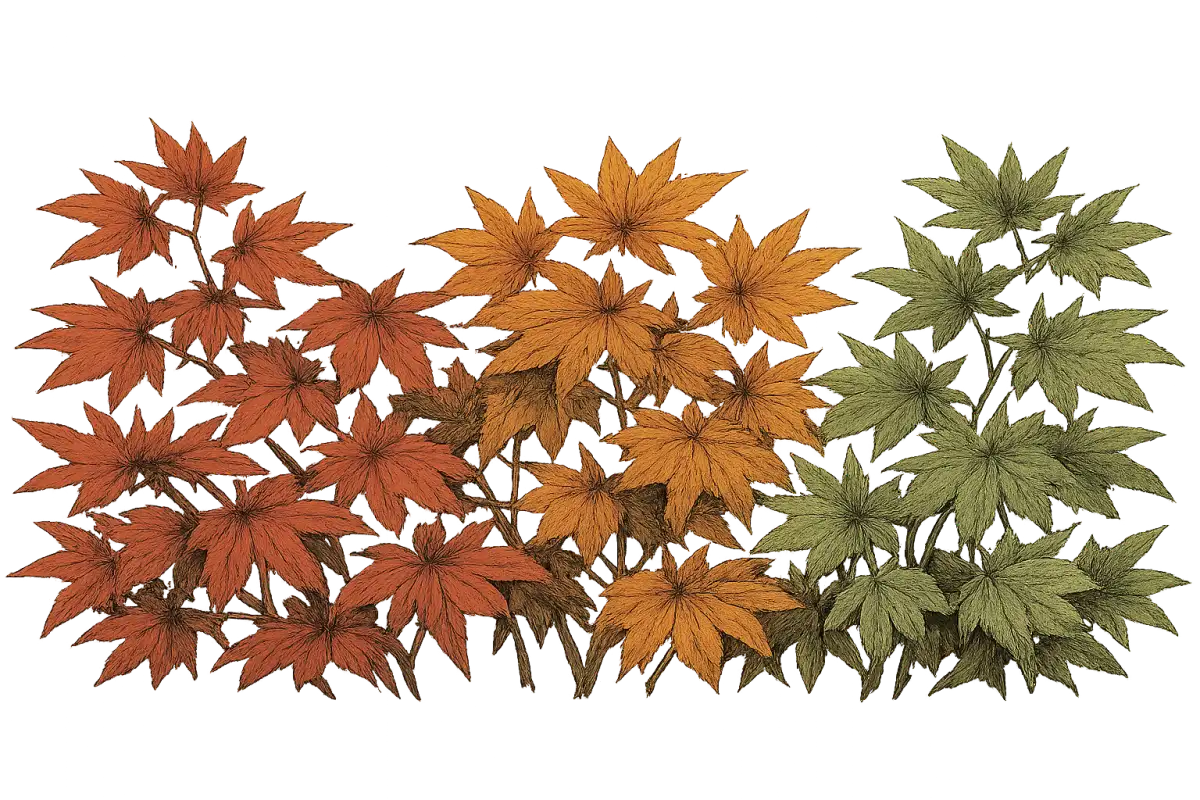
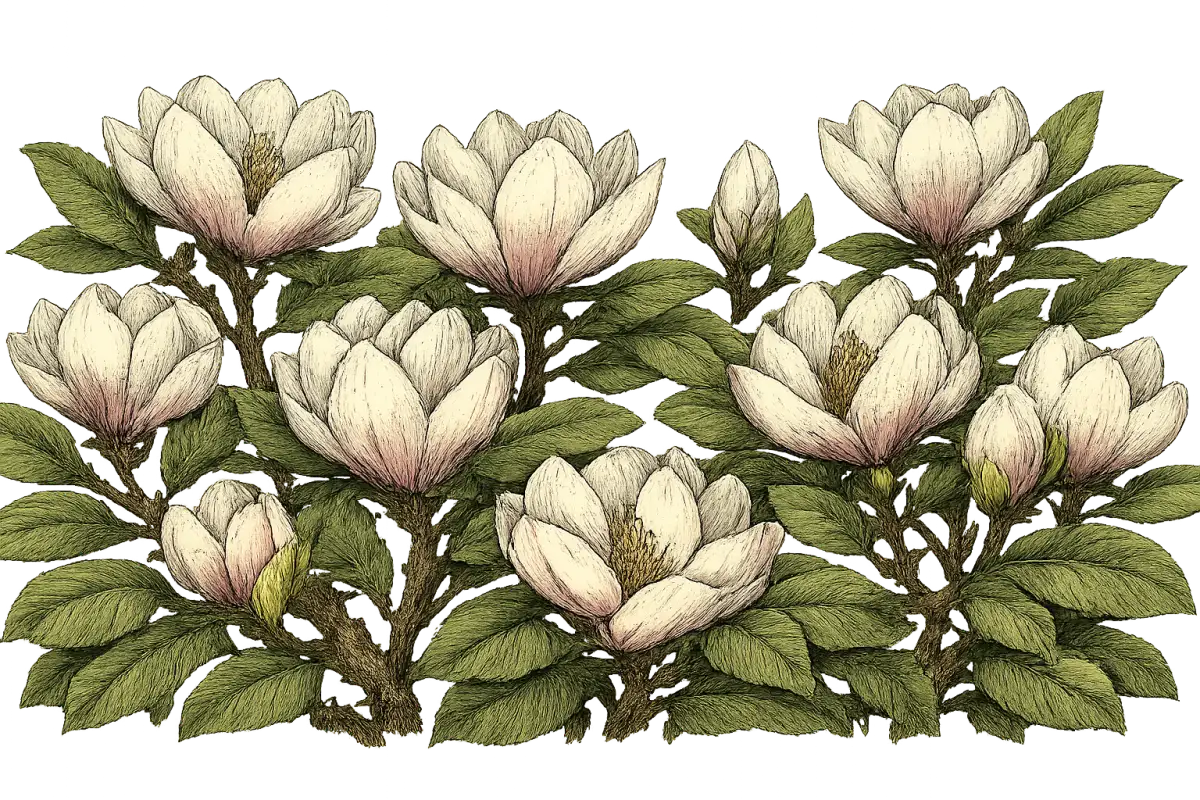
Almost any temperate tree works in Zone 6. Japanese maples are reliably hardy. Southern magnolias work in 6b. Dogwoods, redbuds, flowering cherries, crabapples, and all standard ornamentals perform well. Fruit trees including peaches and sweet cherries (in 6b) produce reliably. This is the northernmost zone where you can count on certain southern favorites.
Season Tips for Zone 6
Zone 6's long growing season means you can experiment with longer-maturing varieties. Tomatoes that need 90+ days to ripen, long-season watermelons, and sweet potatoes all work here without fuss.
Succession planting pays off in Zone 6. You can plant cool-season crops in early spring for a June harvest, plant warm-season crops after the last frost for summer harvest, then plant another round of cool-season crops in August for fall harvest — all without season extension equipment.
Microclimates in Zone 6
Zone 6 microclimates let you push the boundaries into Zone 7 territory. A south-facing wall with good exposure can reliably host crepe myrtles, gardenias, and hardy figs that would struggle in an exposed site. Urban gardens often run a half-zone warmer than the surrounding area. Cold microclimates (low spots with cold air drainage) can still be useful for growing plants that need extra chill, like certain stone fruits that need the cold to set flower buds properly.
Common Mistakes Zone 6 Gardeners Make
1. Planting Zone 7 plants without protection
Zone 6 gardeners often get overconfident after a mild winter and plant crepe myrtles, gardenias, or figs in exposed sites. Then a cold winter hits and the plants die. Choose warm microclimates for marginally hardy plants.
2. Ignoring humidity and disease pressure in the east
Eastern Zone 6 summers are humid and fungal diseases love it. Tomatoes get blight, roses get black spot, cucumbers get powdery mildew. Choose disease-resistant varieties and water at the base of plants, not overhead.
3. Underestimating midsummer heat
Zone 6 summers can hit the 90s for weeks. Cool-loving plants like peas, lettuce, and broccoli bolt quickly. Time cool-season crops for spring and fall rather than trying to grow them through summer.
4. Not pruning hydrangeas correctly
Different hydrangea types bloom on different growth. Pruning at the wrong time costs you a year of flowers. Paniculata and arborescens types bloom on new growth — prune in late winter. Macrophylla and quercifolia bloom on old growth — prune right after flowering, not in spring.
Zone 6 FAQ
Can I grow crepe myrtles in Zone 6?
Yes, especially in 6b. Cold-hardy varieties like 'Natchez', 'Tuscarora', and 'Sioux' are reliable. In 6a, they sometimes die back to the ground in hard winters and regrow, blooming later in the season. Plant in a protected site with good drainage for best results.
Do sweet cherries work in Zone 6?
Yes in 6b, marginally in 6a. Hardy varieties like 'Montmorency' (sour) and 'Stella' (sweet, self-fertile) work reliably. The main challenge isn't cold hardiness but late-spring frosts that can kill flower buds. Plant on the north side of a building to delay bloom.
When is the last frost in Zone 6?
Average last frost in Zone 6 ranges from mid-April (6a) to early April (6b). Keep row covers handy for 2-3 weeks past that date to protect newly planted tomatoes and peppers from unexpected cold snaps.
Are fig trees realistic in Zone 6?
Yes, especially in 6b. Cold-hardy varieties like 'Chicago Hardy', 'Brown Turkey', and 'Celeste' can survive Zone 6 winters, often dying back to the ground in hard winters and regrowing. Plant in a protected site (south-facing wall) and mulch heavily for best results.