Flowers

Daffodils: How to Plant, Grow, and Keep Them Blooming for Decades

Margaret Chen

Margaret Chen

Flower & Ornamental Specialist · Updated April 2026

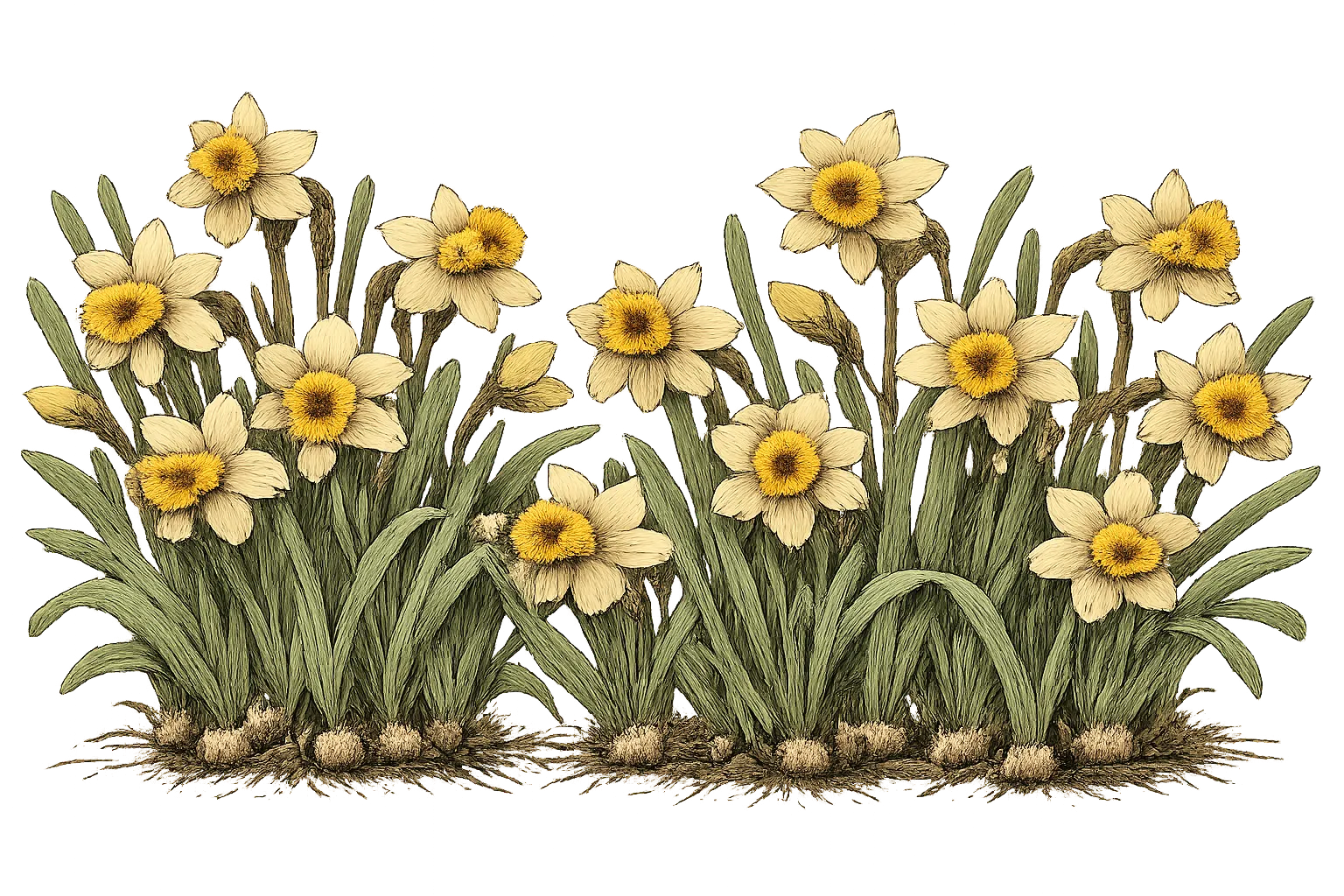
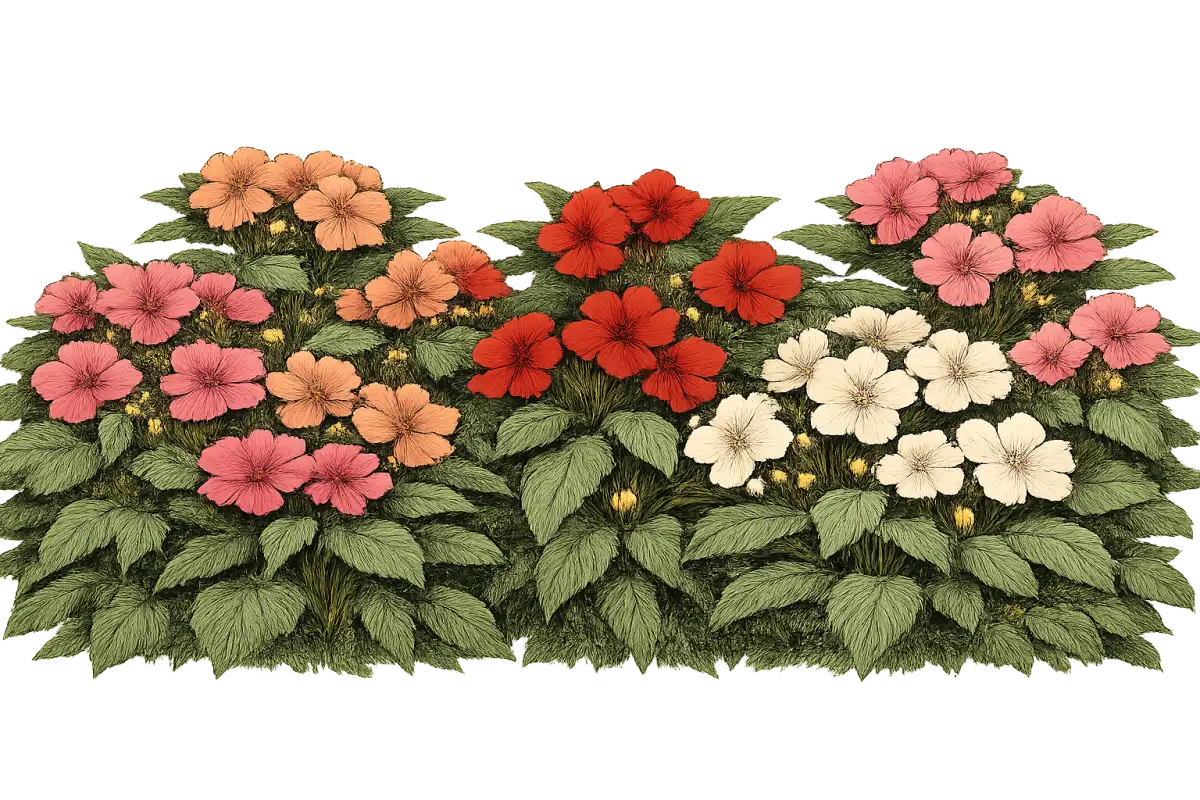
How to grow daffodils — vintage botanical illustration showing the plant in detail

Daffodils at a Glance

Sun

Sun

6+ hours direct sun

Soil pH

Soil pH

6.0-7.0

Water

Water

Water thoroughly at planting

Spacing

Spacing

4-6 inches apart for garden beds"

Height

Height

6-8 inches

Soil type

Soil

Well-drained loam to sandy loam

Lifespan

Lifespan

perennial

Get your personalized growing data

Enter your zip code for frost dates, growing season, and soil type.

There is a particular kind of joy that arrives in March, when everything else in the garden is still deciding whether to bother. A sweep of golden trumpets along a fence line. A drift of white blooms nodding under a bare-limbed tree. Daffodils do not ask for much, and in return they give you the most reliable color of the entire gardening year.

What most people do not realize is that daffodils are not a one-season proposition. Plant them thoughtfully this fall and they will bloom again next spring, and the spring after that, and the one after that. Some established colonies have been flowering for 50 years or more without a single intervention. No other spring bulb offers that kind of long-term return on a simple autumn afternoon's work.

But "easy" does not mean "foolproof." There are a handful of decisions — what variety to plant, how deep, what to do (and not do) after the blooms fade — that determine whether your daffodils become a garden legacy or a slow disappointment. Get these right and you will be dividing and spreading clumps for the rest of your gardening life. Get them wrong and you will wonder why your beautiful first-year display never came back.

This guide covers everything I have learned about growing daffodils well: which varieties reward you the most in each zone, the one soil requirement that is genuinely non-negotiable, the watering calendar that keeps bulbs healthy through summer dormancy, and the single most common reason daffodils stop blooming. It is all here.

Let's start with fall, which is when daffodil success or failure is really decided.


Quick Answer: Daffodil Growing at a Glance

USDA Zones: 3 through 10 (with the right variety)

Sun: Full sun to part shade (6+ hours ideal; under deciduous trees is excellent)

Soil pH: 6.0–7.0 (slightly acidic to neutral)

Drainage: Non-negotiable — bulbs rot in waterlogged soil

Planting depth: 4–6 inches deep (top of bulb); miniatures 3–4 inches

Planting time: Fall, when soil drops below 60°F

Spacing: 4–6 inches apart in beds; scatter-plant for naturalized drifts

Fertilizer: Low-nitrogen bulb fertilizer (5-10-10) at spring emergence

Foliage rule: Do not cut, mow, braid, or remove foliage for at least 6 weeks after bloom

Deer and rodent resistant: Yes — all varieties, all parts, completely

Bloom time: February through May depending on zone and variety

Longevity: Decades with proper care; some colonies bloom 50+ years


The Drainage Rule (The One Thing That Actually Kills Daffodils)

Before we talk about variety selection or planting aesthetics, I want to make sure you understand this: drainage is the single most important factor in daffodil success. Not soil pH. Not sun exposure. Not fertilizer. Drainage.

A daffodil bulb sitting in waterlogged soil will rot. It is not a matter of if — it is a matter of when. The bulb is a fleshy storage organ that absorbs moisture from surrounding soil passively. In saturated conditions, it cannot get oxygen, and the fungal pathogens that cause basal rot (fusarium) thrive in exactly those conditions. The rot moves up from the base of the bulb through the scales, and by the time you notice something is wrong in spring — no emergence, weak yellow foliage, flowers that never quite open — the bulb is already gone.

The critical period is summer dormancy, from roughly June through September. This is when daffodils are underground, doing nothing, completely vulnerable. A daffodil bulb planted near a summer irrigation zone, or in a low spot that collects rain, is in danger every single July. Warm plus wet is the worst combination you can give a resting bulb.

How to test your drainage before planting: Dig a hole 12 inches deep, fill it with water, and time how long it takes to drain. If water is still sitting in the hole after four hours, that site needs amendment or a different plant entirely.

The fixes are straightforward. On slopes and hillsides — which are genuinely ideal daffodil sites, since gravity handles drainage automatically — no amendment is needed. Under deciduous trees is another excellent location: the canopy is bare during daffodil season so bulbs get full spring sun, and the tree roots help wick excess moisture from the soil. For heavy clay, dig to 12 inches and work in coarse compost and perlite throughout the full depth. A shallow amendment creates a bathtub effect where water drains into the amended zone but cannot escape through the clay below. Raised beds, built 8–12 inches high with a mix of topsoil, compost, and perlite, solve even the most intractable drainage problems.

One more thing worth flagging: if your yard has irrigation zones that run during summer, and daffodils are within range, either move the bulbs or rethink the planting. That summer water is the enemy. In drier climates — inland California, parts of the Southwest — Mediterranean-dry summers are actually perfect. That is essentially the daffodil's native habitat.

The soil pH range of 6.0–7.0 (slightly acidic to neutral) is ideal but forgiving. Most garden soils fall within this range without any intervention. If you suspect your soil is far outside this window, a simple soil test will tell you, and you can adjust with garden lime (to raise pH) or elemental sulfur (to lower it) before fall planting.


Best Daffodil Varieties by Zone

Daffodils encompass far more than the classic yellow trumpet most of us picture. The Royal Horticultural Society recognizes 13 divisions organized by flower form and species ancestry, and the division tells you a great deal about a variety's needs and natural habitat. Trumpet and large-cupped types (Divisions 1–2) are the workhorses of cold and temperate climates. Jonquilla types (Division 7) carry the most fragrance and favor warmer zones. Tazetta types (Division 8, including paperwhites) evolved in the Mediterranean and need little to no winter cold. Cyclamineus types (Division 6) are the earliest to bloom and among the most reliable naturalizers.

Understanding which division belongs in your climate is the difference between a planting that thrives for decades and one that quietly fails.

What zone are you in?

Enter your zip code for frost dates, growing season, and soil type.

Cold Zones (3–5): Toughness First, Beauty Second (But You Get Both)

These zones provide more than enough winter chill — cold vernalization is never the problem here. The challenge is survival: bulbs need to endure sustained subzero temperatures underground and push through potentially snow-covered ground in April or even May. The good news is that daffodils, unlike tulips, have excellent cold hardiness, and several varieties are specifically reliable down to zone 3.

Dutch Master is the benchmark yellow trumpet for cold climates. Deep golden yellow, vigorous, a proven naturalizer, and genuinely reliable even in zone 3. If you plant only one yellow trumpet in a cold garden, make it this one. Mount Hood is its white counterpart — it opens creamy and matures to pure white, with an elegance that reads particularly well in mass plantings under bare spring trees.

For naturalizing — the kind of planting you put in once and watch expand for decades — two large-cupped varieties stand above everything else. Carlton is soft yellow, extremely vigorous, and one of the most reliable bulb multipliers in cold climates. Ice Follies is white petals with a pale yellow cup that fades to white, and it is consistently listed among the top five most-planted daffodils in the world. Both have been documented blooming and spreading in established colonies for 30 or more years.

For early season color and front-of-border scale, the cyclamineus varieties are exceptional. Tete-a-tete is only 6–8 inches tall, produces one to three flowers per stem, and is an extraordinary multiplier — a single bulb becomes a dense clump in just a few years. It is equally outstanding in containers, rock gardens, or the front edge of a border. February Gold blooms early despite its optimistic name (expect March through April in cold zones) and naturalizes beautifully. Jetfire, with its yellow petals and orange-red cup, adds a warm note to the early spring palette.

For late-season extension, Actaea (Division 9, poeticus type) is white-petaled with a small yellow cup edged in red — fragrant, refined, and reliably hardy to zone 3. It blooms after most other daffodils have finished, which makes it particularly valuable for stretching the season.

Avoid all tazetta types (Division 8) in zones 3–5. Paperwhites and their relatives are not cold-hardy below zone 8 and will not survive a genuine winter.

Standard Zones (6–8): The Full Range Opens Up

These are the zones where daffodil growing becomes genuinely joyful in its abundance of choices. Nearly every division performs well here. Natural winter chill is sufficient, summers are warm enough to properly cure dormant bulbs, and the growing season aligns almost perfectly with daffodil biology. This is where you can be most adventurous.

Everything listed for zones 3–5 performs beautifully here. Add to that the fragrant doubles: Cheerfulness is white with a creamy center and multiple flowers per stem, sweet-scented, and one of the outstanding cut flowers of the daffodil world. Bridal Crown — white and very fragrant, with three to four flowers per stem — forces beautifully indoors and is equally lovely in the garden. For bold color in the double category, Tahiti delivers yellow and orange blooms that photograph beautifully, and Replete — white with a pink-orange ruffled center — adds a softness that reads as almost romantic in mixed plantings.

The jonquilla divisions (Division 7) come into their own in zones 6–8. Quail is golden yellow, carries two to three flowers per stem, and is intensely fragrant — the kind of fragrance that stops you mid-path. It is also an excellent naturalizer in these zones. Pipit performs a lovely bicolor trick, opening yellow and fading to near-white. Sweetness is unusual among jonquillas in producing one flower per stem, but the sweet scent is exceptional.

For white-with-a-touch-of-something, the small-cupped Barrett Browning — white petals with a small orange-red cup — is a classic show flower that also performs reliably in gardens. And for late-season extension, Recurvus (Old Pheasant's Eye, poeticus) has been grown since before 1600. It is the last common daffodil to bloom, very fragrant, and historically irreplaceable.

Zone 8 deserves a specific note. It is transitional, and in the warmest parts — coastal Southeast, parts of Texas — the natural chill may be insufficient in mild winters. The insurance strategies here are to pre-chill bulbs for 8–12 weeks in the refrigerator before planting, to favor the naturally lower-chill jonquilla and cyclamineus divisions, and to plant in the coldest microclimate of your yard (the north side of a structure, for example).

Warm Zones (9–10): A Different Strategy Entirely

Warm climates present daffodils with a fundamental biological challenge: most varieties require 12–16 weeks below 40°F to break dormancy and initiate flower buds. Zones 9–10 rarely provide this naturally. Two strategies work, and which one you use depends on how committed you are to growing standard varieties versus embracing the divisions that evolved in warm Mediterranean climates.

The low-effort route is tazetta and jonquilla types. These are the daffodils of the warm Mediterranean world — they evolved without long cold winters and need little or no chilling to perform.

Ziva is the classic paperwhite: pure white, intensely (some say aggressively) fragrant, with 10–20 flowers per cluster. Plant it directly outdoors in zones 8–10 and it blooms 4–6 weeks from planting, typically in January or February. Grand Soleil d'Or offers yellow petals and an orange cup in the same tazetta form, equally fragrant. Geranium — white petals with an orange cup — is one of the hardiest tazettas and performs from zone 6 all the way to zone 10. Avalanche produces enormous clusters of 15–20 white and yellow flowers and is stunning in warm-climate borders.

The jonquilla varieties — Quail, Pipit, Sweetness — also perform in zones 8–9, their Mediterranean ancestry giving them lower chill requirements than the big trumpet types.

If you want standard trumpet and large-cupped varieties in zones 9–10, pre-chilling is the path. Purchase bulbs in September or October, refrigerate them at 35–45°F in a paper bag for 12–16 weeks — critically, away from ripening fruit, whose ethylene gas will silently destroy the developing flower bud inside the bulb — then plant in December. Treat these as annuals. Most will not re-bloom without repeated chilling in warm climates, but the first-year display can be spectacular.

Quick Reference: Top Picks by Zone Group

Zone GroupTop 3 VarietiesDivisionWhy
3–5Dutch Master, Carlton, Tete-a-teteTrumpet / Large-cupped / CyclamineusProven cold hardiness; reliable naturalizers
6–7Ice Follies, Quail, CheerfulnessLarge-cupped / Jonquilla / DoubleFull range available; fragrance and form diversity
8February Gold, Pipit, GeraniumCyclamineus / Jonquilla / TazettaLow-chill tolerance; transitional zone reliability
9–10Ziva, Grand Soleil d'Or, QuailTazetta / JonquillaNo chilling required; Mediterranean-adapted

When and How to Plant

Timing by Zone

The planting trigger is soil temperature, not calendar date. Daffodil bulbs should go in the ground when soil drops below 60°F. This gives them time to establish roots before the ground freezes while preventing premature break of dormancy.

In zones 3–4, that means September. Zones 5–6 typically plant in October. Zone 7 extends through October and into November. Zone 8 plants in November. Zones 9–10, where soil may not cool significantly until December, plant then — after completing the pre-chilling process described above.

The best bulb selections at nurseries sell out early every fall. If you have specific varieties in mind, order from mail-order nurseries in August, which will ship at the appropriate time for your zone.

Choosing the Site

Aim for a location with at least 6 hours of direct sunlight. Under deciduous trees is genuinely one of the best daffodil sites available — the canopy is leafless during daffodil season, so bulbs receive full spring sun when they need it, and the partial summer shade is irrelevant to dormant bulbs. South and west-facing slopes bloom earliest because the soil warms faster. North-facing locations bloom latest, which is actually useful for extending your display season across the garden.

Avoid the north side of buildings if that means deep shade from a structure. Avoid low spots where water collects. Avoid areas within reach of summer irrigation systems. Avoid planting directly under evergreen trees — pines, spruces, and cedars cast shade year-round, including during the critical 6–8 week post-bloom period when foliage is recharging the bulb.

The Planting Process

Depth: Plant standard-size bulbs so the top of the bulb sits 4–6 inches below the soil surface — that is roughly 2–3 times the height of the bulb. Miniature varieties like Tete-a-tete and Minnow go 3–4 inches deep. When in doubt, err deeper. Daffodils adjust upward naturally over time; they cannot pull themselves deeper. Shallow-planted bulbs are vulnerable to heaving during freeze-thaw cycles and simply fall over.

Orientation: Pointy end up, flat basal plate facing down. If you cannot determine which end is which — on damaged or irregular bulbs this genuinely happens — plant it on its side. The shoot will find its way up.

Spacing: 4–6 inches apart in formal beds gives immediate density. For naturalized drifts, the scatter method produces the most authentic results: toss bulbs gently across the area and plant each one where it lands. The natural, irregular patterns this creates are far more pleasing than evenly spaced rows. For meaningful visual impact in a naturalized setting, plant a minimum of 25–50 bulbs per drift. The impulse to plant fewer is understandable; resist it.

After planting: Water thoroughly to settle the soil around bulbs and initiate root growth. Then apply 2–3 inches of organic mulch — shredded leaves, wood chips, or straw — over the planting area. This insulates bulbs from temperature swings, retains fall moisture during root establishment, and suppresses weeds that would otherwise compete with emerging shoots in spring.

Spring Emergence

Once you have planted and mulched, the daffodils will do everything else themselves through winter. Underground, the bulbs are actively growing roots and undergoing the cold vernalization that triggers spring flowering — a process that requires 12–16 weeks below 40°F. Snow cover is genuinely beneficial; it insulates and protects.

When green shoots first emerge in spring, apply a low-nitrogen bulb fertilizer — 5-10-10 or similar — scattered around (not on) the emerging growth and watered in lightly. This feeds root growth and flower development. Do not use high-nitrogen fertilizer like lawn food; it promotes lush foliage at the direct expense of flower bud formation.


Watering Through the Year: A Seasonal Calendar

Daffodils have a water relationship that cycles through four distinct phases annually. Getting each phase right — or at least not getting it wrong — is largely what separates thriving long-term plantings from those that slowly fade.

Fall (planting through November): Water thoroughly immediately after planting to settle soil around bulbs and initiate root growth. If fall is dry — less than an inch of rain per week — water the planted area once per week for the first three to four weeks. Soak to a depth of 6–8 inches at each watering; light sprinkles encourage shallow root development and accomplish little. Once temperatures drop consistently below 50°F, root growth slows and supplemental watering is no longer necessary.

Winter: Nothing required. Natural precipitation — rain, snow, snowmelt — provides everything the underground bulbs need. Do not water frozen ground.

Spring: Daffodils need about 1 inch of water per week during active growth and bloom. In most of the United States, spring rainfall provides this without any intervention. If spring is unusually dry, water at the base of plants rather than overhead — this reduces the risk of botrytis gray mold on foliage and flowers. Morning watering is preferable; foliage dries during the day. The most critical period is during and immediately after bloom, when the foliage is working to recharge the bulb for next year.

Summer: This is the phase that trips people up, and it is the most important one to understand. Do not water daffodils during summer dormancy. Once foliage has yellowed and died back, the bulb is dormant — not growing, not absorbing, not metabolically active. It is simply sitting there, vulnerable. A dormant bulb in warm, wet soil is precisely the condition fusarium basal rot requires. If daffodils are planted in a mixed bed with summer-active perennials that need regular watering, ensure drainage is exceptional enough that irrigation water drains past the bulb zone quickly. Raised beds help enormously with this. The rule to remember: water at planting, water in dry springs, and never water in summer.


After the Blooms Fade: The Rules That Determine Next Year

This is the period most gardeners get wrong, and it is the period that matters most for long-term daffodil performance. What you do — or do not do — in the six to eight weeks after bloom determines whether your daffodils thrive for decades or slowly go blind.

Deadhead Immediately

The moment petals fade, remove the spent flower head. Snap or cut it off just below the bloom. This prevents the plant from channeling energy into producing seeds — seed production is metabolically expensive and competes directly with bulb energy storage. Leave the green stem; it photosynthesizes just like the leaves. This is a thirty-second task per plant that pays significant dividends across years.

The Foliage Rule (Non-Negotiable)

Do not cut, mow, braid, tie, fold, or remove daffodil foliage for a minimum of six weeks after the last flower fades. This is the single most important rule of daffodil care, and it is the one broken most often.

After flowering, the leaves are doing essential work: photosynthesizing to convert sunlight into carbohydrates, which are stored in the bulb as the fuel for next year's flower. Cut the foliage early — even by a week or two — and the bulb goes into summer storage underfueled. Do it year after year and the bulbs progressively weaken, producing fewer and smaller flowers until they stop flowering entirely. These are called "blind" bulbs: all leaves, no flowers.

Wait until foliage has turned yellow and pulls away easily with a gentle tug. That is the signal that the bulb has finished its work and the foliage has nothing left to give.

The most common complaint about this rule is aesthetic — dying daffodil foliage is admittedly not the garden's most attractive feature in May and June. The solution is design-based: plant daffodils among perennials that emerge as daffodil foliage fades. Hostas are perfect, their large leaves expanding just as daffodil leaves begin to yellow, providing natural camouflage. Daylilies work similarly. Ferns, ornamental grasses, and hardy geraniums all serve this function beautifully. The combination is both practical and genuinely lovely — the layered emergence of spring perennials is a design principle worth planning around, not just a trick for hiding daffodil leaves.
What zone are you in?

Enter your zip code for frost dates, growing season, and soil type.


The Top Mistakes That Stop Daffodils From Blooming

Most daffodil failures are not mysterious. They trace back to a short list of specific, preventable errors. Here is what I see most often, in order of how much damage each one causes.

Mistake #1: Cutting Foliage Too Early

This is the most common and most consequential mistake. You will not see the damage this year — you will see it next year, and more the year after, as flowers become fewer and weaker until eventually you have a colony of leaves and nothing more. The fix is simply to stop. Leave foliage alone for a minimum of six weeks after bloom, no exceptions. If you have been cutting early for years, stop immediately — bulbs can take two to three seasons of proper foliage management to rebuild enough energy to flower again. A spring application of bulb fertilizer (5-10-10) at emergence accelerates recovery.

Mistake #2: Waterlogged Soil

Bulbs never emerge in spring, or emerge weakly and yellow quickly. When dug up, they are soft, mushy, and rotten from the base up. Fusarium basal rot, which thrives in warm, saturated conditions, is almost always responsible. The fix is drainage: test your site before planting, amend clay soils deeply, plant on slopes or in raised beds, and keep dormant bulbs away from summer irrigation. There is no saving a rotted bulb; the investment is in prevention.

Mistake #3: Planting Too Shallow

Bulbs that heave out of the ground after a freeze-thaw cycle, or plants that are floppy and fall over at bloom, are almost always shallow-planted. Standard bulbs should have their tops sitting 4–6 inches below the soil surface. When in doubt, go deeper. Mulch after planting to buffer temperature swings, especially in zones 3–5 where the freeze-thaw cycle is most severe.

Mistake #4: Wrong Variety for Your Zone

In warm climates, the most common version of this mistake is planting standard trumpet or large-cupped daffodils (Divisions 1–3) that need 12–16 weeks below 40°F — which zones 9–10 never provide naturally. The result is bulbs that sit, do nothing, and eventually rot. The solution is tazetta and jonquilla types for warm zones, or committed pre-chilling of standard varieties. In cold zones (3–5), the mistake is planting tazetta types like paperwhites that are not cold-hardy. They will not survive a genuine winter underground.

Mistake #5: Not Dividing Congested Clumps

A planting that was once glorious but now produces nothing but leaves is almost certainly overcrowded. Over 8–15 years, a single bulb multiplies into a dense mass of daughter bulbs all competing for the same space, water, and nutrients. None of them can accumulate enough individual energy to flower. The fix: dig the entire clump after foliage dies back, separate the bulbs by hand, discard any that are soft or smaller than a large marble, and replant at proper depth and spacing. Flowering typically resumes the following spring. Plan to divide every 5–10 years; vigorous naturalizers like Carlton and Ice Follies may need it every 5–7 years.

Mistake #6: Skipping Deadheading

Leaving spent flowers on the plant redirects energy into seed pod production. Seed production is expensive metabolically and directly competes with bulb energy storage. The effect is subtle in a single year but accumulates over time. Snapping off the spent flower head takes seconds and pays dividends across the life of the planting.

Mistake #7: Storing Pre-Chill Bulbs Near Ripening Fruit

This one catches warm-zone gardeners off guard. Refrigerating bulbs for pre-chilling is correct. Refrigerating them near apples, bananas, or other ripening fruit is not — ripening fruit emits ethylene gas, which destroys the developing flower bud inside the bulb without any external sign of damage. The bulb looks perfect. It just produces leaves and no flower. Store chilling bulbs in a paper bag (not sealed plastic, which traps moisture) in a dedicated refrigerator or in a section well away from fruit.


Pests and Diseases: The Daffodil's Remarkable Advantage

Here is something that genuinely distinguishes daffodils from almost every other flowering bulb: animals leave them entirely alone. Deer do not browse them. Squirrels do not dig them up. Voles, which destroy tulip and crocus plantings by tunneling beneath them and eating bulbs from below, completely ignore daffodils. The reason is lycorine, an alkaloid found in every part of the plant — bulb, leaves, stem, flower, and sap. It causes severe gastrointestinal distress, and animals learn from a single encounter to avoid daffodils permanently.

This is not a minor advantage. If you have deer pressure or a rodent population, tulip growing requires chicken wire over beds, repellent sprays, or elaborate protective measures. Daffodil growing requires nothing. Plant them and they are safe.

You can use this strategically. Ringing a tulip bed with daffodils creates a perimeter that may deter squirrels and voles from digging into the protected area. Interplanting daffodils among tulips and crocuses means that an animal digging for one vulnerable bulb encounters toxic ones nearby and may move on. Combine daffodils with other naturally resistant bulbs — alliums, fritillaria, snowdrops — for a spring display that essentially no animal will touch.

The few problems daffodils do face are worth knowing. The narcissus bulb fly lays eggs at the base of daffodil foliage in late spring; the larva burrows into the bulb and eventually destroys it. Signs are a bulb that fails to emerge or produces weak, yellowish foliage with no flower, and a soft, hollow bulb when dug up. The best prevention is firming the soil around the base of plants after foliage dies back, closing the holes that decaying foliage leaves behind — these are the entry points for egg-laying.

Basal rot (fusarium) is the primary disease concern, and its prevention is identical to the drainage advice above: good drainage, no summer overwatering, and careful handling during planting to avoid wounding the bulb base.

One toxicity note for households with dogs, cats, or young children: the same lycorine that protects daffodils from wildlife makes them toxic to pets and people. Ingestion causes vomiting, diarrhea, and abdominal pain. Bulbs contain the highest concentration. Dogs are most commonly affected, as they may dig up and chew bulbs. Contact a veterinarian immediately if ingestion is suspected. Handling large quantities of bulbs can also cause contact dermatitis in sensitive individuals — gloves are worth wearing at planting time.


Designing with Daffodils: Making Them Look Like They Belong

Growing daffodils well and designing with them beautifully are related but distinct skills. A few principles make an enormous difference in how a planting reads in the landscape.

Mass over scatter. A dozen daffodils spotted evenly through a bed look like an afterthought. The same twelve bulbs planted in a single tight group make a visual statement. For naturalized plantings in lawns or meadows, 25–50 bulbs per drift is a minimum for real impact. Double that if you can.

Layer bloom times. A single variety gives you two weeks of color. Three varieties chosen across the season — an early cyclamineus like February Gold, a mid-season large-cupped like Ice Follies, and a late poeticus like Actaea — extend your display across two months and often more. Within each color palette, this creates a sequence of arrival rather than a single event.

Think about color relationships. Pure yellow trumpets read as bold and celebratory — they are the daffodil of Easter cards and spring festivals. White varieties like Mount Hood or Thalia are more elegant, more at home in refined gardens or naturalized under dark-barked trees. The bicolors — white petals with pink, salmon, or orange cups — bridge both aesthetics and pair exceptionally well with tulips, muscari, and early perennials. The doubles, with their ruffled, rose-like forms, add a softness and fragrance dimension that reads particularly beautifully in cutting garden settings.

Let perennials do the concealment work. Hostas, daylilies, ferns, and ornamental grasses are not just companions to hide dying foliage — they are part of a layered spring sequence that is genuinely beautiful in its own right. The design principle of bulbs emerging through emerging perennials is one of the most rewarding in all of spring gardening.

For naturalized lawn plantings: Accept that one section of lawn will be unmowed for six weeks in spring. This is not a sacrifice; it is a choice to have something in your garden that blooms before almost anything else, requires almost nothing, and resists every animal that might otherwise eat it. That seems like an excellent trade.

What zone are you in?

Enter your zip code for frost dates, growing season, and soil type.


Frequently Asked Questions

Why Are My Daffodils Producing Leaves But No Flowers?

This is the most common daffodil complaint, and the answer is almost always one of three things: foliage was removed too early in previous years, the clump is overcrowded and needs dividing, or the planting is in too much shade. Work through the list in that order. If you have been cutting foliage before it yellows naturally, stop immediately — it takes two to three seasons of correct foliage management to rebuild bulb energy. If the planting is more than 8–10 years old and was once prolific, dig and divide the clump. If it is under evergreen trees or in the shadow of a structure for most of the day, the location is simply wrong for daffodils.

Can I Grow Daffodils in Pots and Containers?

Absolutely. Miniature varieties are particularly well suited: Tete-a-tete (6–8 inches), Minnow (6 inches), and Hawera (7 inches) are compact enough for smaller containers and are prolific enough to make a real impact. For indoor forcing, tazetta varieties (Ziva, Inbal, Grand Soleil d'Or) need no chilling and will bloom in 4–6 weeks from planting on pebbles with water just below the bulb base. Standard varieties can be forced indoors with a 12–16 week cold period in the refrigerator or an unheated garage; Tete-a-tete, Ice Follies, and Cheerfulness are among the best for this.

Do Daffodils Spread on Their Own?

Yes — that is part of what makes them such an exceptional long-term investment. Daffodil bulbs produce daughter bulbs (offsets) around the mother bulb, with a single bulb becoming a clump of 5–20 or more over 5–10 years. The most vigorous naturalizers — Carlton, Ice Follies, Dutch Master, Tete-a-tete, February Gold — will expand steadily over decades, filling in lawn areas and woodland edges with very little help. Some established naturalized colonies have been documented blooming and spreading for 50 years or more.

Can I Cut Daffodils for the House?

Yes, and cutting flowers for arrangements does not harm the bulb at all — it is the foliage, not the flower, that feeds the bulb. The important caution is that daffodil stems exude a slimy, toxic sap when cut, which causes other cut flowers to wilt prematurely. Always condition daffodils separately: place cut stems in their own container of water for 12–24 hours before combining with other flowers in an arrangement. Do not re-cut the stems after conditioning, as this releases a fresh wave of sap. Large-cupped and trumpet varieties (Ice Follies, Salome, Pink Charm) produce the longest, strongest stems for cutting.

How Long Do Daffodils Live?

With correct care — adequate drainage, foliage left intact after bloom, deadheading, and periodic division when clumps become congested — daffodils are essentially permanent. Some colonies established in the early twentieth century are still blooming today. A more modest expectation, based on what you will actually see in a well-managed garden, is 20–30 years of vigorous performance from a single planting, with division every decade or so to maintain flowering vigor.


The Bottom Line

Daffodils are perhaps the best value in all of ornamental gardening. You plant a bulb in fall, do almost nothing through winter, and receive weeks of bloom in colors that range from pure white to deep gold to soft pink — beginning before almost anything else in the garden and requiring no protection from the animals that devastate other bulb plantings. Then you leave the leaves alone for six weeks, cut the spent flowers, and wait for next year.

Done right, this is not a one-season commitment. It is a decades-long relationship with a plant that rewards patience and penalizes very few things. The mistakes that cause failure are specific and preventable: poor drainage, cutting foliage too early, wrong variety for your zone. Avoid those, and daffodils will do the rest.

Choose a naturalized drift of Carlton under a stand of deciduous trees. A container of Tete-a-tete by the front door. A cutting border of Ice Follies and Cheerfulness for the house. A late-season sequence of Actaea in white and red at the back of the border. The choices are genuinely beautiful, and the fact that squirrels and deer will leave every last bulb untouched is a gift that anyone who has lost a tulip planting overnight will deeply appreciate.

Plant this fall. Leave the leaves in spring. The rest takes care of itself.

Sources for this guide include growing and variety data from the Royal Horticultural Society's 13-division classification system and research synthesized from extension service publications covering daffodil culture, soil science, drainage, and pest management across USDA zones 3 through 10.

Where Daffodils Grows Best

Daffodils thrives in USDA Zones 3, 4, 5, 6, 7, 8. Explore each zone's complete guide for growing tips, companion plants, and seasonal advice.

Not sure of your zone? Look it up by zip code →