 Where to Plant


Overview
Zone 3 is gardening at the cold edge of the continental United States. Winter temperatures routinely reach -30 to -40°F, and the growing season is a compressed 120 frost-free days. This isn't the zone for experimentation — it's the zone where plant selection becomes a survival strategy.
But Zone 3 gardens aren't sparse. The summers are short but intense, with long northern daylight hours (16+ hours in June) that accelerate plant growth dramatically. Cold-loving crops actually produce better here than in warmer zones — your Zone 3 spinach, peas, and brassicas will outperform anything grown in Texas.
Where Zone 3 Is
Zone 3 covers northern Minnesota, northern North Dakota, northern Maine, most of interior Alaska, and high-elevation mountain regions in the Rockies and Cascades. You'll find it where winter lasts six months and snowmelt marks the start of a brief, urgent growing window.
Climate & Challenges
The defining feature of Zone 3 isn't the cold itself — it's the combination of extreme winter lows and the shortest frost-free window in the continental United States. Average winter minimums of -30 to -40°F aren't unusual, and occasional -50°F readings happen in the coldest pockets.
The flip side is a summer that's short but sunny and relatively cool. Zone 3 summers rarely exceed 85°F, which means cool-season crops thrive here while heat-loving plants struggle without season extension. Planning around frost dates isn't a suggestion — it's the only way to harvest anything.
Main challenges: The main challenge is time. With only 120 frost-free days and the possibility of frost in any month except July, there's no slack for delayed plantings or slow-maturing varieties. Perennial survival is the secondary challenge: plants that shrug off winter in Zone 5 can be wiped out by a single Zone 3 cold snap, which is why deep mulching and raised beds are standard practice.
Best Plants for Zone 3
Below you'll find the best plants for Zone 3organized by category. Each plant is rated on a 5-dot scale: 5 means it thrives here, 4 means it grows well, 3 means it's possible but challenging. Click any plant to see the full growing guide with zone-specific tips.
Best Vegetables for Zone 3
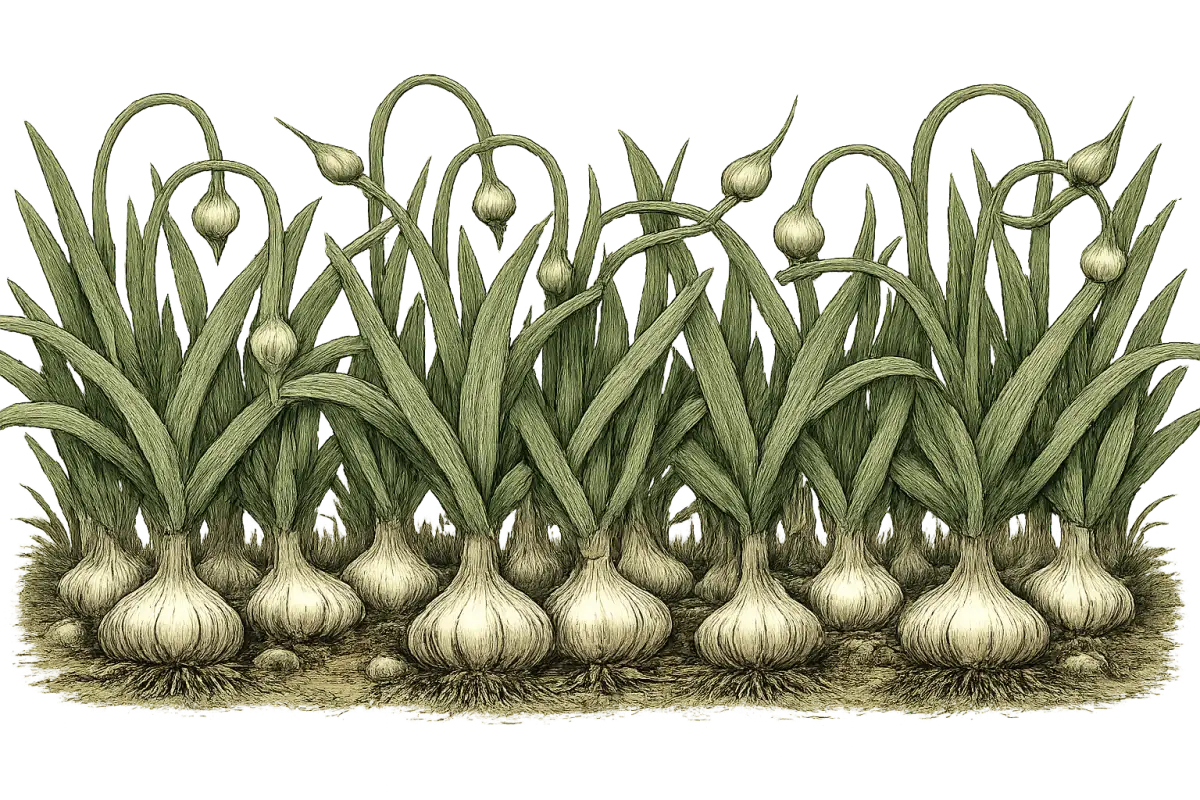
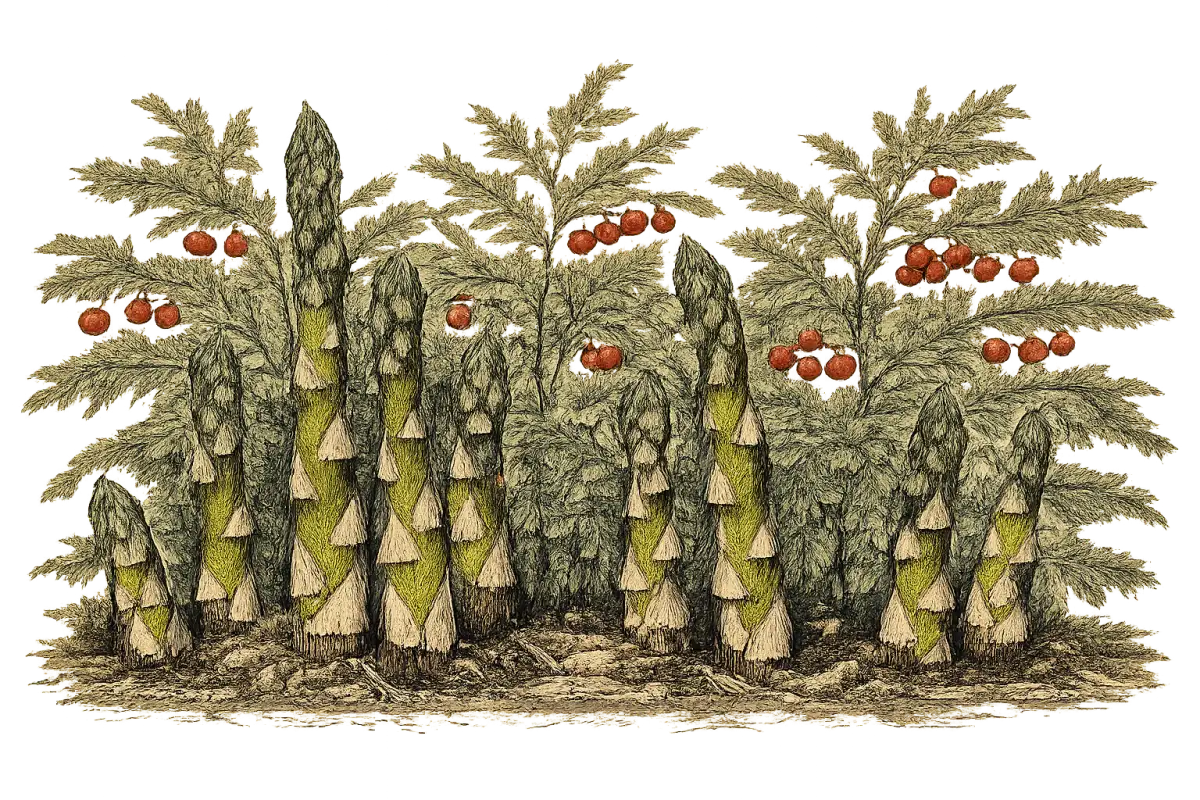
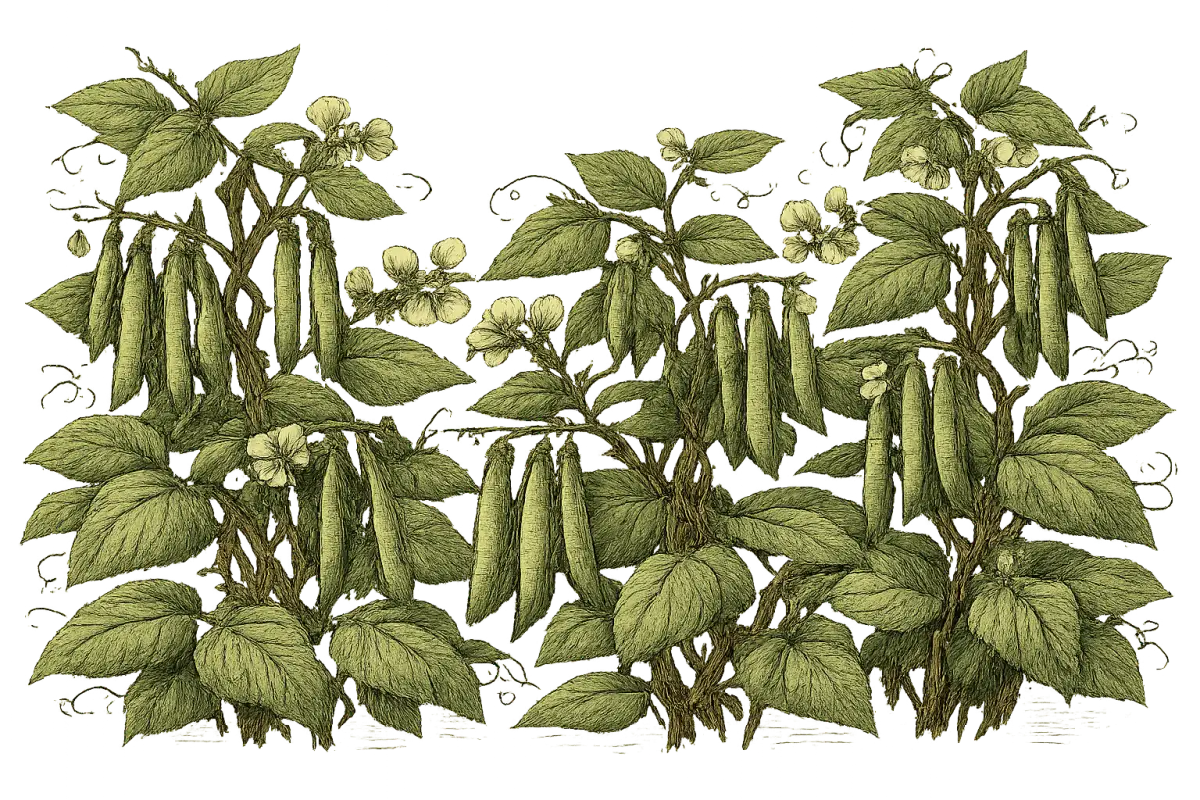
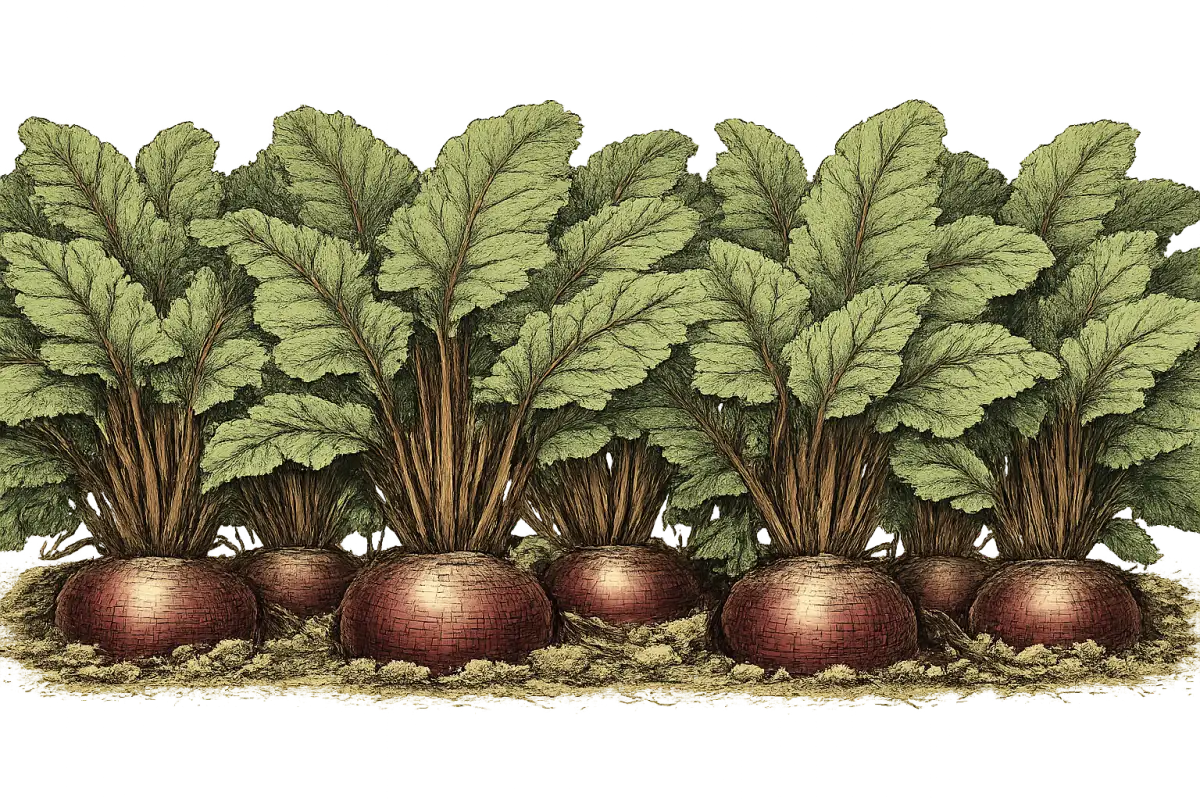
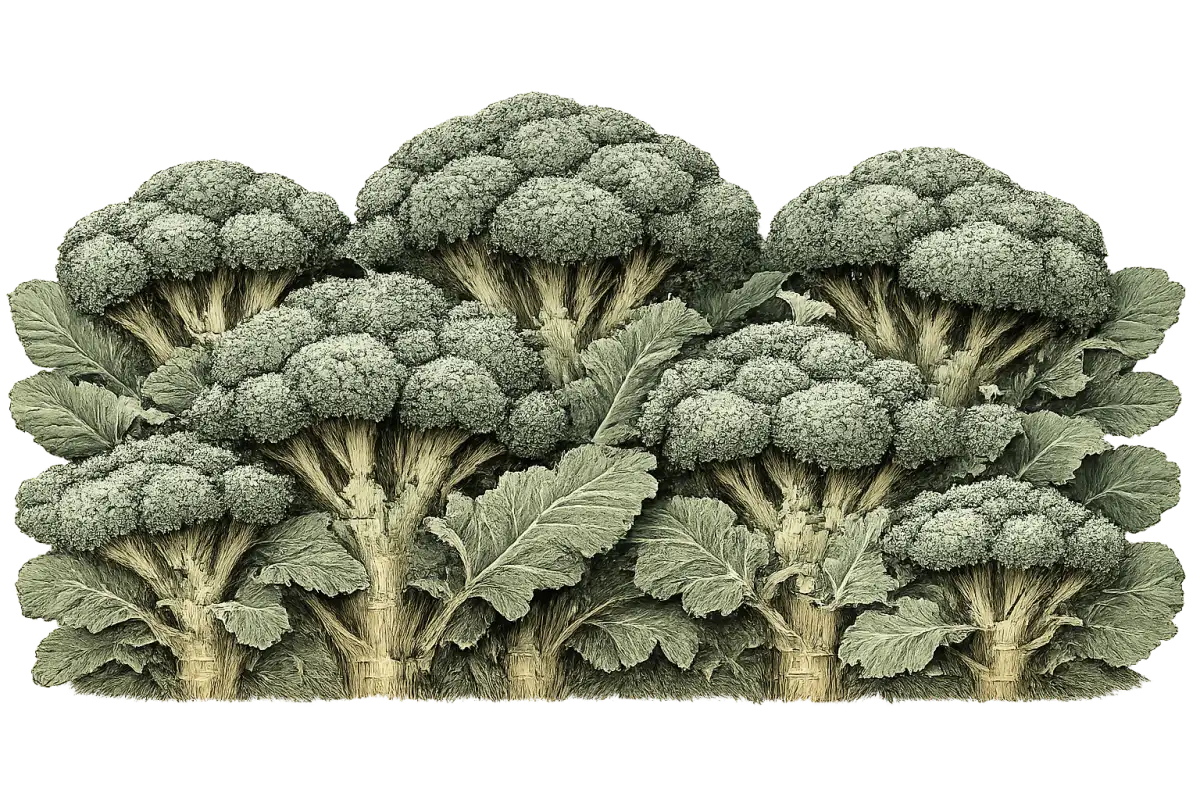
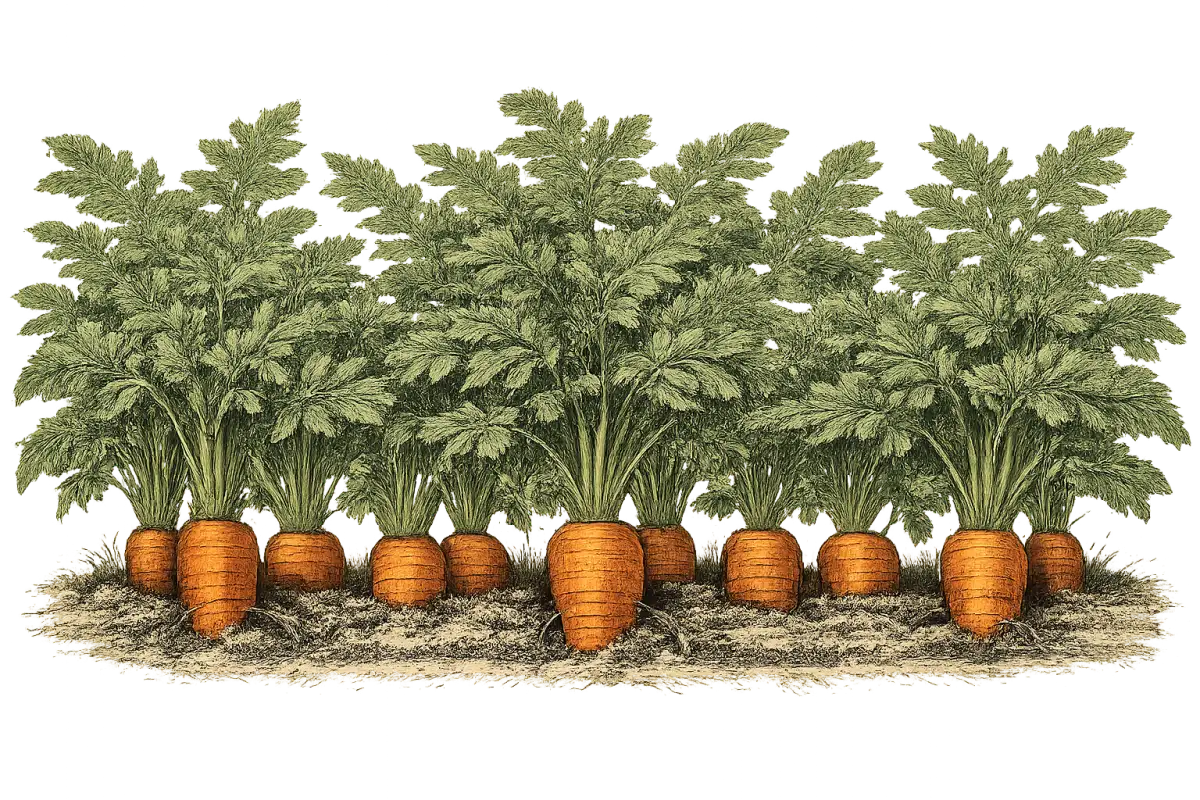
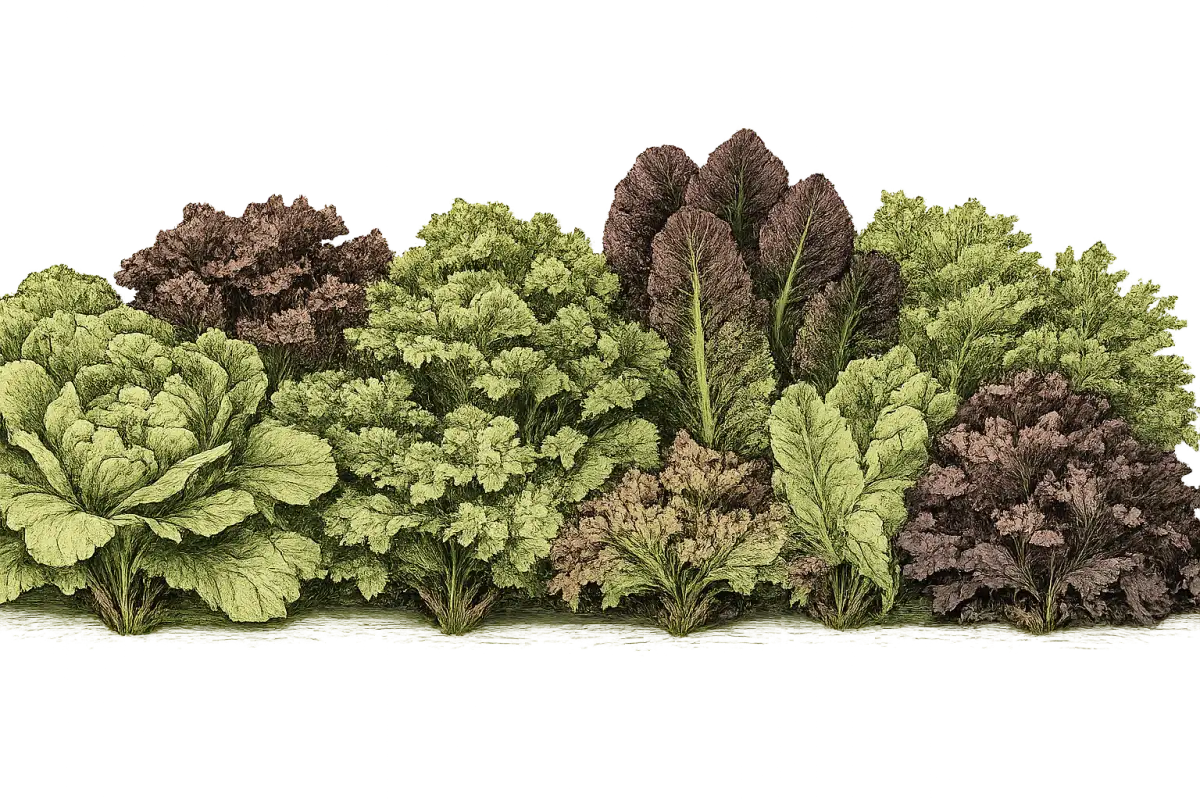
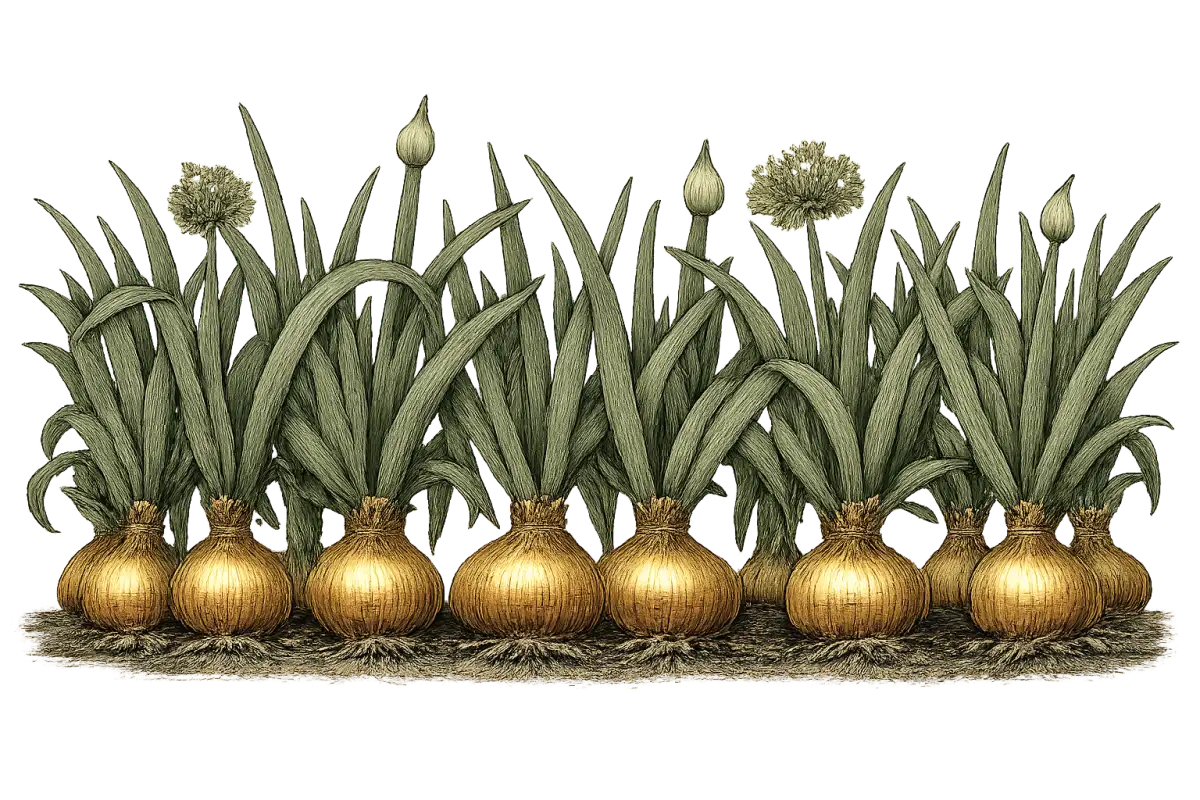
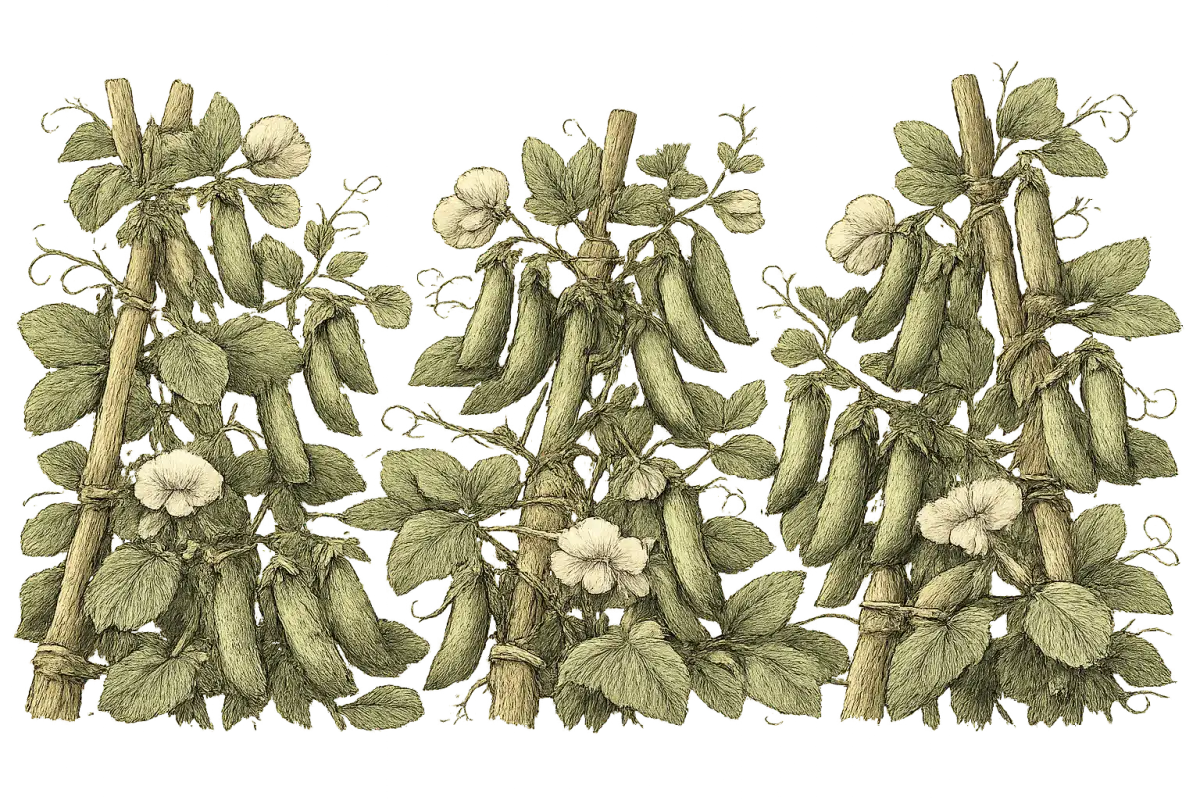
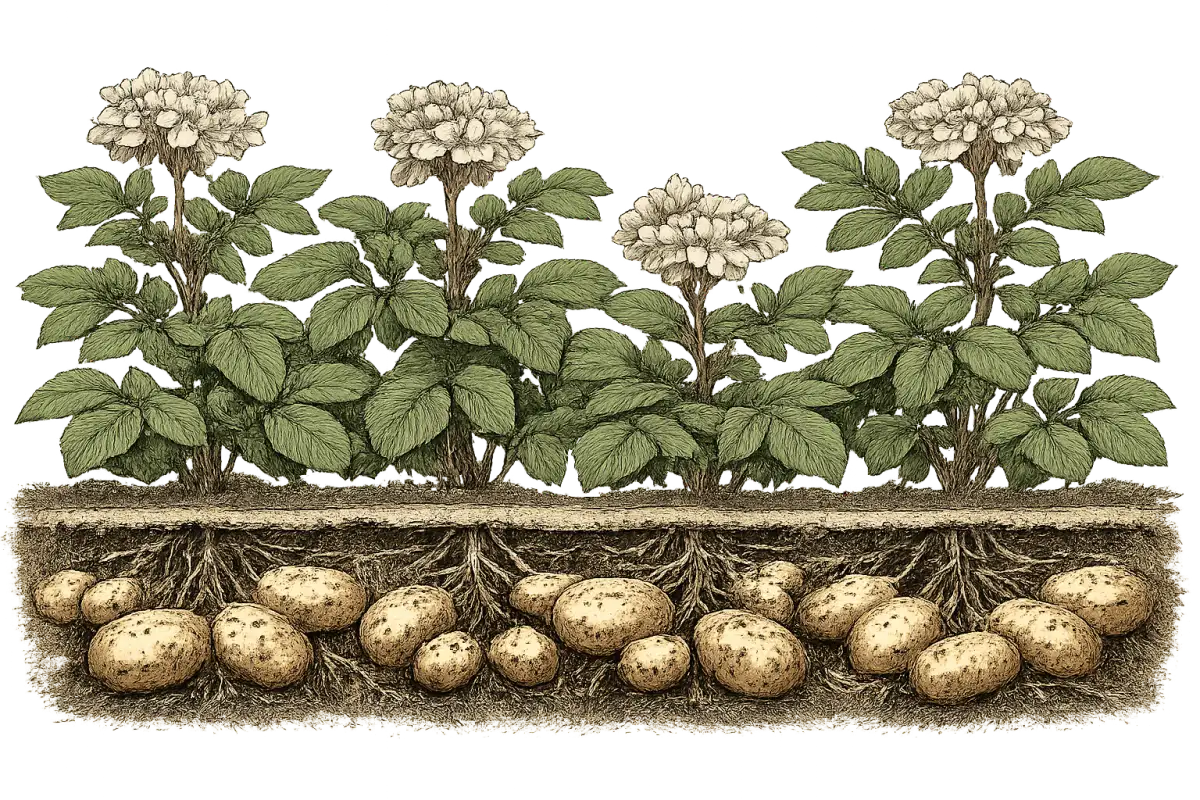
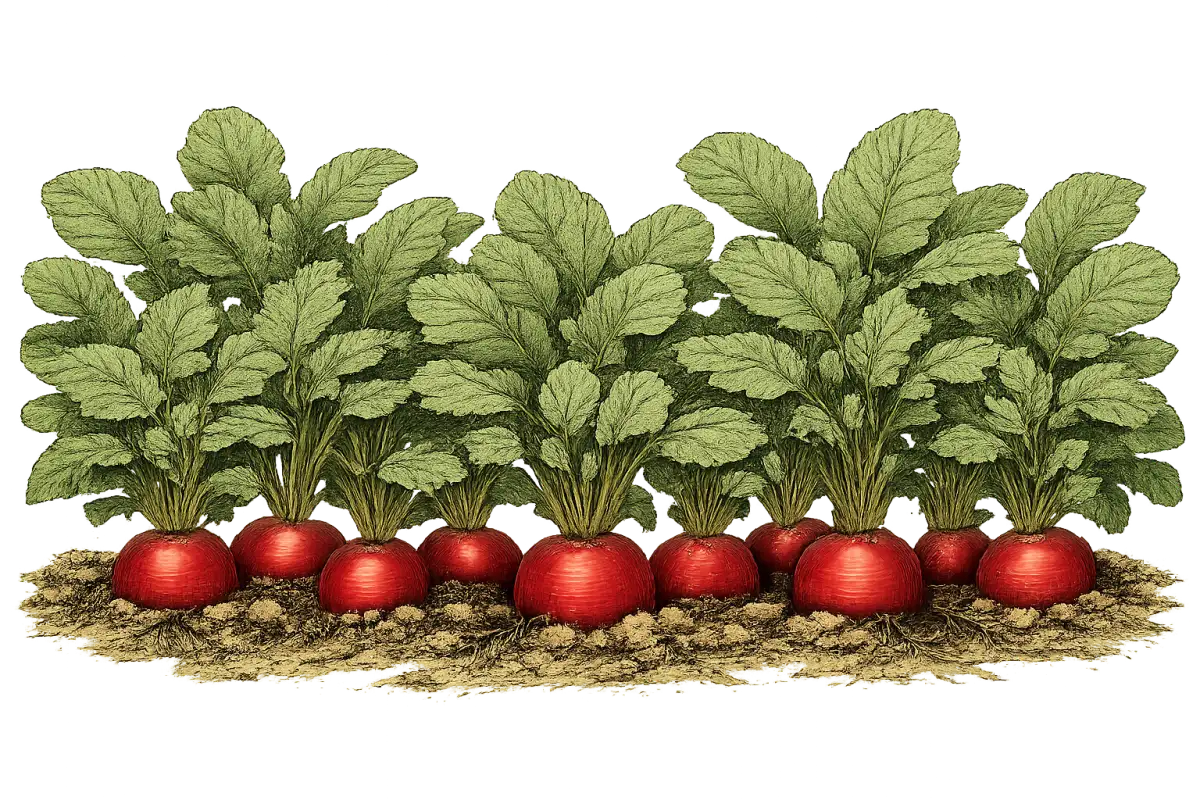
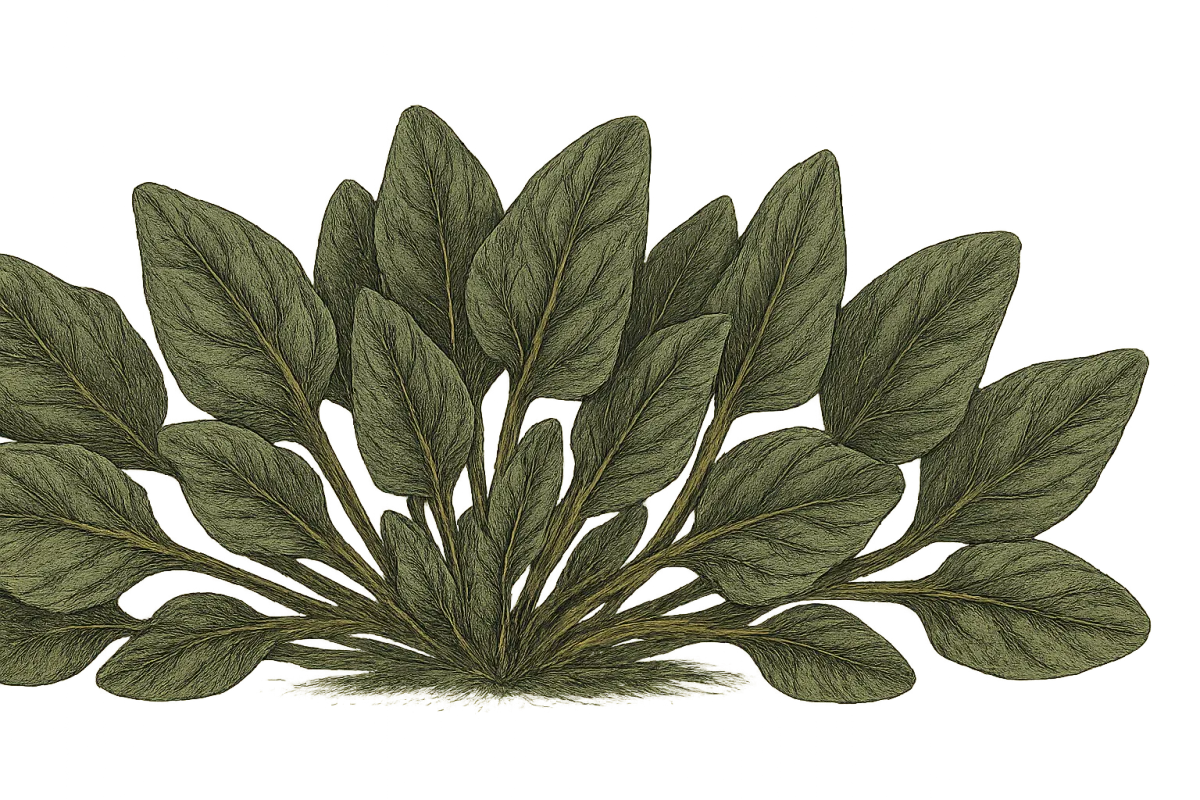
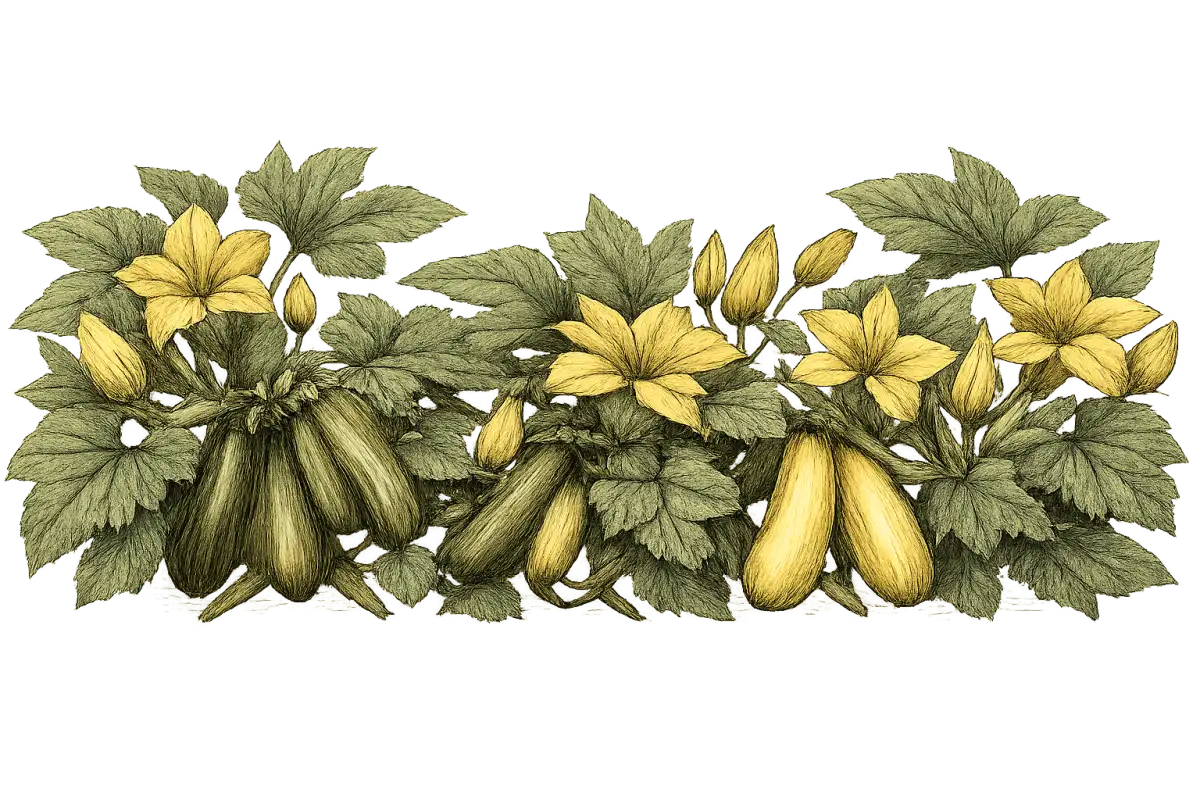
Cold-hardy vegetables are Zone 3's specialty. Root crops (beets, carrots, radishes, potatoes), brassicas (cabbage, broccoli, cauliflower, kale), alliums (garlic, onions), and legumes (peas, beans) all produce excellent crops. Garlic planted in fall and mulched heavily comes through winter reliably. Peas thrive in the cool springs, and lettuce grows sweet and crisp through the summer here while it bolts in warmer zones. For warm-season crops like tomatoes and peppers, start them indoors 8-10 weeks before your last frost and choose short-season varieties with maturity dates under 65 days.
Worth trying (rating 3 — possible but challenging):
Best Fruits for Zone 3
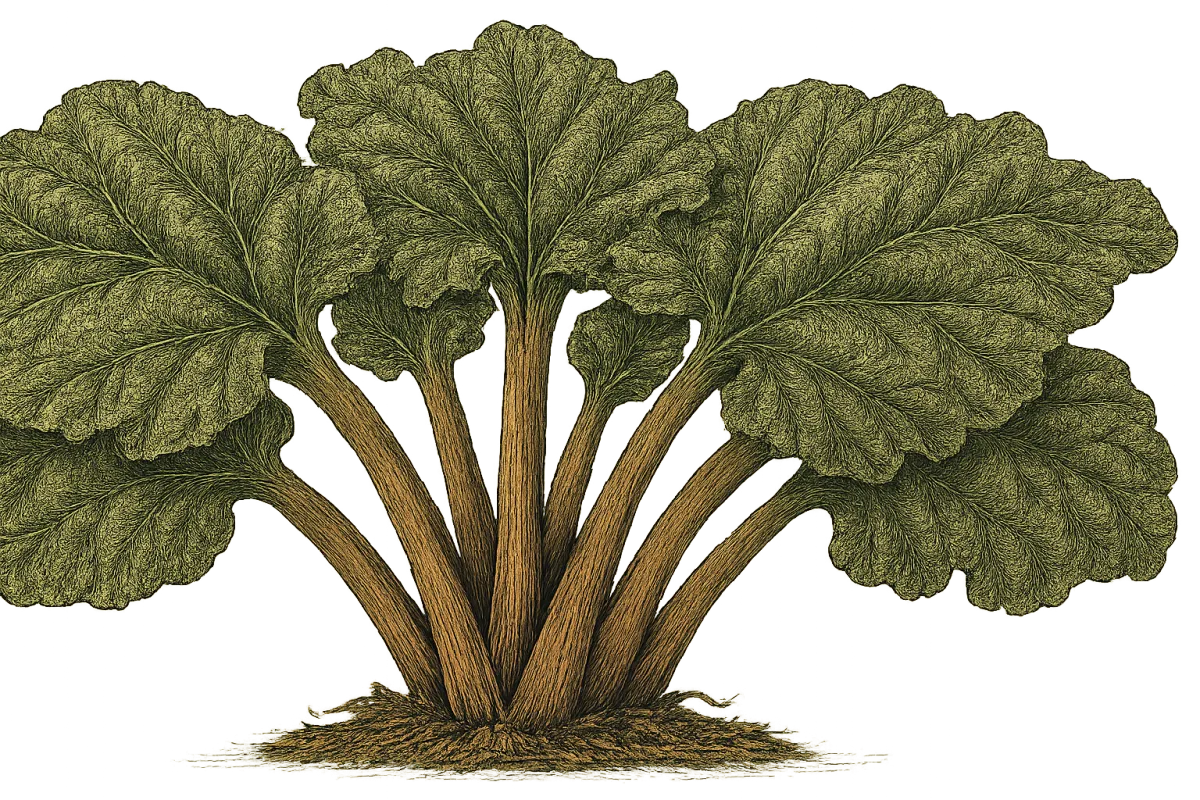
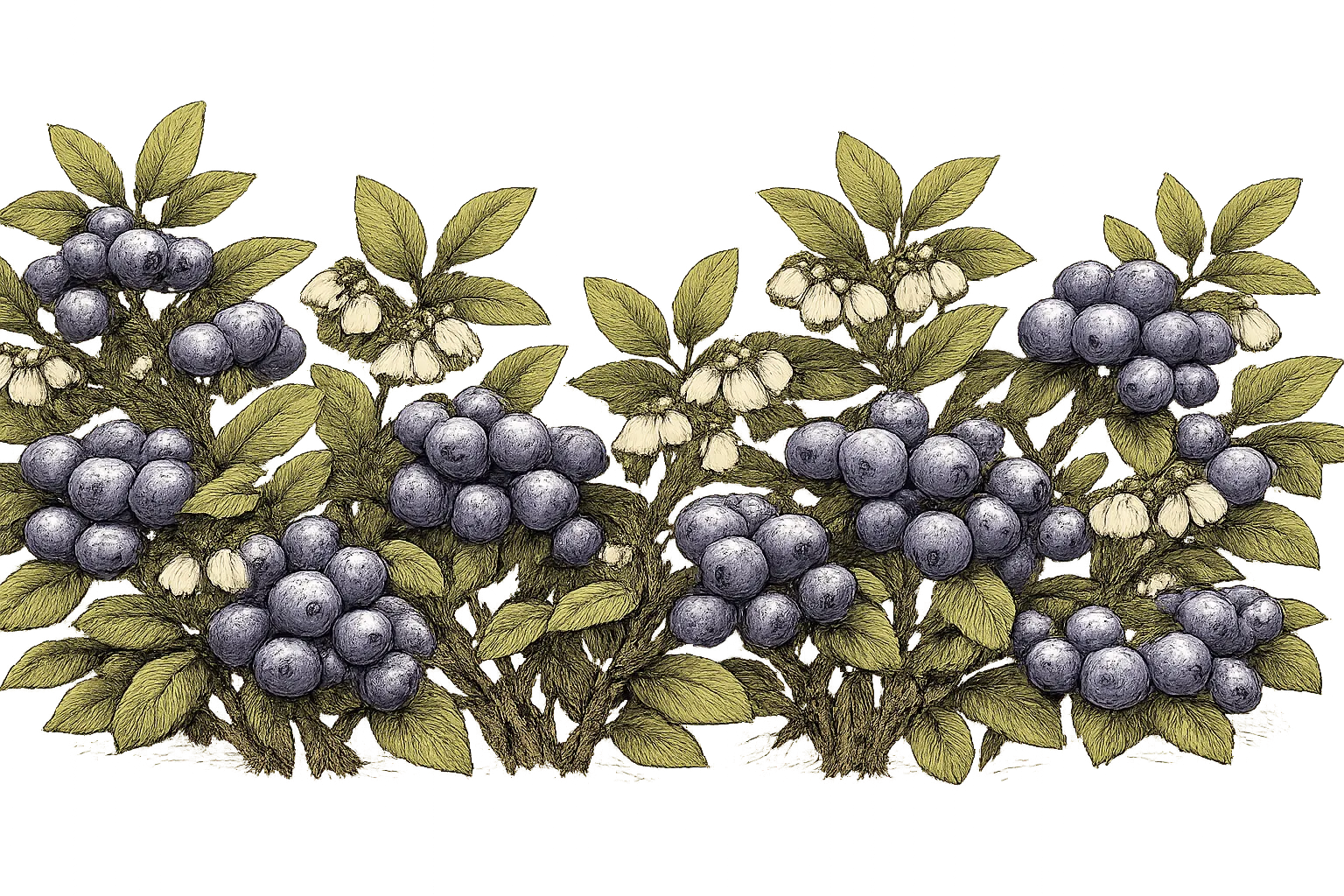
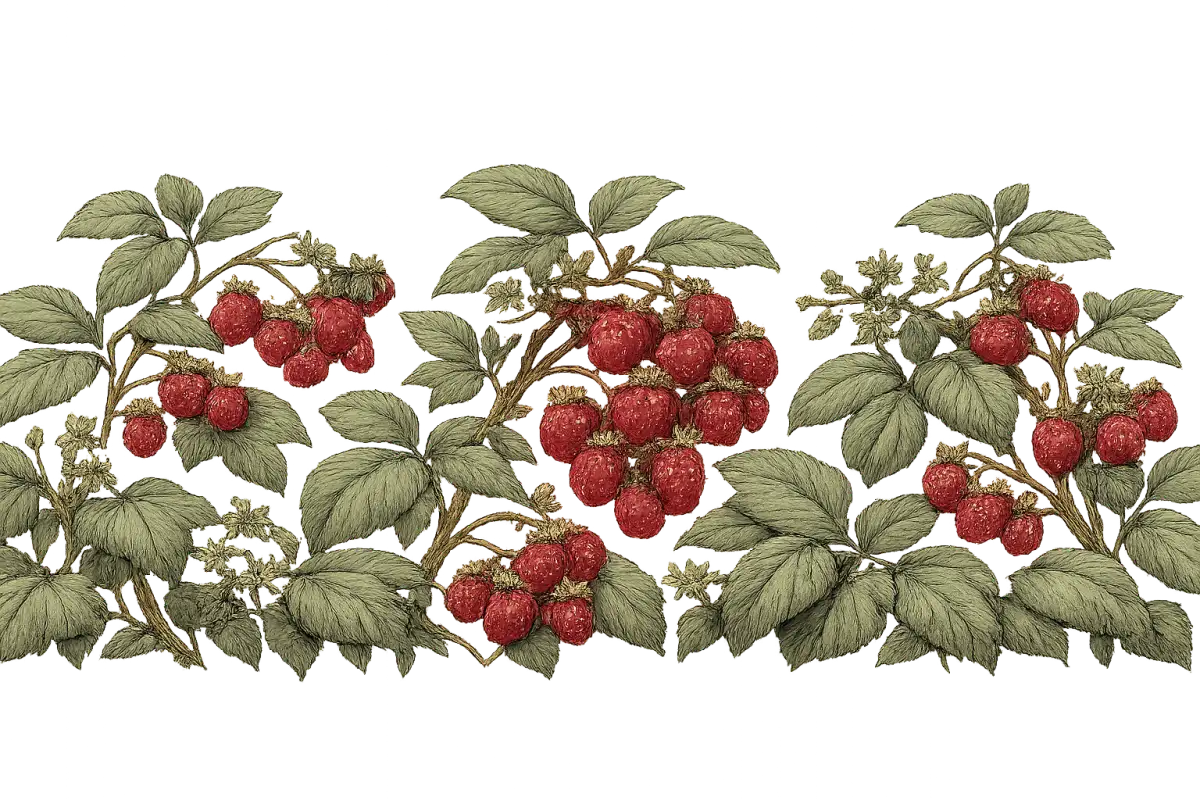
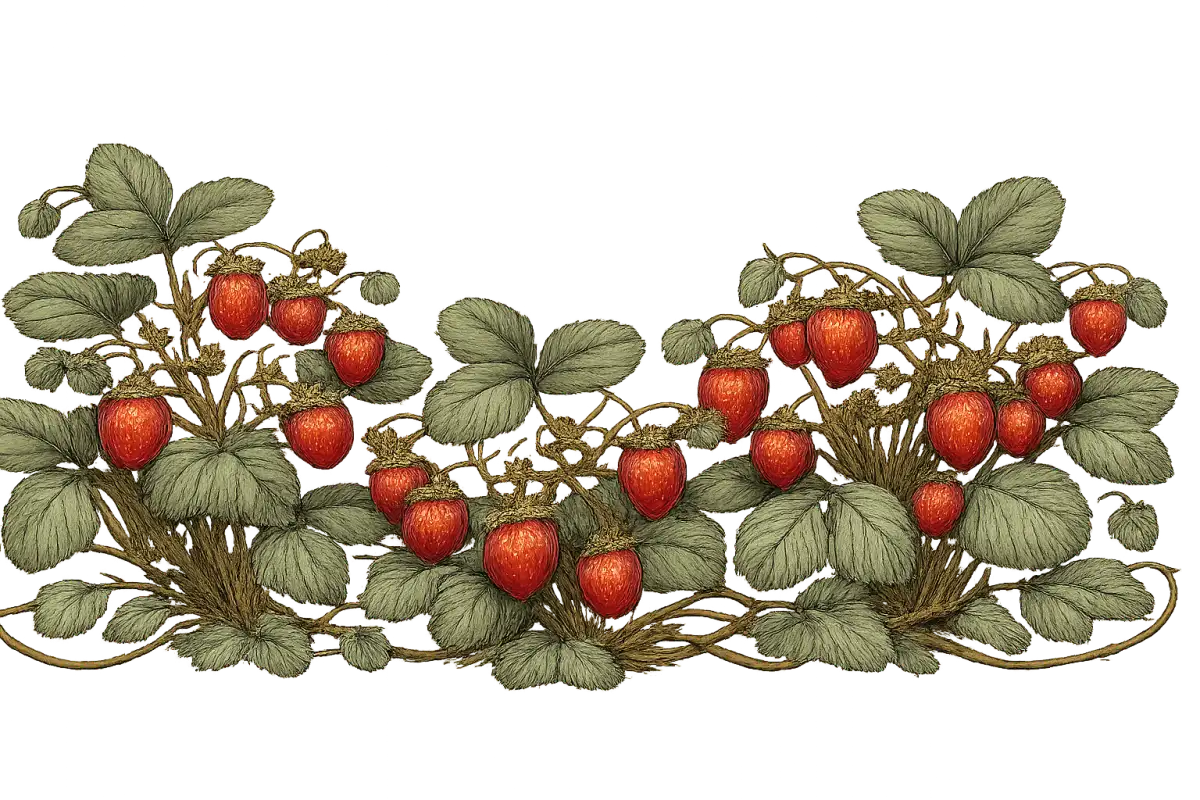
Fruit options in Zone 3 are limited but far from absent. Hardy apple varieties bred specifically for the north ('Honeycrisp', 'Haralson', 'State Fair', 'Sweet Sixteen') produce well. Raspberries are reliable and productive. Day-neutral strawberries work once established. Blueberries need acidic soil prep but are worth the effort. Traditional northern fruits — currants, gooseberries, rhubarb — are Zone 3 standbys that produce without fuss. What you can't grow outdoors: stone fruits (peaches, nectarines, sweet cherries), figs, citrus, and most tender fruit trees. These will die in the first real winter even in sheltered spots.
Worth trying (rating 3 — possible but challenging):
Best Herbs for Zone 3
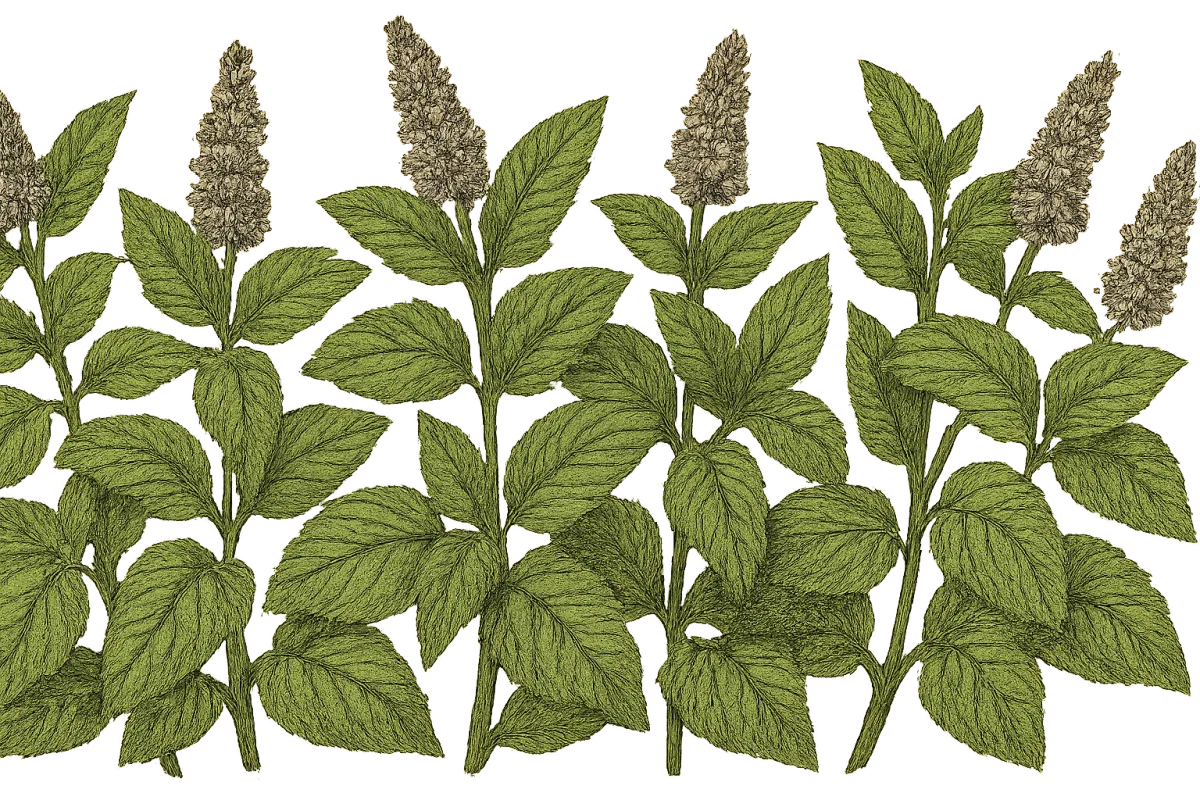
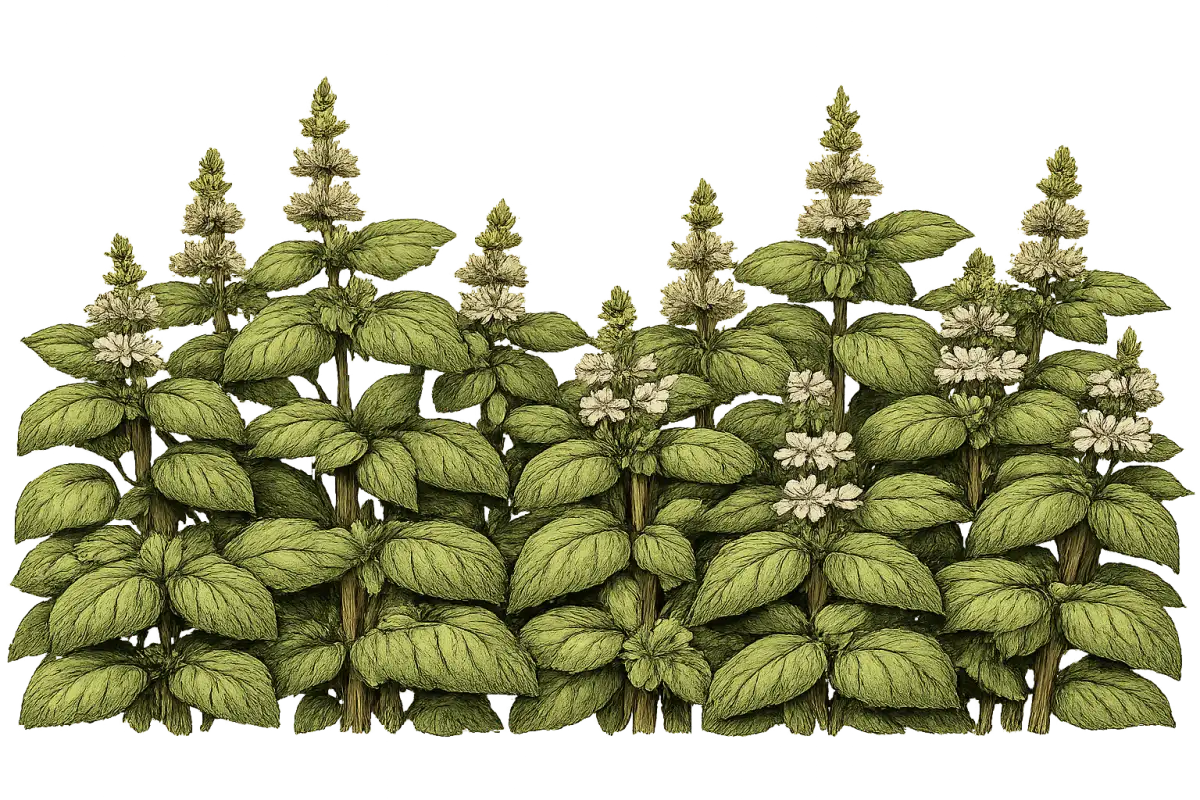
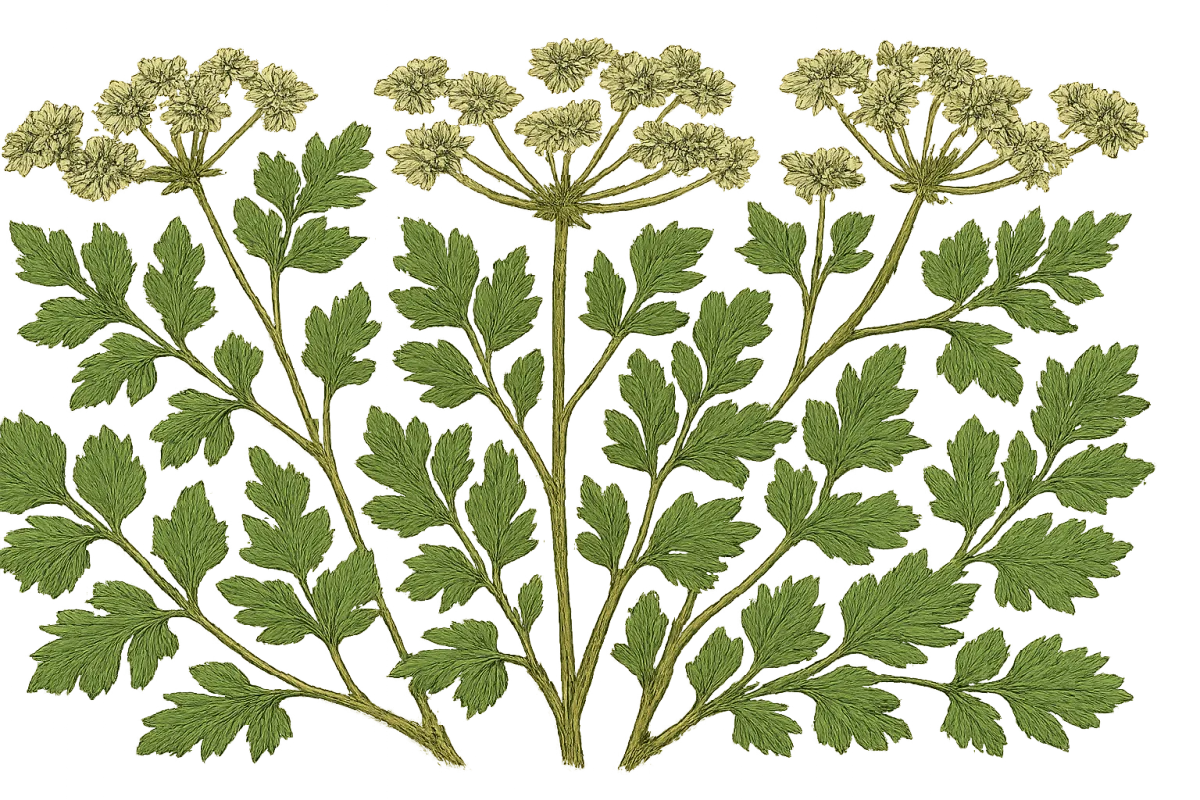
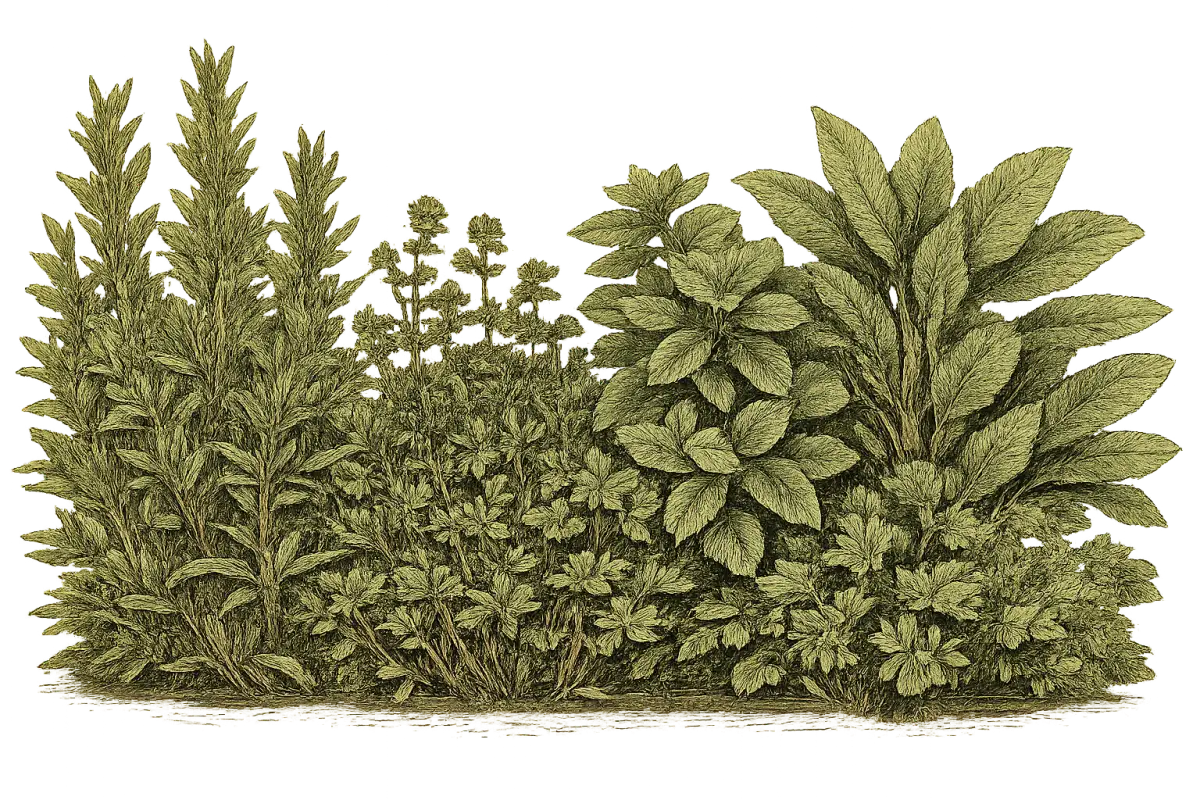
Most culinary herbs are grown as annuals in Zone 3 regardless of their classification elsewhere. Basil, cilantro, parsley, and dill all work through the brief summer. Chives are reliably perennial and come back every spring. Mediterranean herbs like rosemary, thyme, oregano, and sage generally need to come indoors for winter or be treated as annuals — the winters are too cold for reliable outdoor survival. If you want fresh herbs year-round, plan on growing them in pots that can move inside.
Worth trying (rating 3 — possible but challenging):
Best Flowers for Zone 3
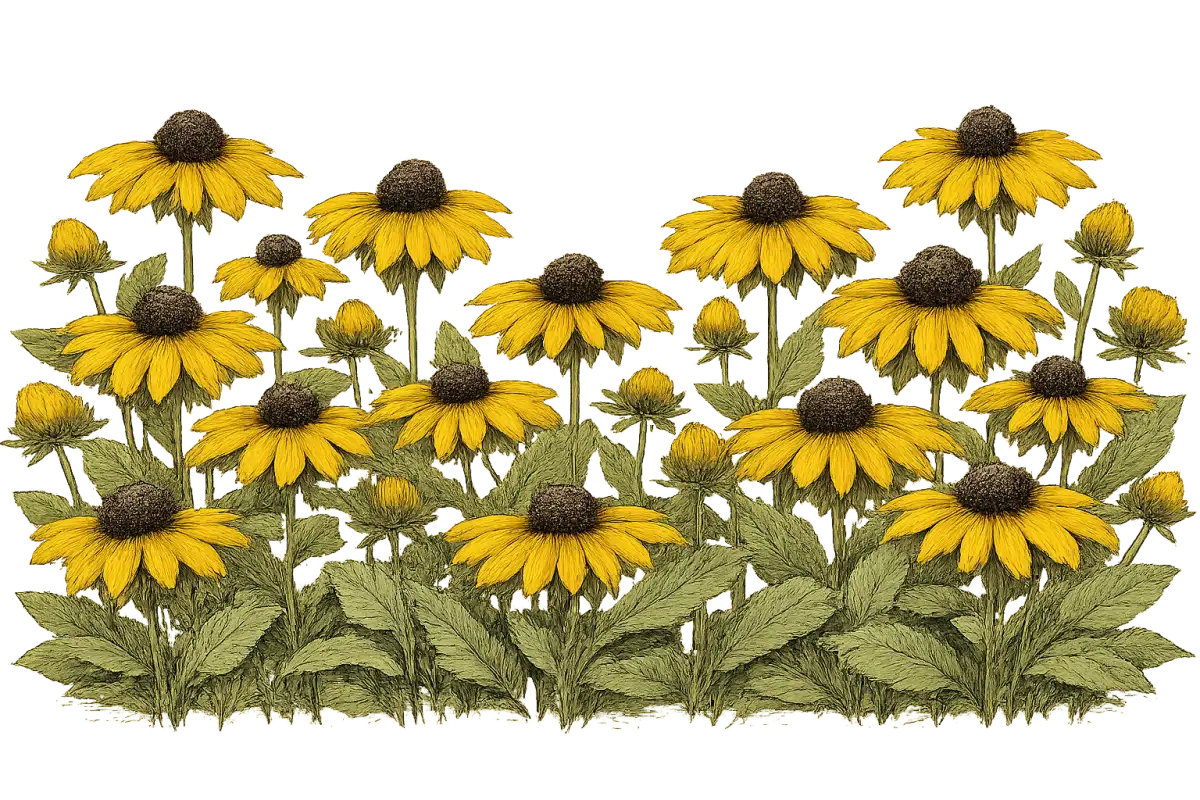
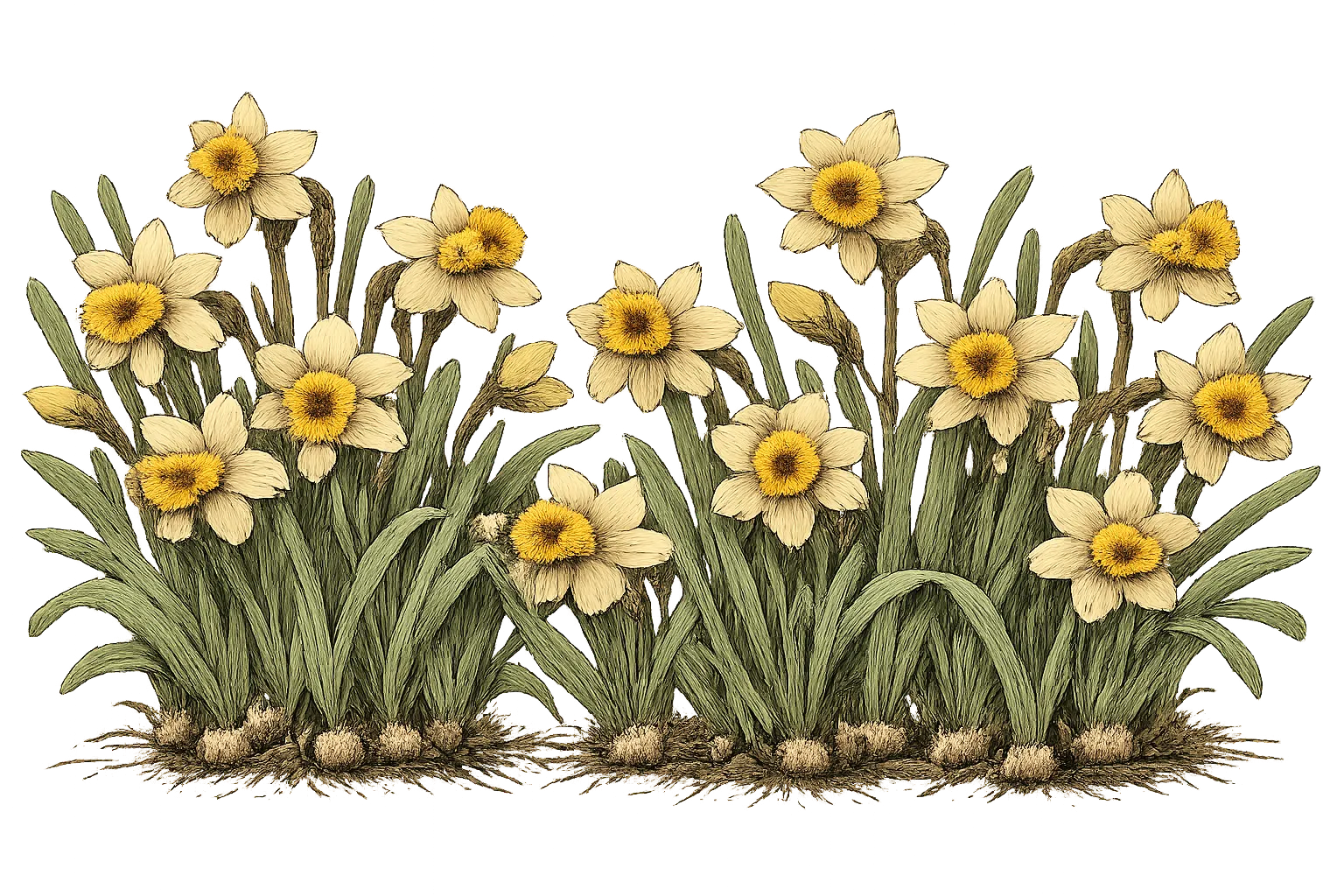
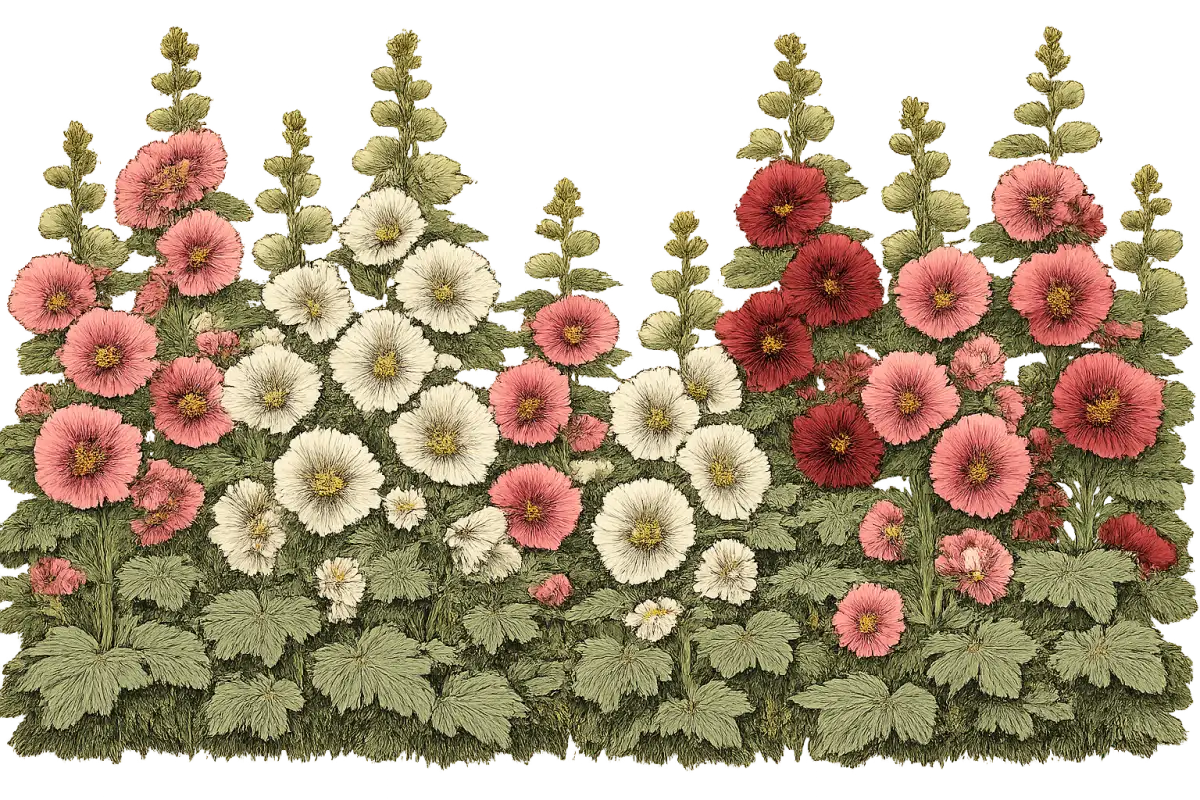
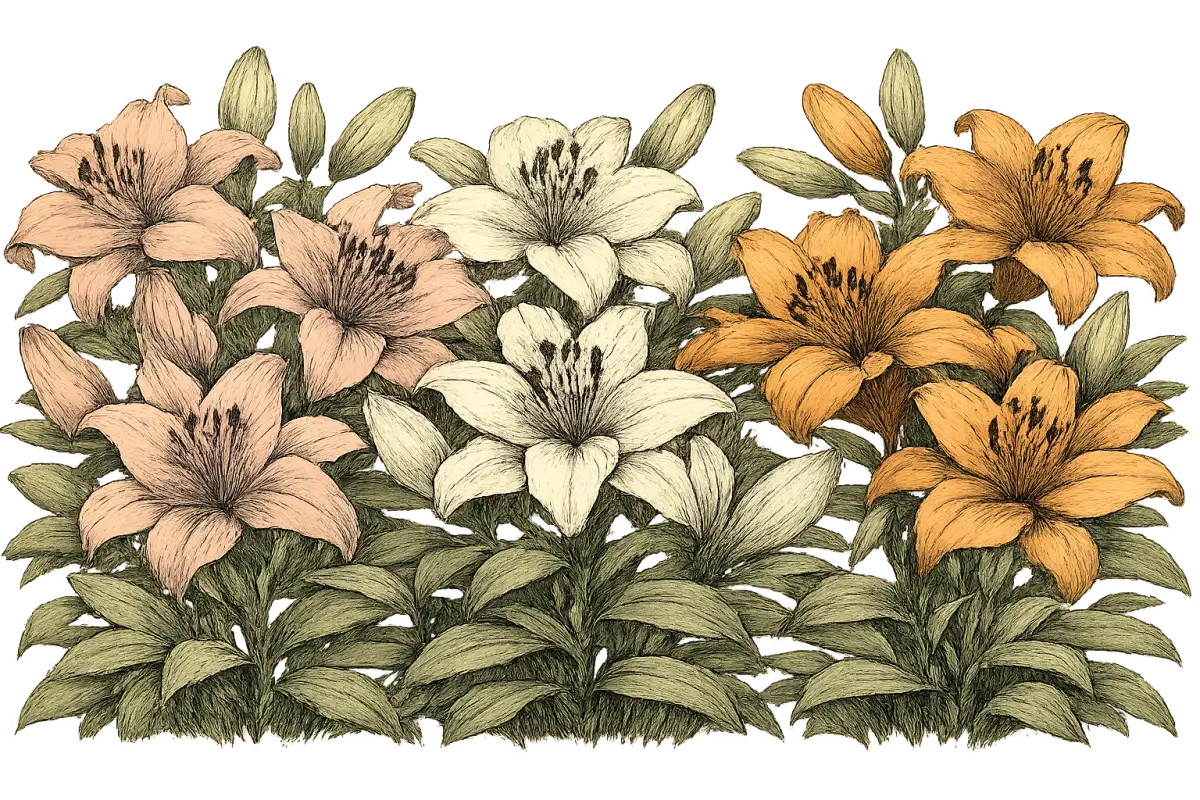
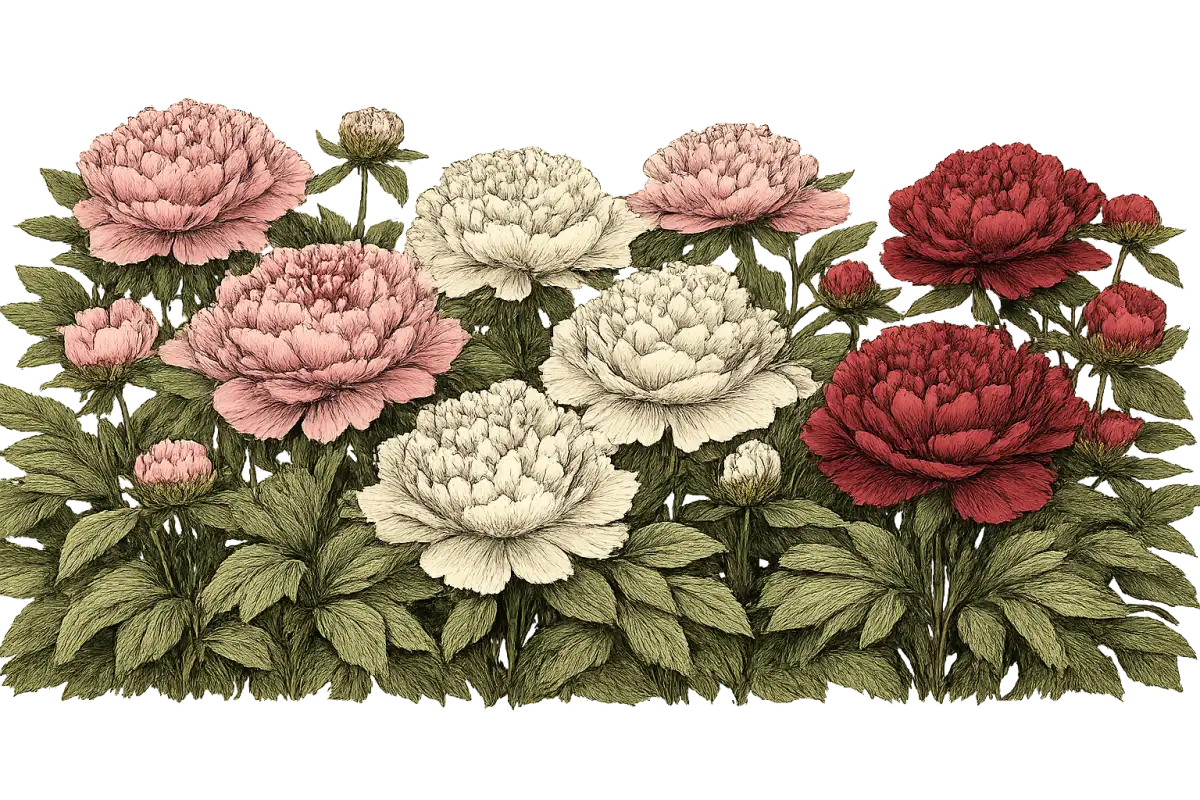
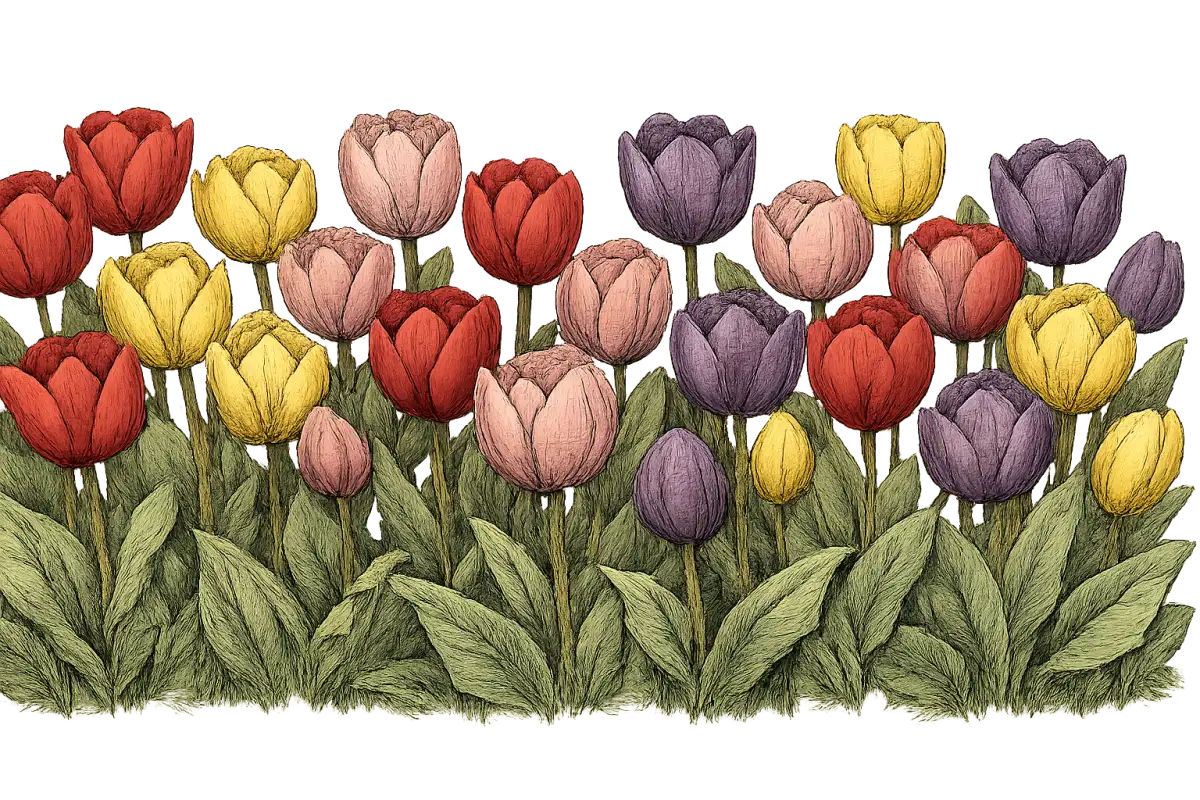
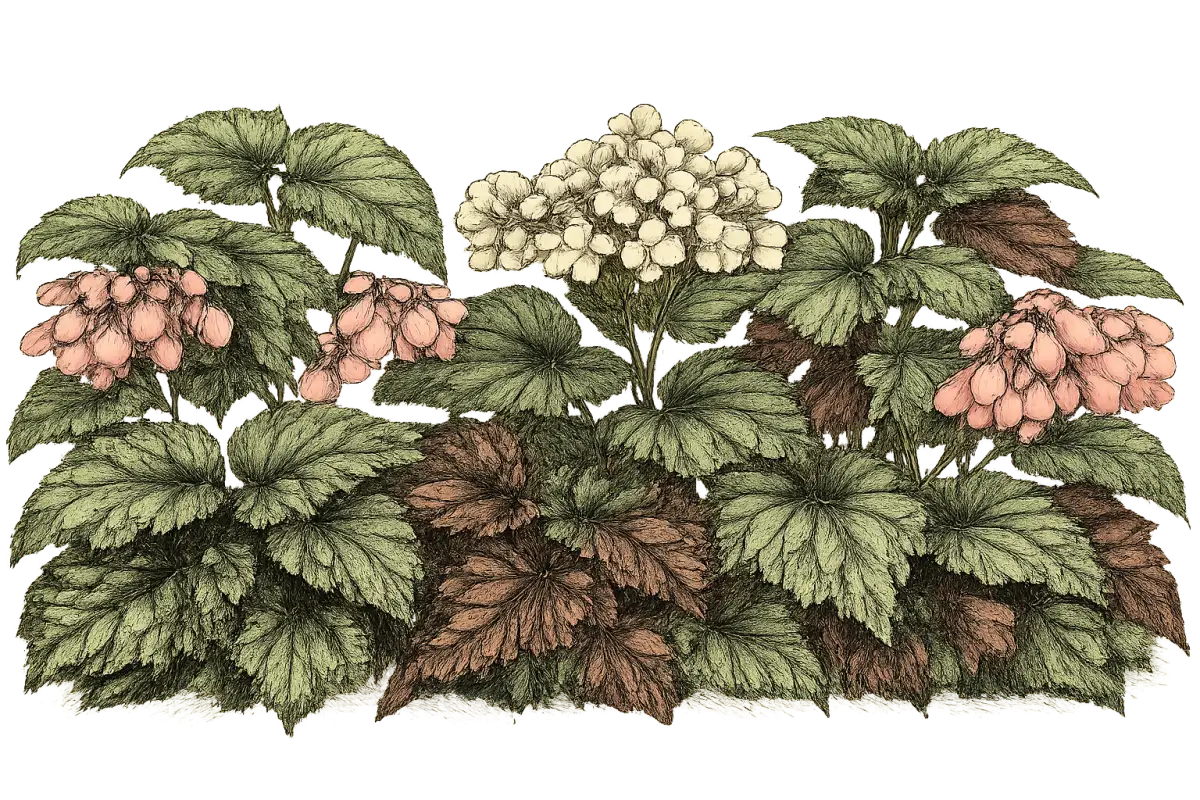
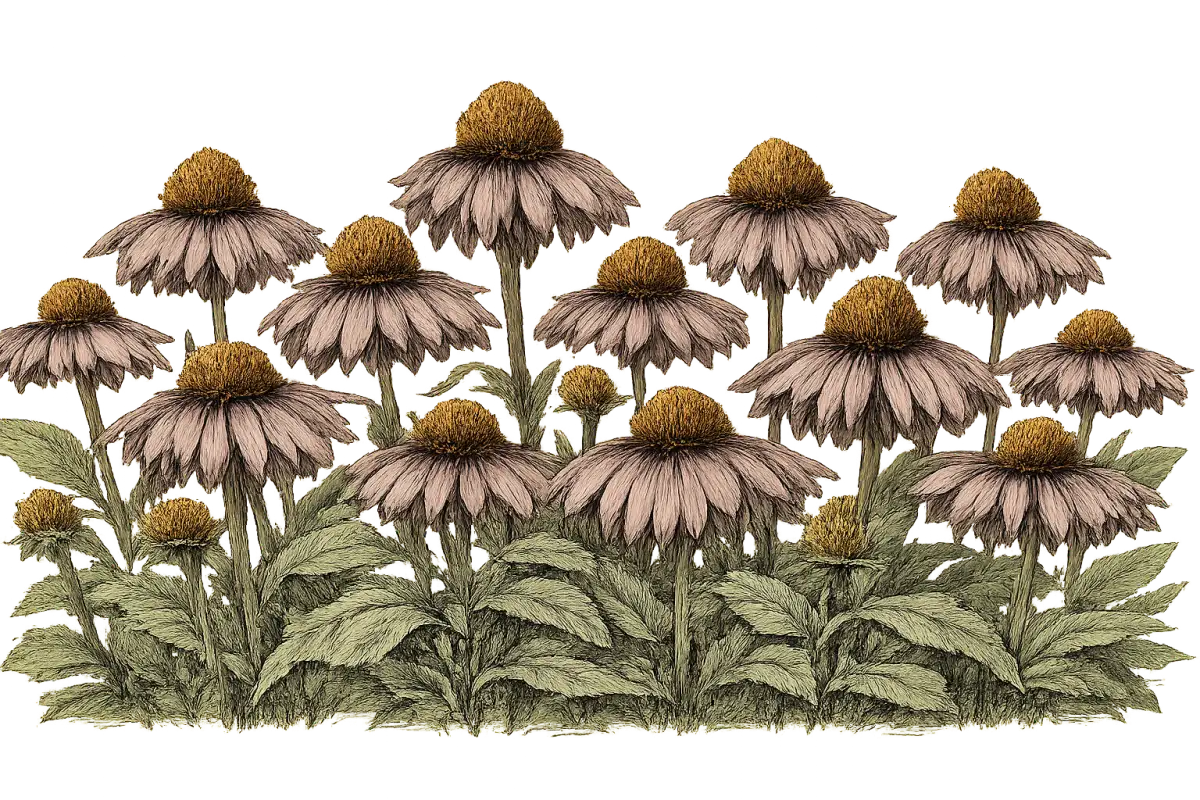
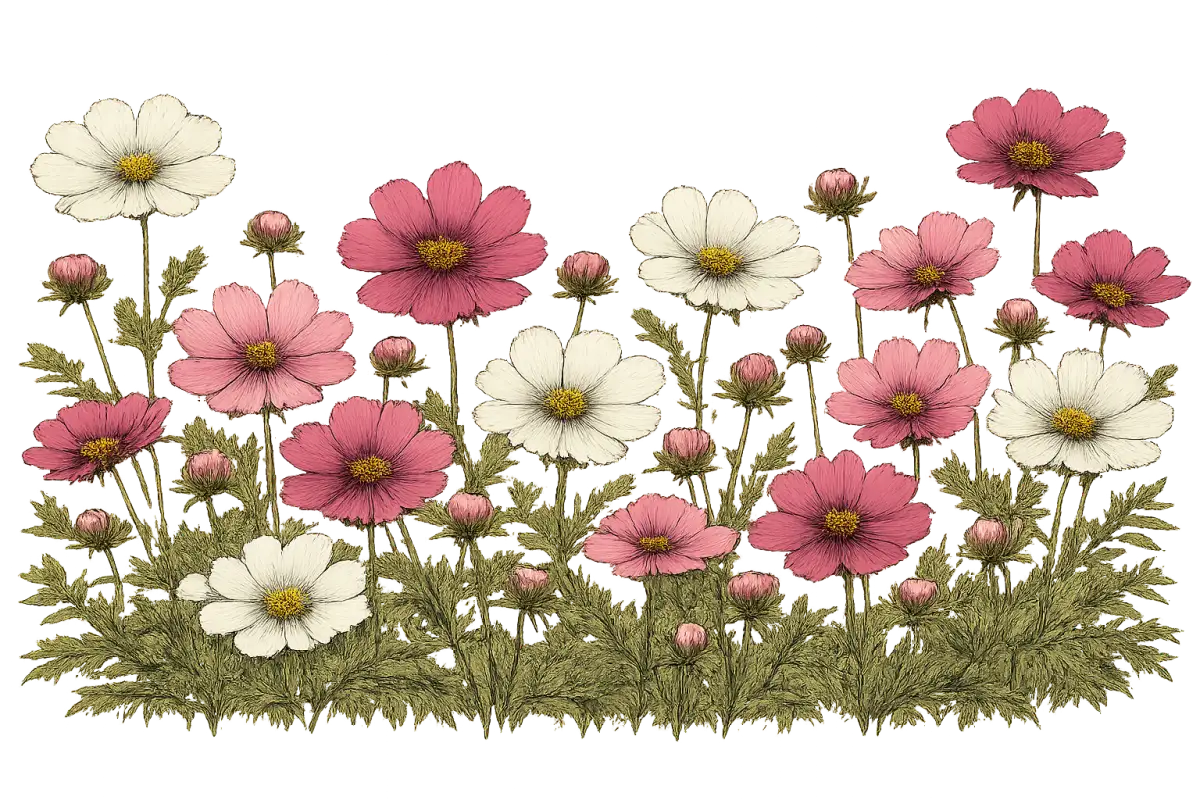
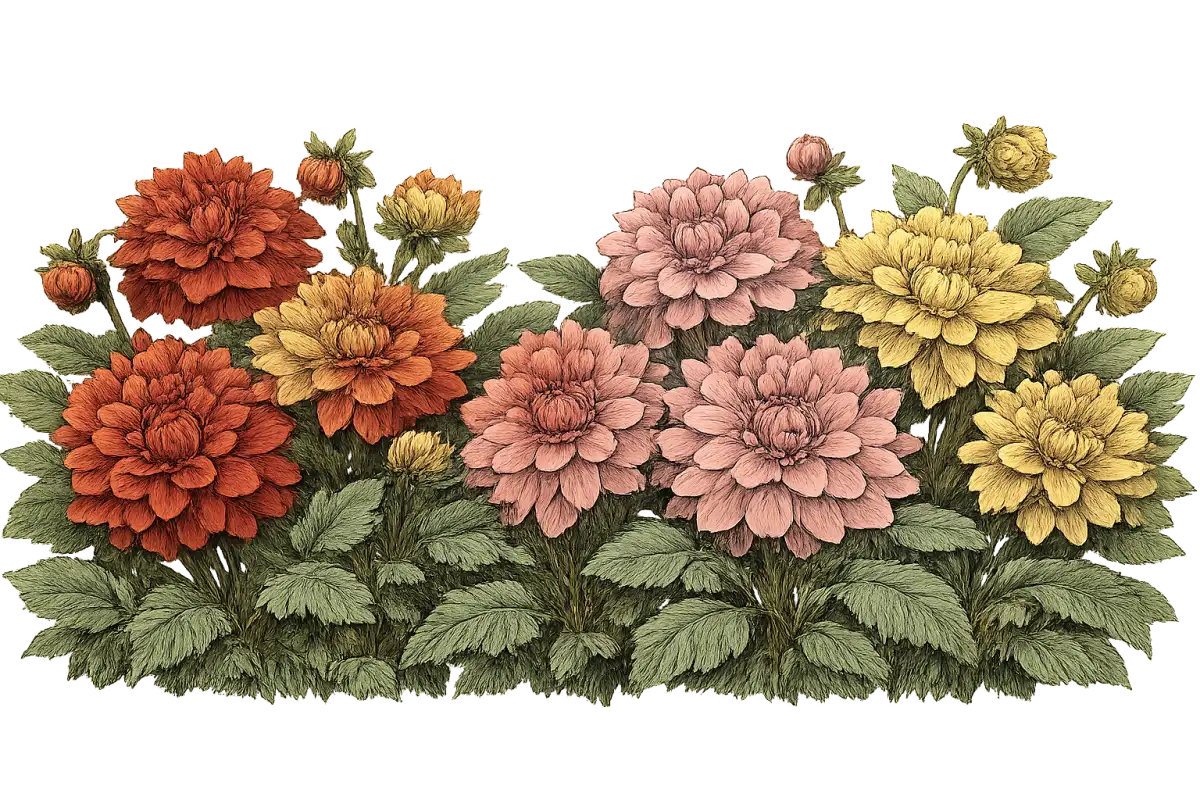
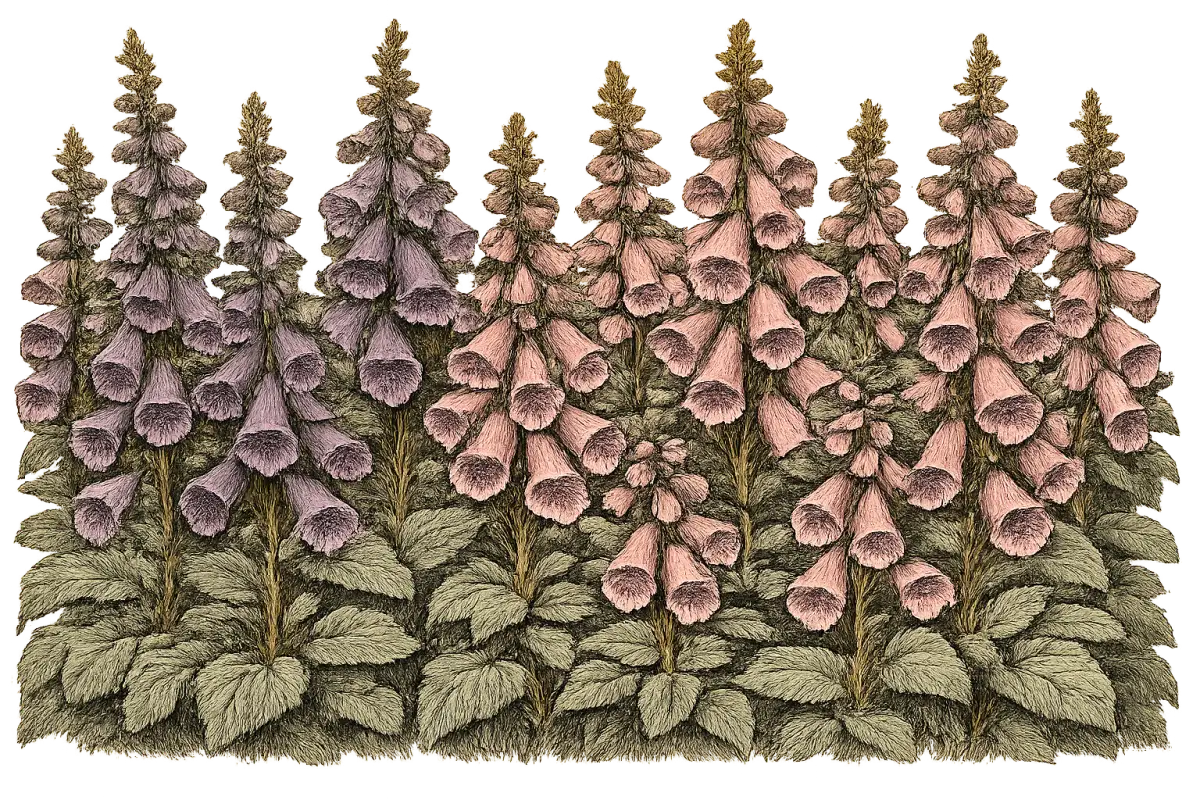
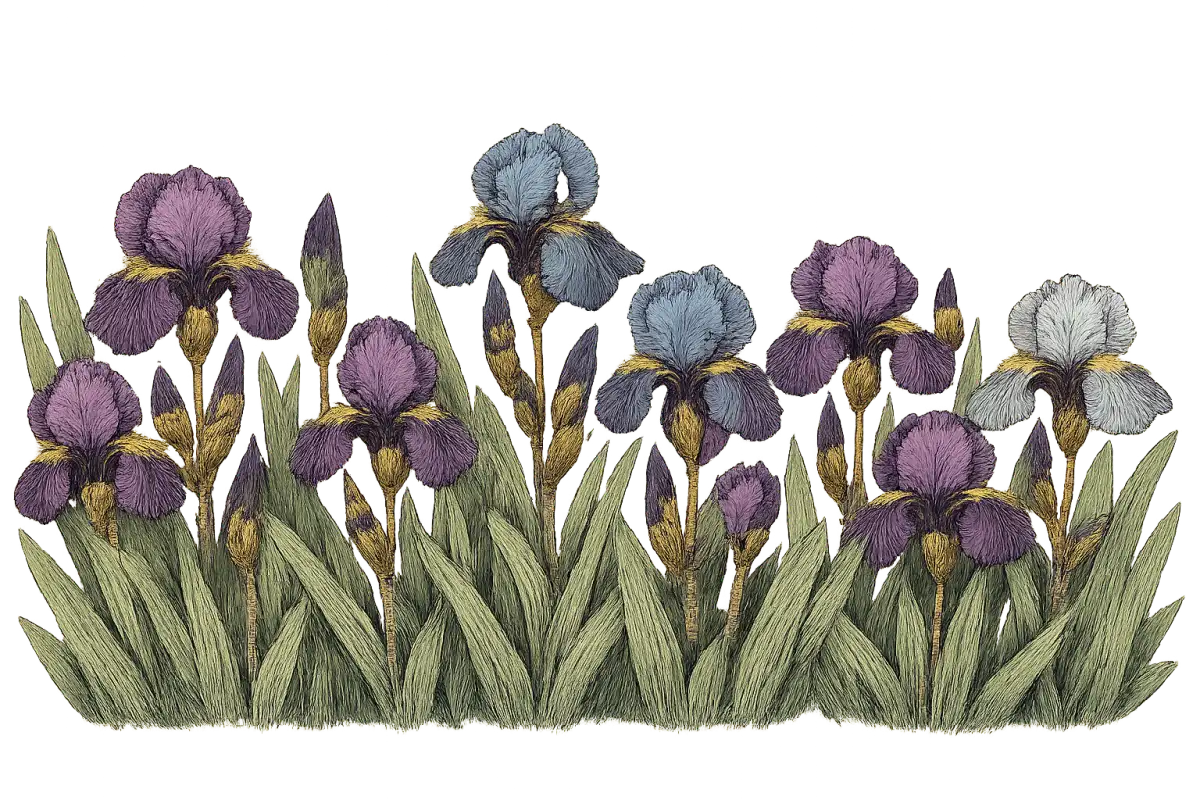
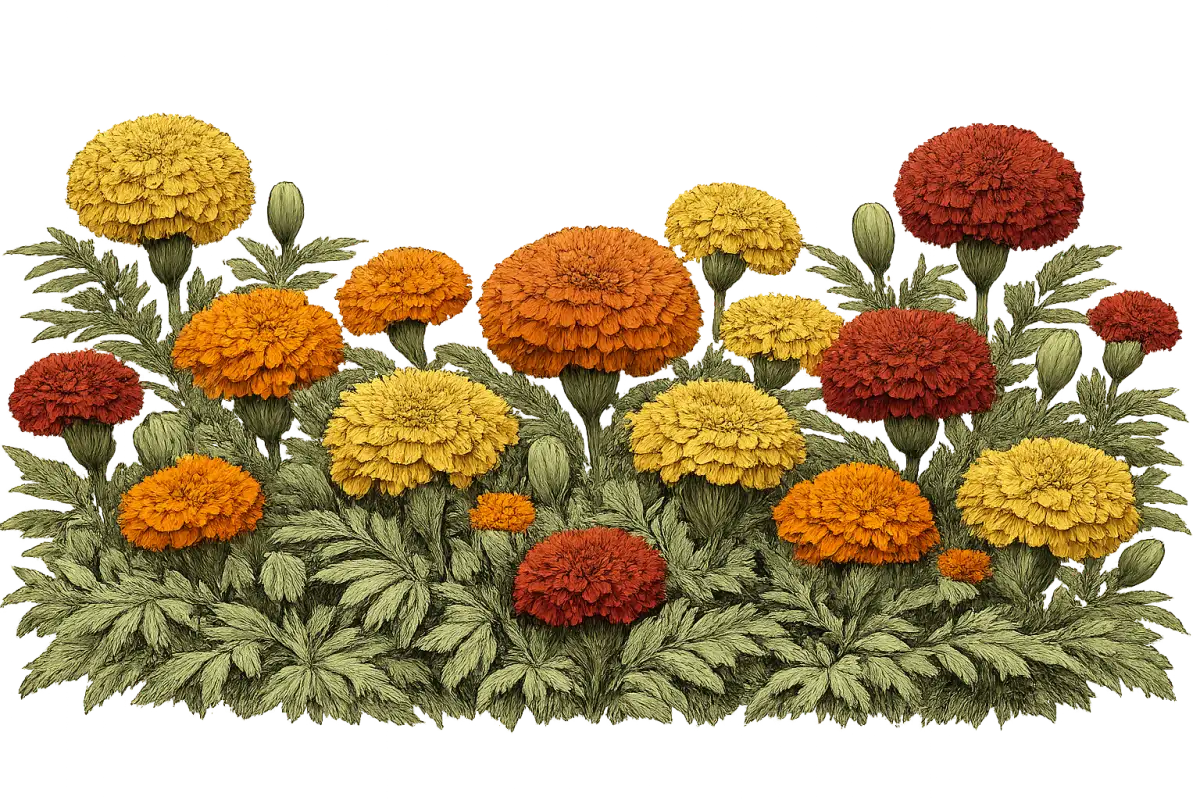
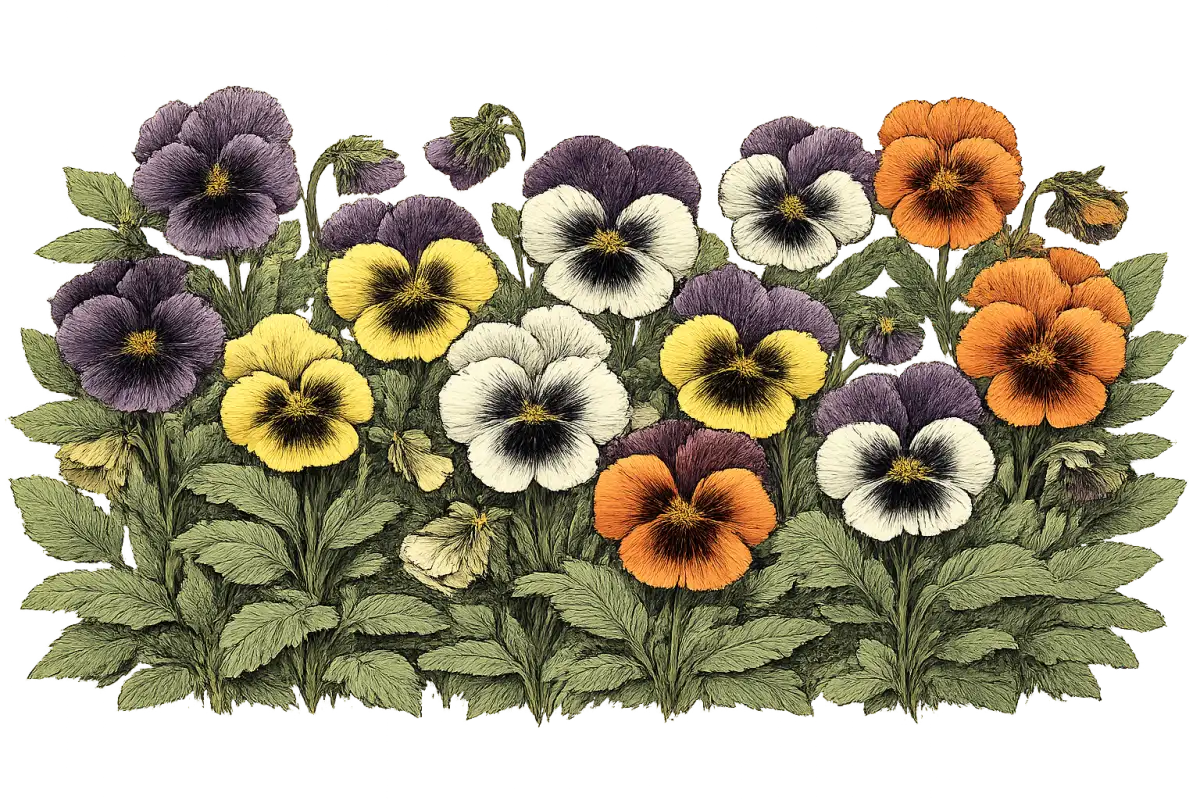
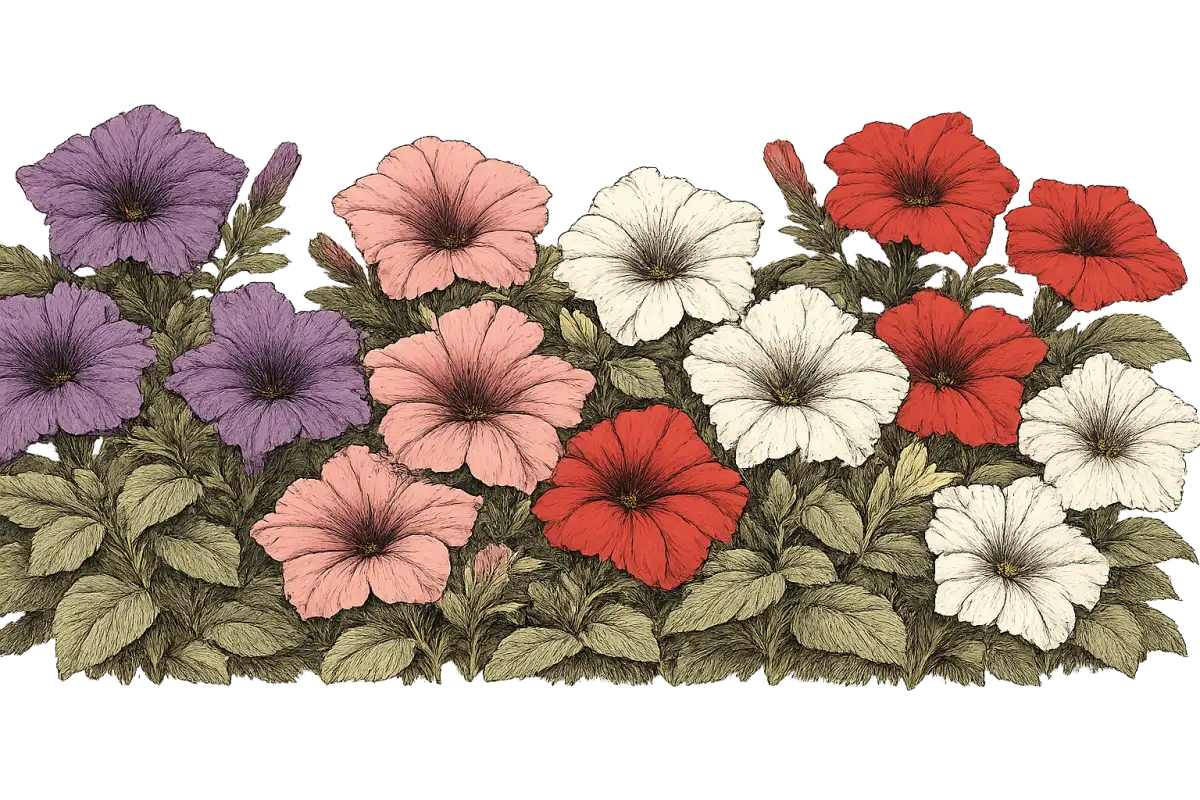
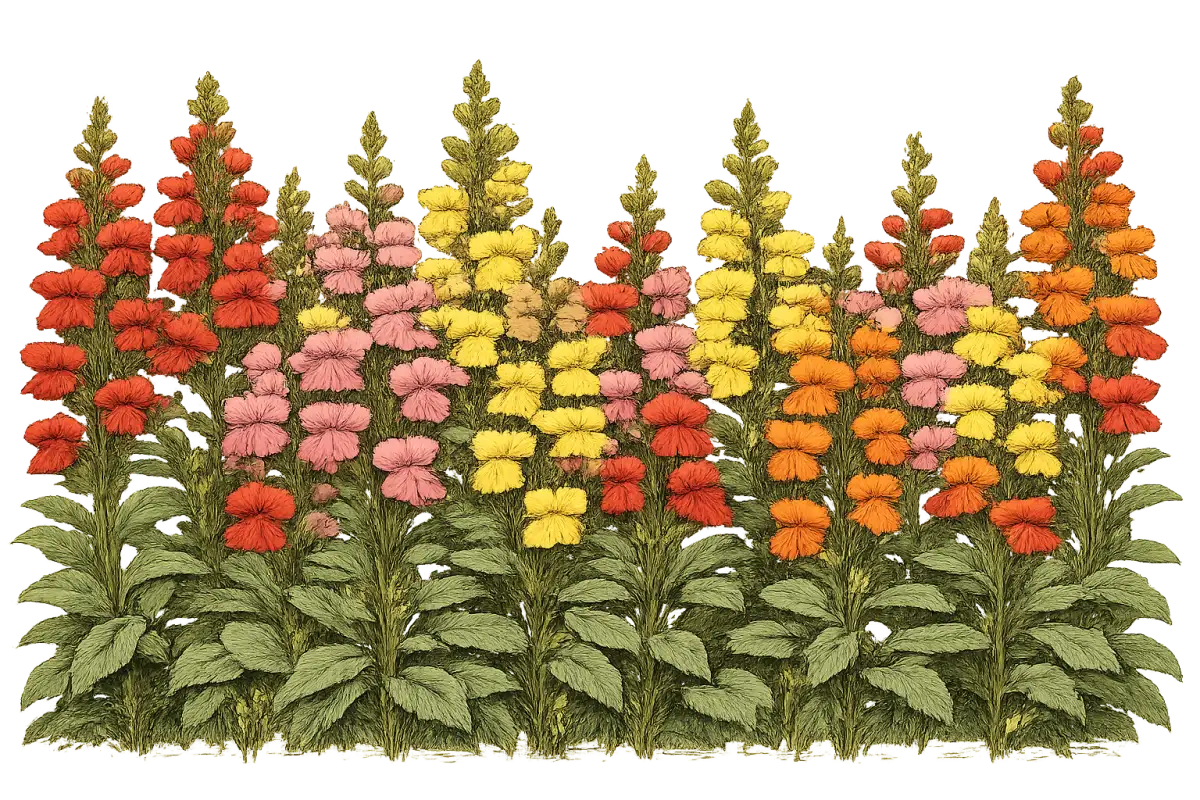
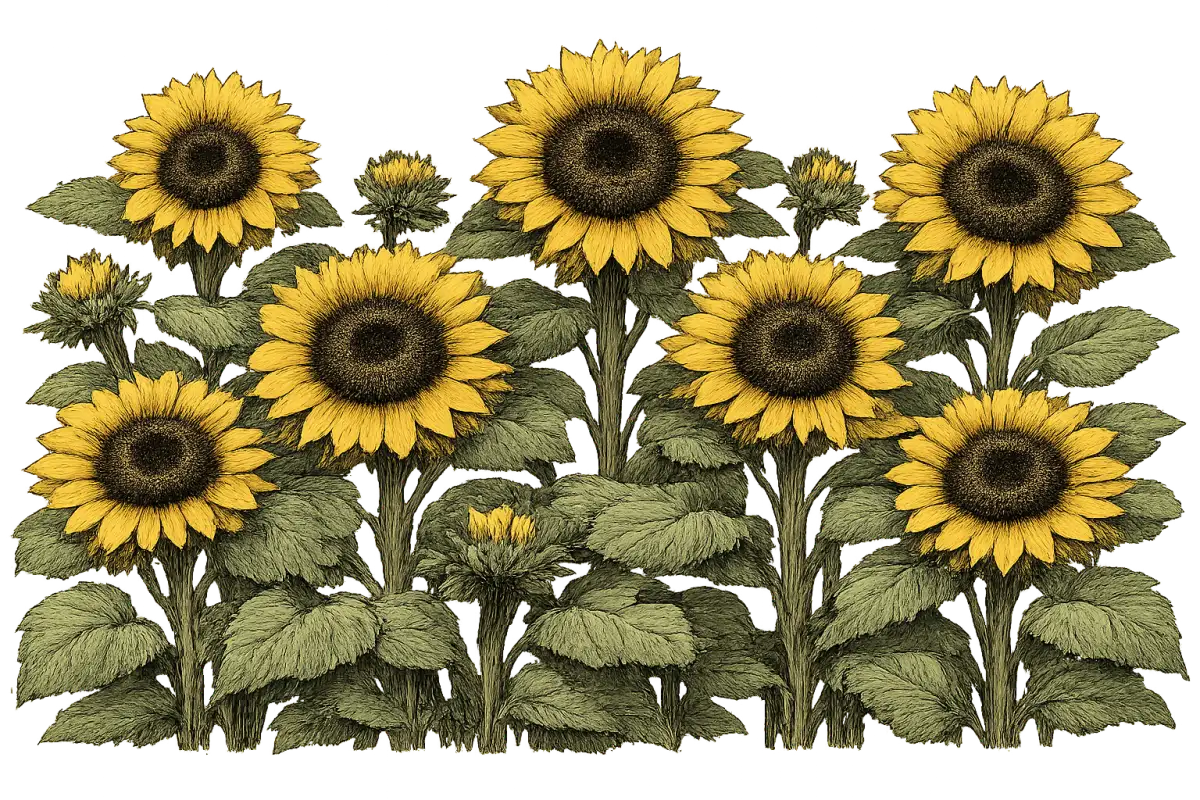
Hardy annuals and perennials are Zone 3's aesthetic strength. Spring bulbs (tulips, daffodils, crocus) are particularly spectacular because the cool spring extends their bloom time. For annuals, marigolds, petunias, zinnias, and sunflowers perform reliably once planted after the last frost. Cold-hardy perennial flowers are among the few plants that actually prefer Zone 3's winter chill for proper dormancy.
Worth trying (rating 3 — possible but challenging):
Best Shrubs for Zone 3
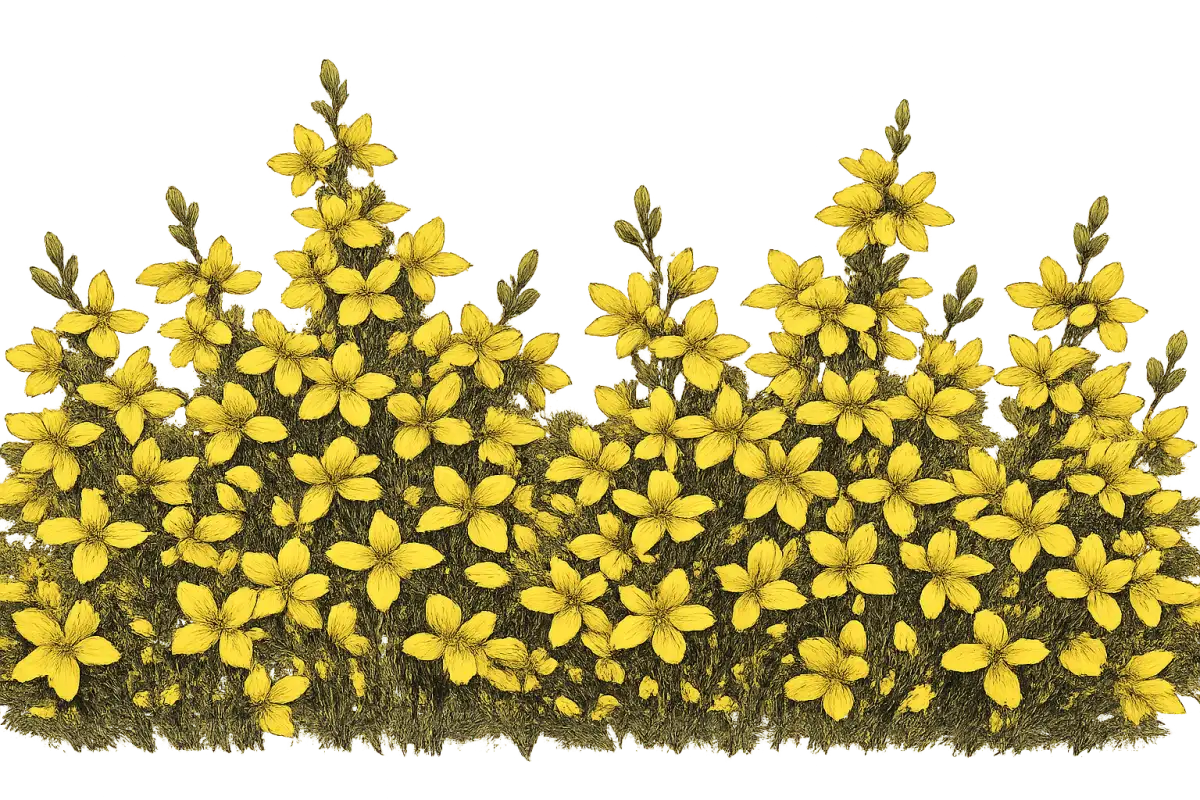
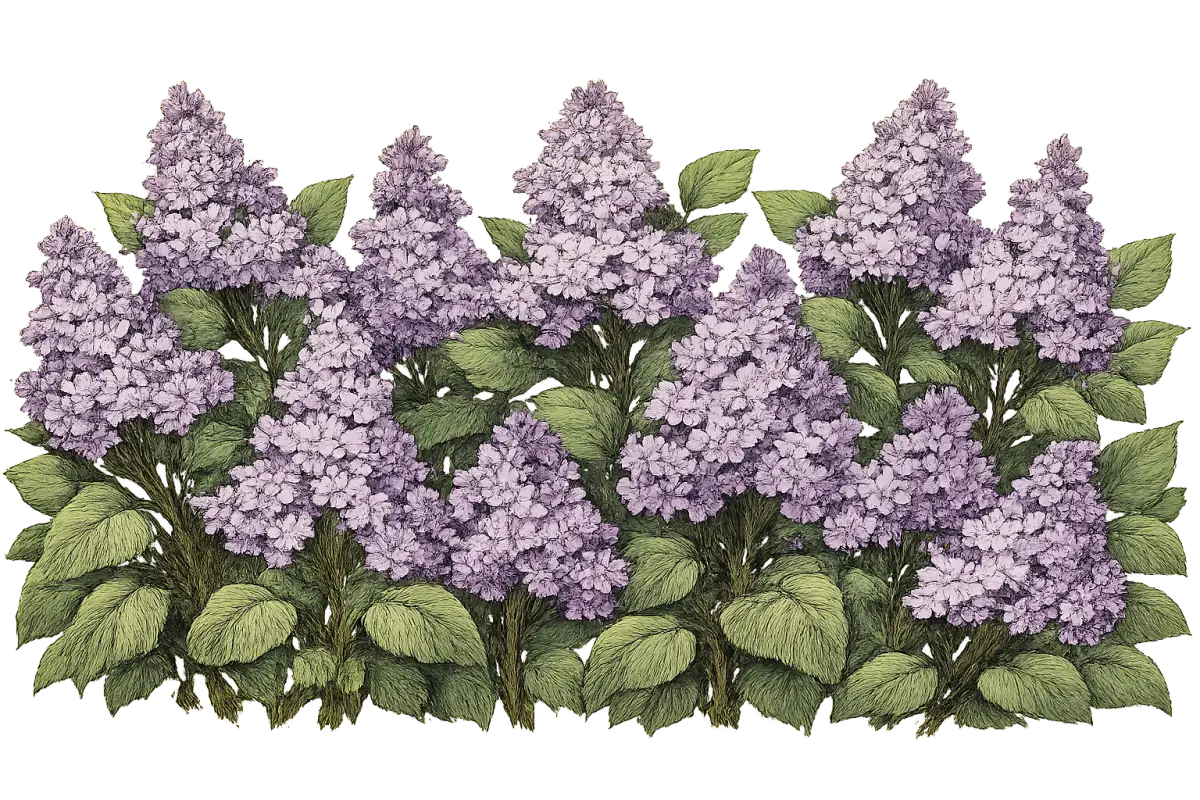
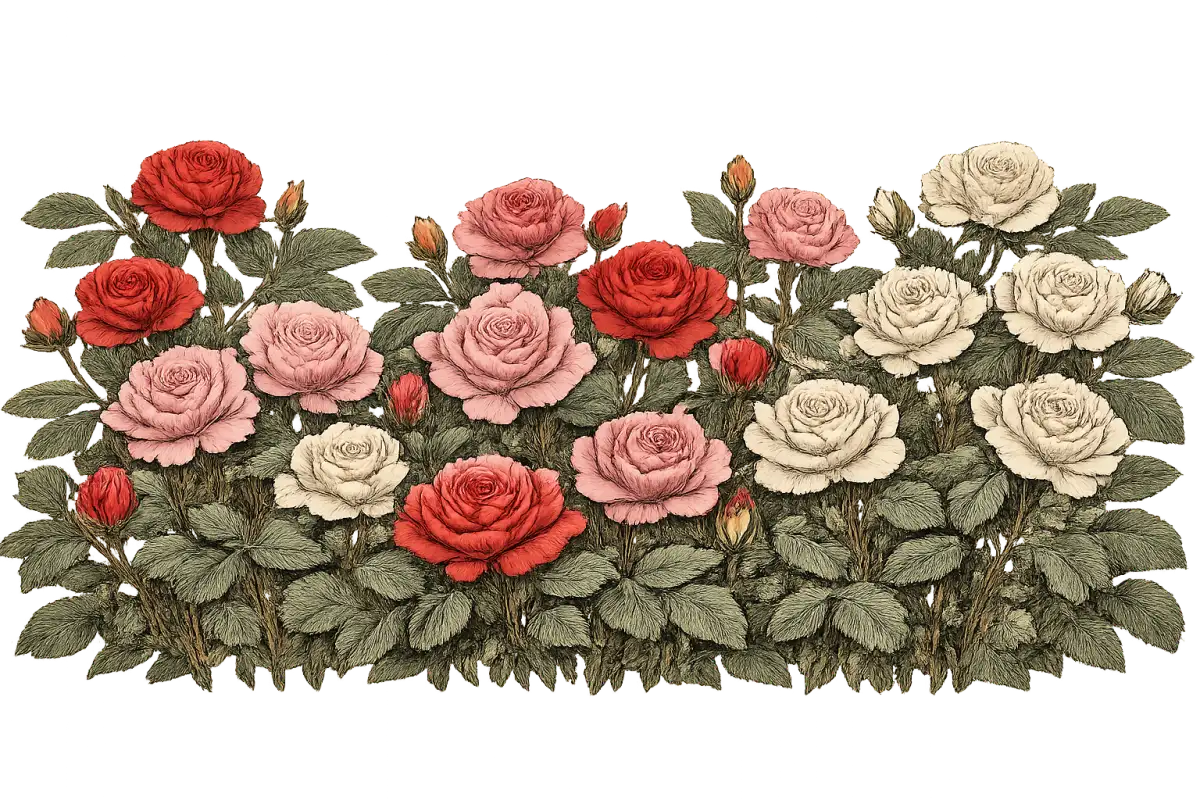
Cold-hardy shrubs are Zone 3's quiet strength. Lilacs bloom spectacularly — they actually need cold dormancy and underperform in warmer zones. Hardy hydrangeas (particularly paniculata types like 'Limelight'), forsythia, and ninebark all work reliably. Canadian-bred hardy rose series ('Explorer', 'Parkland') survive Zone 3 winters where standard hybrid teas fail. Rhododendrons and azaleas generally don't survive except in carefully protected sites.
Worth trying (rating 3 — possible but challenging):
Best Perennials for Zone 3
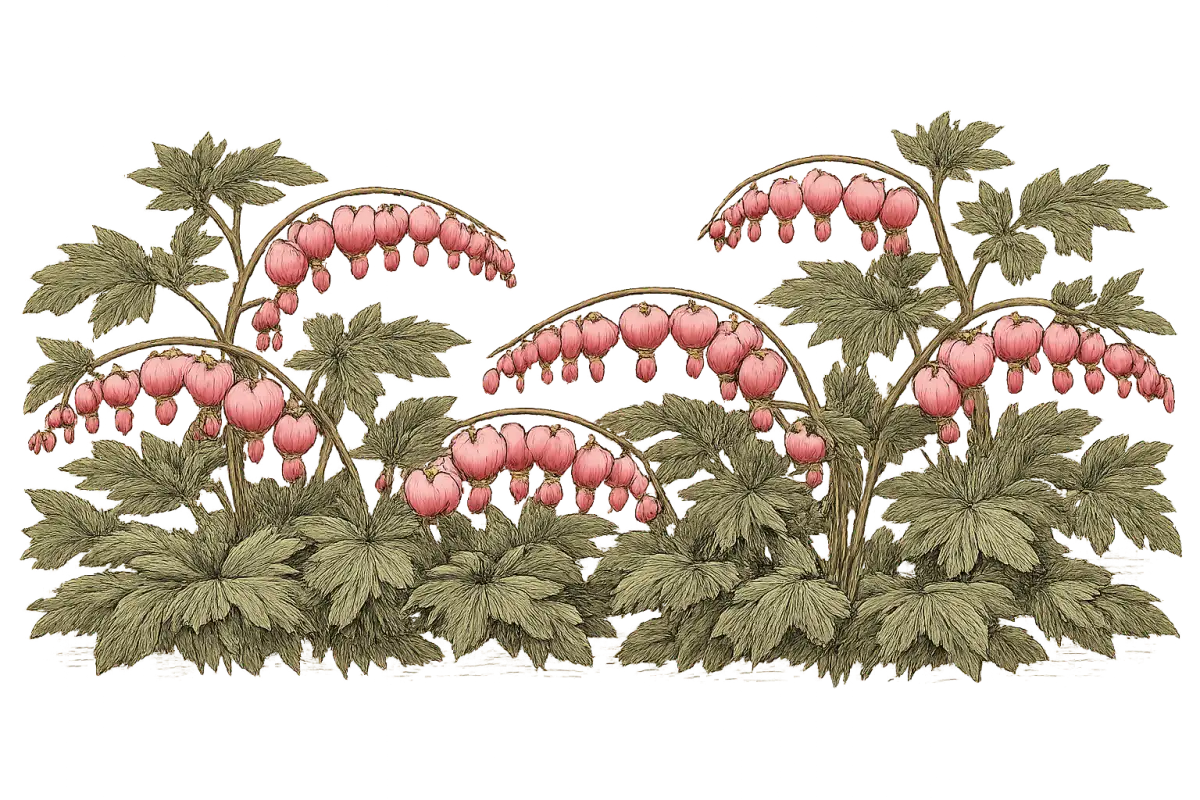
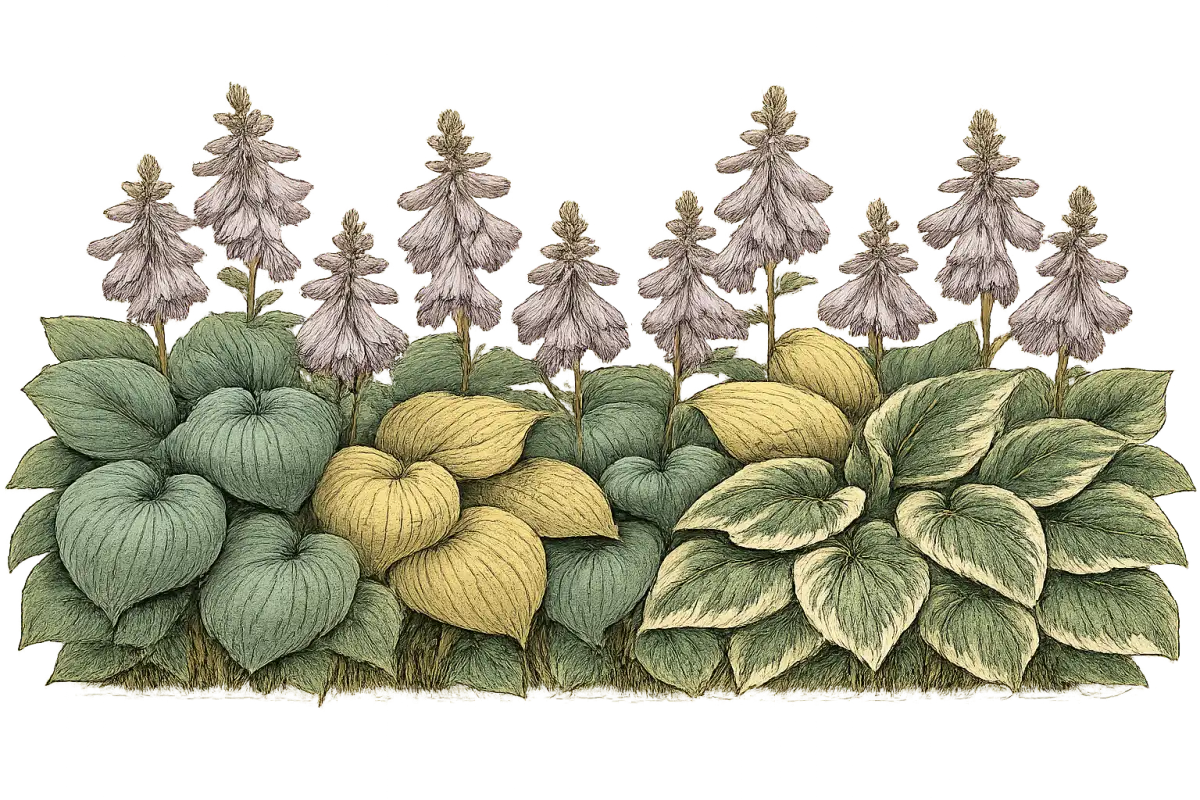
The perennials that define Zone 3 gardens are the ones that truly need cold dormancy to thrive. Peonies, hostas, and bleeding hearts shrug off -30°F winters. Daylilies are bulletproof. Marginally hardy perennials from warmer zones generally won't survive without heavy mulching and sheltered siting.
Best Vines for Zone 3
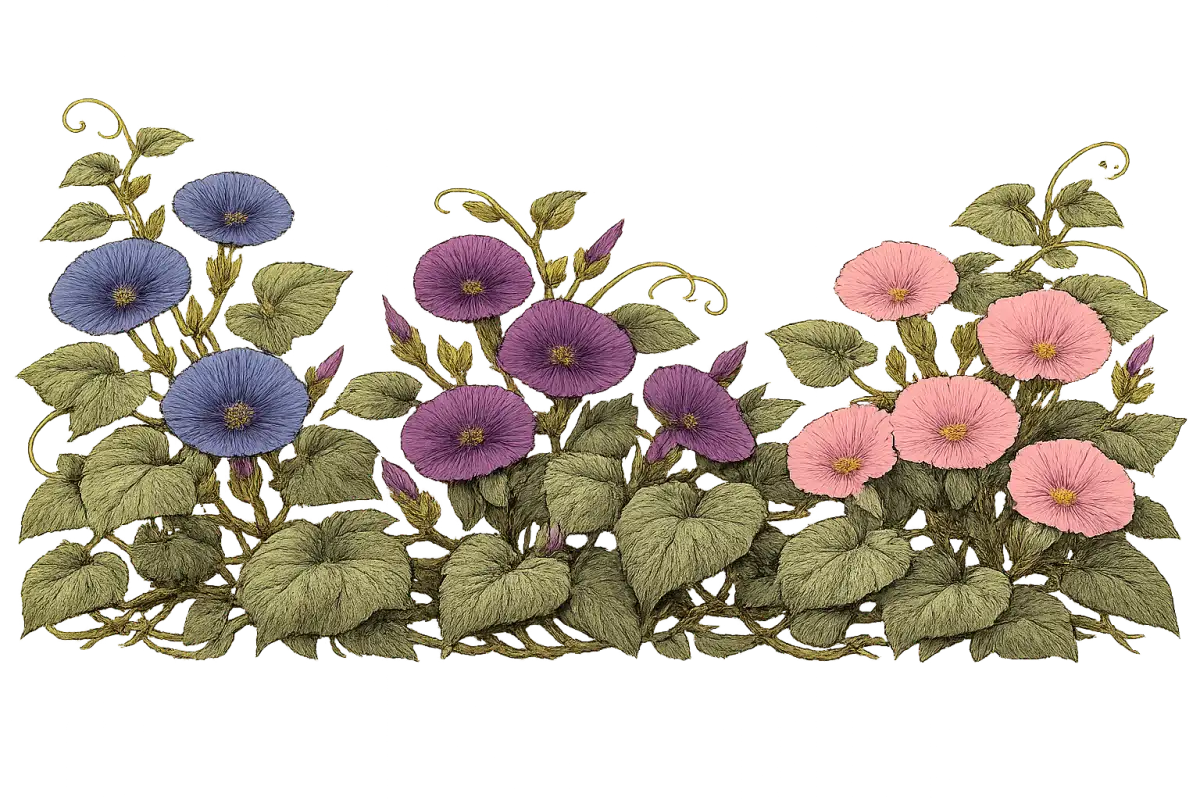
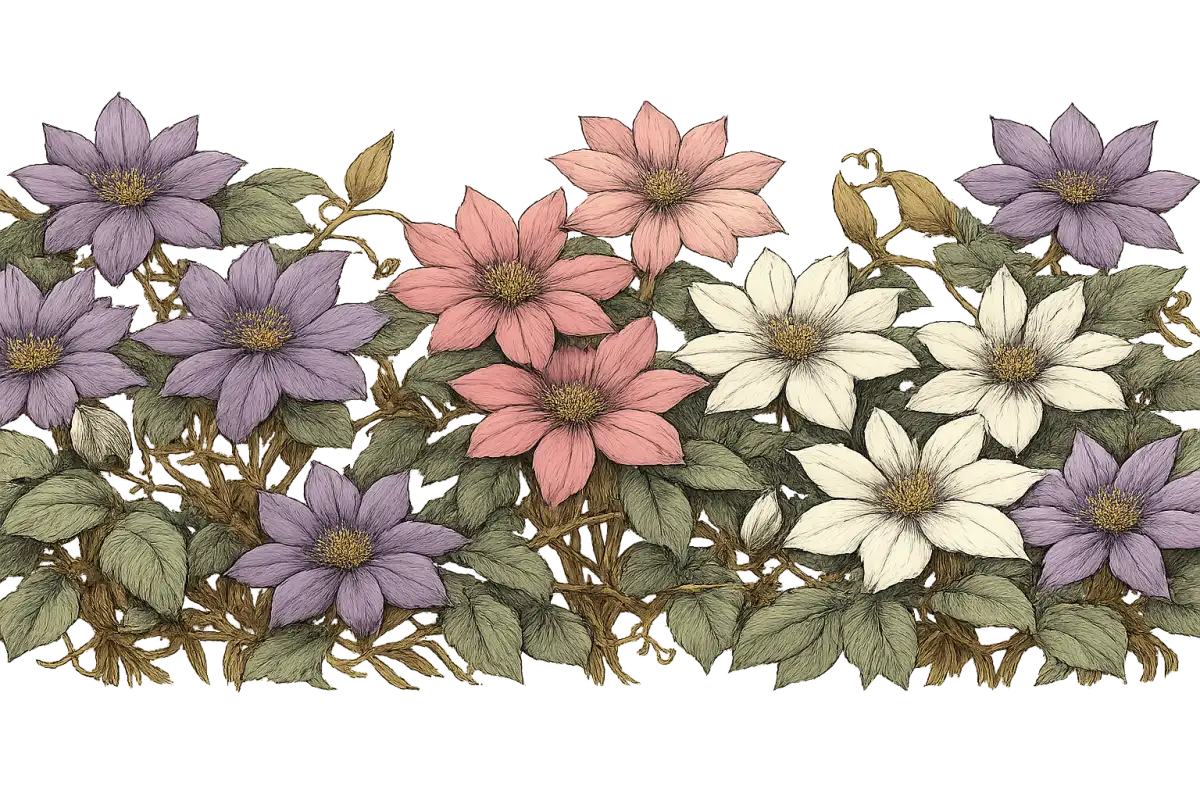
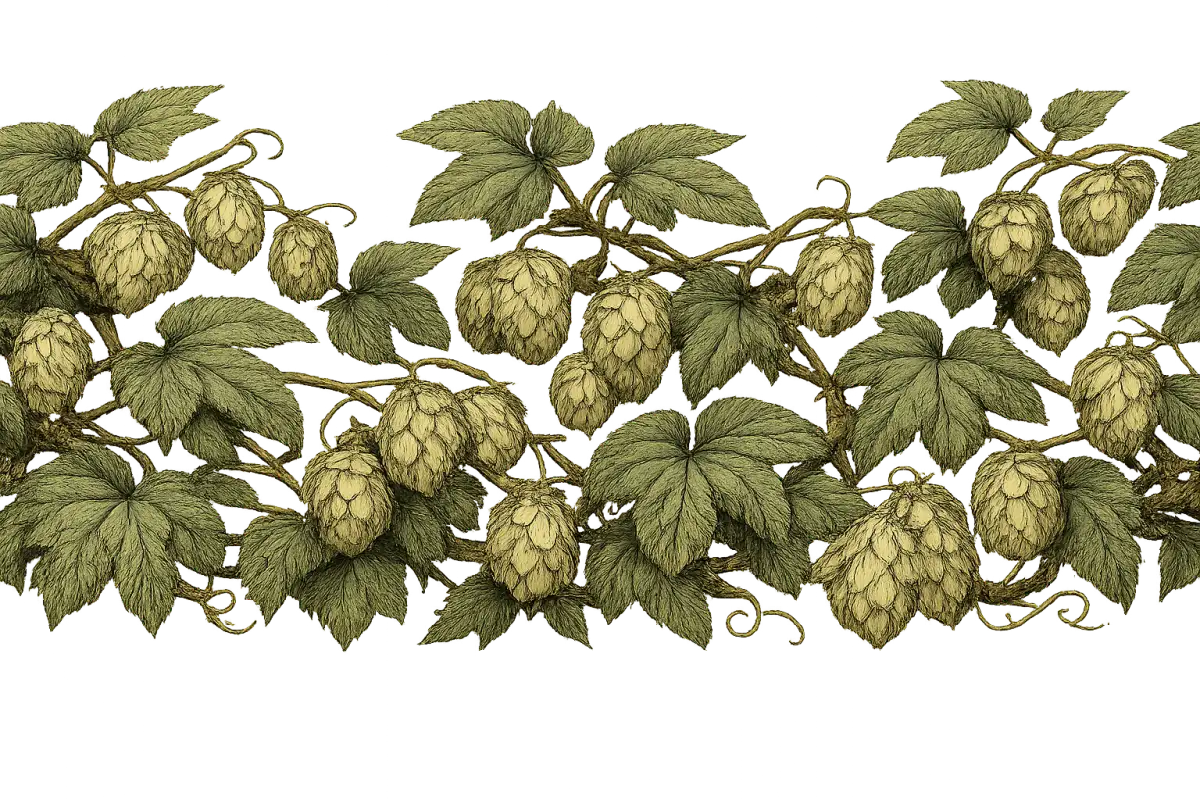
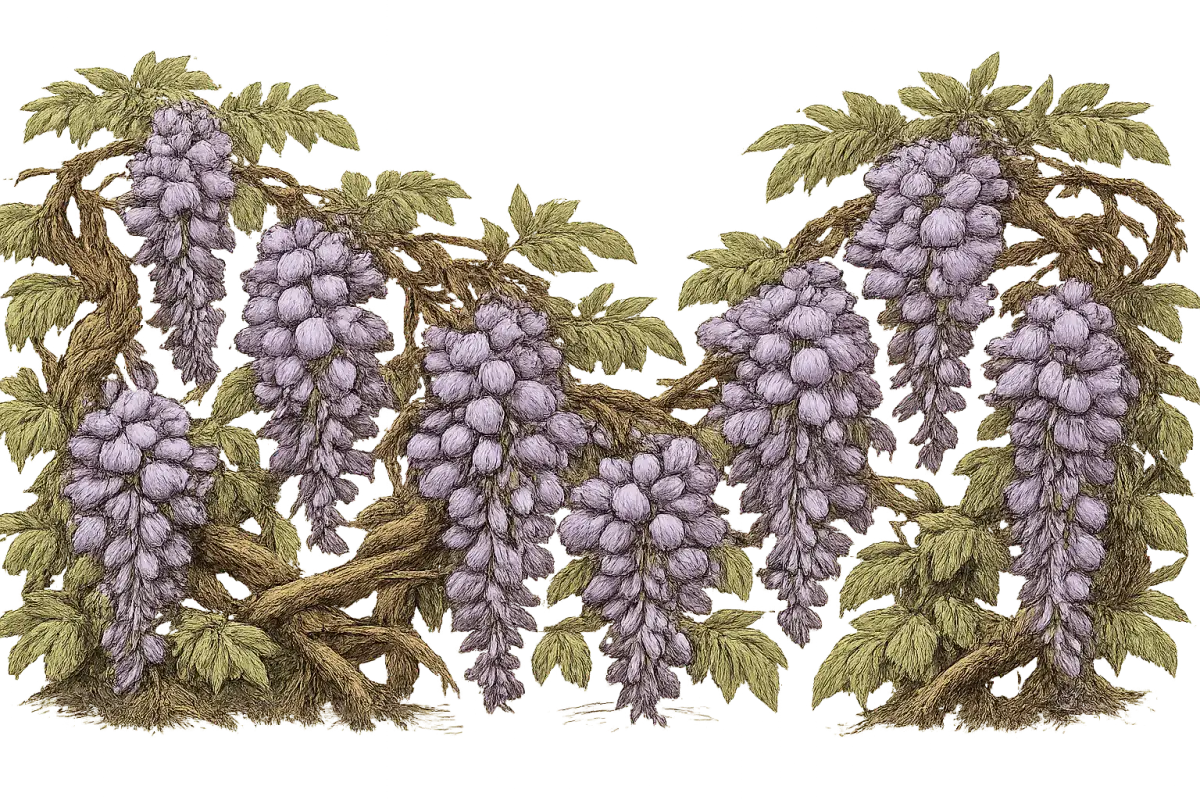
Most ornamental vines don't reliably survive Zone 3 winters. Hops is a notable exception — it dies back to the ground each winter but regrows vigorously from its roots every spring. Hardy clematis varieties ('Jackmanii' and similar) can work in protected sites. Wisteria, jasmine, and most tropical vines are not realistic options.
Worth trying (rating 3 — possible but challenging):
Best Trees for Zone 3
Large tree options are limited to species adapted to the northern climate: birch, aspen, spruce, pine, hardy maples, and hardy apples. Flowering trees like dogwood and magnolia are generally too tender for Zone 3 except in the warmest pockets. Japanese maples won't survive the winters. For small ornamental trees, look specifically for Canadian-bred varieties rated for Zone 3 or colder.
We don't currently have trees in our database that are well-suited to Zone 3.
Season Tips for Zone 3
Start everything you can indoors. Warm-season crops (tomatoes, peppers, eggplant) need an 8-10 week indoor head start under grow lights. Direct-sow cool-season crops like peas and spinach 4-6 weeks before your average last frost — they tolerate light frost and germinate in cold soil.
Use row covers, cold frames, and low tunnels to extend the season on both ends. A cold frame can give you 4-6 extra weeks of growing time on each side of the frost-free window. In fall, mulch perennials heavily only after the ground has frozen solid — the goal is stable soil temperature, not warmth.
Microclimates in Zone 3
Even in Zone 3, microclimates matter enormously. A south-facing wall with good reflective exposure can gain you half a zone of warmth — enough to try marginally hardy plants. Raised beds warm up faster in spring and give you an earlier effective start date. Low spots in your yard will be colder than the zone average because cold air pools there, so plant sensitive things on higher ground. Deep snow cover acts as excellent insulation — areas that consistently hold snow typically have higher perennial survival than exposed sites.
Common Mistakes Zone 3 Gardeners Make
1. Planting warm-season crops too early
The ground may be workable in April but air temperatures will still kill tomatoes and peppers. Wait until after your average last frost and watch the 10-day forecast before transplanting.
2. Buying plants rated only for Zone 3 with no buffer
For perennials and fruit trees you want to last decades, pick varieties rated for Zone 2. One exceptional winter can wipe out a Zone 3-rated plant that had been thriving for years.
3. Forgetting to mulch before deep cold arrives
Unmulched perennials can die from freeze-thaw cycles even when they'd survive pure cold. The mulch isn't about warmth — it keeps soil temperatures stable so roots don't heave out of the ground.
4. Starting seeds too late
Zone 3 gardens succeed or fail based on indoor seed timing. Aim for 8-10 weeks before last frost for slow-germinating crops like peppers and eggplant. Starting late means not harvesting.
5. Expecting non-hardy plants to survive with 'protection'
Some things just aren't going to work outdoors in Zone 3. Recognize when a plant needs to be a houseplant and stop fighting the climate.
Zone 3 FAQ
Can I grow tomatoes in Zone 3?
Yes, but you need short-season varieties and must start them indoors 8-10 weeks before your last frost. 'Early Girl', 'Stupice', 'Manitoba', and 'Sub-Arctic Plenty' are classic Zone 3 performers. Use black plastic mulch to warm the soil and row covers to protect from cool nights.
What's the first vegetable I should plant each spring?
Peas. They tolerate light frost, germinate in cold soil, and produce before summer heat arrives. Plant them 4-6 weeks before your average last frost. Spinach, lettuce, and radishes can go in at the same time.
Do any fruit trees work in Zone 3?
Only cold-hardy varieties. Apples ('Honeycrisp', 'Haralson', 'State Fair'), hardy plums, and cherry plums are reliable. Stone fruits (peaches, nectarines, sweet cherries) and tender fruits (figs, citrus) will not survive Zone 3 winters outdoors.
How do I protect perennials for winter?
Wait until the ground has frozen solid, then mulch heavily with 4-6 inches of straw or shredded leaves. The goal isn't to keep them warm — it's to keep soil temperatures stable and prevent freeze-thaw cycles from heaving plants out of the ground.
Can I grow herbs outdoors year-round in Zone 3?
Most culinary herbs are annuals anyway. Chives are perennial and handle Zone 3 fine. Rosemary, thyme, oregano, and sage need winter protection or to come indoors — the winters are too cold for reliable survival.