Fruits

Raspberries: Everything You Need to Know Before You Plant a Single Cane

Sarah Whitfield

Sarah Whitfield

Fruit & Berry Specialist · Updated April 2026

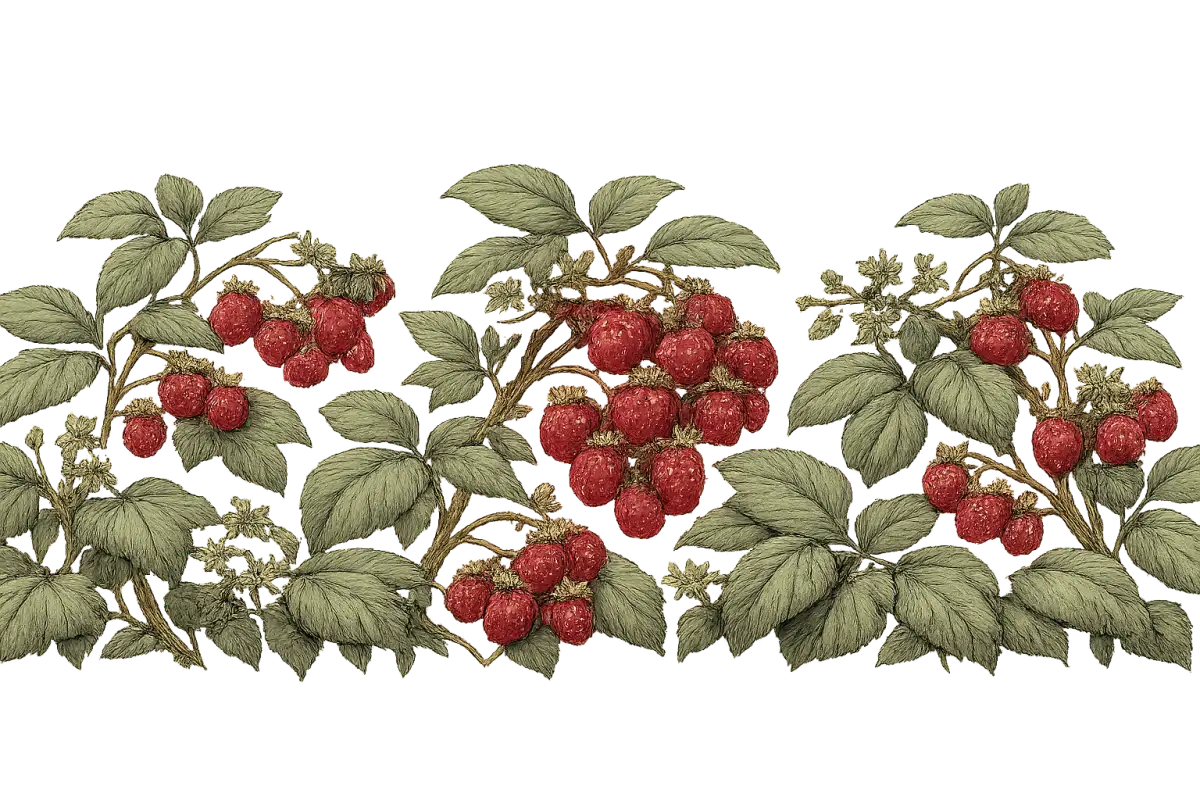
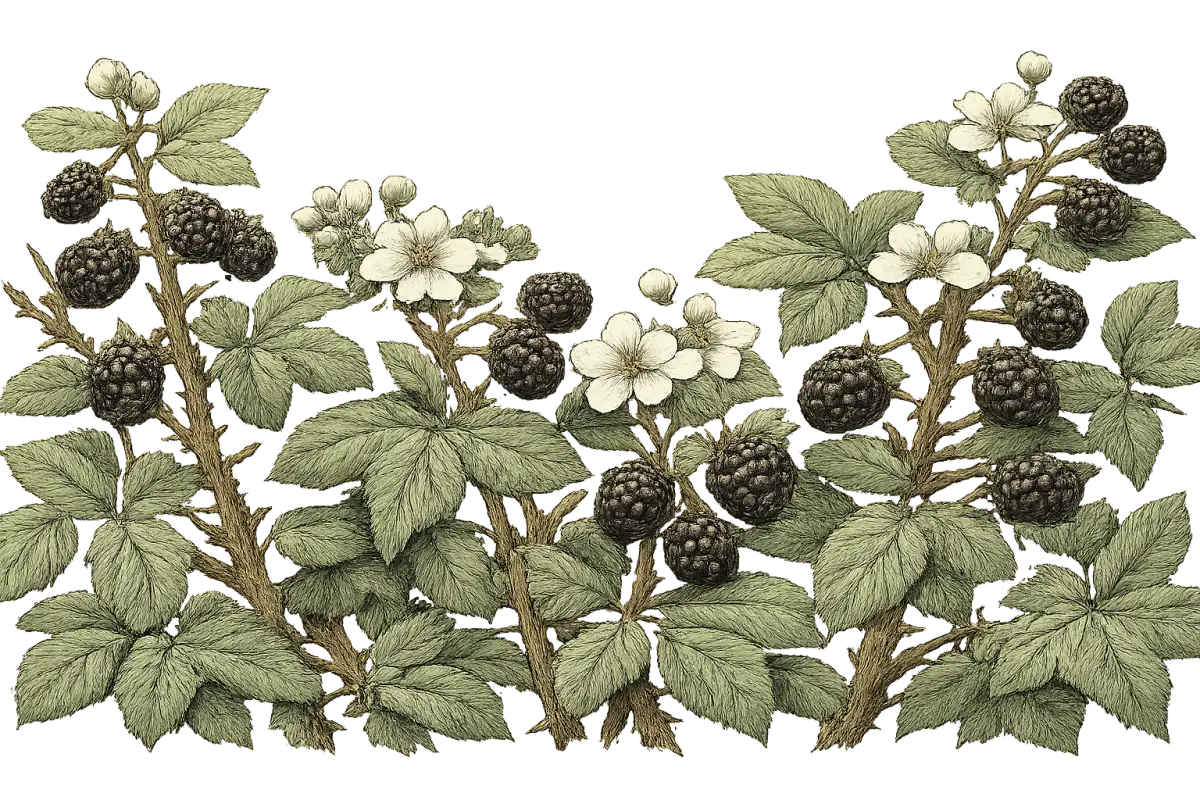
How to grow raspberries — vintage botanical illustration showing the plant in detail

Raspberries at a Glance

Sun

Sun

Full sun

Soil pH

Soil pH

5.6-6.5

Water

Water

1-1

Spacing

Spacing

24-48"

Days to harvest

Days to Harvest

First harvest 1 year after planting; summer-bearing ripens July; fall-bearing ripens late August through frost

Height

Height

4-6 feet

Soil type

Soil

Well-drained

Lifespan

Lifespan

perennial

Get your personalized growing data

Enter your zip code for frost dates, growing season, and soil type.

Every year, gardeners plant raspberries and watch them fail in ways that baffle them completely. The canes die back. The plants produce almost nothing. The row becomes a tangled, impenetrable mess. The berries arrive, then never come back. In most cases, the plants were not sick and the soil was not terrible. The problem was simpler than that: the grower did not know which type of raspberry they had planted.

This is not a beginner mistake. It is a structural problem with how raspberries are sold and described. Tags say things like "everbearing" or "summer-bearing" without explaining what that actually means for management. And what it means is everything. The pruning rules, the harvest timing, the winter strategy, the spacing — all of it changes based on whether your plant fruits on first-year or second-year canes. Get it wrong and you either mow down next year's entire crop or end up with an overcrowded thicket that fruits poorly and stays diseased.

We have synthesized the best raspberry research from the University of Minnesota, Penn State, UMaine, NC State, Illinois Extension, and Missouri Extension to give you a guide that actually tells you what you need to know. That includes the variety question, which matters more for raspberries than most gardeners expect. A cold-climate grower in zone 3 and a summer-heat grower in zone 8 are essentially growing different crops. The right variety in the wrong zone will struggle for years. The wrong pruning method on the right variety delivers the same result.

So we are going to work through all of it: how raspberries are classified, which varieties to grow in your zone, how to plant and trellis them properly, how to prune each type without destroying your crop, and how to pick and store berries that are genuinely worth eating. This is the guide we wish came with every bare-root cane at the nursery.


Quick Answer: Raspberry Growing at a Glance

USDA Zones: 3 through 9 (with the right variety; zone 9 is specialized)

Sun: Full sun; in zones 7+, morning sun with afternoon shade

Soil pH: 5.6-6.5 (target 6.0 to satisfy all extension sources)

Spacing: Red/golden: 2-3 ft in-row, rows 8-12 ft apart; Black/purple: 4 ft in-row

Water: 1-1.5 inches per week from flowering through harvest; drip irrigation strongly preferred

Fertilizer: 15-20 lbs 10-10-10 per 1,000 sq ft annually in early spring (year 2+)

Fruiting types: Primocane (fall-bearing, fruit on first-year canes) and floricane (summer-bearing, fruit on second-year canes)

Pruning: Completely different by type — mow primocanes to ground annually; remove spent floricanes and thin primocanes

First harvest: First year after planting for primocane types; second year for floricane

Trellis: Required for productive management — T-trellis is the best home garden option

Cold hardiness: Red varieties to zone 3; black and purple to zone 4-5


The One Thing You Must Know Before Anything Else

Before we talk soil, before we talk varieties, before we talk anything — you need to understand how raspberry canes work. This single concept underlies every management decision you will make.

Every raspberry cane lives exactly two years. In its first year, it is called a primocane: a green, fleshy stalk that pushes up from the ground in spring, grows through the summer, and either fruits in late summer or spends the entire season as a vegetative shoot. In its second year, that same cane is called a floricane: it develops brown bark, overwinters, wakes up the following spring, flowers and fruits in early summer, then dies.

Here is where the critical split happens. Some raspberry varieties — the ones labeled "summer-bearing" — fruit only on floricanes, meaning only on second-year canes. Others — the ones labeled "everbearing" or "fall-bearing" — fruit on primocanes, meaning on first-year canes in late summer. This distinction determines your entire management approach.

Primocane-bearing varieties: The simplest management in all of fruit growing. Every fall or early spring, you mow every single cane to the ground. New canes emerge the following spring, grow all summer, and fruit in August through first frost. One step. No cane identification required. No overwintering disease on old wood. This is the recommended approach for home gardens by the University of Minnesota and Missouri Extension.

Floricane-bearing varieties: More labor-intensive. You must keep last year's primocanes alive through winter because they become this year's floricanes and carry this year's summer crop. After they fruit in July, you cut them to the ground and remove them. You preserve this year's primocanes through winter for next year. You are always managing two sets of canes simultaneously.

Why does this matter so catastrophically when you get it wrong? If you mow down a floricane-bearing planting every fall — treating it like a primocane type — you eliminate next year's entire summer crop. Every year. The plants will look healthy. They will just never produce fruit. The opposite mistake, failing to mow a primocane-bearing planting, creates an overcrowded thicket of old and new canes. Disease builds up on the overwintered wood. Yields drop. The row becomes unworkable.

Check your variety tag. Find out which type you have. Then read the right pruning section of this guide. Everything else follows from there.


Best Raspberry Varieties by Zone

Variety selection is the second major decision in raspberry growing, and for many growers it is actually the first thing that goes wrong. Raspberries are cold-sensitive (the canes, not the roots), heat-limited in warm climates, and soil-picky in ways that interact directly with which varieties you choose. Let us work through what to plant where.

What zone are you in?

Enter your zip code for frost dates, growing season, and soil type.

Cold Zones (3-4): Winter Is the Whole Game

If you are in zones 3 or 4, your primary selection criterion is cold hardiness, and the good news is that red raspberries are genuinely among the hardiest of all small fruits. Several varieties were bred specifically for upper Midwest winters, and they are excellent.

For floricane (summer-bearing) types in zone 3, the four workhorses are Boyne, Latham, Nova, and Killarney. Boyne is a long-time cold-climate favorite — dark red, medium-sized, genuinely sweet — and has decades of proven performance at temperatures that kill most garden plants. Latham, released by the University of Minnesota in 1920 and still widely grown over a century later, is large, sweet, firm, and resistant to both Phytophthora root rot and cane blight. Nova has fewer thorns than most red varieties, handles heat as well as cold (a useful trait for shoulder season swings), and is a strong performer in zone 3 through zone 7. Killarney is the disease resistance standout of the group — hardy, clean, and reliable.

For primocane (fall-bearing) types in zone 3, our strongest recommendation is Autumn Britten. It is hardy to zone 3, produces very large, very firm berries, and yields are exceptional. The primocane advantage in cold climates deserves emphasis: because you mow all the canes to the ground every fall, there are no overwintering canes to get winter-damaged. No canes exposed to temperature swings, desiccating winds, or ice damage. The primocane cold-climate strategy, detailed by Northern Homestead research, is simply the most reliable path to consistent harvests in zones 3 and 4.

Fall Gold is the golden raspberry pick for cold zones — hardy to zones 3 and 4, firm, sweet, and an excellent choice if you want something different from the standard red.

A few important cautions for zone 3: black raspberries struggle here and are not recommended. Anne and Double Gold golden varieties need winter protection even in zone 5, so avoid them in zone 3. Polka requires winter protection in zone 3 as well. For any cold-climate planting, Northern Homestead research suggests that locally sourced varieties already acclimated to your regional conditions often outperform nationally marketed cultivars — if a neighbor has thriving canes, ask for a start.

In zone 4, everything from zone 3 applies, plus your options expand significantly. The primocane lineup opens up to include Heritage (the most widely planted primocane variety in North America, disease-resistant, vigorous, dependable), Caroline (larger fruit than Heritage with richer flavor, though sensitive to heat and drought and best managed with consistent irrigation), Joan J (thornless, heat-tolerant, high-yielding, and one of the few varieties explicitly described as supporting double-cropping successfully), Polana (early ripening, vigorous, productive), Polka (large, firm, conical, full-flavored — needs sturdy trellising), and Himbo Top (exceptional Phytophthora root rot tolerance, ideal for heavier soils). In zone 4, the purple raspberry Royalty also becomes available — large, intensely sweet, outstanding for jams and jellies.

Standard Zones (5-6): Maximum Selection, Disease Resistance Becomes the Priority

Zones 5 and 6 give you the widest variety selection of any zone range. Cold hardiness is no longer the limiting factor. Every variety mentioned in zone 4 works here, and the full black and golden raspberry catalogs open up as well.

With cold no longer doing the filtering, disease resistance becomes the primary selection criterion — particularly Phytophthora root rot resistance, which matters most on heavier soils with imperfect drainage. Ohio State research on Phytophthora resistance shows a clear split among varieties. The resistant group — safe choices on anything but perfect sandy loam — includes Latham, Killarney, Boyne, Prelude, and Himbo Top among reds, and Bristol, Jewel, and Dundee among blacks. The susceptible group — varieties that need excellent drainage or raised beds — includes Heritage, Festival, and Encore among reds and Cumberland among blacks.

Jewel is the standard black raspberry recommendation for zones 5 and 6. Superior disease resistance including anthracnose, large and flavorful fruit, less seedy than most blacks. Bristol is the flavor standout — exceptional taste, good Phytophthora resistance from Oregon State research — and pairs well with Jewel for a full black raspberry season.

For golden raspberries, Anne is the zone 5-6 pick: very sweet, pale yellow with a pink blush, widely adapted, and capable of double-cropping. It needs winter protection at the cold end of its range.

Encore is worth a specific call-out for zone 5-6 growers who want flexible season extension. It is a Cornell release with the unusual distinction of being both heat- and cold-tolerant across zones 4 through 9. Late-season floricane production, large conical fruit, spineless. The tradeoff is Phytophthora susceptibility, so drainage management matters.

Warm Zones (7-8): Afternoon Shade, Simplified Management

In zones 7 and 8, the challenge reverses entirely. Cold hardiness stops being relevant and heat tolerance becomes everything. The extension advice for hot climates is explicit: "full sun" in zone 7 and above means morning sun with serious afternoon shade, not all-day exposure. This is different from the advice you will hear for cold climates, and it matters. Berries in direct afternoon sun in zone 8 suffer heat damage — white or colorless drupelets where the tissue has essentially been scalded.

Dormanred is the clear frontrunner for zone 8. It produces throughout summer and into autumn and is specifically described in hot-climate growing research as the variety best adapted to zone 8 heat. If you are in zone 8 and want the safest bet, Dormanred is it.

Encore continues to perform well here — its exceptional zone range (4-9) is real, not marketing — and Joan J remains a strong primocane option thanks to its heat tolerance combined with thornless canes and high yields. Nova and Caroline also hold up in zone 7 with irrigation support, though Caroline is explicitly sensitive to heat and drought and must be watered consistently.

For zone 7-8 growers, the primocane management strategy carries strategic advantages beyond simplicity. Mowing all canes to the ground every fall eliminates overwintering disease pressure, which intensifies in warmer, wetter winters where cane blight and anthracnose find more favorable conditions. The simplified management is also genuinely better in warm zones: no cane identification needed, no floricane removal timing to get right.

Two varieties explicitly flagged as heat-sensitive in hot climates: Heritage (despite its widespread planting, it struggles with zone 7-8 heat) and Himbo Top (explicitly heat-sensitive according to UMN). Both should be avoided south of zone 6.

Zone 9: A Different Category Entirely

Zone 9 is the edge of what standard raspberry varieties (Rubus idaeus) can do. Heat stress and insufficient winter chill combine to make most common varieties fail. Your realistic options are limited.

Among standard species, Cumberland and Black Hawk black raspberries perform in zone 9. Fall Gold and Anne golden varieties also work here. But the most important recommendation for zone 9 is one that most gardeners have never heard of: Mysore raspberry (Rubus niveus). This is a different species entirely. Unlike common raspberries, Mysore needs no winter chill to flower and fruit, making it viable in subtropical climates where Rubus idaeus simply cannot succeed. If you are in the deep South or a subtropical area and want raspberries, Mysore is where to start.

Quick Reference: Top Picks by Zone

Zone GroupTop VarietiesTypeWhy
3Boyne, Latham, Autumn BrittenRed floricane / Red primocaneCold hardiness proven; primocane strategy eliminates winter cane loss
4Nova, Heritage, Caroline, Joan JRed floricane / Red primocaneWide selection; excellent disease resistance profiles
5-6Jewel, Bristol, Prelude, EncoreBlack / Red floricaneDisease resistance is primary filter; full variety catalog available
7-8Dormanred, Encore, Joan JRed primocane / Red floricaneHeat tolerance; afternoon shade required
9Mysore raspberry, Fall Gold, CumberlandSpecies alternative / Golden / BlackStandard varieties marginal; Mysore needs no winter chill

Site Selection and Planting

Where to Put Them

Raspberries want full sun and well-drained soil. Those are the non-negotiable requirements. Beyond that, a few site factors matter more than most people realize.

Soil drainage is more important than soil type. Raspberries will grow in sandy loam, loam, or clay-amended soil, but they cannot tolerate waterlogged conditions. Phytophthora root rot thrives in saturated soils, and it will kill plants faster than almost any other problem. If your site has standing water after rain, build raised beds before you plant anything. Do not work around poor drainage — fix it.

Good air movement helps, extreme wind hurts. Raspberries benefit from gentle air circulation that dries leaves quickly after rain, reducing fungal disease. They do not do well in wind tunnels. Canes are susceptible to desiccation damage in very exposed locations. A site that gets a breeze but has some protection from prevailing winds is ideal.

The crop history rule is strict. Do not plant raspberries where tomatoes, potatoes, peppers, eggplant, or strawberries grew within the past four to eight years (UMaine recommends four years minimum; Penn State recommends five to eight). These crops harbor Verticillium wilt in the soil, and it is devastating to raspberries — particularly black varieties. This is not a conservative suggestion. It is a hard rule.

Remove all wild brambles within 600 feet of the planting site (UMaine, Illinois Extension). Wild brambles are reservoirs for raspberry mosaic virus and other diseases. No fencing or barrier prevents aphids from carrying virus from wild plants to yours. Remove them before you plant.

Soil Preparation

Test your soil before planting — a baseline test is essential per UMN irrigation research. The target pH range across extension sources narrows to 5.6-6.5, with 6.0 being a practical target that satisfies every source. If your pH is low, apply lime in fall before spring planting (Penn State). Incorporate compost at about 3.5 cubic feet per 100 square feet of row (UMN) to build organic matter above 2%. A pre-plant fertilizer application of 25 lbs of 10-10-10 per 1,000 square feet can be worked into the soil before planting (UMaine).

If you have the lead time, Penn State recommends at least one full year of cover cropping with rye or sudangrass before planting. This improves soil structure, reduces weed pressure, and lowers grub and wireworm risk in formerly grassy sites. Rapeseed as a green manure is specifically noted for nematode control.

Planting Technique

Plant bare-root stock in early spring as soon as the soil can be worked — typically April or May in northern zones. Potted transplants go in after frost passes.

Dig holes wide enough to spread roots without wrapping. Position the crown 1 to 2 inches above ground level (UMN). Spread roots outward naturally; cut any tightly wound roots on potted plants. Backfill with native soil, firm gently, water thoroughly, and immediately apply 4 to 6 inches of mulch — wood chips, bark, or clean straw (UMaine, Penn State). Mulch is not optional decoration. It holds moisture in the critical establishment period and suppresses weeds that compete aggressively with shallow raspberry roots.

Red and golden raspberries: 2 to 3 feet apart in-row, rows 8 to 12 feet apart. These spread via root suckers and form a hedgerow over time. Maintain that hedgerow at no wider than 12 inches of cane base width (UMN) — mow the sides to control spread.

Black and purple raspberries: 4 feet apart in-row, same row spacing. These do not produce root suckers. They stay in a clump (the "hill" system), which means they stay where you put them but also means propagation requires tip-layering rather than simply transplanting suckers.

The Case for Trellising

We will say it plainly: raspberries need a trellis. An unsupported planting is harder to harvest, produces less fruit because of crowded, shaded canopies, and is harder to manage and prune. NC State recommends installing the trellis before the first harvest season — not after things get out of hand.

For most home growers, the T-trellis is the best option. An 8-foot post set 2 feet into the ground with a 22-to-24-inch pressure-treated cross-arm creates an open canopy that dramatically improves air circulation and fruit production compared to a single wire. Heavy-gauge wire is secured to each end of the cross-arm. The T-trellis can be retrofitted onto an existing I-trellis by simply adding the cross-arms. If you already have single-wire posts, you are partway there.

The simpler I-trellis — one or two wires strung between posts — works for small home plantings. It is inexpensive and easy to build, but it produces lower yields than open-canopy systems and the interior of the row becomes crowded. If you have one or two rows and just want something functional, the I-trellis is fine.

For maximum yield, the V-trellis (steel posts set at 20 to 30 degrees from vertical) provides the best light penetration into the canopy of any fixed system, and it naturally separates floricanes from primocanes — an enormous advantage when managing summer-bearing varieties where you need to distinguish between cane ages at a glance.

Post construction specs from NC State: line posts need to be 2 feet in the ground and 5 feet above it, with posts spaced 25 to 30 feet apart. End posts need to be at least 8 feet long and 6 inches in diameter, driven 3 feet deep with anchor support. Load-bearing wire should be 12.5-gauge high-tensile fence wire.


Watering and Feeding: Precision Over Generosity

Getting Irrigation Right

Raspberries need 1 to 1.5 inches of water per week from flowering through harvest, ramping up to as much as 2 inches during peak fruiting in July and August when plants transpire up to 0.25 inches per day (UMN). The root system concentrates in the top two feet of soil, which dries quickly in warm weather.

Drip irrigation is strongly preferred over overhead watering — this is the consistent position of UMN, Penn State, and most extension sources. Overhead sprinklers wet the foliage and fruit, promoting leaf diseases and accelerating postharvest decay on ripe berries. Drip delivers water directly to the root zone without these problems. UMN specifications for drip systems: two drip tape lines per row, evenly spaced across the row width, delivering 18 gallons per day per 100 feet of row for new plantings and 27 gallons per day per 100 feet for mature plantings on sandy loam. Heavy soils need less; sandy soils need more.

The principle is the same as for most shallow-rooted fruits: regular, consistent moisture is better than occasional deep soaking. A single heavy irrigation pushes water below the root zone while the surface — where most raspberry roots live — dries out between waterings. Frequent, smaller amounts keep the active root zone consistently moist.

One specific note from UMN: test your irrigation water quality before selecting a site. Alkaline water gradually raises soil pH with every watering event. If your well water is above pH 7.0, that slow drift upward over months and years can push carefully prepared soil out of the 5.6-6.5 target range. Annual pH testing catches this before it becomes a production problem.

Feeding Schedule

Raspberries are heavy feeders, as UMN's home garden guide describes them. Nitrogen is the primary nutrient of concern.

In the planting year, Illinois Extension recommends 2 ounces of 5-10-5 fertilizer around each plant 10 to 14 days after planting. Do not fertilize at planting — let roots establish first. Scatter fertilizer at least 1 foot from the plant crown; never pile it against the base.

From year two onward, the standard recommendation from Illinois Extension and UMaine is 15 to 20 pounds of 10-10-10 per 1,000 square feet annually, applied in early spring as primocanes are emerging. UMaine specifies mid-April for their climate; adjust for your zone. If you are using heavy organic mulch, bump the rate to 25 pounds per 1,000 square feet to compensate for nitrogen tie-up during decomposition.

For primocane-bearing types, UMN recommends a third nitrogen application during fall flowering to support ongoing fruit development as the season extends toward frost.

Two critical cautions. First, do not fertilize in late summer or early fall — this forces new growth that will not harden off before winter, making canes vulnerable to cold injury (Illinois Extension, echoed by every other source we reviewed). Second, excess nitrogen drives vegetative growth at the expense of fruiting. More fertilizer is not better. The target rates above reflect the research consensus; exceeding them produces lush, dense, low-fruiting plantings.

For growers with established plantings who want precision data, UMN recommends tissue analysis: collect at least 50 newly expanded primocane leaves (one per cane) in midsummer and send them for analysis. This gives a more accurate picture of actual plant nutrition than any soil test. Start in year two of production, then alternate years.


Pruning: The Rules Are Different for Every Type

Pruning raspberries is where most gardeners go wrong, and the consequences are severe because the mistakes are silent until it is too late. You prune incorrectly in October, the damage is done, and you do not find out until the following July when the canes either produce nothing or become a tangled mess.

The principle is simple: the pruning rules are completely different for primocane versus floricane varieties, and different again for black and purple raspberries. Know your type. Use the right approach.
What zone are you in?

Enter your zip code for frost dates, growing season, and soil type.

Primocane Red and Golden: One Step, Once a Year

This is the simplest pruning in berry growing. Cut every single cane to the ground. That is the entire job.

Do this in late fall after frost knocks back the foliage, or wait until early spring before growth begins — either works. Use a mower for a large planting, sharp loppers or a hedge trimmer for a smaller one. Before mowing, remove drip irrigation lines, trellis wire, and any soil sensors from the row (UMN pruning guide).

The new canes that emerge the following spring have no disease from overwintered wood, no habitat for overwintering pests, and no competition from old canes. They grow through summer, fruit from late August through frost, and get mowed down again. Clean, simple, year after year.

Floricane Red and Golden: Managing Two Sets of Canes

Floricane management requires tracking two generations of canes simultaneously — this year's fruiting floricanes and next year's growing primocanes. The Missouri Extension pruning guide and UMN both describe the same fundamental approach.

After harvest in July and August, cut all spent floricanes to ground level and remove them from the row immediately. Do not leave them standing. Dead floricanes harbor cane blight, spur blight, and anthracnose through winter, re-infecting the new canes that are growing alongside them. This step is as important as the actual pruning.

After removing floricanes, thin the remaining primocanes to 4 to 5 sturdy canes per foot of row (UMN). Penn State allows 4 to 6 per foot; Missouri Extension targets 3 to 4 per square foot. Remove the weakest, thinnest, and most crowded canes. The goal is a hedgerow no wider than 12 to 18 inches with good air circulation through the remaining canes.

In early spring before growth begins, cut the retained primocanes back to 4 to 5 feet tall — about 12 inches above the top trellis wire (UMN). Do not cut back more than 25% of each cane. This removes winter-damaged tips and reduces wind-throw during the fruiting season. Tie canes to the trellis to keep them upright.

A management technique that makes floricane growing dramatically easier: train floricanes to one side of the trellis and primocanes to the other. When floricane harvest is done, you know exactly which canes to remove. When you are thinning primocanes, they are already separated from the spent wood. This simple spatial trick pays for itself in time and confusion avoided.

Black Raspberries: Summer Tipping Is Not Optional

If there is one non-negotiable management task in all of raspberry growing, it is summer tipping for black raspberries. Missouri Extension is unambiguous: without tipping, black varieties produce long, unbranched, unmanageable canes with poor fruit set. The terminal bud grows straight up, and without lateral branches, there are almost no fruit-bearing spurs.

Tip black raspberries when canes reach 30 inches in height — remove 1 to 2 inches from the growing tip of each shoot. This can be done by pinching with fingers or a pruner. It forces lateral branch development. Those lateral branches produce the fruiting spurs. A properly tipped black raspberry becomes a compact, branched, productive plant; an untipped one becomes a 6-foot whip that barely fruits and collapses under its own weight.

Tipping is not a one-time event. Canes grow at different rates, so monitor monthly from May through July and tip each cane as it reaches 30 inches. The extra attention is worth it — black raspberries that are tipped correctly are among the most productive plants in the home fruit garden.

In dormant winter pruning, thin to 3 to 6 canes per hill (Missouri Extension) and cut all lateral branches back to 12 to 15 inches long (Missouri Extension) or to about 12 buds (UMaine). Tie the remaining canes to support. Remove all old floricanes if you did not do so after harvest.

Purple Raspberries: Same as Black, Taller Tip

Purple raspberries follow the identical protocol as black raspberries — summer tipping, hill system, lateral pruning in dormancy — with one adjustment: tip at 36 to 40 inches instead of 30 inches (Missouri Extension). Purple varieties are more vigorous than blacks and need the additional height before you pinch the terminal.

The Mistakes That Destroy Crops

Applying the wrong pruning system to the wrong type is the most damaging error. Mowing a floricane planting every fall means no crop next summer. Never. The plants thrive. The harvest never arrives.

Skipping summer tipping on black and purple varieties produces the unbranched whip problem described above. The yield difference between tipped and untipped black raspberries is not marginal. It is dramatic.

Summer-topping red raspberries is the opposite mistake — Illinois Extension explicitly warns against it. Red varieties do not respond to tipping the way blacks do. Tipping reds reduces production rather than increasing it. Do not do it.

Leaving spent floricanes standing after harvest lets disease organisms overwinter on the dead wood and reinfect the row. Remove them promptly — within a week or two of the last berry.


Harvesting: Speed and Cold Are Everything

NC State's postharvest research on raspberries centers on one stark statistic: each hour of delayed cooling after harvest costs approximately one day of shelf life. This is not approximate language — it reflects documented postharvest physiology. On a hot summer day, a flat of raspberries sitting on the kitchen counter for four hours has already lost four days of its three-to-seven day fresh storage window.

Raspberries are hollow. The receptacle — the white core — stays on the plant when a ripe berry is picked. What remains is a fragile assembly of drupelets held together loosely, with no structural center. They bruise from handling, leak juice under compression, and begin molding from any damaged tissue within hours in warm conditions. They demand faster handling than almost any other garden fruit.

When and How to Pick

Pick in the morning when temperatures are cool and berries are firm (NC State). Avoid harvesting during rain or when fruit is wet — moisture accelerates decay dramatically. Keep containers shaded while you pick; direct sun heats berries faster than anything else.

A ripe raspberry comes off the plant with the gentlest pull. If you have to tug, it is not ready. The berry separates cleanly from the receptacle, leaving the white core behind on the stem. That clean release is the clearest ripeness indicator there is.

Primocane (fall-bearing) varieties should be harvested daily (NC State, Penn State). This is not about preference — it is about survival of the harvest. Fall-bearing varieties ripen during peak spotted wing drosophila season, and leaving ripe fruit on the plant for even two days gives SWD time to lay eggs. Frequent harvesting is the primary cultural defense against SWD population buildup (Cornell SWD research). It also removes the overripe and damaged fruit that attracts sap beetles and yellowjackets.

Floricane (summer-bearing) varieties can be harvested every two to three days — they ripen over approximately two to three weeks in July in northern zones. The summer timing mostly avoids peak SWD pressure, which is one of the genuine advantages of summer-bearing varieties in areas where SWD is severe.

Use shallow containers — NC State recommends half-pint (5 to 6 oz) containers specifically, with berries no more than 2 to 3 deep. Any more depth and the weight of upper berries crushes those below. Never dump or drop berries into a container. Place them gently, individually.

Storage

Get picked berries into the refrigerator at 33 to 35°F immediately. Do not wash them first — moisture accelerates mold. Do not wash until ready to eat. Cover refrigerated berries to prevent condensation. Fresh shelf life is 3 to 7 days under proper conditions.

For freezing — which is the best preservation method for home growers — spread unwashed berries in a single layer on a sheet pan, freeze until solid, then transfer to freezer bags. This prevents the compressed frozen clump that makes individual berries impossible to use. Frozen raspberries keep 12 months or more.

One note on a common storage quality problem: reddish drupelets appearing on stored black raspberries (called red drupe or reversion) are caused by cultivar susceptibility, early harvest, temperatures exceeding 77°F during picking, and condensation during storage (NC State). It is not disease. The berries are safe to eat, just cosmetically imperfect. Harvest at full maturity and cool immediately to minimize it.

What to Expect from Your Planting

Primocane varieties produce starting the first year after planting — late summer of year one. Floricane varieties produce their first summer crop in year two. Mature plantings in field conditions can reach around 5,000 pounds per acre (Penn State). High tunnel production yields at minimum double that, reflecting how much raspberries benefit from protected cultivation. Black raspberry yields are approximately half of red raspberry yields (Penn State) — important to factor in if you are sizing a planting.


Winter Care and Ongoing Maintenance

Mulching

A 2 to 3 inch mulch layer during the growing season — leaves, lawn clippings, or wood chips — maintains soil moisture, suppresses weeds, and moderates root zone temperatures (UMN). In zones 3 and 4, winter mulch applied in November becomes critical: 4 to 6 inches of well-rotted sawdust or clean straw (Illinois Extension) insulates roots against temperature swings, particularly during warm spells when snow cover melts and exposed soil re-freezes.

Weeds are a genuine threat in raspberry plantings because the shallow root system makes aggressive cultivation impossible. Do not dig more than 2 to 3 inches deep between plants — deeper cultivation damages roots (Illinois Extension). Keep between-row areas mowed or planted with a ground cover like dwarf rye-fescue. Landscape fabric under plantings reduces weed pressure and makes cleanup of fallen fruit easier — which matters because any overripe fruit left on the ground attracts SWD, sap beetles, and yellowjackets.

Rabbit Protection

This is a zone 3 and 4 reality that rarely appears in growing guides: rabbits eat raspberry canes. Thorns and all, right down to the ground or to the snow line. For summer-bearing varieties where those canes carry next year's crop, a winter of rabbit pressure can eliminate an entire year's harvest. A simple chicken wire fence around the planting — installed in November with winter mulch — solves the problem completely (UMN).

What zone are you in?

Enter your zip code for frost dates, growing season, and soil type.

Annual Care Calendar Summary

MonthKey Tasks
MarchPrune floricane types before growth starts. Apply lime if needed.
AprilPlant bare-root stock. First nitrogen application for established plantings. Scout for borers.
MayPlant potted transplants after frost. Second nitrogen application. Begin summer tipping for black and purple.
JuneMonitor irrigation. Continue tipping black/purple. Apply fungicides if disease history.
JulyRemove spent floricanes. Harvest summer-bearing varieties. Thin primocanes. Peak irrigation demand.
AugustContinue harvest (primocane types beginning). Remove fruited floricanes if not done in July. Third nitrogen for primocane types.
SeptemberHarvest primocane varieties until frost. Remove overripe fruit promptly.
OctoberMow primocane types to ground (or wait until spring).
NovemberApply winter mulch. Install rabbit fencing. Water in for winter — raspberries should not dry out completely in cold months.

Frequently Asked Questions

What Is the Difference Between Everbearing and Summer-Bearing Raspberries?

"Everbearing" is the marketing term for primocane-bearing raspberries — varieties that fruit on first-year canes in late summer through fall. "Summer-bearing" means floricane-bearing — varieties that fruit on second-year canes in early to midsummer. The naming is confusing because "everbearing" does not actually mean continuous production all season; it means the variety fruits later in the year than summer-bearing types, and under the right management can produce two crops if canes are overwintered. For home gardens, the University of Minnesota and Missouri Extension both recommend the simple fall-only approach for everbearing types: mow all canes to the ground every year and harvest the fall crop only. It is simpler, produces equal or better yields, and eliminates overwintering disease.

Do Raspberries Need a Trellis?

Technically no. Practically, yes. Unsupported canes flop over, shade each other, become nearly impossible to harvest, and create the humid interior conditions where fungal diseases thrive. NC State recommends trellising as standard practice and specifies that it should be installed before the first harvest season, not after. For home growers, the T-trellis is the best performance-to-cost option: a cross-arm attached to each post opens the canopy without the complexity of angled systems.

How Much Sun Do Raspberries Need?

Full sun for maximum production — 6 or more hours of direct sunlight daily. In zones 7 and above, "full sun" should be interpreted as morning sun with afternoon shade. Direct afternoon sun in hot climates causes sunscald — white or colorless drupelets on otherwise ripe berries where the fruit tissue has been heat-damaged. This is not a disease; it is a cultural problem solved by siting or shade management.

Why Are My Raspberries Not Producing?

Four most common causes, in order: You have a floricane variety and you mowed it down last fall (eliminating this year's crop completely). Your planting is underpruned and overcrowded, shading out the interior and reducing fruit set. You are growing a floricane variety in zone 3 and losing canes to winter damage before they can fruit. Or your pH is significantly outside the 5.6-6.5 target range. Test your soil, identify your variety type, and confirm your pruning approach matches what you have. One of those four answers will almost certainly explain the problem.

Can I Grow Raspberries in Containers?

It is possible but not the optimal approach for raspberries the way it is for some fruits. Raspberries spread naturally via root suckers (red and golden types) or grow as large clumps (black and purple types) and need room to establish productive plantings. In-ground growing in prepared, well-drained soil with a trellis is strongly preferred. If container growing is your only option, choose a compact primocane variety like Joan J (manageable, thornless, high-yielding), use a large container with good drainage, and plan on consistent watering — containers dry out faster than in-ground plantings.

What Should I Plant Near My Raspberries?

Between rows, grass-legume cover crops work well (Illinois Extension). Spring oats post-harvest or a permanent dwarf rye-fescue mix provides weed suppression without competing aggressively with the raspberry root zone. Avoid planting raspberries near wild brambles — within 600 feet if possible — because wild plants serve as disease reservoirs. Also avoid the rotation crops that harbor Verticillium wilt: tomatoes, potatoes, peppers, eggplant, and strawberries should not have grown in that area within the past four to eight years.


The Bottom Line

Raspberries reward specific knowledge more than any other small fruit we grow. The plants are not fragile — the right variety in the right zone will produce abundantly for a decade or more. But the management is genuinely different from anything else in the garden, and the key decisions compound. Knowing your variety type determines your pruning approach. Your zone determines your variety selection. Your soil drainage determines which varieties stay disease-free. Your harvest timing determines whether spotted wing drosophila destroys your fall crop or not.

Get those things right and raspberries are spectacular. Fresh raspberries picked fully ripe, cooled immediately, eaten within a day — there is nothing like them. The supermarket version, picked early and shipped cross-country, is a pale imitation of what your own planting will produce.

Start with your variety type. If you do not know it, find out before you prune anything. Pick two or three varieties for your zone from the recommendations above. Install a trellis before you need it. Mow primocanes to the ground every fall and do not second-guess it. Tip your black raspberries at 30 inches whether you feel like it that day or not. And get the harvest into the refrigerator within the hour.

The canes are waiting. Plant them right.

Research for this guide was synthesized from extension service publications including the University of Minnesota, Penn State Extension, University of Maine Cooperative Extension, NC State Extension, University of Illinois Extension, Missouri Extension, and Ohio State University. Variety performance data is drawn from published cultivar trial records and university raspberry production guides.

Where Raspberries Grows Best

Raspberries thrives in USDA Zones 4, 5, 6, 7. Explore each zone's complete guide for growing tips, companion plants, and seasonal advice.

Also possible in: Zone 3, Zone 8 (challenging but possible with the right conditions).

Not sure of your zone? Look it up by zip code →