 Where to Plant
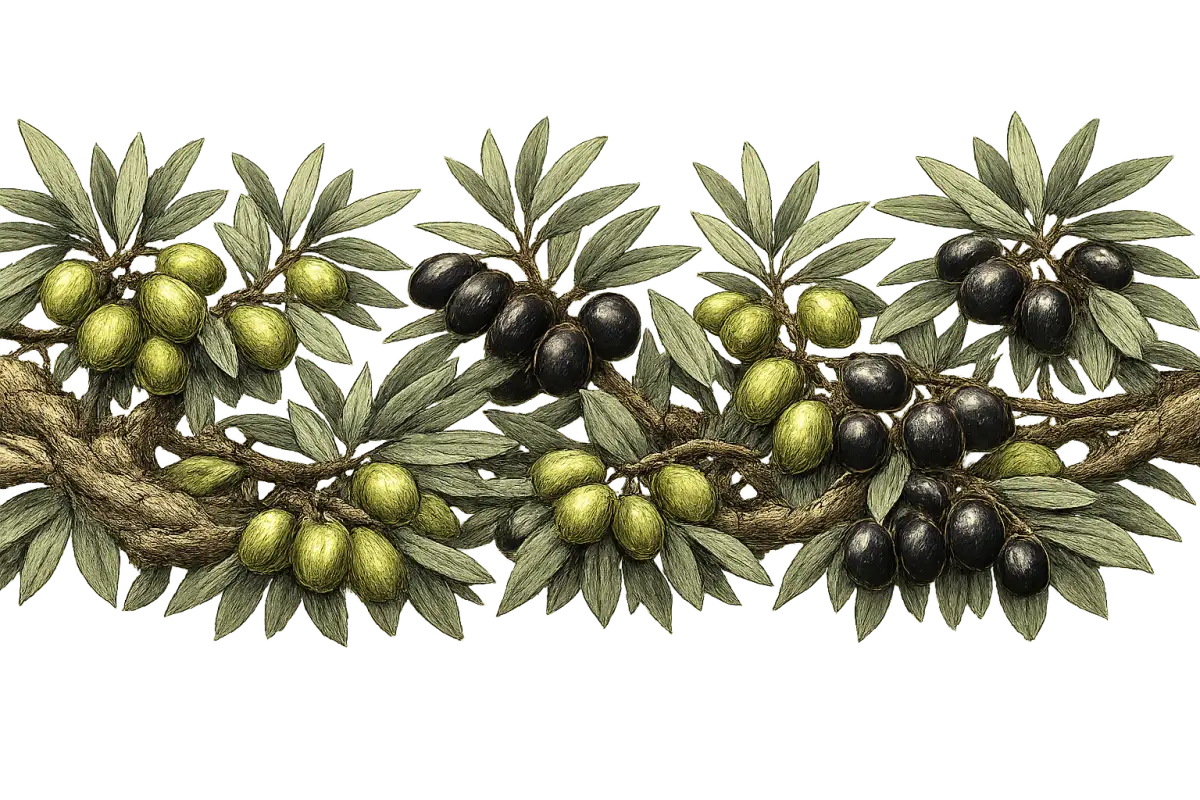
There is a particular kind of gardener frustration reserved for the olive tree. You planted it in a sunny spot. You watered it faithfully. You fertilized it in spring. The tree looks healthy. And then — nothing. No flowers. No fruit. Or worse, the tree slowly yellows, drops leaves, and dies in soil that looks perfectly fine.
After working through olive-growing outcomes across the country, we have identified the same pattern at the root of almost every failure: gardeners treat olive trees like other fruit trees. Like something that wants rich soil, regular water, and attentive feeding. The olive tree wants the opposite of all that. It wants thin, rocky, bone-dry soil. It wants neglect. It evolved on sun-baked Mediterranean hillsides for over 5,000 years in conditions most garden plants would not survive a single season in.
That is the central fact of olive growing that this guide is built around. The techniques that serve tomatoes, peaches, and blueberries will kill an olive tree. Once you internalize that principle — once you stop trying to provide for your olive and instead let it do what it was built to do — everything else falls into place.
The payoff, when you get it right, is remarkable. A mature olive tree is virtually indestructible. It will produce fruit for decades. It will tolerate summer drought that cracks your soil. It will give you something to eat that no store-bought jar can replicate, because the varieties best suited to home gardens are almost never grown commercially. And it will do all of this while being one of the most visually stunning trees you can put in a yard, with that distinctive silver-gray canopy that catches afternoon light like nothing else in the garden.
This guide covers everything: which variety for your zone, exactly how the soil must be set up, a watering schedule that almost every gardener will find shockingly minimal, pruning technique, how to handle pests, and — critically — what to actually do with the olives once you harvest them. That last part surprises most new growers. We will explain.
Quick Answer: Olive Tree Growing at a Glance
USDA Zones: 8-10 in-ground; any zone in containers (with overwintering)
Sun: Minimum 6 hours; 8+ hours strongly preferred for fruiting
Soil: Well-drained is non-negotiable; pH 6.0-8.0; sandy, rocky, or gravelly is ideal
Spacing: 20-25 feet for standard trees; 10-15 feet for compact varieties like Arbequina
Water (established trees): Deep soak every 3-4 weeks in dry summer — that is it
Water (year 1): Once per week to establish roots
Fertilizer: Annual spring application of balanced 10-10-10; less is more
Chill hours needed: 200-400 hours below 45F for fruit set
Pollination: Most varieties self-fertile; pair two varieties for 20-30% yield increase
First fruit: Year 2-3 for Arbequina; year 4-5 for most others
Alternate bearing: Normal — expect a heavy crop year followed by a lighter one
Can you eat them raw: Absolutely not — all olives must be cured before eating
The Drainage Problem (Why Most Olive Trees in Wet Climates Fail)
Before we talk about varieties, zones, or pruning technique, I need you to understand the soil requirement that overrides everything else in this guide.
Well-drained soil is not a preference for olive trees. It is a survival requirement.
Olive trees evolved on rocky Mediterranean hillsides in thin, dry, well-aerated soil. Their root systems are adapted to conditions where water moves through quickly and oxygen is abundant between soil particles. When those roots sit in saturated soil — even briefly after heavy rain — the root zone becomes anaerobic. Oxygen is displaced. Roots begin to suffocate. Phytophthora and related water mold organisms colonize the weakened tissue. The rot spreads from fine feeder roots to main structural roots to the crown. By the time you see yellowing leaves and unexpected leaf drop above ground, significant damage has already occurred below.
The cruel trick is that overwatering and drought stress produce almost identical symptoms: a wilting, declining tree. The instinct is to water more. If the problem is overwatering — and it usually is — more water accelerates the death. The diagnostic question is simple: does the tree recover within 48 hours of being watered? An underwatered tree will. An overwatered tree with root rot will not.
Test Before You Plant
Before committing to any planting site, run a drainage test. Dig a hole 12 inches deep and 12 inches wide. Fill it with water and let it drain completely. Refill immediately. Time the second drainage.
- Under 1 hour: Excellent — plant without concern
- 1-4 hours: Acceptable for olives
- 4-8 hours: Marginal — plant on a raised mound
- Does not drain within 8 hours: Raise a bed or choose a different site entirely
The Clay Soil Problem
Clay soil is the primary enemy of olive trees in the US, and it is common across large parts of the country — the Southeast, Midwest, Pacific Northwest, and much of the East Coast. Clay particles are so fine that they create microscopic pore spaces that hold water tenaciously and exclude oxygen from the root zone. An olive in clay soil is set up to fail no matter how carefully you water.
Your options, in order of reliability: build a raised bed at least 18 inches deep filled with imported sandy loam; build a raised mound 12-18 inches high with amended soil; or grow in containers with a well-draining mix.
One critical warning: never add sand directly to clay. This is a widespread and genuinely destructive piece of advice. Sand particles mixed into clay fill the clay's pore spaces and create a denser, harder, more poorly drained substance than either material alone — essentially concrete. If you need to improve clay drainage, use coarse organic matter (bark, coarse compost) and gravel, or go the raised-bed route.
Soil pH and Fertility
Olive trees tolerate a broader pH range than almost any other fruit tree — pH 6.0 to 8.0. They actually prefer neutral to slightly alkaline conditions, which reflects their limestone-hillside origins. Naturally alkaline soils in the Southwest and Mountain West are excellent for olives with no amendment needed. Naturally acidic soils in the Pacific Northwest may need a lime application if pH falls below 6.0.
The one caveat on the alkaline end: if pH exceeds 8.5, iron chlorosis (yellowing leaves with green veins) can develop. This is rare for olives given their tolerance, but if you are in an extremely alkaline area and see that pattern, incorporate elemental sulfur per package directions.
On soil fertility: lean soil is correct. Do not amend your planting hole with rich compost. Do not treat the olive bed like a vegetable garden. Excess nitrogen drives lush vegetative growth at the direct expense of fruit production. The olive tree you fertilize heavily will look magnificent — and produce almost nothing. The olive tree in thin, gravelly, unimproved soil will fruit reliably for decades.
Best Olive Tree Varieties by Zone
Here is where the decisions get specific, and specific is where most gardeners go wrong. Buying an olive tree without knowing which variety you are getting, and whether it matches your zone and your goals, is the second most common setup for failure after poor drainage.
There are four core fruiting varieties that account for the vast majority of home olive production in the US, plus a family of ornamental/fruitless options for gardeners who want the tree's appearance without the fruit and curing work. Let me tell you exactly which ones to plant where.