 Where to Plant



Overview
Zone 10 is essentially frost-free. Temperatures rarely dip below freezing for more than a few hours, and most years see no frost at all. This zone covers South Florida, the southernmost tip of Texas, parts of southern California's coast, and the warmest pockets of the southwest. Year-round gardening is the default, but most temperate gardening rules don't apply.
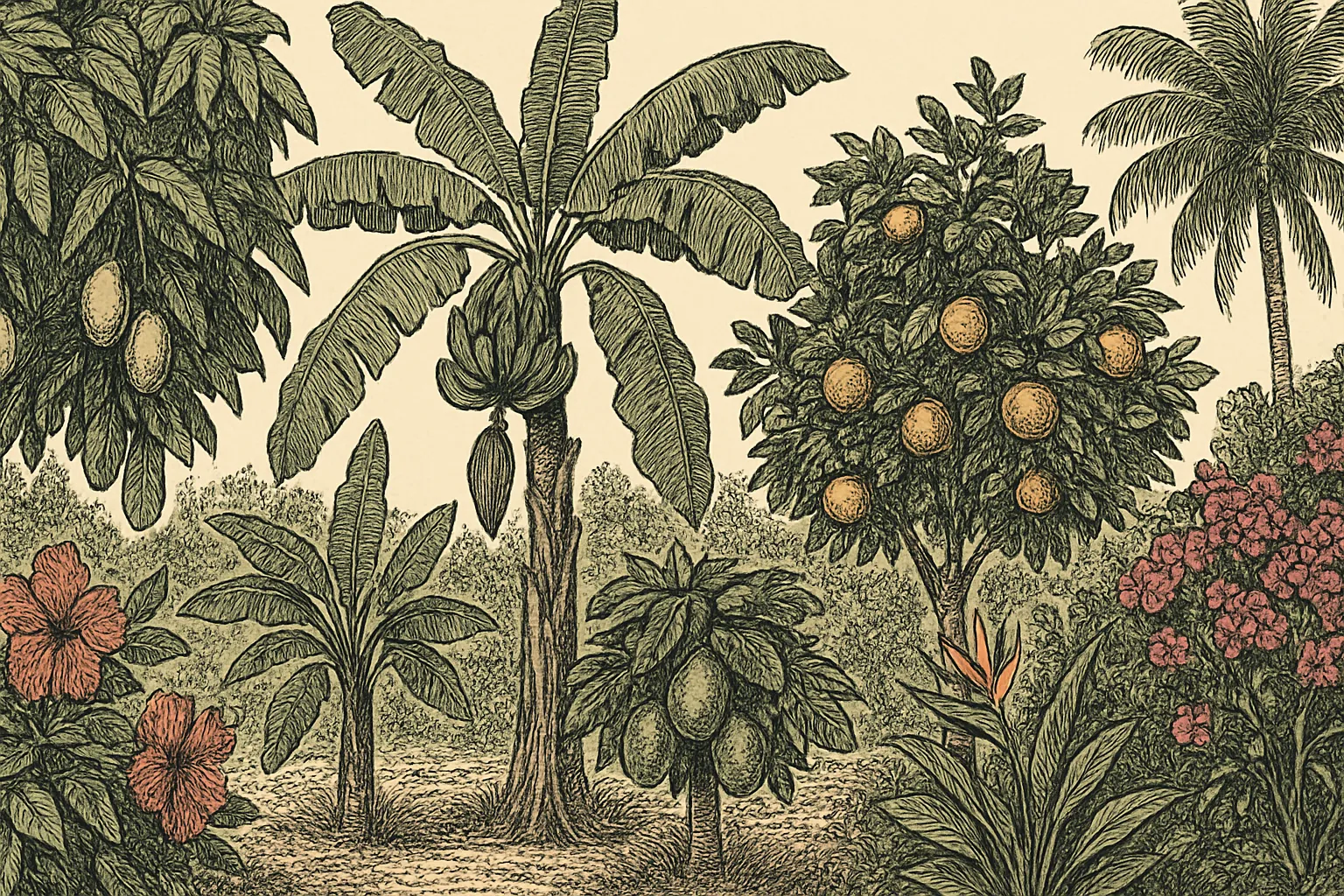
Zone 10 is where tropical gardening becomes real. Mango trees, papaya, banana, and other tropical fruits grow in the ground. Plants that are houseplants in the north are landscape plants here. But the flip side is that traditional temperate gardening — with its emphasis on winter dormancy and cold-requiring plants — mostly doesn't work. You're doing a fundamentally different kind of gardening.
Where Zone 10 Is
Zone 10 covers South Florida (Miami, Fort Lauderdale, Naples, Key West), the southernmost tip of Texas (the Lower Rio Grande Valley), parts of southern California's immediate coast, warm pockets of southern Arizona, and coastal areas around San Diego. It's the warmest zone in the continental United States except for tropical southern Florida (Zone 11).
Climate & Challenges
Zone 10 winters are essentially frost-free. Average minimums range from 30 to 40°F, but most of Zone 10 rarely experiences freezing temperatures. When a frost does occur, it's usually brief and light. Gardening continues year-round with no cold-season dormancy for most plants.
Summer heat in Zone 10 is intense and sustained. Florida Zone 10 combines high temperatures with punishing humidity. California coastal Zone 10 is surprisingly moderate thanks to ocean influence — summer highs often stay in the 70s and 80s, making it one of the most pleasant climates in the country. Arizona Zone 10 is hot and very dry. Each subregion demands different plant choices.
Main challenges: The lack of winter chill is the biggest challenge for many plants. Traditional apples, peonies, lilacs, most stone fruits, and cold-requiring plants simply cannot fruit or bloom properly without sustained cold. The other challenge is intense summer heat and humidity in Florida Zone 10, which creates enormous disease pressure. In dry Zone 10 (Arizona, inland California), water management is the defining constraint.
Best Plants for Zone 10
Below you'll find the best plants for Zone 10organized by category. Each plant is rated on a 5-dot scale: 5 means it thrives here, 4 means it grows well, 3 means it's possible but challenging. Click any plant to see the full growing guide with zone-specific tips.
Best Vegetables for Zone 10
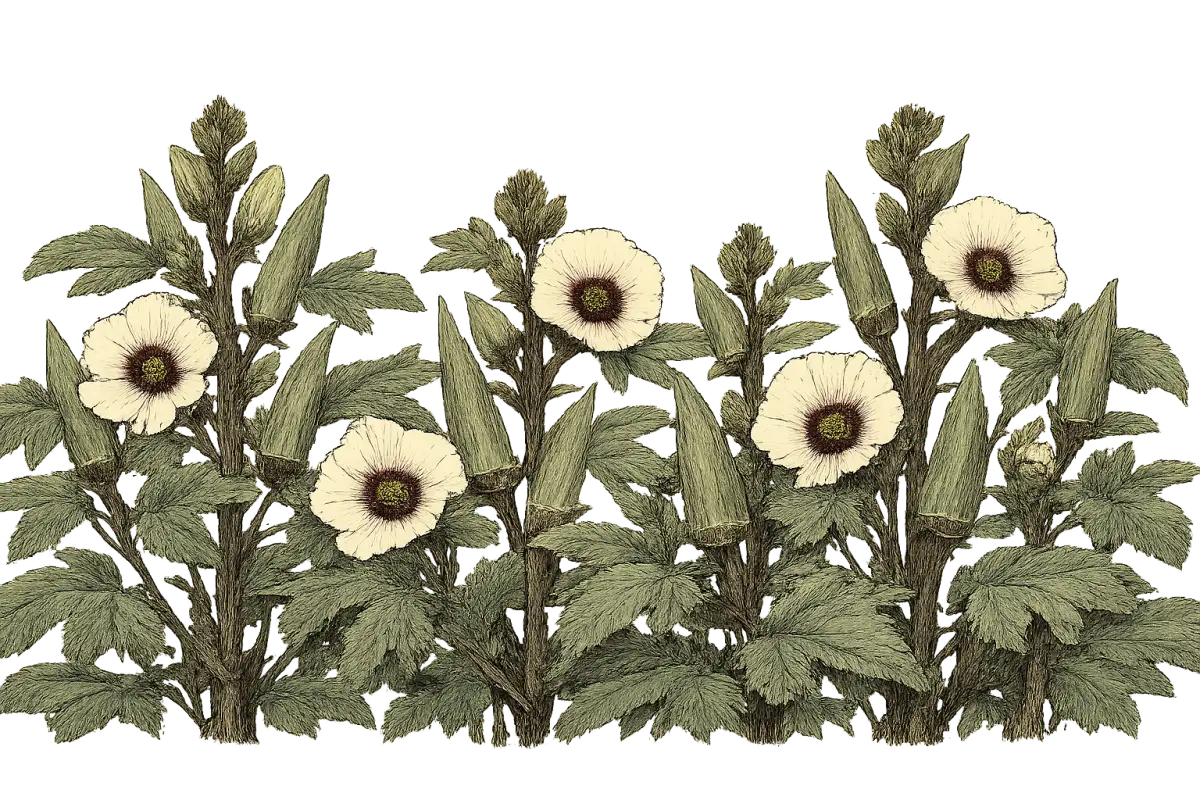
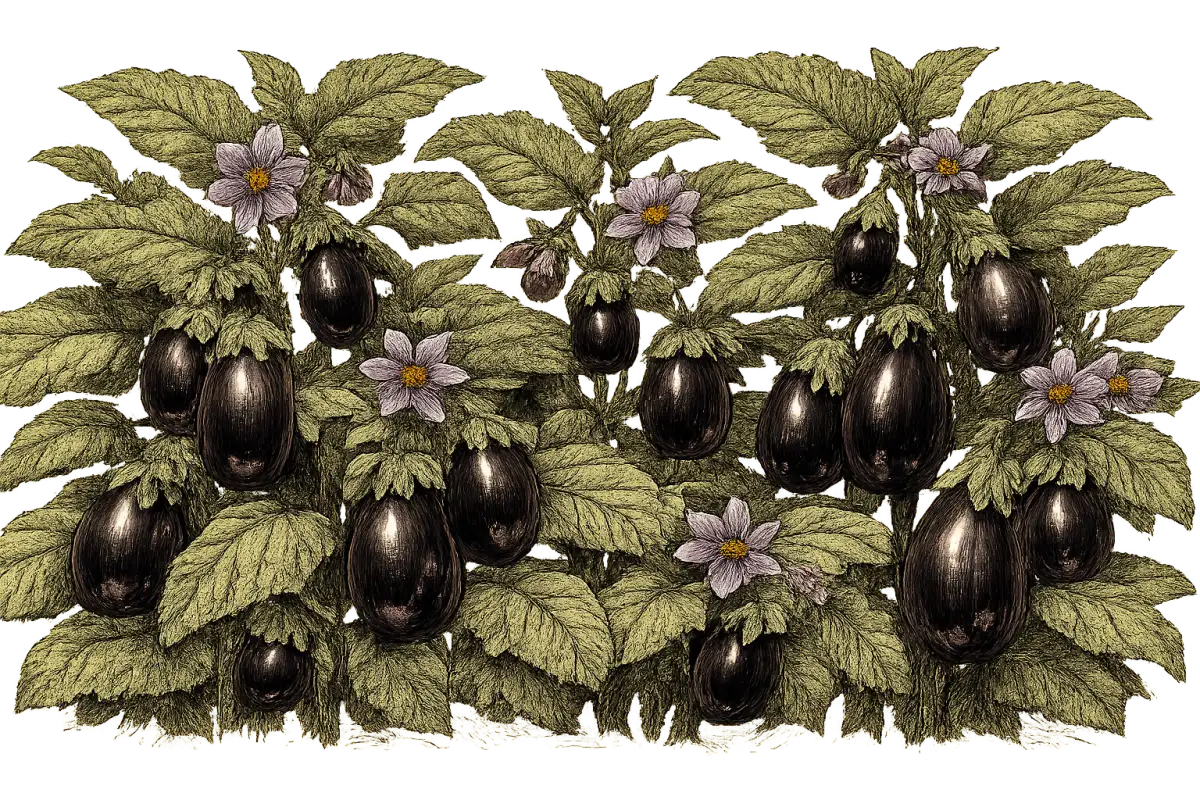
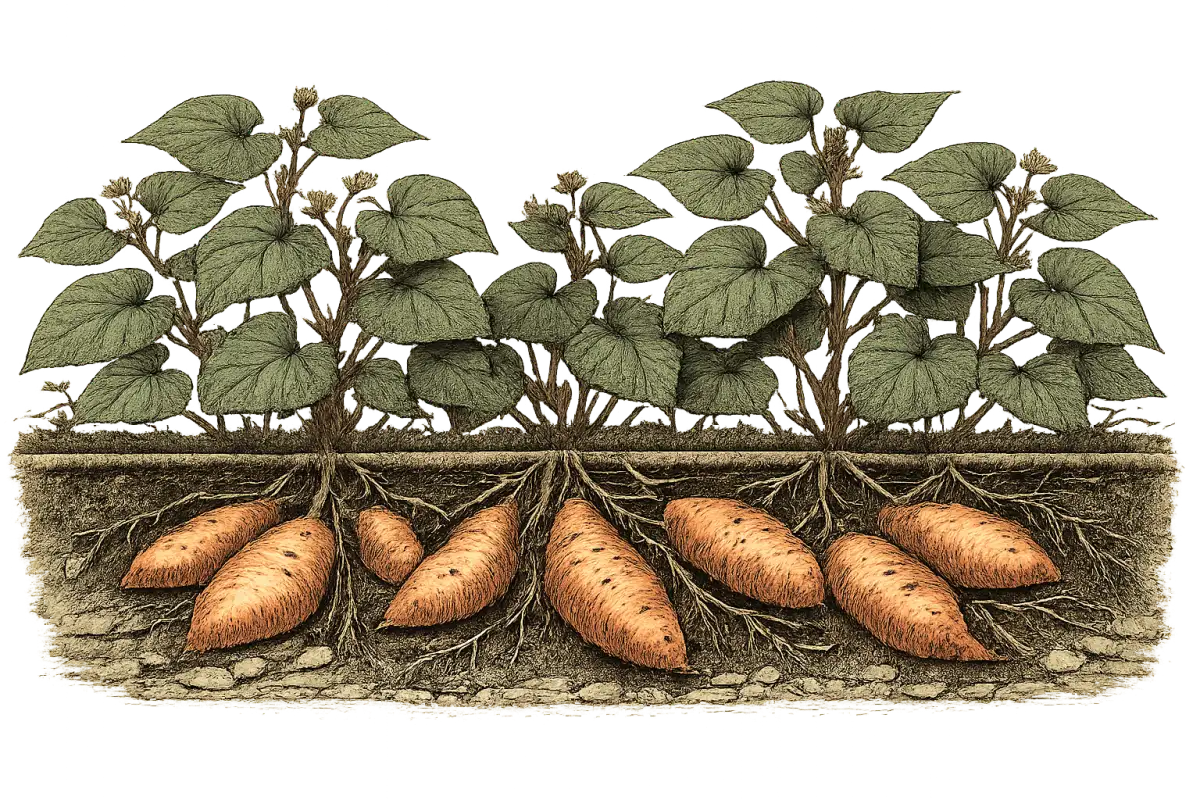
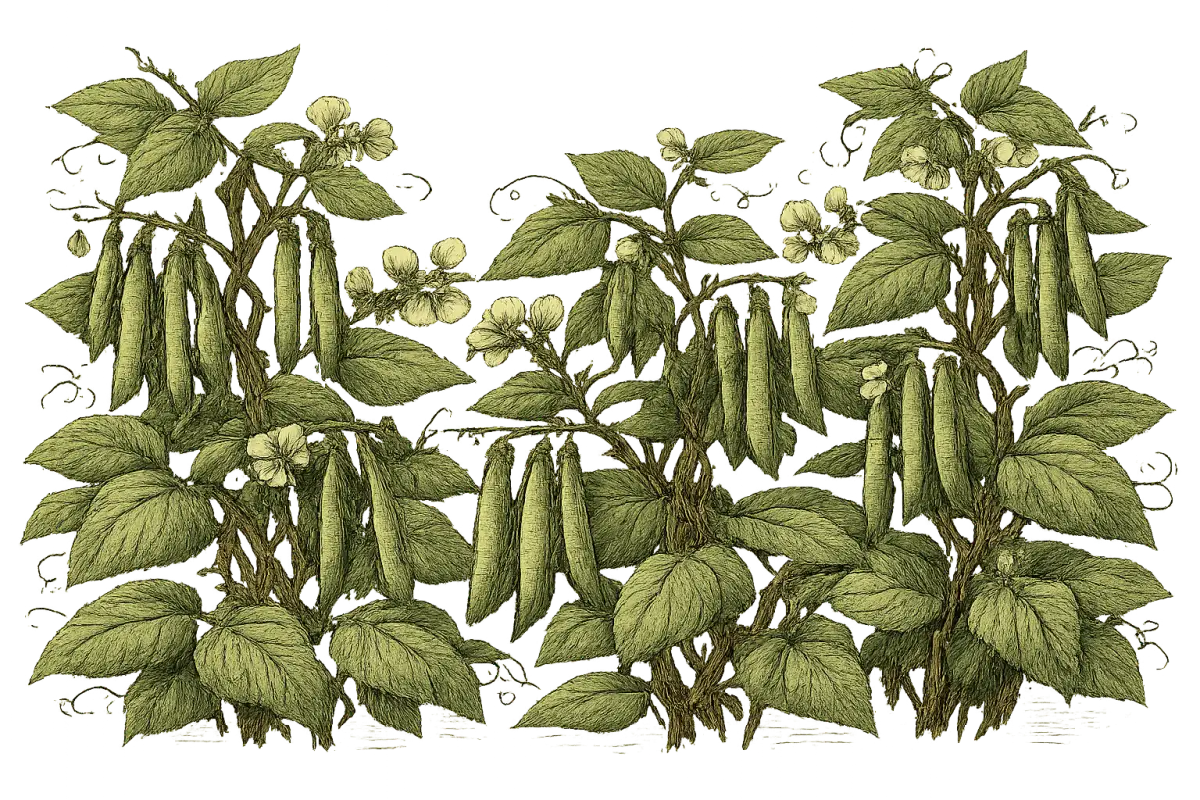
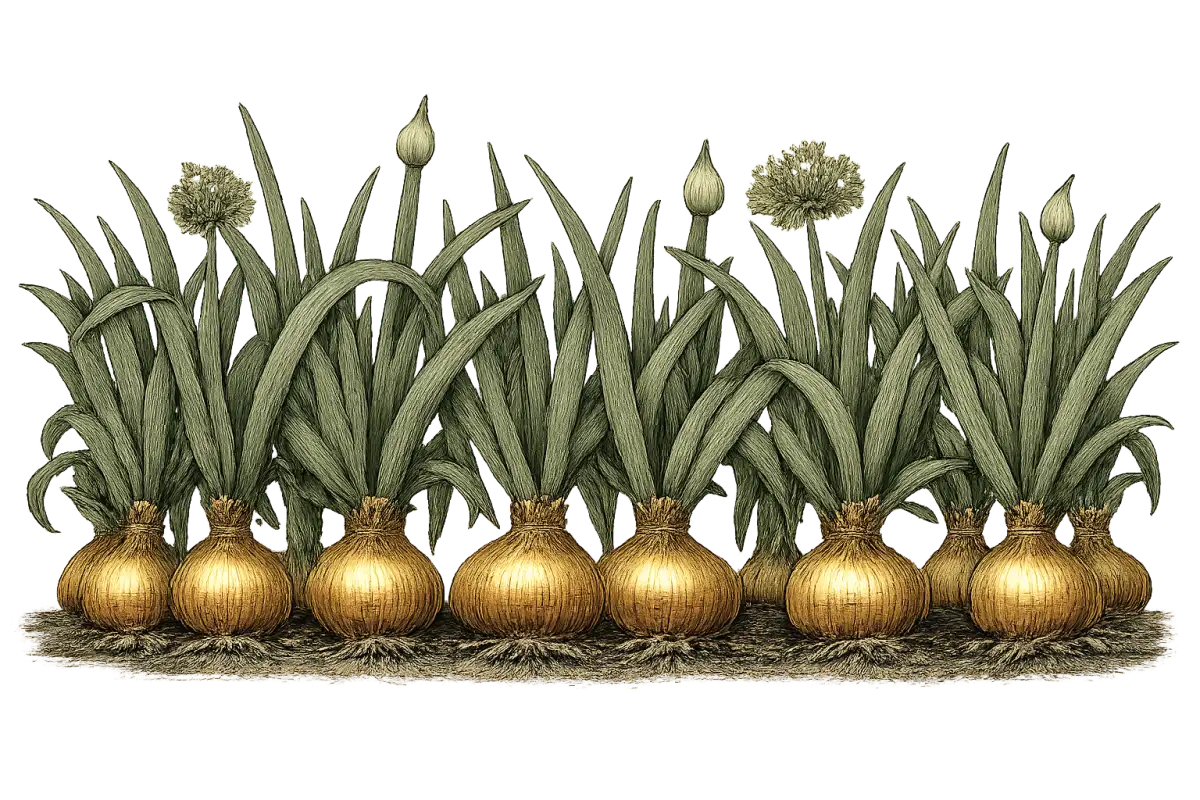
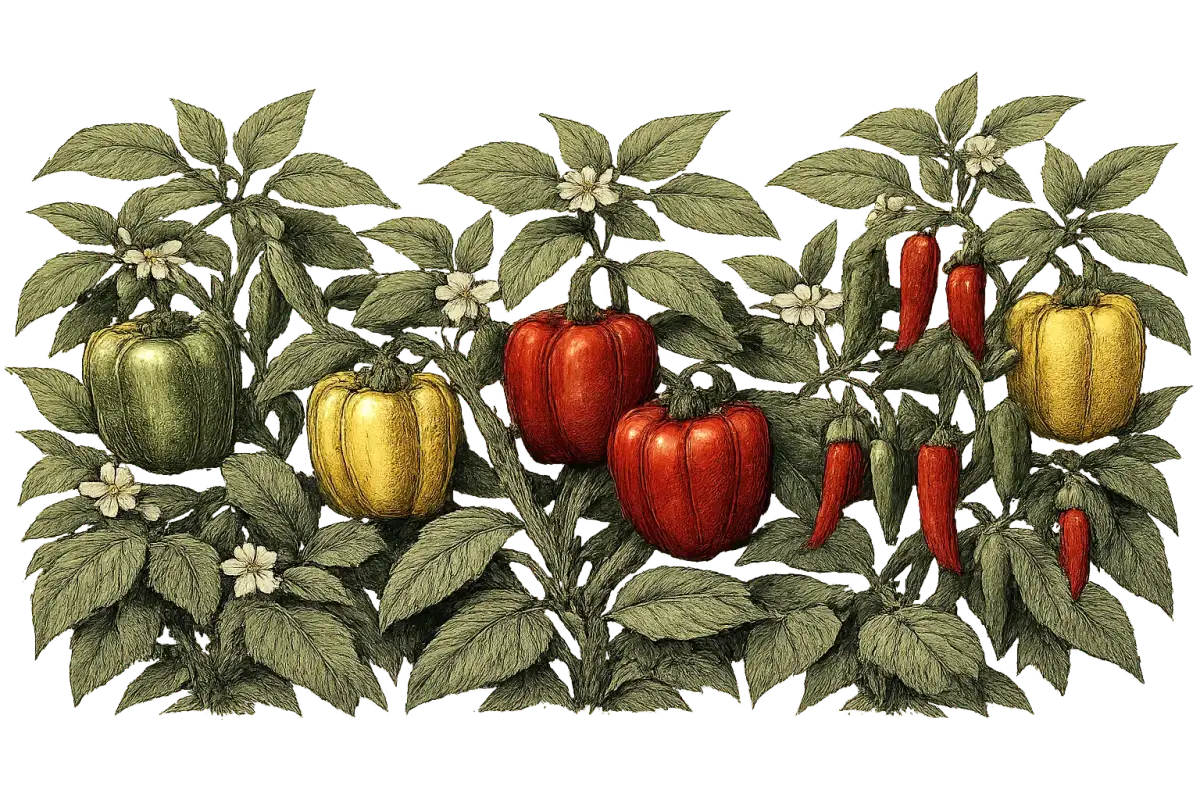
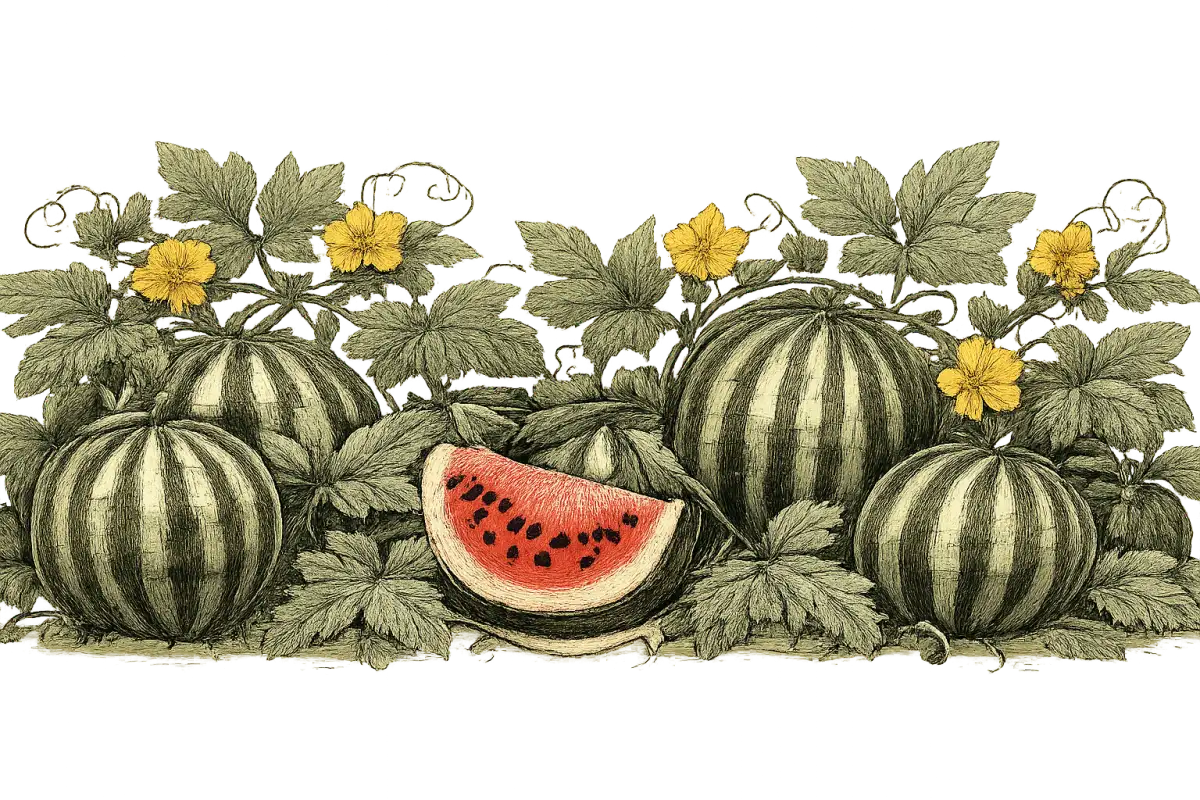
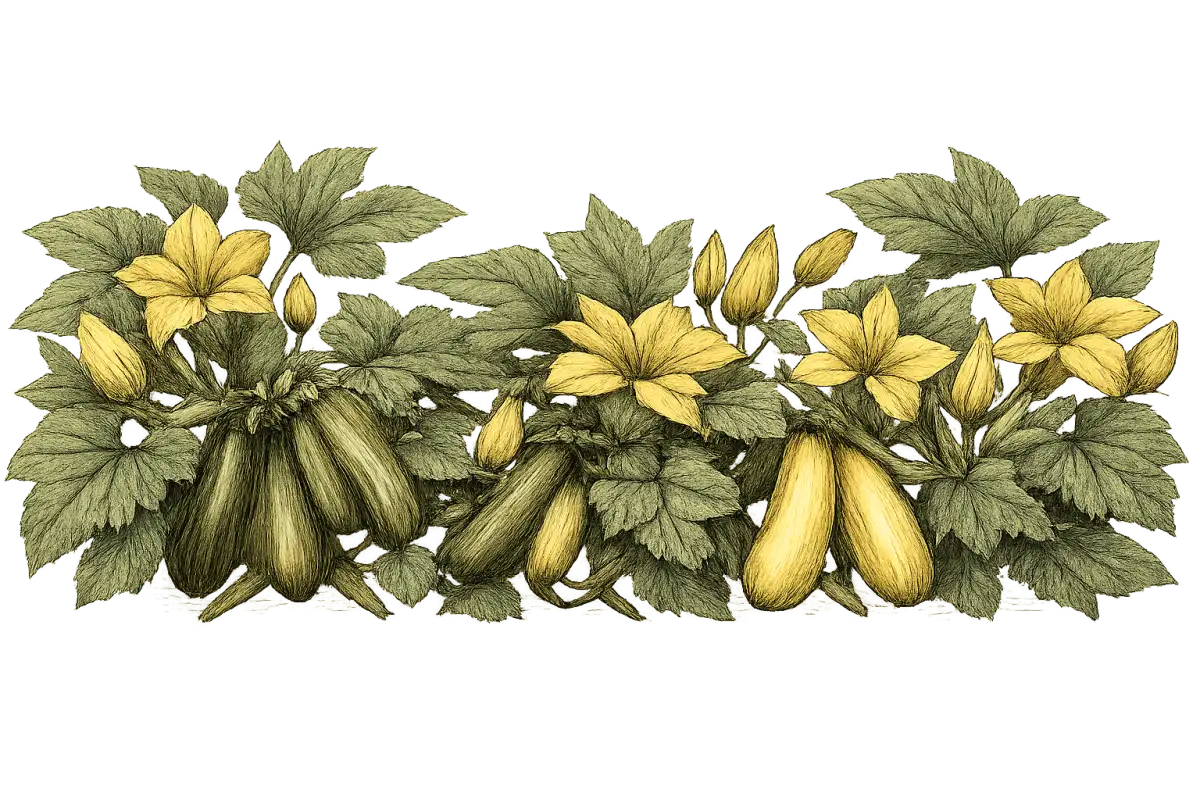
Zone 10 vegetable gardening is inverted from northern zones and requires specific varieties for tropical conditions. Cool-season crops grow best from November through March. Summer is too hot for most traditional vegetables except tropical-adapted types: okra, southern peas, sweet potatoes, yard-long beans, Malabar spinach, and heat-tolerant tomato varieties. Many Zone 10 gardeners grow cool-season crops through most of the winter as their peak production season, with summer being the rest period.
Worth trying (rating 3 — possible but challenging):
Best Fruits for Zone 10
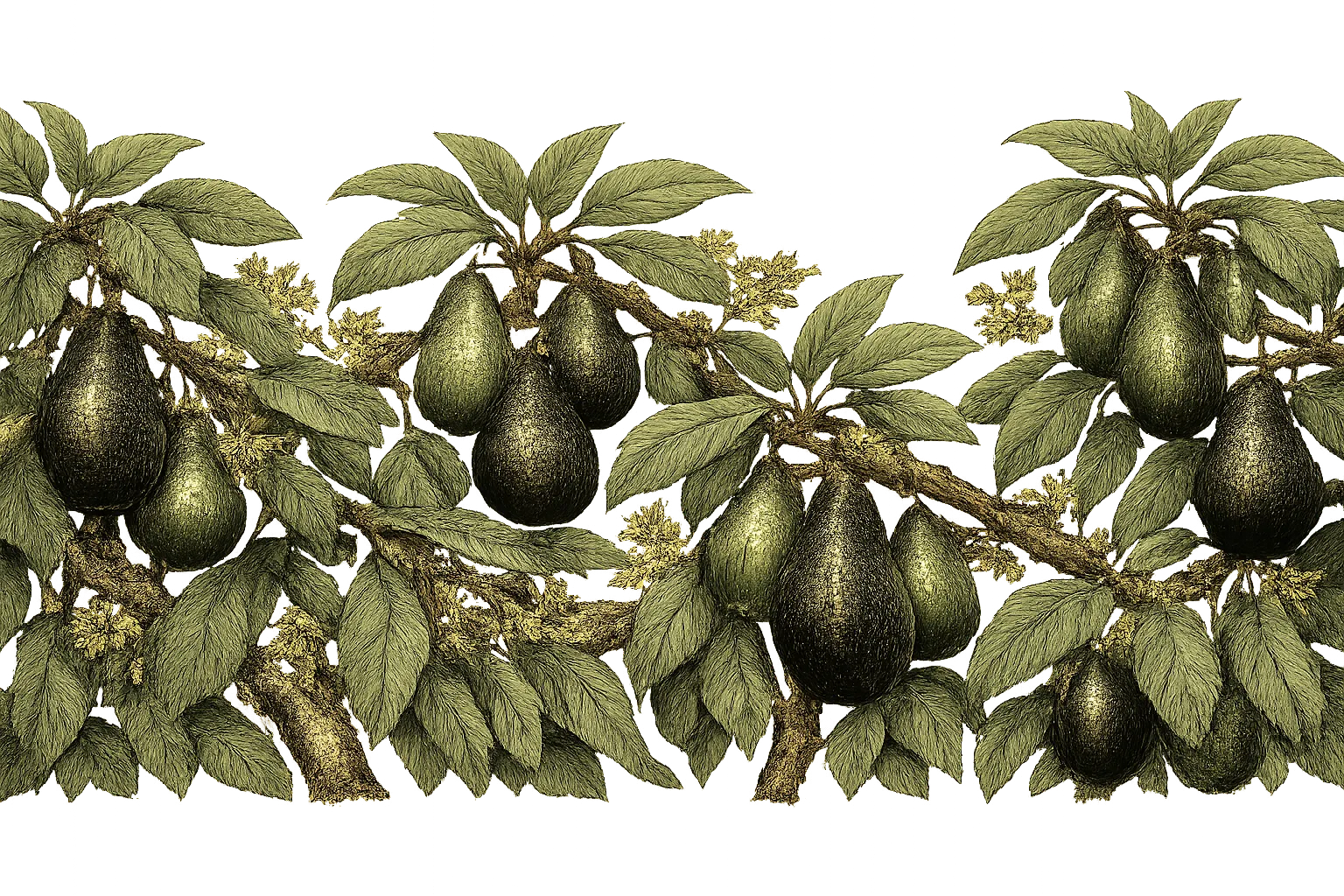
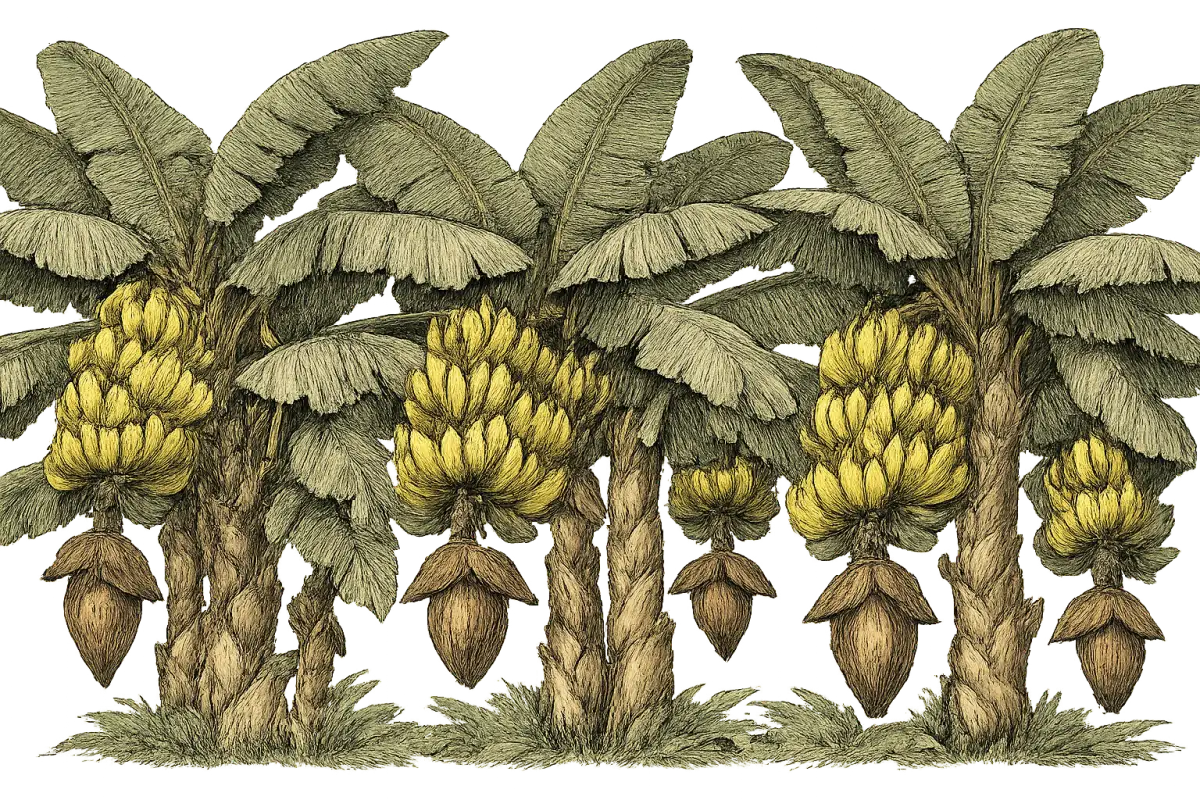
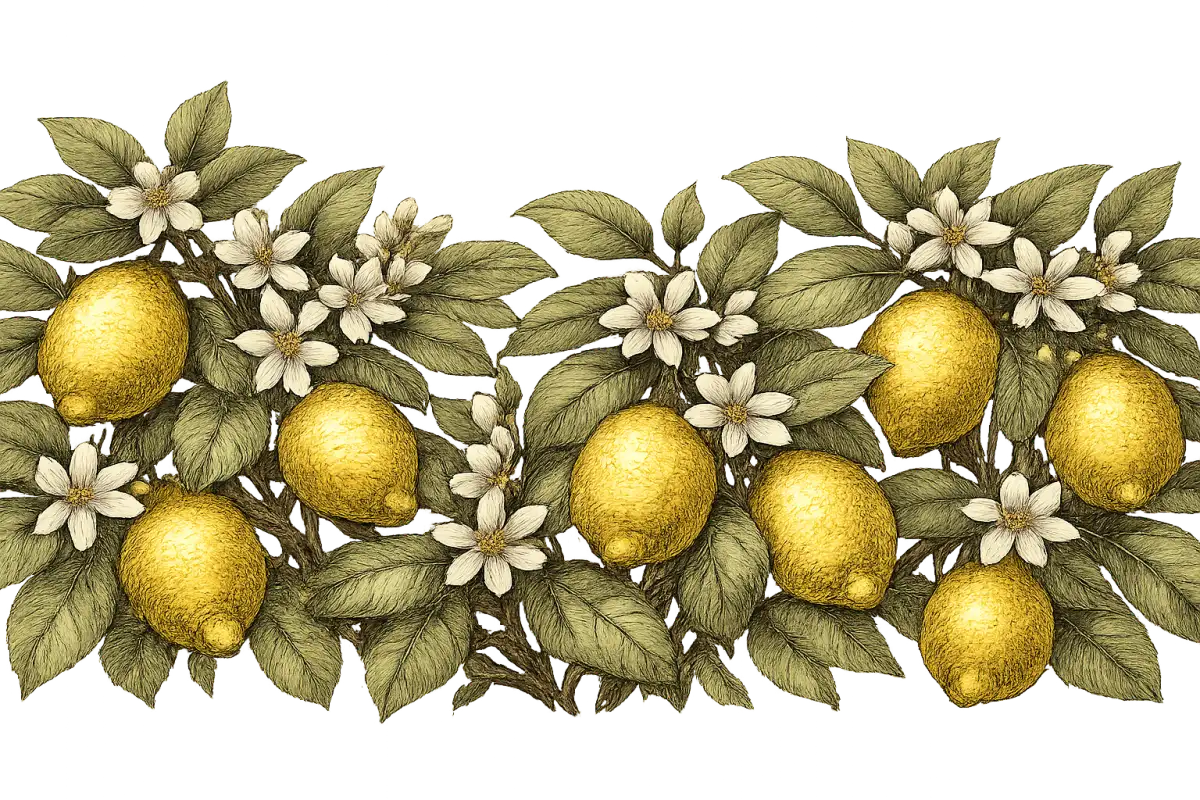
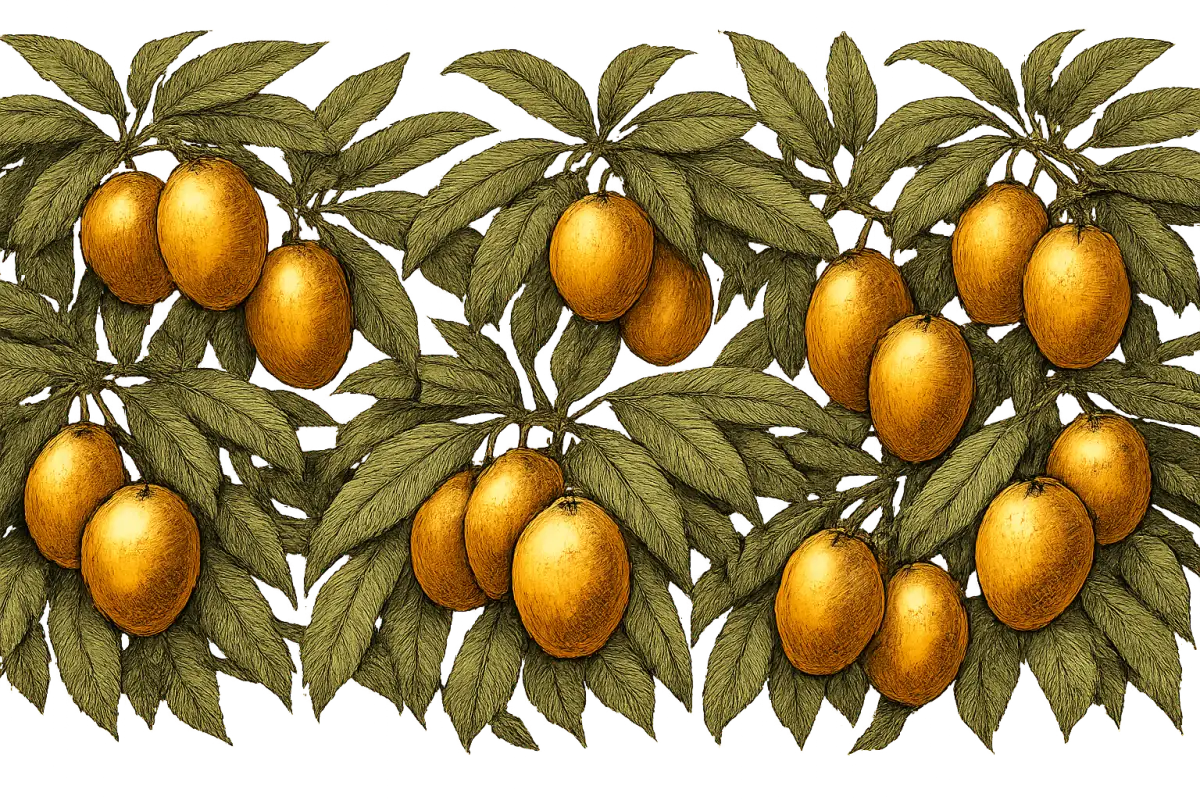
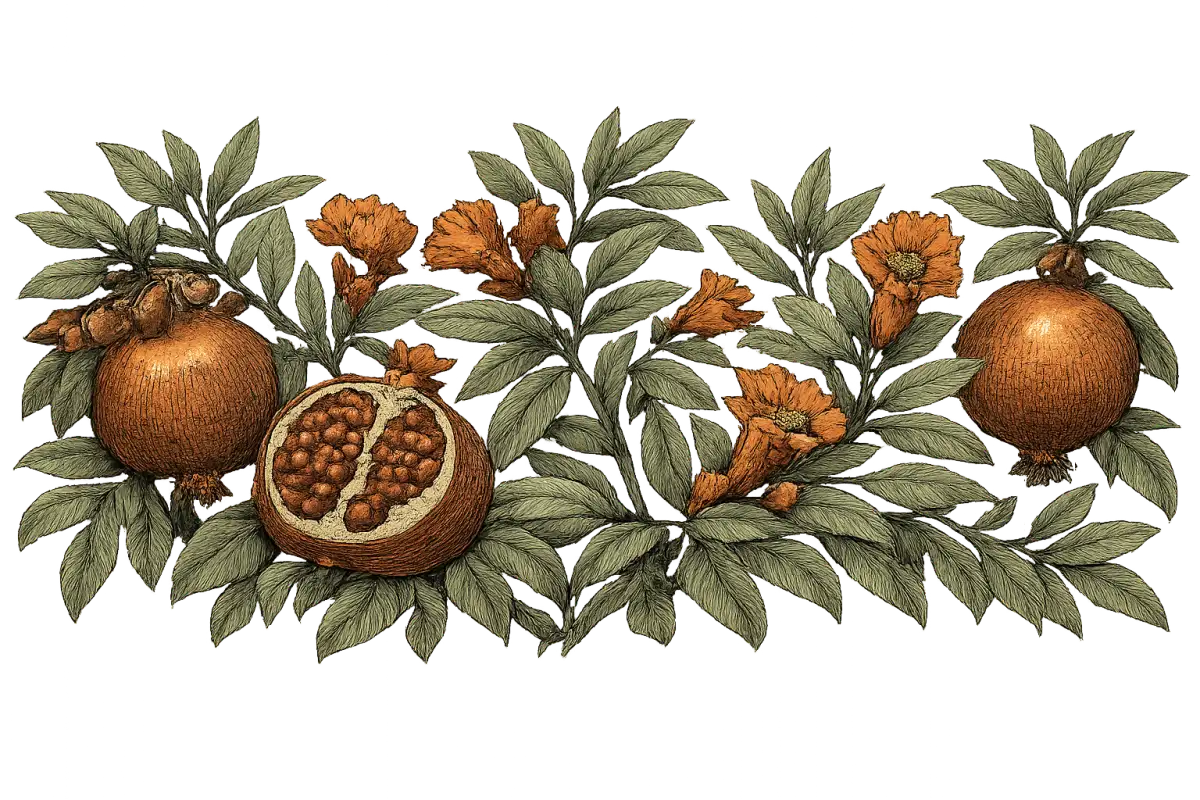
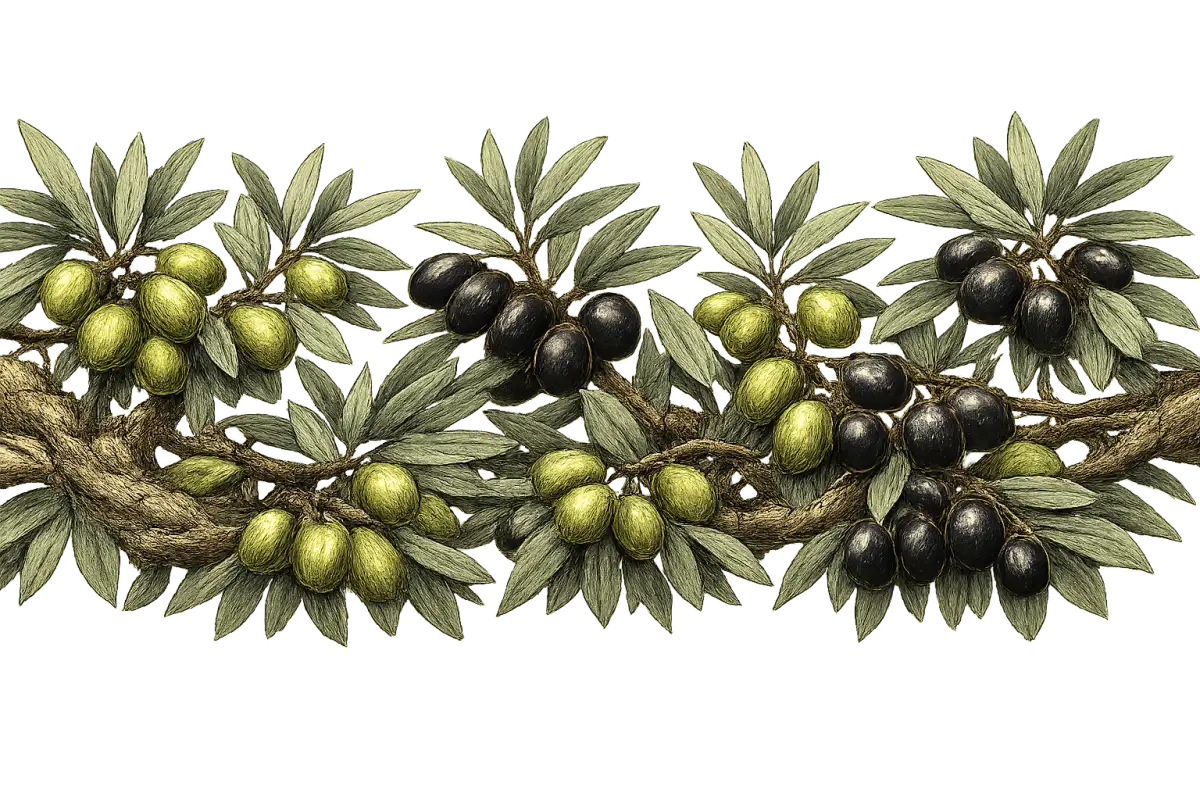
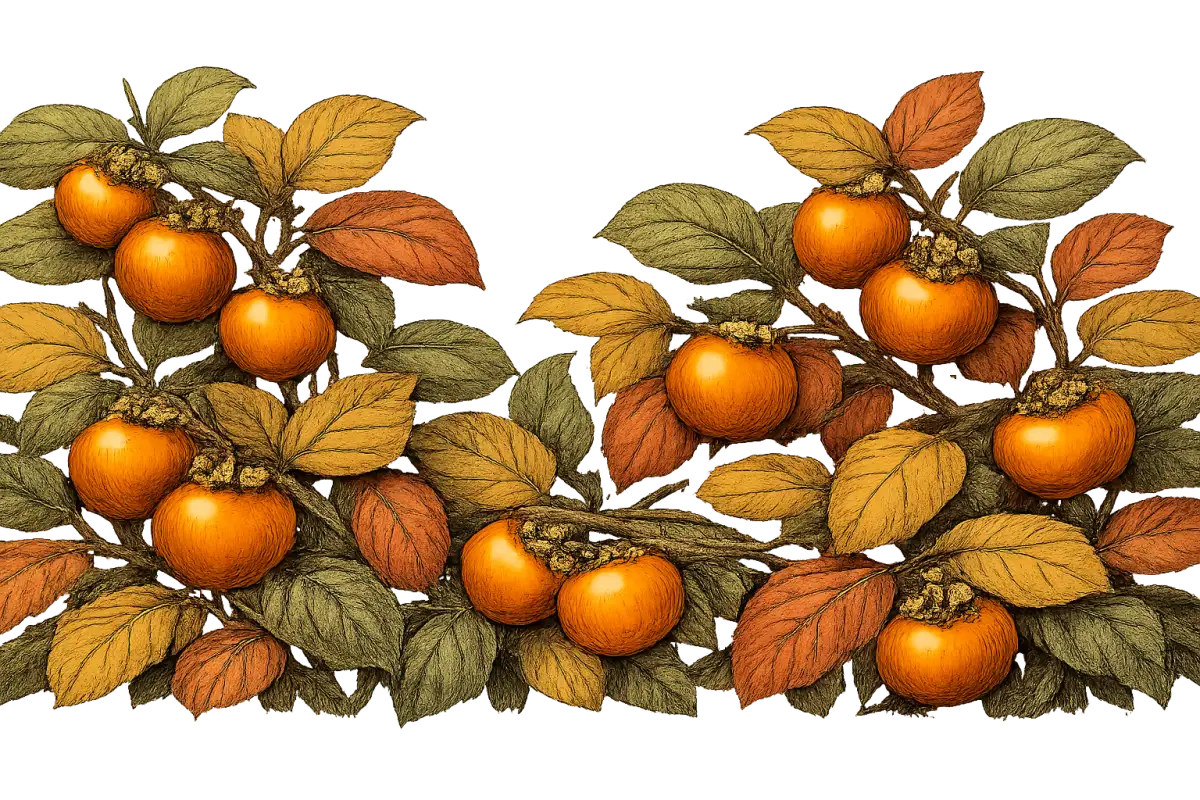
Zone 10 is tropical fruit country. Mango thrives. Papaya produces heavily. Banana trees work as landscape plants and produce edible fruit. Guava, starfruit, sapodilla, and many tropical fruits become realistic. Citrus of all kinds grows well. Avocados thrive. Dragon fruit, passion fruit, and coconut palms work in the warmer parts. What doesn't work: traditional apples, most stone fruits (except low-chill varieties), grapes (largely), and cold-requiring fruits. This is where traditional temperate fruit orchards effectively end and tropical fruit gardens begin.
Worth trying (rating 3 — possible but challenging):
Best Herbs for Zone 10
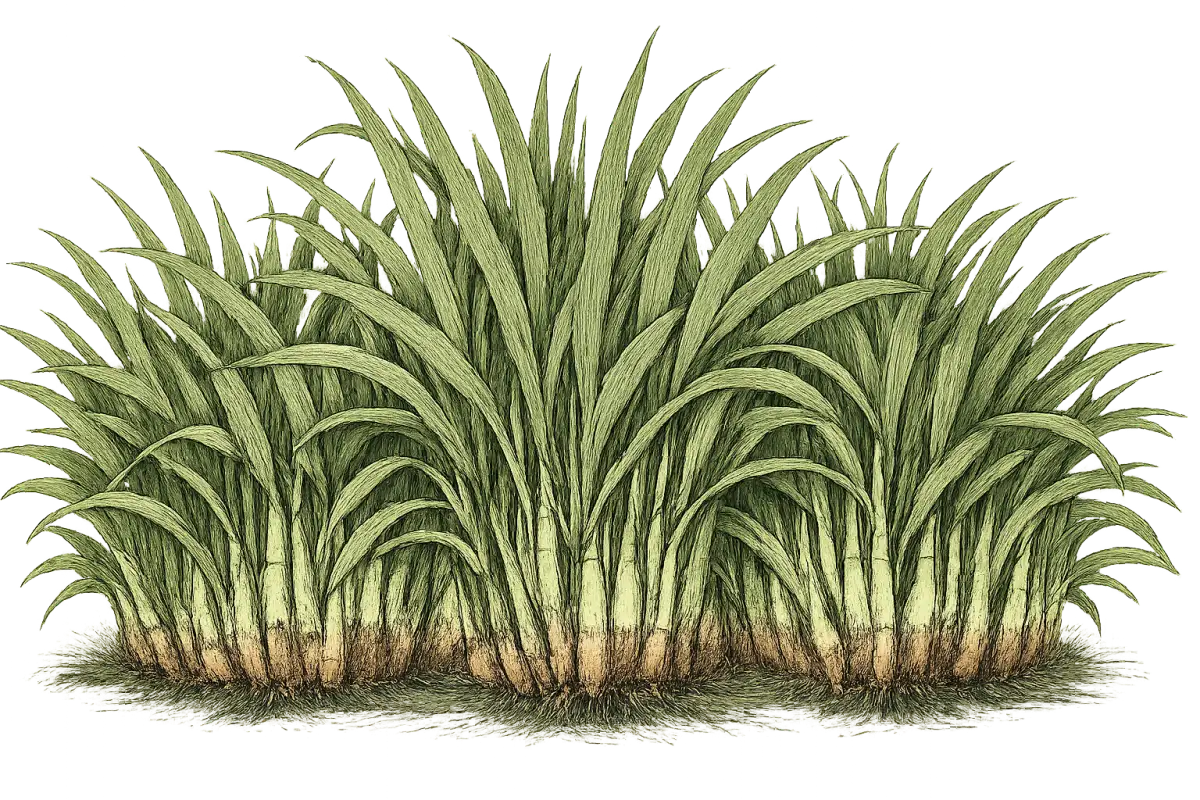
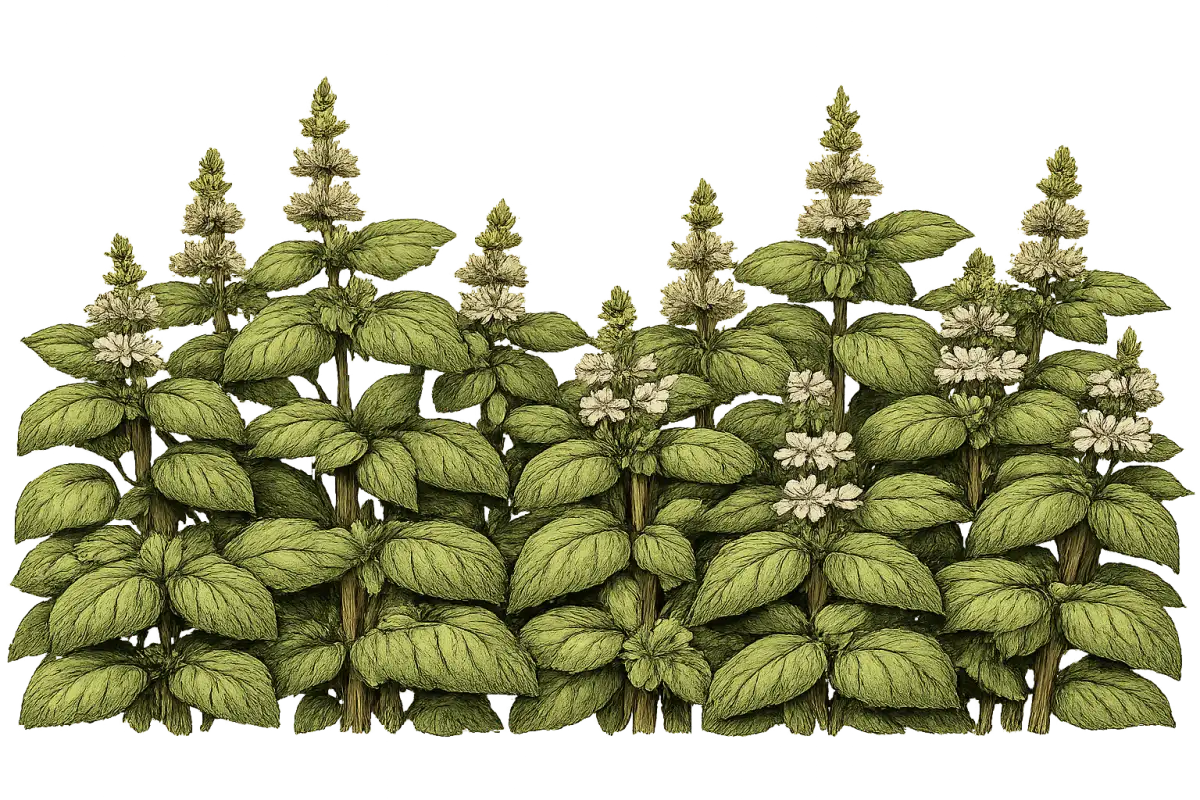
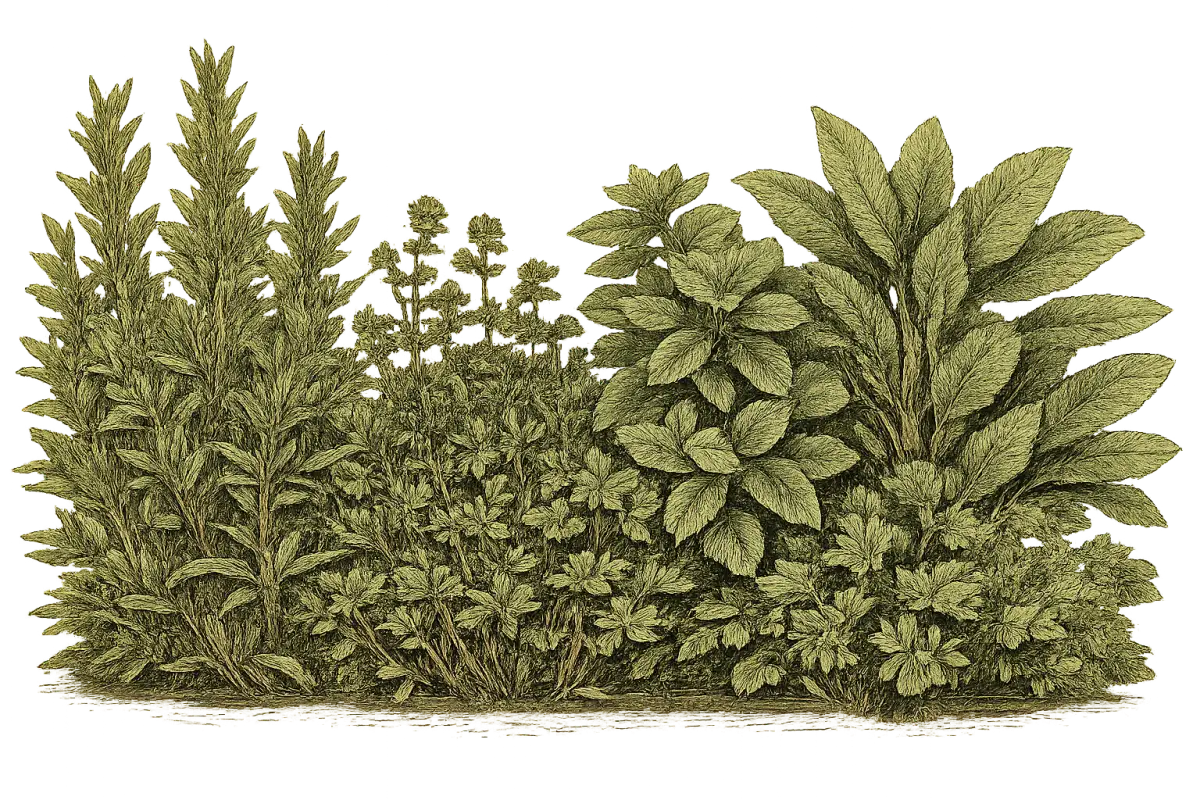
Mediterranean and tropical herbs both work in Zone 10. Rosemary and oregano grow as large perennials in drier areas but can struggle with humidity in Florida. Lemongrass, mint, basil, culantro (a tropical cilantro substitute), Mexican oregano, and cuban oregano thrive. Traditional cilantro and parsley must be grown in the cool season — they can't handle the heat. Bay laurel grows as a tree. Tropical herbs you might not know (Vietnamese coriander, pandan, curry leaf) become realistic.
Worth trying (rating 3 — possible but challenging):
Best Flowers for Zone 10
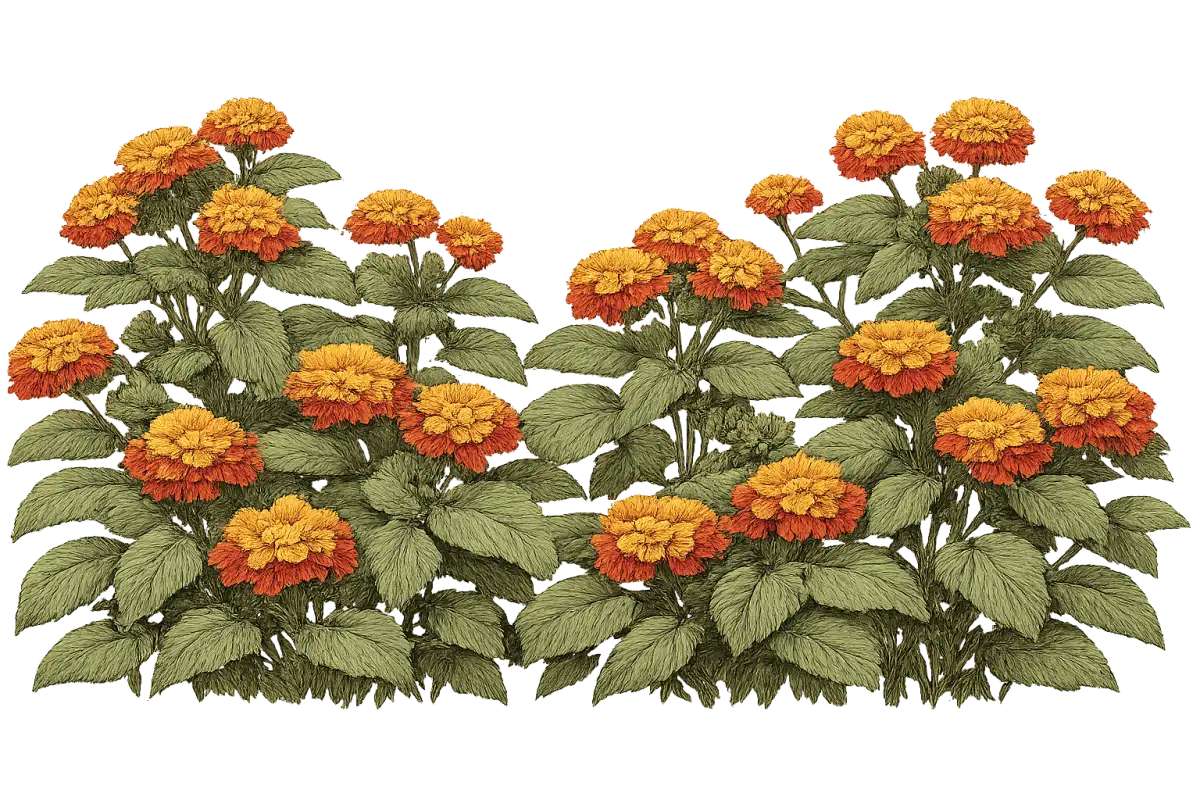
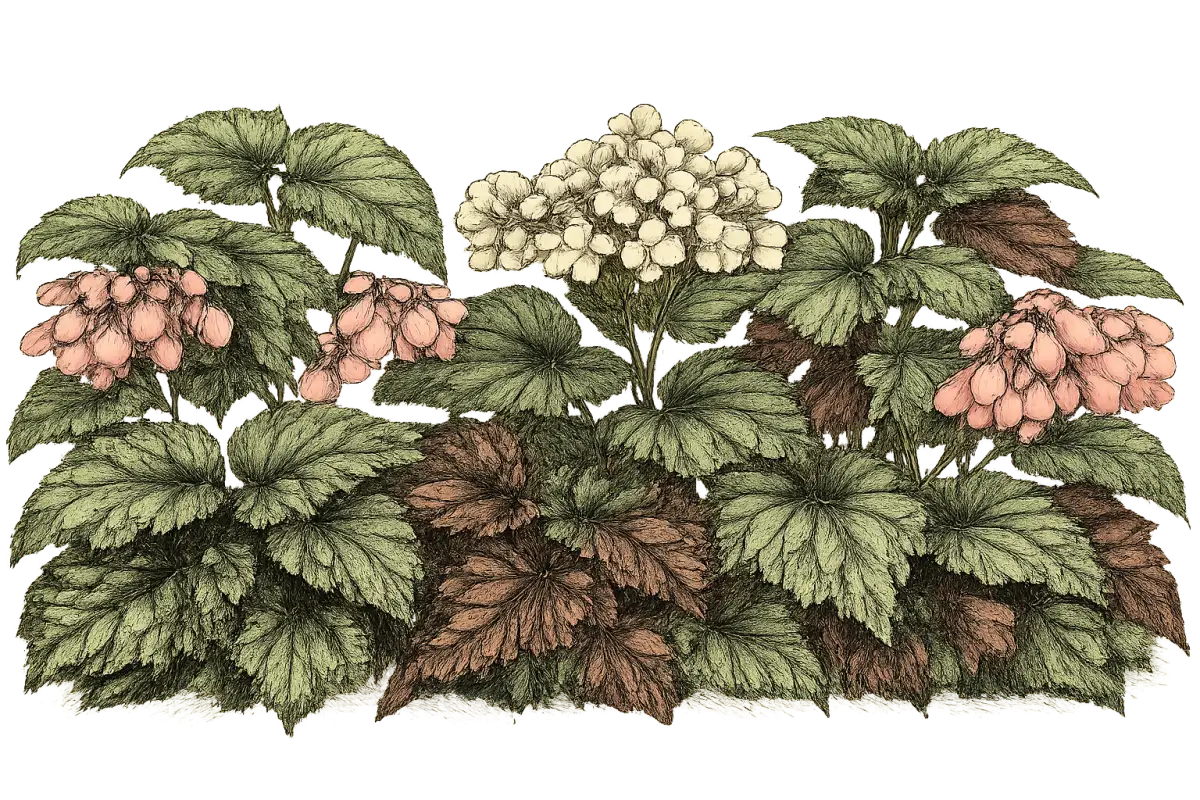
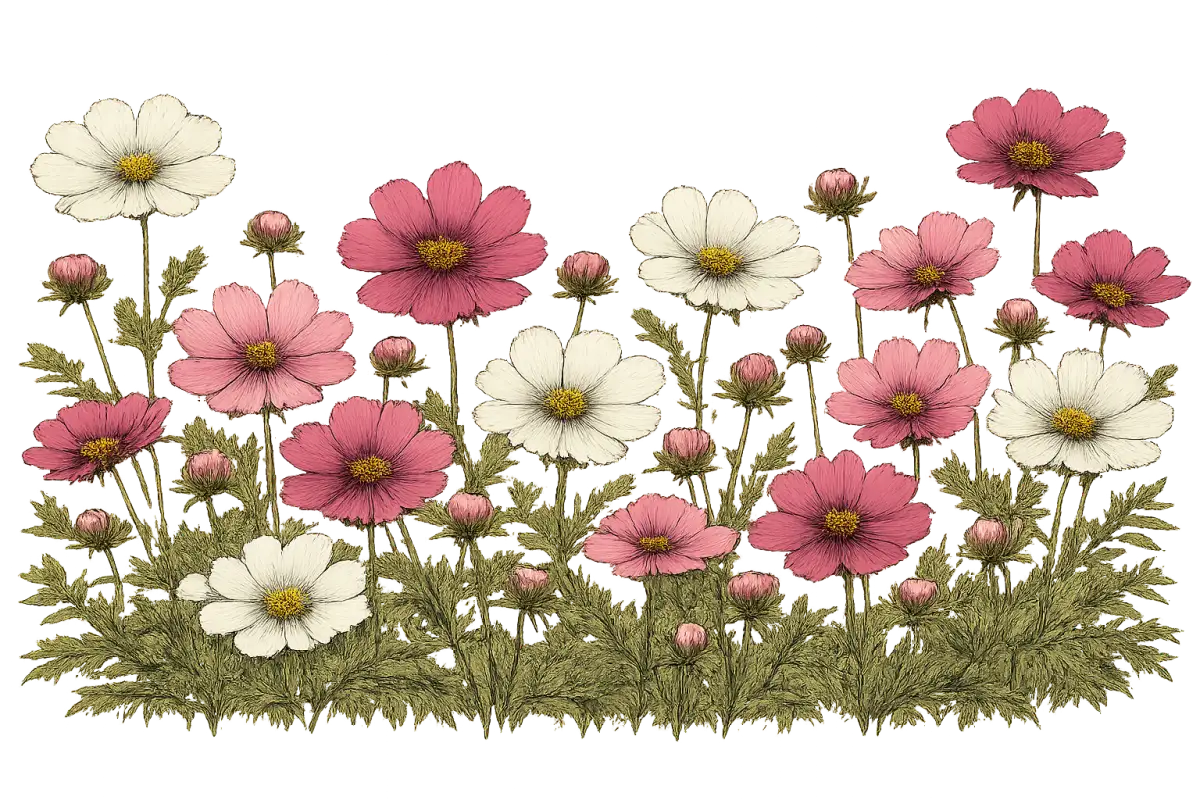
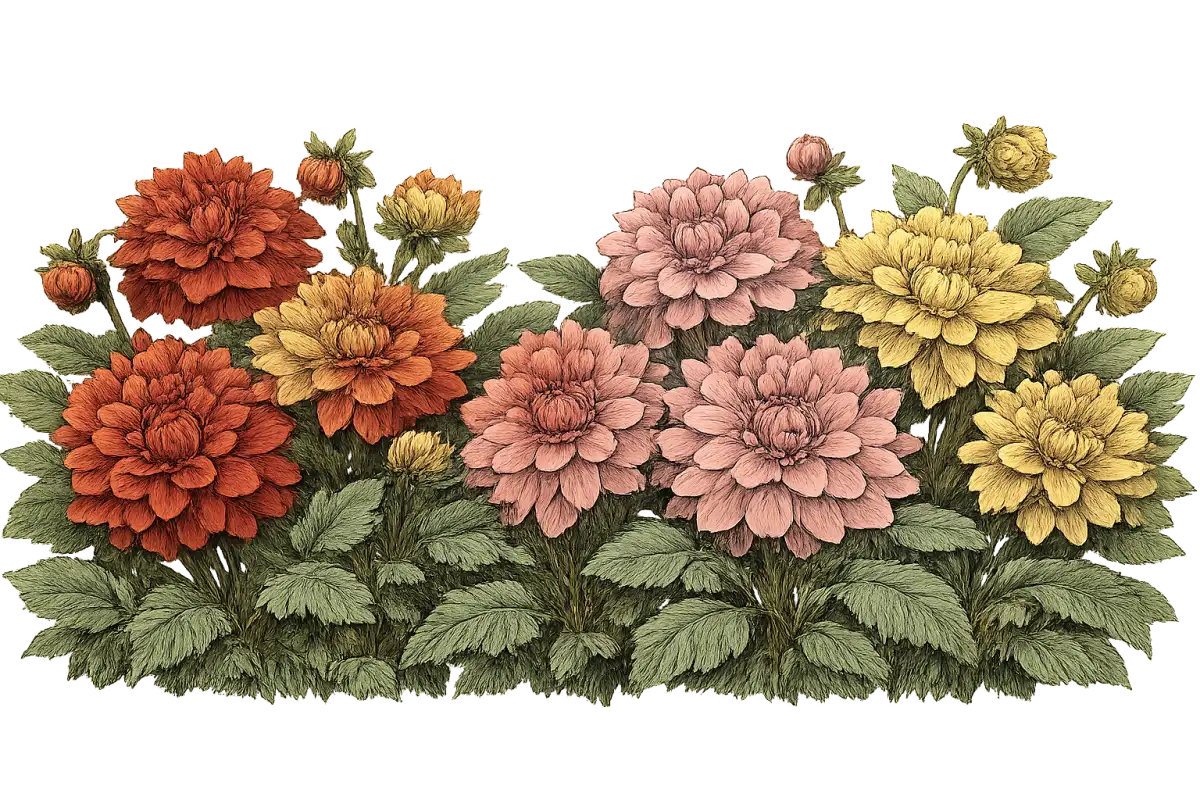
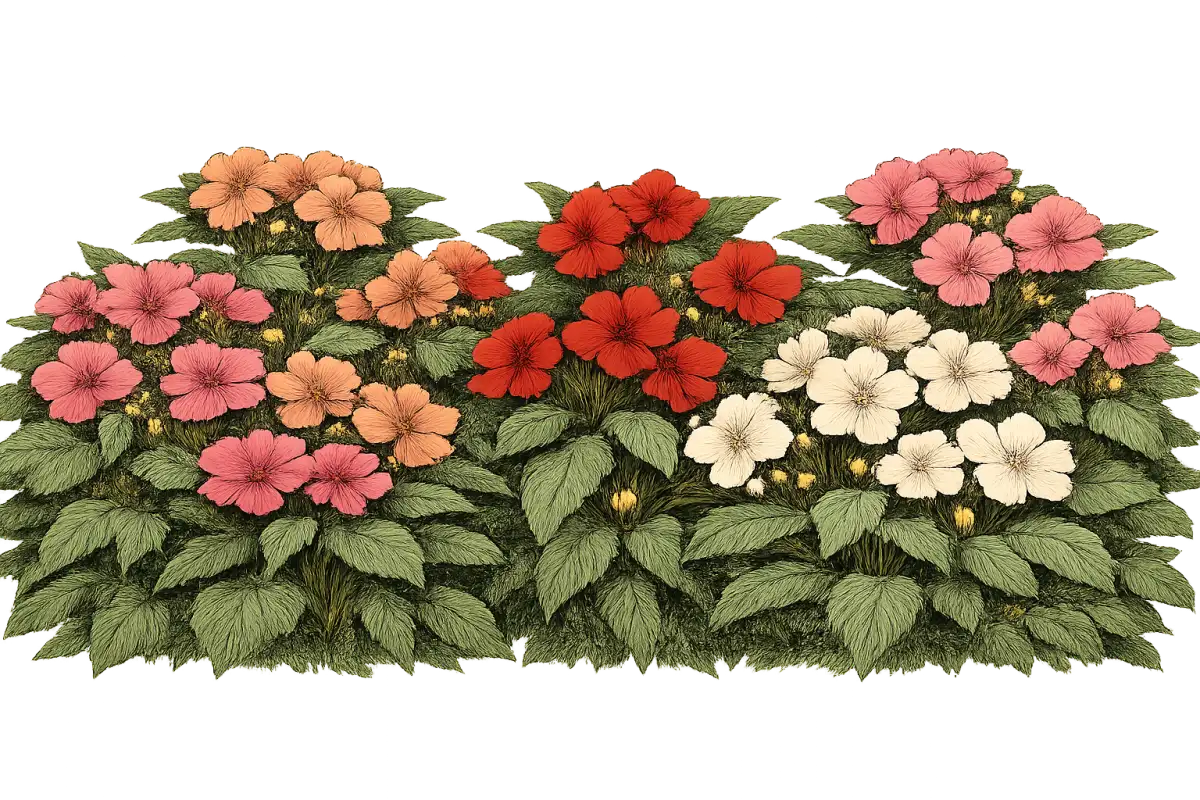
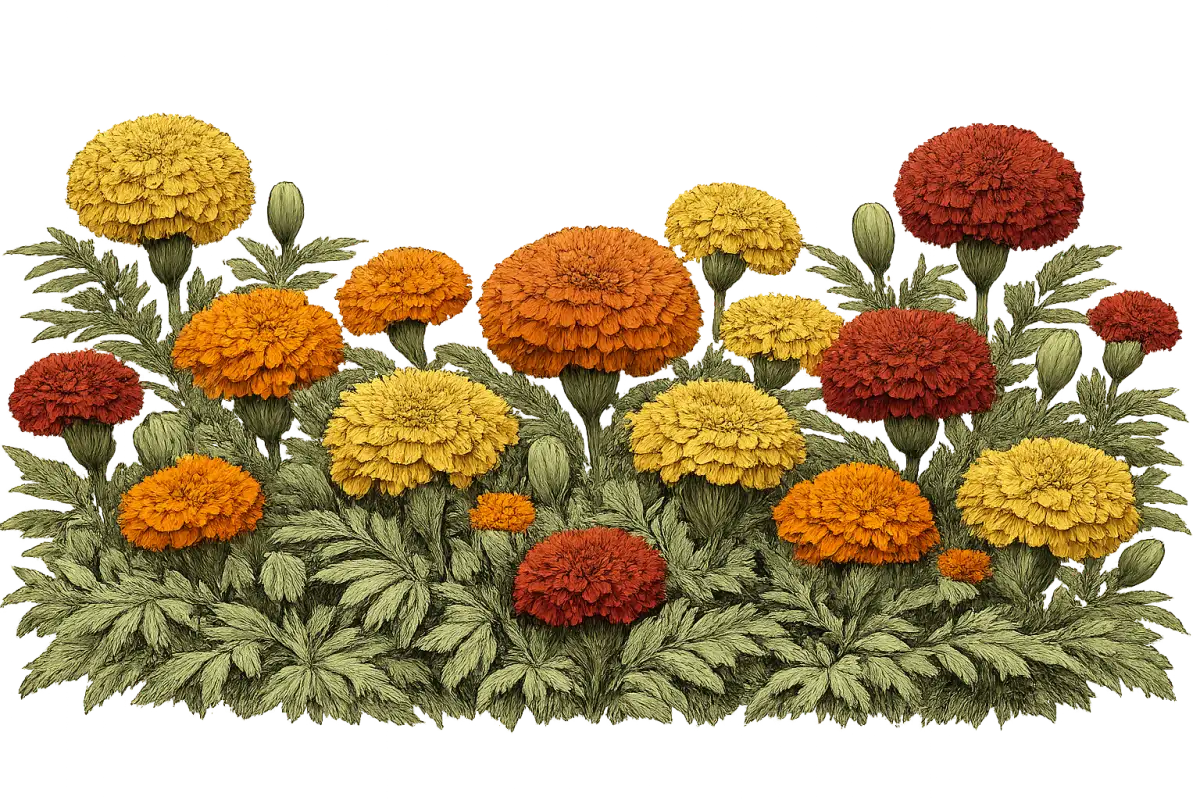
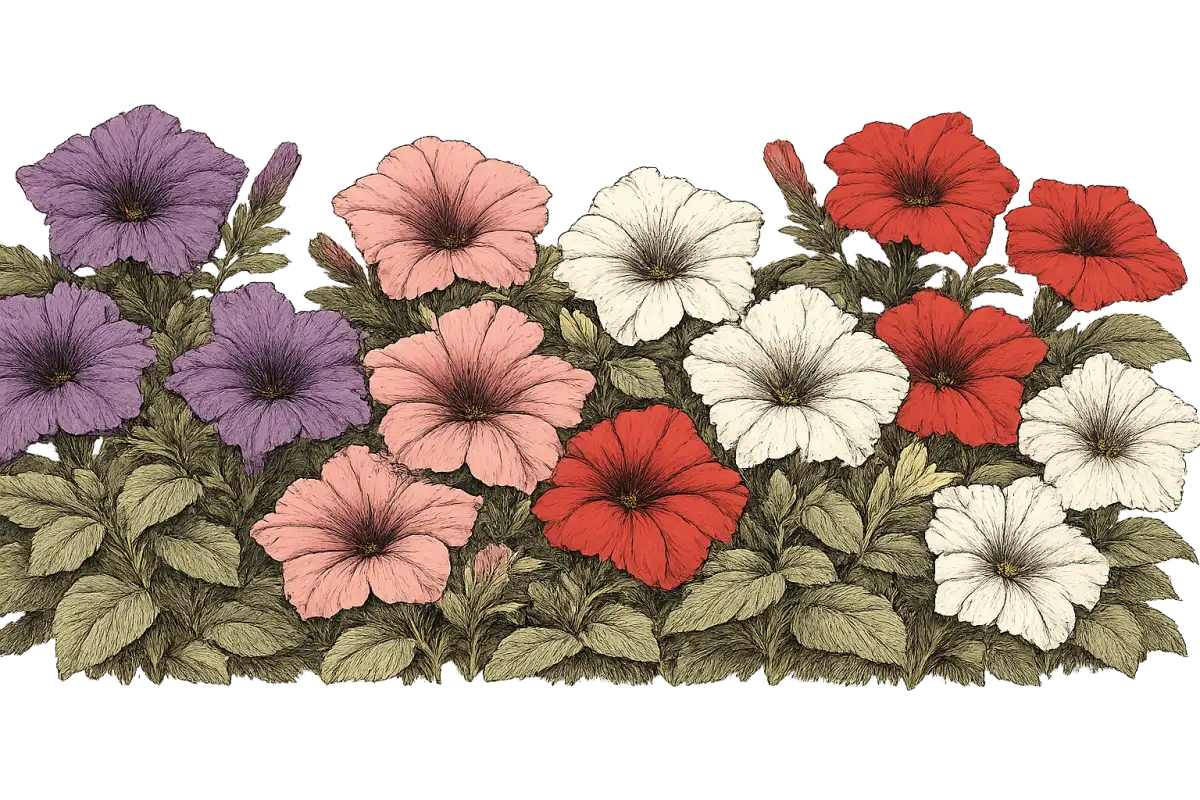
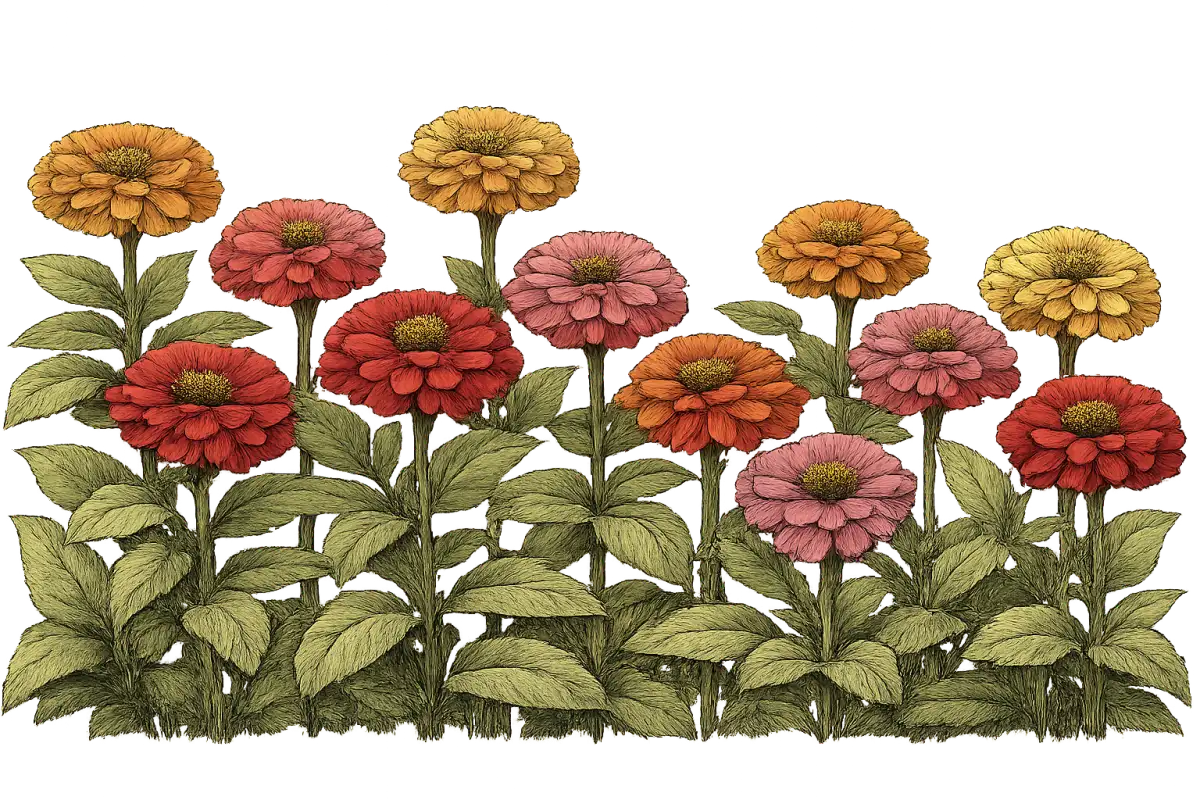
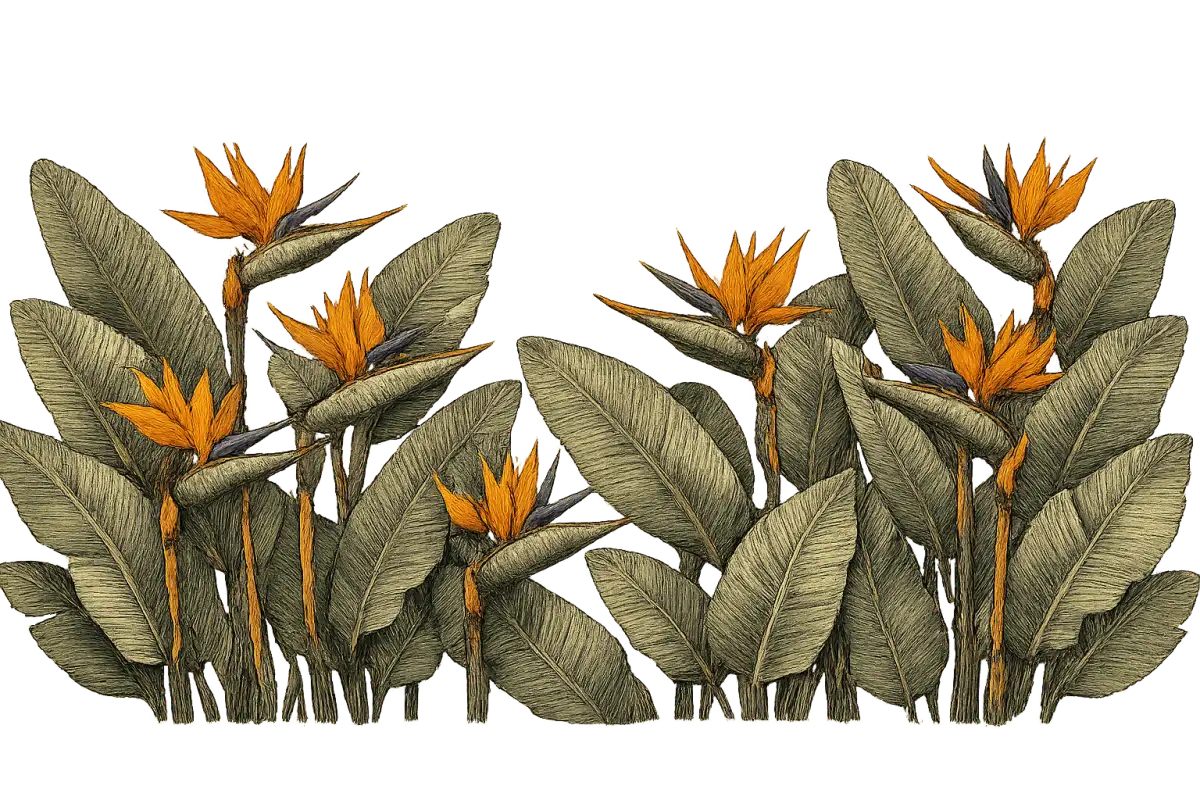
Zone 10 flowers skew heavily tropical. Bougainvillea, plumeria, hibiscus, orchids (outdoors!), bird of paradise, and tropical flowering plants dominate. Annual flowers need to be chosen for heat tolerance. Petunias and cool-season annuals like pansies grow in winter. Summer annuals include vinca, zinnias, and tropical varieties. Most cold-climate perennials simply don't work — they need winter chill they won't get.
Worth trying (rating 3 — possible but challenging):
Best Shrubs for Zone 10
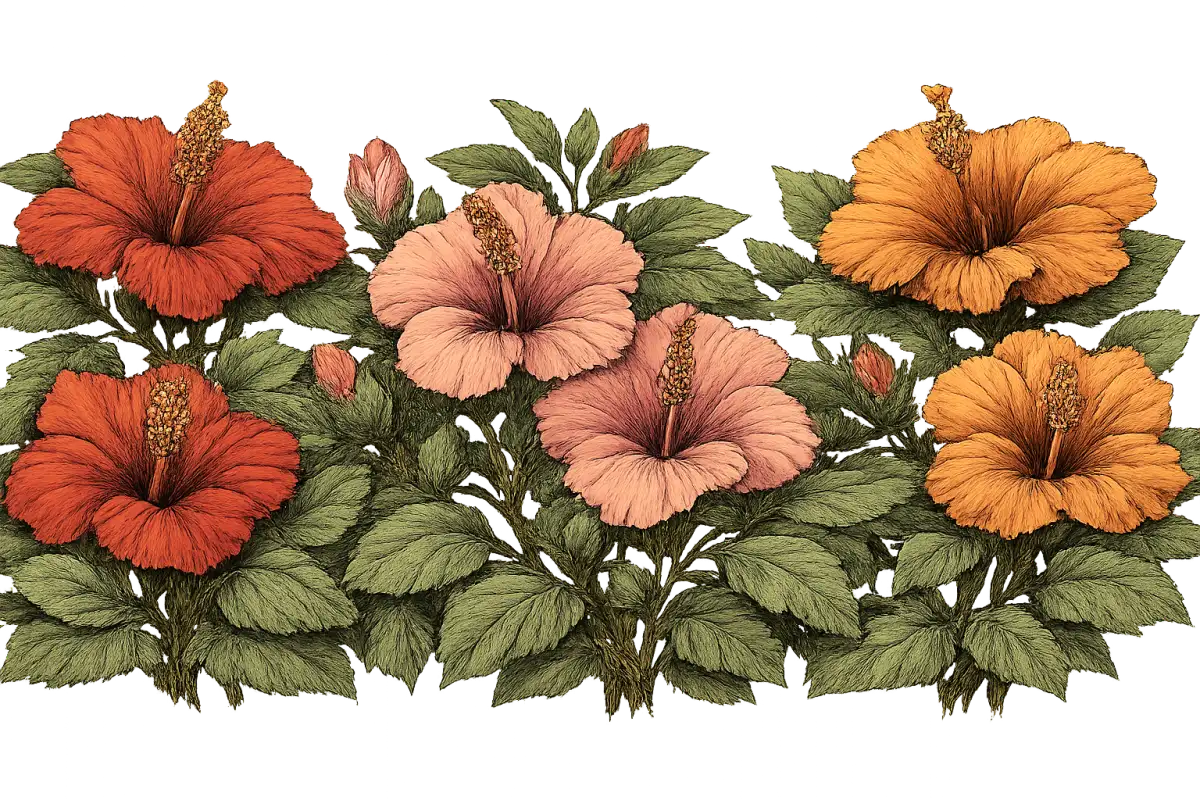
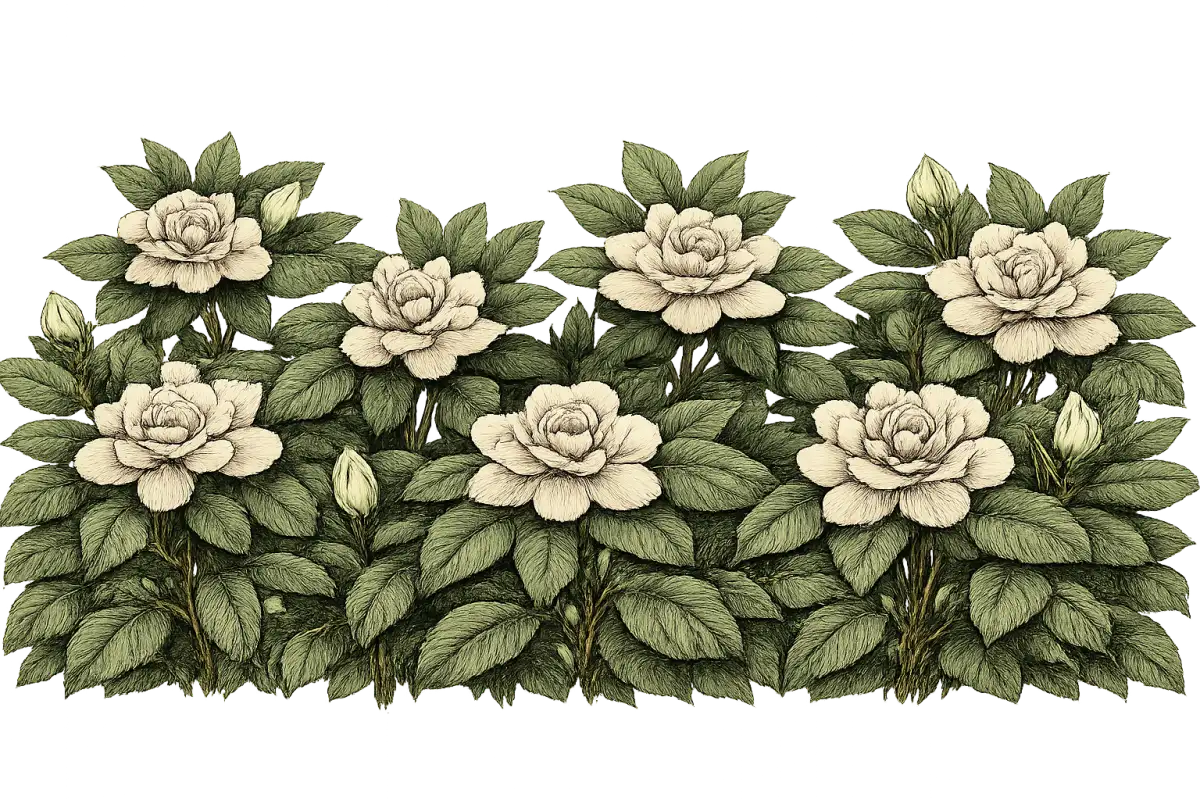
Zone 10 shrubs are dominated by tropical and subtropical species. Hibiscus, bougainvillea, plumbago, firebush, and tropical flowering shrubs form the landscape backbone. Oleander thrives in hot dry areas. Crotons provide the iconic Florida foliage. Traditional temperate shrubs like lilacs, forsythia, and cold-climate hydrangeas don't work. Camellias and gardenias still perform in many Zone 10 locations.
Worth trying (rating 3 — possible but challenging):
Best Perennials for Zone 10
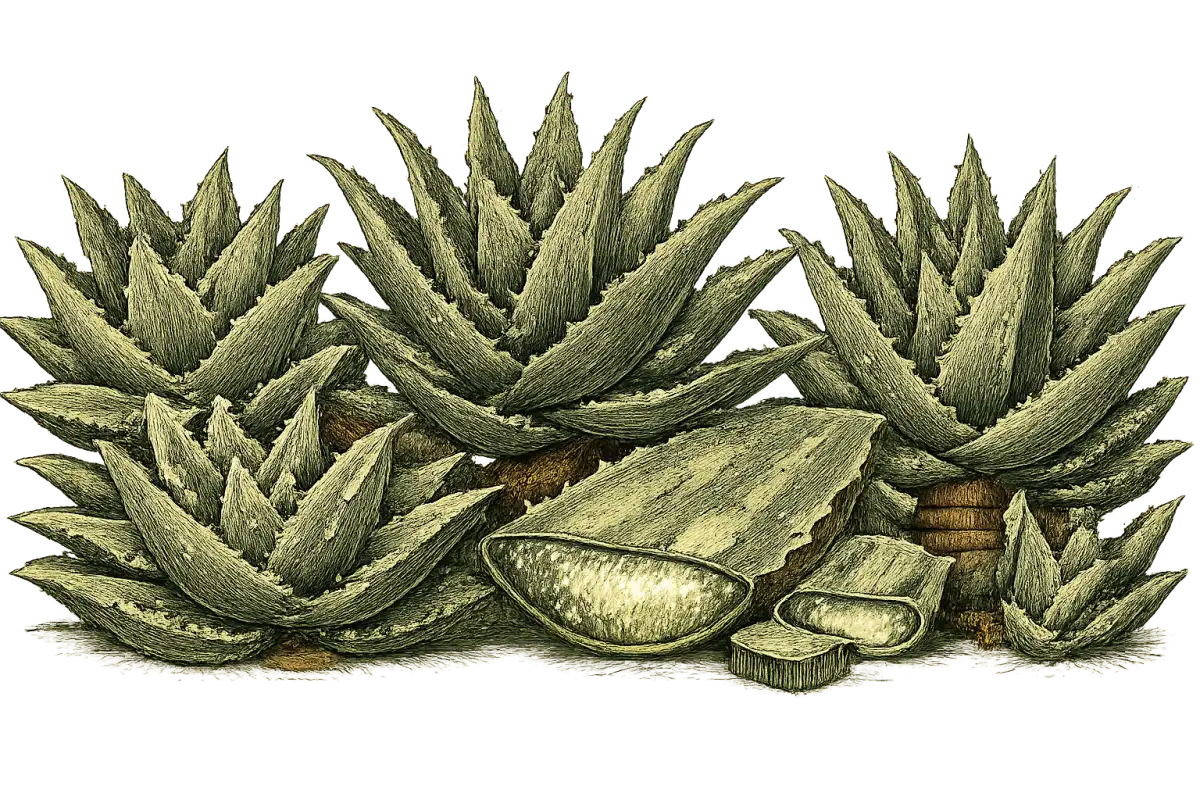
Zone 10 perennials are mostly tropical and subtropical plants. Cannas, gingers, heliconias, and tropical foliage plants thrive. Hardy tropical plants like crinum lilies and agapanthus become landscape staples. Many 'annuals' from colder zones behave as perennials here. Traditional cold-climate perennials (peonies, delphiniums, Russian sage) generally don't work — they need the cold they won't get.
Best Vines for Zone 10
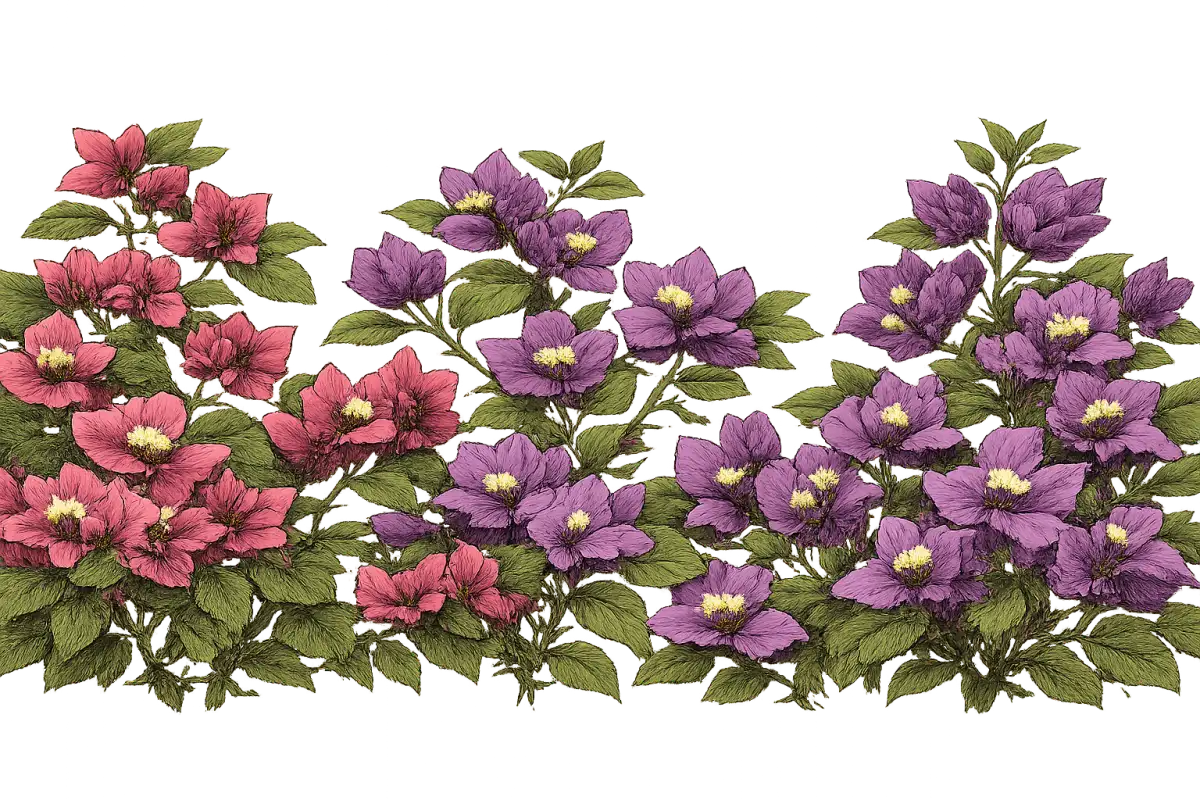
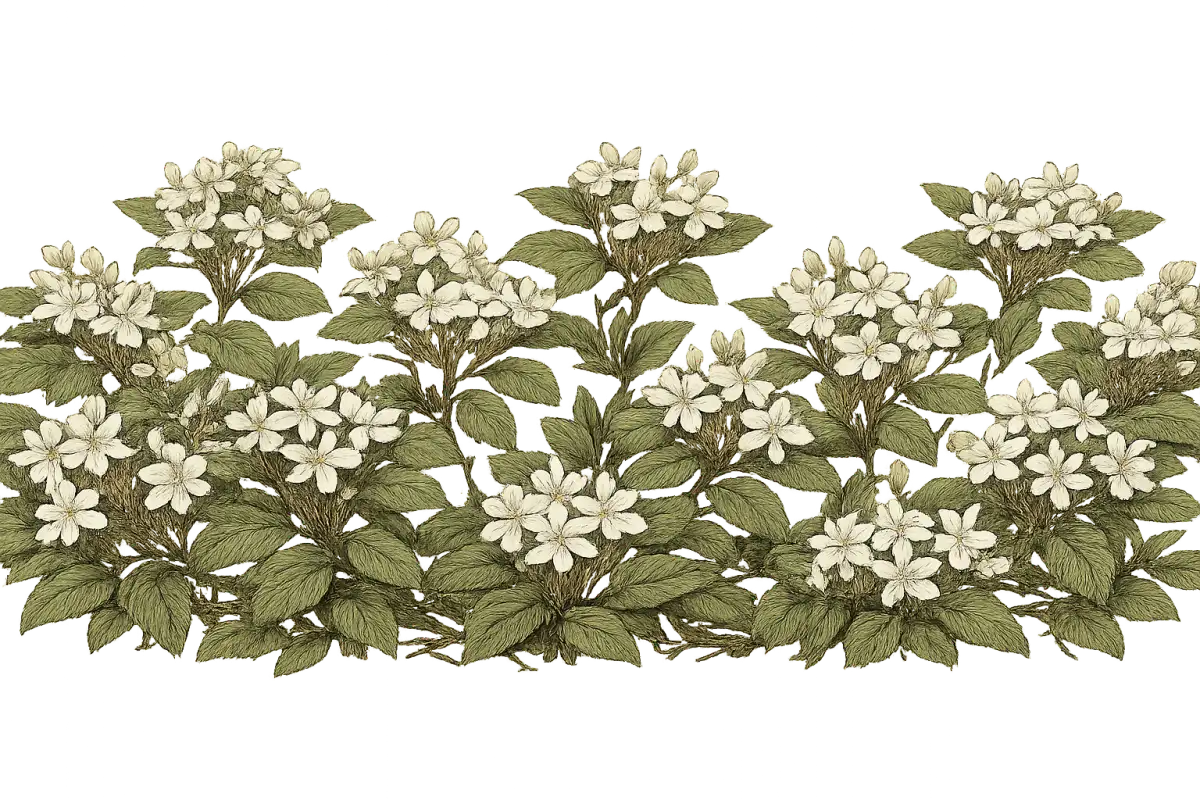
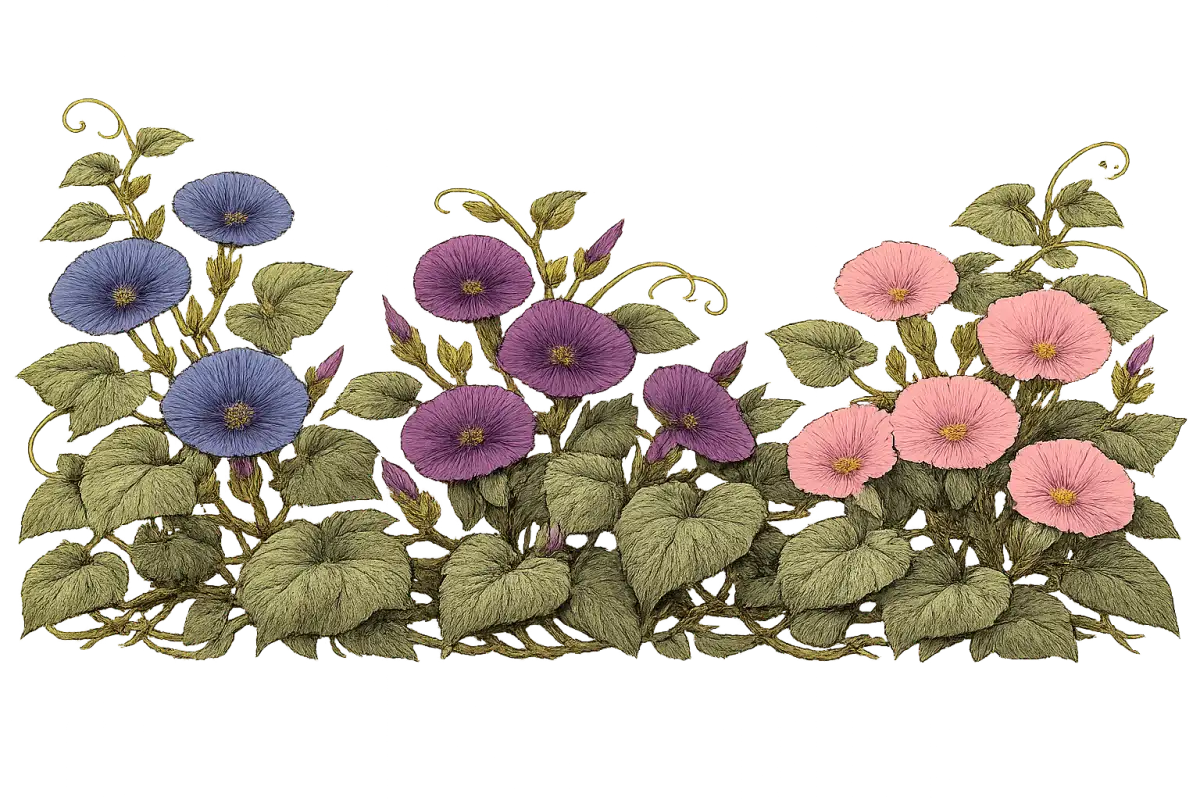
Zone 10 vines include many tropical climbers. Passion vines bloom year-round. Mandevilla, allamanda, and tropical flowering vines work as perennials. Bougainvillea sprawls everywhere. Bleeding heart vine, queen's wreath, and other tropical climbers become realistic. Native vines like coral honeysuckle still work. Traditional temperate vines (clematis, wisteria) generally underperform or fail.
Best Trees for Zone 10
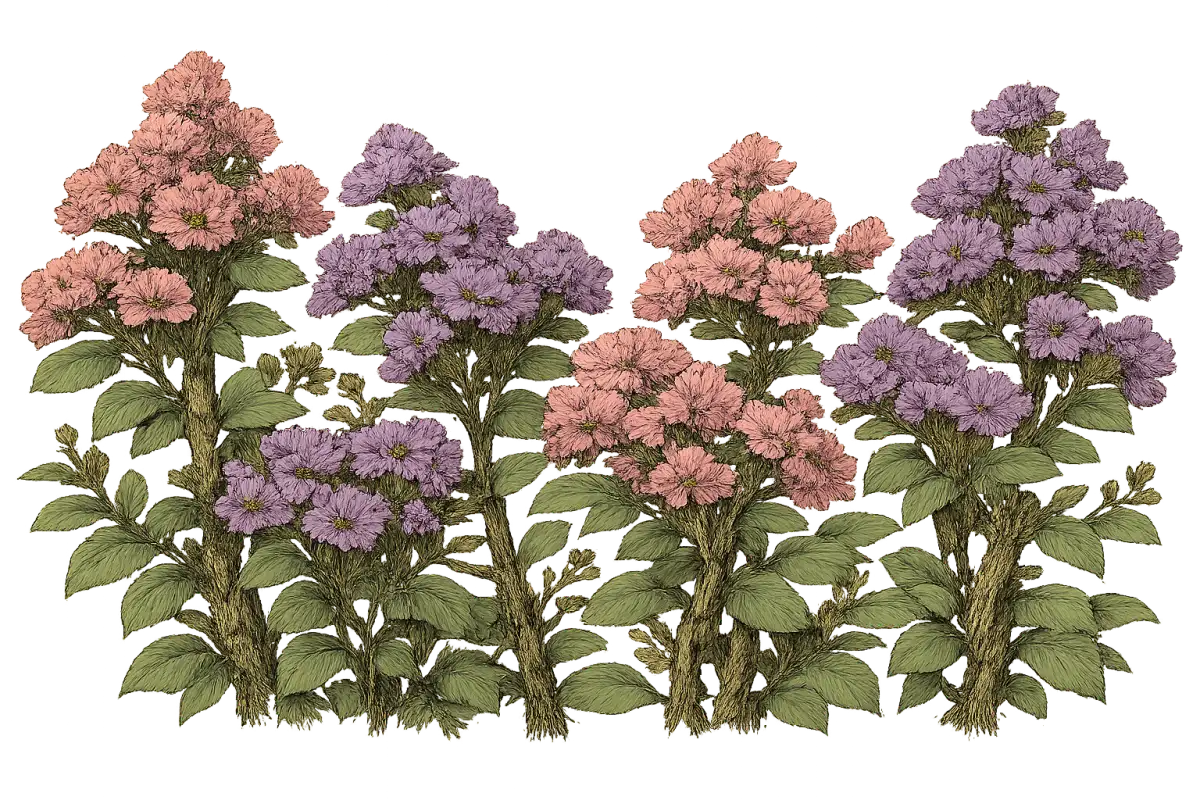
Zone 10 trees are a mix of tropical and subtropical. Palms of many kinds thrive — royal palms, coconut palms (in the warmest areas), date palms in dry sites. Tropical fruit trees like mango, avocado, papaya, and banana become landscape trees. Live oaks and southern magnolias still work in the cooler parts. Tropical flowering trees like royal poinciana and jacaranda become spectacular landscape features. Traditional temperate trees (most maples, birches, traditional fruit trees) mostly don't work.
Season Tips for Zone 10
Your prime growing season is fall through spring, not summer. In Florida Zone 10, most peak vegetable production happens between October and May. Summer is for heat-tolerant tropical plants and maintenance of existing gardens — not for planting new cool-season crops.
In dry Zone 10 (Arizona, inland California), water strategy is the foundation of the garden. Choose drought-tolerant plants, mulch heavily, use drip irrigation, and group plants by water needs. Desert-adapted landscapes actually do better here than traditional lawn-and-garden designs.
Microclimates in Zone 10
Zone 10 microclimates matter for two reasons: creating shade refuges from sustained summer heat, and protecting marginally hardy plants from occasional cold snaps. An east-facing exposure with afternoon shade is often the ideal planting site for heat-sensitive plants. South-facing walls get too hot for most plants in Florida and Texas Zone 10 but can be useful in cooler coastal California Zone 10. In humid areas, air circulation is critical to prevent fungal diseases — dense shade with stagnant air is a disease magnet.
Common Mistakes Zone 10 Gardeners Make
1. Trying to grow cold-climate plants
Apples, peonies, lilacs, tulips, traditional hydrangeas in full sun, and most plants that need winter cold simply don't work in Zone 10. Stop fighting the climate and embrace tropical and subtropical alternatives.
2. Planting tomatoes and peppers for summer harvest
Most tomato varieties stop producing when nights stay above 75°F. Plant tomatoes in September for a fall-winter harvest and again in January for a spring crop. Summer is too hot for traditional varieties.
3. Ignoring water efficiency in dry Zone 10
Traditional turf grass and water-hungry ornamentals in Phoenix or inland California are ecological and financial disasters. Switch to desert-adapted plants and rethink the entire landscape around water conservation.
4. Not protecting tender tropicals from rare cold snaps
Zone 10 sees occasional cold snaps every few years. Tropical plants that normally thrive can be damaged or killed by a single unusual night in the 30s. Keep frost cloth on hand for the coldest nights and know what temperatures your plants can tolerate.
Zone 10 FAQ
Can I grow a mango tree in Zone 10?
Yes, especially in the warmer parts of Zone 10 (10b). Mango trees are reliable in South Florida and the southern tip of Texas. They can handle brief temperatures down to about 25-30°F when established but young trees need frost protection. Choose varieties like 'Glenn', 'Tommy Atkins', 'Keitt', or 'Kent' for home gardens. In cooler coastal California Zone 10, mangoes are more challenging due to lack of summer heat.
Do apples work in Zone 10?
Only extremely low-chill varieties, and even those are marginal. 'Anna' and 'Dorsett Golden' apples need only about 150 chill hours and can produce in Zone 10, but fruit quality is often reduced. Traditional apples that need 600-1,000+ chill hours simply won't fruit. Most Zone 10 gardeners skip apples entirely in favor of tropical fruits better suited to the climate.
When is the best time to plant vegetables in Zone 10?
September through February. This is your peak gardening season in Zone 10. Plant cool-season crops (lettuce, broccoli, cabbage, peas, carrots) starting in October. Plant warm-season crops (tomatoes, peppers, eggplant) in September for fall harvest or January-February for spring harvest. Avoid planting most vegetables in May through August — it's too hot for reliable production.
Can I grow orchids outdoors in Zone 10?
Yes. Many orchids grow as landscape or garden plants in Zone 10, especially in South Florida. Cattleya, dendrobium, and oncidium orchids work well mounted on trees or in orchid-specific potting mixes. Vanda orchids thrive in the humidity of South Florida. Choose varieties based on your light conditions (morning sun with afternoon shade is often ideal) and water requirements.