Trees

Crepe Myrtle: Plant It Right Once and It Will Outlive Your Mortgage

Tom Bridger

Tom Bridger

Tree & Shrub Specialist · Updated April 2026

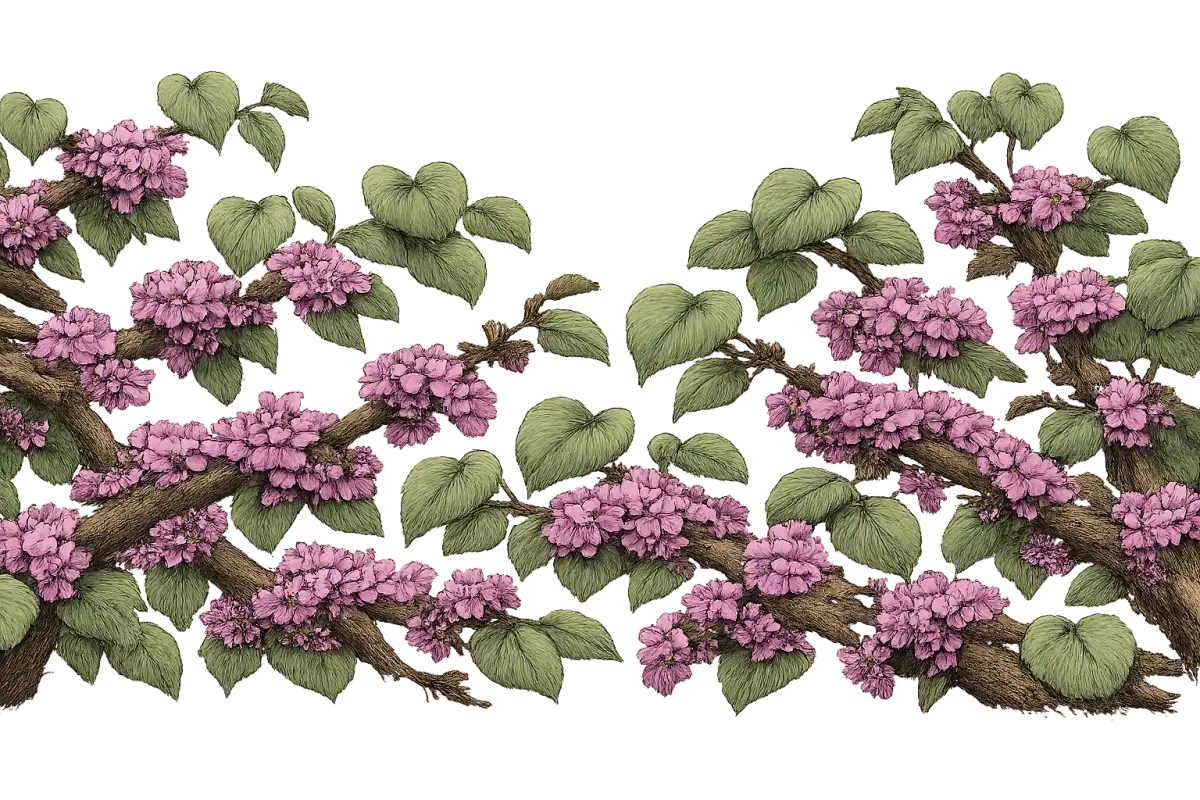
How to grow crepe myrtle — vintage botanical illustration showing the plant in detail

Crepe Myrtle at a Glance

Sun

Sun

8+ hours full sun

Soil pH

Soil pH

5.5-6.5

Water

Water

Deeply once per week during establishment (years 1-2)

Spacing

Spacing

36-240"

Height

Height

3-30 feet depending on variety

Soil type

Soil

Well-drained soil

Lifespan

Lifespan

perennial

Get your personalized growing data

Enter your zip code for frost dates, growing season, and soil type.

Walk through any neighborhood in the American South in February and you will see it: row after row of crepe myrtles hacked back to thick, knobby stubs. Some look like amputees. Some look like hat racks. Landscape crews did it last week, and they will do it again next year, and the year after that, because nobody stopped to ask a simple question before planting: how big does this thing actually get?

That single oversight -- buying a tree that will reach 25 feet and planting it against a one-story house -- has created what horticulturists now call "crepe murder." It is the most common landscaping mistake in the South, documented in virtually every cooperative extension publication on the subject. And the maddening part is that it is entirely avoidable. A crepe myrtle chosen correctly for its space and zone needs almost nothing from you once it gets through its first couple of years. No topping, no spraying, no babying. Just 60 to 90 days of spectacular summer bloom, followed by fall color, followed by some of the most beautiful winter bark of any ornamental tree in North America.

I have watched enough of these trees get ruined -- and enough of them thrive for decades in the right spot -- to know that the difference almost always comes down to two decisions made at the garden center, before a single shovel enters the ground. Choose the right size variety for your space. Choose a disease-resistant cultivar for your climate. Do those two things and the rest of this tree's care is genuinely easy.

Let's make sure you get those two things right.


Quick Answer: Crepe Myrtle Growing at a Glance

USDA Zones: 6 through 10 (zone 4-5 possible with dwarf cold-hardy varieties)

Sun: 8 hours of direct sunlight daily -- minimum, not target

Soil: Well-drained; pH 5.5-6.5 optimal, tolerates 5.0-7.5

Mature Size: Dwarf 3-5 ft / Medium 8-15 ft / Tree-form 15-30 ft (match to your space)

Watering: Deep and weekly during establishment (years 1-2); drought-tolerant after that

Fertilizer: Balanced slow-release in early spring only, if needed at all

Bloom Period: 60-90 days, typically June through September depending on zone

Pruning: Late winter only; remove crossing branches, dead wood, suckers -- nothing larger than your thumb

Disease Resistance: Choose L. fauriei hybrid cultivars (tribal names) for powdery mildew resistance

Three-Season Interest: Summer flowers, fall foliage, winter exfoliating bark


The Size Problem (And Why It Causes Every Other Problem)

Before we talk about soil, watering, pruning, or pests, we need to talk about mature size. Because if you get this wrong, nothing else matters.

Crepe myrtles are not one plant. They are a category of plants spanning an enormous size range. Pocomoke tops out at 3 to 5 feet and works beautifully as a border shrub or container specimen. Natchez reaches 25 to 30 feet and is, at full maturity, a genuine shade tree. These are not the same plant in different-sized pots. They have fundamentally different roles in the landscape, and substituting one for the other sets off a chain of problems that lasts for the life of the tree.

Here is how the chain works. Someone buys a tree-form variety -- Natchez, Tuscarora, Muskogee -- because it is beautiful at the nursery and the tag says "fast growing." They plant it 6 feet from the house. By year three it is pressing against the eaves. A landscape crew arrives in February with loppers and a saw. They cut everything back to 4-foot stubs. The tree pushes back dozens of thin, whippy shoots from every cut point. The homeowner calls it "pruning." Arborists call it crepe murder. The knuckled stubs get larger and uglier every year. The natural vase shape -- one of the crepe myrtle's defining qualities -- is gone permanently. And yet the crew comes back and does it again, every single winter, because the tree is still the wrong size for the space.

The fix is not better pruning technique. The fix is matching variety to space from the start.

Before you buy anything, measure. How much vertical clearance do you have -- to the eaves, to utility lines, to the underside of a second-story window? How much horizontal room exists between the planting spot and the nearest structure, walkway, or property line? Then match those numbers to mature size:

  • 3-5 feet of vertical space: Dwarf varieties -- Pocomoke, Razzle Dazzle Cherry, Razzle Dazzle Snow, Violet Filli
  • 8-15 feet of vertical space: Medium varieties -- Acoma, Hopi, Tonto, Sioux, Black Diamond series
  • 15-30 feet of vertical space: Tree-form varieties -- Natchez, Tuscarora, Muskogee, Dynamite

And one critical habit: read the plant tag for mature size, not current size. A 3-gallon Natchez looks like a small, manageable shrub at the garden center. It is not. In ten years it will be a 25-foot tree, and nothing you do with a pair of loppers will change that.


Best Crepe Myrtle Varieties by Zone

Zone and mature size are the two lenses through which every variety decision should be filtered. Get both right and you will almost certainly end up with a plant that thrives without drama for decades.

What zone are you in?

Enter your zip code for frost dates, growing season, and soil type.

Cold Zones (4-5): Treating Crepe Myrtle as a Die-Back Shrub

Traditional crepe myrtle wisdom holds that these trees are a southern plant -- zones 7 and warmer. Modern breeding has complicated that story, though the complications come with honest caveats.

For zones 4 and 5, there is currently one reliably cold-hardy option: Violet Filli. It is a dwarf variety with violet-purple flowers, and it is hardy to zone 4 -- the only crepe myrtle that can claim that distinction. In severe winters, it will die back to the ground. That is not a failure. Crepe myrtles bloom on new wood (the current season's growth), so Violet Filli simply resprouts from its roots in spring and still flowers that same summer. Think of it less as a permanent woody shrub and more as a very vigorous die-back perennial. Bloom period will be shorter than in warmer zones since the plant must regrow before it can flower, but it will bloom.

Site Violet Filli against a south- or west-facing wall where radiant heat from masonry adds a few degrees of winter protection. Avoid low-lying frost pockets where cold air settles overnight.

Transitional Zones (6): Pushing the Northern Frontier

Zone 6 is where crepe myrtles become genuinely interesting rather than truly reliable. The key development is the interspecific hybrid -- crosses between Lagerstroemia indica and L. fauriei -- which carry meaningfully better cold hardiness than pure L. indica cultivars. Most of the named cultivars developed by Dr. Donald Egolf at the US National Arboretum fall into this hybrid category. The naming convention he established -- Native American tribal names -- is your shorthand for identifying them at the nursery.

In zone 6, expect some dieback in harsh winters, particularly in exposed sites. The plants reliably resprout. Pocomoke (dwarf, deep pink) and Acoma (medium, white, weeping form) are good choices here. Any cultivar bearing a tribal name carries L. fauriei genetics and handles zone 6 winters better than unnamed or pure L. indica selections.

Two zone 6 practices worth emphasizing: apply 3 to 4 inches of mulch over the root zone in late fall to insulate against freeze-thaw cycles, and do not prune in fall under any circumstances. Fall pruning stimulates new growth that will not harden off before winter. Leave all growth intact through the cold months and prune in March once you are confident hard freezes are behind you.

Fully Reliable Zones (7): Where Woody Structure Becomes Permanent

Zone 7 is the northern edge of dependable crepe myrtle performance in the truest sense -- where plants develop permanent woody structure and grow, over time, to their full mature dimensions. Occasional tip dieback occurs in severe winters, but it is cosmetic. The main structure holds.

All three size categories perform well here. Tree-form varieties -- Natchez, Tuscarora, Muskogee -- will reach 20-plus feet given enough years, so the size-matching discipline discussed above matters most in zone 7 where people are often tempted to plant tree-form varieties in suburban yards. Spring growth starts a bit later than in zones 8 and 9; expect first blooms in July rather than June.

For disease resistance in zone 7's humid summer conditions, stick with L. fauriei hybrids. Tuscarora (coral pink, 20-25 feet) and Hopi (medium pink, 8-15 feet) both carry excellent mildew resistance and handle zone 7 winters with minimal fuss. For gardeners wanting something visually different, the Black Diamond series -- medium-size cultivars with dark burgundy-to-black foliage -- creates striking contrast against bright flower colors and performs well in zone 7.

The Sweet Spot (8-9): Where Crepe Myrtles Become Everything They Promise

Zones 8 and 9 are where crepe myrtles do exactly what they were put on this earth to do. No winter damage. Bloom periods stretching 60 to 90 days, sometimes more, from late May into September. Three full seasons of genuine ornamental interest.

This is also the zone where the full tree-form varieties hit their stride. A mature Natchez in zone 9 -- 25 to 30 feet, multiple trunks, cinnamon-colored exfoliating bark that glows in winter light -- is one of the finest ornamental trees available to American gardeners, full stop. If you have the space, few things you could plant will reward you as consistently over decades.

Natchez is my personal recommendation for anyone in zones 8-9 with room for a tree-form specimen. White flowers, the best bark display of any crepe myrtle cultivar, outstanding mildew resistance, and a natural vase shape that is architecturally beautiful even in the dead of winter when the bark is the whole show.

For smaller spaces in zones 8-9: Tonto (fuchsia-red, 8-15 feet) is notable for its exceptional fall foliage color, better than most in the medium category. Dynamite delivers the truest red flower color of any tree-form cultivar -- an important distinction since many "red" crepe myrtles trend toward pink at full bloom.

For gardeners in humid parts of zones 8-9 where powdery mildew is a persistent problem, the tribal-named cultivars are not merely preferable -- they are strongly recommended. A susceptible variety in a humid, shaded site will need fungicide attention year after year. A resistant L. fauriei hybrid in full sun will never need it.

Hot Climates (Zone 10): More Sun, More Season, More Water

Crepe myrtles are genuinely heat-tolerant and thrive in zone 10. The growing season extends further in both directions -- flowers may appear in May and persist into October. All cultivars perform well in terms of cold hardiness since winter is not a meaningful constraint.

The primary zone 10 consideration is irrigation. Despite their drought tolerance, extreme sustained heat increases water demand, and established trees in very hot, dry climates may need supplemental deep watering more often than their zone 8-9 counterparts. Mulch management is especially important here: it moderates soil temperature and reduces evaporation during the most brutal summer weeks. Replenish it more frequently in zone 10 since organic matter breaks down faster in the heat.

Quick Reference Table: Top Picks by Zone

Zone GroupTop 3 VarietiesSize ClassWhy
4-5Violet FilliDwarfOnly zone 4-hardy option; blooms on new wood after dieback
6Pocomoke, Acoma, any tribal-named hybridDwarf / MediumL. fauriei genetics for cold and disease tolerance
7Tuscarora, Hopi, Black Diamond seriesMedium / TreeFull zone reliability; mildew resistance in humid summers
8-9Natchez, Dynamite, TontoTree / MediumFull performance; best bark, color, and bloom
10Natchez, Tuscarora, MuskogeeTreeHeat-tolerant; extended season; irrigate in peak heat

Sun, Soil, and Site: The Foundation Decisions

Sunlight Is the Non-Negotiable

Eight hours of direct sunlight daily. Not six. Not "mostly sun." Eight hours, minimum. This is the one site requirement that allows absolutely no compromise.

In partial shade -- say, four to six hours of sun -- a crepe myrtle may survive, but it will produce perhaps 20% of the bloom it would in full sun. It will struggle with powdery mildew because shade keeps foliage damp longer and blocks the UV light that suppresses fungal growth. Its growth will be leggy and unbalanced as stems reach toward available light. Its fall color will be dull. The plant will be a permanent disappointment, and no amount of fertilizer, fungicide, or wishful thinking will fix it.

If the best available spot in your yard gets only six hours, plant something else. Crepe myrtles in partial shade are an exercise in frustration.

When you are evaluating a site, track sunlight through one full summer day -- morning to evening. Shade patterns shift dramatically through the growing season, and the dappled light that looks adequate in April may be blocked by full leaf canopy in July.

Morning sun exposure carries a specific bonus in humid climates: it dries overnight dew from foliage quickly, closing the window for fungal infection. A site with good eastern morning exposure will have materially fewer mildew problems than one that gets sun only in the afternoon.

Drainage Before Everything Else

Crepe myrtles are remarkably adaptable to soil type. Clay, loam, sand -- they will grow in all of them. The one condition they will not tolerate is waterlogged soil. Standing water around the root zone promotes root rot and can kill an otherwise healthy plant. This is especially dangerous in winter when dormant roots sitting in saturated, frozen ground have no way to recover.

Before planting, perform a simple drainage test: dig a hole 12 inches deep, fill it with water, let it drain completely, fill it again, and time the second drain. If it empties in one to four hours, you have excellent drainage. Four to eight hours is acceptable. Eight to twelve hours is marginal -- plant on a raised berm or in a raised bed. More than twelve hours means this is not a crepe myrtle site.

If drainage is marginal, the fix is not to amend just the planting hole. Digging a fluffy hole in clay creates a bathtub -- water flows in easily but cannot drain through the surrounding clay, leaving roots saturated. Instead, amend the entire planting bed with coarse organic matter (composted pine bark works well) worked into the top 12 inches across an area at least three times the width of the root ball. Better still, build a raised berm 8 to 12 inches above grade. Root rot is not something you solve after the fact.

Soil pH: Flexible, Not Irrelevant

Crepe myrtles tolerate a fairly wide pH range -- 5.0 to 7.5 -- and perform well within the optimal window of 5.5 to 6.5. Below 5.0, nutrient lockout becomes a concern. Above 7.5, iron and manganese availability drops and you may see interveinal chlorosis (yellow leaves with green veins) developing.

If you are in that 5.0 to 7.5 range, you are fine without any amendment. If you are outside it, a soil test from your county extension service (typically $10 to $15) will tell you how far to adjust and with what. Lower pH with elemental sulfur; raise it with dolomitic lime. Do not guess -- over-correction is worse than the original problem.


Planting and Establishment: The Two Years That Determine Everything

When and How to Plant

In zones 6 and 7, plant in spring after the last frost date, giving roots a full growing season to establish before winter arrives. In zones 8 through 10, early fall planting is also acceptable and sometimes preferred, as cooler temperatures reduce transplant stress.

The planting process itself is straightforward, but two steps deserve special attention.

First, check the root ball for circling roots before the plant goes in the ground. If roots are wrapping around the outside of the ball -- common with container-grown stock that has been in its pot too long -- score them with a knife or gently tease them apart. Circling roots that are not addressed will continue growing in that circular pattern, eventually girdling the trunk and strangling the tree from below. It is a slow death and an invisible one until the tree starts declining for no apparent reason years later.

Second, set the root flare at or slightly above the surrounding soil grade -- never below it. The root flare is the point where the trunk widens and transitions into the root system. Burying it even a few inches traps moisture against the bark, invites rot, and suffocates roots. If you bought balled-and-burlapped stock, remove soil from the top of the root ball until you can identify where the first major roots emerge from the trunk, then set that point at grade.

After planting: backfill with native soil (not amended soil -- see the bathtub problem above), water deeply to settle air pockets out of the soil, and mulch immediately with 2 to 3 inches of shredded hardwood bark, pine bark, or pine straw. Keep that mulch 3 to 4 inches away from the trunk. Mulch against bark traps moisture, promotes rot, and creates habitat for insects that bore into the wood.

The Two-Year Establishment Window

An established crepe myrtle is one of the most maintenance-free ornamental trees in American horticulture. An unestablished one can fail, even in the right zone, even in good soil, even with adequate sun.

During the first two weeks after planting, water every two to three days with a slow, deep soak at the base of the tree -- a garden hose on low trickle for 15 to 20 minutes, or a soaker hose running for 20 to 30 minutes. The goal is to saturate the root zone deeply, encouraging roots to grow downward. Shallow, frequent watering produces shallow roots that are the first to fail in drought.

From months two through six, pull back to once a week. In year two, once every 10 to 14 days if no significant rainfall arrives. By year three, the root system should be established enough in native soil that you can start monitoring for stress signs rather than watering on a schedule. By year four, most crepe myrtles in zones 7 through 9 need supplemental water only during extended droughts of three or more weeks.

One thing not to do during establishment: fertilize at planting time. The stress of transplanting combined with fertilizer can burn tender roots. Wait six weeks after a spring planting, then apply a balanced slow-release fertilizer (10-10-10 or 8-8-8) at the label rate. In year two, one early-spring application is sufficient. By year three and beyond, a healthy crepe myrtle in decent soil often needs nothing.


Watering for the Long Term: Drought Tolerance Is Earned, Not Assumed

The phrase "drought-tolerant once established" appears constantly in crepe myrtle literature, and it is accurate -- but the "once established" qualifier does real work. Drought tolerance is not a trait the tree arrives with. It is built over the first two years through a root system that has spread deep and wide into native soil. Skip those two years of consistent deep watering and the tree may survive but never develop the resilience the species is known for.

Once that root system is in place, the calculus flips. For established crepe myrtles in zones 7 through 9, natural rainfall is typically sufficient. The trees that get into trouble are usually the ones on automatic irrigation systems that run on a timer regardless of what the weather is doing. Overwatering kills more established crepe myrtles than drought does. The signs are easy to misread: yellowing lower leaves, leaf drop during the growing season, sluggish growth -- symptoms that look like drought stress or nutrient deficiency but are actually the results of roots sitting in chronically wet soil.

Before you water an established crepe myrtle, push a finger or a moisture meter 3 to 4 inches into the soil. If it is moist, put the hose away. The tree does not need what you are about to give it.

When drought does require intervention -- three or more weeks without rain, temperatures above 90 degrees -- water deeply and infrequently. A slow, 15 to 20-minute trickle at the base every two to three weeks is better than brief daily sprinkles that wet only the surface and train roots to stay shallow.

Mulch is your best tool for extending the intervals between necessary waterings. A proper 2 to 3-inch ring of organic mulch extending from 3 to 4 inches off the trunk out to the drip line reduces surface evaporation by up to 70%, according to the growing literature. It moderates soil temperature, suppresses competing weeds, and slowly improves soil structure as it decomposes. Replenish it annually. And always, always keep it away from the trunk.

What zone are you in?

Enter your zip code for frost dates, growing season, and soil type.


Pruning: The 15-Minute Job That Most People Do Wrong

Correct crepe myrtle pruning is fast, conservative, and done with hand pruners and loppers -- not a chainsaw. If you need a chainsaw, you are not pruning. You are committing crepe murder, and we have already talked about where that leads.

When to Prune

Late winter, before new growth begins. The timing varies by zone:

  • Zones 8-10: Late January through February
  • Zone 7: February through early March
  • Zone 6: March, once you are confident hard freezes are done

Pruning in late winter works for two reasons. The tree is dormant, so there is no tender new growth to damage. And without leaves, the branch structure is completely visible -- you can see exactly what needs to come out and make clean decisions without the visual noise of foliage.

One critical timing rule: never prune in fall in zones 6 or 7. Fall pruning stimulates new growth that will not harden off before winter. That tender growth is highly susceptible to cold damage, potentially killing the branch back well past the pruning cut. The existing branches, even if they look untidy through winter, provide protection. Leave them.

What to Remove -- and What to Leave Alone

There are four things to remove during late winter pruning, and all of them are relatively small:

Crossing and rubbing branches. When two branches cross and press against each other, the friction wounds bark and opens the door for disease. Remove the weaker or more awkwardly positioned of the two, cutting back to where it originates from a larger branch.

Dead wood. Dead branches snap rather than bend, the bark is gray and peeling in a different way than healthy exfoliation, and there are no buds visible. Cut dead branches back to living wood or remove them at the trunk.

Small interior twigs. Pencil-diameter or smaller growth pointing inward toward the center of the canopy can be cleaned out to improve air circulation and light penetration. This does real work against powdery mildew by reducing the still, moist air conditions the fungus needs.

Basal suckers. The vigorous shoots that sprout from the base of the trunk or from the root zone should be removed at their point of origin every year. Left unchecked, they compete with the main trunks, clutter the base, and obscure the beautiful exfoliating bark.

Here is the governing principle, sometimes called the thumb rule: if you are cutting anything thicker than your thumb in diameter, you are probably cutting too much. Everything on that removal list is small. If your pruning saw is engaging on a major limb, stop. The tree does not need what you are about to do to it.

What you are preserving is the natural vase shape -- multiple trunks rising from the base, arching gently outward, supporting a rounded canopy. This is the architecture that makes crepe myrtles beautiful. Correct pruning enhances it. Topping destroys it permanently.

Recovering a Murdered Tree

If you have inherited a property with a previously topped crepe myrtle, partial recovery is possible, though the ugly knuckled stubs at the cut points will always remain visible to some degree.

In year one, look at each knuckle and the cluster of thin shoots it has produced. Select the one or two strongest, most upward-growing shoots from each knuckle and remove everything else. This is a significant reduction in the number of shoots, but it redirects the tree's energy into fewer, stronger branches that can begin developing actual structure.

In year two, the selected shoots from year one should be stronger and starting to look like real branches. Continue removing competing shoots from the knuckles. Begin normal maintenance pruning -- crossing branches, interior twigs, suckers. The tree will start recovering some architectural grace.

By year three and beyond, the vase shape will partially re-establish. It will never be as clean as an unpruned tree, but it will be meaningfully better than what you started with.

When is replacement the better option? If the topping has been severe and repeated for many years and the knuckle damage is extensive, a new correctly-sized cultivar planted in the same spot will look better within three to four years than the damaged tree ever will. Sometimes the right answer is a fresh start with the right plant.


Pests and Diseases: What to Worry About (and What to Let Go)

Crepe myrtles are generally healthy, low-maintenance trees. Most pest and disease problems trace back to cultural mistakes -- insufficient sun, poor air circulation, or a disease-susceptible variety. Fix the culture and you will rarely need to reach for a spray bottle.

Powdery Mildew: Variety Selection Is the Solution

Powdery mildew is the most significant disease that affects crepe myrtles. The white to gray powdery coating on leaves and young shoots is most prevalent in spring and fall when temperatures run between 60 and 80 degrees Fahrenheit and humidity is high. Shaded locations with poor air circulation are significantly worse than sunny, open sites.

The most important thing to understand about powdery mildew is that the best management decision is made at the garden center, before you plant. Hybrids between L. indica and L. fauriei carry dramatically superior resistance bred into their genetics. No amount of fungicide spraying on a susceptible variety in a shaded spot will match the protection that comes from choosing the right cultivar at the outset.

The reliable indicator of L. fauriei parentage: the Native American tribal naming convention established by Dr. Donald Egolf at the US National Arboretum. Natchez, Tuscarora, Muskogee, Acoma, Hopi, Tonto, Sioux -- these names signal interspecific hybrid genetics and the mildew resistance that comes with them. If a cultivar has a tribal name, it is almost certainly a National Arboretum hybrid. If it does not, treat it as potentially susceptible.

For mild mildew cases on established, susceptible trees: often cosmetic only. Mildew tends to decline on its own as summer heat arrives -- the fungus stalls above 90 degrees. For moderate cases, horticultural oil or neem oil applied at first sign and coating both leaf surfaces can slow spread. For severe or chronic cases, myclobutanil or propiconazole fungicide applied on a 7 to 14-day schedule during active infection is effective. But if the same tree needs spraying every year, the honest answer is to replace it with a resistant variety. It is less expensive and less work over any meaningful time horizon.

Aphids: Usually Best Left Alone

The crepe myrtle aphid (Tinocallis kahawaluokalani) feeds specifically on crepe myrtle foliage and is ubiquitous across the Southeast. Small, pale green insects cluster on the undersides of leaves and on new growth, producing copious honeydew that drips on everything below the canopy -- patio furniture, cars, sidewalks -- and then develops into sooty mold, a black coating that follows the honeydew.

Here is the counterintuitive truth about aphid management: most infestations are self-correcting. Ladybugs, lacewings, and parasitic wasps typically control aphid populations within two to four weeks of the initial outbreak. The worst thing most gardeners do is reach for a systemic insecticide at the first sign of aphids, killing all of those natural predators in the process and making subsequent outbreaks worse because the biological control is gone.

First response: do nothing. Monitor for two to three weeks. If intervention becomes genuinely necessary, a strong spray of water from a garden hose knocks aphids off the plant effectively and does not harm beneficial insects. Insecticidal soap or neem oil applied directly to aphid colonies is the next step. Systemic insecticides (imidacloprid) are a last resort -- and critically, if you use them, apply only after bloom ends. These compounds are highly toxic to pollinators, and crepe myrtles are heavily visited by bees during their bloom period.

Crepe Myrtle Bark Scale: The Emerging Threat to Know

Crepe myrtle bark scale (Acanthococcus lagerstroemiae) is an invasive pest from Asia first identified in the US in 2004 in Richardson, Texas. It has since spread across much of the Southeast -- Texas, Louisiana, Arkansas, Oklahoma, Mississippi, Alabama, Georgia, Tennessee, both Carolinas, Virginia, and parts of Florida -- and continues spreading northward and eastward.

The identification is distinctive: white or gray felt-like encrustations on branches, trunk, and bark crevices. When you crush the insects, they exude bright pink or lavender fluid -- that color is the diagnostic. Heavy infestations produce large amounts of honeydew and the sooty mold that follows it, eventually coating the exfoliating bark display (one of the tree's best features) in black.

For light infestations, scrub visible colonies off the bark with a soft brush and soapy water during winter dormancy. Moderate infestations respond to horticultural oil applied during dormancy to smother overwintering scale. Heavy infestations warrant a systemic insecticide (imidacloprid or dinotefuran) applied as a soil drench in May -- same pollinator timing warning applies. Inspect new nursery purchases carefully before planting, since bark scale spreads readily through infected nursery stock.


The Mistakes That Cost Homeowners the Most

I have covered some of these already, but they bear consolidating in one place because they come up constantly -- and several of them are expensive to fix after the fact.

Crepe Murder (The Expensive One)

The most common landscaping mistake in the American South has its own name because it is that prevalent. Topping all branches to thick stubs creates ugly knuckled scar tissue that grows larger every year, forces structurally weak regrowth that is prone to breaking in storms, ruins the natural vase shape permanently, and destroys the exfoliating bark display that is one of the tree's finest qualities. It does not improve flowering -- topped trees produce clusters on weak stems that droop under the weight. The overall display is worse, not better.

The only fix that actually works: stop topping and select the best shoots from each knuckle. But the deeper fix is not doing it in the first place by choosing the right variety size.

Insufficient Sunlight

Worth repeating here because it causes so many secondary problems. A crepe myrtle in less than eight hours of direct daily sun will flower poorly, struggle with powdery mildew, grow leggy and unbalanced, and produce disappointing fall color. The site evaluation has to happen before planting, not after. Track sunlight at the intended location through one full day. If you cannot find 8 hours, find a different plant.

Volcano Mulching

Landscape crews pile mulch into mounds directly against the trunk -- sometimes six to twelve inches deep -- and it is wrong every time. Mulch against bark traps moisture and promotes rot. It creates habitat for bark-boring insects. It encourages surface roots to grow up into the mulch rather than outward into the soil. Over years it can girdle the trunk as those misguided roots wrap around the base.

The correct technique: a flat ring of mulch 2 to 3 inches deep, starting 3 to 4 inches away from the trunk (a visible gap), extending out to the drip line. Every time you see someone piling mulch against a tree trunk, that is the volcano mistake.

Fall Pruning in Cold Zones

In zones 6 and 7, any pruning done in fall stimulates new growth that cannot harden off before temperatures drop. That tender growth dies back in the first hard freeze, sometimes pulling the damage well past the pruning cut. Leave the tree alone from October through February. Prune in late winter once hard freezes are reliably behind you.

Planting Too Deep

Burying the root flare even a few inches leads to bark rot and suffocated roots -- a slow decline that takes years to manifest and is hard to diagnose once it does. Find the root flare before the plant goes in the ground. Set it at or slightly above the surrounding grade. Never cover the trunk with soil.

Late-Season Fertilizing

Applying fertilizer after July 1 in zones 6 and 7, or after July 15 in zones 8 and 9, pushes tender new growth with the same problem as fall pruning -- it will not harden off in time. Established crepe myrtles in good soil often need no fertilizer at all. If you do fertilize, one early-spring application of balanced slow-release as buds begin to swell is sufficient.


Three Seasons of Honest Beauty

I want to close with something that gets lost in all the talk of mistakes and best practices: crepe myrtles, grown right, are genuinely extraordinary landscape plants.

Summer is the obvious season. The flower clusters -- in white, pink, red, coral, lavender, or purple depending on variety -- appear in June or July and persist for 60 to 90 days. This is one of the longest bloom periods of any flowering tree available to American gardeners. In zones 8 and 9, the display stretches from late May into September.

Fall is underappreciated. Leaves turn yellow, orange, and red before dropping -- not consistently across all varieties, but notably so in some. Tonto is particularly recognized for its fall color among medium varieties. It is not the drama of a red maple, but it adds a third season of interest that most ornamental flowering trees cannot offer.

Winter is the season that surprises people. The exfoliating bark on mature trunks -- peeling away in strips to reveal smooth inner bark in shades of cinnamon, taupe, cream, or gray -- is architecturally striking in a way that is genuinely difficult to describe until you have seen it in January light. Natchez produces the most celebrated version of this: smooth, cinnamon-colored bark that makes the multi-stemmed vase shape look like sculpture when everything else in the landscape is dormant and bare.

This is a tree that earns its keep across three seasons of the year for decades. None of that is available to you if you plant the wrong size in the wrong spot and spend the next 20 years fighting it. All of it is available if you spend ten minutes measuring your space before you buy.

That is the whole trade. Measure first. Match variety to space and zone. Get through two years of establishment. Then step back and let the tree do what it was always going to do.

What zone are you in?

Enter your zip code for frost dates, growing season, and soil type.


Frequently Asked Questions

Why do I see so many crepe myrtles cut back to stubs every winter? Is that correct?

No. This practice -- called crepe murder -- is the most common landscaping mistake in the South. It creates ugly knuckled scar tissue at every cut point, forces structurally weak regrowth, permanently ruins the natural vase shape, and does not improve flowering. It happens because someone planted a tree-form variety (which will reach 25 to 30 feet) in a space that only accommodates 8 to 10 feet, and annual topping became the "solution." Correct crepe myrtle pruning involves removing only crossing branches, dead wood, small interior twigs, and basal suckers -- work that takes 15 to 30 minutes per tree with hand pruners and loppers.

Can I grow a crepe myrtle in zone 6?

Yes, with appropriate variety selection and site preparation. Modern L. fauriei hybrid cultivars carry better cold hardiness than older pure L. indica varieties. Expect some dieback in harsh winters, but the plants reliably resprout. Choose a south- or west-facing site for radiant heat protection, apply 3 to 4 inches of mulch over the root zone in late fall, and never prune in fall. Treat zone 6 crepe myrtles as large shrubs rather than permanent tree-form specimens, and select accordingly.

What is the difference between L. indica and L. fauriei hybrids?

Lagerstroemia indica is the common crepe myrtle species that has been grown in the American South for generations. Lagerstroemia fauriei is a Japanese species bred into modern cultivars by Dr. Donald Egolf at the US National Arboretum. The hybrids between them carry two key improvements: meaningfully better cold hardiness and dramatically superior resistance to powdery mildew. Most of these hybrids were given Native American tribal names -- Natchez, Tuscarora, Muskogee, Hopi, Tonto, Sioux, Acoma -- which is the easiest way to identify them at the nursery.

My crepe myrtle has white powder on the leaves. What do I do?

Powdery mildew. For mild cases on otherwise healthy trees, it is often cosmetic and subsides when summer heat arrives -- the fungus stalls above 90 degrees Fahrenheit. For moderate cases, neem oil or horticultural oil applied at first sign and coating both leaf surfaces can slow spread. For chronic or severe cases, consider replacement with an L. fauriei hybrid cultivar. If the same tree needs treatment every year, spraying is treating the symptom while the cause -- a susceptible variety in insufficient sun -- remains unchanged.

How do I know if crepe myrtle bark scale is in my area?

As of recent reports, crepe myrtle bark scale has been confirmed in Texas, Louisiana, Arkansas, Oklahoma, Mississippi, Alabama, Georgia, Tennessee, North Carolina, South Carolina, Virginia, and parts of Florida. If you are in or near these states, inspect bark crevices and branch junctions annually. The diagnostic sign is white or gray felt-like encrustations that, when crushed, release bright pink or lavender fluid. Check nursery stock carefully before purchasing -- the pest spreads readily through infected plants.

Do I need to deadhead spent flowers to get reblooming?

Deadheading -- removing spent flower clusters -- may encourage a light second flush of bloom in some varieties, but many crepe myrtles will rebloom regardless. Whether the effort is worthwhile depends on the size of the tree. On a small to medium variety, clipping seed pods is practical. On a 25-foot Natchez, the effort is considerable for a modest benefit. If you do deadhead, clip just below the pod cluster. Do not cut the branch back further than that.

How fast do crepe myrtles grow?

Growth rates vary by variety and growing conditions, but tree-form varieties in zones 8 and 9 are genuinely fast-growing once established -- capable of adding 3 to 5 feet per year under good conditions. This is part of why the mature size decision matters so much: a plant that looks manageable at the nursery can become a 25-foot tree within a decade. Medium varieties grow more slowly but still develop meaningful structure within three to five years. Dwarf varieties establish their mature form relatively quickly.


Research for this guide draws on extension service literature and cultivar trial data from the US National Arboretum breeding program, Texas A&M AgriLife Extension, Clemson Cooperative Extension, University of Florida IFAS Extension, and the collective field experience of county extension horticulturists across zones 6 through 10.

Where Crepe Myrtle Grows Best

Crepe Myrtle thrives in USDA Zones 8, 9, 10. Explore each zone's complete guide for growing tips, companion plants, and seasonal advice.

Also possible in: Zone 7 (challenging but possible with the right conditions).

Not sure of your zone? Look it up by zip code →