Vegetables

Stop Babying Your Beans: A No-Nonsense Guide to Growing More Than You Can Eat

James Calloway

James Calloway

Vegetable & Edibles Specialist · Updated April 2026

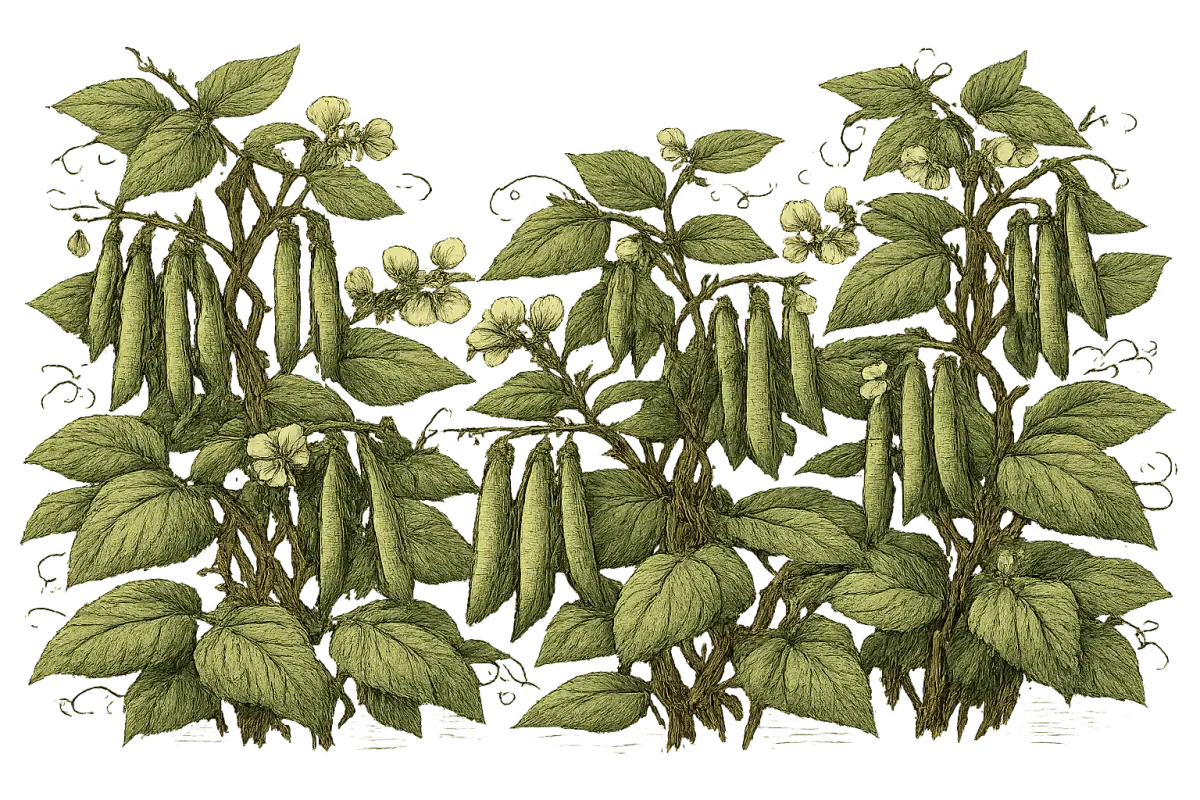
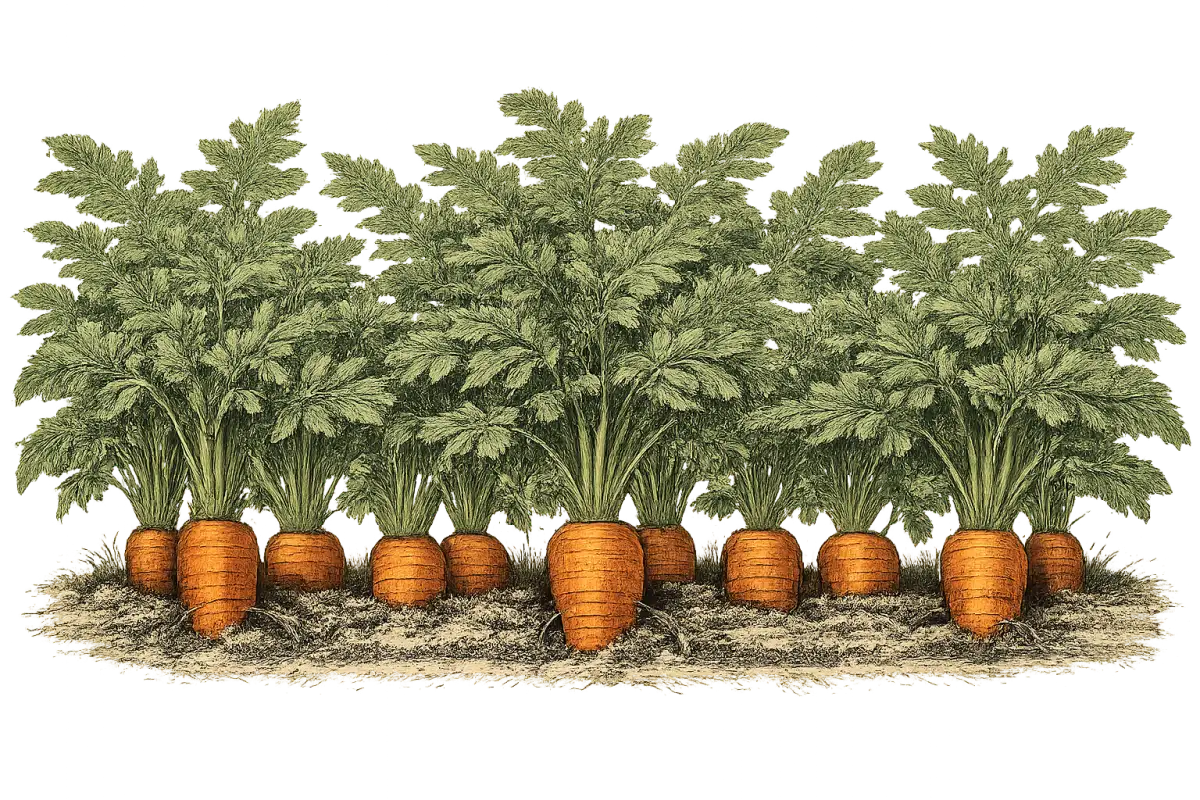
How to grow beans — vintage botanical illustration showing the plant in detail

Beans at a Glance

Sun

Sun

6-8 hours full sun

Soil pH

Soil pH

6.0-7.0

Water

Water

1 inch per week

Spacing

Spacing

6-8 inches"

Days to harvest

Days to Harvest

50-60 days bush snap; 60-70 days pole snap; 90-100+ days dry beans

Height

Height

18-24 inches

Soil type

Soil

Well-drained soil

Lifespan

Lifespan

annual

Get your personalized growing data

Enter your zip code for frost dates, growing season, and soil type.

Beans are the most forgiving crop in the vegetable garden, and gardeners still manage to ruin them. Not through bad luck. Through very specific, very avoidable mistakes that I see repeated season after season: transplanting instead of direct-sowing, dumping fertilizer on a plant that makes its own, and planting in cold soil because the calendar said it was time.

Fix those three things and beans will reward you aggressively. We're talking 6–8 weeks of continuous harvest from a single pole bean trellis, or enough bush beans in one flush to fill your freezer for winter. They take up less space than almost any other productive vegetable. They improve your soil instead of depleting it. And unlike tomatoes, they do not spend six weeks doing nothing visible while you stare at them.

But there's a decision you need to make before you buy a single seed packet: bush or pole? That choice determines your spacing, your support needs, your harvest strategy, and how much work you'll be doing all season. Get it right and the rest of bean growing is largely common sense. Get it wrong and you'll either be drowning in beans for two weeks or wondering why your plants are crawling across the ground without structure.

This guide covers everything — bean types, variety selection by zone, the direct-sow rule, watering, feeding (or rather, not feeding), succession planting, and harvest timing. We'll tell you exactly which varieties to grow in your climate, what mistakes kill yields, and why most gardening advice about beans is far too complicated.

Beans are not complicated. Let's keep it that way.


Quick Answer: Bean Growing at a Glance

USDA Zones: 3–10 (snap beans); 6–10 (limas); 7–11 (yard-long)

Sun: Full sun, 6–8 hours minimum

Soil Temperature: 60°F at 2-inch depth before sowing — non-negotiable

Planting Method: Direct-sow only. Never transplant.

Bush bean spacing: 6 inches between plants, 18–24 inches between rows

Pole bean spacing: 6–8 inches between plants, 24–36 inches between rows

Water: 1 inch per week; critical during flowering and pod fill

Fertilizer: No nitrogen. None. Use inoculant in new beds instead.

Bush bean harvest window: 50–60 days to first pod; 2–3 week total harvest

Pole bean harvest window: 60–70 days to first pod; then continuous for 6–8 weeks

Succession planting: Every 2–3 weeks for continuous bush bean supply

Harvest frequency: Every 2–3 days at peak — or you signal the plant to stop


Bush or Pole: The Decision That Shapes Everything

This is not a trivial preference. It's the foundational choice, and most gardeners pick based on what seed packets look exciting without thinking through the implications.

Bush beans are compact — 18 to 24 inches tall, no support required, easy to manage in a standard bed. They mature in 50 to 60 days. All their pods ripen in a 2 to 3 week window. You get one large, concentrated harvest, then the plant is done. This is excellent if you're canning or freezing — you accumulate enough volume in one shot to make processing worthwhile. It's a headache if you just want fresh beans for dinner twice a week, because you'll have too many for two weeks and then nothing.

Pole beans are vining plants that climb 10 to 15 feet. They need a trellis. They take a little longer to first harvest — 60 to 70 days — but then they produce continuously for 6 to 8 weeks. Pick them every few days and they keep going. One well-built trellis of pole beans, kept picked, is the equivalent of three or four successive bush bean plantings without the replanting work.

Here is the practical rule: grow bush beans when you want to preserve large batches at once. Grow pole beans when you want steady fresh production through summer without replanting. Most productive gardens run both — an early bush bean succession for the freezer, a pole bean trellis for daily eating.

The other implication of this choice is space. Pole beans go vertical, which means a single trellis in a narrow bed can produce as much as a wide bed of bush beans. If your garden is small, pole beans are the obvious answer.


Bean Types: More Options Than You Realize

Most people think "beans" and picture green snap beans. That's the most common type, but it's not the only one, and choosing the right type for your goals and your zone makes a real difference.

Snap beans (Phaseolus vulgaris) are what most home gardeners grow. Harvested young, pod and all, before the seeds develop. They snap cleanly when bent — that's how you know they're ready. Modern varieties like Blue Lake 274, Derby, and Fortex are bred to be stringless, so no prep work required. Sub-types include standard round-podded varieties, slender French filet types like Fortex and Maxibel, yellow wax beans, and purple-podded types like Royal Burgundy and Dragon Tongue. All grown the same way, just harvested and eaten differently. Reliable across zones 3 to 10.

Dry beans are the same species as snap beans — just grown to full maturity and dried for storage. Kidney, pinto, navy, black, Great Northern, cannellini: all Phaseolus vulgaris, all grown the same basic way, just left on the plant until the pods are papery and the seeds rattle. They need 90 to 100+ frost-free days, which limits them to zones 4 through 9. In zones 3 to 5, you can pull the whole plant before frost and finish drying it indoors in a ventilated shed.

Lima beans (Phaseolus lunatus) are a different species with more demanding heat requirements. Soil must be at least 65°F at planting — 5 degrees warmer than snap beans — and nights below 55°F during flowering cause pod failure. In the South and Southwest, limas are a staple. In zones 3 to 5, they're generally not worth the effort. Zones 6 to 10 are their territory.

Runner beans (Phaseolus coccineus) are an underused option for northern gardeners. They tolerate cooler conditions than common beans and can go in 1 to 2 weeks earlier in spring — a real advantage in short-season zones. The showy red flowers attract hummingbirds and make them legitimately ornamental. Young pods are edible; mature seeds are large and distinctive. In zones 9 to 11, they're perennial — the root overwinters and regrows.

Yard-long beans (Vigna unguiculata) aren't actually beans in the Phaseolus sense — they're a cowpea subspecies. They produce 18-inch pods and thrive in the heat and humidity of the American South. Strictly for zones 7 to 11. They need a tall trellis (8 feet minimum) and produce prolifically in conditions that would stress other bean types.

What zone are you in?

Enter your zip code for frost dates, growing season, and soil type.


Best Bean Varieties by Zone

Zone determines which types you can grow, which varieties perform reliably, and whether you need to race the calendar or can take your time. Here's what to plant where.

Cold Zones (3–4): Short Season, Bush Beans Only

Zones 3 and 4 are short-season territory. Frost-free windows of 90 to 110 days mean pole beans (60–70 days to first harvest, then a multi-week production run) are borderline, and limas, yard-long beans, and dry beans are largely out. Bush snap beans with 50- to 55-day maturities are your bread and butter.

Provider is the right call for zones 3 and 4. It matures in 50 days and — uniquely among bush varieties — germinates in cooler soil temperatures than most. When your planting window is tight and your soil is still on the cold side, that tolerance matters. It produces well and handles unpredictable late-spring weather without sulking.

Contender is the backup and the blend-in choice: 55 days, disease-resistant, reliable through temperature fluctuations. Plant Provider first, Contender as a second succession, and you've covered your season without gambling on anything exotic.

Skip pole beans in zone 3. You might get a harvest in a good year, but you're building your whole season on a maybe. Stick with bush types and succession-plant every two to three weeks from early June through mid-July.

Mid-Season Zones (5–6): The Widest Workable Range

Zones 5 and 6 open up the full snap bean playbook. The frost-free season is long enough for pole beans to produce well, dry beans become genuinely viable, and succession planting from early May through mid-July gives you continuous fresh harvest all summer.

Blue Lake 274 is the flavor benchmark for bush snap beans — 58 days, widely available, the variety most people think of when they imagine a perfect green bean. It's not the earliest, so in zone 5 pair it with a first succession of Provider or Contender to get the season started, then transition to Blue Lake.

For pole beans, Kentucky Wonder is the classic: 65 days to first harvest, meaty pods with excellent old-fashioned flavor, and a reliable 6 to 8 week production run from one planting. It's been grown since the 1800s for a reason. Blue Lake Pole is the stringless, cleaner-flavored modern alternative if you prefer that style.

Fortex is worth growing in zones 5 and 6 if you like French filet-style beans — very slender, very tender, harvested at 3 to 4 inches for the best eating. It takes consistent moisture and warm nights to hit its stride, but in a good season the pods are exceptional.

Dry beans become practical in zone 5. Navy, pinto, and black bean varieties with 90-day maturities will finish before frost in most years. In zone 5, time your dry bean planting so pods mature in early September — gives you a cushion before the first hard frost.

Warm Zones (7–8): Heat Tolerance Becomes the Priority

In zones 7 and 8, the challenge shifts. You've got plenty of season — the problem is summer heat. Temperatures regularly above 90°F cause blossom drop in sensitive varieties, and a midsummer planting that runs through peak heat will underperform. Your strategy here is to front-load spring successions, acknowledge the midsummer slowdown, and run a productive fall succession.

Rattlesnake pole beans are the standout for zones 7 to 10. Exceptional heat tolerance — they continue setting pods through conditions that cause other varieties to drop their blossoms and sulk. The pods have attractive purple streaking (they turn green when cooked) and the flavor is good. 70 days to first harvest, then a long run. This is your summer workhorse in the South.

Contender remains a reliable bush option for spring and fall successions in zone 7. For the fall planting — which should go in the ground in mid-August to harvest before the first November frost — Provider's early maturity makes it the smarter call than slower-maturing varieties.

Zone 7 and 8 gardeners also get reliable lima bean production. Fordhook 242 at 75 days is the standard large-seeded bush lima for zones 6 to 9. Soil must be above 65°F, nights above 55°F — in zones 7 to 8 this is a normal condition by late spring, not a gamble.

Hot Zones (9–10): Year-Round Potential, Summer Gap

Zones 9 and 10 have a different problem than everyone else: the goal isn't to extend the season, it's to manage a growing season that never fully stops. You can run spring plantings from March onward, hit a wall in peak summer when temperatures are too extreme for reliable pod set, and pick back up with fall successions in August that run into November.

Rattlesnake is again the heat-tolerant pole bean choice for these zones. Christmas Lima — large, beautifully marked seeds, 90 days, rich flavor — thrives in zones 7 to 10 and is a genuine specialty crop worth growing if you've got the space and the season.

Yard-long beans find their best home in zones 9 and 10. They need consistent heat, tall support (8+ feet), and they produce prolifically in the conditions that challenge snap beans. Standard in Southeast Asian cooking; an excellent option for gardeners looking for summer production when ordinary beans struggle.

In zone 10, fall-through-winter production is realistic. Work with your local extension service's frost date data to plan successions around the mild frost risk in December and January rather than treating the whole year as a write-off.

Quick Reference Table: Top Picks by Zone Group

Zone GroupTop VarietiesTypeWhy
3–4Provider, ContenderBush snapEarliest maturity; cold-soil tolerance
5–6Blue Lake 274, Kentucky Wonder, FortexBush & pole snapFull playbook; flavor benchmarks
7–8Rattlesnake, Contender, Fordhook 242Pole snap, bush snap, limaHeat tolerance; fall succession viable
9–10Rattlesnake, Christmas Lima, yard-longPole snap, lima, yard-longPeak heat performance; extended season

The Direct-Sow Rule (And Why Transplanting Fails Every Time)

I'll make this short because there is no nuance here.

Beans have a delicate, fleshy taproot. When you start seeds indoors and then transplant the seedlings, you disturb those roots — even if you're careful, even if the seedlings look fine afterward. The transplant shock response redirects the plant's energy to root recovery instead of growth and fruiting. Transplanted bean seedlings consistently lag behind direct-sown plants, sometimes never catching up, and they certainly never outperform them.

There is no technique that fixes this. Biodegradable peat pots don't fix it. Careful handling doesn't fix it. The solution is simply to not transplant beans.

Direct-sow 1 to 2 inches deep when soil reaches 60°F at 2-inch depth. That's the whole protocol. A soil thermometer costs $10 and is the most useful tool you can own for timing spring plantings. Calendar dates alone are unreliable — soil temperature varies year to year and depends on soil type, drainage, and local weather patterns.

General planting windows by zone:

ZoneLast Frost (Approximate)First Planting Window
3–4Late MayEarly to mid-June
5–6Late April – early MayEarly to mid-May
7–8Late March – early AprilEarly to mid-April
9–10February – early MarchMid-February to March

If you want an early start without cold soil risk, lay black plastic mulch over the bed for one to two weeks before planting. It raises soil temperature significantly and gives you a genuine head start without any of the transplant problems.

One more thing: don't pre-soak seeds for more than a few hours. Extended soaking cracks the seed coat and promotes rot. Wet the soil, plant the seeds, and let the soil do the work.


Watering: Moderate Needs, Critical Windows

Beans are not heavy water users. About 1 inch per week — less than tomatoes, less than corn. But there are two stages where water stress causes damage that is not recoverable: flowering and pod fill.

A week of drought during flowering causes blossom drop. Not slowed production — the blossoms just fall off and those pods never form. During pod fill, water stress produces small, fibrous, tough pods. In both cases, you can't go back. The yield is lost.

Outside of those critical windows, beans are fairly forgiving of short dry spells. But during flowering and pod development, consistent moisture is not optional.

Water at the base of the plant, not overhead. Wet foliage is an invitation to bacterial blight and bean rust. Drip irrigation or soaker hoses are the right tool for beans — they deliver water to the root zone and keep leaves dry. If you're hand-watering, aim at the soil, not the plant, and do it in the morning so any splash on foliage dries before nightfall. Never water in the evening.

In zones 7 to 10, midsummer heat above 90°F can cause blossom drop even when soil moisture is adequate. Deep watering every two to three days encourages deeper root growth and makes plants more heat-resilient than frequent shallow watering. A 2 to 3 inch mulch layer of straw around the base of plants cuts soil temperature and reduces evaporative loss significantly — in hot climates, mulch is not optional decoration.

Avoid waterlogging. Bean roots rot in poorly drained soil. If water pools in your planting area after rain, address the drainage problem before planting, or build raised beds.

What zone are you in?

Enter your zip code for frost dates, growing season, and soil type.


Fertilizing Beans: The Rule Is "Don't"

This is where beans are fundamentally different from every other vegetable in your garden, and ignoring the difference will cost you yield.

Beans are legumes. They form a symbiotic relationship with Rhizobium bacteria that colonize nodules on their roots. Those bacteria pull nitrogen directly from the atmosphere and convert it into plant-available ammonium. Beans make their own nitrogen. They do not need you to supply it.

When you add nitrogen fertilizer — whether it's a balanced 10-10-10, blood meal, compost tea, fresh manure, or anything else high in available nitrogen — the plant stops investing in its root nodule system and just takes up the easy supply. Worse, the nitrogen shifts the plant's energy toward vegetative growth: big, lush, beautiful leaves and stems at the direct expense of flowers and pods. The result is an impressive-looking plant with a disappointing harvest. This happens every time.

Do not apply nitrogen to beans. Not a little. None.

If you want to see whether your beans have active nitrogen fixation, pull a plant mid-season and check the roots. Healthy pink or reddish nodules mean active fixation. White or gray nodules are inactive. No nodules at all means Rhizobium bacteria may be absent from your soil — common in brand-new raised beds or heavily depleted ground.

In those situations, apply Rhizobium inoculant at planting. Moisten seeds lightly, tumble them in the inoculant powder to coat, and plant immediately — UV light kills the bacteria. A packet costs $5 to $8 and treats many plantings. In soil that has grown legumes before, it's unnecessary. In new beds, it measurably improves performance.

What beans do benefit from is adequate phosphorus and potassium. If a soil test confirms deficiency, a small application of bone meal or 0-10-10 fertilizer at planting is appropriate for phosphorus. Wood ash in modest amounts supplies potassium without adding nitrogen. Skip the standard balanced fertilizers — the nitrogen component causes exactly the leafy-growth problem described above.

If your soil is reasonably fertile and has grown other vegetables successfully, beans likely need nothing at all going in. Let them work.

One more thing: when your bean plants finish producing, cut them off at soil level — don't pull them. The Rhizobium-colonized roots decompose and release their stored nitrogen into the soil. Bean root decomposition can contribute the equivalent of 1 to 2 pounds of nitrogen per 100 square feet over the following season. Follow beans with a heavy nitrogen feeder like corn, squash, or brassicas and you'll see the difference.


Succession Planting: The System That Keeps You in Fresh Beans All Summer

If you're growing bush beans for fresh eating and you're making only one planting, you're doing it wrong. Two to three weeks of abundance, then nothing for the rest of summer is not a garden strategy. It's an accident.

The fix is succession planting: multiple small sowings staggered two to three weeks apart, so as one planting winds down, the next is coming into production. The concept is simple; the execution just requires writing some dates down.

The rule: Start your first sowing one week after last frost (when soil is 60°F). Sow again every two to three weeks. Stop when there are fewer than 50 to 60 days remaining before your first expected fall frost — that's the minimum a bush bean needs to produce before frost ends the season. For early-maturing varieties like Provider (50 days), you can push the final sowing slightly later than you can for Blue Lake 274 (58 days).

Sample schedule for Zone 6 (last frost May 1, first fall frost October 15):

  • Planting 1: May 8 → Harvest late June
  • Planting 2: May 22 → Harvest mid-July
  • Planting 3: June 5 → Harvest late July
  • Planting 4: June 19 → Harvest mid-August
  • Final planting: July 10–15 → Harvest early September

In zones 7 to 10, you get an additional fall window. Plant again in mid-August for a harvest that runs into October or November, well after spring and summer successions are long finished. Zone 8 and 9 gardeners should expect midsummer plantings to underperform — peak summer heat above 90°F causes blossom drop — and plan for a gap there rather than being surprised by it.

For a family of four eating fresh beans two to three times per week: 15 to 20 bush bean plants per succession is the right quantity. More than that and you're preserving, not fresh eating.

Pole beans eliminate most of this math. One planting produces continuously for 6 to 8 weeks from a single sowing — the equivalent of three or four successive bush bean plantings with none of the replanting work. If garden management simplicity is your priority, plant pole beans and be done with it.

The combination approach works well for most productive home gardens: one or two early spring bush bean successions for the freezer, one pole bean trellis for continuous fresh eating through summer, and a fall bush bean succession for late-season production. That covers every base without overcomplicating the season.


Trellising Pole Beans: Build It Before You Need It

The single most preventable pole bean mistake is installing the trellis after the plants need it. Pole bean vines start sending out tendrils within one to two weeks of emergence. By the time they're 12 inches tall and sprawling, you're either damaging roots with post installation or breaking vines trying to redirect them. Neither situation ends well.

Install your support structure at or before planting. Drive stakes while the soil is unplanted and clear. This is obvious once you've made the mistake once.

Options for support structures:

  • Teepee poles — Three to five stakes, 6 to 8 feet tall, tied at the top. Classic, compact, works for small plantings. Plant seeds around the base.
  • Cattle panel — A rigid wire panel (typically 16 feet by 4 to 5 feet), run vertically between T-posts or arched. Extremely durable, reusable for many seasons. The best option for large plantings.
  • String trellis — Posts with horizontal twine every 6 to 8 inches. Economical and effective; requires replacement each season but costs almost nothing.
  • A-frame — Two panels leaned together to form a tunnel. You can plant on both sides and grow cool-season crops in the shaded space below mid-summer.

Pole beans will climb 10 to 15 feet if given the opportunity. Most home trellis systems stop at 6 to 8 feet. When vines reach the top, they'll cascade back down — this is fine. Let them drape.


Harvesting: Frequency Is Everything

Bean harvest timing is simpler than most vegetables, but the frequency rule catches a lot of gardeners off guard.

Snap beans are ready when pods snap cleanly when bent, before the seeds visibly bulge inside the pod. At that stage: the pod is slender and firm, roughly pencil-width for most bush varieties (thinner for filet types), and the seeds feel tiny when you roll the pod between your fingers. Once seeds start swelling, the pod becomes fibrous and tough. Harvest before that happens.

Days to first harvest: Bush snap beans, 50 to 60 days. Pole snap beans, 60 to 70 days to first harvest, then continuous.

The rule that matters most: pick every 2 to 3 days at peak production. Beans stop producing pods once seeds have matured on the plant — it's a biological signal that the reproductive mission is accomplished. Overmature pods left on the vine send exactly that signal. Frequent picking removes the signal and keeps the plant in production mode. Let pods go too long and production drops noticeably within a week. It happens faster than most gardeners expect.

Pick everything that's ready, plus anything slightly past its prime. A slightly over-mature pod left on the plant costs you future pods. The calculus always favors picking.

For lima beans: harvest when pods are plump and the seeds are visible through the pod wall, but before the pods begin to dry. Seeds inside should feel firm but not yet hard. If you want dried limas, leave pods until they're papery and starting to split naturally.

For dry beans: leave pods on the plant until they are fully dry, papery, brittle, and the seeds rattle when shaken. If frost threatens before pods fully dry, pull the whole plant and hang it upside down in a dry, ventilated space — a garage or shed works fine. Pods continue drying off the plant. After shelling, spread seeds in a single layer at room temperature for an additional one to two weeks before storage. Seeds that are even slightly moist will mold.

Storage for snap beans:

  • Fresh: Refrigerate unwashed in a sealed container. Use within 4 to 7 days.
  • Frozen: Blanch in boiling water for 3 minutes, transfer immediately to ice water for 3 minutes, drain, dry, and pack in freezer bags with air removed. Keeps 10 to 12 months. Snap beans freeze well.
  • Canned: Beans are a low-acid food and require a pressure canner — not a water bath. Water bath canning beans is unsafe and a botulism risk. Pressure can at 10 lbs pressure at sea level: 20 minutes for pints, 25 minutes for quarts. Follow current USDA guidelines.
  • Dried beans: Store in airtight glass jars in a cool, dark location. Properly dried beans remain viable for cooking for 2 to 4 years.

What zone are you in?

Enter your zip code for frost dates, growing season, and soil type.


The Mistakes That Actually Cost You Yield

Ranked by how much damage they do. If you're skimming, start here.

Mistake #1: Transplanting Instead of Direct-Sowing

Covered in depth above, but it bears repeating: bean taproots do not survive transplant shock well. There is no technique that makes transplanting work as well as direct-sowing. The desire for a head start is understandable — the solution is to wait for soil warmth, not to start indoors. A directly-sown bean in 65°F soil will catch up to a transplanted seedling within a week or two and then outproduce it for the rest of the season.

Mistake #2: Adding Nitrogen Fertilizer

The most counterintuitive mistake on this list, and the most reliably yield-reducing. Gardeners want to feed their plants. With beans, feeding them nitrogen actively makes them less productive. Big lush green plants, disappointing pod set. It happens every time. Put down the fertilizer.

Mistake #3: Planting in Cold Soil

Soil below 60°F at 2-inch depth causes erratic germination, seed rot, and fungal damping off. The seeds sit in cold, moist soil for extended periods and many fail. The ones that germinate are weak and slow. Buy a soil thermometer and use it. The last-frost date on the calendar is a rough approximation; actual soil temperature varies by several weeks depending on conditions.

Mistake #4: Installing the Trellis Late

You already know this if you read the trellising section. Build it before you plant. Post-installation disturbs roots and damages vines. It's an avoidable problem with a zero-cost solution: work in the right order.

Mistake #5: One Bush Bean Planting and Wondering Why It's Over

A single planting of bush beans produces for two to three weeks. That's what it's designed to do. If you want fresh beans all summer, you need either successive plantings every two to three weeks or a pole bean trellis. One planting of bush beans is a batch-harvest crop, not a continuous-supply strategy.

Mistake #6: Checking Plants Once a Week

At peak production, once a week is too infrequent. Pods that were perfect on Tuesday are oversize and fibrous by the following Tuesday, and their presence on the plant has already signaled reduced production. Check plants every two to three days. Pick everything ready. The crop is only as good as your harvest frequency.

Mistake #7: Missing the Fall Succession Window in Warm Climates

Zone 7 to 10 gardeners have a productive fall window that many completely ignore. Beans planted in mid-August in these zones can harvest well into October or November. Missing that window means leaving real production on the table. Count back 50 to 60 days from your first expected fall frost and plant by that date. It's a genuinely different growing experience from spring planting — cooler temperatures often produce better pod quality than peak summer heat.


Companion Planting: Simple Pairings That Work

Beans are reasonably easy to companion plant because their nitrogen-fixing roots benefit neighboring crops rather than competing with them. Keep it simple.

Corn and squash are the classic companions — the "Three Sisters" planting with beans. Corn provides a natural trellis for pole beans. Squash shades the ground, suppressing weeds and retaining moisture. Beans fix nitrogen that feeds the corn. This combination has worked for thousands of years and still makes practical sense in a home garden.

Summer savory is the traditional bean companion herb, said to deter bean beetles and improve flavor. It also attracts pollinators. Plant it at the row ends.

Carrots work well interplanted with bush beans — beans shade and cool the soil that carrots prefer; their root systems occupy different depths and don't compete.

What to keep away: Onions, garlic, and other alliums reportedly inhibit bean growth and should not be planted as direct neighbors. Beets are also poor companions for beans. Fennel is a bad companion for nearly everything in the vegetable garden and should be isolated regardless.

For weed suppression between rows, a 2 to 3 inch straw mulch layer is more practical than most companion planting schemes and has the added benefit of retaining moisture and moderating soil temperature — particularly valuable in zones 7 to 10.


Frequently Asked Questions

Can I Start Bean Seeds Indoors to Get a Jump on the Season?

No. Not because it's theoretically impossible, but because transplanted beans consistently underperform direct-sown plants in ways that are not recoverable. The taproot disturbance from transplanting redirects the plant's energy to root recovery rather than growth and fruiting. The practical alternative to getting a head start is laying black plastic mulch over your bed for one to two weeks before planting — it raises soil temperature and lets you sow earlier without cold soil risk.

Why Are My Bean Plants Big and Leafy But Producing Few Pods?

Excess nitrogen is almost certainly the cause. If you added any nitrogen-containing fertilizer — balanced granular, blood meal, compost tea, fresh manure — the plant is using it to build vegetative growth instead of setting pods. Beans fix their own nitrogen and do not need supplemental nitrogen; adding it shifts the plant's priorities away from reproduction. There's no quick fix mid-season, but stop all nitrogen inputs now and pod set should improve as the excess depletes. Next season, start with no nitrogen fertilizer at all.

How Do I Know When Pole Beans Have Finished Producing?

Pole beans taper off naturally after 6 to 8 weeks of production. Flowering slows, pod set decreases, and the plant starts to look tired. At that point, it's finished. If you see production drop dramatically before 6 weeks, check whether any mature pods were missed and left to dry on the vine — that's the most common cause of early shutdown. Remove any mature pods you find and production may resume briefly, but a plant that's genuinely run its course won't recover with more picking.

Do Beans Need to Be Grown in the Same Spot Each Year?

Rotating bean plantings every two to three years is good practice for disease management — some soil-borne pathogens accumulate in beds where the same crop is grown repeatedly. The rotation bonus with beans is real: the nitrogen left behind by decomposing root nodules benefits whatever follows. Plant beans, then follow with heavy nitrogen feeders like corn, brassicas, or squash. They'll visibly benefit from the fertility the beans left behind.

What's the Fastest Bean to Harvest for a Short Growing Season?

Provider at 50 days is the fastest reliable snap bean. It also germinates at lower soil temperatures than most varieties, giving it a further practical advantage in zones 3 and 4 where soils warm slowly. Contender at 55 days is a close second and offers better disease resistance. Both outperform slower-maturing varieties in short-season climates where every day counts.

Can I Save Bean Seeds for Next Year?

Yes, and it's straightforward. Let a handful of pods fully mature and dry on the plant — past the fresh eating stage, past even the dry bean stage, until the pods are fully brittle and papery. Shell the seeds and spread them in a single layer at room temperature for two weeks to ensure they're fully dry. Store in an airtight glass jar in a cool, dark location. Viability for planting purposes remains high for two to three years; germination rates decline after that. For seed saving to maintain variety purity, grow only one variety of each type per season, as beans can cross-pollinate.


The Bottom Line

Beans are not complicated plants. They're complicated by gardeners who transplant them, drown them in nitrogen, plant them in cold soil, and check on them once a week. Avoid those four things and you'll grow more beans than you know what to do with.

The real decision is bush versus pole. Make it deliberately based on how you want to eat your harvest — concentrated batches for the freezer, or steady daily production for the table. Build your succession plan around that choice, get the trellis in before the vines need it, keep your hands off the nitrogen, and pick every two to three days once production starts.

For zones 3 and 4: Provider and Contender, direct-sown in June, succession-planted every two to three weeks. For zones 5 and 6: add Kentucky Wonder on a trellis for continuous summer production. For zones 7 and above: Rattlesnake handles the heat, plan a fall succession in August, and seriously consider limas if you've never grown them in warm soil — fresh-shelled butter beans with a little salt are a different experience from anything you can buy.

Start with warm soil. Direct-sow. Skip the nitrogen. Pick often.

That's most of it.

Research for this guide draws on USDA extension service data and cultivar trial information from state extension programs including those serving short-season northern climates through zone 10 production regions. Variety recommendations are based on published performance records and days-to-maturity data.

Where Beans Grows Best

Beans thrives in USDA Zones 4, 5, 6, 7, 8, 9. Explore each zone's complete guide for growing tips, companion plants, and seasonal advice.

Also possible in: Zone 3, Zone 10 (challenging but possible with the right conditions).

Not sure of your zone? Look it up by zip code →