Fruits

Growing Pomegranates: Everything You Need to Know Before You Plant

Sarah Whitfield

Sarah Whitfield

Fruit & Berry Specialist · Updated April 2026

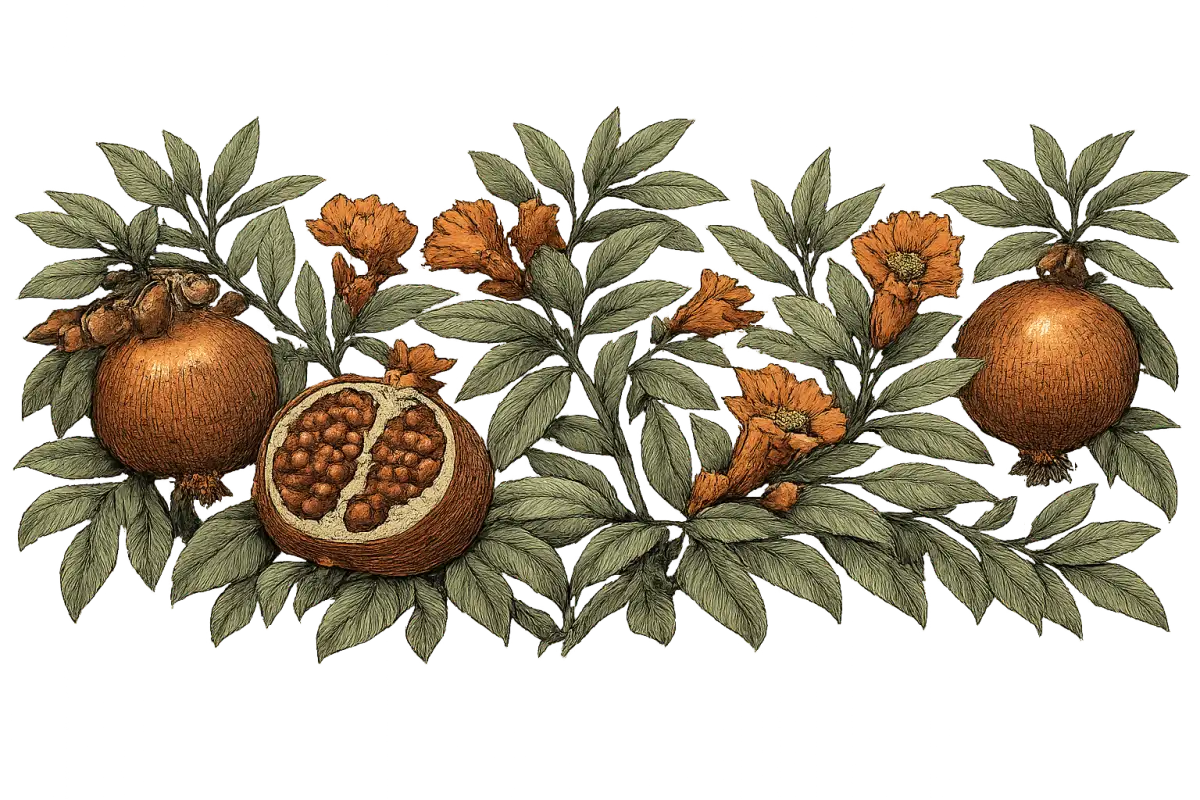
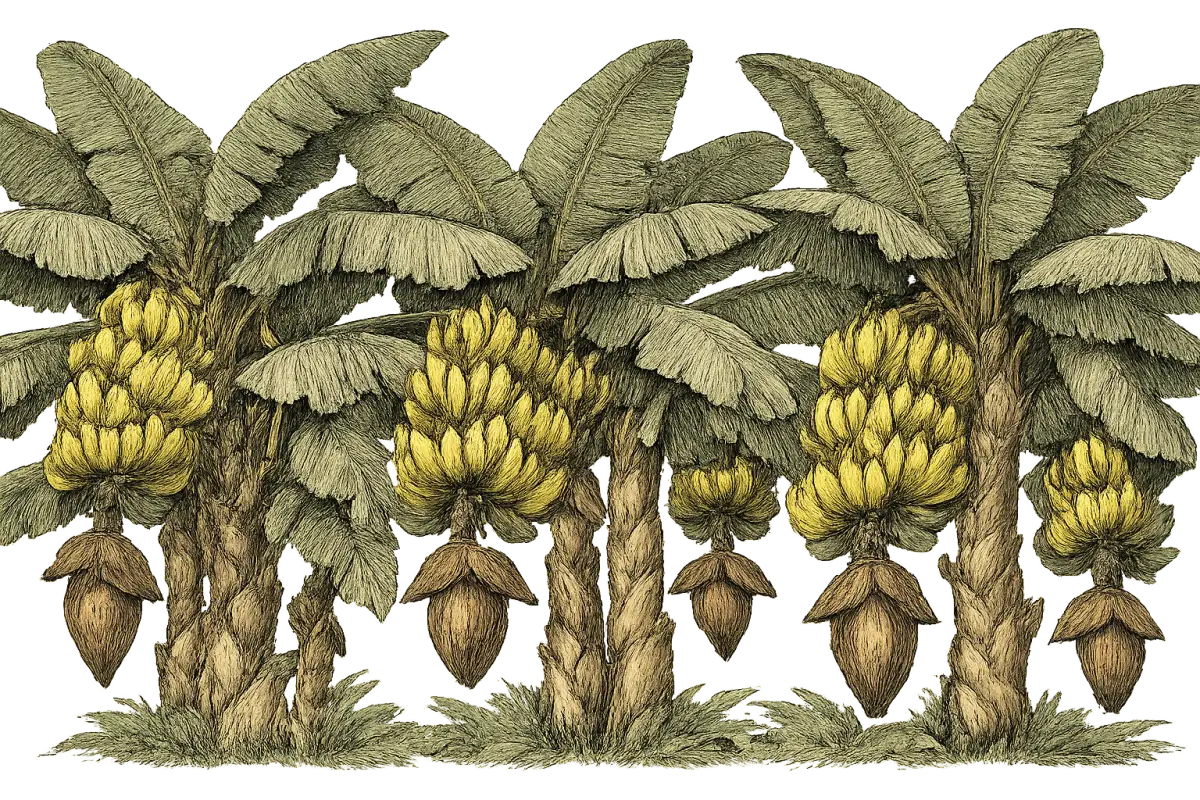
How to grow pomegranate — vintage botanical illustration showing the plant in detail

Pomegranate at a Glance

Sun

Sun

6-8+ hours full sun

Soil pH

Soil pH

5.5-7.0

Water

Water

Deep watering every 2-3 weeks for established trees (3+ years)

Spacing

Spacing

10-15 ft

Days to harvest

Days to Harvest

6-7 months from flowering

Height

Height

10-12 feet pruned, up to 20 feet unpruned

Soil type

Soil

Well-drained soil

Lifespan

Lifespan

perennial

Get your personalized growing data

Enter your zip code for frost dates, growing season, and soil type.

There is a pomegranate tree in the Central Valley of California that is believed to be over 200 years old and still producing fruit. That is not a trivia footnote. That is the promise of this plant.

Pomegranates are among the most forgiving fruit trees you can put in the ground. They tolerate poor soil, extreme heat, alkaline conditions, and outright neglect better than almost anything else that produces edible fruit. A mature tree can yield 50 to 100 fruits in a good season. A single ripe pomegranate at the grocery store runs $3 to $5. Do the math.

And yet, we see them fail. Not from disease. Not from drought. Not from cold, pests, or bad soil. We see them fail because gardeners who are accustomed to coddling fruit trees bring that same energy to pomegranates, and these plants do not need it. Overwatering is the number one killer. Over-fertilizing is the number two. The third most common cause of failure is simply buying the wrong variety for the zone.

That last one is particularly painful, because pomegranate variety selection is not complicated once you understand the rules. In zones 9 and 10, almost anything you plant will thrive. In zone 7, there are really only two safe choices. In zone 6b, there is one. Get the variety right for your climate, give the tree good drainage and full sun, water it consistently during fruit development but not obsessively throughout the year, and you will be harvesting pomegranates in year three and still harvesting them when your grandchildren inherit the tree.

This guide covers everything we know about growing pomegranates well: variety selection by zone, soil requirements, planting, watering (including the watering paradox that trips up even experienced growers), harvesting, and the mistakes that cause the most failures. Let's get into it.


Quick Answer: Pomegranate Growing at a Glance

USDA Zones: 6b through 10 (in-ground); any zone in containers

Sun: 8+ hours preferred; 6-hour minimum

Soil pH: 5.5-7.0 preferred; tolerates up to 7.5 without amendment

Drainage: Non-negotiable; standing water is one of the few reliable ways to kill this tree

Spacing: 10-15 feet (tree form); 6-8 feet (hedge)

Water: Deep and infrequent for established trees; consistent during fruit development (July-October)

Fertilizer: Balanced 10-10-10 once in early spring; avoid excess nitrogen

Pollination: Self-fertile; cross-pollination with a second variety increases yield

First harvest: Year 3 (light); full production by Year 5-6

Mature yield: 50-100+ fruit per tree annually

Lifespan: 50-200+ years


The Watering Paradox (Why Pomegranates Confuse Experienced Gardeners)

I want to address this before anything else, because it is the thing most likely to trip you up even if you have been growing fruit trees for years.

Pomegranates are native to the arid regions of Central Asia and the Mediterranean. They evolved over millennia in climates with long, dry summers and minimal rainfall during the growing season. Their root systems go deep to access subsurface moisture. Their thick, leathery leaves resist water loss. An established pomegranate tree -- one that has been in the ground for three or more years -- can survive on rainfall alone in many climates. Slight water stress, documented across multiple sources, actually triggers better blooming and fruiting.

So why do we still talk about watering so much?

Because the tree can handle drought, but the fruit cannot.

From the time fruit sets in July through harvest in September or October, your pomegranates need consistent soil moisture. Not heavy watering. Not daily irrigation. Consistent, moderate, predictable moisture. Here is what happens when that consistency breaks down: the fruit rind hardens during a dry spell. The arils inside keep developing and press outward against the rigid rind. Then rain arrives, or you compensate with heavy irrigation, and the arils swell faster than the hardened rind can accommodate. The fruit splits open.

Fruit splitting is the most common pomegranate harvest problem in the country. It is almost entirely caused by the wet-dry-wet cycle. Not by pests, not by disease, not by variety. By inconsistent watering.

The fix is not complicated, but it requires attention. During the fruit development window, do not let the soil completely dry out between waterings. Do not drench the tree after a dry spell -- if you missed a scheduled watering, resume at your normal moderate rate and return to schedule. Apply 3-4 inches of mulch around the root zone to buffer soil moisture between waterings. If you see heavy rain in the forecast and your fruit is approaching ripeness, harvest anything that is close and do not wait.

For young trees in years one and two, regular weekly deep watering is essential. The root system is still developing and the tree cannot access deep moisture yet. Once you reach year three and beyond, transition to deep watering every two to three weeks during the growing season -- and focus your consistency efforts on that July-through-October fruit development window.

Two practical notes on the overwatering side. First, overwatering kills pomegranates through root rot in a way that underwatering rarely does. A gardener who waters too little will have a stressed tree; a gardener who keeps the soil saturated will have a dead one. When you see wilting in a pomegranate that is sitting in consistently wet soil, the problem is not drought -- the roots are rotting, and adding more water accelerates the death spiral. Second, "deep watering" is a specific technique, not just more water. Run a hose at slow trickle for 30-45 minutes, or use drip emitters. The goal is to saturate the soil to 12-18 inches deep, which drives roots downward and builds the drought tolerance the tree will rely on for the rest of its life. Shallow, frequent watering produces shallow roots and a tree that is permanently dependent on you.


Soil: Where Pomegranates Surprise You

Here is what most gardeners do not know about pomegranate soil requirements: there basically are none. Not in the way that blueberries have strict pH requirements, or that peaches need well-amended loam. Pomegranates are genuinely tolerant of poor, rocky, gravelly, and alkaline soil in ways that most fruit trees are not.

The preferred pH range is 5.5 to 7.0, but the tree tolerates conditions up to about 7.5 without meaningful problems. This is one of the widest pH tolerance ranges of any fruiting plant. Citrus wants 6.0 to 7.0. Blueberries want 4.5 to 5.5. Pomegranates span the middle and beyond. In the alkaline soils common throughout the Southwest, Southern California, and much of the Great Plains -- soils where many fruit trees struggle -- pomegranates are often the best-performing option available.

If your soil pH is between 5.5 and 7.5, do not touch it. No amendment needed. If you test and find pH above 7.5, apply elemental sulfur to bring it down slightly, though pomegranates often perform adequately even at those levels. Annual pH testing is not necessary here the way it is for blueberries -- unless you are seeing symptoms of nutrient deficiency, leave the soil chemistry alone.

There is one hard requirement that has nothing to do with pH or nutrient content: drainage. Pomegranates will not tolerate standing water. Root rot from waterlogged soil is one of the few things that reliably kills this plant. To test drainage before planting, dig a 12-inch hole, fill it with water, let it drain completely, fill it again, and time the second drain. Good drainage means empty within one to four hours. If your hole is still holding water at the eight-hour mark, do not plant there without remediation.

The fixes for poor drainage are real but require some work. In heavy clay, plant on a raised mound or berm 12-18 inches above grade. In low-lying areas, find a different spot -- pomegranates prefer slopes and elevated ground. If you have a high water table, container growing is a better option than trying to work around it.

One counterintuitive note on soil richness: multiple sources note that excessively fertile soil is counterproductive for pomegranates. A tree planted in heavily amended, nutrient-rich soil puts its energy into lush vegetative growth -- leaves and shoots -- at the expense of flowers and fruit. Moderately fertile, well-drained native soil often produces a better-fruiting tree than lovingly prepared garden beds. Minimal soil preparation is the principle. When planting, do not heavily amend the backfill soil. Fill the hole with the native soil that came out of it. The tree will adapt to the native conditions and start accessing surrounding soil faster than it would from a heavily amended planting hole surrounded by dense native ground.

The two micronutrients worth watching are calcium and boron, both because deficiencies weaken fruit rind structure and contribute directly to splitting. In spring, applying gypsum (calcium sulfate) at 2-5 pounds per tree provides calcium without affecting soil pH. On sandy soils where calcium leaches more readily, this is worth doing proactively. Boron deficiency is less common but possible on sandy soils; a tablespoon or two of borax per tree per year addresses it, though be cautious about application rate -- boron toxicity happens quickly at higher doses.


Best Pomegranate Varieties by Zone

This section is where zone 7 and below growers need to pay particularly close attention. The variety choice is different in cold zones, and getting it wrong means watching your tree die back to the ground -- or not come back at all -- after a hard winter.

What zone are you in?

Enter your zip code for frost dates, growing season, and soil type.

What zone are you in?

Enter your zip code for frost dates, growing season, and soil type.

In zones 9 and 10, the climate is so favorable that you are essentially choosing by taste preference, seed texture, and intended use. In those zones, skip ahead to the warm-climate section and focus on what kind of pomegranate you want to eat. But for anyone in zones 6b through 8, read the zone-specific sections carefully -- variety selection is the decision that determines whether this works at all.

Marginal Zones (6b-7): Cold Hardiness Is Everything

Zone 6b covers parts of Tennessee, Kentucky, the Virginia mountains, and southern Pennsylvania -- areas where winter lows reach -5°F to 0°F and hard freezes are a regular part of life. Let me be completely direct about what this means for pomegranate variety selection: you have exactly one viable choice for in-ground planting.

Salavatski is the most cold-hardy pomegranate available. It originates from Afghanistan, where it survived selection pressure from winters that most American gardeners never experience. It has documented survival at briefly sub-zero temperatures -- the only pomegranate variety with that track record. The fruit is very large with pale red skin and red arils, and the flavor is sweet-tart. It is not the most nuanced pomegranate you will ever eat, but it is the only one that will survive zone 6b winters reliably.

In zone 6b, variety selection is just the beginning. Site selection is equally important. Plant against a south-facing wall or masonry structure -- the thermal mass absorbs heat during the day and radiates it at night, extending the growing season and moderating winter temperatures. Espalier training against that wall maximizes the benefit. Mulch the root zone with 6-8 inches of organic material before the first hard freeze. When temperatures below 10°F are forecast, wrap the trunk and lower branches with burlap or frost cloth. For many zone 6b growers, container culture is a genuinely better option than struggling in-ground -- we cover that approach in the container section below.

Zone 7 growers have a second option. Russian 26 (sometimes listed as Kara Gul) is a medium-large variety with ruby-red arils and a sweet-tart, balanced flavor. It is documented as reliable in zone 7 and possibly 6b, and it tends to be productive once established. Between Salavatski and Russian 26, Salavatski is the safer bet for the colder end of zone 7; Russian 26 performs well throughout the zone and is a good choice if you want something slightly different.

The multi-stem shrub training form is strongly recommended for both of these zones. Allowing 3-5 main trunks from the base means that if one trunk dies back from a hard freeze, the others survive and the plant recovers. Single-trunk tree training is a gamble in zone 7 -- lose the trunk, lose the tree.

Do not plant Wonderful or premium eating varieties in zone 7 unless you have an exceptionally protected south-facing microclimate. The local nursery often stocks Wonderful because it is the commercial standard and name recognition drives sales. In zone 7, it will freeze back in a normal winter. In a cold winter, it will not come back.

Transition Zones (7b-8): The Full Catalog Opens Up

Zones 7b and 8 -- the coastal Carolinas, Georgia, Alabama, Mississippi, East Texas, and parts of the Pacific Northwest -- represent the transition where every pomegranate variety becomes viable. This is where variety selection shifts from "what will survive" to "what do you want to grow."

Wonderful is the commercial standard for good reason. It produces large, deep-red fruit with classic sweet-tart flavor, and it is the most widely documented and highest-yielding variety in cultivation. If you want one reliable tree and you are not interested in comparison shopping, Wonderful delivers. It is worth noting that it requires 150-200 chill hours, which is not a concern anywhere in zone 7b-8.

For fresh eating, Parfianka is the choice that most pomegranate enthusiasts eventually settle on. The flavor is genuinely exceptional -- widely considered the best-tasting pomegranate variety available to home growers -- and the seeds are semi-soft rather than crunchy, which many people prefer. It is slightly less prolific than Wonderful, but when fresh-eating quality is the priority, Parfianka wins.

Angel Red deserves mention for one specific group: people who find hard pomegranate seeds off-putting. The arils are very soft, nearly seedless in texture, and the fruit is large and bright red with a sweet flavor profile. If you have family members who avoid pomegranates because of the seed crunch, Angel Red changes the conversation.

Eversweet stands apart for two reasons. First, the flavor leans heavily sweet with low acid -- the most sugar-forward pomegranate in this list. Second, the juice is clear rather than the deep red that stains everything it touches. For households with small children, or anyone who wants to use pomegranate juice without dyeing the kitchen, Eversweet is the practical choice. The arils are also semi-soft.

For zone 7b-8, we recommend planting two varieties regardless of variety choice. All pomegranates are self-fertile, so a single tree will produce fruit. But cross-pollination between two different varieties measurably increases yield, and having two trees means one is always covered if the other has a slow year.

Warm Zones (9-10): Pomegranate Paradise

Zones 9 and 10 -- Southern California, Arizona, South Texas, inland Florida -- are where pomegranates were always meant to grow. Heat is not a concern; they tolerate temperatures above 100°F without stress. Cold is not a concern. The primary challenge in these zones is fruit splitting from inconsistent irrigation, which is manageable with drip irrigation and mulch.

Wonderful dominates commercial production in California for good reason -- it is the most productive, most disease-resistant, and most thoroughly documented variety in the country's primary pomegranate-growing region. Start with Wonderful as your anchor tree and you will not regret it.

Parfianka reaches its flavor peak in high heat, which makes zones 9-10 its natural home. If fresh-eating quality is important to you, plant one Parfianka alongside your Wonderful. The yield is slightly lower, but the eating experience is noticeably better.

In these zones, you also have the luxury of choosing Angel Red for soft seeds, Eversweet for maximum sweetness and clear juice, or cold-hardy varieties like Salavatski simply for variety. Any of them will thrive.

Container Varieties (Any Zone)

Container growing opens pomegranate cultivation to zones 4 through 6 where in-ground planting is impossible or too risky. The trade-off is smaller total yield and the annual logistics of overwintering indoors -- but for northern growers who want fresh pomegranates, it is a completely viable path.

Nana is the classic dwarf pomegranate, reaching 2-4 feet in a container with spectacular ornamental value. The fruit is edible but small; think of it as an ornamental plant with edible bonus fruit rather than a production plant.

State Fair is the best compact variety specifically bred for edible fruit production. It stays 3-5 feet in a container and produces medium-sized fruit with good quality.

Wonderful and Salavatski both adapt well to container culture with regular pruning, typically reaching 4-6 feet. Container pomegranates often produce fruit by year 2-3 because slightly root-bound conditions actually promote fruiting. Overwinter indoors in a cool (40-50°F), bright location -- an unheated garage with a window works well -- and do not panic when the leaves drop. Pomegranates are deciduous during dormancy, and leaf drop in a dormant container tree is completely normal.

Quick Reference Table: Top Picks by Zone

Zone GroupTop 3 VarietiesTypeWhy
6bSalavatski onlyCold-hardyOnly variety with documented sub-zero survival
7Salavatski, Russian 26Cold-hardyProven cold hardiness; multi-stem insurance
7b-8Wonderful, Parfianka, Angel RedStandard/PremiumFull catalog viable; choose by flavor and seed preference
9-10Wonderful, Parfianka, EversweetStandard/PremiumPeak production zone; choose by use and taste
ContainersState Fair, Nana, WonderfulDwarf/StandardCompact growth; overwinter-friendly

Planting: What You Do (and Do Not) Need to Do

When to Plant

In most zones, plant in late winter to early spring while the tree is still dormant -- February through March covers most of the country. This gives roots time to establish before summer heat arrives. In zones 8-10, fall planting is also excellent; the mild winter allows root development without the demands of active growth. Avoid planting during active summer growth.

Choosing Your Site

Full sun is the single most important site requirement. Pomegranates fruit on sun-exposed wood; shaded branches produce foliage but little fruit. Eight-plus hours of direct sun is ideal; six hours is the minimum. In zones 7 and below, a south-facing wall is the premium site for the dual benefits of heat reflection and wind protection.

Avoid low spots where water collects after rain. Pomegranates genuinely do not care about poor soil, rocky ground, or heat -- but standing water at the roots will kill them. If your yard slopes, plant on the high ground.

The Planting Process

Dig a hole twice as wide as the root ball and the same depth. Do not over-amend the backfill -- native soil is fine. Set the plant at the same depth it was growing in the nursery pot; do not bury the crown. Water deeply to settle the soil and eliminate air pockets. Apply 2-3 inches of mulch around the plant, keeping it 3-4 inches clear of the trunk. That is genuinely most of it.

Space trees 10-15 feet apart for full-size forms, 6-8 feet for hedge plantings.

Training Form: Choose Before You Plant

Pomegranates naturally grow as multi-stemmed shrubs and sucker heavily from the base. The form you choose determines your ongoing maintenance workload, so decide before you plant.

The multi-stem shrub (3-5 main trunks from the base) is the easiest form and works with the plant's natural growth habit. It is strongly recommended for zone 7 and below because multiple trunks provide cold-hardiness insurance -- if one trunk dies back, others survive. This is also the lowest-maintenance form overall.

The single-trunk tree looks more traditional and elegant but demands constant sucker removal throughout the growing season. Pomegranates produce basal suckers continuously; they are not a once-a-season task. If you choose single-trunk training, plan to remove suckers every few weeks from spring through fall.

The espalier form -- trained flat against a south-facing wall -- is the best choice for marginal zones (7 and below) because the wall's thermal mass extends the season and protects roots in winter. It requires regular tying and pruning but produces a beautiful, productive display.


Fertilizing: Less Than You Think

Pomegranates are moderate feeders, and the most common fertilization error is not underdoing it -- it is overdoing it. Excessive nitrogen is the specific problem: it drives lush vegetative growth at the direct expense of flowers and fruit. A tree that is pushing out long, vigorous shoots and producing few or no blooms has almost certainly been over-fertilized.

For most established in-ground trees, one application of balanced 10-10-10 fertilizer in early spring at bud break is sufficient for the entire year. A second light application in mid-summer is only warranted if growth is visibly slow. Organic approach: a 2-3 inch top-dressing of compost in early spring usually covers it. Do not fertilize in fall or winter.

Container trees are the exception. Because nutrients leach rapidly from potting mix, container pomegranates need fertilization every 2-3 weeks during the growing season with a balanced liquid fertilizer. But switch to half-strength if you see heavy leaf growth and no flowers -- even in containers, too much nitrogen redirects energy away from fruit.

Do not apply high-nitrogen lawn fertilizers anywhere near the root zone. Do not use fresh manure. Do not fertilize young trees at planting; wait until the second spring.


Pruning: Protect the Old Wood

Pruning timing: late winter during dormancy, after the risk of hard freeze has passed but before spring growth begins. Sucker removal continues throughout the growing season.

There is one principle that prevents the most common pruning mistake: pomegranates fruit on short spurs of two-to-three-year-old wood. Remove all the old wood and you eliminate the fruiting sites for the current season. The result is a vigorously growing, flower-free tree. During annual dormant pruning, remove only about one-quarter of the oldest wood. Keep a mix of one-year, two-year, and older branches at all times.

The pruning sequence for mature trees: first remove dead, damaged, and crossing branches. Then thin the interior for light and air circulation. Then remove most basal suckers (keep 3-5 if maintaining multi-stem form). Finally, remove about one-quarter of the oldest wood to encourage new growth from the base. That is the annual cycle.

For neglected trees that have become dense, unproductive thickets -- usually from years of ignored sucker growth -- cut back hard, removing at least a third of the old wood. You will lose a year or two of production, but the tree will regenerate. Heavy pruning on a tree with healthy soil and sun is a reset, not a death sentence.


Pests and Diseases: Mostly Not Your Problem

Pomegranates are, compared to almost every other fruit tree, remarkably clean. Their thick leathery leaves, dense wood, and arid-climate origins mean they encounter far fewer pest and disease problems than apples, peaches, or citrus. Most problems trace back to water management, not biology.

Fruit splitting is the primary challenge and it is not a pest or disease -- it is a physiological response to inconsistent watering that we covered in detail above. The prevention strategy: consistent moderate moisture during fruit development, 3-4 inches of mulch over the root zone, and prompt harvesting before fruit becomes overripe.

Among fungal issues, Cercospora fruit spot (dark spots on fruit skin, can cause premature drop) is the most common problem in humid climates. Copper fungicide spray in early spring and pruning for air circulation address it. Heart rot (Alternaria) is insidious because it looks fine from the outside -- the arils inside are brown or black, and you only discover the problem when you cut the fruit open. Good air circulation and avoiding overhead watering during bloom are the preventive measures. Root rot from Phytophthora is, as discussed, almost exclusively a drainage problem. Plant in well-drained soil and it is nearly a non-issue.

The most significant insect pest in California and the Southwest is the leaffooted bug -- a large gray-brown bug with flattened hind legs that pierces fruit rinds and causes damage and potential fungal entry. Hand-picking adults and crushing egg masses is the first line of defense. Kaolin clay spray (marketed as Surround) creates a physical barrier on fruit. For severe infestations, pyrethrin-based sprays are effective.

Aphids are common on new growth but rarely threaten plant health. A strong spray of water dislodges them. Neem oil handles heavy infestations. Avoid excessive nitrogen fertilization, which promotes the soft new growth aphids prefer.

The philosophy here should be: monitor and respond to actual problems rather than preventive spraying. A pomegranate tree with a few aphids on new growth or minor leaf spotting does not need chemical intervention. These trees tolerate minor pest pressure without yield loss.

What zone are you in?

Enter your zip code for frost dates, growing season, and soil type.

> Not sure where to put your pomegranate? Our tool analyzes the sun and shade patterns in your exact yard, then tells you the best spot for pomegranates and 9 other popular plants. Personalized to your address and zone for $9.99. Find My Best Spot


The Mistakes That Cause the Most Failures

We have seen enough pomegranate failures to rank these by how often each one causes real damage. They are not equally consequential.

Mistake #1: Overwatering and Poor Drainage

This combination kills more pomegranates than everything else on this list combined. Root rot from saturated soil is fast, often irreversible, and the symptoms -- wilting and yellowing leaves -- look identical to drought stress, which prompts more watering and a faster death spiral. If your pomegranate is wilting and the soil is wet, stop watering and check the roots. Soft, brown roots in a container plant confirm rot. For in-ground plants, improve drainage first; you cannot fix root rot by adjusting fertilizer or pruning.

Good drainage at planting is the only reliable prevention. Test it before you plant.

Mistake #2: Buying the Wrong Variety for Your Zone

The local nursery stocks what sells, not necessarily what survives your winters. In zone 7, Wonderful is what everyone wants and what most nurseries carry. It is also a variety that will freeze back to the ground in a normal zone 7 winter. The cold-hardy varieties -- Salavatski and Russian 26 -- require more effort to source, often from specialty nurseries. Do that work. It is the difference between a thriving tree and a repeating cycle of winter damage and regrowth.

Mistake #3: Inconsistent Watering During Fruit Development

The tree survives it. The harvest does not. Every split pomegranate on your tree in October is a direct consequence of the wet-dry-wet cycle during July through September. Mulch, consistent irrigation schedule, and prompt harvesting before overripeness are the three controls.

Mistake #4: Over-Fertilizing With Nitrogen

Lush growth with few flowers. Long, weak shoots instead of compact fruiting spurs. Lots of activity, nothing to show for it. Nitrogen over-application is the most common fertilization mistake and one that can take an entire season to manifest. If your tree looks healthy but is not producing, stop all fertilization and let it moderate before adding anything.

Mistake #5: Neglecting Sucker Removal

Pomegranates produce suckers continuously. In a single growing season, an unmanaged tree can produce dozens of basal shoots, some reaching several feet tall. Left alone, they turn the tree into a dense, unproductive thicket and redirect energy from the established fruiting framework into new vegetative growth. Remove suckers when small -- under 6 inches -- and pull from the base rather than cutting when possible, which removes the bud and slows regrowth. Accept that this is an ongoing task. Pomegranates produce suckers for the life of the tree.

Mistake #6: Waiting Too Long to Harvest

Pomegranates do not ripen after picking. There is no "I'll let it go another week and it'll be sweeter." The fruit is either ripe on the tree or it is not ready -- and if you leave it past peak ripeness, the rind weakens and the next moisture fluctuation splits it. Learn the ripeness indicators and harvest at peak, not beyond it.


Harvesting: Timing Is Everything

Pomegranate harvest runs September through October in most zones, with early varieties ripening in September and late types like Salavatski extending into late October. The fruit takes six to seven months from flowering to ripeness.

The critical fact that changes everything about harvesting: pomegranates do not ripen after picking. They are non-climacteric fruit -- the arils do not develop further once the fruit is off the tree. A pomegranate harvested slightly early will stay slightly underripe. There is no counter-ripening option. This means you must learn to read ripeness on the tree, and you must harvest at the right moment rather than hoping for an additional few days.

The Five Ripeness Indicators

Use these together rather than relying on any single test.

The tap test is the most reliable single indicator. Knock on the fruit with your knuckle, like knocking on a door. A ripe pomegranate makes a metallic ping or ringing sound -- the arils inside are full and taut against the rind. An unripe fruit makes a hollow, dull thud. Practice on fruits at different stages to train your ear.

Shape change is visible but subtle. Unripe pomegranates are round and smooth. As the arils swell and press outward, ripe fruit takes on slightly flattened, angular sides -- sometimes described as hexagonal. Once you see it, you will not miss it.

Weight is simple: ripe fruit is heavy for its size. If a pomegranate of a given size feels light, the arils are not fully developed.

Color deepens to the variety's mature shade -- deep red for Wonderful, pale red for Salavatski, pink to light red for Eversweet. Color alone is not sufficient because some fruit reaches full exterior color before full internal ripeness, but it is part of the picture.

Skin texture shifts from smooth and glossy when unripe to slightly rougher with a matte finish when ripe. Minor cracking or texture at the crown is a sign of ripeness approaching.

How to Harvest

Use sharp pruning shears and cut the stem rather than twisting or pulling fruit -- pulling damages both the fruit and the tree. Leave a small stem stub attached. Handle gently and place in a single layer in a basket. Check trees every two to three days during the harvest window; different fruit on the same tree ripen at different times. Expect to harvest over two to four weeks, not all at once.

If heavy rain is forecast and fruit is close to ripe, harvest before the rain. Slightly underripe is better than split.

What to Expect Over Time

A newly planted in-ground tree produces around 5-10 fruit in year three. By years four and five, expect 15-30. A mature tree six years and older can produce 50-100 or more fruit, depending on variety, sun exposure, and management. Container trees produce more modestly -- 10-25 fruit for a mature container plant -- but often begin earlier, sometimes in year two or three.

Storage

Whole, uncut pomegranates store exceptionally well. At room temperature in a cool, dry spot they last one to two weeks. Refrigerated at 40°F they last two to three months -- dramatically better than most fresh fruit. If you have more fruit than you can eat fresh, freeze the arils: spread them in a single layer on a baking sheet, freeze until solid, then transfer to freezer bags. Frozen arils maintain quality for six or more months. Pomegranate juice also freezes well in ice cube trays for cooking use.


The Top Mistakes That Kill Container Pomegranates

For northern growers taking the container route, a few failure points are specific to that situation.

Bringing trees indoors too late is the most common container-specific mistake. Container-grown plants are more vulnerable to cold damage than in-ground trees because the roots are exposed above grade rather than insulated by surrounding soil. Move container pomegranates indoors before temperatures drop below 40°F -- in most northern zones, that means October.

Overwatering during dormancy comes in close second. Dormant trees in winter storage need barely moist soil, not regular watering. Every three to four weeks with just enough water to prevent complete root desiccation is the right approach. Do not fertilize during dormancy either.

Panicking at leaf drop is not really a mistake so much as unnecessary stress. Pomegranates are deciduous. The container tree you moved to the garage will drop all its leaves during dormancy. This is completely normal. The tree is not dead. It will push new growth when it comes back outdoors in spring after the last frost.

What zone are you in?

Enter your zip code for frost dates, growing season, and soil type.

> Your yard is unique. Your planting plan should be too. We map the sun and shade in your exact yard and tell you precisely where to place pomegranates for maximum sun exposure. Plus variety recommendations matched to your zone. $9.99 for your personalized guide. Get Started


Frequently Asked Questions

Can I Grow a Pomegranate in Zone 6?

Zone 6b is possible with the right approach. Salavatski is the only variety with documented survival at those temperatures. You need a south-facing wall for espalier training (for heat reflection and wind protection), heavy mulch over the root zone before winter, and frost cloth or burlap wrapping when temperatures drop below 10°F. Container growing is a more reliable alternative -- a container tree can be grown in any zone by moving it indoors before first frost.

Do Pomegranates Need Two Trees?

Not for fruit production -- all common varieties are self-fertile and a single tree will produce. But planting two different varieties increases yield through cross-pollination, and the improvement is meaningful. If space allows, plant two. They are attractive plants with showy orange-red flowers, so a second tree is rarely a hardship.

Why Is My Pomegranate Full of Leaves but Producing No Flowers?

Almost always, excess nitrogen. Stop all fertilization and let the tree use up the nitrogen currently in the soil. If you have been applying lawn fertilizer anywhere near the root zone, that is likely the source. Give the tree one growing season without fertilizer and reassess. The second possibility is insufficient sun -- pomegranates need 6-8 hours of direct light daily and will favor vegetative growth in shady conditions.

Why Does My Pomegranate Fruit Keep Splitting?

Inconsistent watering during fruit development. The classic trigger is dry soil followed by heavy rain or irrigation. Apply 3-4 inches of mulch over the root zone to buffer moisture fluctuations, water on a consistent schedule during July through October, and harvest promptly when ripeness indicators appear. If you are in a humid climate where summer rainstorms are uncontrollable, harvest fruit as it approaches ripeness rather than waiting for perfect timing.

When Should I Expect My First Harvest?

In-ground pomegranates typically produce their first light crop in year three -- perhaps 5-10 fruit. Full production builds through years four and five, reaching 50 or more fruit on a mature tree by year six and beyond. Container trees can produce earlier, sometimes in year two or three, because slightly root-bound conditions promote fruiting. The impulse to let early flowers develop into fruit in years one and two is understandable, but redirecting that energy to root and canopy establishment pays dividends in long-term production.

How Long Will a Pomegranate Tree Live?

Pomegranates are one of the longest-lived fruit trees in cultivation. Lifespans of 50-200 years are documented. The 200-year-old trees still producing fruit in California are not anomalies -- they are what pomegranates do when planted in suitable climates and given basic care. This is, genuinely, a once-in-a-generation planting decision for most home growers.


The Bottom Line

Pomegranates succeed through simplicity. They do not need amended soil, strict pH management, complex fertilizer schedules, or intensive pest management. They need full sun, good drainage, consistent (not heavy) watering during fruit development, and the right variety for your climate.

The growers we see struggle with pomegranates almost always do too much -- too much water, too much fertilizer, too much pruning of old fruiting wood -- rather than too little. Trust the plant. Back off on irrigation once trees are established. Keep nitrogen applications modest. Protect the old wood when you prune.

Get those things right, and you are looking at decades of harvests from a tree that is far less work than almost anything else in the fruit garden.

Start with a drainage test at your planting site. Select a variety that matches your zone -- not the one that looks best at the nursery. Plant in full sun. Water your young tree consistently for the first two years, then ease off. Keep the soil moisture steady during July through October. And when fall arrives and your pomegranates start making that metallic ping when you knock on them, cut them off the tree, refrigerate them, and enjoy the return on an investment that may outlive you.

Research for this guide draws on variety trial data and growing recommendations covering pomegranate culture across USDA zones 6b through 10, including container production practices for northern growers. Cultivation guidance reflects practices documented across multiple pomegranate growing regions including California, the Southwest, the Southeast, and the Mid-Atlantic.

Where Pomegranate Grows Best

Pomegranate thrives in USDA Zones 8, 9, 10. Explore each zone's complete guide for growing tips, companion plants, and seasonal advice.

Not sure of your zone? Look it up by zip code →