Vines

Growing Hops at Home: What Nobody Tells You Before You Build the Trellis

Tom Bridger

Tom Bridger

Tree & Shrub Specialist · Updated April 2026

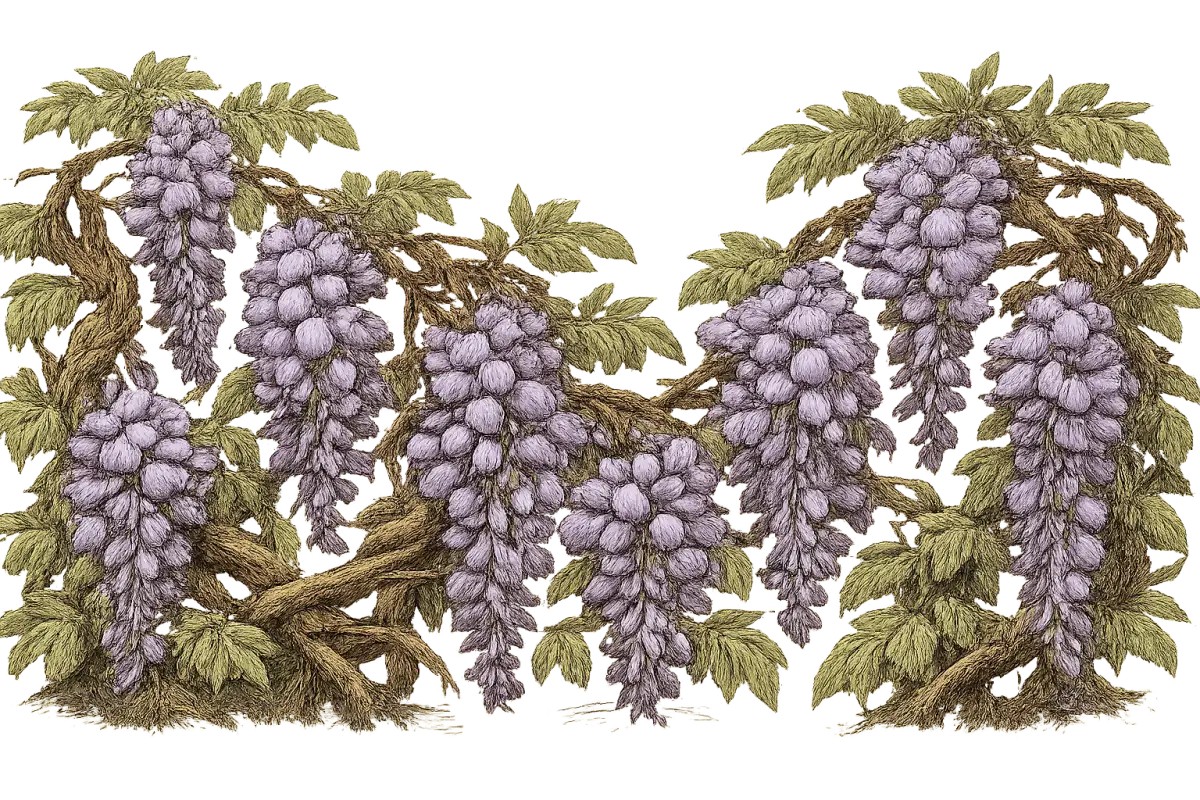
How to grow hops — vintage botanical illustration showing the plant in detail

Hops at a Glance

Sun

Sun

6-8 hours direct sunlight daily

Soil pH

Soil pH

6.0-7.0

Water

Water

1

Spacing

Spacing

36-60"

Days to harvest

Days to Harvest

Year 2+ for meaningful harvest; late August to September

Height

Height

18-25 feet per season

Soil type

Soil

Deep

Lifespan

Lifespan

perennial

Get your personalized growing data

Enter your zip code for frost dates, growing season, and soil type.

The first thing most people do when they decide to grow hops is go buy a rhizome. The second thing they do is build an 8-foot trellis. And that is where things quietly go wrong.

I have seen this sequence play out more times than I can count. An enthusiastic homebrewer reads that hops grow fast, orders a rhizome in February, plants it in April, lashes some twine to the top of a garden fence, and waits. The plant cooperates. It grows aggressively -- sometimes up to 12 inches per day in peak conditions. It reaches the top of that 8-foot fence in June. Then it bunches, tangles, loses air circulation, and produces a fraction of the cones it should. The disappointed grower concludes hops are harder than advertised.

They are not harder. They just have one or two requirements that are genuinely unlike anything else in the garden. The trellis height is one of them. The bine direction is another. Once you understand the handful of things that make hops unusual, this plant becomes one of the most satisfying long-term investments in any backyard. A healthy hop plant lives for 20 years or more. By year three, a single mature bine can produce 1-2 pounds of dried cones per season. Grow three plants of different varieties and you have enough to brew with all year, plus the singular experience of drop-fresh hops on brew day.

This guide covers everything you need to get those three plants producing for the next two decades -- without the detours that cost most first-timers a year or two of lost harvests.


Quick Answer: Hops Growing at a Glance

USDA Zones: 4 through 8 (best performance zones 5-7; zone 3 possible with limitations; zone 9+ not recommended)

Sun: 6-8 hours of direct sunlight daily; south-facing locations ideal

Soil pH: 6.0-7.0 (slightly acidic to neutral -- NOT an acid-loving plant)

Drainage: Excellent drainage is non-negotiable; waterlogged crowns rot

Trellis Height: 15-20 feet minimum; 18-25 feet for full yield

Spacing: 3-5 feet between plants

Water: 1.5-2 inches per week during active growth; drip irrigation only

Fertilizer: Balanced monthly feeding during growing season; reduce nitrogen at cone set

Training Direction: Clockwise only (looking from above) -- this is not optional

First Harvest: Year 1 produces little to nothing; moderate harvest year 2; full production year 3+

Mature Yield: 1-2 pounds of dried cones per plant per year (variety-dependent)

Best Beginner Variety: Cascade -- the most vigorous, forgiving, and versatile variety available


The Thing That Actually Limits Your Harvest (It Is Not What You Think)

Before we get into zones and varieties and planting schedules, I want to spend a moment on the structural decision that determines more about your harvest than anything else you will do: trellis height.

Hops produce cones primarily on the lateral branches that develop as the bine climbs. The longer the climbing run, the more laterals, the more cones. It is almost a linear relationship. A plant on a 20-foot trellis is not just taller than a plant on an 8-foot fence -- it is a fundamentally different growing situation. When you limit the climbing height, you limit the plant's cone production capacity before it even starts growing.

The numbers are uncomfortable. An inadequate trellis -- anything under 15 feet -- can reduce cone yield by 50-75% compared to what the same plant would produce on a proper structure. That is not a small efficiency loss. That is the difference between a pound of cones and four ounces.

The minimum you need is 15 feet. The ideal is 18-20 feet. For most backyard growers, that means setting a pressure-treated 4x4 or metal pipe into the ground with 3-4 feet buried for stability, running heavy-gauge wire horizontally at the top, and hanging biodegradable twine -- coconut coir or jute -- from the top wire down to ground stakes. If you cannot or will not build something that tall, you can run bines at an angle along a horizontal wire after they reach the top of a shorter structure, which extends the effective climbing distance. But vertical is better.

Build this before you plant. It is much easier to install a 20-foot pole when there is no established plant in the way, and a year-two or year-three plant with a vigorous root system does not appreciate the disruption.

Once the structure is up, train every bine you allow to climb clockwise -- that is, spiraling to the right when you look down at the plant from above. This is not a suggestion. Hops are genetically programmed to climb clockwise, and forcing them counterclockwise causes them to fight the support, repeatedly detach, and waste the growing energy they should be spending on reaching the top and throwing laterals. One correctly started bine will continue climbing on its own. One started backward will frustrate you all season.


Best Hops Varieties by Zone

Hops are photoperiod-sensitive perennials native to temperate climates. They perform best between USDA zones 4 and 8, with commercial production concentrated in zones 5-7. Below zone 4, short growing seasons limit cone development. Above zone 8, insufficient winter chill and heat stress compound to make reliable production genuinely difficult.

The good news is that variety selection for hops is simpler than for many garden plants. There are six varieties that cover the full range of backyard growing conditions and homebrewing needs, and one of them -- Cascade -- is the correct first plant for almost everyone.

What zone are you in?

Enter your zip code for frost dates, growing season, and soil type.

Cold Zones (3-4): Short Season, Big Ambition

Zone 3 is the frontier of hops growing -- northern Minnesota, the northern Great Plains, interior Alaska. The rhizome itself is hardy enough to survive underground through temperatures that hit -40F. The challenge is the growing season: 90-120 days is tight for full cone development, and yields will always be lower here than in warmer zones. That said, it is doable.

Cascade is the first choice in zone 3 precisely because it is the most vigorous variety available. Vigor matters at the cold edge -- a plant that climbs fast and throws laterals quickly is more likely to reach useful production before the season ends. Start rhizomes indoors 2-3 weeks before last frost and transplant after soil warms to at least 40F. Plant against a south-facing wall if you have one; the reflected heat extends your effective season by days or weeks. Mulch the crown deeply -- 6-8 inches of straw -- before winter closes in.

Nugget and Cluster round out the zone 3 toolkit. Both are reliably hardy, and Cluster in particular has historical deep roots in cold-climate American growing. If you want a bittering hop and do not want Cascade's citrus profile, Cluster or Nugget are the choices.

Zone 4 -- the upper Midwest, Vermont, northern Michigan -- opens things up considerably. The growing season stretches to 120-150 days, which is plenty for full cone development. Centennial shines here alongside Cascade; it is sometimes called "super-Cascade" because it delivers Cascade's citrus-floral character with higher alpha acid content (9.5-11.5% versus Cascade's 4.5-7%). Chinook is another strong zone 4 performer -- high alpha, reliable growth, and better disease resistance than average. Apply 4-6 inches of mulch over crowns in fall.

The Sweet Spot: Zones 5-7

This is where hops want to be. Zones 5, 6, and 7 encompass New England, the Great Lakes, the mid-Atlantic, Appalachia, the Pacific Northwest, and a good swath of the interior. Growing seasons of 150-210 days with adequate heat units and long summer days. Every major variety performs at its best here.

In zones 5-6, all six varieties are viable. The decision comes down to brewing goals rather than climate limitations. Cascade remains the first plant for anyone new to hops, and not just because it grows everywhere. It is genuinely dual-purpose -- useful for both bittering and aroma -- which means a single plant covers you for American pale ales, IPAs, and a dozen other styles. If you are planting two, add Centennial for higher alpha and the flexibility to brew bigger beers. If you are planting three, Chinook makes an excellent dedicated bittering hop, with the added benefit of being among the more disease-resistant varieties available -- important in eastern zones 5-6, where summer humidity creates real downy mildew pressure.

Willamette is worth mentioning for brewers who lean toward English-style ales, ESBs, and porters. It is a Fuggle derivative -- mild, floral, earthy -- and it brings a gentler character to hops gardens dominated by assertive American varieties. It is moderately vigorous and somewhat more susceptible to disease than Cascade or Chinook, so it rewards attentive growing in humid climates.

Zone 7 extends into the Mid-Atlantic and upper South, and it is also the Pacific Northwest's commercial heartland. In the more humid eastern areas of zone 7, disease resistance becomes a real selection criterion. Chinook and Nugget both carry better downy mildew resistance than Cascade or Willamette, and in a wet summer that difference is not academic. Eastern zone 7 growers should also be especially rigorous about air circulation -- keep bines to 2-3 per string, strip the lower 3-4 feet of laterals, and position the trellis to catch prevailing breezes.

Warm Zones (8): The Productive Edge

Zone 8 is the southern limit of reliable hops production. Coastal Carolinas, parts of the Gulf Coast, East Texas, portions of the Oregon and Washington coast. The growing season is long enough, but two problems emerge: summer heat stress and potentially insufficient winter chill. Hops need a dormancy period with sustained temperatures below 40F to reset their growth cycle. The warmest corners of zone 8 may not provide enough of this.

Cascade is the best bet for zone 8 -- its vigor gives it the best chance of producing a worthwhile harvest even in suboptimal conditions. Chinook also performs reasonably well in heat, partly because of its robust growth habit. Provide afternoon shade during the hottest months (2-5 PM) to reduce heat stress without significantly impacting overall production. Water deeply and consistently -- heat dramatically increases water demand, and a zone 8 plant in midsummer needs 2-3 inches per week without question.

Avoid Willamette and Nugget in zone 8. Both tend to underperform in high heat, and neither has the vigor to push through the challenge the way Cascade can.

Zone 9 and above is territory where I have to be honest with you: hops are not the right plant. Insufficient winter chill and intense summer heat combine to make reliable production very difficult. If you are determined to try, Cascade in a container that can be moved to a cold garage in winter is the only approach worth attempting, and you should go in treating it as an experiment rather than a food-producing perennial.

Quick Reference Table: Top Picks by Zone Group

Zone GroupTop VarietiesTypeWhy
3-4Cascade, Cluster, CentennialDual-purpose / BitteringMaximum vigor for short seasons; proven cold hardiness
5-6Cascade, Centennial, ChinookDual-purpose / BitteringFull yield potential; disease resistance in humid eastern zones
7Cascade, Chinook, WillametteDual-purpose / Bittering / AromaClimate flexibility; disease resistance for humid summers
8Cascade, ChinookDual-purpose / BitteringHeat tolerance; vigorous enough to handle zone 8 challenges

Soil: The Requirement That Surprises Most Gardeners

Here is the thing that catches people off guard: hops are not acid-loving plants. After years of working with everything from blueberries to azaleas, I have learned that gardeners often assume fruiting plants want acidic soil. Hops want the opposite. Their target pH is 6.0-7.0 -- slightly acidic to neutral -- which is exactly where most garden soils already sit without any amendment.

Test your soil pH before planting. Not because you probably have a problem, but because you want to know for certain. A county extension office soil test runs $10-25 and gives you far more information than a home kit. If your pH is below 6.0, apply agricultural lime; if it is above 7.0, apply elemental sulfur. Both take several months to fully react, so amend in fall for a spring planting.

The requirement that is truly non-negotiable is drainage. The perennial rhizome -- the underground structure that lives in your garden for 20+ years -- sits at or just below the soil surface year-round. In wet spring soil or after extended rain, a poorly drained site keeps that rhizome sitting in saturated conditions. Crown rot follows. It does not give much warning, and by the time you see the soft, mushy tissue at the base of the plant, the damage is usually done.

To test drainage before you plant, dig a hole 12 inches deep and 12 inches wide, fill it with water, let it drain completely, then fill it again and time it. Water that drains in 1-4 hours is good. Four to eight hours is marginal -- work in coarse organic matter and create a slight mound to elevate the crown above grade. More than eight hours means you need to either build a raised bed (at least 18 inches tall, filled with a mix of 50% quality topsoil, 25% compost, and 25% coarse sand or perlite) or choose a completely different location. There is no amendment that reliably fixes severely poor drainage in clay soils.

Beyond pH and drainage, hops are heavy feeders. They produce 18-25 feet of bine, abundant lateral branches, and a full cone harvest in a single growing season, then die back and do it again the next year. That explosive productivity comes from somewhere. Work 2-4 inches of well-aged compost into the top 12 inches of soil before planting, and plan to continue feeding throughout every growing season.


Planting Rhizomes: The Steps That Actually Matter

When to Plant

Timing by zone:

  • Zones 3-4: Late April to mid-May, after soil reaches 40F
  • Zones 5-6: Early to mid-April
  • Zone 7: Late March to early April
  • Zone 8: Early to mid-March

Rhizomes are planted shallowly -- horizontally, 2 inches below the soil surface, with buds pointing upward. This catches most people off guard. The instinct to plant deep for strong roots is correct for many plants but wrong for hop rhizomes. Deeper than 3 inches delays emergence, risks rot in cool wet spring soil, and reduces first-year vigor. In heavy soil, plant at 1 inch and mound amended soil over the top.

Spacing

Same-variety plants can go 3 feet apart. Different varieties need 5 feet of separation to prevent bine tangling as they climb. Each plant also needs 18-25 feet of vertical growing space -- factor this into where you position your trellis relative to structures, trees, and property lines.

First-Year Expectations (Be Patient)

Year 1 is not about harvest. Year 1 is about the rhizome building the underground infrastructure that will support 20+ years of production. Some first-year plants produce a handful of cones. Most produce little or nothing. This is entirely normal and no reflection on the plant's long-term potential.

What you should do in year 1 is train the 2-3 strongest bines clockwise onto your trellis and remove every other shoot at the base as it emerges. The plant will keep sending up new shoots throughout spring -- keep removing them. The math here is counterintuitive but consistent: fewer bines, better outcomes. Concentrated energy into two or three bines produces robust, productive growth. Letting everything climb produces a tangled mass with weak individual bines, poor air circulation, and smaller, lower-quality cones.

By year 2, the established root system supports noticeably stronger growth and a moderate harvest. By year 3, full production arrives and the plant you invested in finally delivers on its potential.


Watering: Drip or Nothing

Hops need approximately 1.5-2 inches of water per week during active growth, scaling up to 2-3 inches per week in peak summer heat. That is not unusual for a productive garden plant. What is unusual is the absolute importance of how that water is delivered.

Use drip irrigation or soaker hoses. Full stop.

Overhead watering -- sprinklers, spray heads, even hand-watering that wets the foliage -- creates the exact conditions that favor hops' two most destructive diseases. Downy mildew thrives on wet leaves in cool weather. Powdery mildew favors the humid microclimate around wet foliage in warm weather. Either one can ruin an entire harvest. Both can establish themselves so thoroughly that you are fighting them for the life of the plant.

A basic drip system for 1-4 plants is not complicated: a hose bib timer ($20-40), a pressure regulator, 1/2-inch main supply tubing, and 2-4 drip emitters per plant positioned in a ring 6-12 inches from the crown. Run it 30-60 minutes per session, 3-4 times per week during peak growth. The timer pays for itself immediately in the time you save and the disease pressure you avoid.

If drip irrigation is genuinely not possible, water at the base of the plant early in the morning -- before 8 AM -- so any splashed foliage dries completely by midday. Never water in the evening.

The watering question that matters most for first-year plants is frequency. A new rhizome has limited root reach and cannot access deep moisture reserves the way an established plant can. Check soil moisture every 1-2 days during hot weather. Keep the top 6-8 inches consistently moist but not waterlogged. A new rhizome that dries out in its first summer is a common and completely preventable loss.

Mulch -- 2-4 inches of straw, wood chips, or shredded bark -- reduces soil evaporation by 50-70%, moderates temperature extremes, and suppresses the weeds that compete for water. Leave a 2-3 inch gap around the crown itself to prevent rot. This is not optional infrastructure. It is foundational to everything else you are trying to accomplish.
What zone are you in?

Enter your zip code for frost dates, growing season, and soil type.


Feeding: How Much Is Enough, and When to Stop

Hops are among the most aggressive feeders in any backyard garden. The growth rate tells you why: a plant that adds 12 inches of bine per day during peak season, then throws laterals and develops a full cone harvest, is consuming nutrients at a rate most ornamental shrubs never approach.

The feeding schedule across the season:

  • Early spring (shoots emerging): Balanced fertilizer (10-10-10 or similar), 1-2 tablespoons per plant
  • Late spring (active climbing): Nitrogen-heavy fertilizer, 1-2 tablespoons per plant
  • Early summer (pre-bloom): Balanced fertilizer, 1-2 tablespoons per plant
  • Midsummer (cone formation): Reduce nitrogen; shift toward phosphorus and potassium to support cone development rather than continued vegetative growth
  • Late summer (cone ripening): Stop fertilizing entirely

That last point is worth emphasizing. Nitrogen encourages leafy, vegetative growth. Late-season nitrogen produces lush bines with poor cone quality and bines that fail to harden adequately before the first frost. Cut nitrogen as cones begin to form and stop fertilizing completely once they are sizing up.

Well-aged compost applied as a 2-3 inch top dressing each spring provides slow-release nutrients throughout the season and is the best foundation for a healthy hop yard. Build on it with targeted fertilizer applications rather than relying on fertilizer alone.


Pests and Diseases: The Three You Actually Need to Worry About

Hops face a specific and consistent set of threats. Prevention -- through air circulation, drip irrigation, and clean cultural practices -- handles the majority of them before they become problems.

Downy Mildew

This is the one that has historically devastated commercial hop yards, and it remains the most serious disease threat for backyard growers. It is caused by Pseudoperonospora humuli and it thrives in cool, wet conditions with wet foliage -- which is exactly why overhead watering is such a problem.

Look for two hallmark symptoms. The first is basal spikes in spring: infected shoots emerging from the ground that are stunted, deformed, and brittle, with leaves that curl downward and bunch together. These look dramatically different from healthy new growth. When you see them, cut them at the crown immediately and destroy them -- do not compost them. The second symptom is angular, dark-green to brown lesions on leaf upper surfaces, with a gray-purple fuzzy growth on the undersides in humid conditions.

The most dangerous form is systemic infection that lives in the rhizome itself, producing infected shoots year after year. If you see basal spikes repeatedly across multiple seasons and cannot get ahead of the problem, you may need to replace the plant entirely with certified disease-free rhizomes in a new location.

In humid climates -- the eastern US, the Southeast -- preventive copper-based fungicide applications (Bordeaux mixture, copper hydroxide) in spring as new growth emerges are a reasonable precaution, particularly if you have had downy mildew before.

Powdery Mildew

The second most serious disease, and the one that specifically attacks cones. Infected cones are not usable for brewing. Podosphaera macularis shows as a white or gray powdery coating on leaf surfaces and cone bracts. Unlike downy mildew, it favors warm, dry weather with high relative humidity -- late summer, right when cones are developing.

Treatment options include sulfur-based fungicides applied at first signs, neem oil applied in early morning or evening (to avoid leaf burn), or potassium bicarbonate at 1 tablespoon per gallon of water with a drop of dish soap as a spreader. Remove and destroy heavily infected cones immediately -- they cannot be salvaged and leaving them on the plant spreads spores.

Spider Mites

Nearly invisible to the naked eye, spider mites can build enormous populations before you notice them. Their calling card is tiny yellow or white stippling on leaf upper surfaces where they have pierced cells and fed. Look for fine webbing on leaf undersides when populations are heavy. They love hot, dry weather above 85F -- their population explosion period -- and they love stressed plants.

The first response to a light infestation is also often the most effective: a strong jet of water sprayed on leaf undersides, repeated every few days. This physically dislodges mites and washes off the dust that kills their predatory natural enemies. Insecticidal soap (2.5% solution, applied to undersides, repeated every 5-7 days for three applications) handles moderate infestations. For persistent problems, predatory mites -- Phytoseiulus persimilis or Neoseiulus californicus -- are a sustainable biological control that works.

One firm warning: avoid pyrethroid insecticides for spider mite control. They kill the predatory insects that naturally keep mite populations in check, and the result is often a population explosion that is worse than what you started with.


Harvesting: The Five-Day Window

Hop cones have a harvest window of roughly 5-10 days per variety. Miss it on either end and you lose significant quality.

Typical harvest windows by zone:

  • Zones 3-4: Late August to early October
  • Zones 5-6: Late August to mid-September
  • Zone 7: Mid-August to early September
  • Zone 8: Early August to late August

In a multi-variety garden, different varieties ripen 1-3 weeks apart. Check each variety independently.

The Five Readiness Tests

A ripe cone passes all five of these simultaneously. Two or three out of five means check back in a few days.

1. Papery feel. Squeeze a cone. Ripe cones feel dry, papery, and light. Unripe cones feel moist, dense, slightly spongy.

2. Visible lupulin. Pull a cone apart and look at the base of each bract. Ripe lupulin appears as bright golden-yellow powder -- sticky, fragrant, abundant. Unripe lupulin is pale and sparse. Overripe lupulin turns orange-brown.

3. Strong aroma. Rub a cone between your palms. Ripe hops smell intensely of their variety's character -- citrus, pine, floral, herbal. Unripe hops smell green and vegetal. Overripe hops smell cheesy or musty.

4. Slow spring-back. Compress a cone gently between thumb and forefinger, then release. Ripe cones spring back slowly. Unripe cones bounce back quickly (too much moisture). Overripe cones may not spring back at all.

5. Color lightening. Cone tips lighten from bright green toward pale yellow-green at ripeness. Fully brown cones are overripe and have lost significant aromatic compounds.

Drying

Fresh hops contain 75-80% moisture and must be dried to 8-10% for proper storage. Screen drying is the most reliable method for home growers: spread cones in a single layer on window screen material stretched over a wooden frame, place in a well-ventilated area out of direct sunlight, and run a fan gently across (not directly onto) the cones. Two to three days in typical conditions (70-80F, moderate humidity).

The definitive test for dryness: the central stem (strig) inside the cone snaps cleanly when bent. If it bends without snapping, keep drying. If you skip this test and rely on the outer bracts feeling dry, you will often find the interior is still moist enough to mold in storage.

Do not dry in direct sunlight (UV degrades alpha acids) and do not use temperatures above 140F (destroys the volatile aromatic oils that give hops their character). A food dehydrator set to 95-110F is faster than screen drying and safe. Most home ovens cannot hold temperatures that low reliably.

Storage

Vacuum-seal dried cones in food-grade bags, remove as much air as possible, label with variety and harvest date, and freeze at 0F or below. Oxygen is the primary enemy of stored hops -- it oxidizes alpha acids and creates off-flavors that range from cheesy to skunky. Properly vacuum-sealed and frozen hops retain quality for 1-2 years.

Brew with your freshest hops first. The year-old bag is still good; the bag from two years ago is technically still usable but has lost a meaningful amount of its alpha acid content.

Wet-Hopping

If you want to use fresh, undried hops directly in a brew -- a technique called wet-hopping or fresh-hopping -- pick and brew within 4-6 hours of harvest, 24 hours at the outside. Use 4-6 times the weight of fresh hops compared to what a dried hop recipe calls for, since fresh hops are 75-80% water. A recipe calling for 1 oz of dried Cascade becomes 4-6 oz of fresh Cascade. Wet hops are best as late additions -- the last 10-15 minutes of the boil or as a dry hop -- to preserve their unique fresh character. Refrigerate in paper bags (not plastic, which traps moisture and promotes mold) if you cannot brew immediately.


The Mistakes That Cost Growers a Year or Two

I want to be specific about the failures I see most often, because most of them are invisible until the damage is already done.

Building a short trellis. Already covered, but worth repeating at the top of this list: a trellis under 15 feet physically limits cone production. The plant is not underperforming -- it has run out of room. There is no fertilizer or watering adjustment that fixes a structural limitation. Build the right trellis before you plant.

Training too many bines. A healthy rhizome produces dozens of shoots in spring. Allowing all of them to climb feels productive. It is not. Dense, crowded bines trap moisture and create ideal conditions for downy and powdery mildew. Each bine is weaker due to divided plant energy, producing smaller cones with less lupulin. Select 2-3 of the strongest bines per string and remove every other shoot at the base as it emerges. Continue removing new basal shoots throughout spring. The plant will keep sending them up.

Training bines counterclockwise. Hops climb clockwise when viewed from above. Training them the other direction forces them against their natural growth direction. They fight the support, detach repeatedly, and waste growing energy reversing course. Always wind clockwise -- spiraling to the right when wrapping from the ground up.

Overhead watering. I have mentioned this twice already, and I will say it one more time because I see it cause disease problems so consistently. Drip irrigation to the root zone only. If you hand-water, water at the base, before 8 AM.

Harvesting too early. The most common beginner harvest mistake is picking cones that look full-sized but feel moist and dense, with pale, sparse lupulin and a green, vegetal aroma. Low alpha acid content and grassy flavors in the final beer are the result. Check all five readiness indicators. If in doubt, dry a test cone and evaluate before harvesting the whole plant.

Skipping fall cleanup. Leaving dead bines, fallen leaves, and plant debris around hop plants over winter provides overwintering habitat for downy mildew spores and spider mite eggs. Spring infections often originate directly from the previous season's debris. Cut bines to the ground after they brown and die back. Remove all debris from the area. If any disease was present during the season, destroy the debris rather than composting it -- bag it for trash or burn it. Then apply 4-6 inches of mulch over the crown for winter protection.

What zone are you in?

Enter your zip code for frost dates, growing season, and soil type.


Frequently Asked Questions

How Tall Does My Trellis Really Need to Be?

The honest answer is 18-20 feet for full yield potential. The practical minimum is 15 feet. Anything shorter and you are significantly limiting production before the plant even has a chance to show what it can do. Cones form primarily on the lateral branches that develop as the bine climbs -- fewer vertical feet means fewer laterals, fewer cones. If height is genuinely constrained, an angled or horizontal training system where bines grow up to 10-12 feet and then run along a horizontal wire provides more linear climbing distance than a straight vertical run that ends at 8 feet.

Why Did My Hops Produce Almost Nothing in Year One?

Because year one is about the rhizome, not the harvest. The first year's energy goes into building the underground root system that will support 20+ years of production. Some first-year plants produce a handful of cones. Most produce little or nothing. This is completely normal. By year two, with an established root system, yields increase noticeably. Full production arrives by year three. Evaluate the plant's potential based on year-three performance, not year-one.

Can I Grow Hops in a Container?

Yes, but the container needs to be large -- 15 gallons minimum, and bigger is better. Containers dry out much faster than in-ground plantings; in hot weather you may need to water daily. Use a well-draining potting mix and ensure drainage holes are functional. Container-grown hops will be less productive than in-ground plants due to restricted root volume, but they are a viable option for gardeners with patio space but no suitable ground. This is also the approach sometimes attempted in zone 9, where forced dormancy (moving the container to a cold garage in winter) attempts to supply the chill hours the climate does not provide naturally.

What Is the Difference Between a Bine and a Vine?

It is a distinction that matters for growing. Vines climb using tendrils or suction cups -- they attach to supports and pull themselves up. Bines climb by twining their stems around supports, using rough, hooked hairs on the stem surface to grip. This means hops need rough-textured vertical supports they can actually grip -- smooth wire or nylon rope does not work. Coconut coir or jute twine (1/4 to 3/8 inch diameter) provides the texture bine hairs need to hold on. It is also biodegradable, so at season's end the entire bine-and-twine assembly can be cut down together and composted.

Do Hops Need More Than One Plant to Produce?

No. Unlike some fruiting plants, hops do not require pollination to produce cones. In fact, all commercially sold rhizomes are female, and male plants are actively undesirable -- pollinated cones contain seeds that produce off-flavors in beer. A single female plant produces cones without any other plants nearby.

How Do I Know When My Cones Are Ready to Harvest?

All five indicators together: papery and dry when squeezed, bright golden-yellow lupulin visible when you pull a cone apart, strong and characteristic aroma when rubbed between your palms, slow spring-back when gently compressed and released, and cone tips beginning to lighten from bright green toward pale yellow-green. This window lasts approximately 5-10 days per variety. Check cones daily once you see the first signs of ripening.


The Long View

Hops reward patience in a way that few garden plants can match. The first year is quiet. The second year is encouraging. By the third year, the plant you put in the ground is delivering what it promised, and it will keep delivering for another 17 years without needing to be replanted.

There are genuinely only a handful of things you need to get right: a tall enough trellis, clockwise training, drip irrigation, proper bine selection in spring, and the patience to let the root system establish before expecting a harvest. The soil requirements are forgiving compared to most fruiting plants -- hops want the pH your garden probably already has. The variety selection is straightforward if you start with Cascade and add from there based on what you brew.

Get those fundamentals right and this plant will be the most productive perennial in your backyard. A couple of friends of mine who started with three rhizomes a decade ago now brew with hops they grew themselves for ten months of the year and trade the surplus at every homebrew club meeting they attend. That payoff started on a cold April morning when they planted three rhizomes 2 inches deep in amended soil and built a trellis that was, just barely, tall enough.

Yours can start the same way.

Research for this guide draws on hops growing expertise from backyard and commercial cultivation sources, including integrated pest management practices and cultivar trial data from extension services and hop yard research across zones 3-8.

Where Hops Grows Best

Hops thrives in USDA Zones 4, 5, 6, 7. Explore each zone's complete guide for growing tips, companion plants, and seasonal advice.

Also possible in: Zone 3, Zone 8 (challenging but possible with the right conditions).

Not sure of your zone? Look it up by zip code →