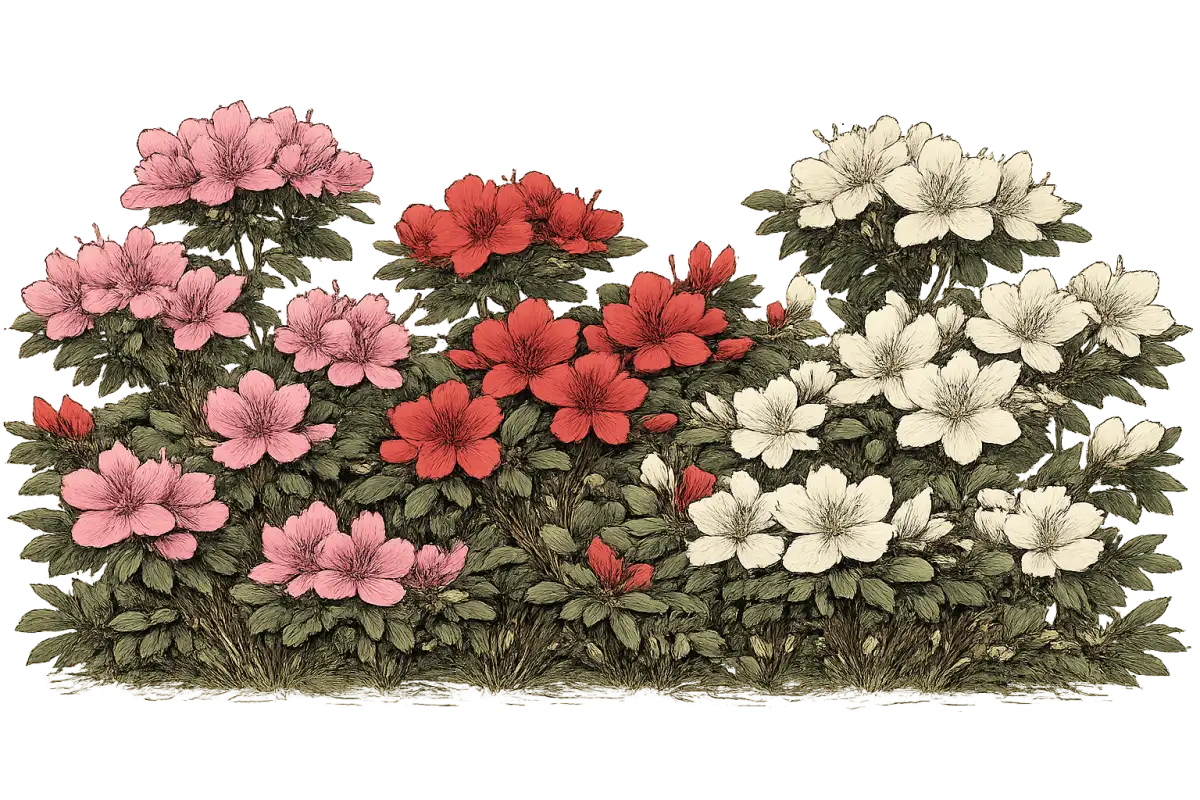
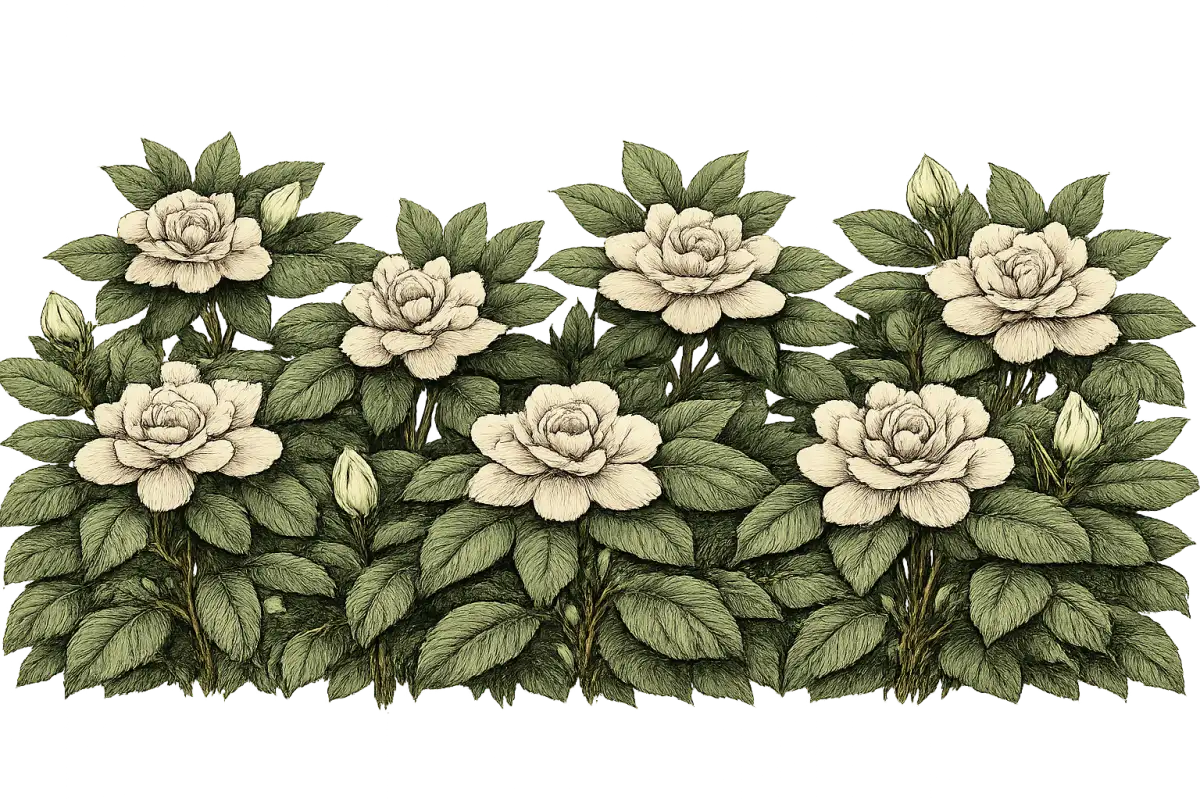
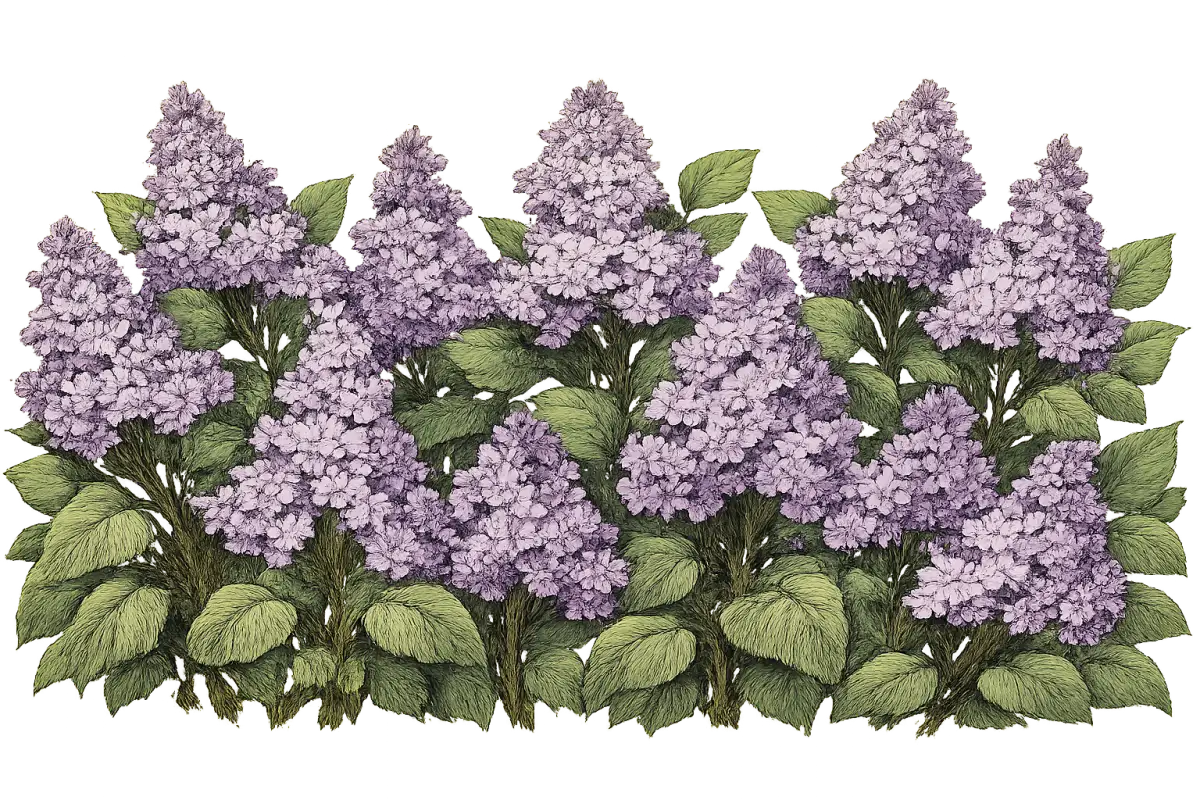
Shrubs

Roses Don't Have to Be Hard. You Just Have to Choose the Right One.

Tom Bridger

Tom Bridger

Tree & Shrub Specialist · Updated April 2026

How to grow roses — vintage botanical illustration showing the plant in detail

Roses at a Glance

Sun

Sun

Minimum 6 hours direct sun

Soil pH

Soil pH

6.0-6.5

Water

Water

1 inch per week (5-6 gallons per plant)

Spacing

Spacing

36"

Height

Height

Varies by type: shrubs 3-5 ft, climbers 8-25 ft

Soil type

Soil

Well-drained loam amended with 2-4 inches organic matter

Lifespan

Lifespan

perennial

Get your personalized growing data

Enter your zip code for frost dates, growing season, and soil type.

The gardener I think about most often planted three hybrid tea roses along her south-facing fence in zone 4. She was methodical about it. She amended the soil, planted at the right depth, even looked up a fertilizer schedule. By the following February, every one of those plants was dead to the graft union — and what grew back in spring was the rootstock, Dr. Huey, not the roses she had paid for. She called it a failure. It wasn't. It was a mismatch.

Roses have an undeserved reputation as fussy, demanding plants that require constant intervention. And it is true — some of them are. Hybrid teas need regular fungicide programs, annual winter protection rituals, and careful pruning to perform. But that description applies to a fraction of the thousands of rose varieties in existence. The other fraction? Species roses that laugh at -30F. Buck roses bred at Iowa State University to survive without protection, without fertilizer, without fungicide. Old garden China roses that outlast everything else in Florida's brutal summers. Knock Out roses that bloom from May to frost while you largely ignore them.

The single most important thing you will do for your roses is not in a spray bottle or a fertilizer bag. It is choosing the right variety for your zone before you spend a dollar. Get that right, and roses become some of the most rewarding plants you can grow. Get it wrong, and no amount of attentive care will fully compensate.

This guide is built from extension research across the country — from the University of Minnesota's A.R.T.S. trials in Clay County to UF/IFAS work in Florida to Texas AgriLife Extension's eight-year Earth-Kind program. We will tell you which roses belong in your zone, how to plant them right, what they actually need in terms of water and food, and where most gardeners go wrong.

Let's get your roses right the first time.


Quick Answer: Rose Growing at a Glance

USDA Zones: 2 through 10 (with the right variety)

Sun: Minimum 6 hours direct sunlight daily; morning sun strongly preferred

Soil pH: 6.0-6.5 optimal; 6.0-7.0 acceptable; test before planting

Watering: 5-6 gallons per week (approx. 1 inch); deep and infrequent; drip irrigation preferred

Spacing: Hybrid tea 24-36 inches; floribunda 18-24 inches; shrub/Knock Out 3-foot centers; climbing 6-10 feet

Fertilizer: Start when new leaves emerge; stop 6-8 weeks before first frost

Pruning timing: When forsythia blooms in your area (never in fall)

Winter protection: Required for hybrid teas, grandifloras, floribundas in zones 3-6; own-root shrub roses need none

Graft union depth: 2-4 inches below soil in zones 3-6; at soil level in zones 9-10

First major bloom: Year 1 for most modern roses; year 3 for some old garden types ("sleep, creep, leap")


The Variety Decision (Why Everything Else Depends on This)

Before we talk about soil, pruning, or watering, we need to talk about type. The American Rose Society recognizes over 40 official rose classes, and they do not all behave the same way. Lumping them together as "roses" is like lumping blueberries and tomatoes together as "garden plants." True enough, but not useful.

Here is the practical breakdown you actually need:

Hybrid teas are what most people picture when they think "rose" — long-pointed buds on long stems, virtually every color except blue, perfect for cutting. They are also the highest-maintenance class in existence. Decades of intensive breeding for flower form have stripped many of them of disease resistance, cold hardiness, and fragrance. In zones 3-5 they require elaborate winter protection. Almost everywhere, they benefit from a regular fungicide program. If you want the show-stopping cut flower experience, they are worth the work. If you don't, there are better choices.

Shrub roses — which include Knock Out, Buck roses, Canadian Explorer and Parkland series, rugosa hybrids, and David Austin English roses — represent the modern direction of rose breeding. Lower maintenance, better disease resistance, and in many cases genuinely extraordinary cold hardiness. Knock Out roses introduced by William Radler in 2000 essentially redefined what a landscape rose could be: self-cleaning (no deadheading required), black spot resistant, blooming from spring to hard frost, requiring nothing more than an annual cut with hedge shears.

Old garden roses — Gallicas, Damasks, Albas, Chinas, Teas, Bourbons — are the category most underused by American gardeners and most recommended by the people who grow them in hot, humid climates. In Florida and the Gulf South, old Tea and China roses outlast and outperform modern hybrids in heat and humidity, need less water, less fertilizer, and are more pest-tolerant. The trade-off is that once-blooming types (Gallica, Damask, Alba) flower only in early summer on previous year's wood. If you prune them in spring, you lose the year's flowers entirely.

Climbing roses are not a separate botanical category — they are simply roses with very long canes that you train along a structure. They do not self-cling. Every attachment is manual. Their pruning requirements differ fundamentally from shrub roses, and confusing the two is one of the most common ways gardeners accidentally eliminate a year's worth of bloom.

Understanding which type you have — before you prune, before you protect it for winter, before you wonder why it isn't blooming — is the foundation everything else stands on.

What zone are you in?

Enter your zip code for frost dates, growing season, and soil type.


Best Roses by Zone

Choosing the right variety for your zone is not a minor detail. It is the ballgame. A well-chosen own-root shrub rose in zone 4 will outlive three rotations of grafted hybrid teas and require a fraction of the intervention. Here is what to plant where.

Cold Zones (3-5): Own-Root Shrubs Win, Full Stop

If you are in zones 3, 4, or 5 — the upper Midwest, northern plains, northern New England — the most important rose fact you need is this: the most common rootstock used on grafted roses in North America, Dr. Huey, is only borderline hardy in zone 6. It is not reliably hardy in zone 5. It is not hardy in zones 3 or 4. If your grafted hybrid tea dies back to the graft union in a hard winter, what regrows is the rootstock — a different plant entirely, with different foliage and different flowers. This is not an edge case. It is what happens routinely.

The solution is elegant: stop fighting your climate and plant own-root shrub roses that were bred for it.

The University of Minnesota A.R.T.S. program (American Rose Trials for Sustainability) tests roses in Clay County, Minnesota — temperatures to -35F — with no pesticides, no fertilizer, and no winter protection. The varieties that come through those trials healthy are the ones worth growing in cold climates.

In zone 3, the rugosa roses are your foundation. Hansa (reddish-violet, 4-6 feet, exceptional fragrance) and Blanc Double de Coubert (white, 5-6 feet, intense fragrance, ornamental orange hips) are both disease-free performers. Therese Bugnet, a rugosa hybrid, adds black-spot resistance to zone 3 hardiness. For climbing, William Baffin from the Canadian Explorer series reaches 8-10 feet, blooms deep pink in June with a light repeat, and handles zone 3 winters without a murmur.

Zones 4-5 open up the full range of own-root shrub options. The Buck roses, bred at Iowa State University by Dr. Griffith Buck over three decades, are Iowa's great contribution to cold-climate rose growing. Buck bred 85+ varieties specifically to survive sub-zero temperatures without protection and maintain good foliage without fungicide. Carefree Beauty — the most famous of the group, now also an Earth-Kind designee — produces deep pink semi-doubles on a 4-5 foot plant with orange hips in fall. Distant Drums is something different: an unusual rose-purple with gold and tan tones, with a strong myrrh fragrance that stops you mid-stride. Quietness carries the best fragrance in the Buck lineup — intense old-rose scent on light pink blooms. Hawkeye Belle offers ivory-white blooms with a pink blush on a 4-foot plant. The largest Buck rose collection in the world is at Reiman Gardens at Iowa State.

The Canadian Explorer and Parkland series were bred with similar priorities. John Cabot (deep rose-pink, 6-8 feet), Henry Kelsey (red, 7-9 feet, moderate fragrance), and William Baffin are the climbers. Winnipeg Parks and Champlain are compact shrubs for borders.

For zones 5-6, David Austin English roses become possible — but with an important caveat. Many Austin varieties are limited to zones 5B-6 and sacrifice the true cold hardiness of rugosa and Buck roses. The best zone 5-6 Austin picks are Olivia Rose Austin, Queen of Sweden, Winchester Cathedral, and Boscobel.

Zone 3-5 strategy: Prioritize own-root shrub roses. Plan for zero winter protection on rugosa, Buck, and Explorer series. If you want hybrid teas or floribundas, plan for the Minnesota Tip method every fall (see the winter protection section). Remove wild multiflora roses within 300 feet of your garden to reduce Rose Rosette Disease risk — Rosa multiflora is the primary disease reservoir.

Standard Zones (6-7): The Full Menu Is Available

Zone 6 and 7 are where rose growing is the most forgiving. Every class performs here. Both own-root and grafted roses succeed. Your choices narrow down to priorities rather than climate constraints.

For cutting and exhibition, the hybrid teas shine here: Peace, Mister Lincoln, Double Delight, Chicago Peace are Colorado State Extension standards for this zone range. Grandifloras Queen Elizabeth (still one of the best since its 1954 introduction) and Gold Medal add height and cluster-flowering. Among floribundas, Iceberg and Julia Child are the workhorses — reliable, disease-tolerant, and prolific.

For minimum-fuss maximum-bloom, the Knock Out family (zones 5-10) is your answer. All varieties are self-cleaning, black spot resistant, and bloom until hard frost. The only two fragrant members of the Knock Out family are Sunny (yellow to cream) and White — worth noting if scent matters to you.

For fragrance as the primary goal, old garden roses and David Austin roses are your best options. Graham Thomas (deep yellow), Heritage (soft pink), Mary Rose (rose-pink), and Evelyn (apricot-peach) are Austin classics for this zone. Among the old garden classes, the Damask roses carry what is recognized as the benchmark "old rose" fragrance — Madame Hardy is the white Damask most often cited as perfection. Bourbons like Louise Odier and Madame Isaac Pereire add vigorous growth and heavy fragrance to reliable rebloom.

For climbers, New Dawn — a blush pink that reaches 15-20 feet, tolerates partial shade, and carries an Earth-Kind designation from Texas AgriLife — is the most widely proven climber for this zone range.

Hot Zones (8-10): Old Garden Roses Take Over

The conventional wisdom that roses struggle in heat is based almost entirely on hybrid teas. Old garden roses tell a completely different story.

In Florida and the Gulf South, UF/IFAS research identifies four top performers. Mrs. B.R. Cant, an old Tea rose reaching 8-10 feet, produces good cut flowers with fragrance and intermediate black spot resistance. Louis Philippe, known as the "Florida Cracker Rose," is a China rose of 7-8 feet that is resistant to both black spot and chilli thrips — an unusual double resistance that makes it genuinely easy in Central Florida. Spice, a Bermuda Mystery rose of about 4 feet, is continuously blooming with high disease resistance and a distinctive peppery fragrance. Knock Out fills out the list as the modern shrub option, though note that Cercospora leafspot is increasingly common on Knock Outs in Florida — a different disease than the black spot it famously resists.

Mutabilis — the Butterfly Rose — is one of the most remarkable heat-tolerant roses in existence. Flowers open yellow, shift to pink, then deepen to crimson as they age, creating a plant with three colors simultaneously. It carries an Earth-Kind designation and exceptional heat tolerance.

Texas AgriLife Extension's Earth-Kind program ran 100 cultivars over 8 years across 12 field trial sites in zones 7-9 with no pesticides, no fertilizer, no deadheading, and no supplemental water after establishment. Twenty-one cultivars earned the designation. Belinda's Dream — medium pink, 100+ petals, fragrant — is perhaps the most impressive result: a modern rose that behaves like an antique in terms of low-maintenance performance. Carefree Beauty, The Fairy, Cecile Brunner, and New Dawn are also on the list.

One pruning note specific to warm climates: Tea and China roses in zones 8-10 should be pruned lightly only once annually during dormancy. They resent hard pruning and will, as the extension literature puts it, "sulk" if cut back too severely.

Quick Reference Table: Top Picks by Zone Group

Zone GroupTop 3 VarietiesTypeWhy
3-4Hansa, William Baffin, Blanc Double de CoubertRugosa / ExplorerUMN-tested; survive -35F without protection
5-6Carefree Beauty, Knock Out, Distant DrumsBuck / Landscape ShrubSub-zero hardiness; no fungicide needed
6-7Peace, Graham Thomas, New DawnHybrid Tea / Austin / ClimberFull type range available; own-root for longevity
8-9Belinda's Dream, Louis Philippe, MutabilisEarth-Kind / China / Old TeaEarth-Kind tested; outperform hybrids in heat
9-10Mrs. B.R. Cant, Spice, Knock OutOld Tea / Bermuda Mystery / ShrubUF/IFAS top performers; heat and disease resilient

Planting Roses Right: The Details That Actually Matter

Good planting is a one-time investment. Get the details right here and the plant will be easier to care for every year afterward.

Site Selection

The minimum is 6 hours of direct sunlight daily, and more is better. But which 6 hours matters: morning sun is preferable to afternoon sun, not because of heat (though that is a minor factor in zones 8-10) but because morning sun dries overnight moisture from foliage. Wet foliage overnight is the primary cause of black spot and powdery mildew. A site with morning sun that dries the leaves by mid-morning is practicing passive disease prevention every day.

The one exception to the sun rule is hybrid musk roses, which bloom reliably with as little as 5 hours of direct sunlight — unusual among roses and worth knowing if you have a partially shaded area.

Avoid planting near trees or large shrubs. Rose roots cannot compete with tree roots for water and nutrients. And avoid enclosed corners or low-lying areas where cold air and moisture pool — both are disease incubators.

Soil pH: Test It

The optimal range for roses is pH 6.0-6.5, with 6.0-7.0 acceptable. Above 6.5, iron availability drops significantly and you will start seeing chlorosis — yellow leaves with green veins — no matter how well you fertilize. Knock Out roses prefer the slightly lower end: pH 5.5-6.5.

Test your soil before planting. Each pH unit above optimum dramatically reduces iron availability, and adding iron fertilizer to soil that is out of range solves nothing.

Illinois Extension recommends confirming drainage before planting: fill an 18-inch-deep hole with water and check it after 5-6 hours. If it has not drained completely, you have a drainage problem. Poor drainage kills roses. Solutions are raised beds, heavy soil amendment, or a different location.

Graft Union Depth: This Changes by Zone

This is where many planting guides fail gardeners, and it matters enormously in cold climates.

In zones 3-6, plant the graft union (the knobby swelling at the base of the cane) 2-4 inches below soil level. This protects the graft union from freezing — the single most critical planting detail in cold climates. In zones 7-8, place the union at or slightly below soil level. In zones 9-10, the union sits at soil level; deep planting is unnecessary where freezing is not a concern.

For own-root roses, place the crown at or slightly below soil level. There is no graft union to protect, and planting slightly deep encourages additional root development along buried cane.

The Planting Process

For bare-root roses — dormant plants that must be planted before growth begins — soak roots overnight in a bucket of water on arrival if they appear dry (no more than 24 hours). Dig the hole 18-24 inches in diameter and 14-18 inches deep. Build a cone-shaped mound of amended soil in the center and drape roots over it. Backfill with a mix of one part amendment to two parts native soil, adding 1 cup of bone meal per plant for root development. Do not pack the soil — settle it by watering deeply, not by tamping.

For container roses, break up the root ball for any potbound plant. Circling roots left uncorrected at planting cause long-term structural problems.

After planting, apply 2-4 inches of organic mulch around the drip line, keeping mulch 2-3 inches away from the base of the stems. In dry climates like Colorado, Colorado State Extension emphasizes covering the remaining canes with loose moist soil or mulch to prevent cane desiccation — this is the most important post-planting step in arid regions.


Watering: Deep and Infrequent, and Keep the Leaves Dry

Roses need roughly 5-6 gallons per week per plant — about an inch of water including rainfall. The way you deliver that water matters at least as much as the quantity.

Water deeply and infrequently. The goal is 12-18 inches of penetration to encourage deep root growth. Roses with deep roots are more drought-tolerant, more resilient through heat, and better anchored than those maintained on frequent shallow watering. In temperate zones, every 5-6 days is a typical interval. In hot, dry climates, every 2-3 days may be necessary. Sandy soils drain faster and need more frequent attention than clay.

Drip irrigation is the preferred method, and the disease-prevention logic is simple: wet foliage is the primary cause of black spot and powdery mildew. Drip delivers water at the plant base without ever touching leaves. Soaker hoses offer similar benefits. Overhead watering should be avoided wherever possible — and if it is unavoidable, water only early in the morning so leaves can dry before evening.

The five rules worth memorizing: water the soil, not the leaves; water early in the day; never water in the evening; focus on the plant base; keep foliage dry. That last one prevents more disease than any fungicide program.

Replace mulch each spring rather than adding to old layers. Overwintered black spot spores can reside in old mulch. Fresh mulch creates a physical barrier over any remaining spores and gives you a clean season start.

Container roses need more frequent attention than in-ground plants — potentially daily in summer heat — because the soil volume is small and roots are exposed to temperature extremes. Feed container roses every 2-3 weeks during active growth since nutrients leach with watering.


Feeding Roses: The Timing Rule Is More Important Than the Product

Roses are moderate to heavy feeders during the growing season, and the range of acceptable approaches is wide — from a single spring application of slow-release fertilizer (perfectly adequate for Knock Out and landscape shrubs) to the comprehensive organic program preferred by rosarians growing exhibition hybrid teas. What matters most is not which program you choose, but when you stop.

Start when new leaves emerge. Stop all fertilization 6-8 weeks before your average first frost date. Late feeding stimulates tender new growth that will be killed by frost. That timing rule overrides everything else.

The Organic Program

The gold standard among serious rosarians centers on alfalfa meal (NPK 5-1-2), and what distinguishes it from ordinary organic fertilizers is triacontanol — a naturally occurring fatty acid growth stimulant that promotes plant development beyond what simple nutrient replacement provides. Alfalfa also supplies calcium, magnesium, phosphorus, iron, zinc, and a range of vitamins. Application rate: 1 cup per large bush, 1/2 cup for miniatures, worked into the soil or steeped as alfalfa tea (8-10 cups of meal in a 30-gallon container, steeped 3-5 days, applied at 1 gallon per bush). If preparing alfalfa tea in a container that heats in the sun, add 5 or more gallons of cool water before afternoon applications to prevent thermal root injury.

Fish emulsion (5-1-1) is the other cornerstone: nearly impossible to burn, provides a slight acidic reaction roses prefer, and builds soil biology. Apply every 3 weeks through the season. Bone meal (3-15-0) provides slow-release phosphorus for root development and blooms — 1 cup per plant at planting, then through the season and again in fall.

For a synthetic program, balanced formulas (5-10-5, 10-10-10, or 4-12-4) are appropriate. Time-released fertilizer on a March/June/September schedule is the simplest effective synthetic program. Avoid excessive nitrogen — it produces lush, disease-susceptible foliage at the expense of flowers.

The Epsom Salt Question

Epsom salt (magnesium sulfate) generates more debate in rose circles than almost any other topic. The honest answer is geographic. In eastern US gardens with sandy or acidic soils — commonly magnesium-deficient — Epsom salt at 1/4 to 1/2 cup per plant in spring can produce the richer bloom color and increased basal shoots its proponents claim. In western US gardens with alkaline soils, a former American Rose Society President specifically warned against its use in California. Western soils generally contain adequate magnesium; adding more creates a calcium-magnesium imbalance. Get a soil test before making Epsom salt a regular part of your program.
What zone are you in?

Enter your zip code for frost dates, growing season, and soil type.


Pruning: The Type You're Growing Changes Everything

Every rose needs annual pruning. But the method, timing, and target height vary so dramatically by type that the wrong approach can eliminate an entire year of bloom. There is one rule that applies universally: never prune in fall. Fall pruning stimulates tender new growth that the first freeze will kill, weakening or in cold climates killing the plant. The only fall intervention that is appropriate is cutting very tall canes back to about 30 inches to prevent wind rock — that is damage control, not pruning.

The Timing Signal

When forsythia blooms in your area, it is time to prune roses. This phenological indicator adjusts automatically for your local climate without requiring you to track calendar dates. Alternatively, watch for red buds swelling on canes. For reference: zones 9-10 prune mid-January to mid-February; zone 8 in late February to mid-March; zone 7 in mid-to-late March; zone 6 in late March to mid-April; zone 5 in mid-to-late April; zones 3-4 in late April to early May.

Hybrid Teas: The Most Extensively Pruned

Hybrid teas are cut back hard — to 15-18 inches in spring (8-12 inches in mild-winter areas with less dieback). Select 3-5 of the strongest canes and remove the rest. Every cut should be 1/4 inch above an outward-facing bud at a 45-degree angle sloping away from the bud. The goal is an open vase shape that allows light and air into the center. After making cuts on thick canes, seal the ends with white wood glue or pruning paint to prevent rose cane borers from tunneling into the pith.

Shrubs, Knock Outs, and Landscape Roses: Hedge Shears Are Fine

Knock Out and landscape shrub roses are impractical to hand-prune given their cane density. Hedge shears are the appropriate tool. UMD Extension's specific guidance: cut to approximately 30 inches in fall (wind damage prevention only), then cut back to approximately 20 inches in spring. Do not prune Knock Out roses in their first year. After that, prune annually.

General shrub roses can be cut back to approximately 12 inches in late winter — they will grow to 3-4 feet by end of season. An alternative for mature plants: remove one-third of the oldest, thickest canes at ground level each year to promote new basal growth.

Climbers: Laterals Only, Never the Main Framework

Here is the mistake I see most often with climbing roses: gardeners cut them back hard in spring like a shrub, then wonder why they produce almost no flowers. The main structural canes of a climbing rose are permanent. Never cut them to the ground. Those canes are the framework you have been building.

What you prune are the lateral (side) shoots. In winter dormancy (December through February), strip remaining foliage to see the structure clearly, remove dead and diseased wood, then cut lateral flowering shoots back to 2-5 buds — approximately 4-6 inches. Retain 4-6 strong main canes. New climbing roses should not be pruned heavily for the first 2-3 years while they establish their framework.

One more thing about climbers: train the main canes as close to horizontal as possible. Horizontal canes produce flowering laterals along their entire length. Vertical canes flower only at the tips. This single training decision can double the number of blooms on a mature climber.

Once-Blooming Old Roses: After Flowering, Never in Spring

Gallicas, Damasks, Albas, Centifolias, Moss roses, and Ramblers bloom on previous year's wood. If you prune them in spring, you remove this year's flowers. Full stop. These types are pruned only after flowering — typically June or July — with light shaping and removal of dead wood. The graceful, arching natural form of these roses is part of their character; preserve it rather than cutting them into tidy shapes.

Repeat-blooming old roses (Bourbon, Portland, Hybrid Perpetual, China, Tea) are pruned in spring like modern roses, though more lightly — reduce height by one-third to one-half rather than cutting back hard. China and Tea roses in warm climates are particularly sensitive to aggressive pruning.


Winter Protection: Choose the Right Rose First, Then Worry About the Rest

The best winter protection strategy, and I say this without irony, is choosing the right rose for your zone in the first place. A Hansa rugosa in zone 3 needs nothing. A hybrid tea in zone 4 needs significant annual intervention. Own-root shrub roses are the simplest solution to winter protection problems: if the top is killed back, the plant regrows true-to-type from the roots. A grafted rose that dies back to the graft union regrows as the rootstock — a different plant.

That said, many gardeners grow hybrid teas and floribundas in cold zones because they want what those plants offer. Here is what that commitment looks like.

The Mounding Method

Most practical for zones 5-6 with hybrid tea, grandiflora, and floribunda roses. After several hard frosts in mid-November, loosely tie canes together with twine, then mound 10-12 inches of soil over the base of the plant. Bring this soil from elsewhere — never scrape it from around the plant's own root zone, which damages shallow roots. Add 1-2 feet of straw or leaves over the soil mound to complete the insulation. Remove gradually in spring (mid-March to early April) to prevent sun scald on emerging growth.

Do not use polystyrene (Styrofoam) cones. The Minnesota Rose Society explicitly warns against them. They overheat on sunny winter days, triggering premature bud break, which the next cold snap then kills. Heavy cardboard or porous forms are acceptable alternatives.

The Minnesota Tip Method

Developed in the 1950s by gardeners Jerry Olson and Albert Nelson, this method is used to protect 450+ roses at the UMN Arboretum's Wilson Rose Garden. It is more labor-intensive than mounding, but it is the most thorough protection available for zones 3-4.

The process: in mid-to-late October, bundle the canes with bright orange poly twine (orange so you can find them under snow in spring). Dig a shallow trench beside the plant. Loosen soil on the opposite side with a garden fork. Tip the entire plant into the trench, cover completely with soil, and water in. After the ground freezes, add a layer of straw mulch as a blanket. In spring, once weather warms consistently, reverse the process. Plants should always be tipped in the same direction year to year.

Climbing Roses in Winter

Climbers require the most protection after tree-form roses. Remove the canes from the trellis, bend them carefully to the ground, pin with landscape staples, and cover with soil and mulch. In many cases this is the argument for growing hardier climbing alternatives — William Baffin and Henry Kelsey from the Explorer series, or New Dawn, which tolerates partial shade and earned its Earth-Kind designation partly through its resilience.

Container Roses

Container roses are far more vulnerable to cold than in-ground plants. Roots are above ground and the pot provides minimal insulation. The best option is moving containers to an unheated garage or shed (30-45F is ideal — cold enough to maintain dormancy, warm enough to prevent root freeze). Alternatively, bury the pot in the ground in a sheltered spot and mulch heavily. In zones 7 and above, moving to a sheltered wall location is often sufficient.


The Mistakes That Cost Gardeners the Most

I have been watching people plant roses for a long time. The problems that genuinely cost gardeners — in dead plants, wasted money, and lost years — come up over and over again. UMD Extension makes a point worth repeating: most plant problems in new plantings less than two years old are not disease or pest related. They are cultural. Wrong site, wrong soil, wrong care. Fix those first.

Choosing the Wrong Rose for Your Zone

This causes more long-term frustration than anything else. A hybrid tea in zone 4 will always be a maintenance burden. A Buck rose or rugosa in the same location will largely care for itself. The extension research is clear on this: disease-resistant variety selection is the single most effective strategy for reducing maintenance. Choosing the right variety eliminates roughly 80% of rose care headaches before you do anything else.

Pruning Once-Bloomers in Spring

Old roses, ramblers, and climbing roses that bloom on previous year's wood lose their entire season's flowers if pruned in spring. The confusion is understandable — all other pruning happens in spring, so it feels consistent. But Gallicas, Damasks, Albas, and Ramblers need to be pruned after flowering in June or July. Write it on the calendar.

Excess Nitrogen

Too much nitrogen produces lush, dark-green foliage and almost no flowers. It also creates exactly the soft, succulent new growth that fungal diseases prefer. If your rose is growing vigorously but not blooming, look at your fertilizer before anything else. Switch to balanced or higher-phosphorus formulas, and stop feeding at mid-season.

Ignoring the Graft Union Depth in Cold Climates

In zones 3-6, the graft union buried 2-4 inches below soil level is not a suggestion — it is the mechanism by which a grafted rose survives a hard winter. Planted at soil level in zone 4, the graft union freezes and the desired variety dies. What regrows is the rootstock. This is so common and so preventable.

Overhead Watering in the Evening

Wet foliage overnight is a guaranteed disease incubator. A gardener who waters overhead in the evening and then wonders why their roses have black spot is not dealing with a disease problem — they are dealing with a cultural problem. Drip irrigation, or at minimum morning overhead watering, solves this completely.

Letting Suckers Go on Grafted Roses

Grafted roses produce sucker shoots from below the bud union that have rootstock characteristics — different foliage, different flowers, different vigor. Left alone, they compete with and eventually overwhelm the desired variety. The removal method matters: cut them and they regrow from the same point. Yank them sharply downward at the emergence point to remove the growth bud. Suckers below ground on grafted plants are identified by different leaf shape, color, or thorn pattern compared to the desired variety.

What zone are you in?

Enter your zip code for frost dates, growing season, and soil type.


Frequently Asked Questions

Do I Really Need to Worry About Rose Rosette Disease?

Yes, particularly if you grow Knock Out roses or have wild multiflora roses nearby. Rose Rosette Disease (RRD) is caused by a virus spread by a microscopic eriophyid mite and is currently incurable. The diagnostic triad to watch for: excessive thorns plus witches' broom (dense cluster of distorted shoots) plus thickened, reddened stems — all three together. Note that many roses produce red new growth normally in spring; that alone is not diagnostic. If you see all three symptoms together, remove the entire plant immediately. There is no treatment. Plant Knock Out roses on 3-foot centers to reduce mite movement between plants, and eliminate multiflora roses within 300 feet of the garden.

What Is the Lowest-Maintenance Rose I Can Grow?

In zones 3-5, the answer is rugosa roses — Hansa, Blanc Double de Coubert, or Therese Bugnet. In zones 5-9, the Knock Out family (original, double, pink, blushing, sunny, white, coral, or petite) sets the modern standard for low-maintenance landscape roses: self-cleaning, black spot resistant, no deadheading required, annual hedge-shear pruning. For zones 8-10, Earth-Kind designees like Belinda's Dream, Mutabilis, and Louis Philippe were literally tested with no care whatsoever for 8 years and still earned designation. The right variety is always more powerful than the right care routine.

My Rose Isn't Blooming. What's Wrong?

There are six common causes. First, insufficient sun — roses need a minimum 6 hours direct sun daily, and shaded plants produce leggy growth with few buds. Second, pruning timing — once-blooming old roses and ramblers pruned in spring lose that year's flowers entirely; climbers cut to the ground lose their established framework. Third, excessive nitrogen — too much pushes the plant toward foliage rather than flowers. Fourth, winter damage in cold zones — hybrid teas may have extensive dieback; prune to healthy wood (white pith) and wait for regrowth. Fifth, summer heat pause — many roses including Knock Out pause blooming in peak summer heat and resume in fall; this is normal, not a problem. Sixth, establishment year — Portland roses need 2-3 years before reliable blooming; many old garden types follow the "sleep, creep, leap" rule with the third year being the reward.

Can I Grow Roses in Containers?

Yes, and for gardeners in zones 9-10 or with limited space, containers are a practical solution. Use a minimum 15-18 inch diameter container with drainage holes — larger is always better. Fill with a high-quality soilless potting mix amended with compost (not garden soil). Water more frequently than in-ground roses, potentially daily in summer heat, and feed every 2-3 weeks during active growth since nutrients leach with watering. For winter in cold zones, move containers to an unheated garage or shed at 30-45F to maintain dormancy without root freeze. The compact Petite Knock Out (zones 4-10) is the most reliable container landscape rose. Miniature roses are also excellent container subjects — they are almost always grown on their own roots, making them more cold-hardy and container-durable than grafted types.

How Long Do Roses Live?

That depends almost entirely on whether they are own-root or grafted. Grafted roses typically live 8-15 years before the graft union deteriorates. Own-root roses can live 50 years to centuries — the world's oldest known rose grows on the wall of Hildesheim Cathedral in Germany and has been documented since approximately 815 AD. It is own-root. The longevity argument for own-root shrub roses is not abstract: it is the difference between a one-generation plant and a multi-generation one. For cold-climate gardeners especially, who have already prioritized own-root varieties for hardiness reasons, longevity is a bonus that compounds over time.


The Bottom Line

Roses are not difficult plants. They are specific ones. Match the variety to the zone, give them morning sun and well-drained soil at the right pH, water at the base and keep the leaves dry, and prune at the right time for the type you are growing. Those five things cover the vast majority of what goes wrong.

The payoff is real and long-lasting. An own-root shrub rose planted right will still be blooming in your garden when you have long since forgotten what you paid for it. A well-chosen climber will outlive its trellis. And even the most demanding hybrid tea, given the right site and the right winter protection, will reward you every summer with flowers that no other plant produces.

Start with your zone. Pick varieties the research has tested in your climate. Plant at the right depth. Everything else is details — manageable details, once the foundation is right.

Research for this guide draws from University of Minnesota A.R.T.S. program trials, UF/IFAS Florida Extension, Texas AgriLife Extension's Earth-Kind program (8-year trials across 12 sites), Colorado State Extension, University of Maryland Extension, University of Illinois Extension, Iowa State University Extension and Reiman Gardens, and the Minnesota Rose Society. Variety recommendations are based on published cultivar trial data and field performance records.

Where Roses Grows Best

Roses thrives in USDA Zones 5, 6, 7, 8. Explore each zone's complete guide for growing tips, companion plants, and seasonal advice.

Also possible in: Zone 3, Zone 4, Zone 9 (challenging but possible with the right conditions).

Not sure of your zone? Look it up by zip code →