Rhododendron roots are shallow — confined to the top 6-12 inches of soil — and they have no tolerance for waterlogged conditions. The margin between too dry and too wet is narrower than most garden plants. And the consequences of getting it wrong lean heavily in one direction: overwatering kills far more rhododendrons than underwatering.
Here is the counterintuitive part. A rhododendron wilts when it is drought-stressed. It also wilts when it has Phytophthora root rot — because damaged roots cannot absorb water even when the soil is saturated. The symptoms look identical. A gardener sees wilting, adds water, and if the problem is root rot, accelerates the death spiral. Before watering a wilting rhododendron, push your finger 2-3 inches into the soil. If it is dry, water. If it is moist or wet, do not water. Investigate root health instead.
The target is 1 inch of water per week during the growing season (approximately April through October in most zones). This includes rainfall. In a week with 3/4 inch of rain, supplement with 1/4 inch. In a steady rain week, skip the hose entirely.
Water at ground level, not overhead. Direct water to the base of the plant and soak the root zone. Wet foliage promotes powdery mildew and other fungal diseases. A soaker hose laid in a circle around the drip line is the most efficient method for established plantings. Deep and infrequent watering is better than frequent shallow sprinkling — frequent light watering trains roots to stay in the top 1-2 inches of soil, making the plant more vulnerable to drought, not less.
New transplants need closer attention. Water every 2-3 days for the first month, checking soil moisture before each watering, then transition toward weekly deep watering as the plant establishes. One trap specific to newly planted rhododendrons: the root ball is often a different texture than the surrounding amended soil. Water can flow around the root ball rather than penetrating it. Direct the hose at the root ball itself, not just the surrounding area, for the first few months.
Fall watering is critical and frequently overlooked. Before the ground freezes — typically late October or November in zones 5-6 — give rhododendrons one final deep soaking. Rhododendrons are evergreen and lose moisture through their leaves all winter. Once the ground freezes, roots cannot replace that moisture. Failure to water before freeze-up is a primary cause of the brown leaf edges that appear in spring and get blamed on cold damage.
In zones 7-8, where the ground does not freeze, water during extended dry periods through winter. In these zones, summer watering is not a maintenance nicety — it is a survival issue. Shallow roots in hot soil dry out fast.
One more note on water quality that most gardeners overlook entirely: municipal tap water is typically pH 7.5-8.5. Over years of irrigation, this alkaline water gradually raises your soil pH, working against all your acidifying efforts. If iron chlorosis develops in plants that were previously healthy, this is a strong suspect. Rainwater at pH 5.5-6.0 is the ideal irrigation source if collection is practical. If not, annual soil pH testing and a maintenance application of elemental sulfur counteracts the drift.
Pruning: Less Than You Think, Timed Carefully
Rhododendrons have naturally good form and rarely need significant structural pruning. This is one of their genuine advantages over roses, hydrangeas, or most fruit-bearing plants. The most important annual pruning task — deadheading — takes about ten minutes per plant and pays back in substantially better flowering year after year.
Deadheading: Worth Every Minute
After flowers fade, rhododendrons redirect significant energy into developing seed pods. Deadheading — snapping off spent flower trusses before seeds develop — redirects that energy into vegetative growth and, critically, into forming next year's flower buds. Plants that are deadheaded consistently bloom more prolifically than those left to set seed.
The technique is simple. Wait until flowers have faded but before seed pods develop — within 2-3 weeks of bloom fading. Grip the spent truss at its base, where the flower stem meets the branch, and bend it to the side. It snaps off cleanly at the natural break point. Be careful of the new leaf buds forming just below the old flower truss — they look like small pointed green or reddish nubs and are already forming. Do not damage them.
If seed pods have already hardened, removing them provides no benefit. The energy has been spent. Skip it and deadhead earlier next year.
The Timing Rule for Everything Else
Rhododendrons bloom in spring. After bloom, new vegetative growth emerges. During summer — June through August — flower buds for next year form on that new growth. Any pruning after mid-June risks removing branches that carry next year's flower buds. Prune in late summer, fall, or winter and you will have significantly fewer flowers the following spring.
The window for light shaping and aesthetic pruning is within 2-3 weeks of bloom ending. After that, leave it alone until next year. Dead, damaged, or diseased branches can be removed at any time of year — the urgency of removing diseased wood outweighs timing considerations — but sterilize pruning tools between cuts with rubbing alcohol or a 10% bleach solution.
Renovation Pruning for Overgrown Plants
Rhododendrons that have grown 8 feet tall when you wanted 4, that are blocking windows or crowding walkways, can be hard-pruned back to size. Most varieties regenerate reliably from dormant buds along the trunk. The key caveat: old plants (20+ years) in poor health are risky candidates. Improve plant health first for 1-2 years through proper watering and soil correction before attempting renovation.
The best approach is the 3-year renovation method. Rather than cutting everything back at once — which eliminates all flowers for 1-2 years and shocks the plant severely — spread the work across three years:
Year 1: Cut back one third of the branches to 6-12 inches from the ground. Select the tallest, most overgrown branches. Leave the remaining two thirds intact for photosynthesis and flowers.
Year 2: Cut back the second third. The first group is already regenerating with new growth.
Year 3: Cut back the final third. The plant is completely renovated with continuous flowers throughout and minimal visual disruption at any stage.
If you need to do it all at once — sometimes the situation demands it — the best timing is late winter or early spring before new growth begins. Cut all branches to 6-12 inches from the ground. New shoots will emerge from dormant buds along the stumps within 6-8 weeks. Full recovery to attractive form takes 2-3 years. Water consistently and apply acid-forming fertilizer once new growth appears.
For the characteristic "lollipop" problem — bare legs with a tuft of foliage at the top — the practical options are cutting leggy branches back to existing side branches to force lower growth, or underplanting with shade-tolerant companions (ferns, hostas, epimedium) to mask the bare stems. The latter is often the simplest solution and looks intentional once established.
The Mistakes That Kill Rhododendrons (Ranked by Damage)
I said at the beginning that the mistakes that kill rhododendrons are almost always made on planting day. That is largely true. But the full list includes some errors that compound over time, and knowing them in advance is worth the investment.
Mistake #1: Planting Too Deep
We have covered this, but it bears stating plainly as the top-ranked killer: the number one cause of death in newly planted rhododendrons is burying the crown. The root flare must be visible at the soil surface. In heavy soil, plant 2-3 inches high. After watering, check that the crown has not settled below grade. This mistake is easy to make, invisible until the plant declines months later, and very difficult to correct after the fact.
Mistake #2: Ignoring Soil pH
The cruel reality of wrong pH is that the plant may appear to be fine for a season or two. Yellowing gradually increases. The gardener adds fertilizer. The plant gets worse. The nutrients are in the soil — the plant simply cannot access them at the wrong pH. Test before planting and test annually afterward. Soil pH drifts back toward its native level over time even after correction.
Mistake #3: Planting in Unimproved Clay
Clay creates the bathtub effect described earlier. Even in otherwise well-sited plantings, clay soil without raised beds or mound planting is a fast path to Phytophthora root rot. Do not assume that digging a wide, well-amended hole will compensate. It often makes things worse by collecting water from surrounding clay with nowhere to drain.
Mistake #4: Too Much Sun
Rhododendrons in full afternoon sun suffer leaf scorch, heat stress, and — notably — dramatically worse lace bug infestations. Lace bugs specifically target sun-stressed plants. A rhododendron in proper shade has significantly fewer lace bug problems than the same variety planted in a sunny spot. The solution to recurring lace bug problems is often relocating the plant, not treating the bug.
Mistake #5: Mulch Volcanoes
Mounding mulch against the trunk is one of the most common sight in suburban gardens. With rhododendrons it is particularly harmful because the crown is already at risk from its shallow planting position. Keep mulch 2-3 inches away from the trunk. The mulch ring should look like a doughnut, not a volcano.
Mistake #6: The Wrong Fertilizer
General-purpose fertilizers, bone meal, wood ash, and lime all raise soil pH. Using any of these near rhododendrons actively works against the acidic conditions the plant requires. Use only acid-forming fertilizers labeled for rhododendrons and azaleas — ammonium sulfate-based formulas or organic options like cottonseed meal. Apply once in spring after bloom. Stop all fertilizer by July; late feeding stimulates tender new growth that will not harden off before winter.
Mistake #7: Overwatering in Clay
Clay holds moisture for days after watering. A rhododendron in clay that is watered on the same schedule as plants in loamy soil will sit in perpetually wet soil. Check moisture with your finger before watering. In clay, err consistently toward less water.
Mistake #8: Leaving Burlap and Wire on B&B Plants
This mistake reveals itself slowly, usually over 3-5 years, as roots circle inside the wire basket rather than spreading into surrounding soil. By the time decline is visible, the cause is difficult to trace. Remove burlap, wire, and twine before planting. Every time.
Pests and Diseases: Know the Likely Suspects
Rhododendrons are generally healthy plants when their basic needs are met. Most pest and disease problems are either preventable through proper siting or manageable with early identification. Two problems deserve extra attention because they tend to escalate quickly.
Phytophthora Root Rot
This is the most serious threat rhododendrons face and the only one that is reliably fatal once established. Phytophthora is a water mold (not a true fungus, which is why many fungicides don't work against it) that thrives in waterlogged soil. The signature symptom — distinctive and diagnostic — is wilting despite wet soil. The plant looks drought-stressed. The soil is saturated. The roots are brown, mushy, and the outer layer slides off when pulled.
Treatment options are limited once root rot is established. A mefenoxam drench can slow progression if caught very early. Remove and destroy severely affected plants. Do not replant another rhododendron in the same location without completely replacing the soil.
Prevention is the only real strategy: excellent drainage before planting, raised beds or mound planting in clay, shallow planting, and never overwatering. Yak hybrids are notably more resistant to Phytophthora than many other types and are worth considering if drainage is an ongoing concern.
Rhododendron Lace Bug
Lace bugs cause a distinctive stippled, bleached, silver-gray appearance on upper leaf surfaces, with dark excrement spots on the undersides — diagnostic once you know what to look for. They are most active May through September with multiple generations per season.
The most important thing to know about lace bugs is their relationship to sun exposure. Rhododendrons in too much sun have dramatically more lace bug problems than those in proper shade. Before reaching for an insecticide, ask whether the plant is in the right location. Moving a sun-stressed plant to adequate shade often resolves recurring lace bug problems with no chemical intervention.
For plants that cannot be moved, the escalating treatment approach is: strong water spray to dislodge nymphs from leaf undersides, insecticidal soap (must contact insects directly; repeat every 7-10 days), neem oil, and — as a last resort for severe persistent infestations — imidacloprid as a soil drench in spring (with awareness of its pollinator impact).
Black Vine Weevil
Adults cause distinctive notch-shaped bites on leaf edges — crescent-moon notches that are purely cosmetic. The real damage is underground: C-shaped larvae feed on roots and can kill plants by destroying the root system before any above-ground symptoms appear.
Beneficial nematodes (Heterorhabditis bacteriophora) are the most effective treatment. Apply to soil in late spring or early fall when soil temperatures are above 55F. They parasitize and kill weevil larvae in the soil. For adults, a flashlight and hand-picking at night, when adults feed, works better than most people expect.
Botryosphaeria Die-Back
Individual branches die back from the tips inward, with dark cankers visible at the point of infection. Rarely kills entire plants but spreads if untreated. Prune below the canker to healthy wood — at least 6 inches below visible damage, into clearly healthy white or light green wood. Sterilize pruning tools between every cut. Dispose of affected branches; do not compost.
Companion Planting
Rhododendron's defining requirement—soil pH between 4.5 and 6.0—is the primary filter for companion selection. Plants that share this preference integrate naturally; those that shift soil pH upward actively harm rhododendron health.
Best Companions
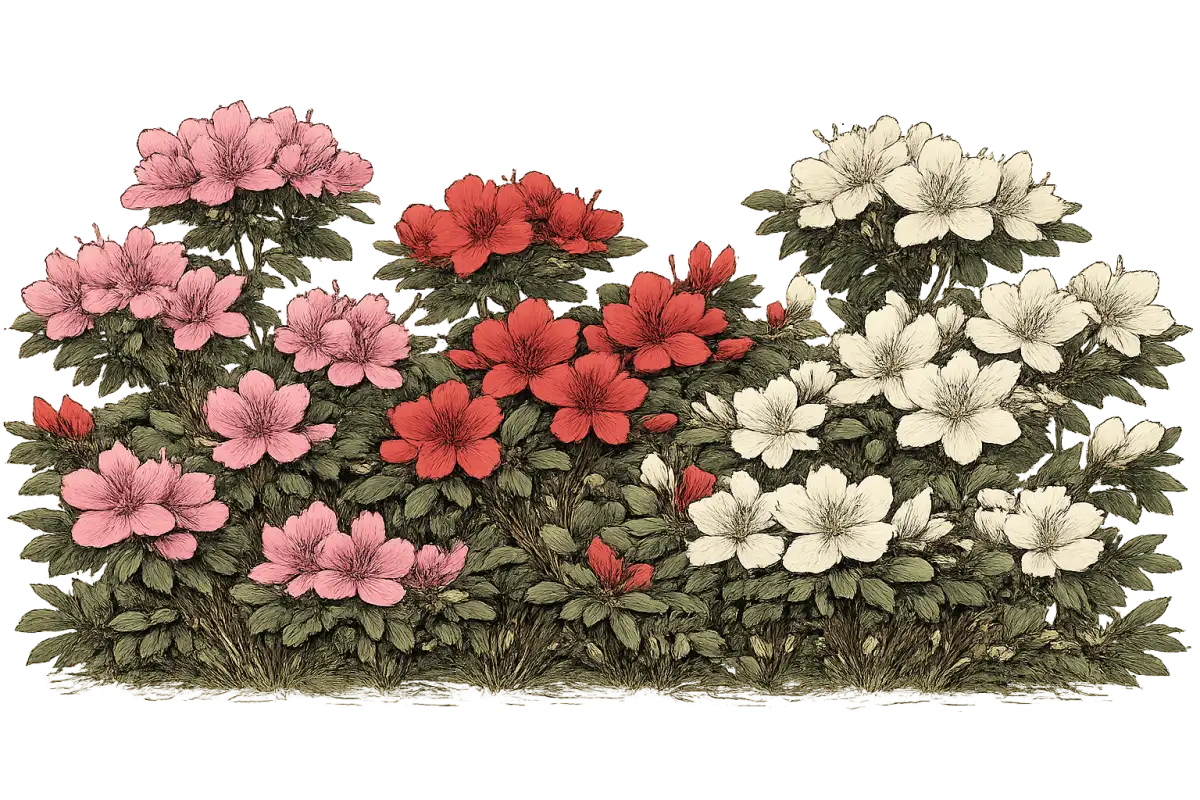
Acid-loving shrubs: Azaleas, blueberries, and mountain laurel thrive in the same pH range and can share a dedicated acid garden bed. This grouping makes soil amendment and mulching more efficient, since the whole planting benefits from the same elemental sulfur applications and pine bark mulch.
Woodland understory plants: Ferns and hostas tolerate acidic conditions and prefer the dappled shade that rhododendrons often occupy beneath tree canopies. Their dense foliage suppresses weeds over the shallow rhododendron root zone without competing aggressively for nutrients.
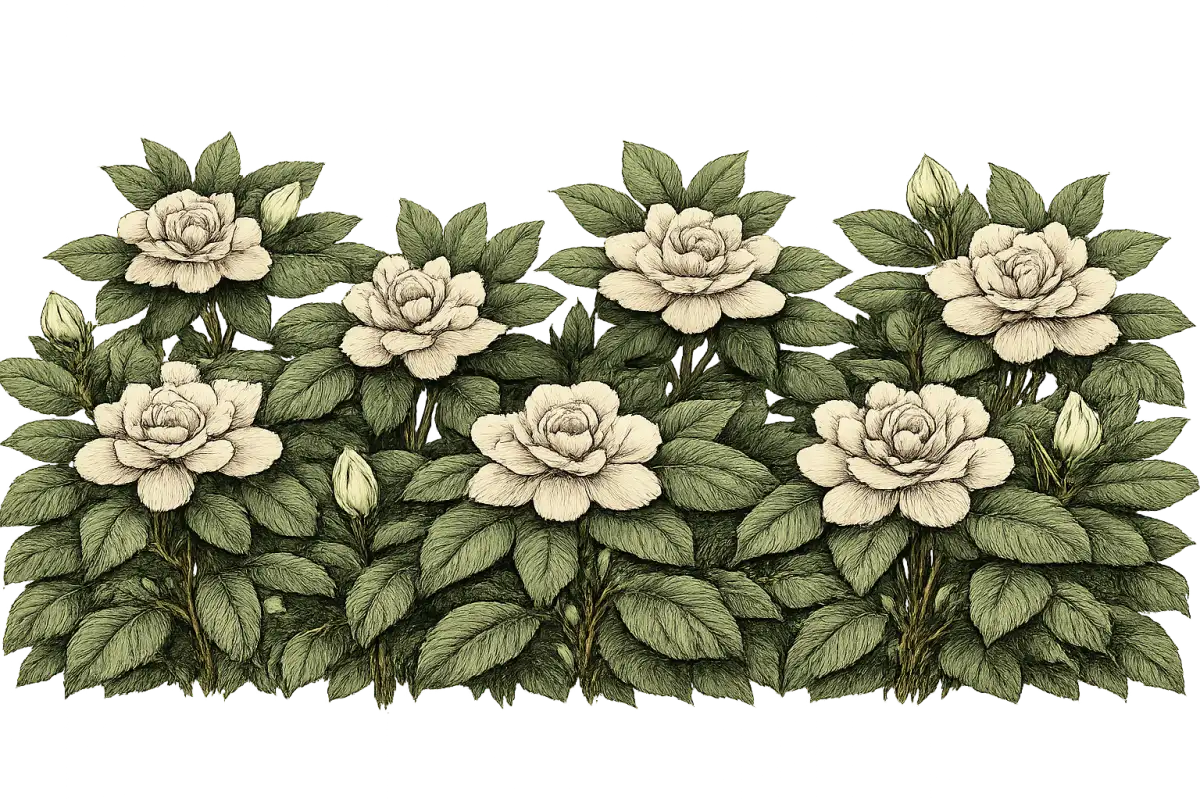
Acidifying mulch plants: Gardenias make good neighbors because they reinforce the same soil chemistry requirements, encouraging consistent use of acidifying mulches like pine needles and composted oak leaves that benefit all plants in the grouping. Pieris serves a similar role and offers spring bloom that complements rhododendron's flowering window.
Canopy companions: Dogwood and Japanese maple provide high filtered shade without aggressive surface rooting, which protects rhododendron's shallow feeder roots from drying out and competing root systems.
What to Keep Away
Lime-accumulating plants and structures: Avoid planting rhododendrons near concrete foundations, where lime leaches steadily into the surrounding soil and pushes pH above 6.5. At that point, iron locks up in the soil and becomes unavailable regardless of how much is present, causing interveinal chlorosis in new growth.
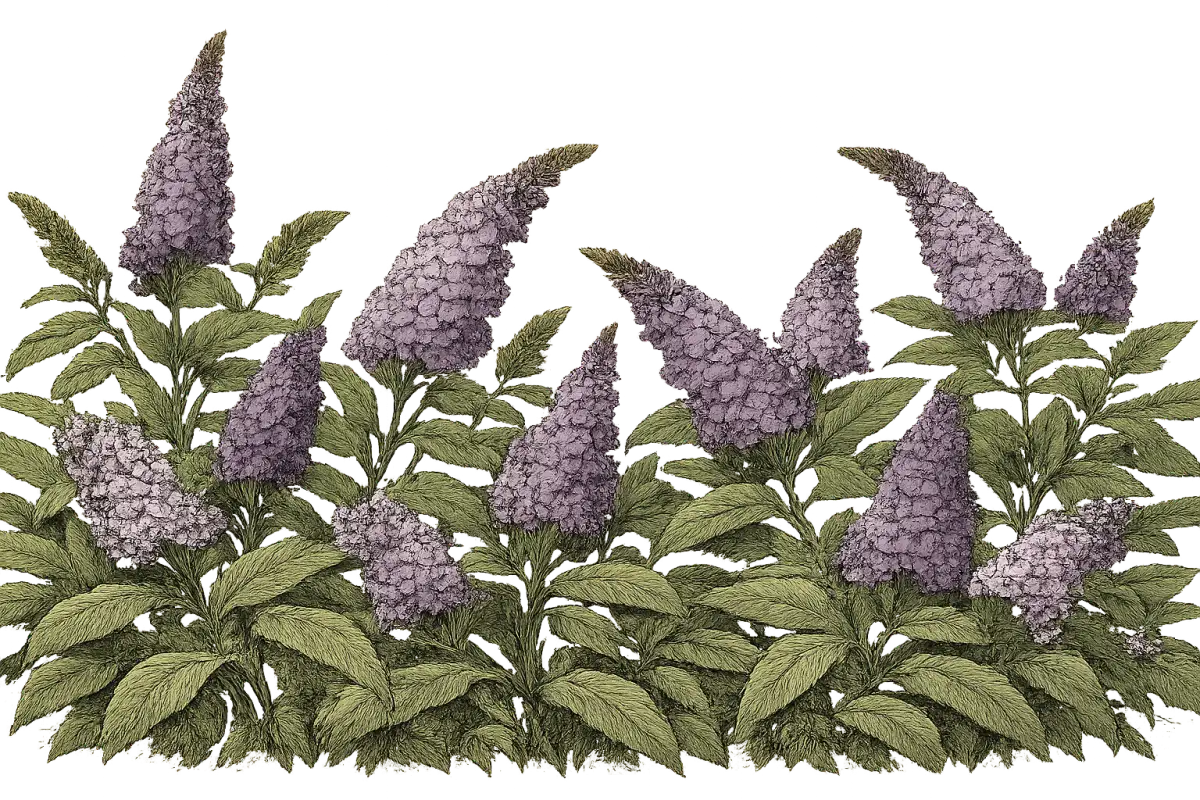
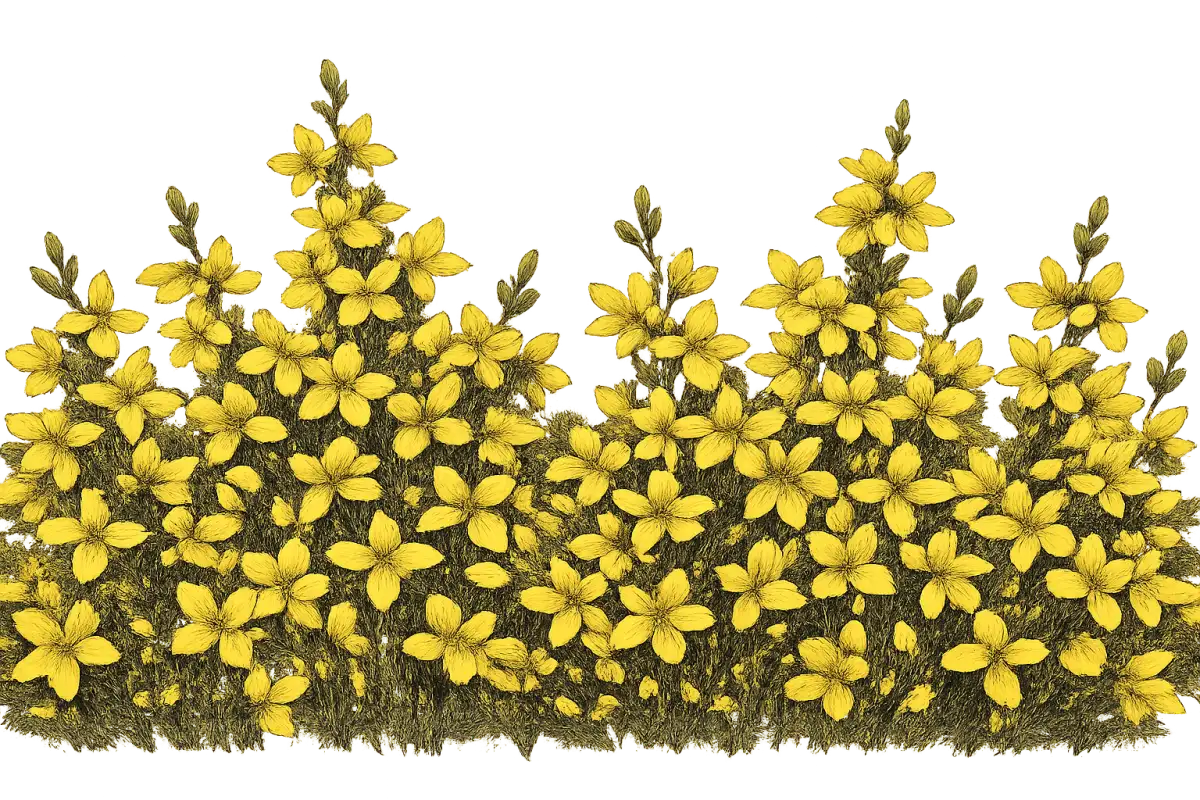
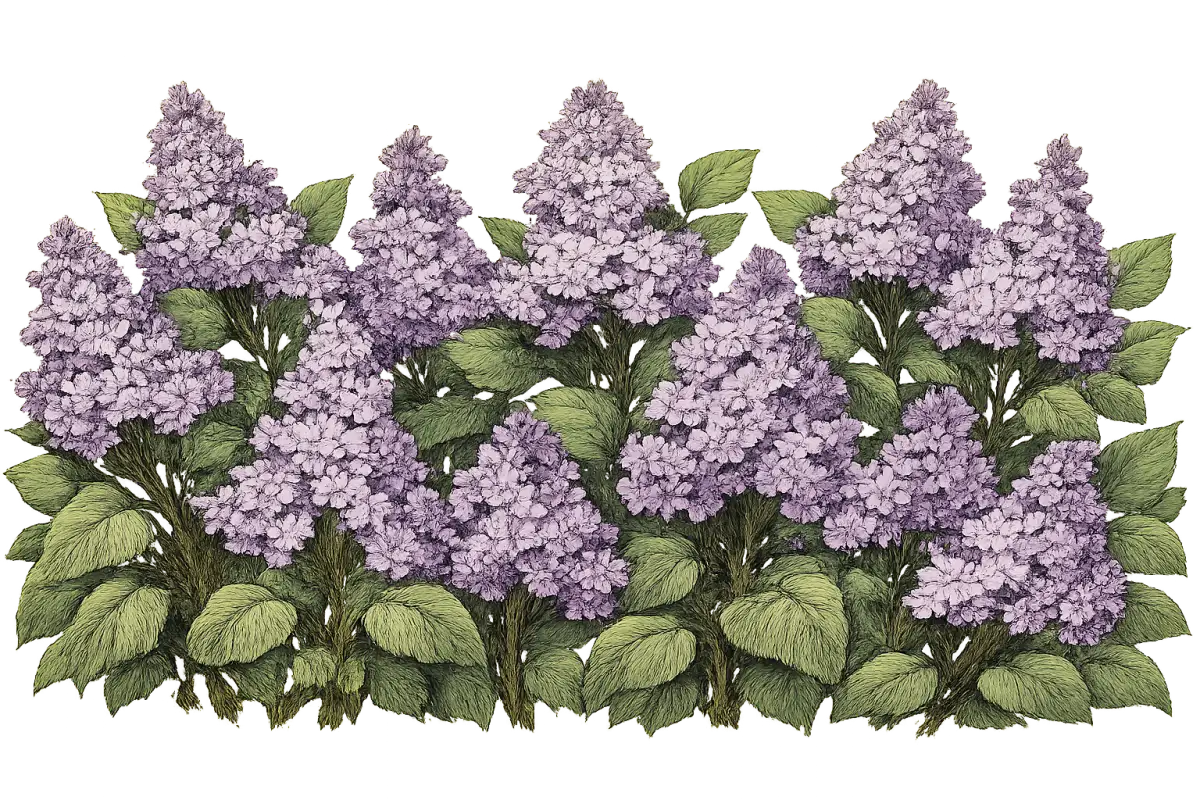
Alkaline-preferring shrubs: Lilac and forsythia (forsythia) prefer neutral to slightly alkaline conditions and are often amended with lime or wood ash. Planting them adjacent to rhododendrons creates conflicting soil management needs—what benefits one actively damages the other.
Walnut trees: They emit juglone from roots and decomposing debris, which is toxic to many broadleaf shrubs including rhododendrons. Maintain at least 50 feet of separation.
Grass turf: Lawn grasses push into the rhododendron root zone quickly and compete directly for water and the acidic, nutrient-limited conditions rhododendrons depend on. Use ground cover plants or thick organic mulch instead.
Frequently Asked Questions
Why Are My Rhododendron Leaves Turning Yellow with Green Veins?
This is iron chlorosis, and the cause is almost certainly soil pH that is too high. At pH above 6.5, iron becomes chemically unavailable regardless of how much is in the soil. The plant starves for iron in what looks like fertile ground.
Test soil pH first. If it is above 6.0, apply elemental sulfur and begin using acidifying mulch. For immediate relief while waiting for the pH correction to take hold, chelated iron in the EDDHA form provides fast temporary improvement. Iron sulfate provides both iron and a modest pH reduction. If the yellowing is widespread and the soil tests alkaline, a raised bed with imported acidic soil may be necessary — you cannot always amend your way out of strongly alkaline native soil.
Why Are My Rhododendron Leaves Curling and Drooping in Winter?
This is normal cold-protection behavior. The plant reduces leaf surface area exposed to desiccating winter wind and cold by curling leaves inward. They uncurl and return to normal when temperatures rise. No action is needed. Do not water excessively in response, and do not assume the plant is dead. Wait for warm weather. The leaves will recover.
My Rhododendron Won't Bloom. What's Wrong?
Three common causes: pruning at the wrong time (removing summer-formed flower buds by pruning after mid-June), too much shade (no sun at all produces leggy, reluctant-blooming plants), or failing to deadhead (allowing seed production diverts energy from flower bud formation). Confirm your pruning timing, assess whether the plant is getting even filtered light, and deadhead spent flowers consistently starting this year.
Can I Grow Rhododendrons in Containers?
Yes, with some caveats. Use a container at least 18-24 inches in diameter with drainage holes. Fill with an acidic mix (peat-based or pine bark-based). Compact varieties — Ramapo, Dora Amateis, PJM Elite, Haaga — are best suited to containers. Container plants need more frequent watering and more frequent pH monitoring, as alkaline tap water raises pH faster in a confined soil volume than in-ground. Feed with acid-forming fertilizer in spring and monitor soil pH annually.
What Should I Plant Alongside Rhododendrons?
Group them with plants that share their soil requirements. Azaleas (same genus, essentially identical care), blueberries, camellias (zones 7-9), mountain laurel, pieris, gardenias (zones 7-10), and hollies all thrive in the same pH 4.5-5.5, well-drained, organic-rich soil. Ferns make excellent groundcover beneath rhododendrons. Building one dedicated acid garden bed with all of these plants simplifies soil management enormously compared to scattering them across different beds.
How Big Will My Rhododendron Get?
It depends entirely on the variety, and this question deserves serious attention before you plant. Ramapo stays at 2 feet. Ken Janeck and Yaku Princess reach 3-4 feet. Most standard hybrids grow 5-7 feet in 15-20 years. Catawbiense types like Roseum Elegans and Catawbiense Album will reach 6-10 feet. R. maximum can hit 10-15 feet. These are slow-growing plants — a catawbiense hybrid planted today will be 6 feet tall in perhaps fifteen years. But it will be 6 feet tall eventually. Check the mature size of your variety before you put it in front of a window.
 Where to Plant