Fruits

Cherry Trees: What Nobody Tells You Before You Plant One

Sarah Whitfield

Sarah Whitfield

Fruit & Berry Specialist · Updated April 2026

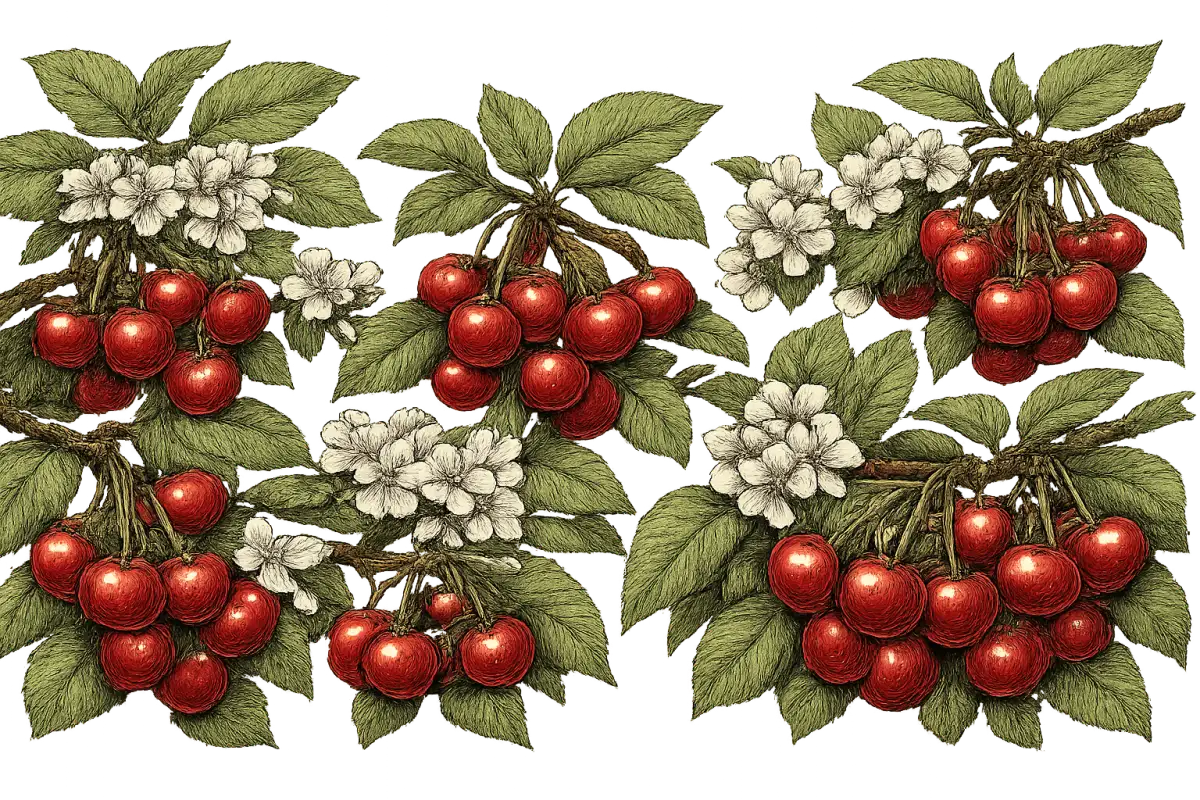
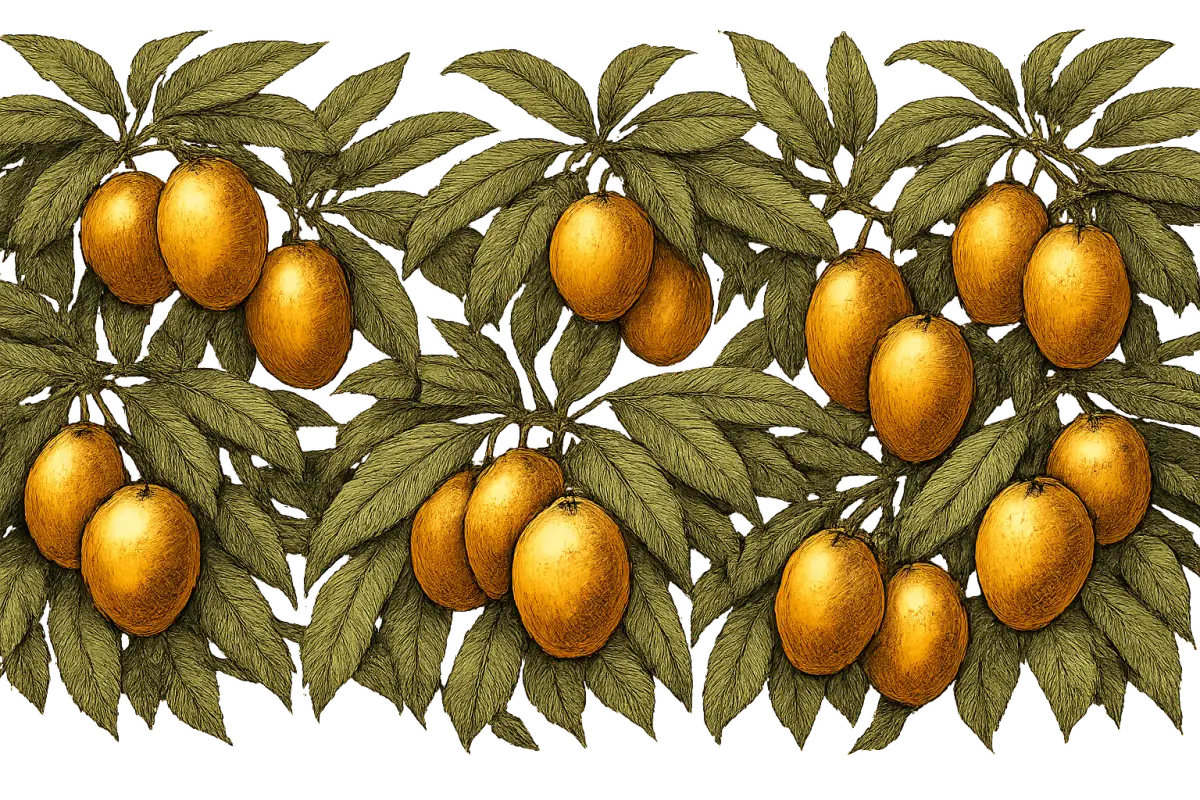
How to grow cherry tree — vintage botanical illustration showing the plant in detail

Cherry Tree at a Glance

Sun

Sun

6-8 hours full sun

Soil pH

Soil pH

6.0-7.0

Water

Water

1-2 inches per week during growing season

Spacing

Spacing

10-35 ft

Days to harvest

Days to Harvest

2-3 years to first fruit

Height

Height

8-40 feet depending on rootstock

Soil type

Soil

Well-drained soil

Lifespan

Lifespan

perennial

Get your personalized growing data

Enter your zip code for frost dates, growing season, and soil type.

Every spring, the same scene plays out in home orchards across the country. A cherry tree blooms magnificently — hundreds of blossoms, picture-perfect — and then sets not a single piece of fruit. The gardener is baffled. The tree looks healthy. It flowered. What went wrong?

The answer, more often than not, comes down to one of two things: they planted a non-self-fertile sweet cherry without a pollination partner, or they planted the wrong type of cherry for their zone entirely. Neither problem is complicated. Both are completely avoidable. And yet they are the most common reasons cherry trees fail to produce — not disease, not pests, not poor pruning. Just a preventable mismatch between tree and situation.

Cherry trees are genuinely rewarding to grow. A mature dwarf sweet cherry on Gisela 5 rootstock fits in most suburban yards, comes into bearing in 2-3 years, and produces high-quality fresh fruit that genuinely cannot be replicated with anything you buy at a grocery store. Montmorency, the workhorse tart cherry, is self-fertile, disease-resistant, moderately sized, and has been producing reliable crops in American home gardens for generations. North Star — a natural dwarf sour cherry — grows to just 8-10 feet and survives winters that would kill any sweet cherry on the market.

But here is what we have learned from working through cherry tree failures with growers across multiple zones: the trees that thrive are almost always the result of decisions made before the shovel ever went into the ground. Type, variety, rootstock, pollination, and site selection — get these right first, and the rest of cherry growing is manageable. Get them wrong, and no amount of fertilizer, fungicide, or careful watering saves you.

This guide walks you through every major decision, in the order it matters.


Quick Answer: Cherry Tree Growing at a Glance

USDA Zones: 4-7 for sour cherries; 5-7 for sweet cherries (some varieties to zone 8)

Sun: Minimum 6-8 hours of direct sunlight daily — full sun required

Soil pH: 6.0-7.0 (slightly acidic to neutral)

Drainage: Non-negotiable — standing water for even 24-48 hours can cause irreversible root damage

Chill Hours Needed: 700-900 hours below 45°F for sweet; 600-800 hours for sour

Pollination: Most sweet cherries need a second, compatible sweet cherry variety within 50-100 feet. Sour cherries are all self-fertile. Sweet and sour cannot cross-pollinate each other.

Spacing: 10-12 feet (Gisela 5 dwarf), 14-18 feet (Gisela 6 semi-dwarf), 25-35 feet (standard)

Prune: Late winter only (February-March, dry weather window) — never in fall

First harvest: 2-3 years on dwarfing rootstock; 5-7 years on standard

#1 disease threat: Brown rot (Monilinia fructicola) — requires a preventive spray program

#1 pest threat: Birds — netting is the only reliable protection


Sweet or Sour: The Decision That Determines Everything Else

Before you look at a single variety name, you need to answer one question: sweet or sour? These are different species — Prunus avium versus Prunus cerasus — with different climate requirements, different pollination biology, and different end uses. They do not cross-pollinate. A sour cherry planted next to a sweet cherry provides exactly zero pollination benefit to the sweet tree.

Sweet cherries are the ones you eat fresh off the tree — the large, firm, dark red or yellow fruit you recognize from farm stands and grocery stores. They are extraordinary. They are also the more demanding of the two. Most sweet cherry varieties require a second compatible sweet cherry for cross-pollination. They need 700-900 chill hours. They are less disease resistant than sour types. On standard rootstock they reach 25-40 feet, which makes netting against birds — the number one cause of crop loss — nearly impossible. And they are cold-hardy only to zone 5, which leaves a substantial portion of the country with no viable sweet cherry options at all.

Sour cherries — sometimes called tart cherries — are a different proposition entirely. Every sour cherry variety is self-fertile, meaning a single tree produces a full crop without any partner. They are cold-hardy to zone 4, with North Star extending to zone 3. They are naturally smaller — a standard sour cherry tops out at 15-20 feet, and a dwarf sour like North Star reaches just 8-10 feet without any special rootstock. They are more disease resistant than sweet types. And they bear fruit reliably, year after year, with considerably less fussing.

The tradeoff is obvious: sour cherry fruit is not sweet enough to eat fresh in large quantities. It is the cherry you cook with — pies, preserves, juice, dried fruit. Montmorency is the number one tart cherry variety in the world for a reason, and the reason is not that growers enjoy difficulty.

We are not here to steer you toward one or the other — both are worth growing. But we want to be honest about what you are signing up for. If your goal is a single tree that reliably produces fruit with minimal complexity, plant a sour cherry. If your goal is fresh-eating sweet cherries and you are willing to think carefully about pollination, rootstock, and bird protection, plant sweet cherries — just plan accordingly.


Best Cherry Tree Varieties by Zone

Matching variety to zone is the second most important decision you will make, right behind sweet versus sour. The chart below is not exhaustive, but these are the specific varieties we recommend based on proven field performance in each zone group.

What zone are you in?

Enter your zip code for frost dates, growing season, and soil type.

Cold Zones (3-4): Sour Cherries Only

Let's be direct: sweet cherries do not survive reliably in zones 3 and 4. Spring frosts kill blossoms. Winter cold damages wood. Even if the tree survives, fruit production is inconsistent at best. Do not plant sweet cherries here. If someone at a nursery is trying to sell you one, walk away.

What does work — and works well — is a short list of exceptionally cold-hardy sour cherry varieties.

North Star is the zone 3 champion. It is a natural dwarf reaching just 8-10 feet without any special rootstock, which makes it the most manageable cherry tree available. It is self-fertile, extremely cold-tolerant, and has been the go-to recommendation for northern growers for decades. For anyone in zones 3 or 4, this is the first tree we recommend every time.

Meteor is a good secondary option, growing somewhat larger at 10-14 feet in a semi-dwarf habit. It is cold-hardy and upright-growing, which suits exposed northern sites well.

Montmorency — the world's most widely grown tart cherry — is reliable in zone 4. It may struggle in the harshest zone 3 sites, so if you are in the northern reaches of the continent, go with North Star first. If you are in zone 4 with reasonably good air drainage, Montmorency is a proven, satisfying producer.

One important note on rootstock in these zones: dwarfing Gisela rootstocks are less cold-hardy than standard rootstocks. In extreme cold zones, we recommend either standard rootstock or naturally dwarf varieties like North Star rather than trying to use Gisela 5 in a zone 3 winter.

Standard Zones (5-6): The Cherry Sweet Spot

Zones 5 and 6 are where cherry growing opens up completely. Both sweet and sour types thrive here, chill hours are easily met, and you have the widest variety selection of any zone group. The primary challenge shifts from climate to management — specifically pollination for sweet cherries, and disease pressure as you move toward the more humid parts of the zone.

For sweet cherries, the classic pairing is Bing + Black Tartarian. Bing is the standard by which all dark sweet cherries are measured — large, firm, deep red fruit with exceptional flavor. Black Tartarian is one of the best universal pollinators available, compatible with nearly any sweet cherry variety, and it ripens early, extending the harvest window. If you have room for two trees and want the benchmark sweet cherry experience, this is the pairing.

Rainier is the premium option — the large, yellow-blushed cherry that commands eye-watering prices at farmers markets. It needs a cross-pollinator as well; pair it with Black Tartarian or Van for best results. Rainier is worth the effort for fresh eating quality that has no supermarket equivalent.

If you have room for only one sweet cherry tree, self-fertile varieties are the answer. Stella was the first widely available self-fertile sweet cherry and remains a reliable, proven producer. Lapins is our preferred pick among self-fertile varieties — large dark red fruit, notably crack-resistant (important if your summers bring rain near harvest time), and a self-fertile habit that means fruit production is not contingent on a neighbor's tree. BlackGold is specifically bred for cold hardiness and is the best choice at the cold end of zone 5 where standard sweet cherries might struggle.

For sour cherries in this zone, Montmorency is the workhorse choice — the most reliably productive tart cherry in American home gardens. Balaton, a Hungarian variety, offers a sweeter flavor profile than most tarts and handles the zone 5-6 range comfortably. North Star remains excellent for small yards.

Rootstock advice for this zone: for any sweet cherry, strongly consider Gisela 5 (8-12 feet) or Gisela 6 (12-18 feet) instead of standard Mazzard (25-40 feet). The size reduction is dramatic, and it directly affects whether you can realistically net the tree against birds, prune it from the ground, and harvest without orchard equipment.

Warm Zones (7-8): Manage Expectations Before You Plant

Zone 7 is workable for cherry trees, but it requires honest advance planning. Sweet cherries need 700-900 chill hours — hours below 45°F during winter dormancy. In much of zone 7, and across most of zone 8, that threshold is not reliably met. Before committing to sweet cherry trees in these zones, look up the historical chill hour accumulation for your specific location. County extension offices often have this data. If your site regularly falls short of 700 hours, sweet cherries will bloom erratically, set poorly, and disappoint you year after year.

Where chill hours are adequate in zone 7, the disease management burden increases. Brown rot pressure rises significantly in humid southeastern zone 7. Lapins is particularly well-suited here because its crack resistance holds up when summer rain overlaps with harvest — a common scenario that destroys softer-skinned sweet varieties. Stella and Sweetheart (both self-fertile) are also broadly adapted to this zone.

Montmorency and Balaton handle zone 7-8 conditions better than most sour types, and their relative disease resistance compared to sweet cherries is a genuine advantage in humid climates. In zone 8, sour cherries are the safer bet across the board.

For rootstock in zone 7-8 dry conditions — think parts of the Mid-Atlantic and the warmer interior West — Mahaleb rootstock tolerates heat and drought significantly better than Mazzard and is worth considering if your summers are hot and dry.

Quick Reference Table: Top Picks by Zone Group

Zone GroupTop 3 VarietiesTypeWhy
3-4North Star, Meteor, MontmorencySourOnly cold-hardy option; all self-fertile
5-6Bing + Black Tartarian, Lapins, MontmorencySweet / SourFull selection; best sweet cherry zone
7-8Lapins, Sweetheart, MontmorencySweet / SourCrack resistance matters; check chill hours

The Pollination Problem (And How Not to Get Caught By It)

This section deserves its own space because it is the single most common reason sweet cherry trees produce nothing. The rules are not complicated, but they are specific, and getting them slightly wrong produces exactly the same result as getting them completely wrong: zero fruit.

Most sweet cherry varieties are self-incompatible. They cannot fertilize their own flowers. Without pollen from a second, genetically different sweet cherry variety within 50-100 feet, the blossoms open beautifully and fall off without setting fruit. The tree is healthy. It just cannot reproduce without a partner.

There is a hidden version of this mistake that catches more experienced gardeners: planting two sweet cherries that look like different varieties but belong to the same pollination group. Bing and Lambert, for example, are distinct varieties — different appearance, different harvest timing — but they share the same genetic incompatibility group and will not pollinate each other. If you plant only Bing and Lambert, you will get no fruit from either tree despite having two cherry trees in bloom simultaneously.

The pairings that work reliably: Bing + Black Tartarian, Rainier + Black Tartarian, Rainier + Van. Black Tartarian is considered a near-universal pollinator and is the safest choice if you are uncertain about compatibility.

If you can only plant one sweet cherry, the self-fertile varieties — Stella, Lapins, BlackGold, WhiteGold, Sweetheart — will produce fruit without any partner. They still benefit from cross-pollination (larger berries, higher yields), but "good" without a partner beats "nothing" every time.

And critically: do not count on your sour cherry to pollinate your sweet cherry. Sour cherries (Prunus cerasus) and sweet cherries (Prunus avium) are different species with different chromosome counts. They are genetically incompatible for pollination. It does not matter how close they are to each other.


Soil and Site: Getting the Foundation Right

Cherry trees have two non-negotiable site requirements. Everything else is negotiable; these are not.

First: drainage. This is the single most important soil characteristic for any cherry tree. Standing water around cherry roots for even 24-48 hours during the growing season can cause irreversible damage. Frozen saturated soil in winter is equally lethal. A cherry tree in well-drained soil can tolerate wide variation in pH, fertility, and climate. A cherry tree in waterlogged soil will die regardless of how perfect everything else is.

Before you plant, run the drainage test: dig a hole 12 inches deep, fill it with water, let it drain completely, fill it again, and time the second drainage. If it drains in under an hour, you have excellent conditions for cherries. One to four hours is acceptable. Four to eight hours requires heavy amendment or raised beds. More than eight hours means do not plant cherry trees there without a major site modification — no rootstock tolerates standing water.

If you have clay soil, you have three options in order of effectiveness: build raised beds or berms at least 18-24 inches above grade and fill them with sandy loam or a well-draining mix; create a broad mound 12-18 inches high from a mixture of native soil, coarse compost, aged bark, and perlite; or till coarse organic matter into a wide planting area. One amendment to avoid specifically: do not add straight sand to clay soil. Sand and clay combine to form a concrete-like substance that is worse than unmodified clay. Use coarse organic matter instead.

Second: sunlight. Cherry trees need full sun — a minimum of 6-8 hours of direct sunlight daily. This is not a soft recommendation. More sun means faster foliage drying after rain and dew, which directly reduces brown rot and fungal disease pressure. If you are choosing between a shadier spot and a sunnier spot, the sunnier spot is always correct.

Soil pH for cherries is considerably more forgiving than for blueberries. The target range is 6.0-7.0, and trees tolerate 5.5-7.5 without significant problems. Still, get a soil test before planting. County extension offices in most states provide testing for $10-25, and the results tell you exactly what amendments, if any, are needed. In the Southeast, soils are often naturally acidic and may need lime. In the Mountain West and Desert Southwest, alkaline soils above pH 7.5 may need sulfur. In the Midwest, many sites are naturally near neutral and need nothing at all.

Air drainage matters as much as soil drainage — and this one catches growers off guard. Cold air settles in low spots and valley bottoms. Cherry blossoms are extremely frost-sensitive. A single late frost during bloom can eliminate the entire year's crop. Plant on a mid-slope if possible, where cold air drains away from the site. South or southeast-facing exposures maximize warmth and minimize late frost risk.

Planting the Tree

Time your planting correctly for your zone. In zones 4-6, plant in early spring while the tree is still dormant — before buds break, typically March to April. In zones 6-8, fall planting works as well, giving roots time to establish during winter dormancy. Whatever the timing, bare-root trees establish fastest when soil is cool but no longer frozen.

When you dig the hole, make it twice as wide as the root ball but only as deep as the root system — you do not want the graft union buried. That union — the visible bulge near the base of the trunk — must sit 2-3 inches above the soil line. Burying it allows the scion to root and bypasses the rootstock entirely, meaning you lose all the dwarfing, precocity, and soil adaptation you paid for.

Backfill with native soil. Do not heavily amend the backfill — this actually discourages roots from growing outward into the surrounding soil. Water deeply at planting to settle the soil around the roots. Apply 2-4 inches of organic mulch (wood chips or bark) in a ring around the tree, keeping it 4-6 inches away from the trunk. Mulch piled against the bark promotes crown rot and shelters rodents — keep it back from the base.

If you planted on Gisela 5 rootstock, stake the tree. The dwarfing root system is less vigorous than standard rootstocks and needs support for the first 2-3 years, or permanently on exposed sites. Without staking, the tree leans or tips in wind — a common and frustrating sight with first-time dwarf plantings.


Watering: Roots Wet, Leaves Dry

The watering principle for cherry trees has two parts, and both matter equally. Roots need consistent, deep moisture. Foliage needs to stay dry. Wet roots keep the tree productive. Wet leaves invite brown rot and bacterial canker — the two most destructive diseases cherry trees face.

This drives the single most important irrigation decision you will make: use drip irrigation, not overhead sprinklers. Drip delivers water directly to the root zone without wetting the canopy. This one change reduces fungal disease pressure more than any spray program. If your cherry trees are currently in a lawn sprinkler zone, move them out of it.

In the first year, newly planted trees need frequent watering because their root systems cannot access deep soil moisture yet. Plan on twice-weekly watering for the first month (2-3 gallons each time), settling into once weekly through the growing season (5 gallons per session in summer heat). Pull back in fall to allow the tree to harden off before winter.

Mature trees in their third year and beyond need approximately 1-2 inches of water per week during the growing season, including rainfall. The method matters as much as the amount: deep, infrequent soaking is far superior to frequent shallow watering. You want moisture penetrating 12-18 inches into the soil — the active root zone. A once-weekly deep watering achieves this; daily light watering keeps moisture in the top few inches where it evaporates quickly and encourages shallow rooting.

The most critical watering period is fruit set through pit hardening — the stretch from shortly after bloom until the fruit's seed solidifies inside the cherry. Consistent moisture here directly affects fruit size and quality. As cherries approach harvest, ease off slightly. This is the counterintuitive part: excess water in the final week or two before harvest causes fruit to swell faster than the skin can stretch, resulting in splitting and cracking. Lapins was specifically bred for crack resistance and tolerates late-season moisture better than most, which is why we recommend it where summer rain patterns coincide with harvest.

If you must use overhead irrigation, water only in the early morning — never in the evening. Foliage that stays wet overnight is the highest-risk scenario for fungal disease development. But honestly, early-morning overhead watering in a warm humid summer is still a real risk. Drip is always the better option.

Rootstock affects water needs meaningfully. Gisela 5 trees have a smaller root system and are less drought-tolerant — they need consistent moisture and are sensitive to both drought and waterlogging. Mahaleb rootstock is the drought-tolerant option, ideal for hot, dry climates and sandy soils. It performs exceptionally well in those conditions and fails quickly in wet ones. Match the rootstock to your natural site moisture, not just your intended watering habits.


Pruning: One Window, One Rule

Cherry tree pruning has one cardinal rule that overrides every other consideration: prune in late winter while the tree is fully dormant, and only during a dry weather window. February through early March in most zones. Not fall. Not during wet spring weather. Late winter dormancy, dry conditions.

This rule exists because cherry trees are highly susceptible to bacterial canker (Pseudomonas syringae) and brown rot (Monilinia fructicola), both of which enter through pruning wounds. These pathogens are most active during cool, wet conditions — exactly the conditions of fall pruning and spring wet spells. Pruning in those windows is functionally equivalent to cutting open wounds and inviting infection. Wait for a 48-hour dry weather forecast, then prune.

Sweet and sour cherries are trained differently, which reflects their different natural growth habits.

Sweet cherries grow naturally upright and are best shaped into a central leader form — one dominant central trunk with 5-8 scaffold branches spaced evenly along it, trained to 45-60 degree angles from the trunk. This creates a pyramidal shape that maximizes light penetration to interior branches and fruit spurs. Sweet cherries also do not tolerate heavy pruning well. They produce fruit on long-lived spurs — small, stubby side branches — and removing too many of these significantly reduces productivity. Aim to remove no more than 20-25% of the canopy in any single year.

Sour cherries have a naturally spreading habit and are best trained as an open center (vase) shape — three to five main scaffold branches growing outward from a low trunk, with no central leader, creating a bowl shape with excellent interior light and airflow. Sour cherries are considerably more tolerant of pruning cuts than sweet types and respond with vigorous regrowth. They also produce fruit on one-year-old wood in addition to spurs, so annual renewal pruning — removing some older wood to stimulate new fruiting shoots — is beneficial rather than harmful.

Every dormant season, work through what we call the four D's: remove Dead, Diseased, Damaged, and Directionally wrong wood (branches growing inward, crossing other branches, or shooting straight up as water sprouts). For sweet cherries, stop there or very close to it. For sour cherries, continue thinning the interior to maintain that open, airy canopy.

Disease-prevention pruning is its own subset of this work. The goal is an open canopy where air moves freely and foliage dries quickly after rain. Dense, enclosed areas where air stagnates are brown rot incubators. Keep a minimum 6-8 inches between parallel branches. Cut out any twig showing small, sunken canker lesions — and cut at least 4 inches below the visible canker to ensure you remove all infected tissue. Sanitize your pruning tools between cuts with a 10% bleach solution or 70% rubbing alcohol. Diseased material goes in the trash, not the compost pile.
What zone are you in?

Enter your zip code for frost dates, growing season, and soil type.


Brown Rot and Birds: The Two Threats That Actually Cost You the Harvest

Everything else in cherry growing is a manageable complication. Brown rot and birds are the two threats that, unaddressed, mean you get no cherries at all. They deserve honest, specific attention.

Brown Rot: Start the Program Before You See a Symptom

Brown rot (Monilinia fructicola) is the most destructive cherry disease, capable of destroying an entire crop. It attacks in two phases that are easy to misread as separate problems.

Phase one is blossom blight — during wet, humid weather at bloom time, the fungus infects open flowers. Infected blossoms turn brown and wither but stay attached to the branch rather than dropping naturally. Most growers do not even notice this phase, or they write off the dead blossoms as frost damage. But each destroyed blossom is a potential cherry that will not exist this year, and those stuck-on dead flowers are harboring spores that infect nearby tissue.

Phase two is fruit rot — tan or brown soft spots appearing on ripening cherries, rapidly expanding and developing fuzzy gray-brown spore masses. By the time you see this, the infection has been active for weeks. Spraying when fruit is already rotting protects whatever is still uninfected but does not reverse the damage already done. This is why reactive treatment fails.

The program that works is preventive, starting before any symptoms appear:

  • Pink bud stage (just before blossoms open): first fungicide spray
  • Full bloom (if wet weather): second spray to protect open flowers
  • Petal fall: third spray to protect developing fruit
  • 2-3 weeks before harvest: final pre-harvest spray (observe the pre-harvest interval on your product label)

Home garden fungicide options include Captan (broad-spectrum, effective), sulfur (organic-approved, effective below 85°F), and chlorothalonil (check label for cherry-specific approval). Copper is organic-approved but has limited effectiveness against brown rot specifically.

The cultural practices matter as much as the spray timing. Prune for an open canopy where air moves freely — fast-drying foliage is the number one structural defense against brown rot. Remove every mummified cherry from the tree and ground before spring — these shriveled fruits are the primary overwintering reservoir of the fungus and the source of next year's blossom blight. Removing mummies is unglamorous work, and it is one of the highest-return activities you can do in your orchard. Dispose of them in the trash, not the compost pile; the fungus survives composting. And use drip irrigation, not overhead sprinklers — every unnecessary wetting of the canopy is an invitation.

Birds: Plan for Netting Before You Even Buy the Tree

Here is the scale of the problem: a flock of starlings or robins can strip a cherry tree completely bare in one to two days. Birds begin eating fruit as soon as it starts to change color — days before it is ripe enough for you to harvest. Without protection, expect to lose 50-100% of your crop. Every year.

Netting is the only reliable solution. Reflective tape, fake owls, electronic distress calls, and mylar balloons all work briefly — birds habituate to static deterrents within days. They may buy you a few days as supplements to netting but should never be your primary strategy for a full harvest season.

The critical detail most growers miss is that netting must be mounted on a frame, not draped directly over branches. Draping netting over the canopy does not work — birds simply press against it and eat fruit through the mesh. Build a simple PVC pipe or wood frame slightly larger than the tree's canopy, drape the netting over the frame, and secure it at ground level. Use mesh with 3/4-inch (20mm) openings — smaller mesh traps and kills small birds, larger mesh lets birds reach through.

Install netting after fruit has set but before fruit begins to color — approximately 2-3 weeks before expected harvest. Once cherries start turning red or yellow, birds are already feeding.

Now here is why rootstock choice connects directly to bird protection: standard cherry trees on Mazzard rootstock reach 25-40 feet. Building an effective netting frame over a 30-foot tree is, practically speaking, nearly impossible for most home growers. Dwarf trees on Gisela 5, topping out at 8-12 feet, can be fully netted with a simple frame and modest effort. If bird protection is not part of your plan before you buy your trees, make it part of your plan now — and let it influence your rootstock decision accordingly.


The Mistakes That Cost People Their Crops

We have covered the major topics in depth above. Here, briefly, are the patterns we see most often when cherry trees fail — ranked by how consistently they show up.

Planting a non-self-fertile sweet cherry without a pollinator is the most common cause of a productive-looking tree that never bears fruit. If you can only plant one sweet cherry, choose a self-fertile variety: Stella, Lapins, BlackGold, WhiteGold, or Sweetheart. If you plant two sweet cherries, verify they are from different pollination groups. Bing and Lambert, despite being different varieties, are in the same incompatibility group and will not pollinate each other.

Choosing sweet cherries for the wrong zone is equally common. Sweet cherries are reliably hardy to zone 5. In zones 3-4, sour cherries are your only viable option. In zone 8 and above, check actual chill hour accumulation for your location before committing — many zone 8 sites do not provide the 700-900 hours sweet cherries need, and trees in chill-deficient sites leaf out erratically and set little fruit.

Planting standard-size trees in small yards creates cascading problems. A 30-40 foot tree cannot be netted against birds, cannot be pruned without tall orchard ladders, and takes 5-7 years to bear fruit compared to 2-3 years for dwarfing rootstocks. For home gardens, Gisela 5 or Gisela 6 rootstock is almost always the right choice.

Pruning in fall is a straightforward mistake with real consequences. Fall pruning stimulates soft new growth that cannot harden before winter and simultaneously opens wounds during the season when bacterial canker pathogens are most active. Prune only in late winter. This is not a soft guideline.

Assuming the sour cherry will pollinate the sweet cherry is a mistake we see regularly when growers plant both types for complementary harvests. It is an understandable assumption but biologically impossible. Keep this in mind as you design your planting.

Using overhead irrigation — particularly including cherry trees in lawn sprinkler zones — is one of the most reliable ways to create chronic brown rot and bacterial canker pressure. Wet foliage is the primary trigger for both diseases. Drip irrigation is not optional for cherries; it is how you keep the disease load manageable.

Ignoring mummified fruit in fall cleanup is a small task with outsized consequences. Each mummified cherry left hanging on the tree or lying on the ground through winter is a spore reservoir for next spring's blossom blight. This single sanitation step costs an hour of time and can dramatically reduce brown rot pressure the following season.


Harvesting: Pick in the Morning, Pick Everything Ripe

Cherries do not ripen after picking. What comes off the tree is what you get — a fully ripe cherry tastes extraordinary; a cherry picked two days early tastes adequate. This is the gap between homegrown cherries and grocery store cherries, and it is the best argument for growing your own.

The practical result of this is that harvest timing matters. Sweet cherries are typically ready in June in zones 5-6, somewhat earlier in zone 7 and later in zone 5. Color is your primary guide, but do not rely on it alone — taste a few. Ripe cherries release from the stem with minimal pressure. If you have to tug, give it more time.

Pick in the early morning for two reasons: morning temperatures are cooler, which means firmer, longer-lasting fruit, and birds are most active later in the day. Getting out early shifts the odds in your favor.

Do not leave ripe fruit on the tree. Ripe cherries hanging on the branch attract birds, develop brown rot, and fall to the ground where they become a disease source. Harvest every ripe cherry at each picking. Plan to pick every few days during the harvest window — a single tree ripens its crop over several weeks, not all at once.

For storage: do not wash cherries until you are ready to eat them. Washing removes the natural protective bloom on the skin and accelerates spoilage. Refrigerate immediately at the coldest setting you can manage. Expect 7-14 days of storage quality. For longer storage, cherries freeze well — spread them on a baking sheet in a single layer, freeze until solid, then transfer to bags. This prevents the stuck-together clump that makes frozen cherries difficult to use in smaller quantities.


Frequently Asked Questions

Why is my cherry tree blooming but not setting fruit?

In the vast majority of cases, the answer is pollination failure. If it is a sweet cherry, it almost certainly needs a second compatible sweet cherry variety within 50-100 feet. Verify that your two trees (if you have two) are not from the same incompatibility group — Bing and Lambert, for example, will not pollinate each other despite being different varieties. If you have a self-fertile variety and it still is not setting, consider whether you are inadvertently spraying insecticides during bloom — which kills the bees doing the pollination work.

Can cherry trees grow in zone 8 or 9?

Zone 8 is marginal for sweet cherries and depends heavily on your specific location's chill hour accumulation. Many zone 8 sites accumulate fewer than the 700-900 hours sweet cherries require. Sour cherries, particularly Montmorency and Balaton, extend into zone 8 more reliably. Zone 9 is generally too warm for cherries of either type. Check your county's historical chill hour data before committing.

Do I need to spray cherry trees?

For most home orchards in humid climates, yes — a preventive fungicide program is necessary to manage brown rot. The spray program is not complicated: four key timings (pink bud, full bloom if wet, petal fall, pre-harvest) using Captan, sulfur, or chlorothalonil. If you are growing sour cherries in a relatively dry climate, your disease pressure is lower and you may be able to get by with cultural practices alone — open canopy pruning, mummified fruit removal, drip irrigation. But in humid zones, sweet cherries almost always benefit from a spray program.

What rootstock should I choose?

For home gardens: Gisela 5 (8-12 feet) or Gisela 6 (12-18 feet). These dwarfing rootstocks produce trees you can actually prune, spray, net, and harvest without orchard equipment, and they begin bearing in 2-3 years instead of 5-7. Gisela 5 needs staking. For hot, dry climates with sandy or rocky soil, Mahaleb is the right choice — drought-tolerant and adapted to those conditions. For larger properties or commercial plantings, Mazzard produces vigorous, long-lived trees. If your soil is wet, fix the drainage before choosing any rootstock — no rootstock tolerates standing water.

How long until I get cherries?

On dwarfing rootstocks (Gisela 5, Gisela 6), expect your first meaningful harvest in year 2-3. On standard rootstocks (Mazzard, Mahaleb), plan for 5-7 years. North Star, being a naturally dwarf variety, typically begins bearing in years 3-4. Remove any fruit that sets in the first year on dwarf trees — redirecting that energy to root and canopy establishment pays off in higher production for the tree's full lifespan.

How do I protect my cherries from birds?

Build a frame from PVC pipe or wood slightly larger than your tree's canopy. Drape netting with 3/4-inch mesh over the frame and secure it at the ground. Install it 2-3 weeks before expected harvest — before fruit begins to color, not after. Do not drape netting directly over branches; birds press against the netting and eat through it. Deterrents like reflective tape and fake owls buy a few days at most. Netting is the only reliable solution for a full harvest season.


The Bottom Line

Cherry trees are specific, not difficult. The decisions that determine success happen before the tree goes into the ground — type, variety, pollination, rootstock, and site selection. Get these right and the ongoing management is straightforward: water at the root zone, prune once in late winter, run a four-spray brown rot program, and net before fruit colors.

The payoff is real. A dwarf sweet cherry on Gisela 5 in a zone 5-6 yard starts bearing in its third year and will produce exceptional fresh fruit for decades. A Montmorency sour cherry requires less management, needs no pollination partner, and keeps a kitchen in pie cherries and preserves for the better part of a century. North Star makes cherry growing possible in climates where most growers assume it cannot be done.

Start with the right type for your zone. Match your rootstock to your yard size and site conditions. If you are planting sweet cherries, plan your pollination pairs before you buy anything. Build your netting frame before the first harvest season. Do these things, and your cherry trees will carry their end of the bargain.

Research for this guide was drawn from university extension service resources covering cherry variety trials, rootstock performance data, disease management protocols, and integrated pest management programs. Sources include county extension programs across zones 4-8 and published cultivar performance data for sweet and sour cherry varieties.

Where Cherry Tree Grows Best

Cherry Tree thrives in USDA Zones 5, 6, 7. Explore each zone's complete guide for growing tips, companion plants, and seasonal advice.

Also possible in: Zone 4 (challenging but possible with the right conditions).

Not sure of your zone? Look it up by zip code →